
Categories
Monitoring Sensors Wearables

Clinical trial wearable by Google

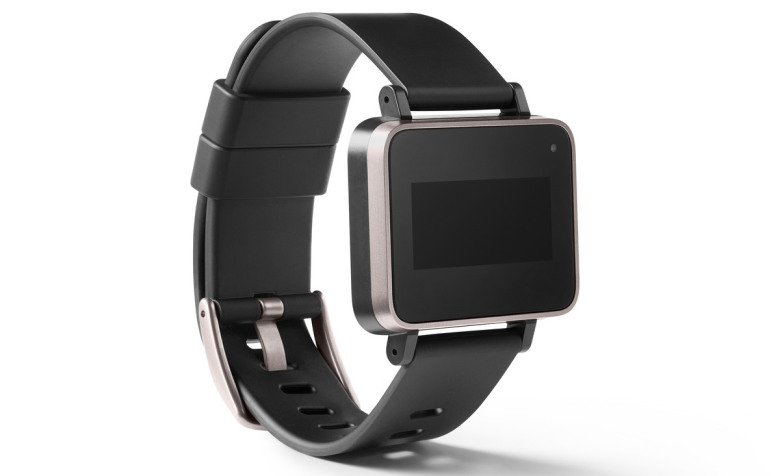
Google X has built a clinical grade health wearable intended for use in clinical trials.  It measures pulse, heart rhythm, skin temperature, light exposure, and noise levels.  The device can collect trial data both inside and outside of the lab.  Google’s life science head, Andrew Conrad, first described the wearable to Bloomberg this morning.

The company is researching several potential uses for the device, including monitoring patients discharged from hospitals.

ONE WEEK UNTIL WEARABLE TECH + DIGITAL HEALTH NYC 2015 – JUNE 30 @ NEW YORK ACADEMY OF SCIENCES.  REGISTER HERE.
Categories
Prosthetics

“Lifelike” bionic hand for women and teenagers

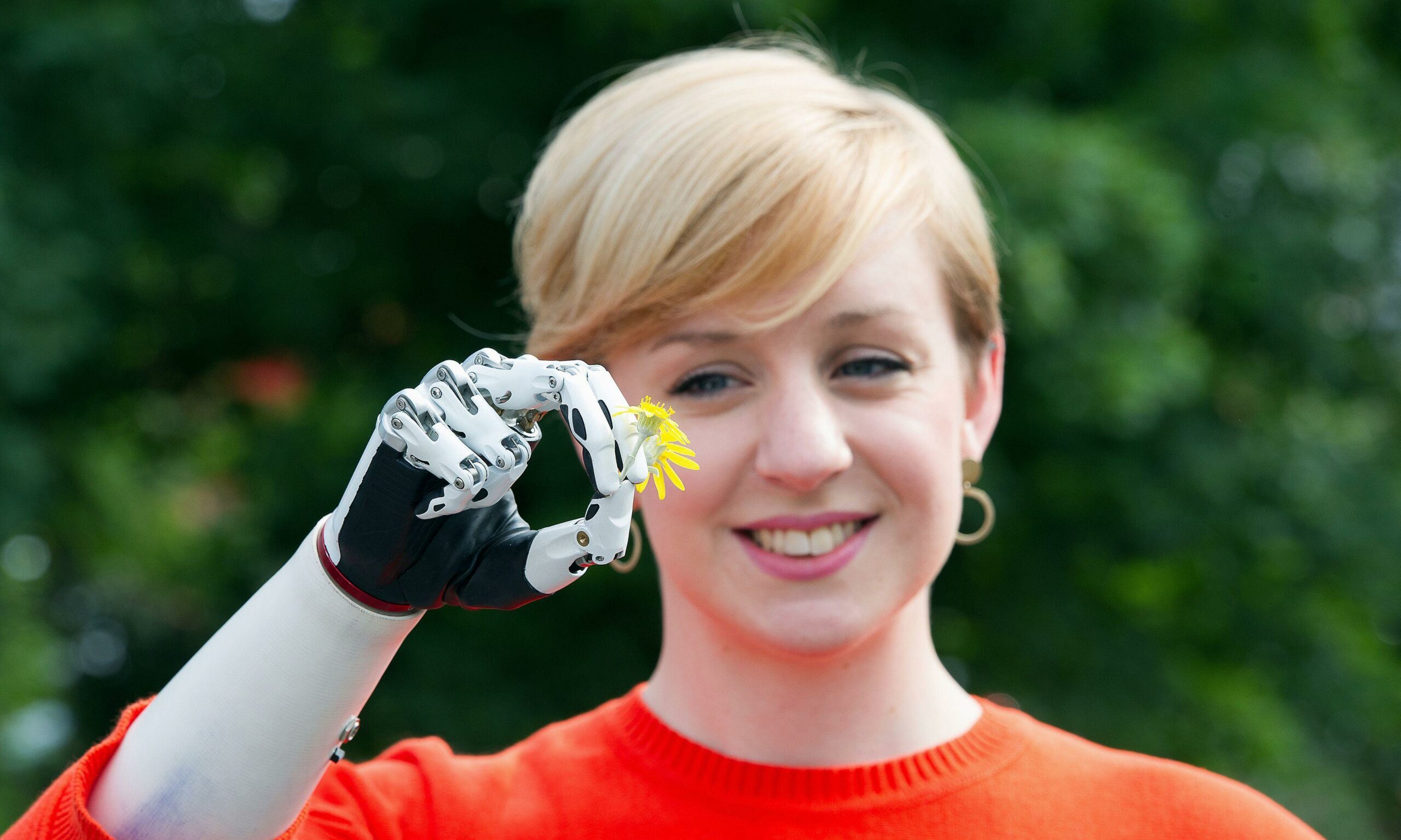
bebionic by steeper is a small,  “lifelike” bionic hand created for women and teenagers.  It is designed around an accurate skeletal structure with 337 mechanical parts.  Its 14  grip patterns and hand positions mimic real hand functions.

Its first user, Nicky Ashwell, was born with out a right hand.  After being fitted with the prosthetic, she was able to ride a bicycle and lift weights for the first time.

The prosthetic’s sensors are triggered by user muscle movements that connect to microprocessors and  motors in each finger. It weighs  1 pound and is 6.4 inches long.

WEARABLE TECH + DIGITAL HEALTH NYC 2015 – JUNE 30 @ NEW YORK ACADEMY OF SCIENCES.  REGISTER HERE.
Categories
Heart Sensors Wearables

Necklace, scale, cuff to monitor vitals, help manage CHF

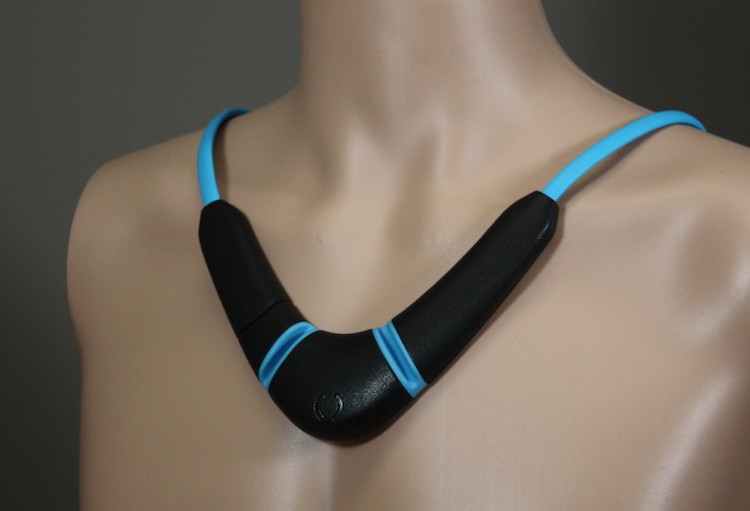
toSenses‘s CoVa necklace, and prototype floor pad and cuff/handle combination, measure pulse oximetry, heart rate, blood pressure, respiration rate and temperature.  The various forms of monitoring are meant to improve compliance and ease of use.

CoVa has received FDA clearance, and is primarily used as a congestive heart failure alert/management system.

The scale-like pad uses bioimpedance and ECG to measure thoracic fluid levels and also measures weight.

The cuff/handle device measures vital signs, plus blood pressure. The user holds the device at the stomach to measure thoracic impedance, and inflatable bladders in the arm cuff compress the radial artery to measure blood pressure.

WEARABLE TECH + DIGITAL HEALTH NYC 2015 – JUNE 30 @ NEW YORK ACADEMY OF SCIENCES.  REGISTER HERE.
Categories
BCI Brain Signal Processing

Spoken sentences recreated from brain activity patterns

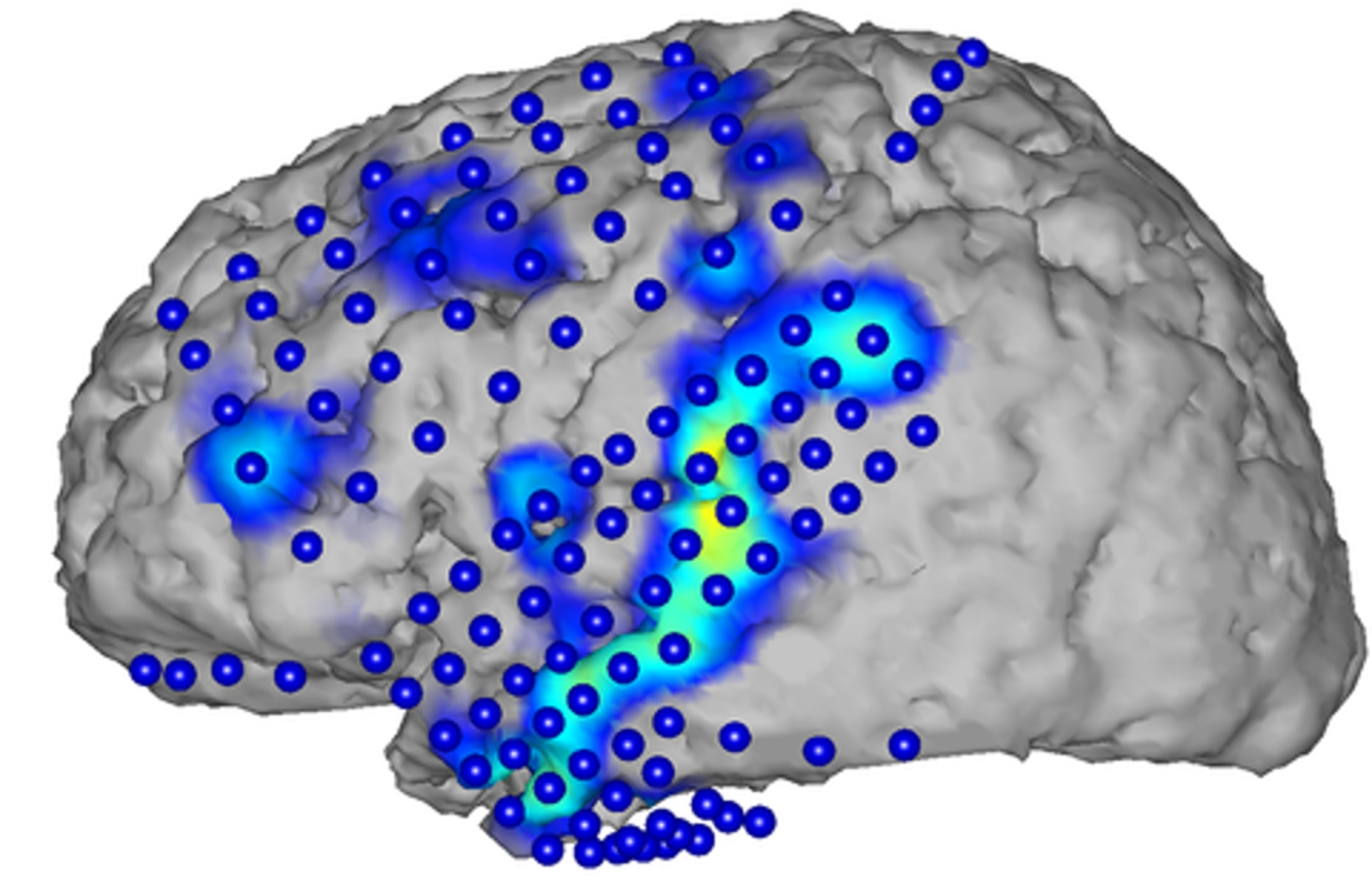
KIT‘s Tanja Schultz has reconstructed spoken sentences from brain activity patterns.

Speech is produced in the cerebral cortex. Associated brain waves can be  recorded with surface electrodes. Schultz reconstructed basic units, words, and complete sentences from brain waves, and generated corresponding text.

This was achieved by a combination of advanced signal processing and automatic speech recognition.  Speech was continuously decoded  and transformed into a textual representation. Cortical information was combined with linguistic knowledge and machine learning algorithms to extract the most likely word sequence. Brain-to-Text is currently based on audible speech. The goal is to be able to recognize speech from thought alone.

WEARABLE TECH + DIGITAL HEALTH NYC 2015 – JUNE 30 @ NEW YORK ACADEMY OF SCIENCES.  REGISTER HERE.
Categories
Cancer Sensors

Chip detects cancer from a drop of blood

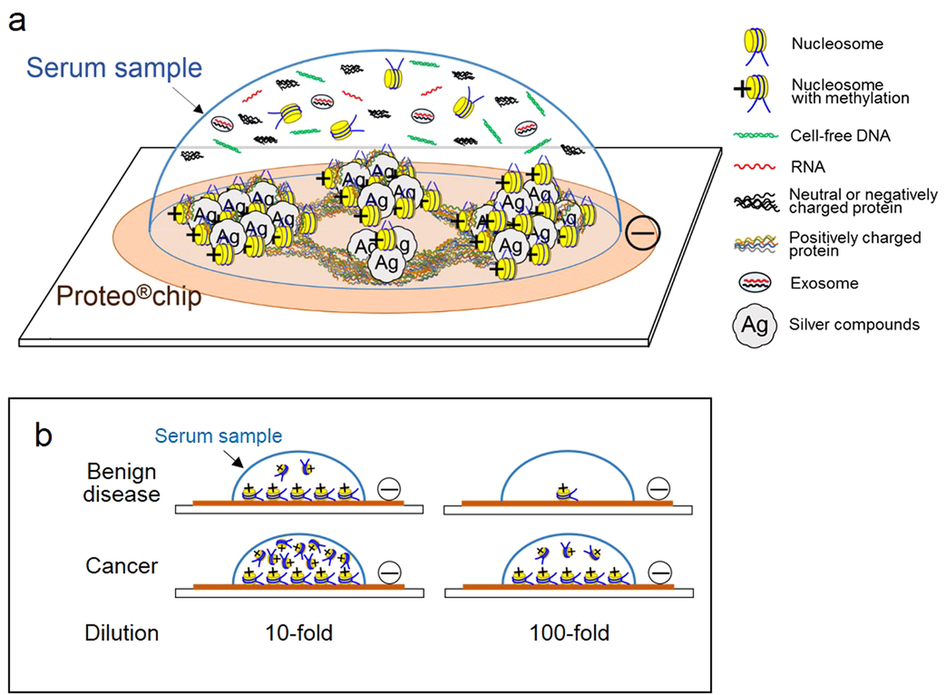
Showa University and My Tech have developed Proteo, a silver nanoscale chip that  they claim detects most types of cancer from a drop of blood in three minutes.   It functions by attracting a faintly luminous substance found in cancer patients, beginning at a very early stage.

They have only studied 20 patients, but diagnosed whether a tumor is benign or malignant with total accuracy.

The researchers are accumulating data from various types of cancers, and hope to make the blood test available next year. They believe that the preliminary data suggests that the device could be more effective than existing blood tests.

Showa’s Hiroaki Ito and MyTech’s Yuki Hasegawa said that the accuracy derives from the chip attracting certain nucleosomes, which are prevalent in all types of cancer.  The nucleosome emits light, the intensity of which increases as more of the substance accumulates.  This is seen under a fluorescent microscope, providing the ability to  identify visually if the blood is from an individual with cancer.

WEARABLE TECH + DIGITAL HEALTH NYC 2015 – JUNE 30 @ NEW YORK ACADEMY OF SCIENCES.  REGISTER HERE.

Categories
Brain Heart Monitoring

Car-based heart, brain activity monitoring

“Sixth Sense” by Jaguar/LandRover attempts to monitor a driver’s heart rate, respiration and  brain activity to identify stress, fatigue and lack of concentration.

The  XJ “wellness seat” analyzes heart rate and breathing, has  touchscreens that predict which button a user wants to press with fingers mid-air, and has a vibrating  accelerator pedal that communicates hazards.

The  company claims that its “MindSense” project can determine if a driver is distracted or tired using sensors in the steering wheel.  They did not detail the science behind this, but said that their software can amplify a steering wheel sensor captured brain signal and filter background noise.  ApplySci believes that a minimal EEG headband could provide much more accurate driver alertness data.

WEARABLE TECH + DIGITAL HEALTH NYC 2015 – JUNE 30 @ NEW YORK ACADEMY OF SCIENCES.  REGISTER HERE.

Categories
Wearables

Connected bikini warns of sunburn risk

A Spinali bikini, developed by Marie Spinali of Mulhouse,  measures exposure to ultraviolet radiation and alerts wearers when they are at risk of sunburn.  Its waterproof sensor measures UV exposure and sends smartphone alerts.  There is room for error, however, as the alarms are based on a user’s own skin type description.

Obviously more of a toy than an exact science, users can take advantage of some fun features.  The bikini’s “Valentine” function sends  messages to a partner’s smartphone, prompting them to apply sunscreen to the wearer’s skin at  just the right time.

WEARABLE TECH + DIGITAL HEALTH NYC 2015 – JUNE 30 @ NEW YORK ACADEMY OF SCIENCES.  REGISTER HERE.
Categories
Brain

Injectable electronics treat neurodegenerative disorders

Harvard‘s Charles Lieber has developed a device that can be injected into the brain to treat neurodegenerative disorders and paralysis.

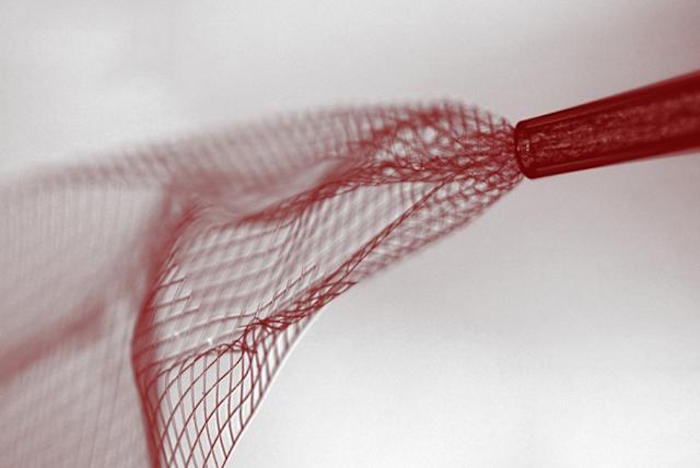
The nanoscale electronic scaffold is injected with a syringe. The scaffolds then connect to devices used to monitor neural activity, stimulate tissues, or  promote neuron regeneration.

In an earlier study, Lieber demonstrated that cardiac or nerve cells grown with embedded scaffolds could be used to create “cyborg” tissue. He was able to record electrical signals generated by the tissue, and  measure changes in those signals as he administered cardio or neuro stimulating drugs.

WEARABLE TECH + DIGITAL HEALTH NYC 2015 – JUNE 30 @ NEW YORK ACADEMY OF SCIENCES.  REGISTER HERE.
Categories
Disease Sensors

HIV, hepatitis, herpes, cancer detecting nanosensor

Dmitry Fedyanin and Yury Stebunov from the Moscow Institute of Physics and Technology have developed a highly sensitive  biological object detecting nanosensor.

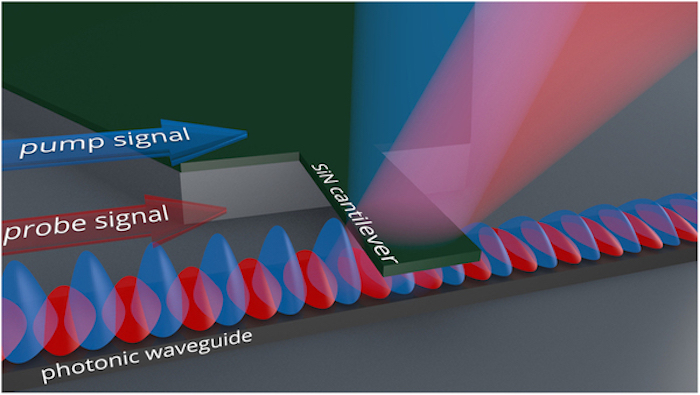
The tiny sensor analyzes the chemical composition of substances and can detect viral disease markers in HIV, hepatitis, and herpes.  It can also help doctors identify tumor markers.

The optical sensor can track changes of  a few kilodaltons in the mass of a cantilever in real time.  The researchers believe that this can help diagnose diseases long before they can be detected by other methods.

WEARABLE TECH + DIGITAL HEALTH NYC 2015 – JUNE 30 @ NEW YORK ACADEMY OF SCIENCES.  REGISTER HERE.
Categories
Disease

Single blood drop test for 1000 current or previous viruses

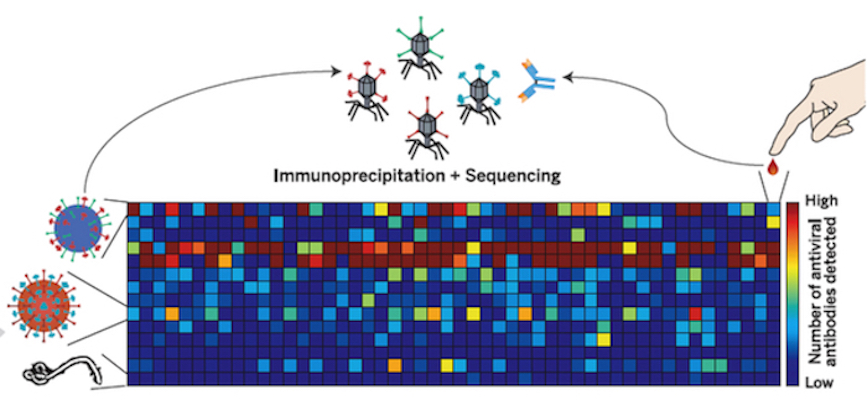
VirScan allows simultaneous testing for 1,000 virus strains that currently or have previously infected a person, using one drop of blood. The  research, from Howard Hughes Medical Institute,  Brigham and Women’s Hospital, and Harvard,  describes the interplay between immunity and the human virome.

In the study, blood samples from 600 people in Peru, the United States, South Africa and Thailand were tested. The team developed and used a library of peptides representing more than 1,000 viral strains to find evidence of previous viral exposure. Rates of exposure varied by age, geographic location and HIV status, but the team found that a small number of peptides were recognized by the vast majority of people’s immune systems. This pattern, suggesting that the immune systems of many individuals touch upon the same protein portion in a virus, could have implications for understanding immunity.

VirScan may also help researchers find correlations between previous virus exposure and the development of a disease later in life.

WEARABLE  TECH + DIGITAL HEALTH NYC 2015 – JUNE 30 @ NEW YORK ACADEMY OF SCIENCES.  REGISTER HERE.
Categories
Diabetes Wearables

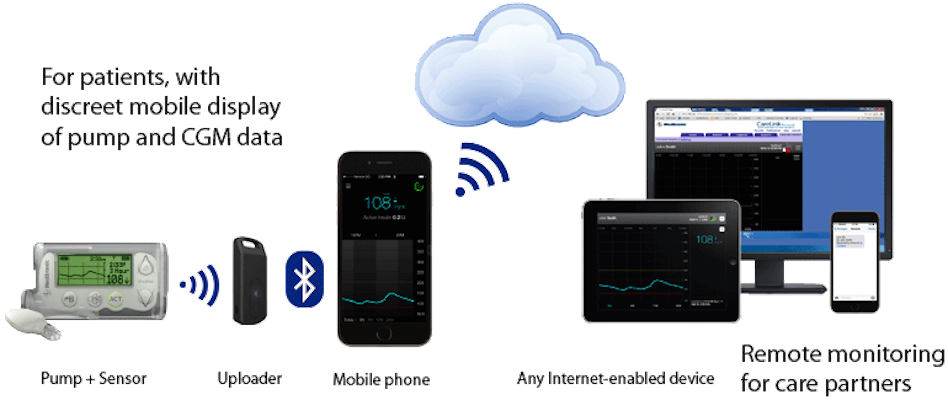
Integrated insulin sensor, infusion, data, notification system

Medtronic’s MiniMed Connect is placed in a pocket or on a keychain. It reads, displays and transmits data from the company’s implanted pumps.

An external glucose sensor and insulin pump continually deliver insulin through an infusion system under the skin. It can be programmed to shut off automatically if glucose levels reach predefined thresholds.

Glucose and insulin levels are displayed on an app and the on the web.  The device can send texts to family members if glucose is too high or low.

In related news, the company has recently established a partnership with Samsung to develop secure applications for diabetes management. They will create apps optimized to display data from Medtronic’s devices on Samsung’s phones.

WEARABLE TECH + DIGITAL HEALTH NYC 2015 – JUNE 30 @ NEW YOR ACADEMY OF SCIENCES.  REGISTER HERE.
Categories
Heart IoT Wearables

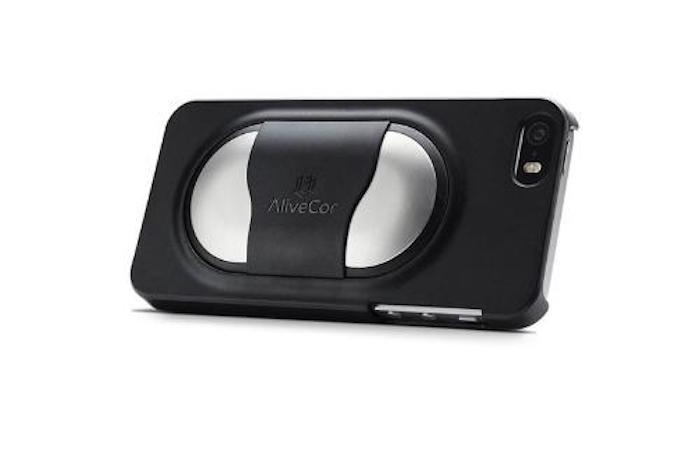
Phone ECG detects irregular heartbeat

USC‘s Leslie Saxon has released a study showing that smartphone ECG sensors can detect atrial fibrillation in the general population.

865 participants were given AliveCor enabled smartphone ECG sensors.  57,703 thirty-second ECGs were recorded and wirelessly transmitted to the cloud via an acquisition and interpretation app.  AF was detected in 185 recordings from 93 participants.

After 30 days, 73% of participants said that they were more aware of their heart rate and behavior.  According to Saxon, “Having an ECG device on smartphones is quite incredible because it makes tracking heart health and behavior accessible to almost anyone.”

WEARABLE TECH + DIGITAL HEALTH NYC 2015 – JUNE 30 @ NEW YORK ACADEMY OF SCIENCES.  REGISTER HERE.