Categories
Brain EEG

Brain reactions could replace passwords

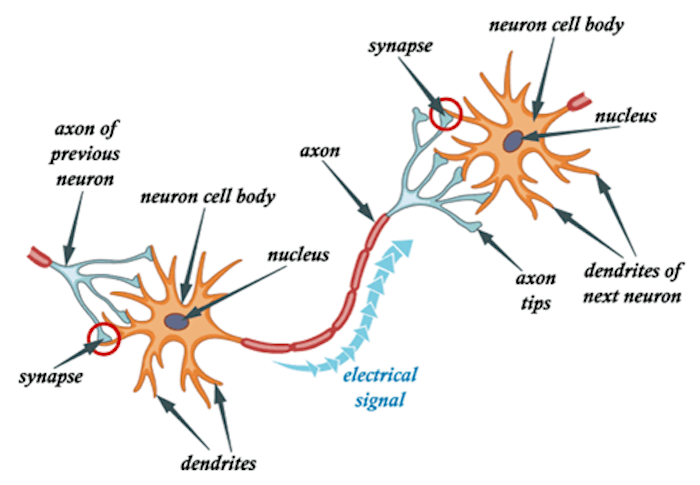
Binghamton professors Sarah Laszlo and Zhanpeng Jin believe that they can  verify a person’s identity by using EEG to monitor the way brains respond to words.  Their Neurocomputing paper puts forth the view that thoughts can replace passwords.

In April, 2013,  ApplySci described a similar study by Berkeley‘s John Chuang.

The researchers observed brain signals of 45 volunteers as they read a list of 75 acronyms. They recorded the brain’s reaction to each group of letters, focusing on the part of the brain associated with reading and recognizing words.  Participants’ brains reacted differently to each acronym, and a computer was able to identify each volunteer with 94 percent accuracy.  Laszlo and Jin believe that the results show that brainwaves could be used by security systems to verify identity.  They further suggest that this method is more secure than fingerprints or retinal patterns in the eye.

WEARABLE TECH + DIGITAL HEALTH NYC 2015 – JUNE 30 @ NEW YORK ACADEMY OF SCIENCES.  REGISTER HERE.
Categories
Brain

Brain – immune system link

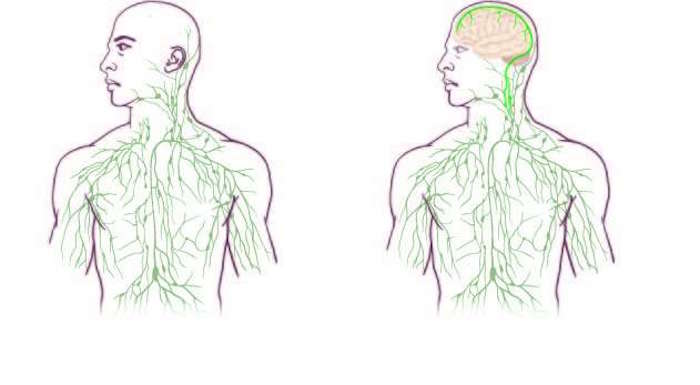
Antoine Louveau,  of  University of Virginia‘s Kipnis Lab, has discovered a direct connection between the brain and the immune system via previously unknown vessels.

The finding could have significant implications for the study and treatment of neurological diseases, including  autism, Alzheimer’s, and multiple sclerosis.

According to Professor Kipnis: “It changes entirely the way we perceive the neuro-immune interaction. We always perceived it before as something esoteric that can’t be studied. But now we can ask mechanistic questions.”

WEARABLE TECH + DIGITAL HEALTH NYC 2015 – JUNE 30 @ NEW YORK ACADEMY OF SCIENCES.  REGISTER HERE.

Categories
Smart Fabric Wearables

Google’s conductive fabric for everyday wear

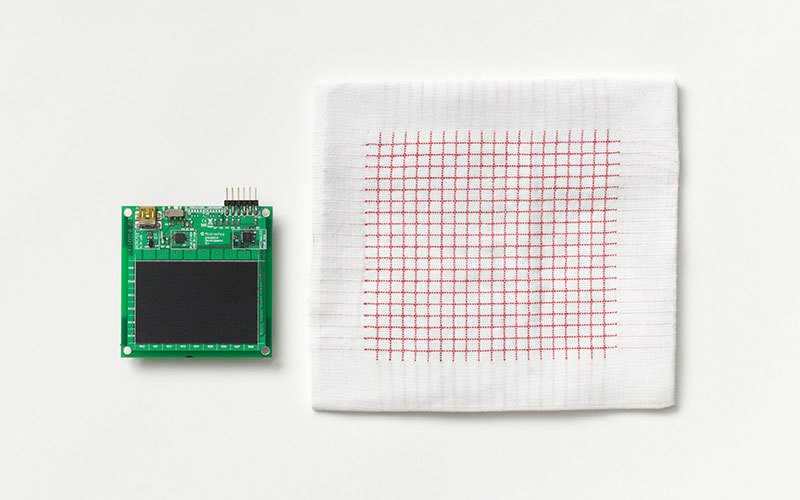
Google’s Project Jacquard creates conductive fabrics that can be woven into every day clothes.  The yarn is tough enough for industrial weaving, and can connect to chips that react to gestures, and monitor heart rate or body temperature.

This seamless integration of sensors into clothing can make health monitoring ubiquitous.

In a demo at the company’s I/O conference, the fabric turned on lights, controlled a media player, and powered two touch-tracking to visualize the interaction. Low-power wifi  was used to communicate with devices.

WEARABLE TECH + DIGITAL HEALTH NYC 2015 – JUNE 30, 2015 @ NEW YORK ACADEMY OF SCIENCES.  REGISTER HERE.  PREFERRED RATE ENDS TOMORROW.

Categories
Eyes fitness Wearables

Optical frame integrated health tracker

VSP Global‘s Project Genesis integrates health tracking technology into optical frames.  Steps, calories burned, activity time and distance traveled are calculated by sensors at the part of the frame that touches one’s temple.

Building wearable technology into stylish glasses, worn every day to improve vision, increases the potential for mass adoption.

The prototype is now being tested on 26 of the company’s own employees.

WEARABLE TECH + DIGITAL HEALTH NYC 2015 – JUNE 30 @ NEW YORK ACADEMY OF SCIENCES.  REGISTER HERE.
Categories
Cancer Wearables

Wearable tracks breast cancer side effects, sleep, mood, activity

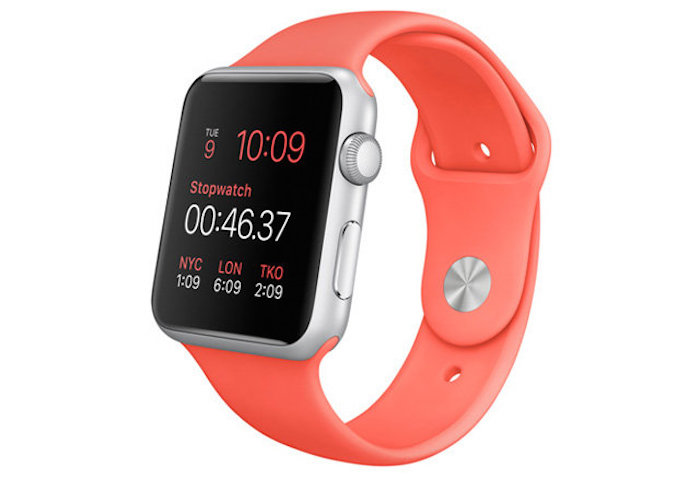
A pilot study exploring  the use of wearables in breast cancer is underway.  Polaris Health Directions and  the MD Anderson Cancer Center are using the Apple Watch to  track multiple factors, increase engagement, and provide immediate feedback and interventions.

Side effects, sleep, activity levels and mood will be monitored, and combined with electronic health records and population data.

According to Polaris,  “the patient  will learn through self-discovery  how to modify  behavior, and if she finds herself in a high stress situation, our on-demand support mechanisms can provide instant assistance.”

WEARABLE TECH + DIGITAL HEALTH NYC 2015 – JUNE 30 @ NEW YORK ACADEMY OF SCIENCES.  REGISTER HERE.

Categories
Seniors Sensors Smart Fabric Wearables

Sensor sweater guides senior rehabilitation

Vigour, by Pauline van Dongen,  is a sensor sweater developed for geriatric rehabilitation.  The knitted cardigan, with integrated stretch sensors, discreetly and continuously monitors upper body movement.  Two sensors monitor  lower back movement, and one under each arm monitors shoulder and arm movement. Data is transferred to the user, caregiver, or physician.  It can be worn all day, during normal activity, rest, and exercise.  Its app provides visual and auditory feedback, in real time, to inform and motivate the user.

WEARABLE TECH + DIGITAL HEALTH NYC 2015 – JUNE 30 @ NEW YORK ACADEMY OF SCIENCES.  FINAL REGISTRATION DISCOUNT ENDS 6/2.

Categories
Diabetes Heart Wearables

Heart rate as diabetes marker

Wearables can effectively monitor heart rate.  A recent study shows a new use for this data – predicting diabetes.

Penn State‘s Xiang Gao observed an association between faster heart rates and an increased risk of developing diabetes in 73,357 Chinese adults. In the same population, faster heart rates were also associated with impaired fasting glucose levels and a conversion from impaired fasting glucose levels to diabetes.

According to Gao, “Each additional 10 beats per minute was associated with a 23 percent increased risk of diabetes, similar to the effects of a 3 kilogram per meter square increase in body mass index. We further combined our results with those of 7 previously published studies, including 97,653 subjects, and found a similar association — individuals with a fast heart rate had a 59 percent increased risk of diabetes.”

WEARABLE TECH + DIGITAL HEALTH NYC 2015 – JUNE 30 @ NEW YORK ACADEMY OF SCIENCES.  FINAL REGISTRATION DISCOUNT ENDS TUESDAY, 6/2.

Categories
Brain

Headphones to diagnose brain injury, infection

Robert Marchbanks and Tony Birch at University Hospital Southampton have developed a noninvasive  brain pressure test to detect head injuries and infections.

The cerebral and cochlear fluid pressure (CCFP) test uses patient headphones  to measure ICP via a channel which links the inner ear with the brain. As fluids in the ear and brain are connected, a change in pressure in the brain is reflected by a pressure change in the ear.  Changes to ICP occur when the brain swells due to injury or infection and prevents blood flow.

ICP is currently measured by drilling a hole through the skull to implant a pressure probe, or by lumbar puncture, where a spinal cord fluid sample is removed with a needle.

WEARABLE TECH + DIGITAL HEALTH NYC 2015 – JUNE 30 @ NEW YORK ACADEMY OF SCIENCES.  REGISTER HERE.
Categories
BCI Brain Prosthetics

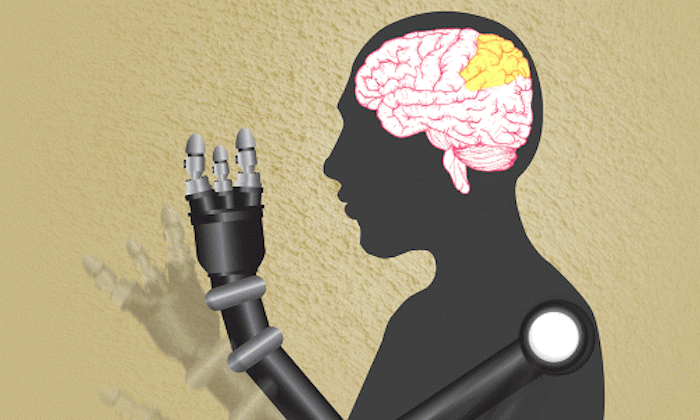
Intent controlled robotic arm with neuroprosthetic implant

Caltech and Keck researchers implanted neuroprosthetics in a part of the brain that controls the intent to move, with the goal of producing more natural and fluid motions.   The study, published in Science, was led by Richard Andersen.  A quadriplegic implanted with the device was able to perform a fluid handshaking gesture and  play “rock, paper, scissors” using a separate robotic arm.

Andersen  and colleagues improved the versatility of movement that a neuroprosthetic can offer by recording signals from  the PPC brain region.  He said: “The PPC is earlier in the pathway (than the motor-cortex, a target of earlier neuroprosthetics,) so signals there are more related to movement planning—what you actually intend to do—rather than the details of the movement execution.  We hoped that the signals from the PPC would be easier for the patients to use, ultimately making the movement process more intuitive. Our future studies will investigate ways to combine the detailed motor cortex signals with more cognitive PPC signals to take advantage of each area’s specializations.”

WEARABLE TECH + DIGITAL HEALTH NYC 2015 – JUNE 30 @ NEW YORK ACADEMY OF SCIENCES.  REGISTER HERE.
Categories
BCI Brain Prosthetics

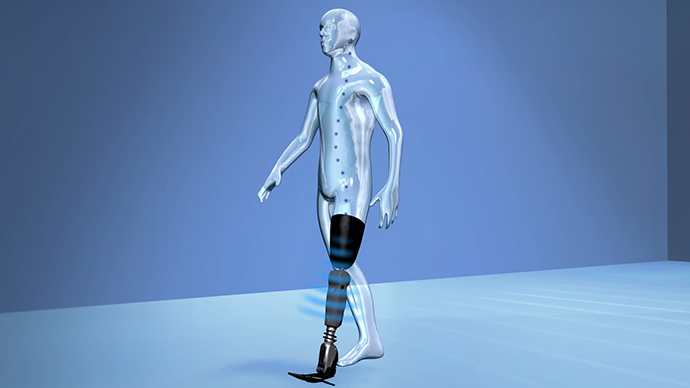
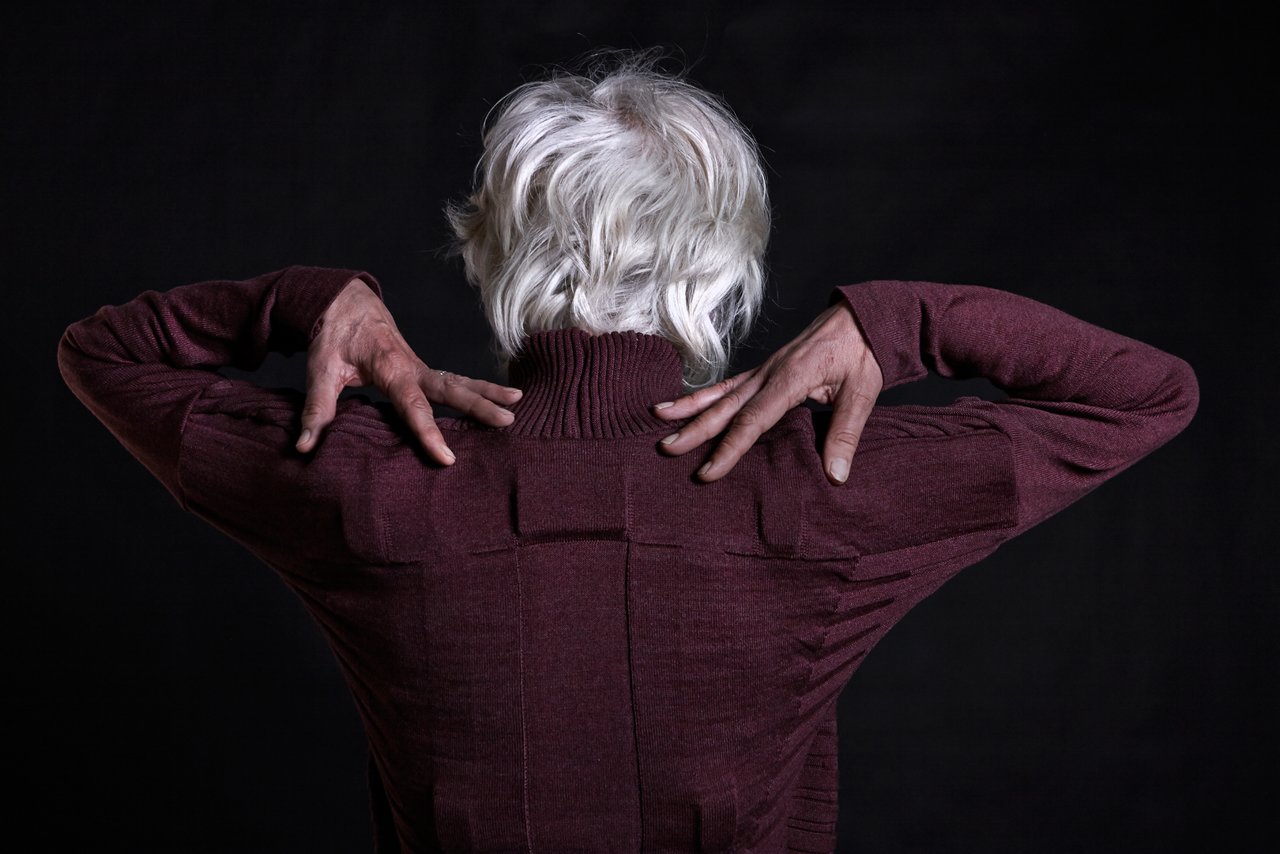
Intent controlled prosthetic foot using myoelectric sensors

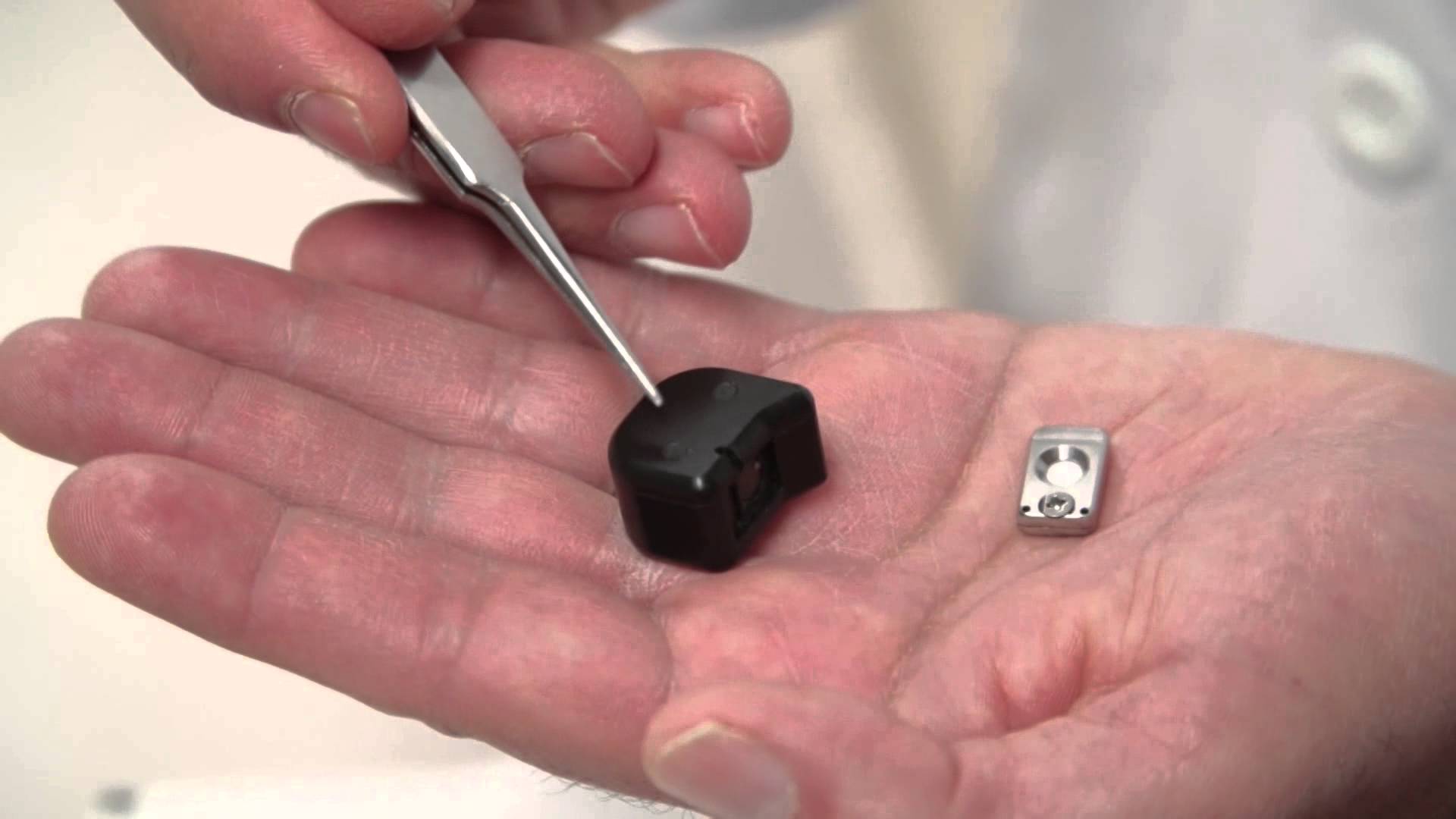
Ossur‘s sensor implant allows amputees to control  bionic prosthetic limbs with their minds.  Myoelectric sensors are surgically placed in residual muscle tissue.  Prosthetic movement is triggered via a receiver.

Ossur’s existing “smart limbs”  are capable of real-time learning and automatically adjust to a user’s gait, speed and terrain.   However,  conscious thought is still required.

According to Thorvaldur Ingvarsson, the company’s R&D lead, “the (implant) technology allows the user’s experience with their prosthesis to become more intuitive and integrative. The result is the instantaneous physical movement of the prosthesis however the amputee intended. They no longer need to think about their movements because their unconscious reflexes are automatically converted into myoelectric impulses that control their Bionic prosthesis.”

WEARABLE TECH + DIGITAL HEALTH NYC 2015 – JUNE 30 @ NEW YORK ACADEMY OF SCIENCES.  REGISTER HERE.
Categories
Cancer Seniors

Human cell sensor detects chemical changes early

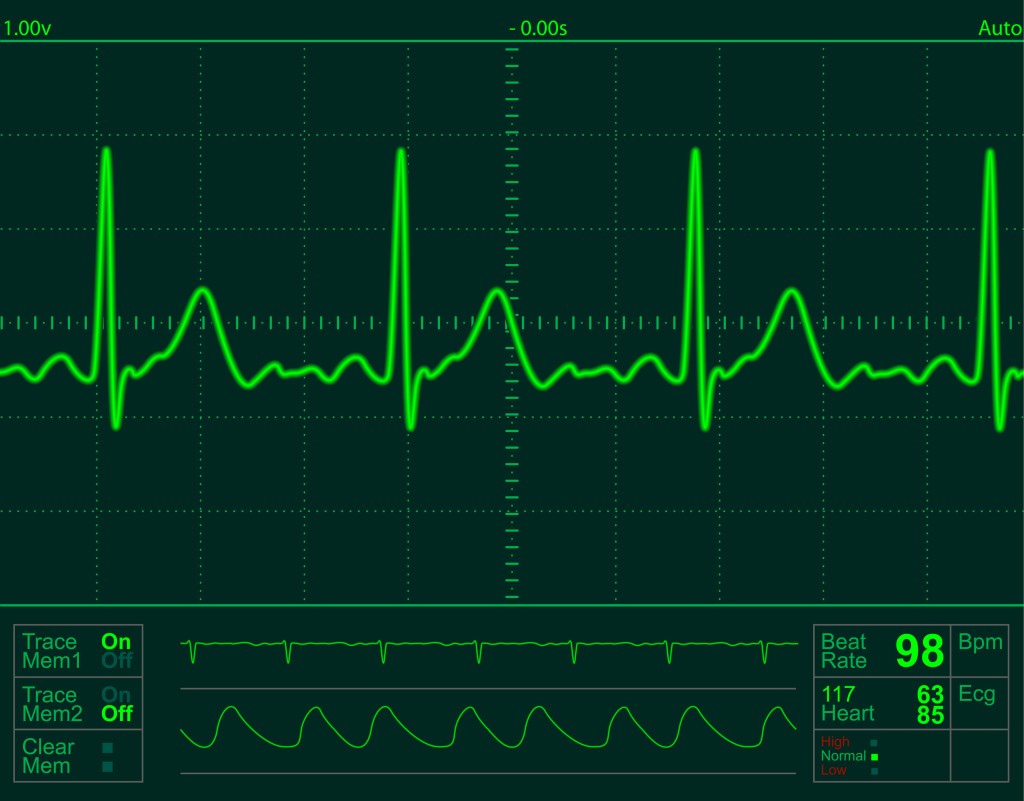
University of Rochester‘s Spencer Rosero is developing a human cell sensor that, when implanted,  detects subtle biological changes to provide advanced warning of health issues.

The cells are engineered to detect specific chemical changes. When a variation is discovered, the cells respond, and a fluorescent light glows. The sensor’s camera  enables patients and doctors to see the glowing light in real time on a computer or device.  Placement of the sensor (underneath the skin) depends on what is being tracked.

Chemotherapy patients will be the first users.  Toxic side effects will be detected before they happen, to help physicians optimize treatment.

WEARABLE TECH + DIGITAL HEALTH NYC 2015 – JUNE 30 @ NEW YORK ACADEMY OF SCIENCES.  REGISTER HERE.
Categories
fitness Sensors Virtual Reality

VR headset + bike sensors gamify fitness

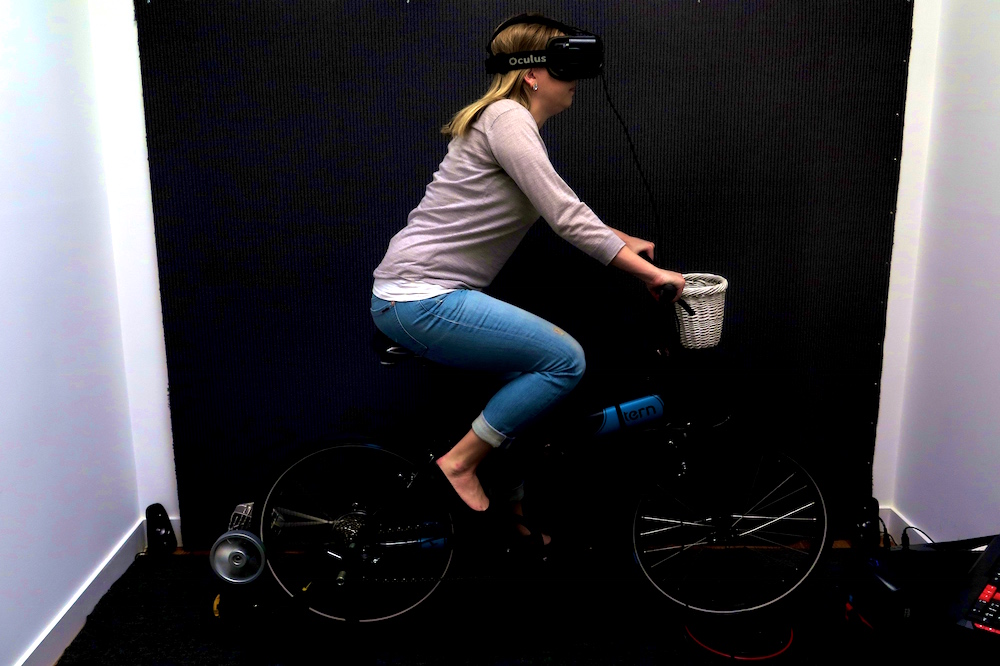
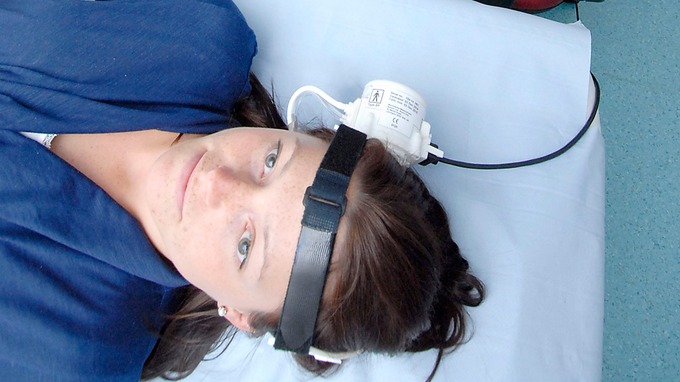
Virzoom is a virtual reality exercise system meant to decrease distractions, and increase focus and fun while riding a stationary bike.

Sensors attach to several parts of the bicycle. For example, one on the rear wheel measures speed, and one on the front wheel responds to direction.  After connecting via USB to a computer, VR software is dowloaded, and the experience begins.

VirZoom’s engineers are focused on increasing the number of gamified elements, to inspire users to cycle faster to earn credits and reach new levels. The company hopes  to boost motivation and interest by changing the VR experience each time.

Image credit:  BostInno

WEARABLE TECH + DIGITAL HEALTH NYC 2015 – JUNE 30 @ NEW YORK ACADEMY OF SCIENCES.  REGISTER HERE.