Categories
Brain Cancer

Non-invasive electric field treatment for glioblastoma

Optune by Novocure  uses targeted electric fields to disrupt cancer cell division and cause cancer cell death.  500 hospitals globally can prescribe the FDA approved treatment to glioblastoma patients.

“Tumor Treating Fields” are low intensity, alternating electric fields within the intermediate frequency range. TTFields disrupt cell division through physical interactions with key molecules during mitosis. The non-invasive treatment targets solid tumors.

Company founder Yoram Palti said that trials in other tumors will have results starting this year, and he “believes that we will change the way we treat cancer. There are other growths that are more sensitive to our approach than brain cancer. A pilot of 40 lung cancer patients had exciting results in a treatment where the electrodes are only worn 12 hours a day and not 24.”

Click to view Optune US video


Wearable Tech + Digital Health NYC – June 7, 2016 @ the New York Academy of Sciences

NeuroTech NYC – June 8, 2016 @ the New York Academy of Sciences

Categories
Brain Virtual Reality

Anxiety reducing VR game

Deep VR teaches breathing techniques meant to reduce the anxiety of users during a game. Its developers believe that the skills learned can also help manage stress during daily life.

It is the basis of a Radboud University study, in the lab of Isabela Granic, that aims to alleviate anxiety in children.  100 children have already been studied, the findings of which will guide the game’s future design and lead to the development of its sensor.

Exposure therapy will soon be added, to shift the experience from sedative to mildly frightening, in an attempt to systematically desensitize those with anxiety.

Click to view Deep VR video


Wearable Tech + Digital Health NYC – June 7, 2016 @ the New York Academy of Sciences

NeuroTech NYC – June 8, 2016 @ the New York Academy of Sciences
Categories
Brain

Semantic brain atlas created with fMRI

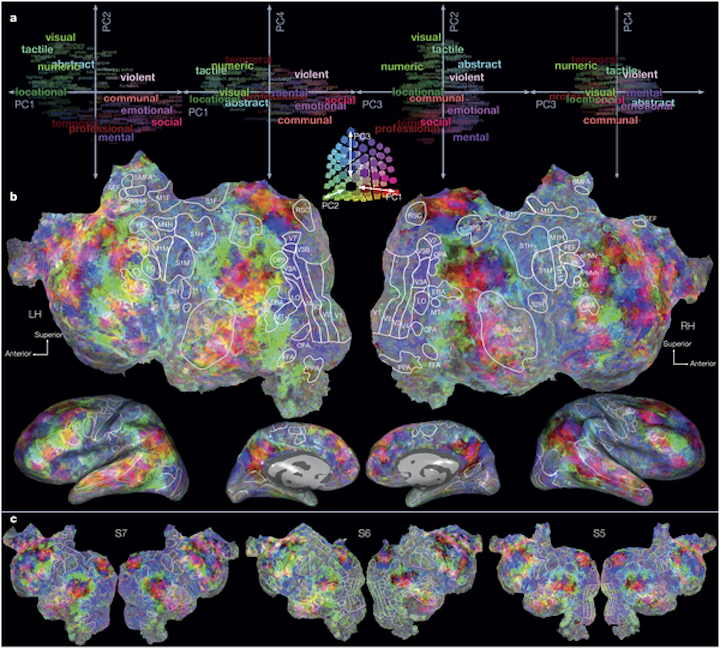
Jack Gallant and Berkeley colleagues have used fMRI to understand how language-related information is represented and processed in the human brain.  Brain blood flow changes were measured once every second, as subjects listened to natural narrative stories. Mathematical models and big data analysis were used to create detailed maps, showing how different aspects of language are represented in different brain locations.

Gallant hopes that this research will be used in the future to help stroke patients recover language skills, design faster computers, and to create brain computer interfaces to allow communication without speech.

Click to view NSF video


NeuroTech NYC – June 8, 2016 @ the New York Academy of Sciences

Wearable Tech + Digital Health NYC – June 7, 2016 @ the New York Academy of Sciences

Categories
Brain EEG

EEG “password” uses stimulus response to confirm identity

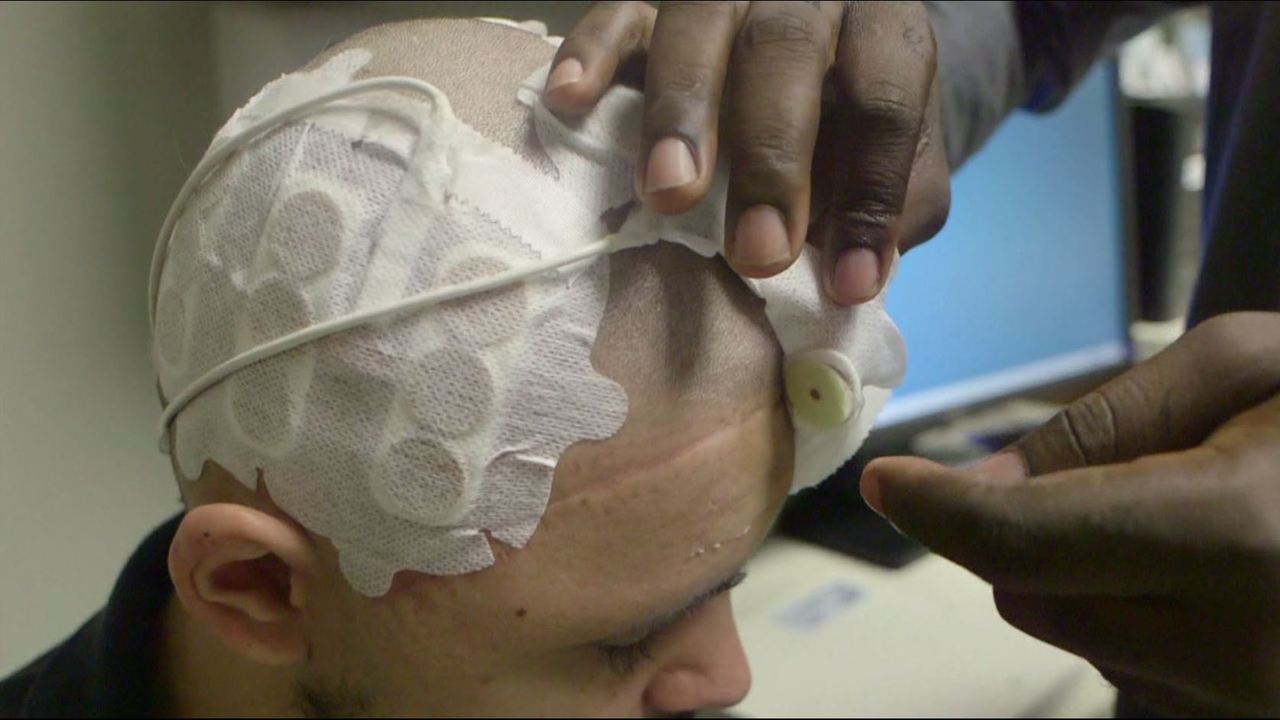
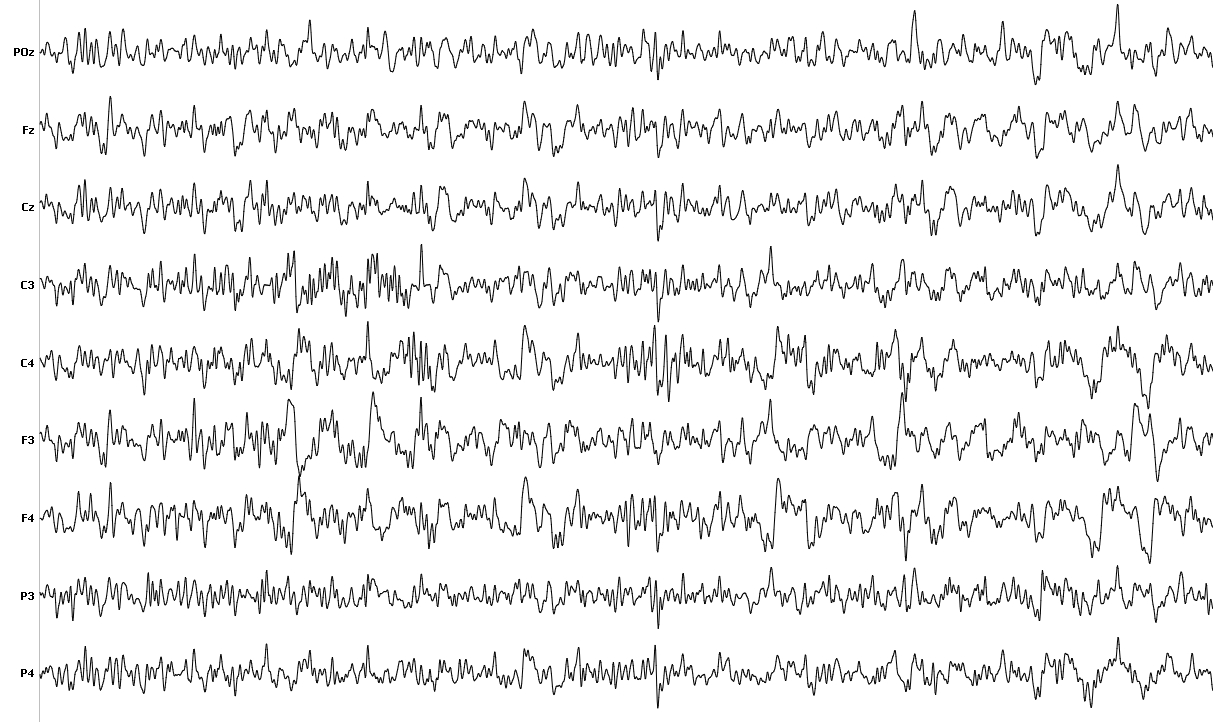
Binghamton researchers have developed an EEG “brainprint” system that can identify people with 100 per cent accuracy, according to a recent study.

A brain-password is recorded when a user’s stimulus response activity is recorded via EEG. Identity is then confirmed by exposing the user to the same stimulus,  recording their response, and using a pattern classification system to compare the results.

ApplySci described the team’s initial “brain as password” work in 2015, and similar research done at UC Berkeley in 2013.


Wearable Tech + Digital Health NYC – June 7, 2016 @ the New York Academy of Sciences

NeuroTech NYC – June 8, 2016 @ the New York Academy of Sciences
Categories
Brain

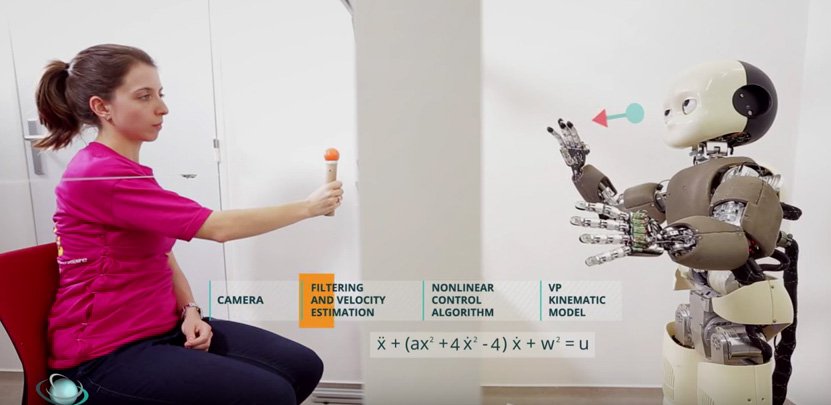
Avatar and robot based games to treat social anxiety

AlterEgo is  an interdisciplinary collaboration that is investigating  a “new robotic-based clinical method” to help people suffering from social anxiety.  The scientists believe that lookalike avatars and robots can be a more comfortable interaction for patients, facilitating a more effective therapeutic experience.

According to project lead Krasimira Tsaneve-Atanasova: “This resemblance can be morphological (form of a person), behavioral (his actions), or kinematic (the way he moves).”

Click to view AlterEgo video.


Wearable Tech + Digital Health NYC – June 7, 2016 @ the New York Academy of Sciences

NeuroTech NYC – June 8, 2016 @ the New York Academy of Sciencces

PREFERRED REGISTRATION RATES AVAILABLE THROUGH 4/15

Categories
BCI Brain

Implanted chip enables quadriplegic to move arm with thoughts

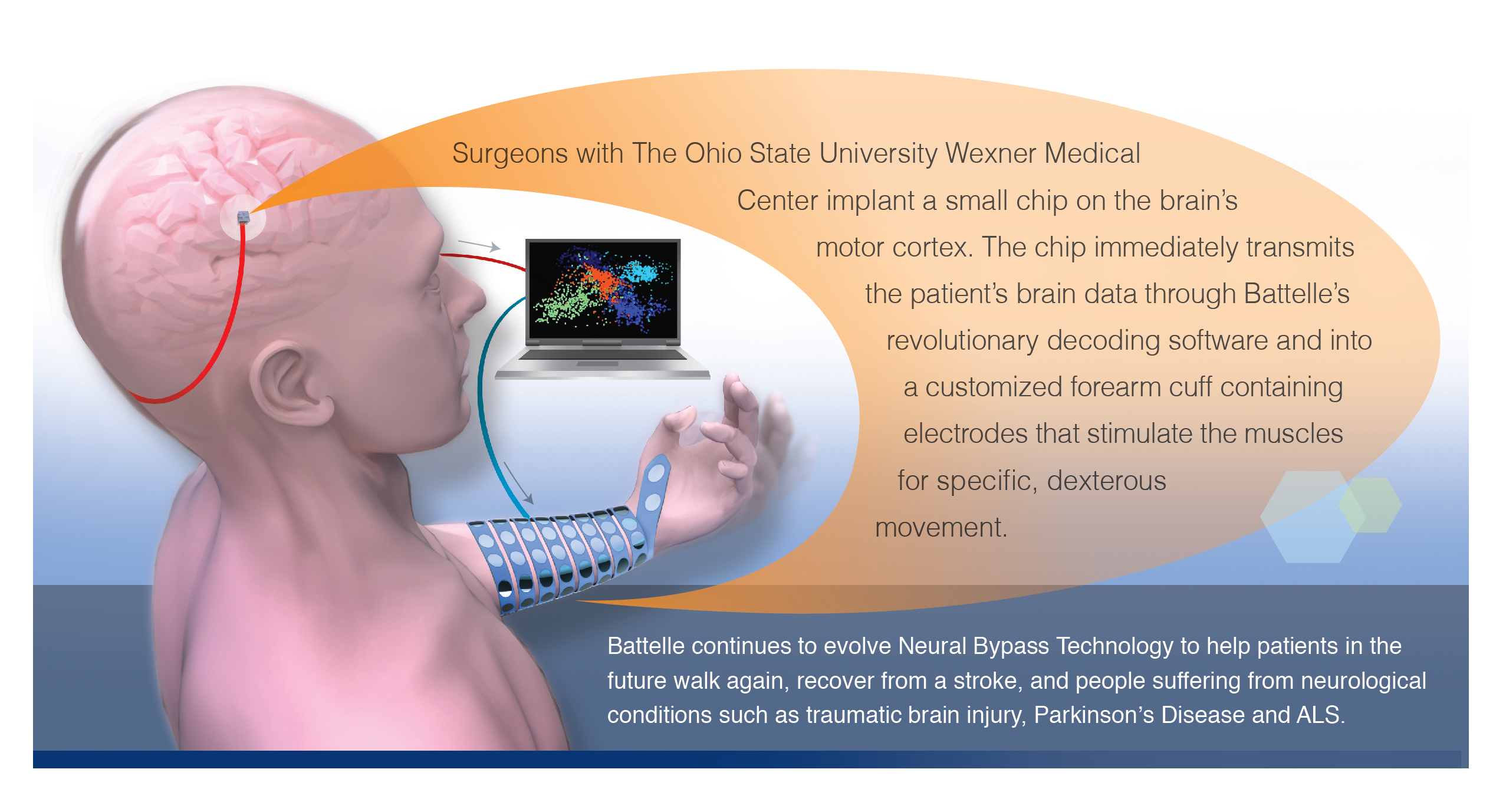
Battelle’s NeuroLife system has allowed a quadriplegic man to to make complex movements with his hand and fingers, using signals from his brain.

The breakthrough invasive device uses an artificial neural bypass that reroutes signals from the brain to the affected muscles. A tiny, 96 channel microelectrode array was implanted in the patient’s motor cortex. A cable port was positioned at the back of his head. The device taps into a few hundred motor neurons, providing enough information for the execution of basic physical tasks. A computer was then trained to understand the signals emitted by the motor cortex, resulting in the patient’s ability to move his hand with his thoughts.

Click to view Ohio State University video


Wearable Tech + Digital Health NYC – June 7, 2016 @ the New York Academy of Sciences

NeuroTech NYC – June 8, 2016 @ the New York Academy of Sciences
 

Categories
Brain Robotics

“Socially assistive” robot helps children learn

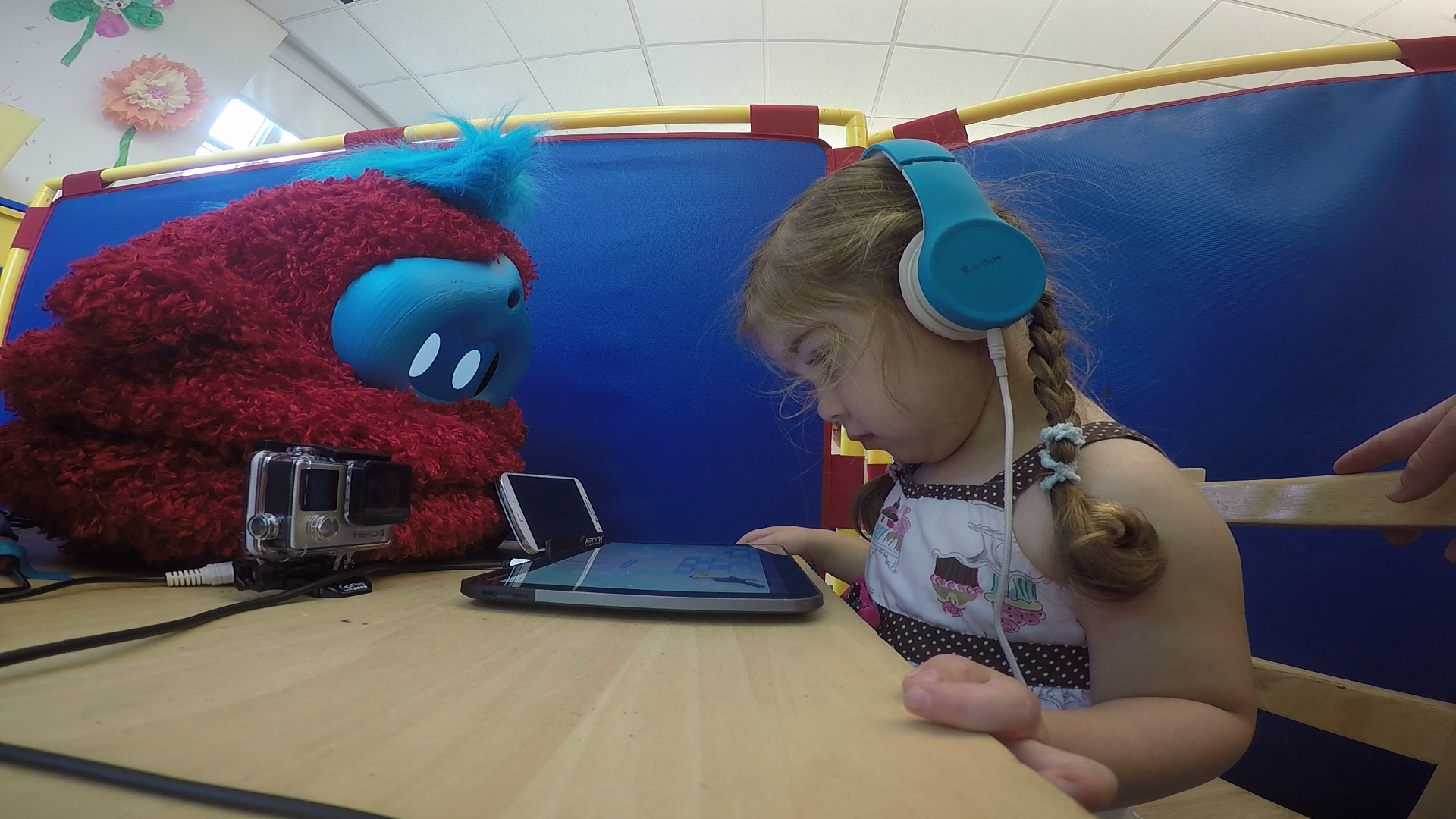
Tega is a “socially assistive” robot  that senses the emotional state of a learner, and based on those cues, creates a personalized motivational strategy.  It was developed by Cynthia Breazeal at MIT to enable long-term educational interactions with children. It uses an AFFDEX Android device with emotion/facial expression recognition software by Rosalind Picard‘s Affectiva, to process movement, perception and thinking, and can respond to individual children’s behaviors.

In a learning trial, the system mirrored the emotional response of students ­­— getting excited when they were excited, and distracted when they lost focus — and tracked the impact of each of these cues on the student. Over time, it learned how the cues influenced a student’s engagement, happiness, and learning successes. As the sessions continued, it personalized its responses to optimize each student’s experience.

Click to view MIT video.

Rosalind Picard will be a keynote speaker at NeuroTech NYC on June 8th.


Wearable Tech + Digital Health NYC – June 7, 2016 @ the New York Academy of Sciences

NeuroTech NYC – June 8, 2016 @ the New York Academy of Sciences


Categories
Brain

Peripheral nerve stimulation to enhance learning processes

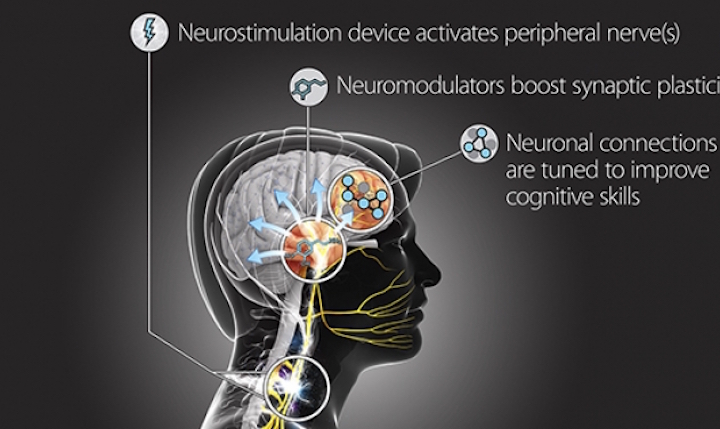
DARPA is using peripheral nerve stimulation to enhance learning processes — challenging the idea that the brain tells the peripheral nervous system what to do.

Targeted Neuroplasticity Training seeks to advance cognitive skills training through the precise activation of peripheral nerves that can strengthen neuronal connections. Unlike many of DARPA’s previous  neurotech projects, it not only restore lost function, but seeks to advance capabilities beyond normal levels.

Program manager Doug Weber said: “Recent research has shown that stimulation of certain peripheral nerves, easily and painlessly achieved through the skin, can activate regions of the brain involved with learning. This natural process of synaptic plasticity is pivotal for learning, but much is unknown about the physiological mechanisms that link peripheral nerve stimulation to improved plasticity and learning. You can think of peripheral nerve stimulation as a way to reopen the so-called ‘Critical Period’ when the brain is more facile and adaptive. TNT technology will be designed to safely and precisely modulate peripheral nerves to control plasticity at optimal points in the learning process.”


Wearable Tech + Digital Health San Francisco – April 5, 2016 @ the Mission Bay Conference Center

NeuroTech San Francisco – April 6, 2016 @ the Mission Bay Conference Center

Wearable Tech + Digital Health NYC – June 7, 2016 @ the New York Academy of Sciences

NeuroTech NYC – June 8, 2016 @ the New York Academy of Sciences
 

Categories
Brain

Amyloid PET Imaging for dementia diagnosis, treatment, research

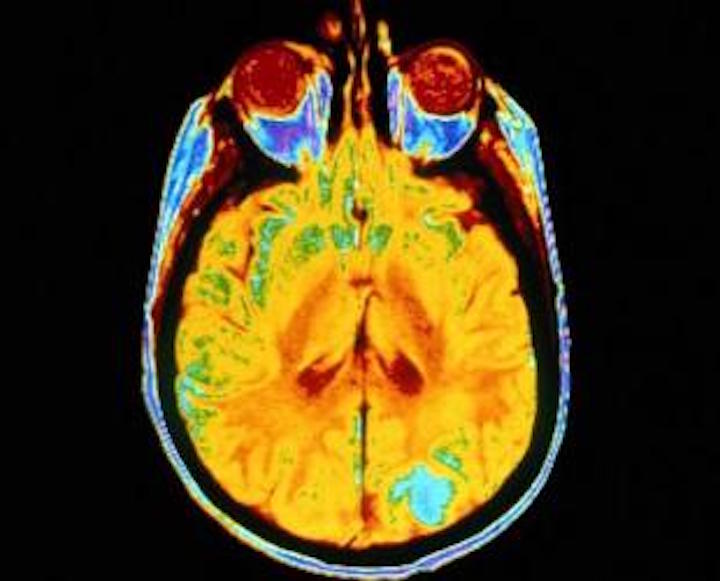
Emily Rogalski and Northwestern colleagues have developed a novel imaging technique to view amyloid protein build-up in primary progressive aphasia.

Previously, amyloid accumulation in the brain could only be studied after death — and after it had spread throughout the entire brain with Alzheimer’s progression.  Amyloid PET Imaging allows researchers to study the build-up during life.

The  new study shows that in PPA, the toxic build-up of amyloid protein is greater on the left side of the brain — offering insight into why this type of dementia affects one’s ability to communicate, and how it differs from Alzheimer’s disease.

The goal is to be able diagnose Alzheimer’s disease and other dementias during life, to guide treatment and identify regions to target for drug trials.


Wearable Tech + Digital Health San Francisco – April 5, 2016 @ the Mission Bay Conference Center

NeuroTech San Francisco – April 6, 2016 @ the Mission Bay Conference Center

Wearable Tech + Digital Health NYC – June 7, 2016 @ the New York Academy of Sciences

NeuroTech NYC – June 8, 2016 @ the New York Academy of Sciences


Categories
Assistive Technologies BCI Brain

BCI controlled wheelchair

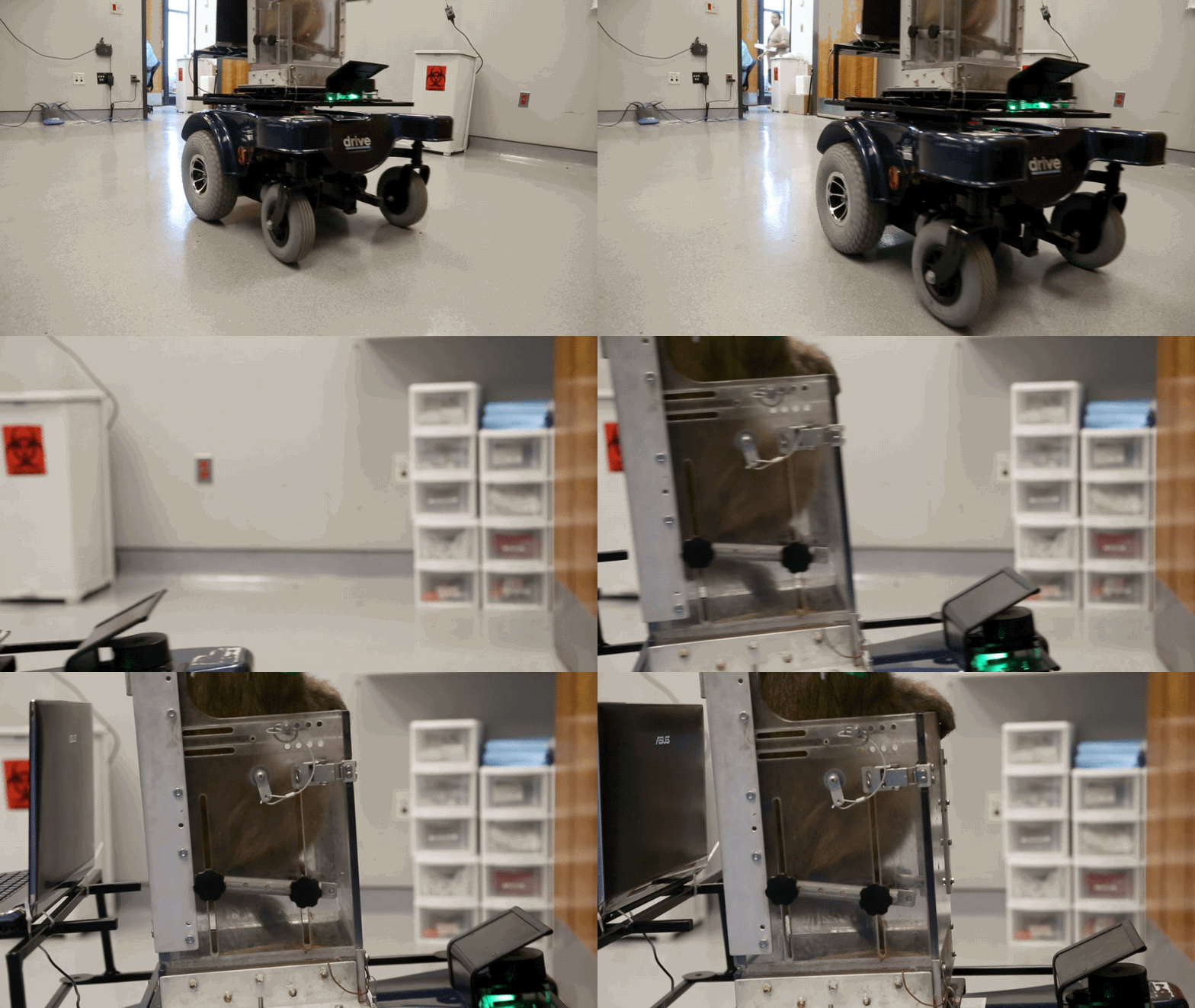
Miguel Nicolelis has developed a brain computer interface that allows monkeys to steer a robotic wheelchair with their thoughts.  The study is meant to demonstrate the potential of humans to do the same.

Signals from hundreds of neurons simultaneously recorded in two brain regions were translated into the real-time operation of a wheelchair.

Nicolelis said: “In some severely disabled people, even blinking is not possible. For them, using a wheelchair or device controlled by noninvasive measures like an EEG may not be sufficient. We show clearly that if you have intracranial implants, you get better control of a wheelchair than with noninvasive devices.”

ApplySci looks forward to the day when non-invasive methods will allow similar brain-driven functioning for the disabled.


Wearable Tech + Digital Health San Francisco – April 5, 2016 @ the Mission Bay Conference Center

NeuroTech San Francisco – April 6, 2016 @ the Mission Bay Conference Center

Wearable Tech + Digital Health NYC – June 7, 2016 @ the New York Academy of Sciences

NeuroTech NYC – June 8, 2016 @ the New York Academy of Sciences
 

Categories
BCI Brain Prosthetics

Mind controlled prosthetic fingers

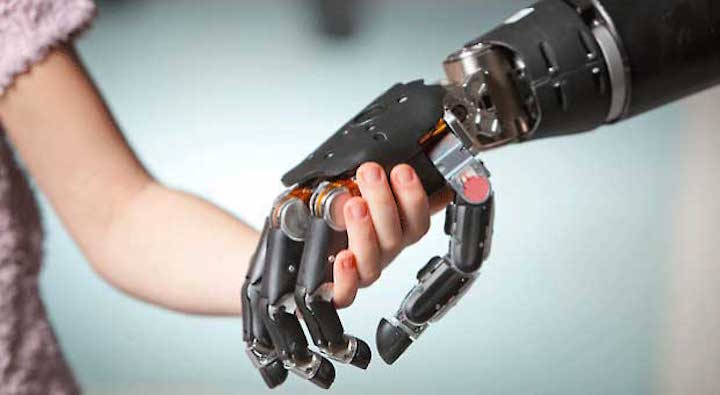
Johns Hopkins researchers have developed a proof-of-concept for a prosthetic arm with fingers that, for the first time, can be controlled with a wearer’s thoughts.

The technology was tested on an epileptic patient who was not missing any limbs.  The researchers used brain mapping technology to bypass control of his arms and hands.  (The patient was already scheduled for a brain mapping procedure.) Brain electrical activity was measured for each finger.

This was an invasive procedure, which required implanting an array of 128 electrode sensors, on sheet of film, in the part of the brain that  controls hand and arm movement. Each sensor measured a circle of brain tissue 1 millimeter in diameter.

After compiling the motor and sensory data, the arm was programmed to allow the patient to move individual fingers based on which part of his brain was active.

The team said said that the prosthetic was initially 76 percent accurate, and when they combined the signals for the ring and pinkie fingers, accuracy increased to 88 percent.

Click to view Johns Hopkins video.


Wearable Tech + Digital Health San Francisco – April 5, 2016 @ the Mission Bay Conference Center

NeuroTech San Francisco – April 6, 2016 @ the Mission Bay Conference Center

Wearable Tech + Digital Health NYC – June 7, 2016 @ the New York Academy of Sciences

NeuroTech NYC – June 8, 2016 @ the New York Academy of Sciences
 

Categories
Brain Eyes

First human optogenetics vision trial

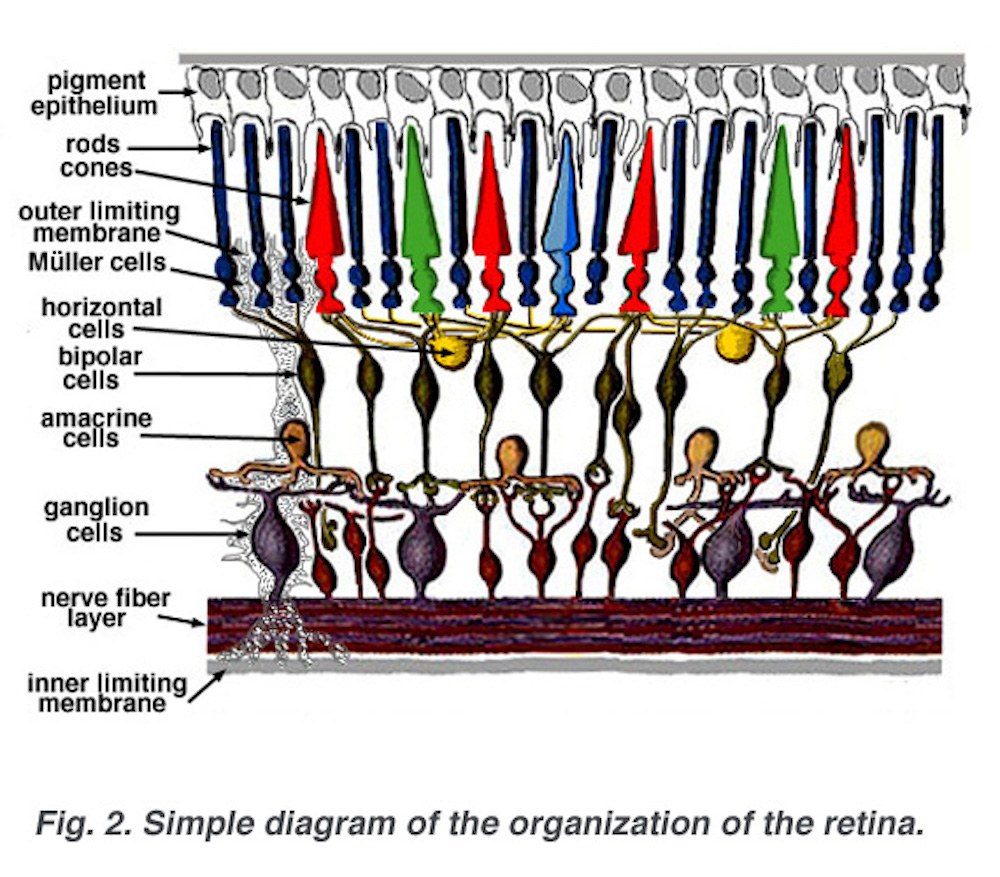
Retina Foundation of the Southwest scientists, in a study sponsored by Retrosense Therapeutics, will for the first time use optogenetics — a combination of gene therapy and light to  control nerve cells – in an attempt to restore human sight.  Previously, optogenetic therapies were only tested on mice and monkeys.

Viruses with DNA from light-sensitive algae will be injected into the eye’s ganglion cells, which transmit signals from the retina to the brain, in an attempt to make them directly responsive to light.  15 legally blind patients will participate in the study, which was first reported by the MIT Technology Review.


Wearable Tech + Digital Health San Francisco – April 5, 2016 @ the Mission Bay Conference Center

NeuroTech San Francisco – April 6, 2016 @ the Mission Bay Conference Center

Wearable Tech + Digital Health NYC – June 7, 2016 @ the New York Academy of Sciences
NeuroTech NYC – June 8, 2016 @ the New York Academy of Sciences