Categories
Brain Cancer Diabetes

Single blood drop to detect dozens of diseases

HealthTell is another single blood drop home diagnosis device.  ApplySci described Dr. Eugene Chan‘s Nokia X prize winning similar system  last month.

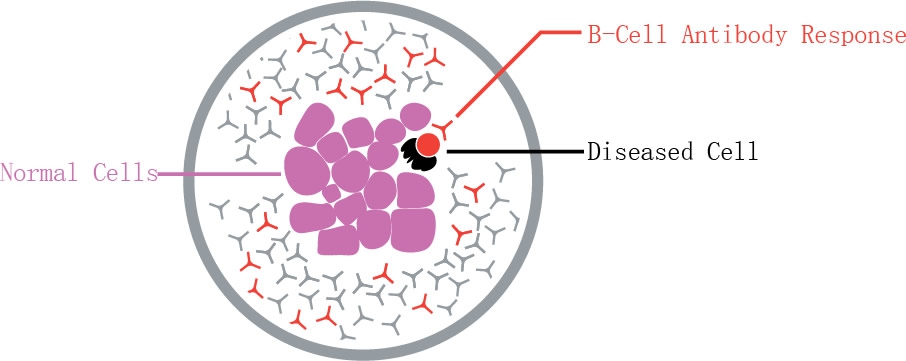
HealthTell claims to detect disease by monitoring the body’s immune response.  Infection antibodies are detected with a peptide built semiconductor wafer. When a few drops of blood hit the surface, antibodies stick to the peptides in patterns that can show characteristics of specific diseases (after analysis). Human and mice studies have shown that the technology might detect lupus, valley fever, Alzheimer’s disease, brain cancer, pancreatic cancer, and Type 2 diabetes.

Theranos, another promising, single blood drop, self diagnosis system, tests for antigens for certain cancers, hepatitides, cholesterol, and dozens of diseases. It has been embraced by investors, raising $400 million to date.  Little has been published about the Theranos system in scientific journals, while HealthTell has published 20 peer reviewed articles.
Categories
Cancer

Non-invasive, magnetic, deep tissue drug delivery

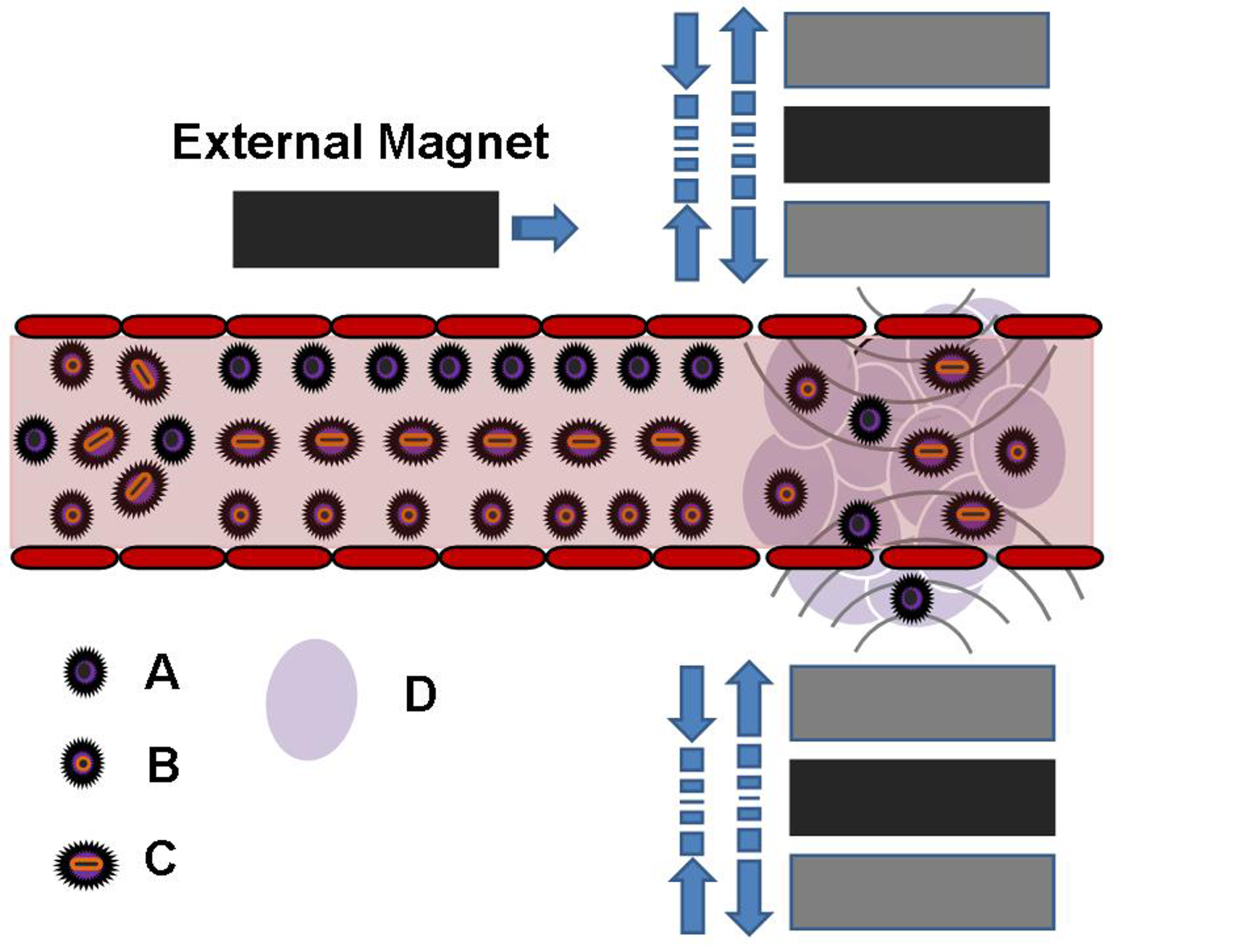
Current magnetic drug delivery therapies allow particles to be attracted to a magnet, but not concentrated toward points away from the magnet face.  Clinical trials have concentrated on treatment to targets at or just below the skin surface.

University of Maryland‘s  Aleksandar Nacev and  Benjamin Shapiro, with Weinberg Medical Physics, have developed a non-invasive dynamic inversion technique to direct therapies and diagnostics to deep targets in the body.

Instead of surgery or chemotherapy, magnetic particles as drug carriers could allow clinicians to focus therapy on precise disease locations.

According to to WMP’s Irving Weinberg:  “The Holy Grail of magnetic drug targeting is the dream of using magnets outside the body to minimally-invasively direct drug therapy to anywhere inside the body, for example, to inoperable deep tumors or to sections of the brain that have been damaged by trauma, vascular or degenerative diseases.  We have shown that fast pulsing of external electromagnetic fields may be able to achieve this goal.”


Categories
Brain Cancer Wearables

Wearable creates electric fields on scalp to treat brain tumors

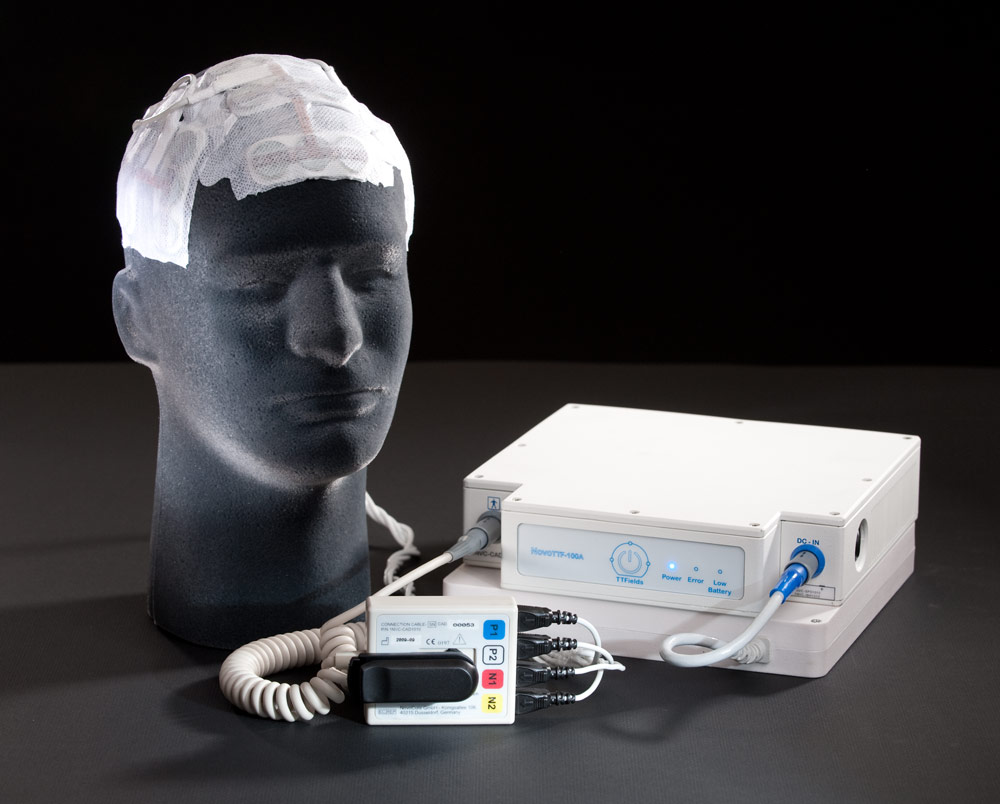
Novocure, founded by Technion professor Yoram Palti, has developed a device worn on the head that creates alternating electric fields to treat brain tumors.   The company announced that in a phase III clinical trial, its technology, in combination with standard chemotherapy, extended the lives of patients.  Novocure claims that it “slows and reverses tumor growth by inhibiting mitosis, the process by which cells divide and replicate” and that  it “creates a low intensity, alternating electric field within a tumor that exerts physical forces on electrically charged cellular components, preventing the normal mitotic process and causing cancer cell death.”

Survival improved from 16.6 months to 19.6 months in the study, and the percentage of patients surviving two years increased from 29% to 43%.

Categories
Cancer

Nanoparticle enabled simultaneous imaging to monitor disease

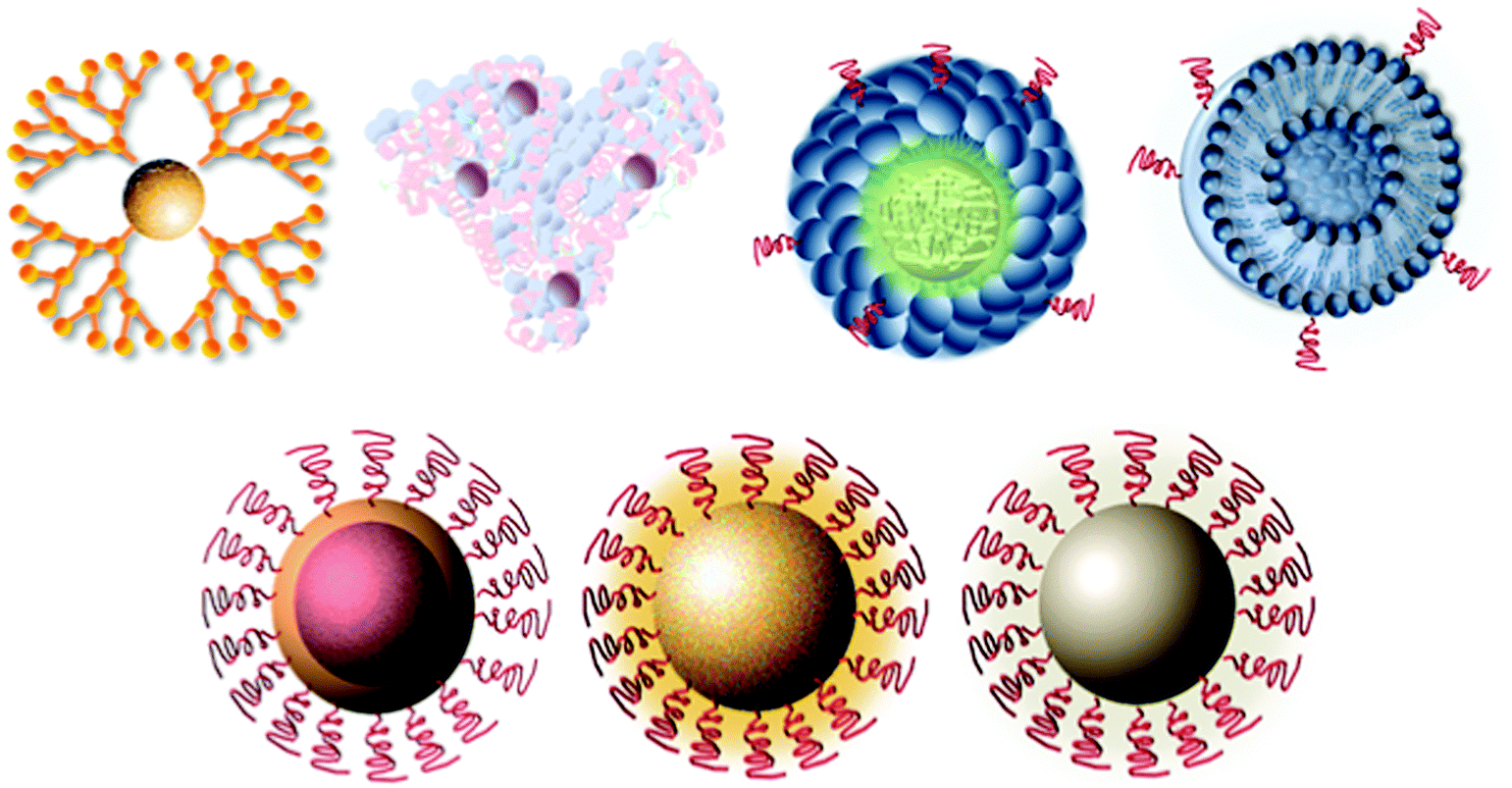
MIT‘s Jeremiah Johnson is developing nanoparticles that can simultaneously perform MRI and fluorescent imaging in animals. The goal is to allow scientists to track specific molecules produced in the body, monitor a tumor’s environment, or determine whether drugs have successfully reached their targets.

A recent study used the particles to track vitamin C in mice. Where there was a high concentration of vitamin C, they showed  a strong fluorescent signal but little MRI contrast. With little vitamin C, they showed a strong MRI signal but weak fluorescence.

Future versions could detect reactive oxygen species correlated with disease, or tailored to detect more than one molecule at a time.


Categories
Cancer

Reversing time improves cancer tissue imaging

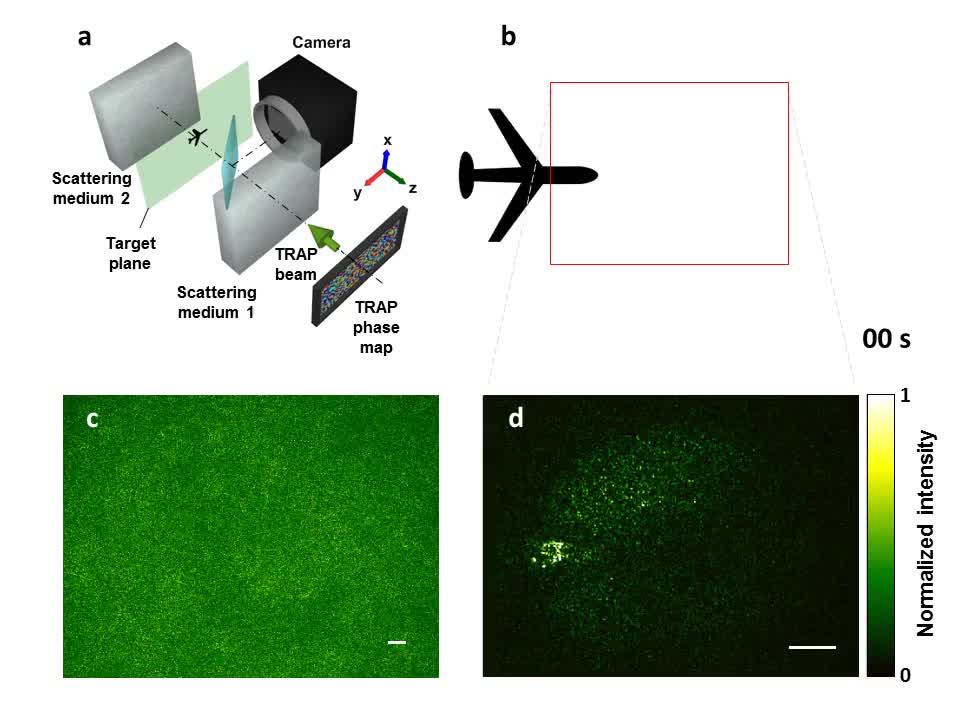
Washington University professor Lihong Wang has developed a time-reversal technology that allows researchers to better focus light in tissue.  The photo acoustic imaging combines light with acoustic waves to form a sharper image, several centimeters into the skin.  Current high-resolution optical imaging technology allows researchers to see only 1 millimeter deep.

The time-reversed adapted-perturbation (TRAP) optical focusing  sends guiding light into tissue to seek movement. The light that has traversed stationary tissue appears differently than light that has moved through something moving, such as blood. By taking two successive images, they can subtract the light through stationary tissue, retaining only the scattered light due to motion. The light is then sent back to its original source via a time-reversal process, which improves its focus.

Categories
Cancer Heart Sensors Wearables

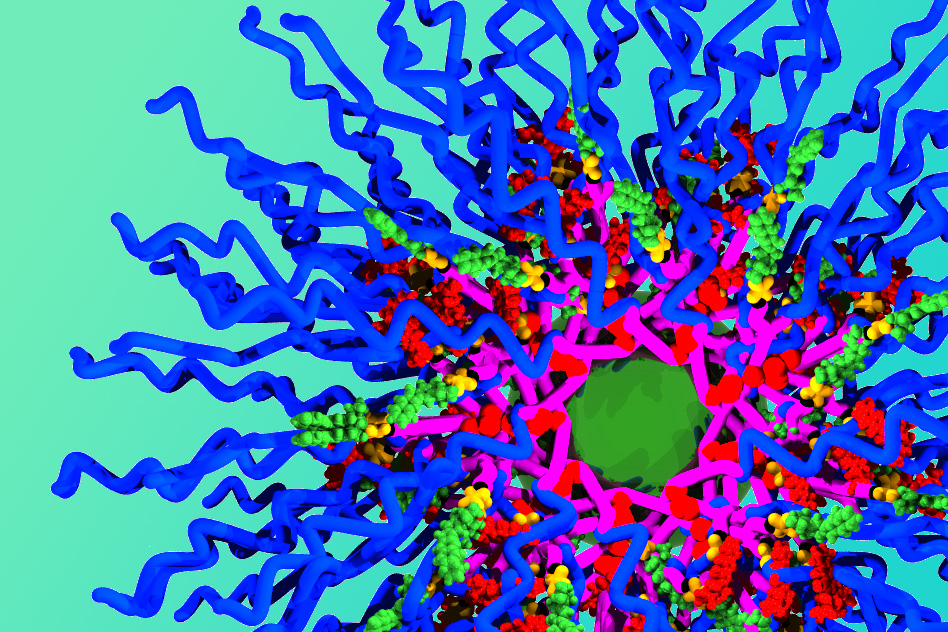
Nanoparticle sensor to detect illness early

Andrew Conrad, head of Google Lifesciences, has confirmed that the company is working on nanoparticle technology that would be swallowed, and used in combination with an external device to continuously monitor the blood to detect cancer, heart disease, and other health issues.  It is known as the “Nanoparticle Platform.”

While the technology is in an early development stage, Conrad said that Google  “has been able to “functionalize” the nano particles, using them to find a few cancer cells among a million normal ones.”  He continued:  “We’ve probably done hundreds of thousands of experiments exploring the parameters of nanoparticle binding, While there is still much work to be done, he said, “we would definitely hope that it’s years, not decades, until this is deployed.”

Categories
AI Cancer

AI matches patients with clinical trials — in seconds

The Mayo Clinic will use IBM’s Watson to match colorectal, lung, and breast cancer patients with clinical trials, expediting a slow and inefficient process.  170,000 patient studies are being conducted worldwide at any given time–8,000 at the Mayo Clinic. Processing clinical trials is done manually, which involves sorting through patient records to ensure that proper matches are made. Watson could shorten the process considerably, with matches being made within seconds.

The clinic is providing Watson with information on all clinical trials at the clinic and in public databases. Because of its ability to process natural language, Watson can analyze both trial requirements and patient records.

According to project lead  Dr. Nicholas LaRusso, one of the biggest challenges that physicians face is the task of managing large quantities of data. In the future, as medical lab results could include rapid “genomic analyses,” LaRusso said that technologies like Watson could “help organize and aggregate huge amounts of data” that would be impossible for a human to process efficiently. “Watson can fit into a flow of how we interact with patients, and will provide input required with diagnosis and management, and ultimately become, in my opinion, a member of the provider team.”


Categories
Cancer Sensors

Nanoparticle sensor detects breast cancer

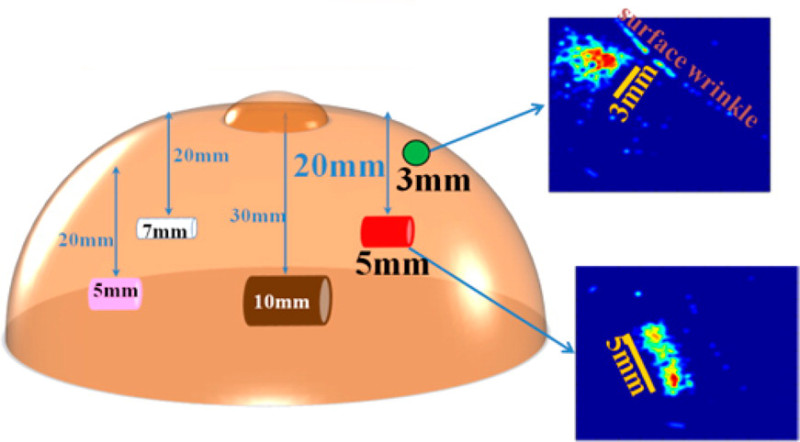
In a paper published last week, University of Nebraska professor Ravi Saraf and fellow Chieu Van Nguyen describe a thin-film sensor that can detect breast tumors too small and deep to be felt with the fingers.  Using the standard silicone breast model used to train doctors in manual breast exams, the film detected tumors as small as 5 millimeters, up to 20 millimeters deep. The technology could also improve skin cancer detection.

The film, made of nanoparticles and polymers, when pressed against the skin, creates changes in electrical current and light that can be captured by a digital camera.  The researchers refer to it as an “electronic skin” able to sense texture and relative stiffness.

Categories
Cancer Sensors

Cancer screening bra insert

First Warning, the breast cancer sensing bra company, has changed its strategy.  They will now use the same temperature-fluctuation sensors from their smart bra in a device inserted into one’s existing bra.  The data will be sent to a user’s smartphone.

The sensor finds cancer by detecting tiny metabolic temperature changes caused by cancerous cells in a tumor. The temperature readings are sent back to a global library where they’re run through a proprietary algorithm. Then the results are sent back to a user’s phone.

In small trials, the device has had a 74 percent correlation with mammography and may work better than a mammogram in patients in the early stages of cancer or with dense breast tissue.

Categories
Brain Cancer

Study: Nanofibers partially “move” brain tumors to accessible locations

http://www.nature.com/nmat/journal/vaop/ncurrent/full/nmat3878.html

http://www.research.gatech.edu/news/researchers-hijack-cancer-migration-mechanism-“move”-brain-tumors

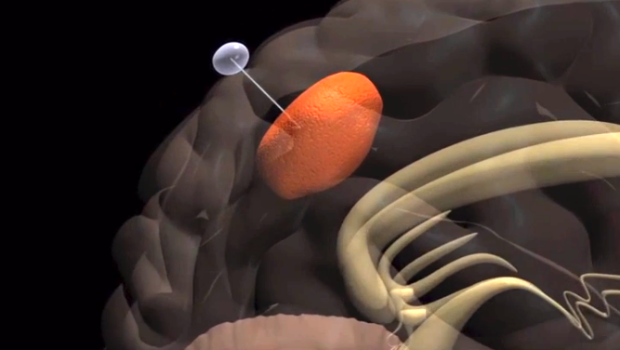
Glioblastoma cancers are difficult to treat because malignant cells spread through the brain by following nerve fibers and blood vessels to invade new locations.  Professor Ravi Bellamkonda and Georgia Tech and Emory colleagues developed a technique they claim hijacks this migratory mechanism, turning it against the cancer by using a film of thin nanofibers to lure tumor cells away.

Instead of invading new areas, the migrating cells latch onto the specially-designed nanofibers and follow them to a location – potentially outside the brain – where they can be captured and killed. Researchers claim that they can partially move tumors from inoperable locations to more accessible ones. The technique reduced the size of brain tumors in animal models, suggesting that this form of brain cancer might one day be treated more like a chronic disease.

Categories
Apps Cancer Sensors

Chemical sensor app for lung cancer detection

Vantage Health/ STSI Press Release

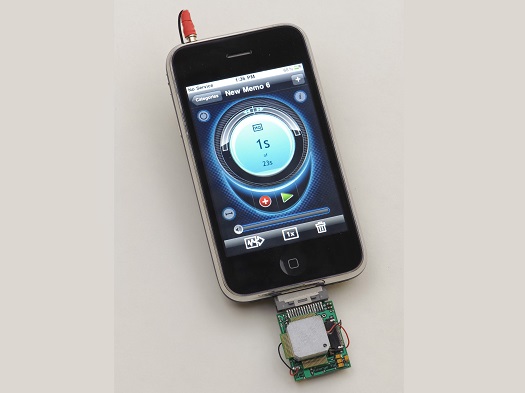
Vantage Health and Scripps Translational Science Institute are developing point-of-care chemical sensor apps.

STSI will help validate the sensors, which can detect basic volatile organic compounds by using gas chromatography and mass spectrometry. They intend to use the sensor to detect VOCs commonly associated with lung cancer.

Last month Vantage Health partnered with NASA to commercialize its patents in nanotechnology, chemical sensing, carbon nanotubes, medical diagnoses, and environmental sensing as mobile health products.  Their stated initial application was lung cancer.

Categories
Brain Cancer Eyes

Cancer cells glow when viewed through surgical glasses

https://news.wustl.edu/news/Pages/26496.aspx

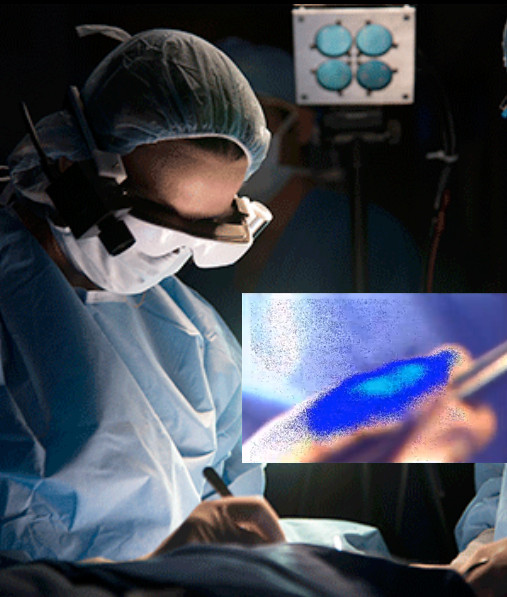
Washington University Professor Samuel Achilefu has developed surgical glasses that detect tumors by making cancer cells glow and appear blue in color.  This is accomplished through custom video technology, a head mounted display, and a targeted molecular agent that attaches to cancer cells.  Tumors as small as 1 mm in diameter could be detected.  The glasses are designed to enable surgeons to distinguish cancer cells from healthy cells, helping to ensure that no stray tumor cells are left behind during surgery.