Categories
fitness Heart Sensors Wearables

Future hearable sensors could track physical, emotional state

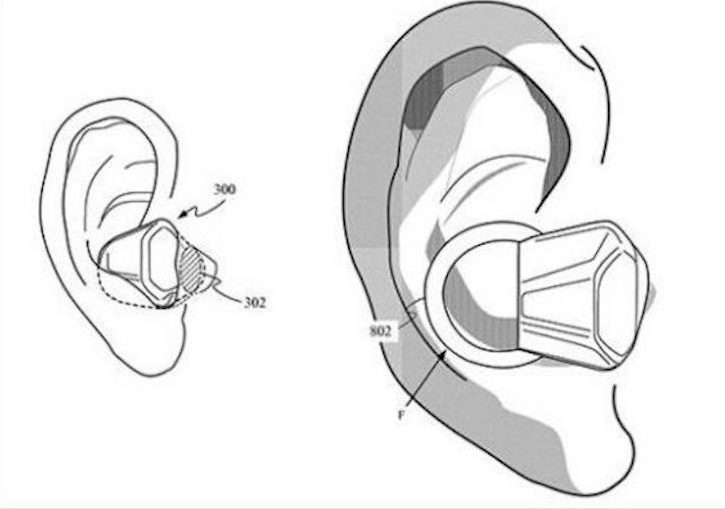
Apple has filed patent applications describing wireless earbuds that monitor health while a wearer talks on the phone or listens to music.  This has obvious exercise-related implications, but could potentially track the physiological impact of one’s emotional state while making calls, as a mobile mental health tool.

Sensors included in the patent include EKG, ICG, VO2 and GSR.

Click to view patent applications:

Patent 1   |   Patent 2   |   Patent 3


Join ApplySci at Wearable Tech + Digital Health + NeuroTech Boston – Featuring Roz Picard, Tom Insel, John Rogers and Nathan Intrator – September 19, 2017 at the MIT Media Lab

Categories
Brain Sensors

Soft, flexible “skin-like” electrodes could improve brain interfaces

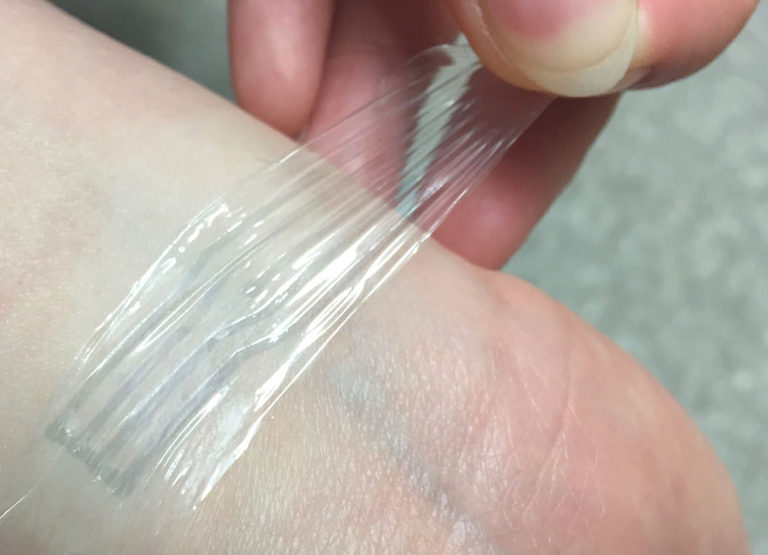
Stanford professor Zhenan Bao‘s latest flexible electronic initiative is the development of a plastic electrode that stretches like rubber but carries electricity like wires. This could be improve implanted brain interfaces which require soft and highly sensitive materials.

In a recent paper, Bao’s team describes the chemical modification of  brittle plastic to make it highly bendable, while enhancing  electrical conductivity. A more seamless connection between stiff electronics and flexible organic electrodes in our bodies is achieved.

According to lead author Yue Wang, “One thing about the human brain that a lot of people don’t know is that it changes volume throughout the day, It swells and deswells.”  Current electronic implants can’t stretch and contract with the brain, making it difficult to maintain a good connection.

Click to view Stanford University video.


Professor Bao was the keynote speaker at ApplySci’s recent Wearable Tech + Digital Health + NeuroTech conference at Stanford.

Join ApplySci at Wearable Tech + Digital Health + NeuroTech Boston – Featuring Roz Picard, Tom Insel, John Rogers and Nathan Intrator – September 19, 2017 at the MIT Media Lab
Categories
Heart Sensors

Thin, flexible, insulated sensor could monitor the heart for 70 years

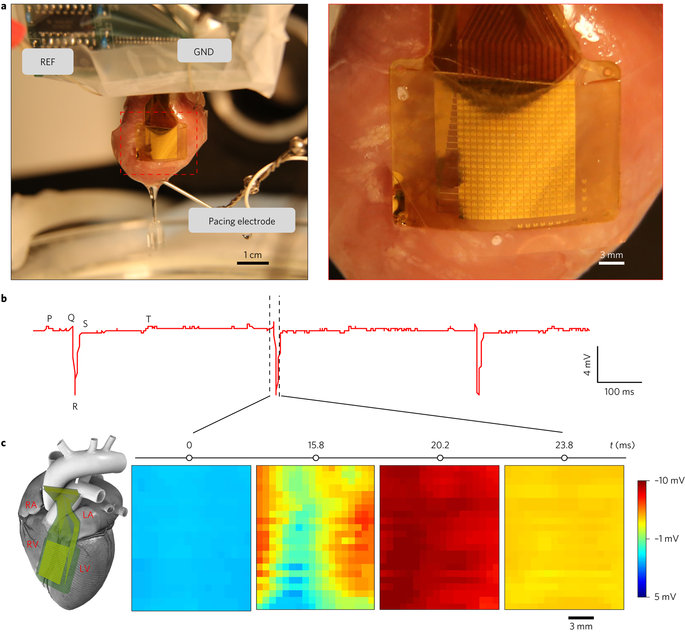
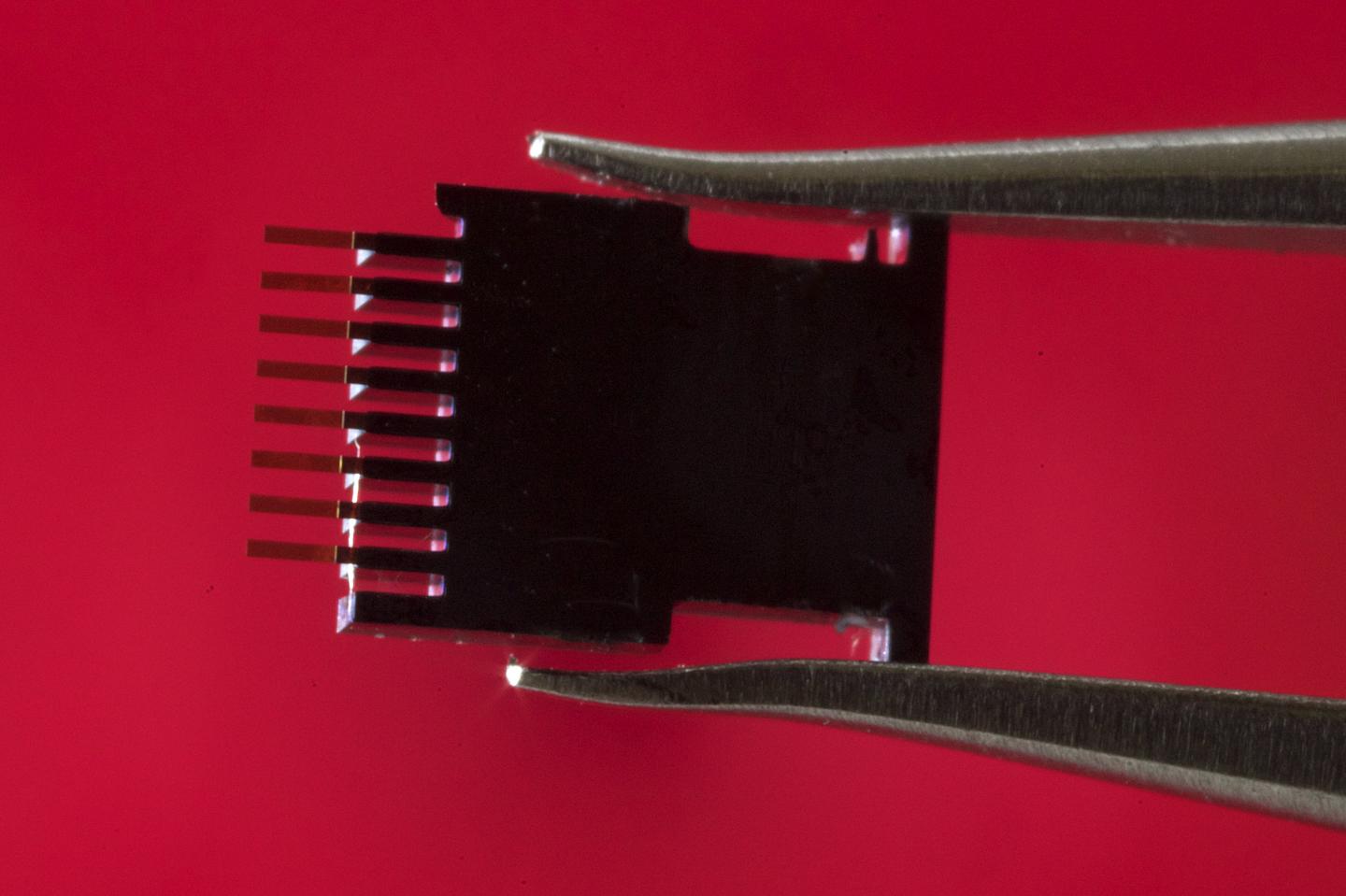
Northwestern’s John Rogers has developed a sensor that can monitor electrical activity irregularities in the heart for 70 years.  The sensor is much safer and more refined than current technology, which degrades easily, and can harm patients.

An array of 396 voltage sensors are set in a very thin, multi-layer, flexible substrate,  meant to attach to the outside of the heart, covering a significant portion of the organ. Previous sensors arrays picked up signals through direct contact between a metal conductor and human tissue. The new array is covered with an insulating layer of impermeable silicon dioxide. This is a dramatic improvement on metal conductors, which corrode and allow biological fluids to leak through, which can lead to a short circuit and, potentially, ventricular fibrillation and cardiovascular collapse.  Previous attempts at  the adding an  insulating layer have been too thick for the signal to be recorded effectively.

According to Rogers: “You want this layer to be as thin as possible to enable a strong electrical coupling to the surrounding tissue, but you need it to be thick enough to serve as a robust barrier to water penetration.”  He seems to have achieved just this.

Rogers believes that with a larger surface area and more nodes, the sensors could one day cover most of the body’s organs . He will test whether they can both collect data and deliver energy to an organ, such as a pacemaker, or be able to study the underlying function of the brain.

Professor Rogers was a speaker at ApplySci’s recent Wearable Tech + Digital Health + Neurotech Silicon Valley conference, on February 8, 2017, at Stanford University.)  He will  present his latest work our upcoming Wearable Tech + Digital Health + Neurotech Boston conference, on September 19th at the MIT Media Lab.

Categories
Seniors Sensors

Sensors inform skilled nursing care

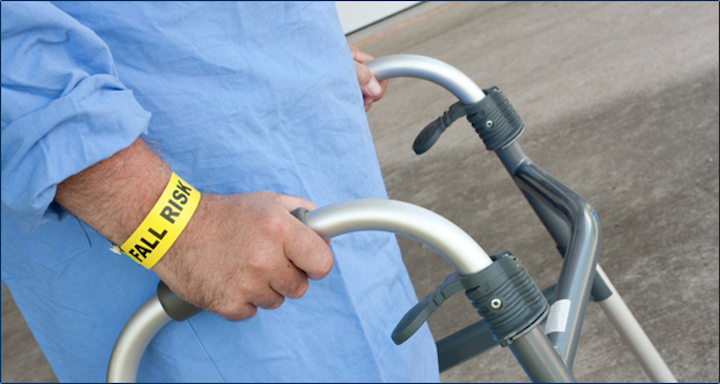
IBM has partnered with Avamere skilled nursing facilities to sudy the use of cognitive computing to improve caregiver knowledge and actions. By embedding sensors that gather physical and environmental data in  senior living facilities, Avamere hopes to reduce hospital admission rates.

Patient movement, air quality, gait analysis and other fall risk factors, personal hygiene, sleeping patterns, incontinence and trips to the bathroom will be monitored. IBM will  analyze the data to create an understanding of each patient, and be able to predict and hopefully prevent negative outcomes.

One Avemere company, Infinity Rehab, already integrates sensor – derived health data in physical, occupational, and speech therapy protocols.


Join ApplySci at Wearable Tech + Digital Health + NeuroTech Boston – Featuring Roz Picard, Tom Insel, John Rogers and Nathan Intrator – September 19, 2017 at the MIT Media Lab
Categories
Sensors

Sensor detects HIV in first week of infection

Spanish National Research Council researchers have developed a biosensor that detects the p24 antigen protein at concentrations 100,000 times lower than in current techniques. This has enabled the creation of  a test that can detect HIV in the blood within one week of infection. It takes 5 hours, offering results the same day.

The inexpensive sensor combines micro-mechanical silicon structures and gold nanoparticles. Current antigen tests can detect HIV three weeks after infection. RNA tests can detect the virus in 10 days, but cost much more.

According to CSIC researcher Priscila Koska, “The potential for HIV infectivity in the first stage of infection is much higher than in the later stages. Therefore, initiating antiretroviral therapy prior to seroconversion improves immune control and has been associated with benefits in CD4 cell count, a reduction in systemic inflammation, the preservation of cognitive function, and a reduction of the latent reservoir. Logically, its detection is critical to the prevention of HIV transmission.”


Join ApplySci at Wearable Tech + Digital Health + NeuroTech Boston – Featuring Roz Picard, Tom Insel, John Rogers and Nathan Intrator – September 19, 2017 at the MIT Media Lab

Categories
AI Sensors Wearables

Sensor, data, and AI-driven primary care

Forward has brought advanced technology to well-care.

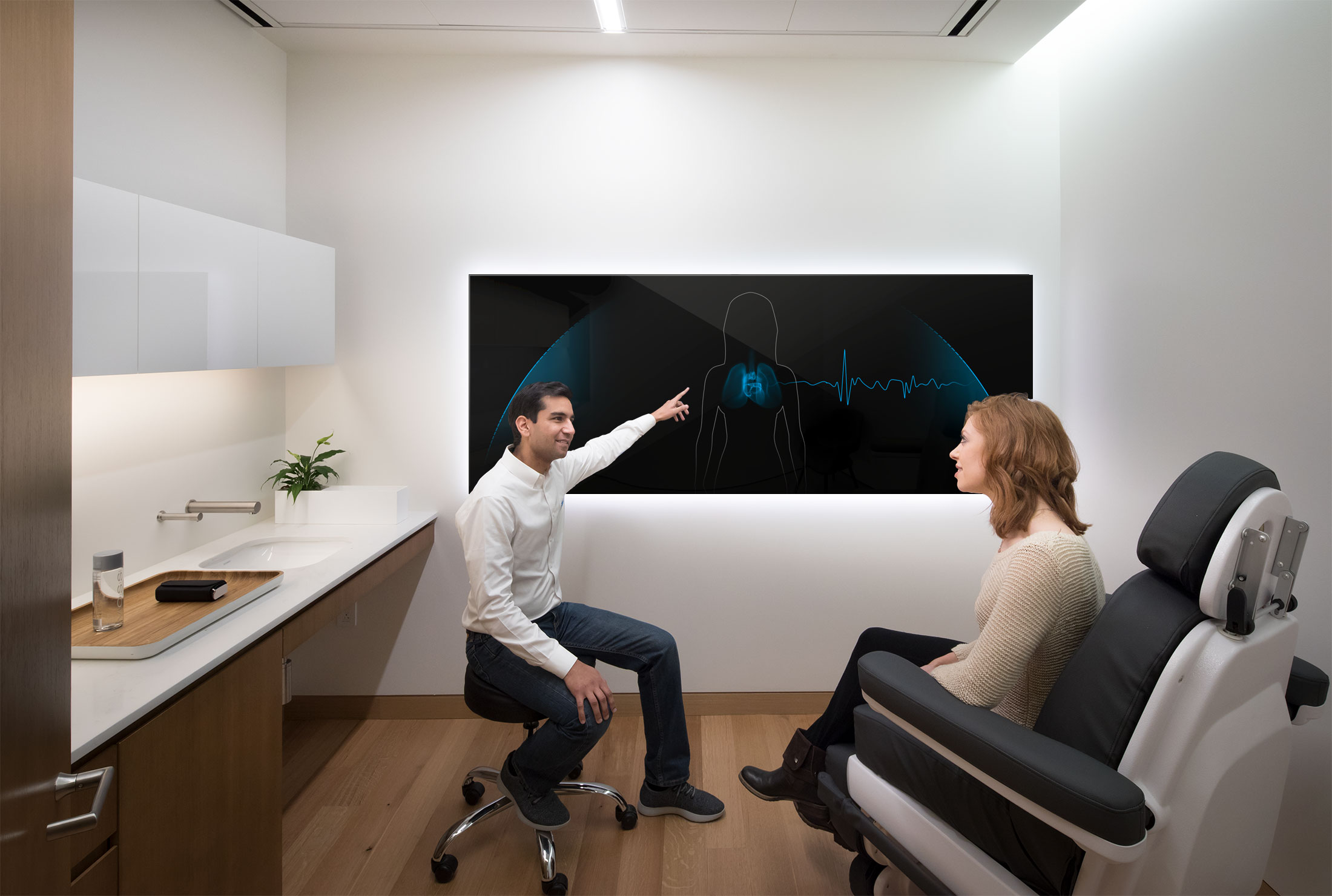
Patient/Members are integrated into the practice with a baseline  screening via body scans, blood and genetic tests.  They are then given consumer and medical wearables, which work with proprietary algorithms, for continuous monitoring (and access to data), personalized treatment, and emergency alerts. Physical exam rooms display all of the data during doctor visits,

Ongoing primary care, including continuous health monitoring, body scans, gynecology, travel vaccinations, medication, nutrition guidance, blood tests and skin care is included in the fee-based system.

Forward investor Vinod Khosla will be interviewed by ApplySci’s Lisa Weiner Intrator on stage at Digital Health + NeuroTech at Stanford on February 7th at 4:15pm.

ApplySci’s 6th  Digital Health + NeuroTech Silicon Valley  –  February 7-8 2017 @ Stanford   |   Featuring:   Vinod Khosla – Tom Insel – Zhenan Bao – Phillip Alvelda – Nathan Intrator – John Rogers – Roozbeh Ghaffari –Tarun Wadhwa – Eythor Bender – Unity Stoakes – Mounir Zok – Sky Christopherson – Marcus Weldon – Krishna Shenoy – Karl Deisseroth – Shahin Farshchi – Casper de Clercq – Mary Lou Jepsen – Vivek Wadhwa – Dirk Schapeler – Miguel Nicolelis


Categories
Sensors Wearables

Ultra-flexible transistor for discreet, continuous health monitoring

Stanford professor Zhenan Bao‘s latest bioelectronic innovation has disrupted wearable technology as we know it.   The ultra-flexible transistor can be stretched to twice its length, without losing conductivity.  Conductors are confined inside an extremely thin, flexible polymer material, ideal for adhesive or tiny wearables. Digital health applications are unlimited —  providing discreet, continuous, and accurately monitoring.

According to Bao, “Transistors are the basic component of nearly all of the electronic devices that we use today. In the near future we will be able to make wearable electronics that are stretchable and able to conform to the human body.”

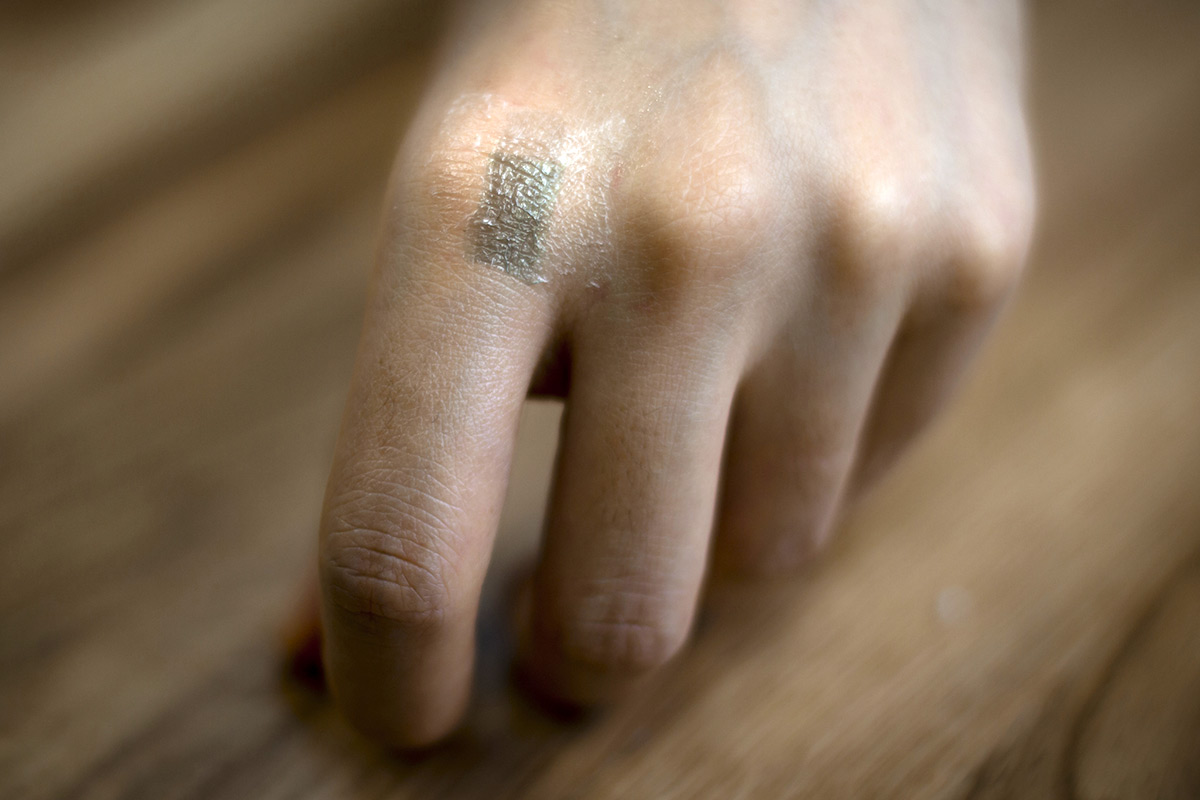
After 100 stretches, the transistors showed no signs of cracking and their conductivity reduced only very slightly.  This means that they could be attached to constantly moving body parts. As a demonstration, the technology was used in a simple electronic device worn around the knuckle of a finger that turned a small LED light on and off.

Professor Bao is the keynote speaker at Wearable Tech + Digital Health + NeuroTech Silicon Valley — to be held on February 7-8, 2017 at Stanford University, and co-sponsored by the Stanford Wearable Electronics Initiative.

ApplySci’s 6th  Digital Health + NeuroTech Silicon Valley  –  February 7-8 2017 @ Stanford   |   Featuring:   Vinod Khosla – Tom Insel – Zhenan Bao – Phillip Alvelda – Nathan Intrator – John Rogers – Roozbeh Ghaffari –Tarun Wadhwa – Eythor Bender – Unity Stoakes – Mounir Zok – Sky Christopherson – Marcus Weldon – Krishna Shenoy – Karl Deisseroth – Shahin Farshchi – Casper de Clercq – Mary Lou Jepsen – Vivek Wadhwa – Dirk Schapeler – Miguel Nicolelis

Categories
Sensors

Sensor dramatically improves MRI resolution

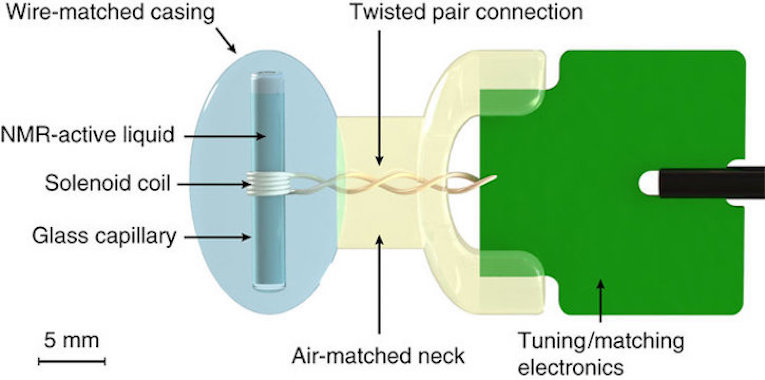
ETH professor Klaas Prussmann has developed technology to improve MRI accuracy by detecting tiny changes in magnetic fields.

An MRI’s  strong magnetic field, which makes it difficult for sensors to detect up small details.  Prussmann’s integrated digital radio receiver addresses this by  decreasing background noise significantly.

In a recent paper, he said:  “In addition to boosting absolute sensitivity at high field, the reported approach also affords superior relative sensitivity. At the level of one part per trillion, it is competitive with the most sensitive low-field magnetometry techniques devised to-date.”

The sensor  was positioned in front of a patient’s chest while in the MRI. Data showed tiny, regular changes in the magnetic field, representing his heartbeat. The measurement curve is similar to an ECG,  although it measures the contraction of the heart rather than electrical conduction.  These changes were significantly smaller than the 7 tesla field strength of the MRI used in the experiment.

Thea technique also develops better contrast agents, which could lead to improved  nuclear magnetic resonance spectroscopy  in biological and chemical research.

Disrupting MRI will be a focus of Digital Health + NeuroTech Silicon Valley on February 7-8 at Stanford.  Mary Lou Jepsen will lead the discuss on on Wearable, MRI-like opto-electronics to detect and treat cancer, heart, and brain diseases, on February 7th at 11am.

 ApplySci’s 6th  Digital Health + NeuroTech Silicon Valley  –  February 7-8 2017 @ Stanford   |   Featuring:   Vinod Khosla – Tom Insel – Zhenan Bao – Phillip Alvelda – Nathan Intrator – John Rogers – Roozbeh Ghaffari –Tarun Wadhwa – Eythor Bender – Unity Stoakes – Mounir Zok – Sky Christopherson – Marcus Weldon – Krishna Shenoy – Karl Deisseroth – Shahin Farshchi – Casper de Clercq – Mary Lou Jepsen – Vivek Wadhwa – Dirk Schapeler – Miguel Nicolelis.

Early registration rates available through Friday, January 6th

 

Categories
Sensors

Prosthesis-integrated sensor detects infections early

Infections in prostheses, for amputees, and in joint replacements, are common, often found too late, and can necessitate additional surgeries or worse complications.  Current detection methods include MRI, CT, and X-ray.

Ken Loh and UCSD colleagues have developed an infection detecting prosthesis coating + imaging technique that could be used at home or in a doctors office.  Prostheses are continuously monitored and quantitative diagnostic data about the extent and location of an infection is provided.

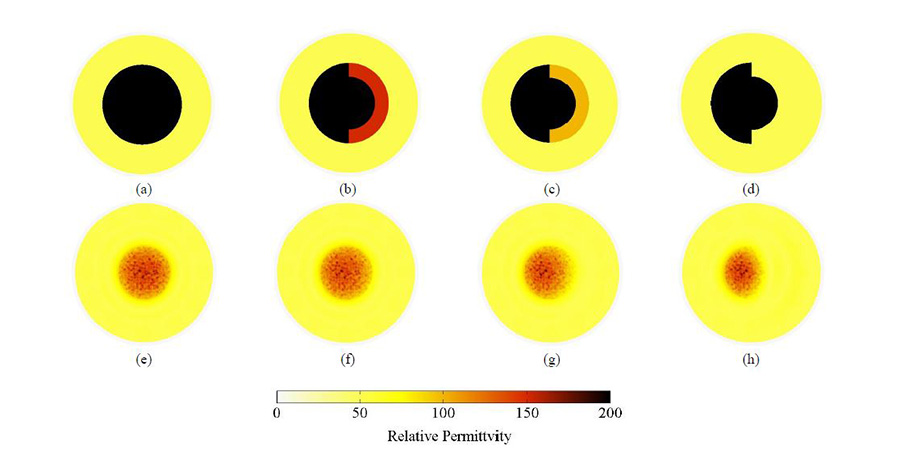
Enhanced ECT was used to measure the human tissue and prosthesis’ electrical properties using  electrical fields. An algorithm processed the data to allow physicians to reconstruct a predetermined area’s electrical properties, to reveal tissue, bone, and prosthesis health. Infection caused changes in the field, detected by ECT.

A thin-film sensor was sprayed onto a prosthesis to improve infection detection. The film is made of a conductive polymer matrix that is sensitive to pH, and carbon nanotubes, embedded in the matrix, to increase the material’s ability to conduct electricity more sensitively, regardless of the pH level. Infections caused by different microorganisms often change the local pH in human cells and affect their ability to conduct electricity.

ApplySci’s 6th  Digital Health + NeuroTech Silicon Valley  –  February 7-8 2017 @ Stanford   |   Featuring:   Vinod Khosla – Tom Insel – Zhenan Bao – Phillip Alvelda – Nathan Intrator – John Rogers – Roozbeh Ghaffari –Tarun Wadhwa – Eythor Bender – Unity Stoakes – Mounir Zok – Sky Christopherson – Marcus Weldon – Krishna Shenoy – Karl Deisseroth – Shahin Farshchi – Casper de Clercq – Mary Lou Jepsen – Vivek Wadhwa – Dirk Schapeler – Miguel Nicolelis

Categories
Conference Sensors Wearables

Tiny wearable sensor measures blood flow

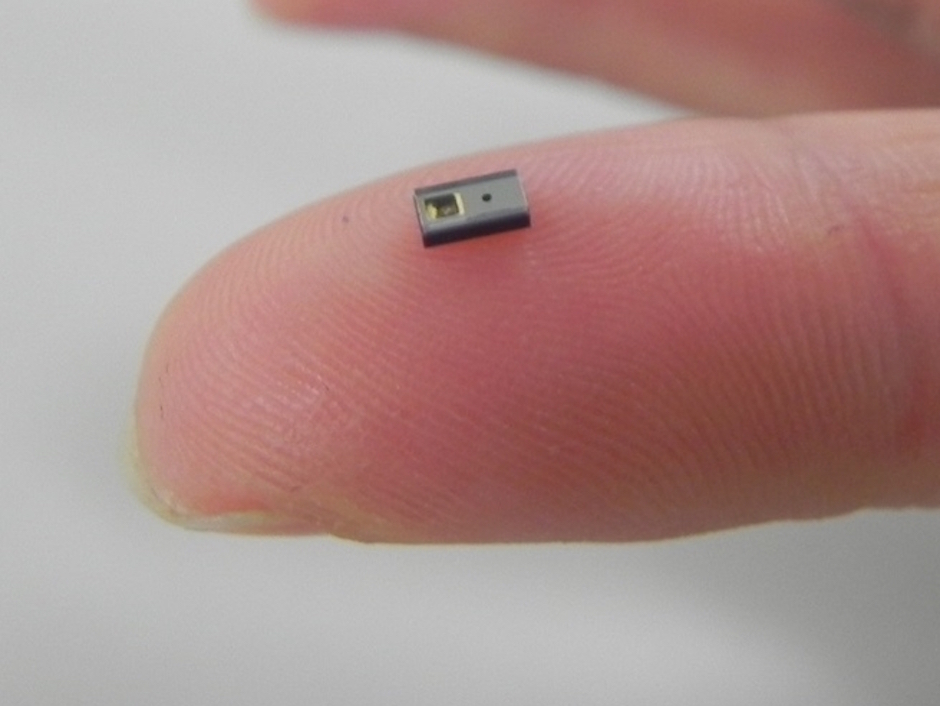
Kyocera has developed a tiny optical sensor to measure blood flow volume in subcutaneous tissue, meant to be integrated into a phone or wearable. Potential applications include monitoring stress and preventing dehydration, heat stroke, and altitude sickness.

The device will be used  in/on an ear, finger or forehead, to measure the velocity-driven frequency of reflected light within blood vessels. The  sensor utilizes the relative shift in frequency and the strength of the reflected light  to determine blood-flow volume.

ApplySci’s 6th  Digital Health + NeuroTech Silicon Valley  –  February 7-8 2017 @ Stanford   |   Featuring:   Vinod Khosla – Tom Insel – Zhenan Bao – Phillip Alvelda – Nathan Intrator – John Rogers – Roozbeh Ghaffari –Tarun Wadhwa – Eythor Bender – Unity Stoakes – Mounir Zok – Krishna Shenoy – Karl Deisseroth – Shahin Farshchi – Casper de Clercq – Mary Lou Jepsen – Vivek Wadhwa – Dirk Schapeler – Miguel Nicolelis


Categories
Sensors Sleep Wearables

Cabin sensors, wearables, smart pills to monitor air passenger health

British Airlines has filed a patent application for a system that would monitor when a passenger is awake, asleep, hungry, nervous, hot, cold or uncomfortable.

The “system and method for controlling the travel environment for a passenger” encompasses motion-sensing sleep monitors, wearables that track eye movement, heart rate, and temperature, and ingestible health-tracking pills.

The company aims to use the data to optimize a passenger’s environment/experience while flying.


ApplySci’s 6th   Wearable Tech + Digital Health + NeuroTech Silicon Valley  –  February 7-8 2017 @ Stanford   |   Featuring:   Vinod Khosla – Tom Insel – Zhenan Bao – Phillip Alvelda – Nathan Intrator – John Rogers – Roozbeh Ghaffari –Tarun Wadhwa – Eythor Bender – Unity Stoakes – Mounir Zok – Krishna Shenoy – Karl Deisseroth – Shahin Farshchi – Casper de Clercq – Mary Lou Jepsen – Vivek Wadhwa – Dirk Schapeler – Miguel Nicolelis

ApplySci is delighted to welcome the Bayer LifeScience iHUB as a sponsor of Digital Health + NeuroTech at Stanford.

Categories
Diabetes Sensors Wearables

Sensor sock detects diabetic inflammation, sends alerts

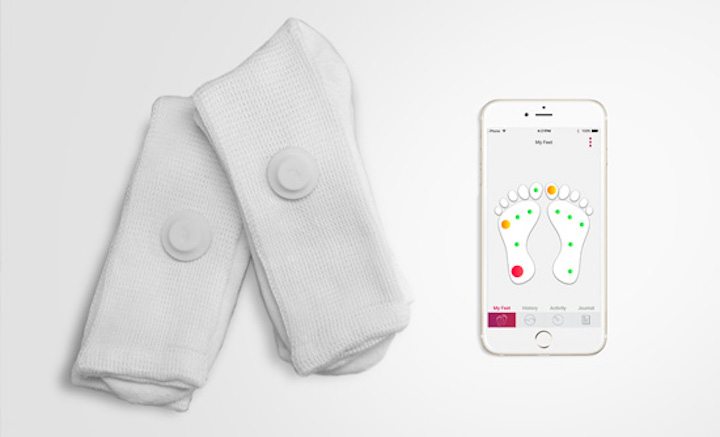
Siren Care‘s real-time temperature sensing smart sock is meant to detect foot inflammation in diabetics.  The goal is early notification to prevent (difficult to heal) sores and other symptoms of the disease, which can lead to extreme complications.

Data is stored in the fabric  and in the cloud.  An app sends alerts when a temperature event occurs. The washable sock is meant to last for 6 months, as is its battery, which does not require charging.


ApplySci’s 6th   Wearable Tech + Digital Health + NeuroTech Silicon Valley  –  February 7-8 2017 @ Stanford   |   Featuring:   Vinod Khosla – Tom Insel – Zhenan Bao – Phillip Alvelda – Nathan Intrator – John Rogers – Roozbeh Ghaffari –Tarun Wadhwa – Eythor Bender – Unity Stoakes – Mounir Zok – Krishna Shenoy – Karl Deisseroth – Shahin Farshchi – Casper de Clercq – Mary Lou Jepsen – Vivek Wadhwa – Dirk Schapeler – Miguel Nicolelis

ApplySci is delighted to welcome the Bayer LifeScience iHUB as a sponsor of Digital Health + NeuroTech at Stanford.