Categories
Prosthetics Robotics

Applied robot control theory for more natural prosthetic leg movement

Prosthetics are lighter and more flexible than in the past, but fail to mimic human muscle power. Powered prosthesis motors generate force, but cannot respond with stability to disturbances or changing terrain.

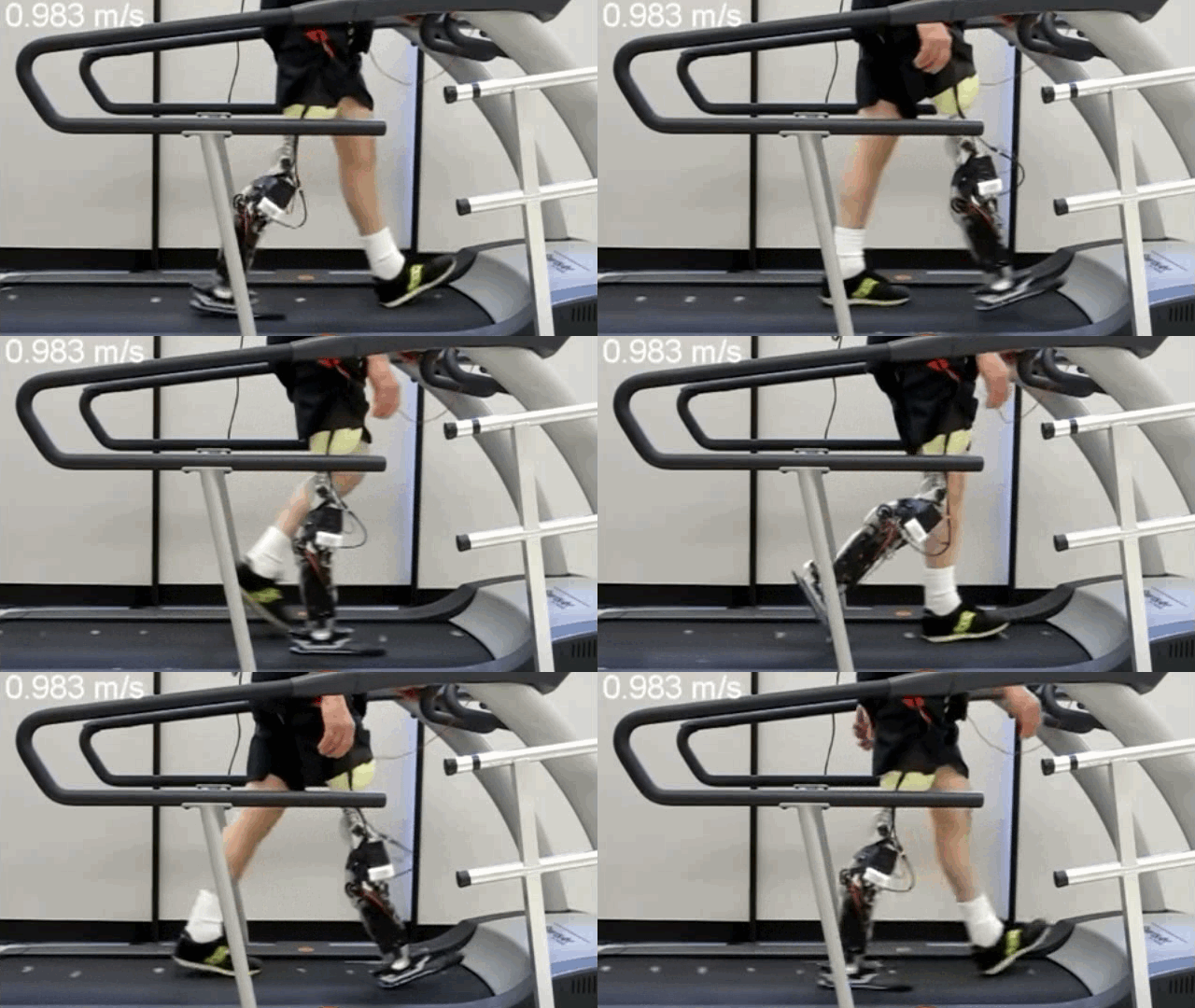
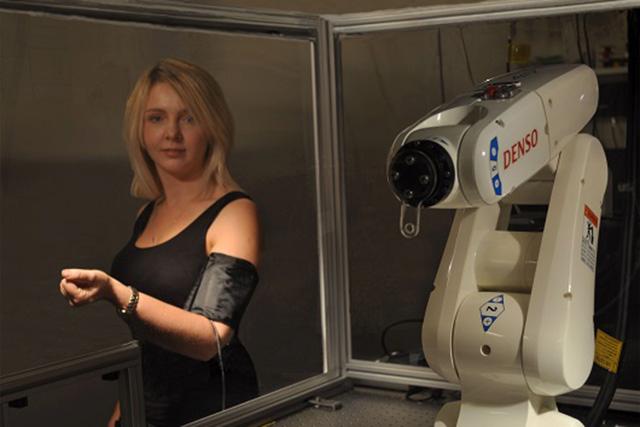
Robert Gregg and colleagues at the University of Texas have applied robot control theory to allow powered prosthetics to dynamically respond to a wearer’s environment.  This has enabled wearers of a robotic leg to walk on a moving treadmill at similar speeds to able-bodied people.

Gregg said that “the gait cycle is a complicated phenomenon with lots of joints and muscles working together. We used advanced mathematical theorems to simplify the entire gait cycle down to one variable. If you measure that variable, you know exactly where you are in the gait cycle and exactly what you should be doing.”

In a recent study, algorithms with sensors measured the center of pressure on a powered prosthesis. Inputted with a user’s height, weight and dimension of the residual thigh, the prosthesis was configured for each subject in 15 minutes.  Subjects walked on the ground, and on a treadmill, at increasing speeds. Their walking speeds were greater than 1 meter per second throughout the study.  Typical able-bodied walking speed is  1.3 meters per second.  Participants also reported less energy exertion than with traditional prostheses.

Categories
Ultrasound

Cheap, fast, precise, hand held ultrasound

Butterfly Network‘s Jonathan Rothberg wants to make a “super-low-cost version of a $6 million (ultrasound) machine, to make it 1,000 times cheaper, 1,000 times faster, and a hundred times more precise.”  This will depend on software and extensive AI image research to extract key features to automate diagnoses.

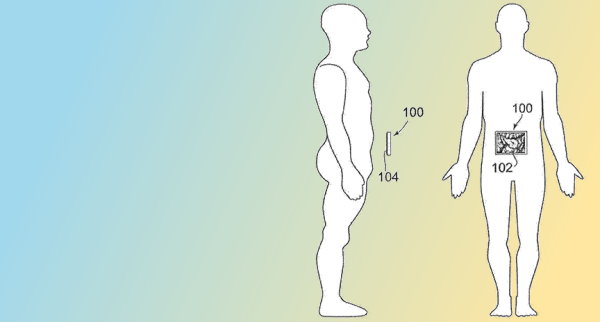
Butterfly’s patent applications describe compact, hand held ultrasound scanners that create 3D images in real time.  Rothberg want to create a cheap system that can be used in the poorest nations.

Current ultrasound machines use piezoelectric crystals or ceramics to generate and receive sound waves. They are wired and attached with cables to a signal processing box. Butterfly wants to  integrate ultrasound elements on a computer chip, cheaply produce them, and  simplify the creation of the arrays needed to produce 3D images.


Categories
Brain

3D holograms can be seen and felt

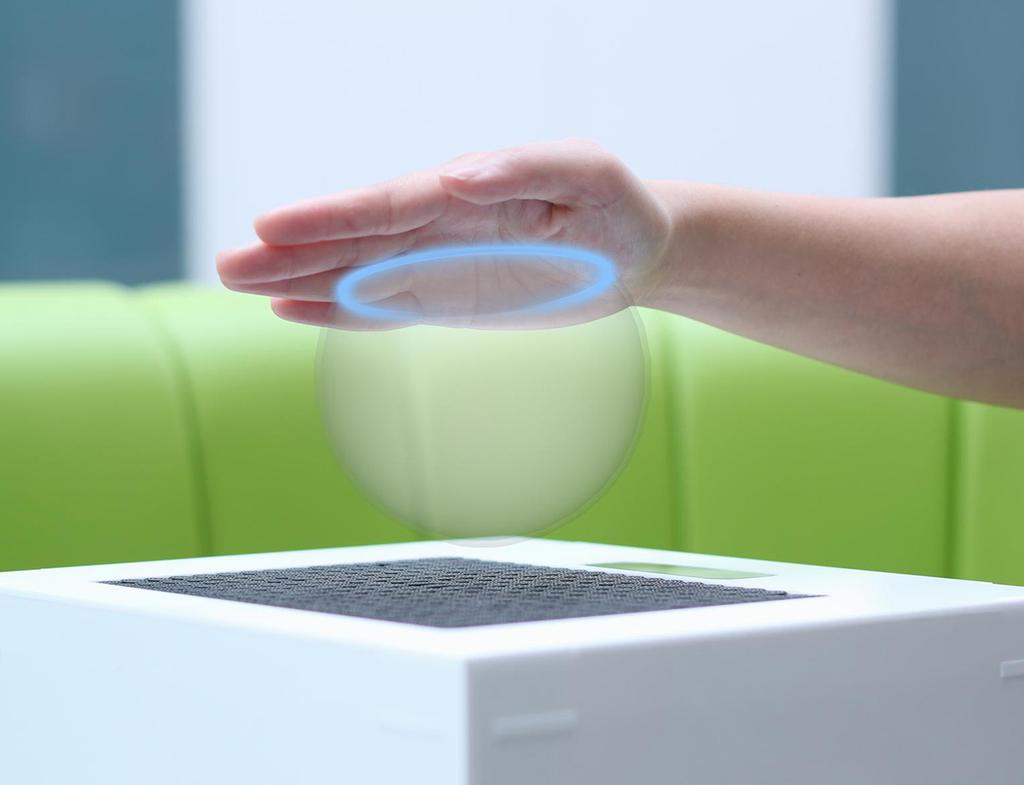
Benjamin Long and colleagues at the University of Bristol have developed invisible 3D object holograms that can be felt and seen in mid-air using ultrasound. Potential uses include helping surgeons “feel” the differences between materials in a CT scan to diagnose disease, or, combined with a VR headset, to rehearse surgeries.

High-frequency sound waves  are pulsed from miniature speakers that exert pressure on one’s hand to create the feel of haptic holograms. A Leap Motion sensor tracks hand positions to decide where in the air to create the object. Sound waves are projected onto a layer of oil, and shape depressions and movements can be seen on the surface.

Categories
Eyes

Bionic eye prototype stimulates visual cortex to restore sight

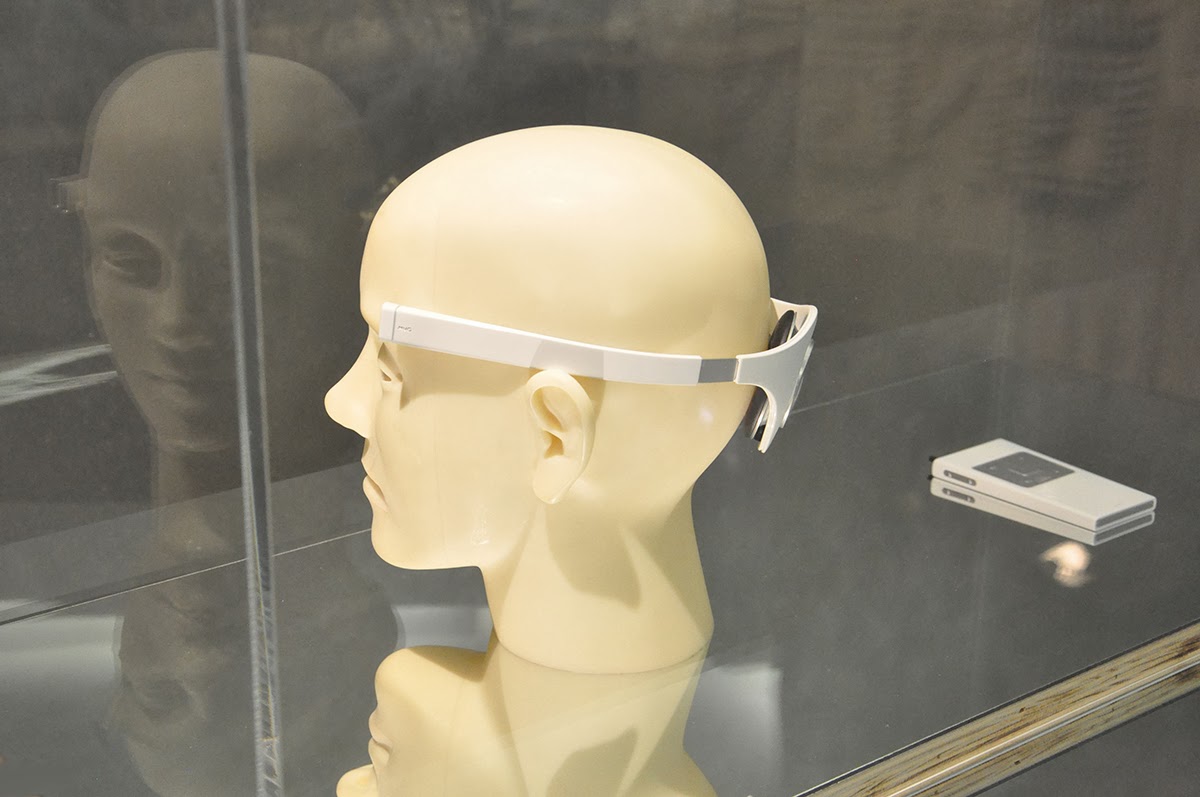
The Monash Vision Group is building a bionic eye in an attempt to restore sight by transmitting wireless signals directly to an implant in the brain, bypassing the eye.

The MVG system bypasses the retina and optic nerve and wirelessly stimulates the ‘vision’ center of the brain using implantable electrode arrays.  A digital camera is embedded in headwear that captures images from the user’s environment.  Digital processors and computer algorithms modify the images.  A wireless transmitter presents the images to microchips in an implant surgically inserted at the back of the brain.  The chips stimulate the visual cortex with electrical signals using arrays of micro-sized electrodes, producing small flashes of light (phosphenes) in a 2-dimensional array.  A wearer can be trained to use the phosphenes to navigate and recognize objects.  MVG is able to implant 473 electrodes with its first prototype, depending on the size and location of a patient’s visual cortex.

Bionic Vision Australia is also developing a solution to restore site  — a microchip inserted into a patient’s retina.  The system consists of a camera attached to glasses which transmit high-frequency radio signals to an implanted microchip.  Electrodes on the implanted chip convert the signals to electrical impulses to stimulate cells in the retina that connect to the optic nerve.  The impulses are passed down along the optic nerve to the vision processing centers of the brain, where they are interpreted as images.  The company is working on three devices: an early prototype with 24 electrodes, a wide-view device with 98 electrodes, and a high-acuity device with 1024 electrodes.

Categories
Brain Heart Sensors Wearables

Electrode/patch system monitors physical & mental health of soldiers

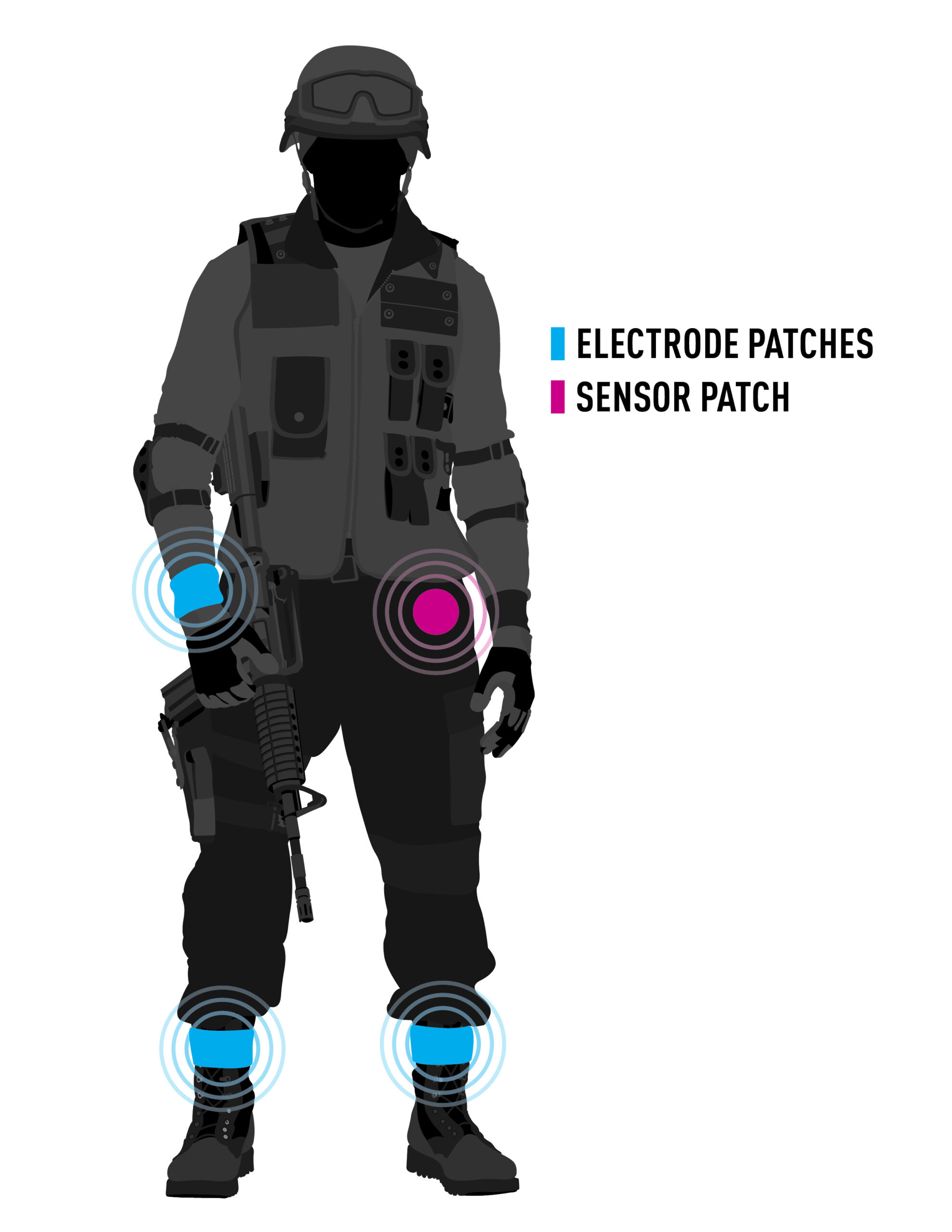
University at Buffalo professor Albert H. Titus, Sentient Science, and ONR are developing technology to monitor physical and psychological stress levels of soldiers, and send alerts when distress is detected.

The wireless system includes electrodes that measure heart rate, brain activity and other vital signs, and are attached to the skin adhesively or sewn into clothing.  The electrodes relay information to a sensor patch worn on the skin.  The patch sends the data to a computer, where algorithms consider terrain, weather, environmental information, and the soldier’s activity level. Health alerts are sent to soldiers and emergency medical facilities in the field.

Categories
Brain Cancer Wearables

Wearable creates electric fields on scalp to treat brain tumors

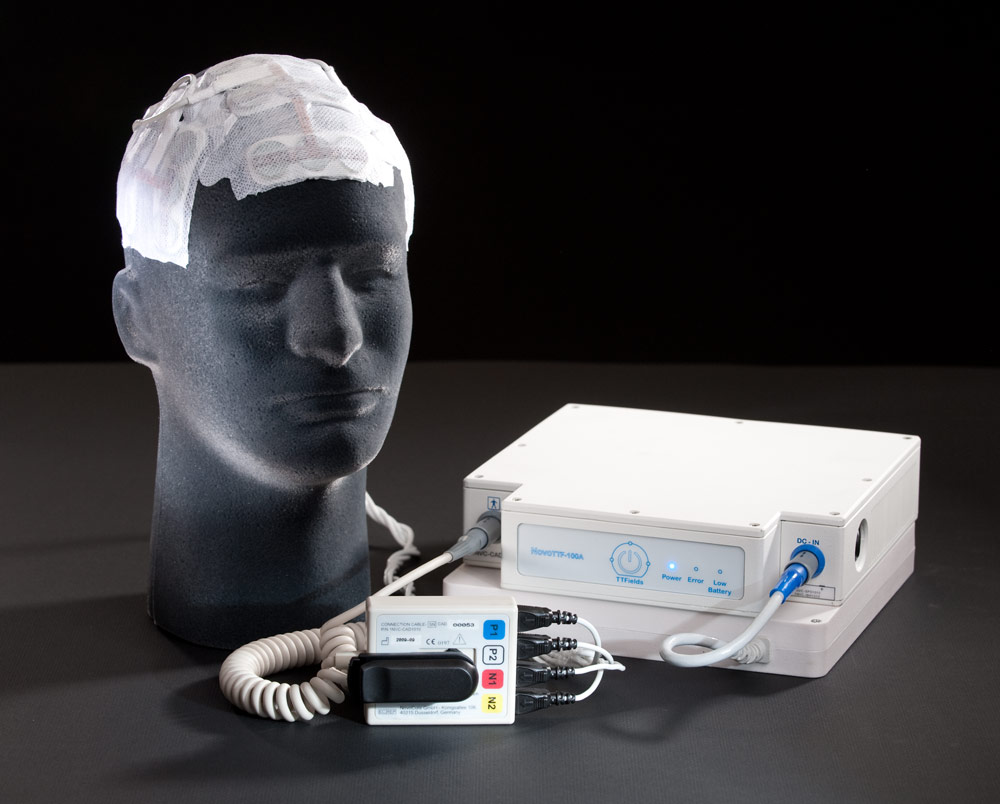
Novocure, founded by Technion professor Yoram Palti, has developed a device worn on the head that creates alternating electric fields to treat brain tumors.   The company announced that in a phase III clinical trial, its technology, in combination with standard chemotherapy, extended the lives of patients.  Novocure claims that it “slows and reverses tumor growth by inhibiting mitosis, the process by which cells divide and replicate” and that  it “creates a low intensity, alternating electric field within a tumor that exerts physical forces on electrically charged cellular components, preventing the normal mitotic process and causing cancer cell death.”

Survival improved from 16.6 months to 19.6 months in the study, and the percentage of patients surviving two years increased from 29% to 43%.

Categories
Epilepsy Sensors Wearables

Skin conductance based wearable detects seizures

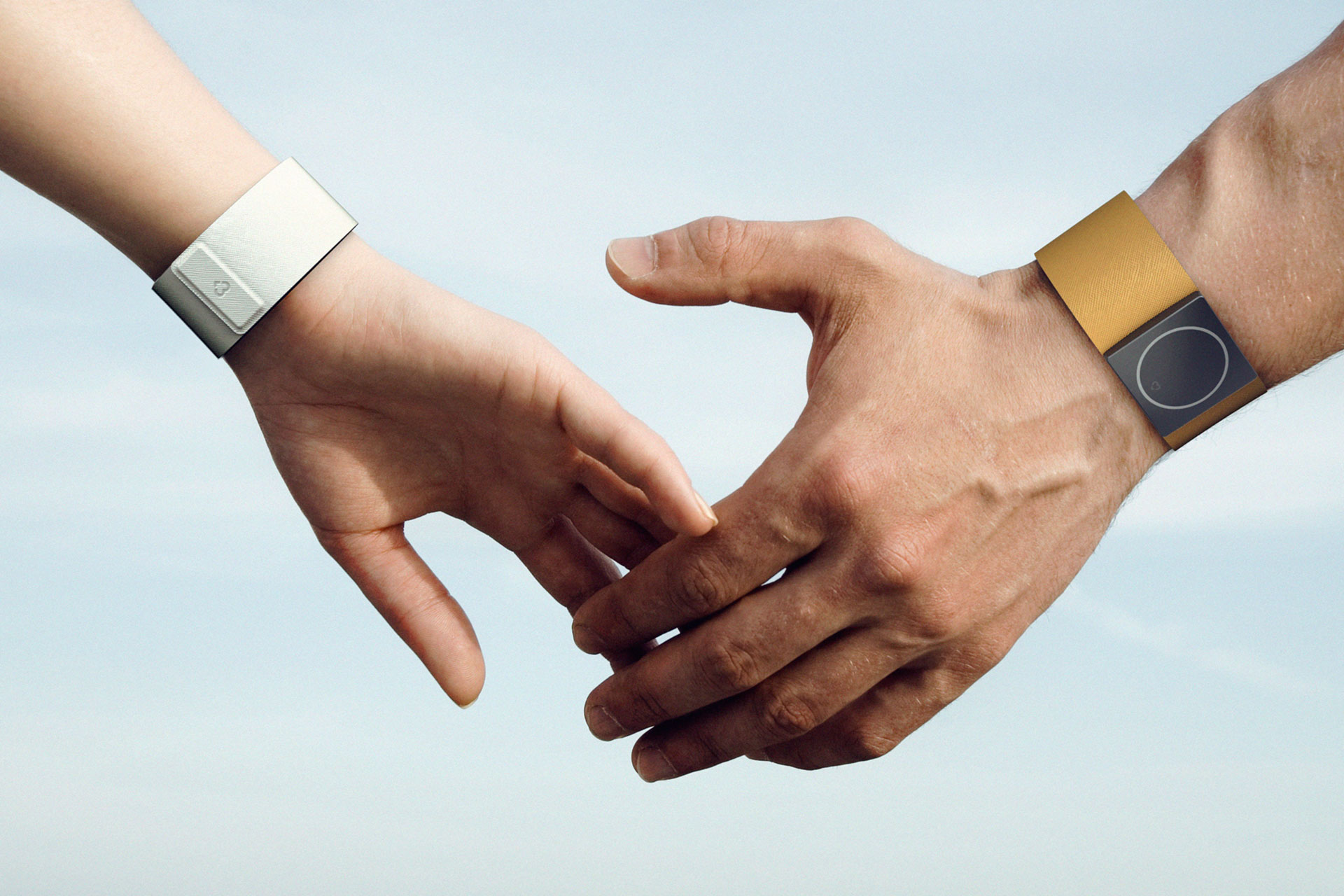
Embrace by Empatica is a sleek, crowdfunded wearable that detects epileptic seizures.  It also tracks movement, sleep, and stress.  The technology is based on Rosalind Picard‘s 2008 study showing that seizures produce high levels of skin conductance.

Other seizure logging wearables focus on accelerometer tracked motion.  Empatica believes that Embrace more accurately measures seizures by combining accelerometer and gyroscope data with skin conductance measurements.  Electrodes on the inside of Embrace pass a tiny current through one’s skin to measure sweat gland stimulation.

The band vibrates if the algorithm detects a seizure, enabling the user to indicate a false alarm. If the user doesn’t respond, Embrace connect with his or her smartphone to alert designated contacts.

Categories
Brain

Mapping mental illness origins for targeted treatment

Stanford‘s NeuroCircuit initiative, led by Amit Etkin and Stephen Baccus,  attempts to locate brain circuits responsible for mental illness and develop better, noninvasive TMS and ultrasound treatment techniques.  Their stated challenge:  “A major hurdle that has prevented our understanding of cause and effect in the brain is the inability to directly manipulate brain activity and connections in a precise and flexible manner throughout the brain.”

In their lab, TMS is used to stimulate one part of the brain while researchers look for reactions elsewhere. The hope is to map the relationship between brain circuits and identify the circuits that underlie mental health conditions.

Etkin is trying to improve TMS so that it can reach deeper brain structures and be more targeted.   He believes that this is required to effectively treat depression, anxiety and PTSD.

Baccus  and colleagues are developing a way to use ultrasound for brain stimulation.  They are trying to direct it deep within the brain at a frequency that can stimulate nerves without harming them. If the team is successful, ultrasound could be a more targeted and focused tool than TMS for remotely stimulating circuits that generate mental illness.

Categories
fitness Sensors

Smart bike tracks health

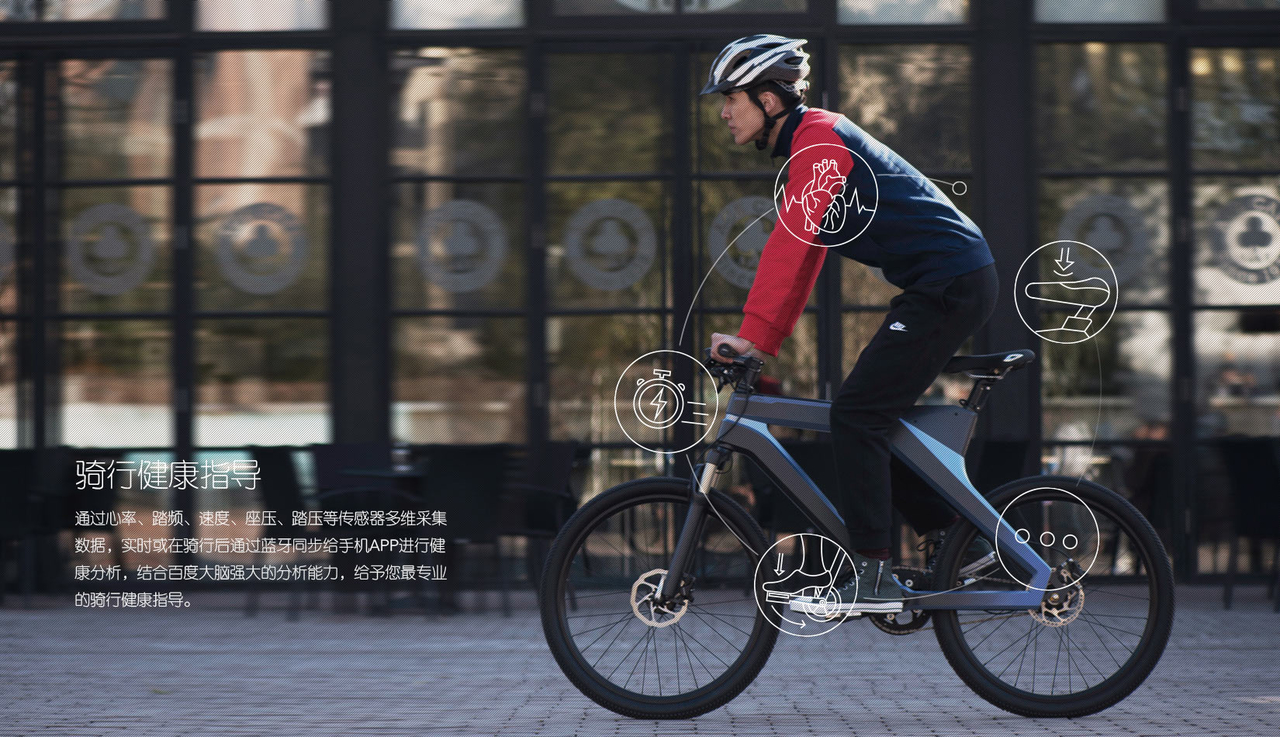
Baidu‘s DuBike is equipped with multiple health tracking sensors.  It collects information on pedaling frequency, foot pressure, heart rate, velocity and seating pressure. The data is synced with a mobile app and analyzed to provide suggestions to riders.  Bike routes and meeting points can be shared socially.  A handlebar guidance system tells riders when to turn, and brake lights and real-time location tracking are included for security. Kinetic energy is transformed to electricity to charge the bike’s electronics while riding.

Categories
Seniors Sensors Wearables

Another smartwatch for seniors

Device makers continue to address the phenomenon of seniors living longer, and independently aging in place.

Lively, who last year crowdfunded a  senior monitoring sensor system that  operates independently of a Wi-Fi network, has released a smartwatch.  It relies on the Lively Hub, with its own cellular network.

The watch gives medicine reminders, or alerts when medicine has been missed.  It has an emergency button contacts a dispatcher and alerts family members.  Fitness tracking features, such as steps taken, are included, and can be viewed by the wearer or family. The wearable is waterproof and can be worn in the shower.

Categories
Seniors Sensors

Kinect exercises to prevent senior falls

Emma Stanmore and colleagues at the University of Manchester have developed a series of Kinect based “Exergames” designed to reduce the likelihood of falls among seniors.

The exercises run on MIRA Rehab’s  software platform and use the Kinect sensor to monitor body movements. They are individually programmed based on ability,fatigue, pain, and fear of falling.   Duration and frequency of activity are logged, and clinicians are provided with progress reports.

University of Auckland researchers are also using Kinect to prevent senior falls.  Their Balloon Catching Game was developed to improve balance and coordination.

Categories
Sensors

Nanowire ink printed paper sensor reduces diagnostic cost

University of Tennessee‘s Anming Hu, Southeast University‘s Rhou-Zhou Li and and colleagues are printing conductive ink on paper to create low cost, lightweight, foldable, paper based sensors. The devices, which can be made or used anywhere,  respond to touch or specific molecules, such as glucose. Current paper-based diagnostic and DNA tests require complicated,  expensive manufacturing.

A  pattern of silver nanowire ink is printed on paper in a few minutes and  hardened with the light of a camera flash. The resulting sensor responds to touch even when curved, folded and unfolded 15 times, and rolled and unrolled 5,000 times.