Categories
Apps Brain Machine Learning

Speech app detects bipolar mood swings early

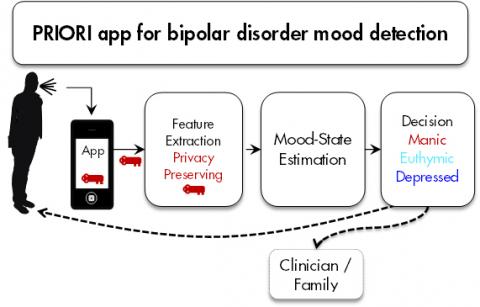
PRIORI is an android app that monitors subtle voice changes to detect bipolar mood swings.  It was developed by Zahi Karam, Emily Mower Provost and Melvin McInnis at the University of Michigan.  The hope is to anticipate swings before they happen, and intervene.  PRIORI was inspired by the families of bipolar patients, who often were first to detect an imminent mood swing during conversations.

Doctors routinely look for speech characteristics to assess mood in bipolar patients. Those heading toward a manic episode may speak louder or faster than usual, and may jump from topic to topic. A recent study showed depressed patients having longer speech pause times. The pauses often shorten as patients are treated with antidepressants.  Another study showed differences in pitch and jitter in different mood states among bipolar patients. PRIORI identifies these signals and notifies the patient or doctor.

The app monitors voice patterns during calls made, and during weekly conversations with a member of the care team.  Characteristics of the sounds  and silences of each conversation are analyzed. Only the patient’s side of calls is recorded.  The recordings are encrypted and not available to the research team. They see the results of the analysis, which are stored in secure servers to ensure privacy.  Standardized weekly mood assessments with a clinician provide a mood benchmark, and are used to correlate the acoustic features of speech with a patient’s mood state.

As other conditions also cause voice changes, the same technology is being tested for schizophrenia, PTSD and Parkinson’s patients.

Categories
Cancer

Nanoparticle enabled simultaneous imaging to monitor disease

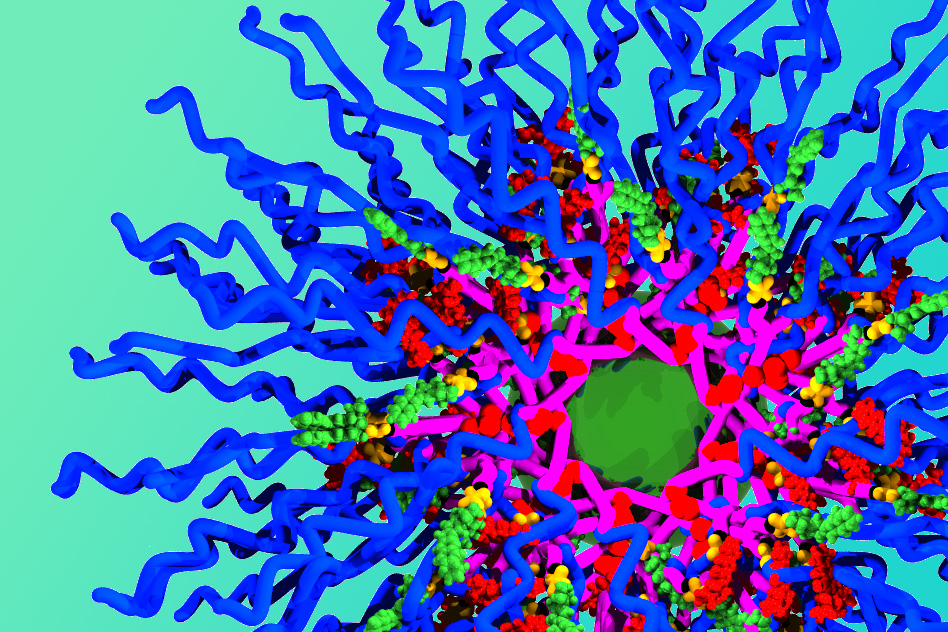
MIT‘s Jeremiah Johnson is developing nanoparticles that can simultaneously perform MRI and fluorescent imaging in animals. The goal is to allow scientists to track specific molecules produced in the body, monitor a tumor’s environment, or determine whether drugs have successfully reached their targets.

A recent study used the particles to track vitamin C in mice. Where there was a high concentration of vitamin C, they showed  a strong fluorescent signal but little MRI contrast. With little vitamin C, they showed a strong MRI signal but weak fluorescence.

Future versions could detect reactive oxygen species correlated with disease, or tailored to detect more than one molecule at a time.


Categories
Eyes Nanotubes

Carbon nanotube artificial retina restores light sensitivity

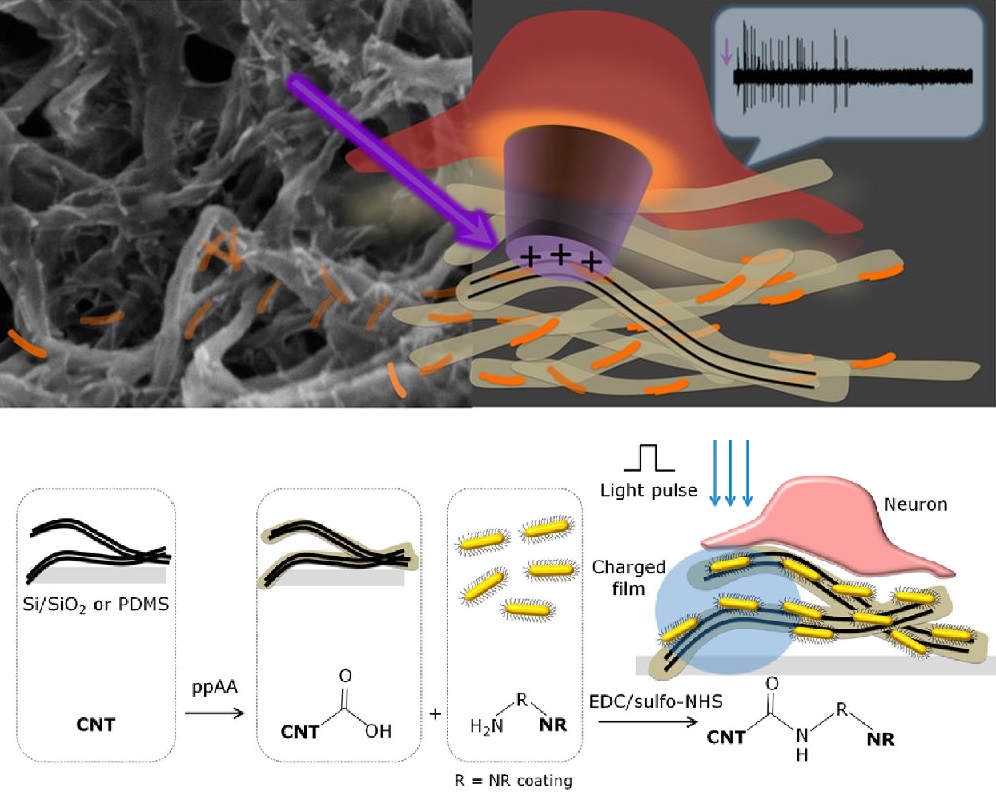
Tel Aviv University, The Hebrew University of Jerusalem and Newcastle University researchers are developing an artificial retina that sends sensory signals to the brain to address vision loss.  Several groups are attempting this, but have had issues with metallic parts, cumbersome wiring, or a low resolution outcome.

The TAU, HUJI and Newcastle team is working on a more efficient, higher resolution device. Semiconductor nanorods and carbon nanotubes were combined to create a wireless, light-sensitive, flexible film that could potentially act in the place of a damaged retina. When tested with a chick retina that normally doesn’t respond to light, the film absorbed light and sparked neuronal activity.

Categories
Sensors Wearables

Pressure ulcer prevention sensor

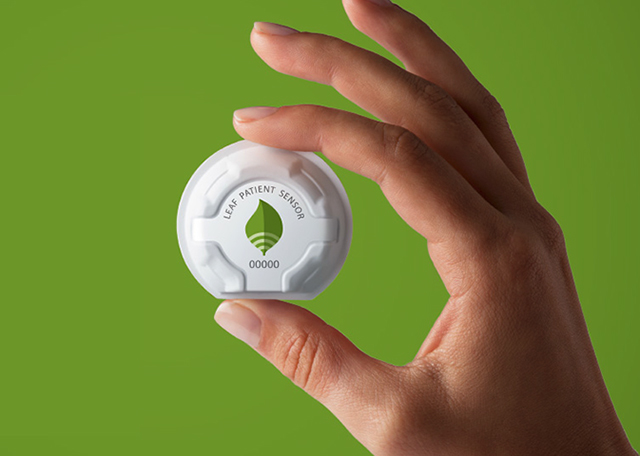
Pressure ulcers are a sad reality in hospitals, causing pain, infections, and worse.  Hospitals struggle to determine when a patient must be moved for prevention.  The Leaf patient sensor automates and prioritizes turning schedules for large groups of patients. Its tri-axial accelerometer monitors patient position, alerts when assisted turns are necessary and confirms that adequate turns are being performed. The system also ensures that sufficient tissue depressurization occurs between turns.

Data for monitored patients is securely stored in an SQL database for documentation and reporting. Statistics can be viewed, with permissions, for individual patients, or by department, floor, hospital, or hospital system.
Categories
Sensors Wearables

Samsung moves from fitness tracking to health monitoring

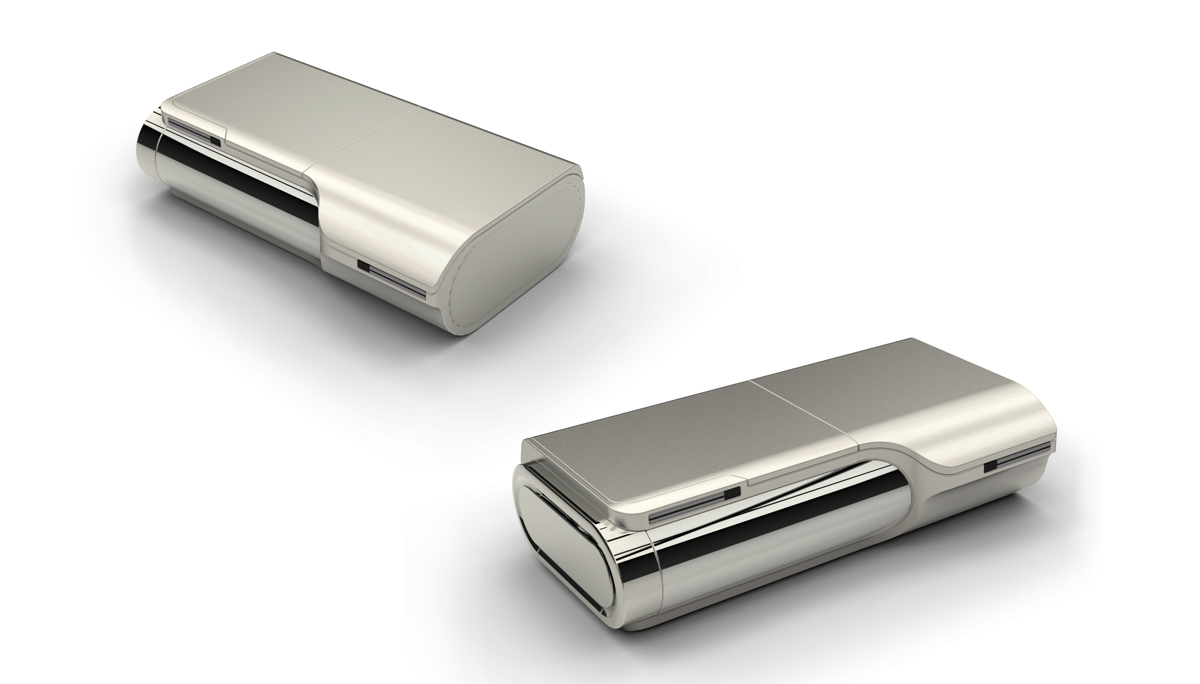
Samsung’s Simband represents the company’s shift from fitness tracking to health monitoring, allowing medical startups and researchers to develop sensor applications.

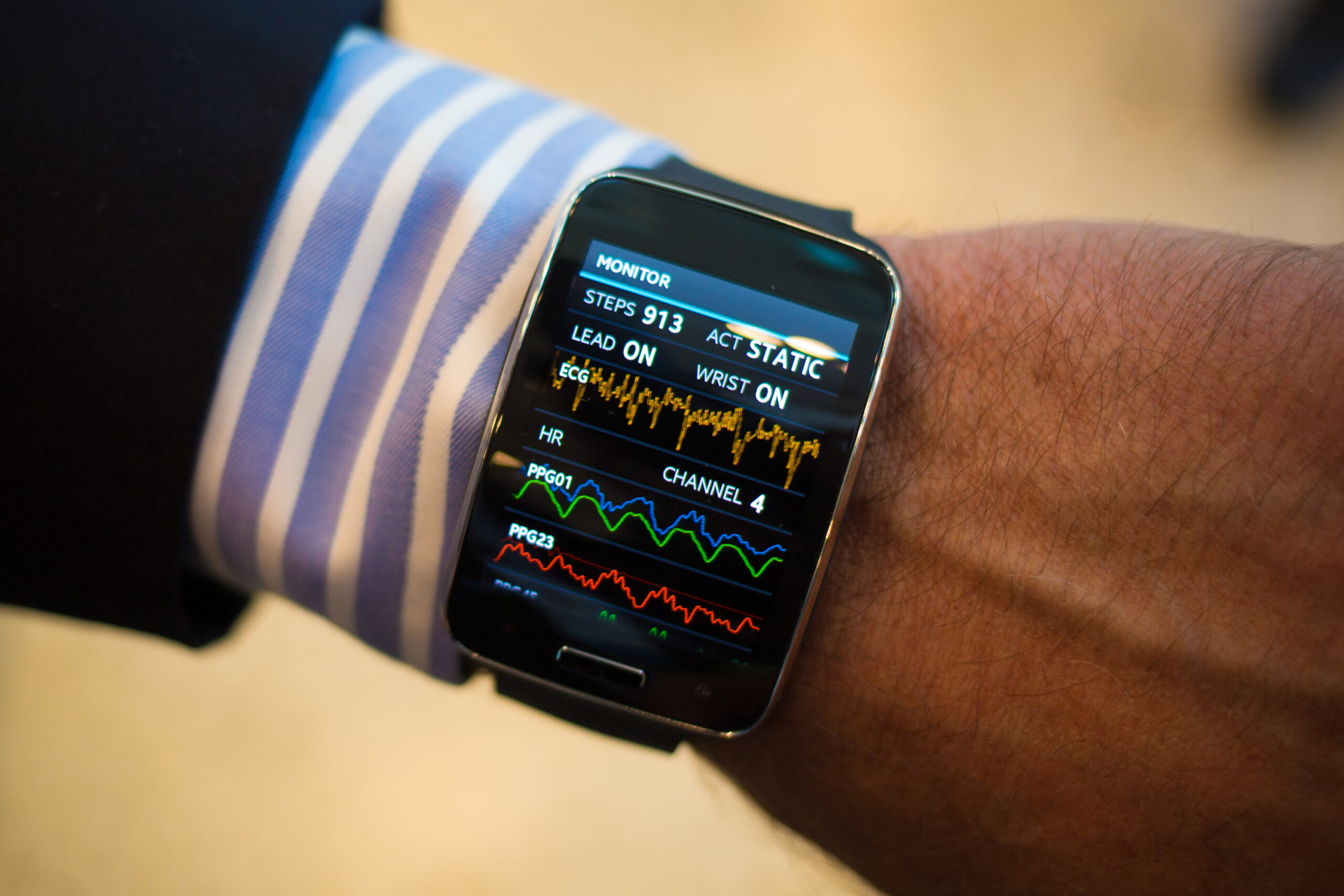
Simband is equipped with six sensors: electrocardiogram, photoplethysmogram, galvanic skin response, accelerometer, and thermometer.  Developers can also add proprietary sensors.

The wearable’s three main functions are called “trends,” “monitor,” and “spot check.” Trends displays one’s data over time, monitor is a real-time, all sensor tracking mode, and spot check quickly checks heart rate and blood pressure.


Categories
Eyes Wearables

Bluetooth headset guides the visually impaired

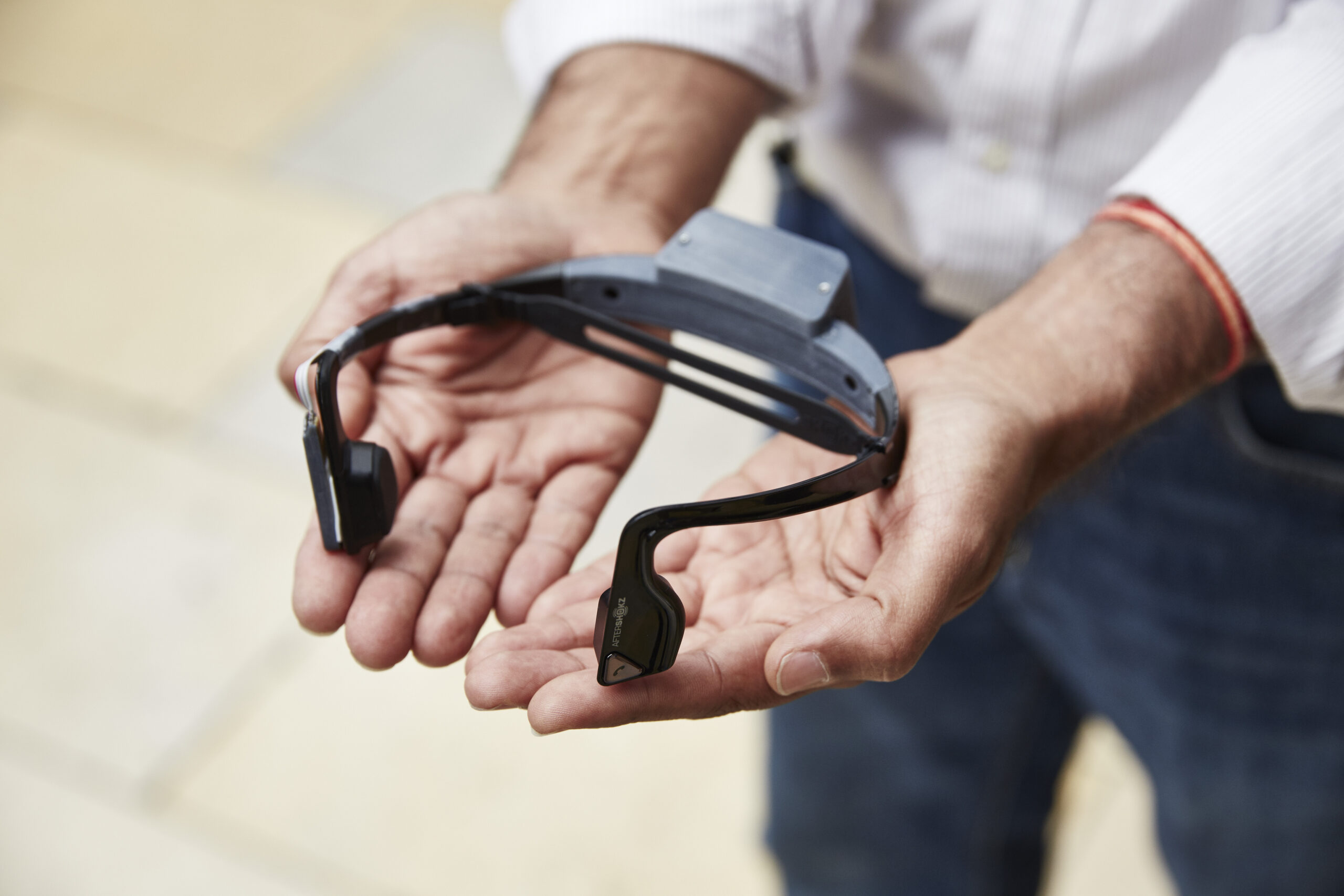
Microsoft is collaborating with Guide Dogs for the Blind and AfterShokz on Cities Unlocked, a prototype headset, smartphone and navigation system for the visually impaired.

The technology helps a user find his/her way, describes potential hazards, such as low-hanging trees, and highlights attractions, including restaurants, on the route.

The headset uses bone-conducting audio that does not cover the ears, ensuring that the wearer hears traffic noises and can have a conversation. It rests in front of the ear and it uses Bluetooth signals to transmit cues into a series of clicks, beeps, and voice notifications.

Categories
Sensors

Hundreds of diseases diagnosed with single drop of blood

Dr. Eugene Chan and colleagues at the DNA Medical Institute have won the Nokia XPrize for rHEALTH — a portable handheld device that can diagnose hundreds of diseases using a single drop of blood.  Flu, pneumonia or even Ebola  can be detected in a few minutes.

A vital sign patch monitors EKG, heart rate, body temperature — delivered to one’s smartphone or the rHEALTH device via Bluetooth. An app called CHAS walks the user through the process of self-diagnosis.

By significantly shrinking its components compared to traditional devices, patients will need to give 1,500 times less blood than they would for regular tests.

Categories
Seniors Wearables

Smartwatch keeps seniors independent

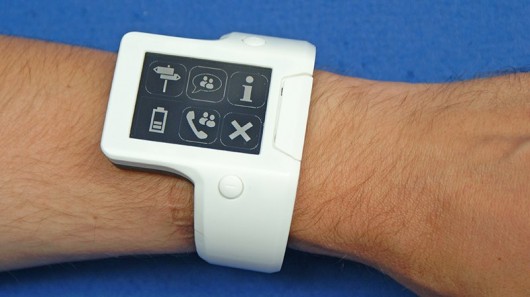
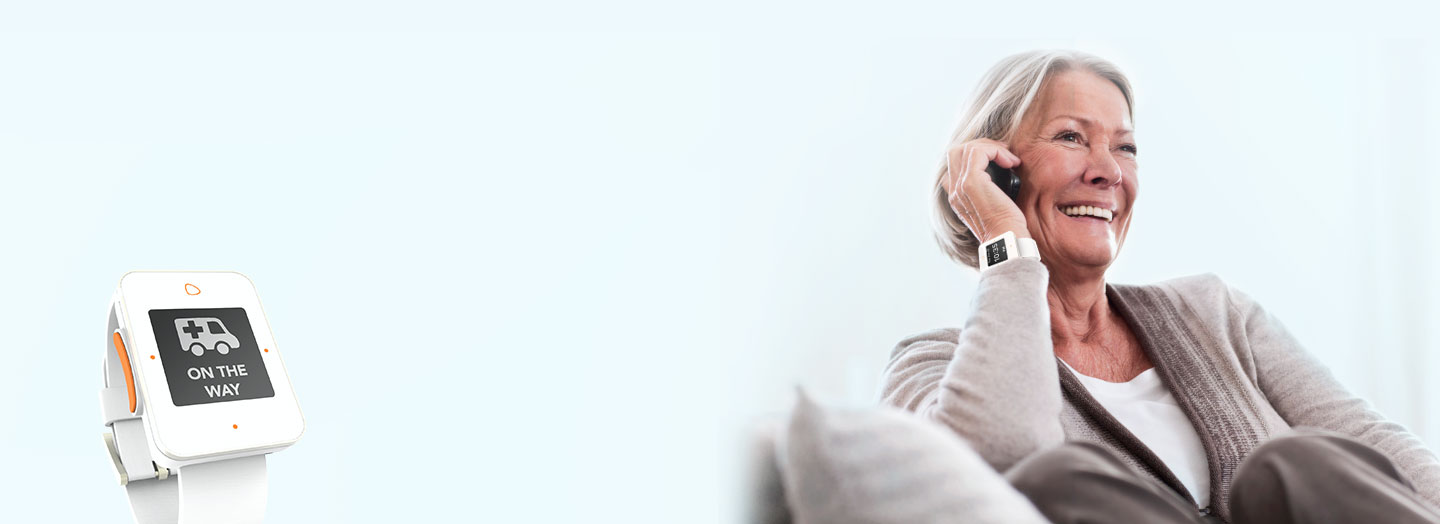
The Fraunhofer Institute will release a smartwatch designed specifically for seniors.  It is programmed according to one’s needs and accessible to caregivers via a web portal.  The device assists wearers with their daily routine, but does not monitor health issues.

The system reminds users to take medication with a vibration on one’s arm or a speech system. It assists them in navigating trips to and from the doctor, and can interact with the Fraunhofer system that controls heating, light or window blinds.

The wearable has a very large interface, with few basic symbols, for simple operation. It can directly contact caregivers and  offers Wi-Fi and phone connectivity to contact emergency services.

Categories
fitness Heart Sleep Wearables

UP3 – fitness tracker or medical monitor?

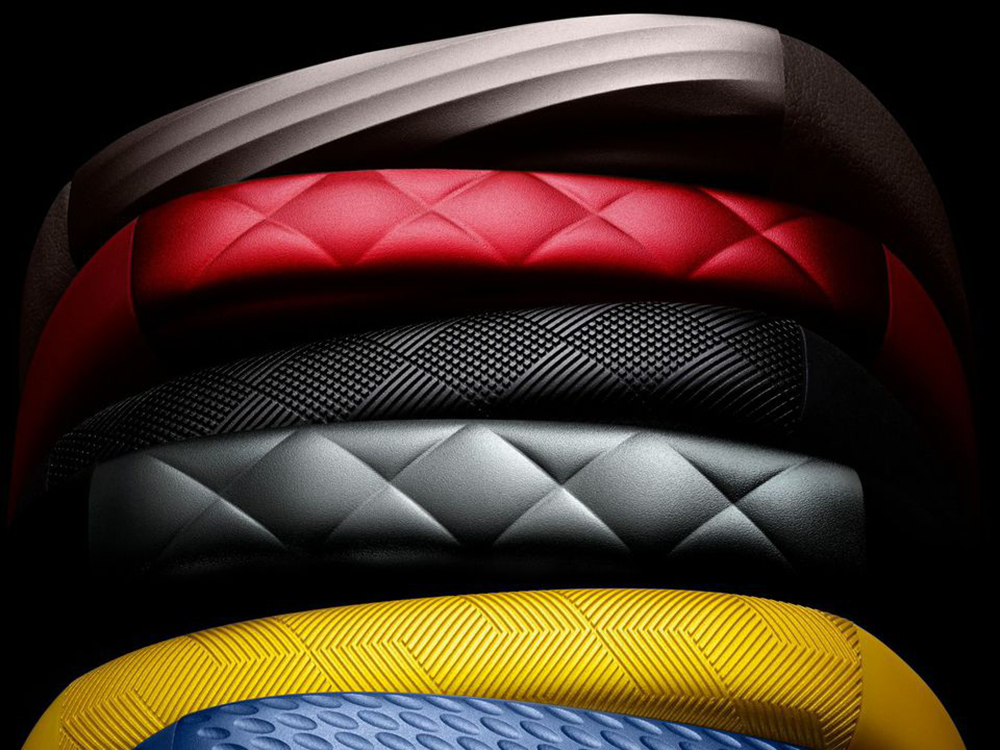
 As fitness tracker features become increasingly similar to those of medical devices, Jawbone will release a powerful, fashionable, sensor based wristband.  The UP3 will  be stylish, with its Chanel-like quilt pattern and slim form.  It will also include multiple temperature and motion sensors,  and four electrodes that send electrical signals into wrist tissue. Using bioimpedance analysis, the device measures the resistance of body tissue to electric current, enabling  several physiological signals, including heart rate, to be captured.

The band will measure steps taken, calories burned, and resting heart rate, as others do.  Sleep will be monitored with a level of precision that differentiates between deep and REM sleep.  Future features might include hydration, respiration, stress and fatigue sensing.

Accompanying software will pool data into a program called Smart Coach,  which will, for the first time, offer workout and diet tips based on one’s daily activity and sleep analysis.

Categories
Cancer

Reversing time improves cancer tissue imaging

Washington University professor Lihong Wang has developed a time-reversal technology that allows researchers to better focus light in tissue.  The photo acoustic imaging combines light with acoustic waves to form a sharper image, several centimeters into the skin.  Current high-resolution optical imaging technology allows researchers to see only 1 millimeter deep.

The time-reversed adapted-perturbation (TRAP) optical focusing  sends guiding light into tissue to seek movement. The light that has traversed stationary tissue appears differently than light that has moved through something moving, such as blood. By taking two successive images, they can subtract the light through stationary tissue, retaining only the scattered light due to motion. The light is then sent back to its original source via a time-reversal process, which improves its focus.

Categories
Sleep Wearables

Hotels offer wearable sleep monitors

As the Internet of Things mainstreams, Westin has partnered with Lark Technologies to offer sleep sensors to monitor and improve sleep quality.  Guests receive a Lark Up Sleep Monitor, a Silent Alarm Clock and a Personal Sleep Coach during their stay, in an attempt to achieve optimal sleep through pattern tracking and virtual coaching.

Categories
AI Brain

AI system mimics human short term memory

Google’s DeepMind has unveiled a prototype computer that attempts to mimic properties of the human brain’s short-term memory. It is a neural network that works with an external memory, resulting in a computer that learns as it stores memories and can later retrieve them to perform logical tasks beyond those it has been trained to do.

A traditional computer neural network consists of interconnected processors that can change the strength of their connection based on external input. This models the plasticity and learning ability of a brain. DeepMind has added a new component based on Turing’s model of computation, in which memory acts as a tickertape that can pass back and forth through a computer, sorting variables for later processing. The component allows DeepMind’s  “Neural Turing Machine” to understand new data as chunks.  The external memory is used to keep the chunks active so it can use them at different points in a calculation.