Categories
Sensors Sleep

Contactless sleep and fatigue sensor

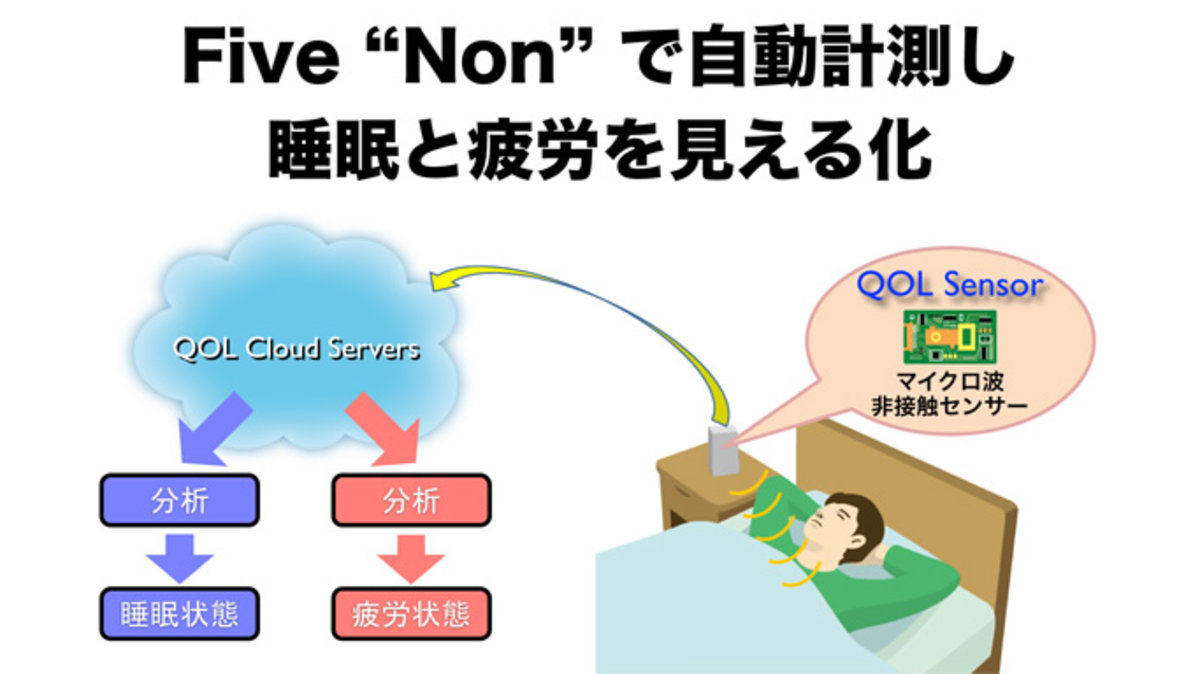
Entering the digital health market, Nintendo is developing a contactless device to track a user’s sleep and monitor fatigue.  It is based on a non-contact radio frequency sensor which measures breathing, heartbeat and body movement.

The company describes the system as five “Non” Sensing elements:

 1.  “Non-wearable.” Nothing is attached to the body.

2.  “Non-contact.” The product will not have any physical contact with the body.

 3.  “Non-operating.” Not requiring the user to operate the device.

4.  “Non-waiting.” Eliminating the wait for measurement results to be produced.

5.  “Non-installation efforts.” Not requiring users to install the product to start.

The nightstand based “QOL sensor” receives the data and  sends it to Nintendo’s cloud servers.  It is analyzed and sent to the user’s smartphone, tablet, Nintendo gaming system or other device. The software advises the user on ways to reduce fatigue.

Categories
fitness Wearables

Microsoft aims to “unify & democratize” health data

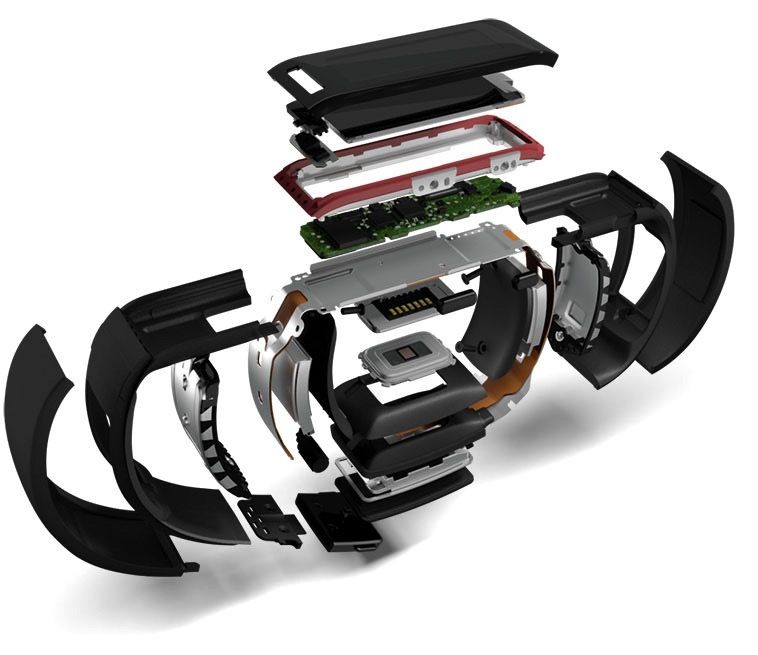
Microsoft Band tracks heart rate, steps, calorie burn, and sleep quality.   The company’s ambitious goal, according to Yusuf Mehdi, is “to unify all that (collected health) data and democratize it, and then add some real value on top.”

The cross-platform cloud service, by Microsoft’s Health Group, stores and accesses all the data a device or phone collects. Health apps are being built for iOS, Android, and Windows Phone.  The platform manages data on the back end for existing and new apps.  Health will work with Android Wear watches, Android phones, and the iPhone 6’s motion processor, automatically collecting data.  Microsoft has  also been working with Jawbone, MapMyFitness, My Fitness Pal, and Runkeeper to import data, and plans to add many more partners.

Categories
Cancer Heart Sensors Wearables

Nanoparticle sensor to detect illness early

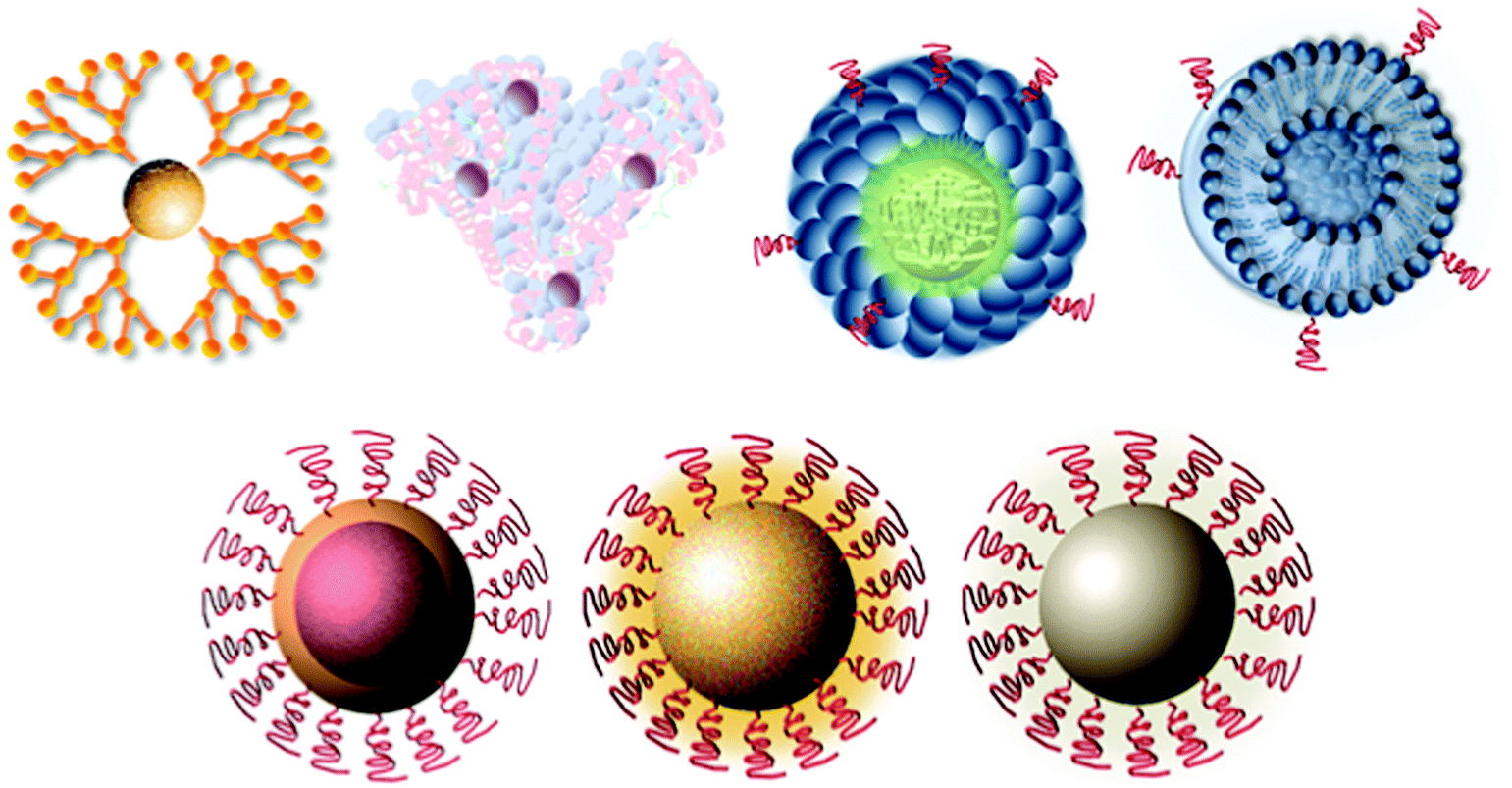
Andrew Conrad, head of Google Lifesciences, has confirmed that the company is working on nanoparticle technology that would be swallowed, and used in combination with an external device to continuously monitor the blood to detect cancer, heart disease, and other health issues.  It is known as the “Nanoparticle Platform.”

While the technology is in an early development stage, Conrad said that Google  “has been able to “functionalize” the nano particles, using them to find a few cancer cells among a million normal ones.”  He continued:  “We’ve probably done hundreds of thousands of experiments exploring the parameters of nanoparticle binding, While there is still much work to be done, he said, “we would definitely hope that it’s years, not decades, until this is deployed.”

Categories
Sensors

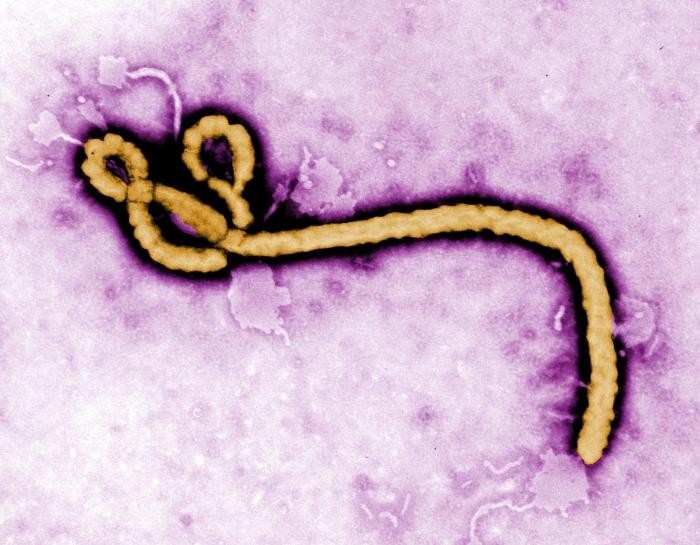
Low cost digital sensor detects Ebola in 1 hour

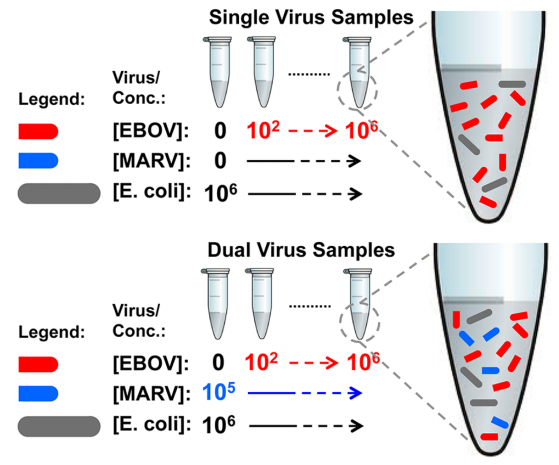
Conventional fluorescent label based virus detection methods require expensive lab equipment, significant sample preparation, transport and processing times, and extensive training to use. Boston University professors Selim Unlu and John Connor are working on a rapid, label-free, chip-scale photonic device to provide affordable, simple, and accurate on-site detection.

Current methods can require an hour for sample preparation, and an additional two hours for processing The BU prototype requires little to no sample preparation time and delivers answers in an hour.  Minimizing sample preparation and handling times can also reduce exposure to health care workers.

The shoebox-sized, battery operated device, known as the single particle interferometric reflectance imaging sensor (SP-IRIS), detects pathogens by shining light from multicolor LED sources on viral nanoparticles bound to the sensor surface by a coating of virus-specific antibodies. Interference of light reflected from the surface is modified by the presence of the particles, producing a distinct signal that reveals the size and shape of each particle. The sensor surface is very large and can capture the telltale responses of up to a million nanoparticles.


Categories
Brain Eyes Wearables

More realistic virtual reality — Google hopes

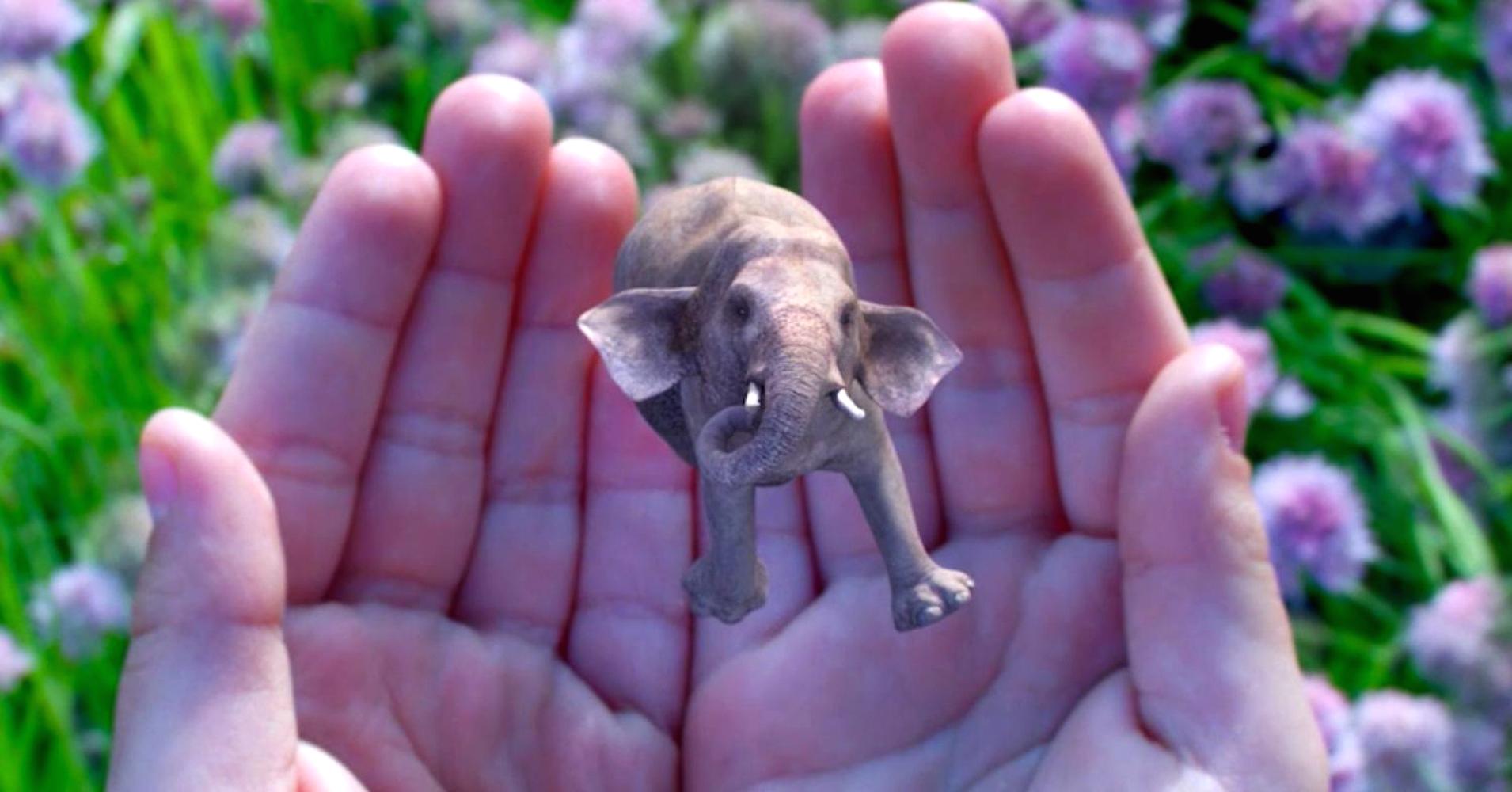
Little is known about MagicLeap, recently backed by Google, representing an assumed commitment to the gaming space, with potential BCI applications.  Patent applications suggest that the company provides display technology that can trick the human visual system better than existing virtual reality displays.

Reports discuss an improved virtual reality user interface that lets one’s eyes focus on depth as in the real world, rather than remaining focused on the screen in front of them. The company claims to be able to create the same kind of 3-D patterns of light rays, known as “light fields,” that eyes take in from real objects. Other descriptions mention infrared sensors and eye-tracking cameras to help the device react to the external environment.

Categories
fitness Sensors Wearables

Sweat sensor patch tracks health

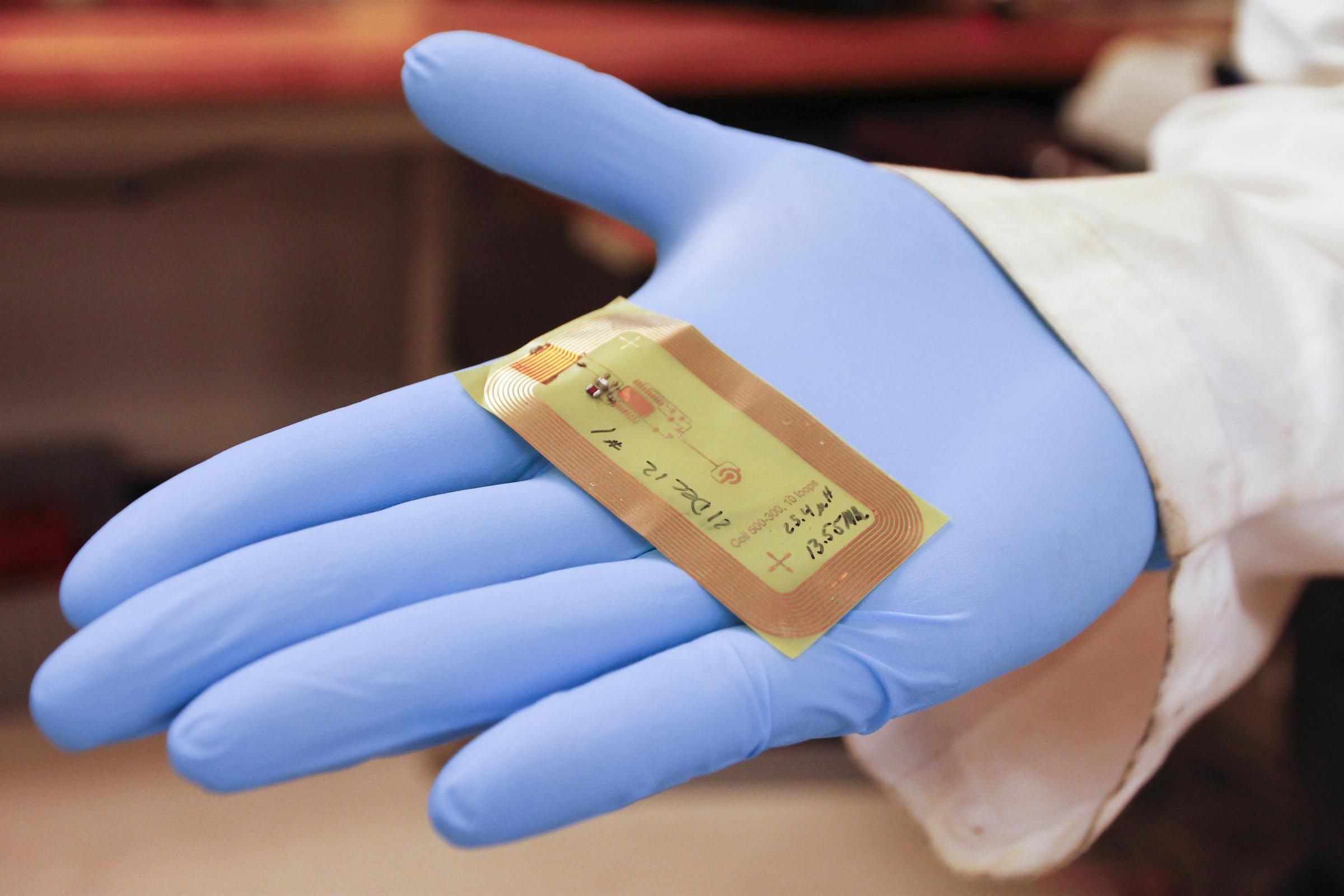
University of Cincinnati professor Jason Heikenfeld and US Air Force Research Laboratory’s Joshua Hagen are developing a perspiration sensor patch to monitor electrolytes, metabolites and other biomarkers.

The patch currently  includes a sodium sensor, a voltage meter, a communications antenna,  microfluidics, and a controller chip that’s externally powered by a smartphone. It is printed onto a flexible substrate and  coated with a sweat-porous adhesive so that it could stick to the skin. In tests, this patch performed as well as the benchtop electrolyte-sensing systems used by doctors to test for cystic fibrosis.

Digital signal processing and algorithms to analyze the raw electrical measurements of biomarkers in sweat must still be improved. But a physical-exertion sensor patch is a near reality, about to be tested on hundreds of people.

Categories
Sensors

Bio-paper discs for rapid Ebola detection

Paper discs that detect Ebola are being developed for use as a rapid, cheap, simple method to identify infected people.

According to Harvard‘s Wyss Institute‘s Jim Collins,  the technology prints sequences of DNA on paper, and then the  paper is freeze-dried and stored at room temperature. The DNA is reactivated by adding water. Once active, it enables the paper to change color if a chosen target – such as a segment of Ebola viral RNA – is present in the water.

The target fragment binds to a gene switch in the DNA, which triggers the production of a colorful substance.  The paper changes color to indicates which of the target pathogens has been detected.

Wyss researcher Keith Pardee improved the test by inserting tailor-made gene switches that prevent color change unless a very specific target molecule is present. The synthetic “toehold” switches enabled the paper to simultaneously test for 24 distinct regions of viral RNA – many more than would have been possible using only naturally occurring DNA sequences. This distinguished between a synthetic version of the Zaire strain of Ebola – the one responsible for the west African epidemic – and a synthetic version of another known as the Sudan strain.

The test identified the strains within 30 minutes.

Categories
AI

Google expands AI research

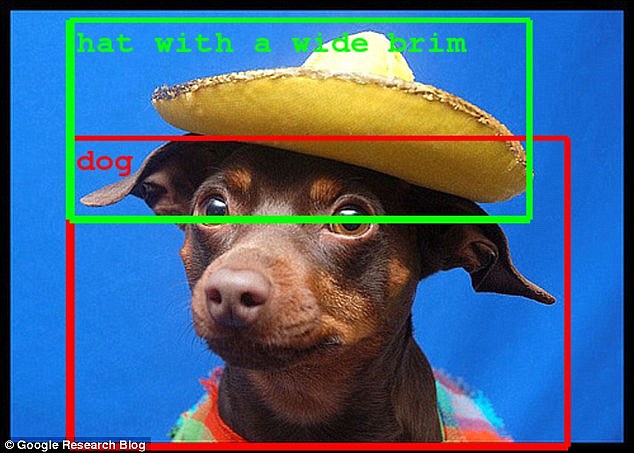
Following its DeepMind acquisition 9 months ago, Google continues to build its artificial intelligence initiative, and has bought two University of Oxford spinoffs in the field.

Dark Blue Labs, led by  Professor Nando de Freitas, Professor Phil Blunsom, Dr Edward Grefenstette and Dr Karl Moritz Hermann, will focus on research to enable machines, (computers or robots), better understand what users say and are asking of them.

Vision Factory applies AI to enhance the accuracy and speed of object recognition and other vision-based systems.  It is led by Dr Karen Simonyan, Max Jaderberg and Professor Andrew Zisserman, and will help Google improve its object recognition in search, camera-based search apps, and data-processing systems for self-driving cars.

Categories
Brain

Quadriplegic walks, with support, after nose cell transplant

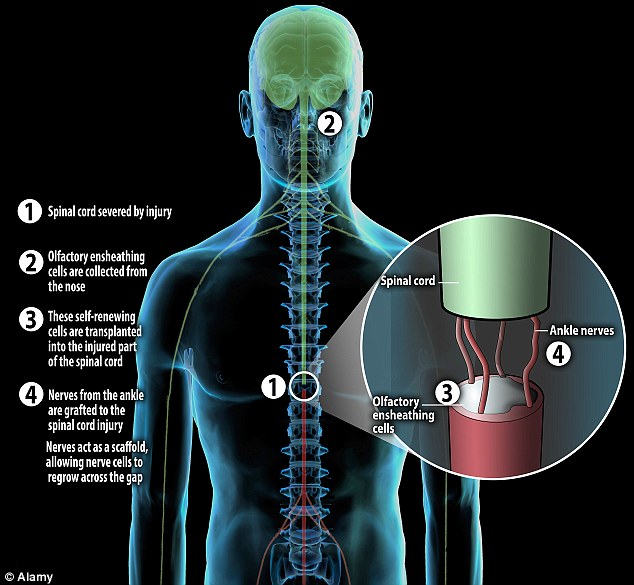
University College London professor Geoffrey Raisman transplanted cells from a quadriplegic man’s nose into his spinal cord, enabling him to walk (with assistance) for the first time in 4 years.  The paper describing the transplant was published in Cell Transplantation this week.

In 1969, Professor Raisman discovered that damaged nerve cells can form new connections.  In 1985, he identified a type of nose cell, called an olfactory ensheathing cell, that allows nerve fibers to regenerate into the brain.

In the first of two operations, the surgeons removed one of the patient’s olfactory bulbs from high in his nose, and grew the OECs in culture.  Two weeks later, using 100 micro-injections on each side of the site, they transplanted the cultured OECs into his severed spinal cord, using a strip of nerves from his ankle to bridge the gap.

The OECs were used to spur the spinal nerve fibers to regrow across the gap, using the ankle nerve grafts as a bridge.


Categories
Brain Epilepsy Parkinson's

Transparent brain implant could improve neuromodulation

University of Wisconsin professor Justin Williams and colleagues have developed a graphene based, transparent sensor implant to help researchers better view the brain.  Unlike existing devices, the sensor’s micro electrode arrays work in tandem with imaging technologies.  This could improve neuromodulation therapies used to control symptoms, restore function, and relieve pain in patients with hypertension, epilepsy, or Parkinson’s.  Researchers have been limited in their ability to directly observe how the body generates electrical signals, or how it reacts to externally generated electrical signals.  According to Williams, “Clear electrodes in combination with recent technological advances in optogenetics and optical voltage probes will enable researchers to isolate those biological mechanisms. This fundamental knowledge could be catalytic in dramatically improving existing neuromodulation therapies and identifying new therapies.”


Categories
Diabetes Sensors

“Smart bandage” changes color as wounds heal

Harvard Medical School professor Conor L. Evans has developed a transparent liquid bandage that does not need to be removed to check oxygen levels.  Its phosphors glow red when a wound isn’t getting enough oxygen, and green when it is.  The glowing effect is triggered by a light source that can be captured with a smartphone camera.  The bandage can also map oxygen supply across a wound.

Diabetics with chronic wounds, burn patients, and those with tissue transplants can immediately benefit from the technology.

Categories
Brain

2014 Nobel Prize for discovery of brain’s “inner GPS” system

The 2014 Nobel Prize for Physiology or Medicine was awarded to professors John O’Keefe, May-Britt Moser, and Edvard Moser for “a paradigm shift in our understanding of how ensembles of specialized cells work together to execute higher cognitive functions”  — specifically their discovery of the brain’s “inner GPS” system.

Place cells and grid cells — neurons in the hippocampus and entorhinal cortex of animals appear to create a cognitive map of every room or space that we’ve ever explored. As one moves around a room or space, a very specific place cell fires — and when one visits the same place in the future, the same place cell fires every time.

The  findings may eventually lead to an understanding of the spatial losses that occur in Alzheimer’s and other neurological diseases. The hippocampus and entorhinal cortex are often damaged in early stages of Alzheimer’s, with affected individuals getting lost and failing to recognize the environment.