Categories
Brain fMRI

Brain network map may improve non-invasive stimulation

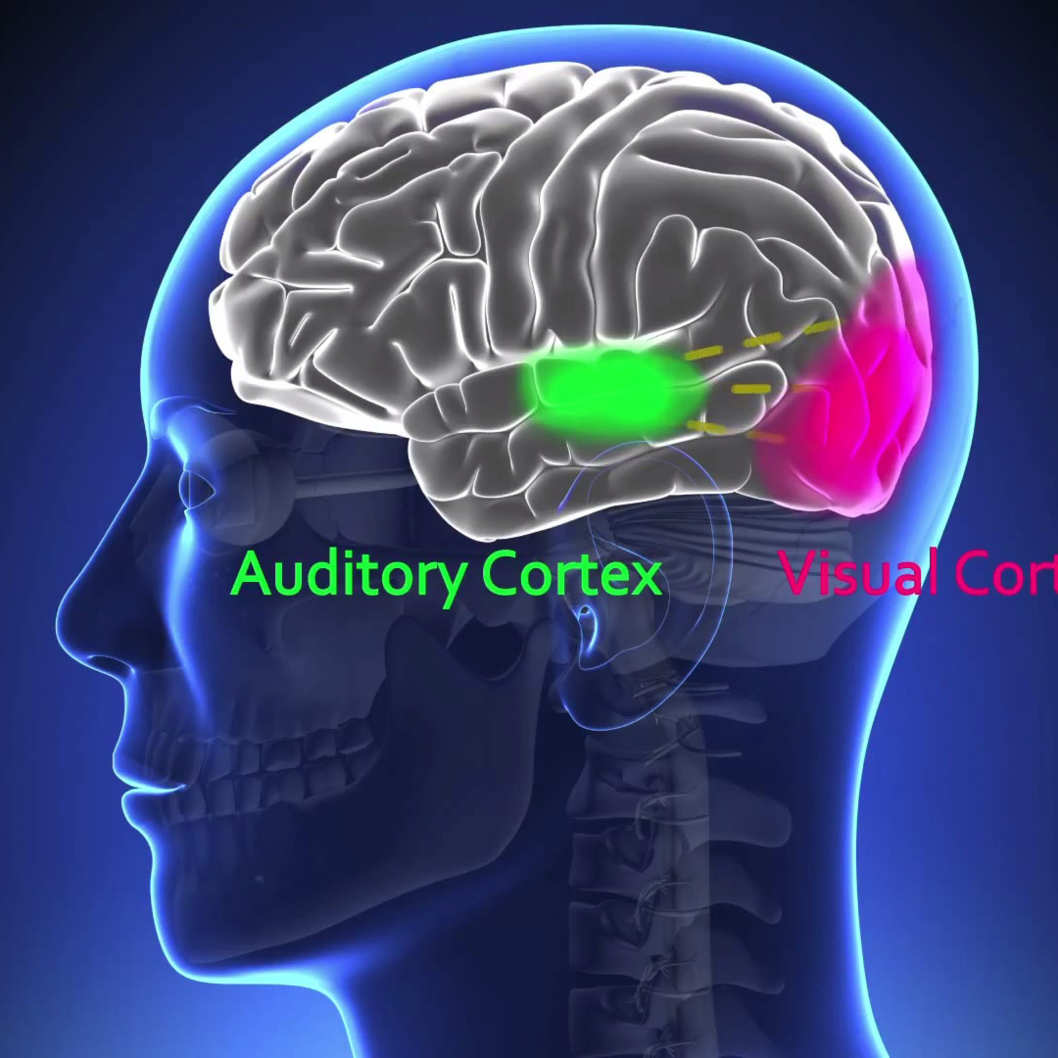
Brain stimulation treatments can alter neural circuits electrically instead of chemically.  However, understanding what brain regions should be targeted, by condition, remains a challenge, particularly in non-invasive rTMS.  A Beth Israel Deaconess study suggests that brain networks – the interconnected pathways that link brain circuits to one another– can help guide site selection for brain stimulation therapies.

According to author Michael Fox, “Although different types of brain stimulation are currently applied in different locations, we found that the targets used to treat the same disease are nodes in the same connected brain network.”

Brain stimulation treatment data for 14 conditions, including addiction, Alzheimer’s, depression, dystonia, epilepsy, essential tremor, Huntington’s, and Parkinson’s were studied. The researchers listed the stimulation sites, deep in the brain and near the surface, thought to be effective for the treatment of each disease.

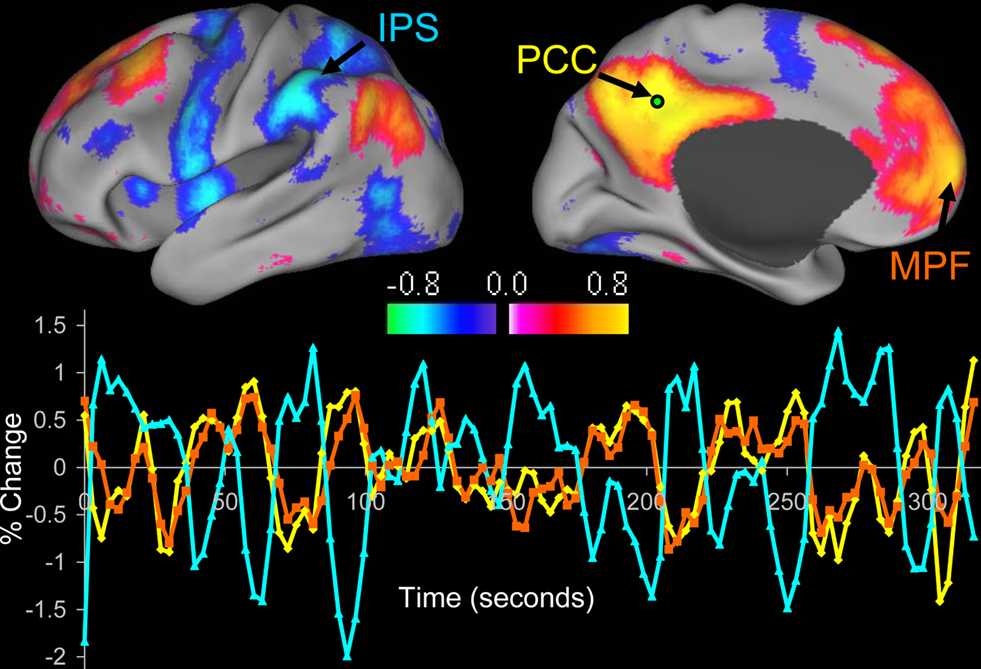
Through a data set of fMRI images of people’s brains at rest, the team  found correlated fluctuations in spontaneous brain activity, illustrating which sites were functionally connected.  A map of connections from deep brain stimulation sites to the surface of the brain was created. When the research team compared the map to sites on the brain surface that work for noninvasive brain stimulation, the two matched.

Categories
Heart Sensors

Implanted sensor continously monitors CHF

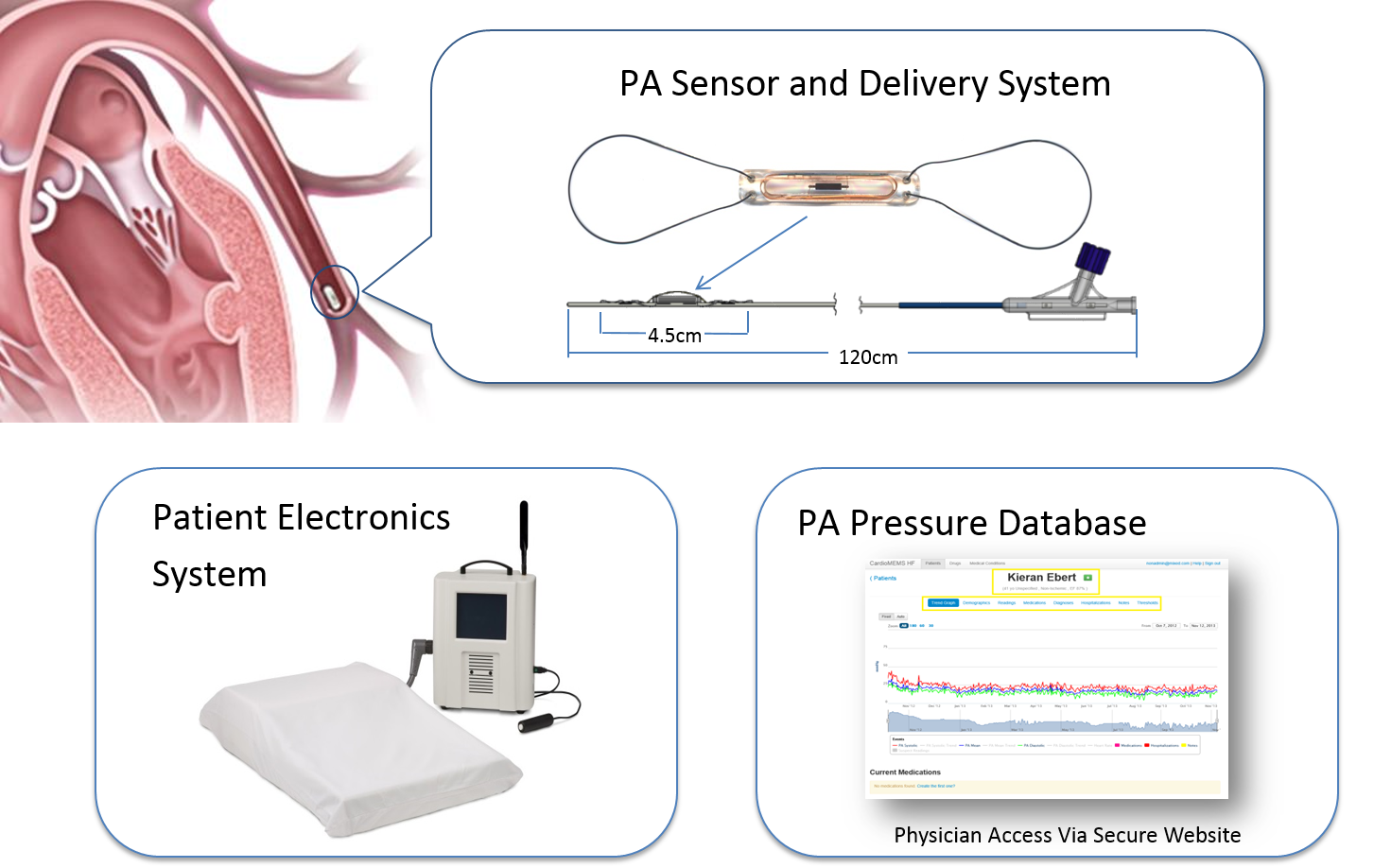
CardioMEMS is a sensor placed in the pulmonary artery of heart failure patients.   It monitors pressure in the lungs and detects deterioration in the heart,  long before changes in blood pressure and weight.  Medication can be changed immediately to correct the problem and prevent hospital readmission.  Data is sent to the physician daily.

Categories
Autism Brain Children EEG

EEG could lead to earlier autism diagnosis

Albert Einstein College of Medicine professor Sophie Molholm has published a paper describing the way that autistic children process sensory information, as determined by EEG.  She believes that this could lead to earlier diagnosis (before symptoms of social and developmental delays emerge), hence earlier treatment, which might reduce the condition’s symptoms.

EEG readings were taken from 40 children, ages 6-17, who were diagnosed with autism,  and compared to those of unaffected children of similar age.  All were given either a flash cue, a beep cue or a combination, and asked to press a button when these stimuli occurred.  A 70 electrode cap measured brain responses every two milliseconds, including those that recorded how the brain first processed the information.

The children with autism showed a distinctly different brain wave signature from those without the condition.  There were differences in the speed in which the sights or sounds were processed, and in how the sensory neurons recruited neurons in other areas of the brain to register and understand the information. The more different this multi-processing was, the more severe the child’s autistic symptoms.

Professor Molholm acknowledges that the sample was too small to use the profile for diagnosing autism, but it could lead to such a test if the results are confirmed and repeated.

Categories
AI Apps Brain Sensors

Smartphone sensors power mental health app

Dartmouth professor Andrew Campbell has developed a mental health monitoring app based on automatic smartphone sensing. StudentLife compares students’ happiness, stress, depression and loneliness to their academic performance

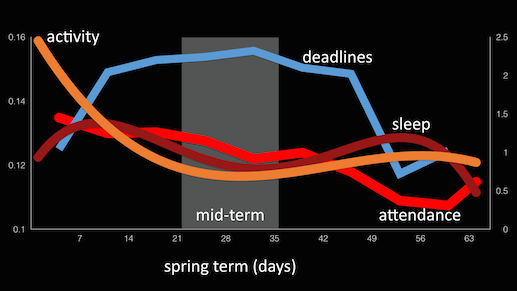
In a recent study, passive sensors continuously collected data on location, conversations, mobility, and sleep patterns of 48 participants over 10 weeks.  The students were also prompted with questions about their mood and stress several times per day.

The researchers administered (self reported) mental health and behavioral surveys at the start and end of the term, evaluating participants on depression, loneliness and stress.  Academic records, including GPAs, were also measured.

Campbell’s team found strong correlations between the self-reported data and the automatic sensing data.  They believe that, based solely on the automatic data, the app could effectively predict certain mental health issues and academic performance levels in students.

Categories
BCI Prosthetics Robotics Sensors

NIH “Bionic Man” with 14 sensor and brain controlled functions

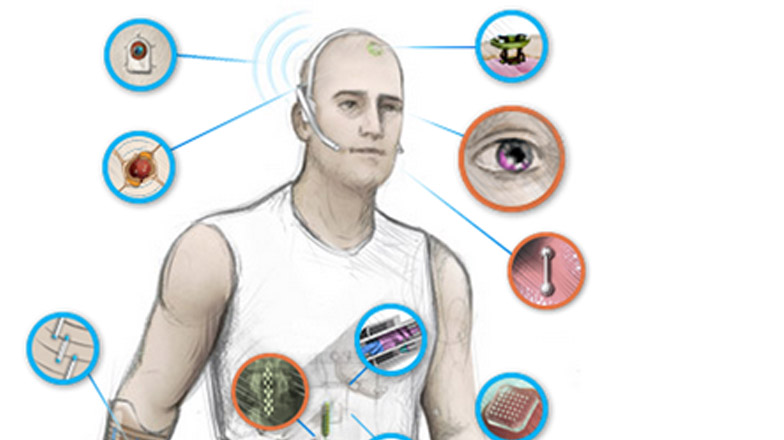
The National Institute of Biomedical Imaging and Bioengineering recently launched the “NIBIB Bionic Man,” an interactive Web tool detailing 14 sensor based technologies they are supporting.  They include:

1. A robotic leg prosthesis that senses a person’s next move and provides powered assistance to achieve a more natural gate.

2. A light sensitive biogel and biological adhesive to help new cartilage grow and become functional.

3. A blood clot emulator used to optimize ventricular assist devices to reduce the risk of blood clots.

4. An artificial kidney that could be used in place of kidney dialysis for treatment of end-stage kidney disease.

5. A micro needle patch that delivers vaccines painlessly and doesn’t require refrigeration.

6. An interstitial pressure sensor to help doctors determine optimal times for delivering chemotherapy/radiation to cancer patients.

7. Glucose-sensing contact lenses to provide a non-invasive solution for continuous blood sugar monitoring.

8. A tongue drive system to help individuals with severe paralysis navigate their environment using only tongue movements.

9. A wireless brain-computer interface that records and transmits brain activity wirelessly and could allow people with paralysis to use their thoughts to control robotic arms or other devices.

10. Implantable myoelectric sensors to detect nerve signals above a missing limb and can use these signals to move a prosthesis in a more natural way.

11. A synthetic glue modeled after an adhesive found in nature that could be used to repair tissues in the body.

12. Focused ultrasound used to temporarily open the blood brain barrier to let gene therapy treatments reach the brain.

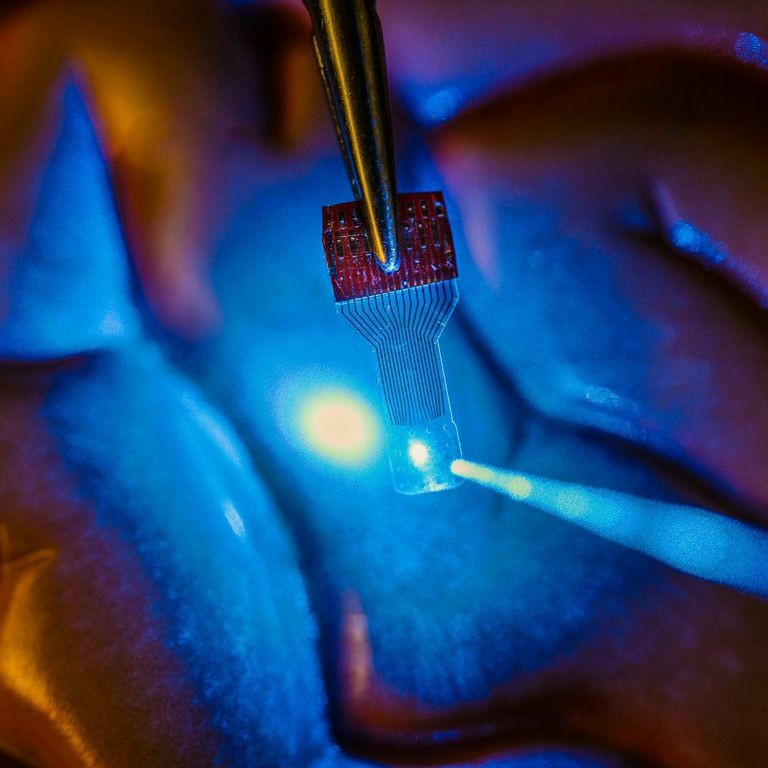
13. Flexible electrode arrays that record brain activity from the surface of the brain and could be used to control robotic arms or provide real-time information about brain states.

14. Electrical stimulation of the spinal cord used in individuals with paralysis to help restore voluntary movement and other functions.

Categories
Diabetes Sensors Wearables

Prick-free continuous glucose monitor

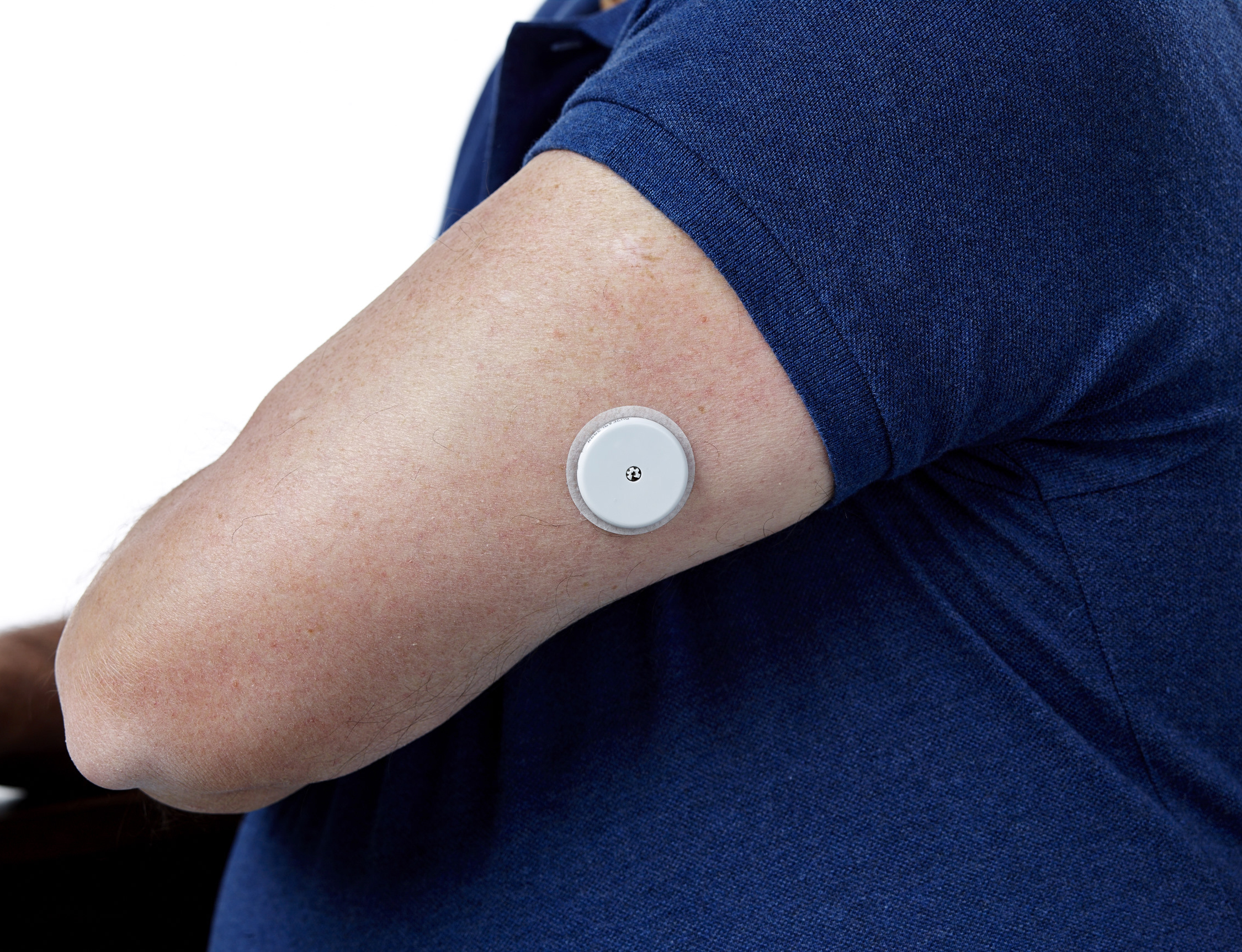
Abbott’s FreeStyle Libre Flash Glucose Monitoring System eliminates finger pricking for diabetics.  The insertion of a tube under the skin is required, therefore the procedure, while continuous and comfortable, is still invasive.

A user wears a sensor on the back of the upper arm,  and through a small tube inserted just under the skin, it measures blood sugar levels of tissue fluid.  A reader is scanned over the sensor, and results are reported in less than one second.  Real-time results, a historical trend and the direction the glucose is heading are displayed, so the user can adjust insulin intake . Disposable and water resistant, the sensor can be worn for up to two weeks

Categories
AI Robotics

MIT’s running, jumping cheetah robot, now wireless

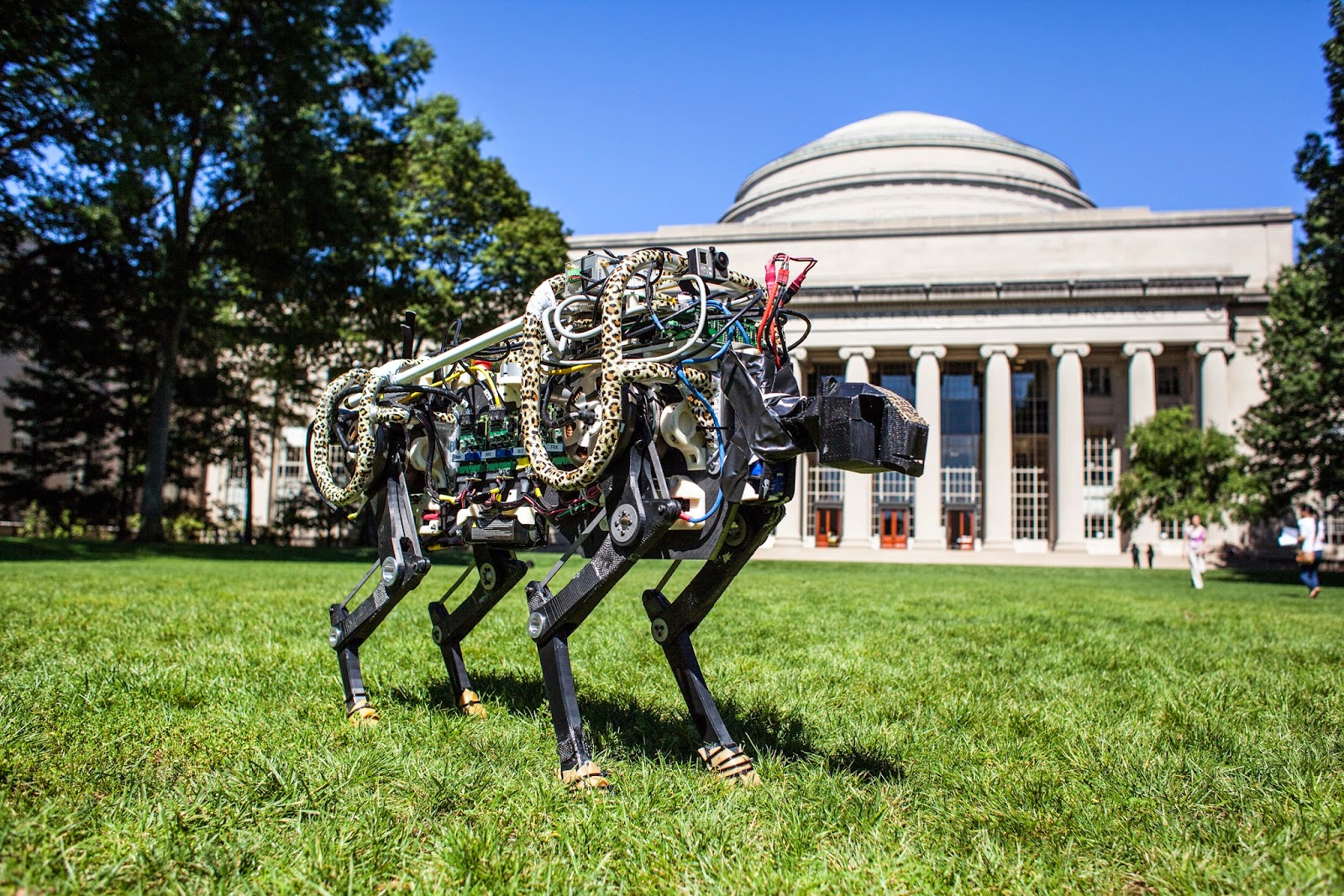
MIT‘s Biomimetic Robotics Lab has  unveiled a robotic cheetah that jumps hurdles and sprints at 10 mph, mimicking the natural bounding motions of a cheetah.   The robot can leap across uneven terrain while still maintaining a steady speed, and cleared a 33 centimeter foam hurdle.  The research team believes that the robotic cheetah could eventually reach speeds of up to 30 mph.

A “bounding algorithm” calculates the amount of force required to propel an animal forward or to jump over obstacles.  It models the running mechanics of world-class sprinters: the faster the desired speed, the greater the force the legs exert.  A 2012 version, developed for DARPA, ran at  28.3 mph on a treadmill, but was attached to a power source.

Categories
BCI

Noninvasive brain-to-brain communication demonstrated

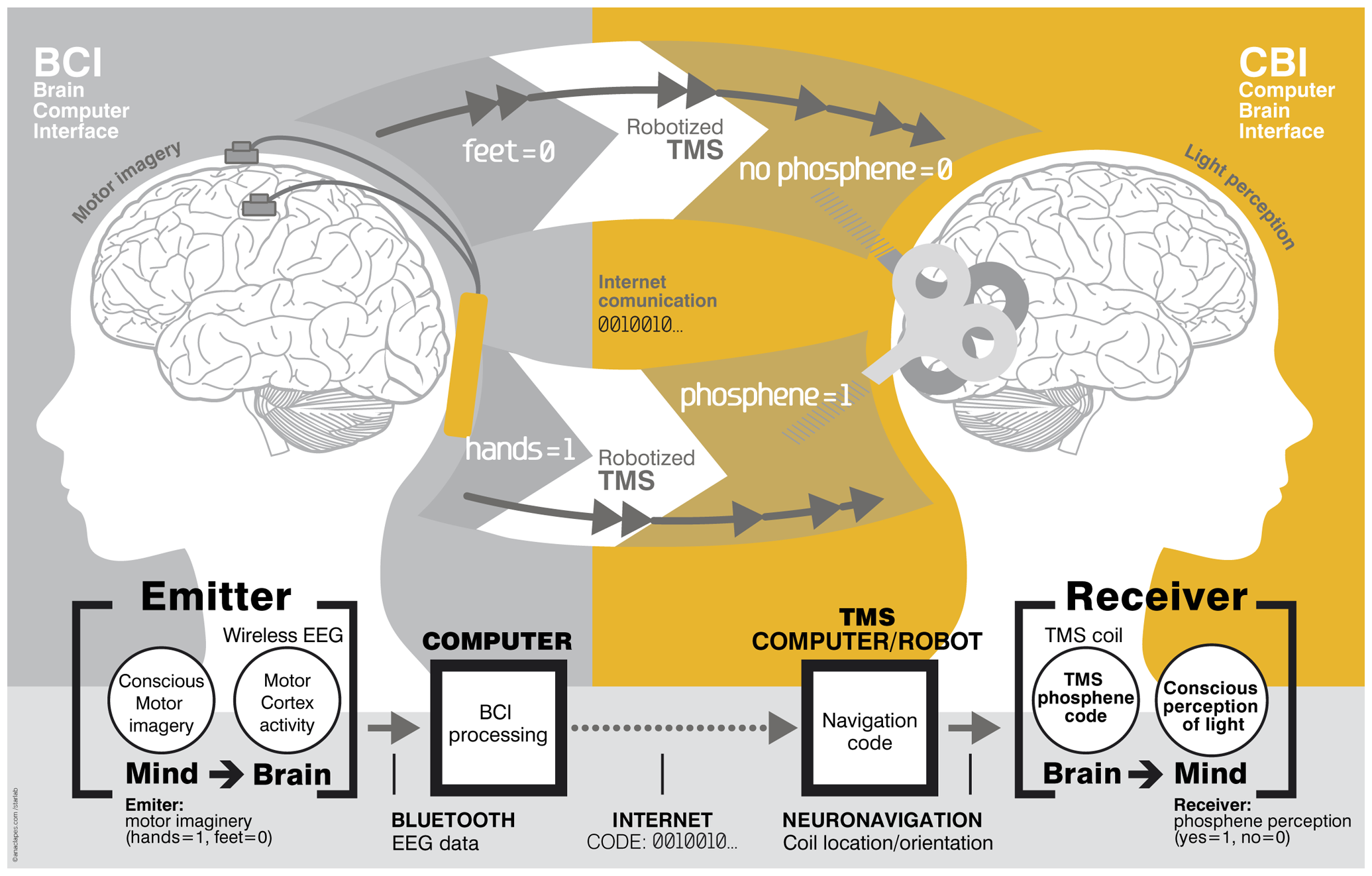
Giulio Ruffini and colleagues at Starlab  transmitted the words “hola” and “ciao” in binary code from the brain of a person in India to the brains of three people in France.  EEG was used to record the information from the sender’s brain, and robotized transcranial magnetic stimulation was used to deliver the message to the brains of the receivers.

The experiment was published in PLOS ONE last month.

While attached to EEG electrodes, the sender was asked to imagine moving his hands or feet when shown an image that represented a 1 or 0.  The data was transmitted to a computer, translated into binary code, and emailed to the recipients’  system.  The blindfolded recipients received electric pulses from the robotized TMS system in the visual cortex of their brains, triggering the experience of phosphenes: the perception of seeing flashes of light that are not actually there.  They reported verbally when they experienced a flash.  This was translated into binary code and then to the message.

Categories
AI Cancer

AI matches patients with clinical trials — in seconds

The Mayo Clinic will use IBM’s Watson to match colorectal, lung, and breast cancer patients with clinical trials, expediting a slow and inefficient process.  170,000 patient studies are being conducted worldwide at any given time–8,000 at the Mayo Clinic. Processing clinical trials is done manually, which involves sorting through patient records to ensure that proper matches are made. Watson could shorten the process considerably, with matches being made within seconds.

The clinic is providing Watson with information on all clinical trials at the clinic and in public databases. Because of its ability to process natural language, Watson can analyze both trial requirements and patient records.

According to project lead  Dr. Nicholas LaRusso, one of the biggest challenges that physicians face is the task of managing large quantities of data. In the future, as medical lab results could include rapid “genomic analyses,” LaRusso said that technologies like Watson could “help organize and aggregate huge amounts of data” that would be impossible for a human to process efficiently. “Watson can fit into a flow of how we interact with patients, and will provide input required with diagnosis and management, and ultimately become, in my opinion, a member of the provider team.”


Categories
Cancer Sensors

Nanoparticle sensor detects breast cancer

In a paper published last week, University of Nebraska professor Ravi Saraf and fellow Chieu Van Nguyen describe a thin-film sensor that can detect breast tumors too small and deep to be felt with the fingers.  Using the standard silicone breast model used to train doctors in manual breast exams, the film detected tumors as small as 5 millimeters, up to 20 millimeters deep. The technology could also improve skin cancer detection.

The film, made of nanoparticles and polymers, when pressed against the skin, creates changes in electrical current and light that can be captured by a digital camera.  The researchers refer to it as an “electronic skin” able to sense texture and relative stiffness.

Categories
Wearables

iPhone 6, Apple Watch, Note 4, Gear S — for your health

Apple and Samsung are competing for dominance in health and fitness–and the consumer wins:

  • The iPhone 6’s  motion sensor tracks distance, steps and, for the first time, elevation. It will sync with HealthKit, designed by Mayo Clinic doctors.  HealthKit  stores nutrition, fitness and other vitals for doctors or others to access, and works with existing fitness apps.
  • The Apple Watch has four sensors that measure pulse and a movement tracking accelerator.   Heart rates can be shared. It measures pace, calories burned and time spent working out in real time. Personal goals can be set and compared to achievements.  Users can track, compare, and gamify health and fitness.
  • Samsung’s Galaxy Note 4  includes an exercise tracker with built-in pedometer, and the ability to monitor food, weight, sleep patterns, and heart rate. The phone can now sense blood oxygen saturation and the strength of ultraviolet light from the sun.
  • The Samsung Gear S doesn’t require a companion mobile device, as is the case with the Apple Watch.  It offers  a pedometer, heart rate monitor and exercise trackers.
Categories
BCI Brain Heart Wearables

Brain-Computer Interface generated music

At Music Tech Fest in London, multidisciplinary artist Ma Tan won the wearables prize by generating music from his thoughts and heart.  He used a 2 electrode EEG headband developed by Tel Aviv and Brown University professor Nathan Intrator to sense his emotions, and a heart monitor to sense his cardiac activity.