Categories
Wearables

Multiple wearable sensors predict illness

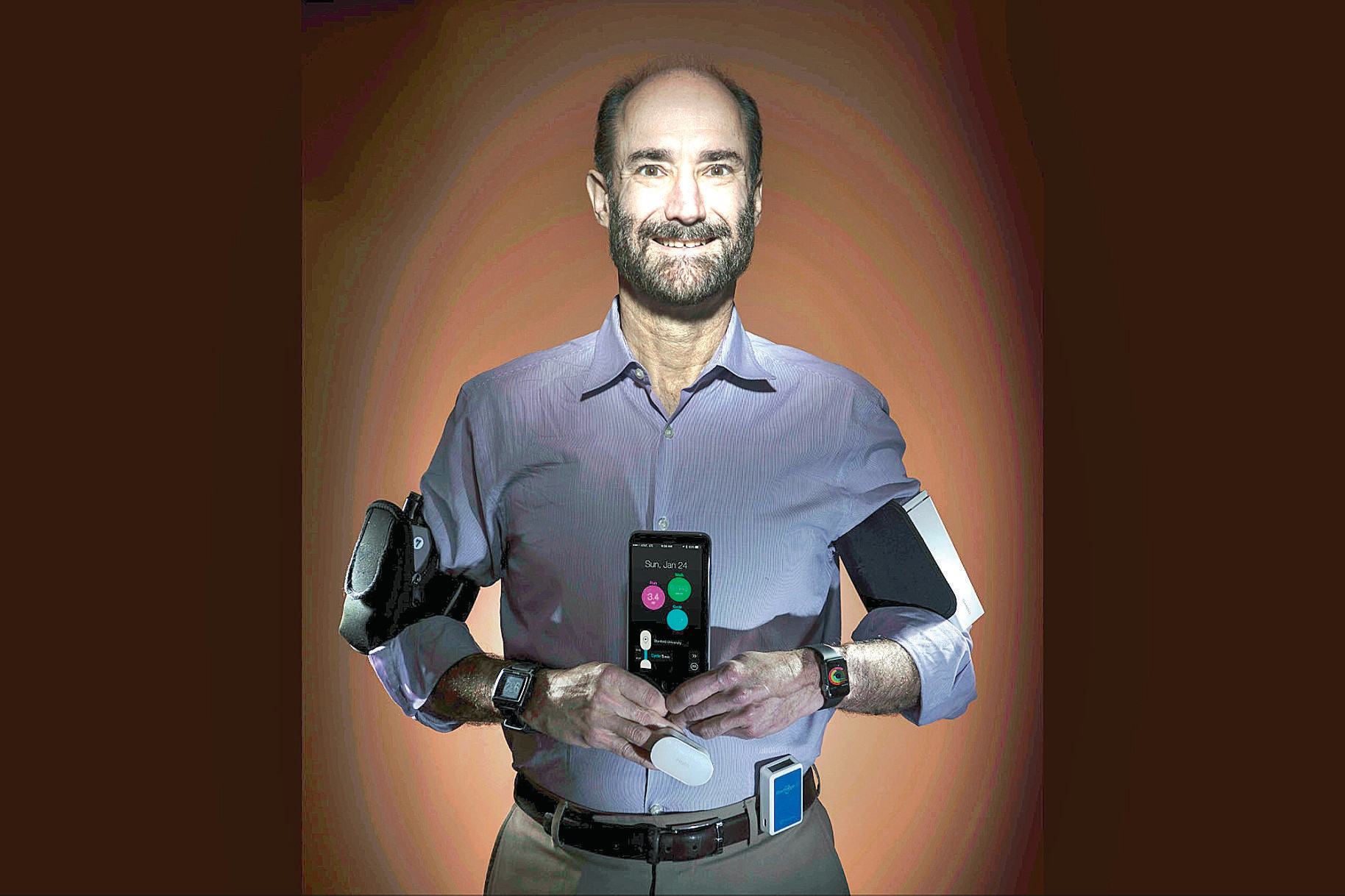
Stanford’s Michael Snyder has published the results of a health wearable study, in which 2 billion measurements were taken from 60 subjects, concluding that such devices can be used to predict illness.

Continuous biosensor data, plus blood chemistry, gene expression and other tests,  were included. Participants wore 1-7 commercial wearables, which collected more than 250,000 measurements per day. Weight, heart rate, blood oxygen level, skin temperature, sleep, walking, biking and running, calories expended, acceleration, and exposure to gamma rays and X-rays were analyzed.

To individualize the process, both baseline and illness values were established for each person. It was possible to monitor deviations from normal, and associate those deviations with environmental, illness or other factors that affect health.  Deviation patterns correlated with specific health problems.  (The lead author was able to detect Lyme Disease in himself during the study.) Algorithms which spot these patterns could be used for future diagnostics or research.

ApplySci’s 6th  Digital Health + NeuroTech Silicon Valley  –  February 7-8 2017 @ Stanford   |   Featuring:   Vinod Khosla – Tom Insel – Zhenan Bao – Phillip Alvelda – Nathan Intrator – John Rogers – Roozbeh Ghaffari –Tarun Wadhwa – Eythor Bender – Unity Stoakes – Mounir Zok – Sky Christopherson – Marcus Weldon – Krishna Shenoy – Karl Deisseroth – Shahin Farshchi – Casper de Clercq – Mary Lou Jepsen – Vivek Wadhwa – Dirk Schapeler – Miguel Nicolelis


Categories
Alexa Seniors

Alexa solidifies NLP’s role in smart homes, cars. Is senior care next?

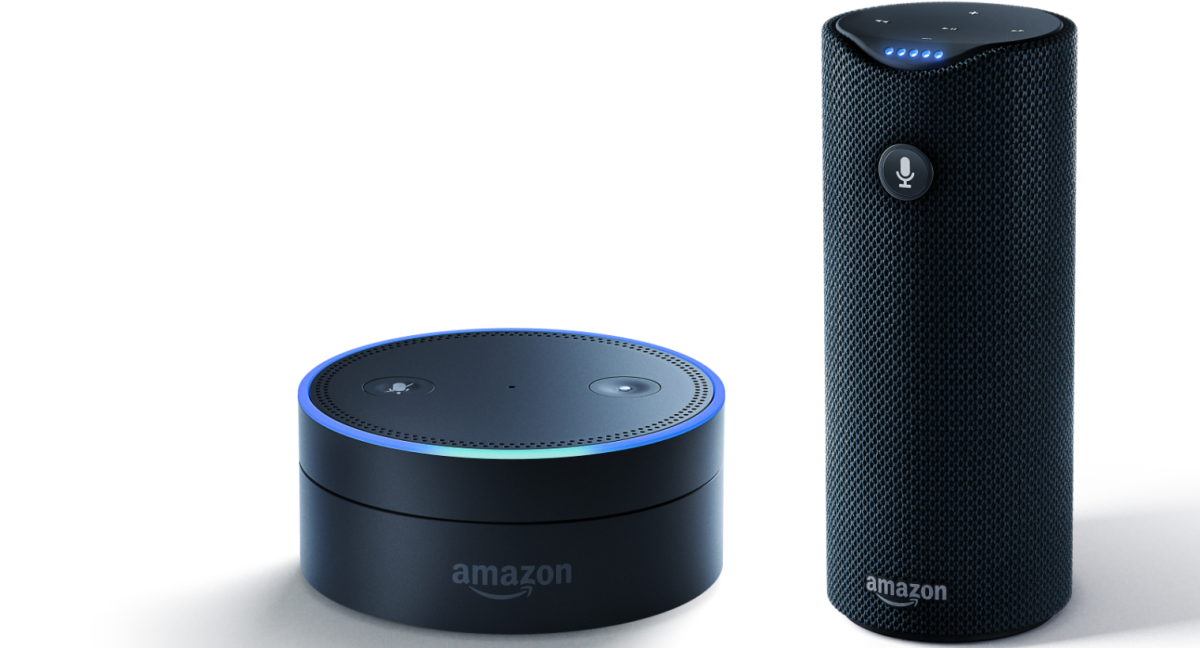
Amazon’s Alexa is the deserved  star of CES. Lights, thermostatsair purifiers, cars, refrigeratorsother appliances, and baby monitors are examples of interfaces solidifying the natural voice processing-driven future of the world.

Amazon now has the opportunity to enhance the lives of those aging in place.  Its development of senior citizen focused applications is lagging.  Alexa has the ability provide the social interaction, health monitoring, and memory triggers that many seniors need to live independently.  If caregivers were able to create customized questions and answers, specific user needs could be better addressed.

ApplySci’s 6th  Digital Health + NeuroTech Silicon Valley  –  February 7-8 2017 @ Stanford   |   Featuring:   Vinod Khosla – Tom Insel – Zhenan Bao – Phillip Alvelda – Nathan Intrator – John Rogers – Roozbeh Ghaffari –Tarun Wadhwa – Eythor Bender – Unity Stoakes – Mounir Zok – Sky Christopherson – Marcus Weldon – Krishna Shenoy – Karl Deisseroth – Shahin Farshchi – Casper de Clercq – Mary Lou Jepsen – Vivek Wadhwa – Dirk Schapeler – Miguel Nicolelis
Categories
Sensors Wearables

Ultra-flexible transistor for discreet, continuous health monitoring

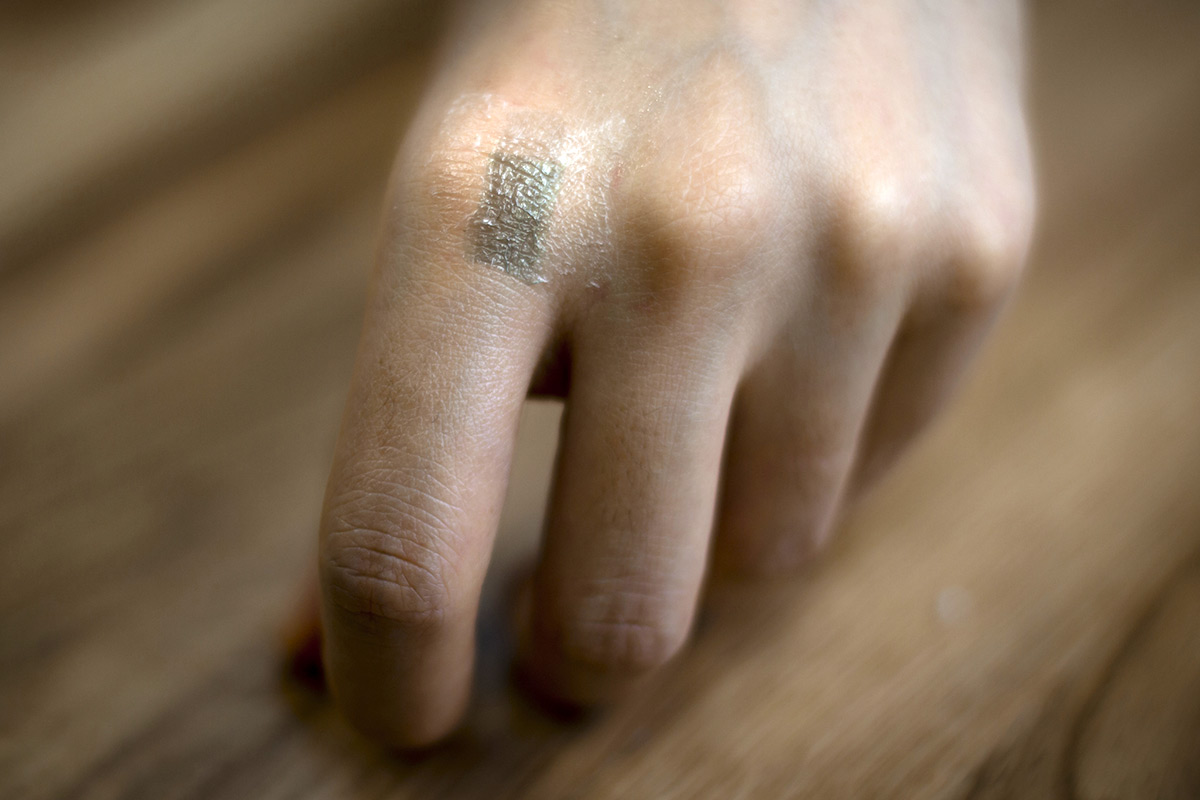
Stanford professor Zhenan Bao‘s latest bioelectronic innovation has disrupted wearable technology as we know it.   The ultra-flexible transistor can be stretched to twice its length, without losing conductivity.  Conductors are confined inside an extremely thin, flexible polymer material, ideal for adhesive or tiny wearables. Digital health applications are unlimited —  providing discreet, continuous, and accurately monitoring.

According to Bao, “Transistors are the basic component of nearly all of the electronic devices that we use today. In the near future we will be able to make wearable electronics that are stretchable and able to conform to the human body.”

After 100 stretches, the transistors showed no signs of cracking and their conductivity reduced only very slightly.  This means that they could be attached to constantly moving body parts. As a demonstration, the technology was used in a simple electronic device worn around the knuckle of a finger that turned a small LED light on and off.

Professor Bao is the keynote speaker at Wearable Tech + Digital Health + NeuroTech Silicon Valley — to be held on February 7-8, 2017 at Stanford University, and co-sponsored by the Stanford Wearable Electronics Initiative.

ApplySci’s 6th  Digital Health + NeuroTech Silicon Valley  –  February 7-8 2017 @ Stanford   |   Featuring:   Vinod Khosla – Tom Insel – Zhenan Bao – Phillip Alvelda – Nathan Intrator – John Rogers – Roozbeh Ghaffari –Tarun Wadhwa – Eythor Bender – Unity Stoakes – Mounir Zok – Sky Christopherson – Marcus Weldon – Krishna Shenoy – Karl Deisseroth – Shahin Farshchi – Casper de Clercq – Mary Lou Jepsen – Vivek Wadhwa – Dirk Schapeler – Miguel Nicolelis
Categories
Brain Gaming

Video games studied to treat late-life depression

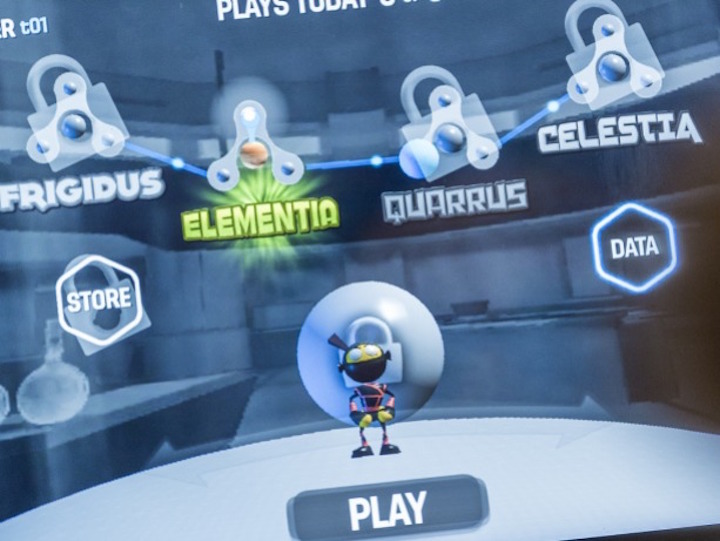
UCSF’s Joaquin Anguera and UW’s Patricia Arean have published a study detailing the use of video games to treat late life depression. They claim that the EVO interface targets underlying cognitive issues associated with depression, and does not simply manage systems. The game, developed by Akili, is meant to improve focus and attention at a “basic neurological level.”

Players in the study displayed cognitive benefits (such as improved attention — a commonly reported challenge for depression suffers) compared to behavioral therapy, as well as improved mood and self-reported function.

Participants  played the game  for 20 minutes, five times per week, and met with a clinician once per week. The researchers noted that social contact of this nature can have a positive effect on mood.  This may have impacted results, and is not related to game playing.
ApplySci’s 6th  Digital Health + NeuroTech Silicon Valley  conference –  February 7-8 2017 @ Stanford   |   Featuring:   Vinod Khosla – Tom Insel – Zhenan Bao – Phillip Alvelda – Nathan Intrator – John Rogers – Roozbeh Ghaffari –Tarun Wadhwa – Eythor Bender – Unity Stoakes – Mounir Zok – Sky Christopherson – Marcus Weldon – Krishna Shenoy – Karl Deisseroth – Shahin Farshchi – Casper de Clercq – Mary Lou Jepsen – Vivek Wadhwa – Dirk Schapeler – Miguel Nicolelis.

Early registration rates available through Friday, January 6th

Categories
Sensors

Sensor dramatically improves MRI resolution

ETH professor Klaas Prussmann has developed technology to improve MRI accuracy by detecting tiny changes in magnetic fields.

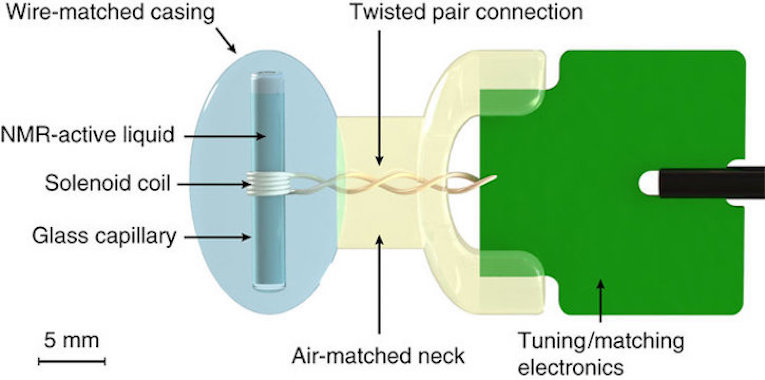
An MRI’s  strong magnetic field, which makes it difficult for sensors to detect up small details.  Prussmann’s integrated digital radio receiver addresses this by  decreasing background noise significantly.

In a recent paper, he said:  “In addition to boosting absolute sensitivity at high field, the reported approach also affords superior relative sensitivity. At the level of one part per trillion, it is competitive with the most sensitive low-field magnetometry techniques devised to-date.”

The sensor  was positioned in front of a patient’s chest while in the MRI. Data showed tiny, regular changes in the magnetic field, representing his heartbeat. The measurement curve is similar to an ECG,  although it measures the contraction of the heart rather than electrical conduction.  These changes were significantly smaller than the 7 tesla field strength of the MRI used in the experiment.

Thea technique also develops better contrast agents, which could lead to improved  nuclear magnetic resonance spectroscopy  in biological and chemical research.

Disrupting MRI will be a focus of Digital Health + NeuroTech Silicon Valley on February 7-8 at Stanford.  Mary Lou Jepsen will lead the discuss on on Wearable, MRI-like opto-electronics to detect and treat cancer, heart, and brain diseases, on February 7th at 11am.

 ApplySci’s 6th  Digital Health + NeuroTech Silicon Valley  –  February 7-8 2017 @ Stanford   |   Featuring:   Vinod Khosla – Tom Insel – Zhenan Bao – Phillip Alvelda – Nathan Intrator – John Rogers – Roozbeh Ghaffari –Tarun Wadhwa – Eythor Bender – Unity Stoakes – Mounir Zok – Sky Christopherson – Marcus Weldon – Krishna Shenoy – Karl Deisseroth – Shahin Farshchi – Casper de Clercq – Mary Lou Jepsen – Vivek Wadhwa – Dirk Schapeler – Miguel Nicolelis.

Early registration rates available through Friday, January 6th


Categories
Monitoring Nanotubes

Non-invasive nanosystem detects disease in breath

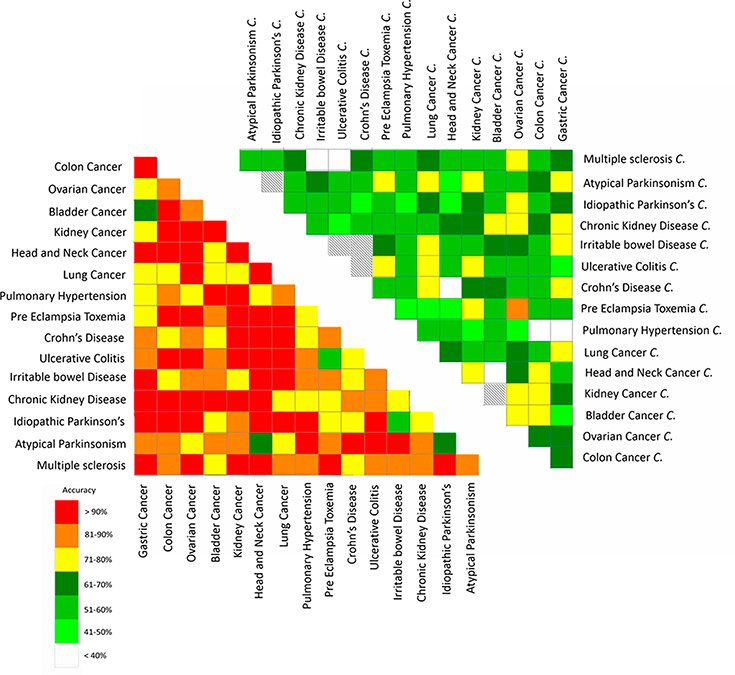
Technion professor Hossam Haick has developed a nanosystem that can identify the breath signatures of many diseases, including kidney failure, lung cancer, Crohn’s disease, MS, prostate and ovarian cancer.  Each compound’s relative abundance in a person’s breath is assessed, and disease signatures are compared against healthy individuals.

In a recent study, using mass spectrometry analysis, specific compound signatures for 17 different diseases were identified. The breath of 1,400 people was sampled, using a sensory array of carbon nanotubes and gold particles to register the compound mix they exhaled. Algorithms determined the presence or absence of each disease.

Haick’s goal is for the system to be used to screen widely for disease, even among those with no symptoms, to allow earlier interventions.

ApplySci’s 6th  Digital Health + NeuroTech Silicon Valley  –  February 7-8 2017 @ Stanford   |   Featuring:   Vinod Khosla – Tom Insel – Zhenan Bao – Phillip Alvelda – Nathan Intrator – John Rogers – Roozbeh Ghaffari –Tarun Wadhwa – Eythor Bender – Unity Stoakes – Mounir Zok – Sky Christopherson – Marcus Weldon – Krishna Shenoy – Karl Deisseroth – Shahin Farshchi – Casper de Clercq – Mary Lou Jepsen – Vivek Wadhwa – Dirk Schapeler – Miguel Nicolelis
Categories
Sensors

Prosthesis-integrated sensor detects infections early

Infections in prostheses, for amputees, and in joint replacements, are common, often found too late, and can necessitate additional surgeries or worse complications.  Current detection methods include MRI, CT, and X-ray.

Ken Loh and UCSD colleagues have developed an infection detecting prosthesis coating + imaging technique that could be used at home or in a doctors office.  Prostheses are continuously monitored and quantitative diagnostic data about the extent and location of an infection is provided.

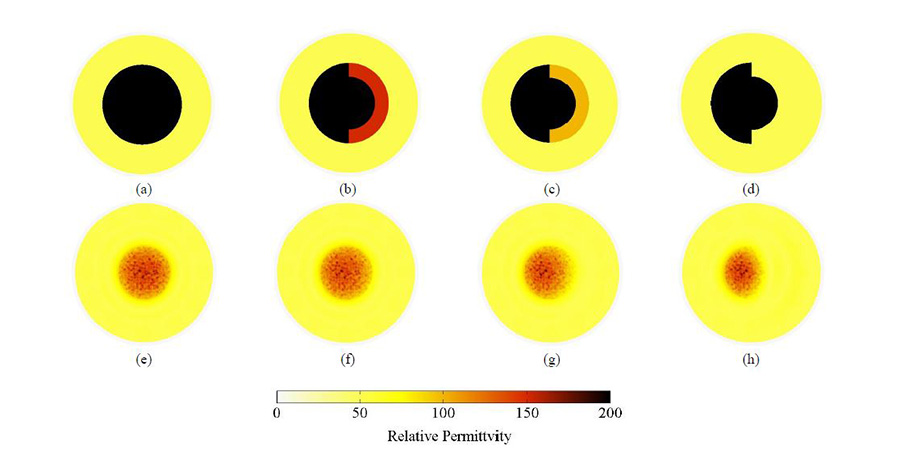
Enhanced ECT was used to measure the human tissue and prosthesis’ electrical properties using  electrical fields. An algorithm processed the data to allow physicians to reconstruct a predetermined area’s electrical properties, to reveal tissue, bone, and prosthesis health. Infection caused changes in the field, detected by ECT.

A thin-film sensor was sprayed onto a prosthesis to improve infection detection. The film is made of a conductive polymer matrix that is sensitive to pH, and carbon nanotubes, embedded in the matrix, to increase the material’s ability to conduct electricity more sensitively, regardless of the pH level. Infections caused by different microorganisms often change the local pH in human cells and affect their ability to conduct electricity.

ApplySci’s 6th  Digital Health + NeuroTech Silicon Valley  –  February 7-8 2017 @ Stanford   |   Featuring:   Vinod Khosla – Tom Insel – Zhenan Bao – Phillip Alvelda – Nathan Intrator – John Rogers – Roozbeh Ghaffari –Tarun Wadhwa – Eythor Bender – Unity Stoakes – Mounir Zok – Sky Christopherson – Marcus Weldon – Krishna Shenoy – Karl Deisseroth – Shahin Farshchi – Casper de Clercq – Mary Lou Jepsen – Vivek Wadhwa – Dirk Schapeler – Miguel Nicolelis
Categories
BCI

BCI controlled robotic arm; no implant required

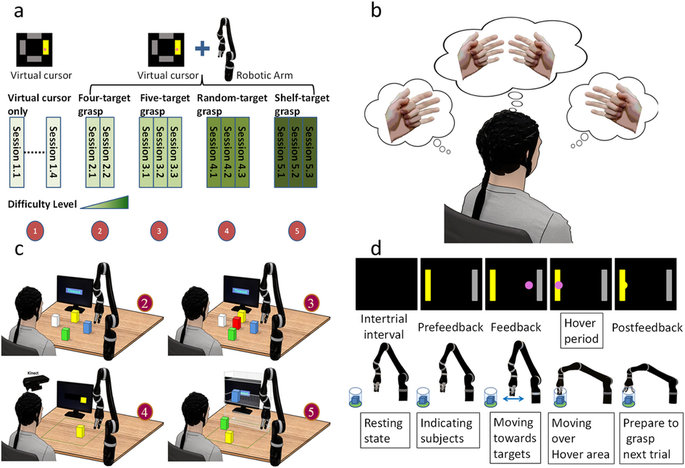
University of Minnesota professor Bin He has created a brain computer interface to control a robotic arm with out an implant.

In a recent study, EEG alone was used to allow 8 people to move objects in a complex 3D environment.  Combined with advanced signal processing and machine learning, thoughts were turned into actions.

64 electrodes were required, making a clinical setting necessary.  However, if this system can be adapted to use the smaller, mobile EEG bands now being developed, a mobile or home based noninvasive interface might be possible in the future.

ApplySci’s 6th  Digital Health + NeuroTech Silicon Valley  –  February 7-8 2017 @ Stanford   |   Featuring:   Vinod Khosla – Tom Insel – Zhenan Bao – Phillip Alvelda – Nathan Intrator – John Rogers – Roozbeh Ghaffari –Tarun Wadhwa – Eythor Bender – Unity Stoakes – Mounir Zok – Sky Christopherson – Marcus Weldon – Krishna Shenoy – Karl Deisseroth – Shahin Farshchi – Casper de Clercq – Mary Lou Jepsen – Vivek Wadhwa – Dirk Schapeler – Miguel Nicolelis
 

Categories
Conference Sensors Wearables

Tiny wearable sensor measures blood flow

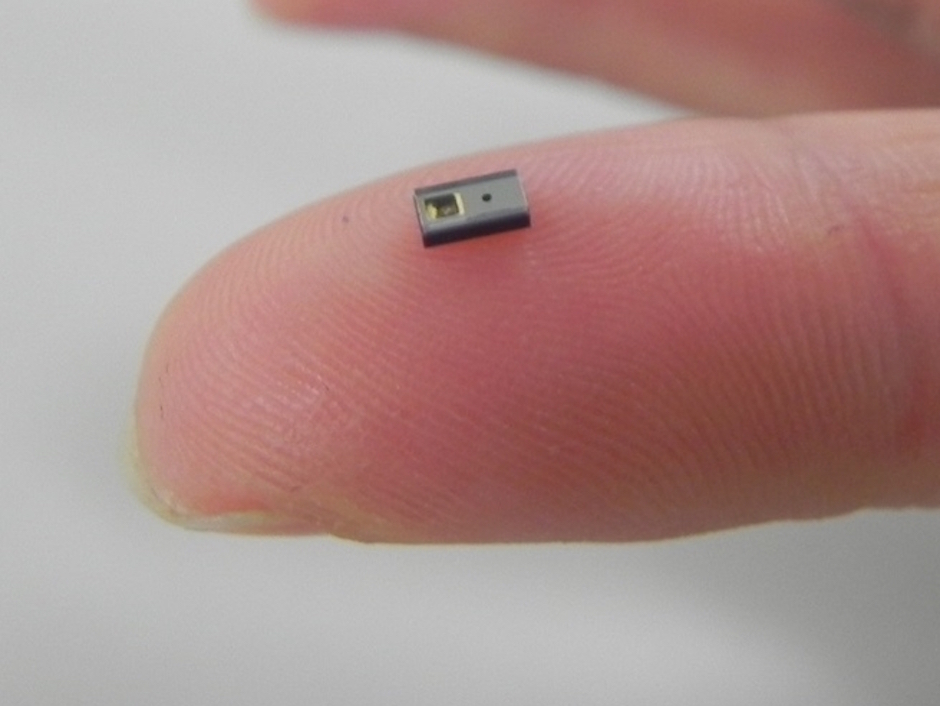
Kyocera has developed a tiny optical sensor to measure blood flow volume in subcutaneous tissue, meant to be integrated into a phone or wearable. Potential applications include monitoring stress and preventing dehydration, heat stroke, and altitude sickness.

The device will be used  in/on an ear, finger or forehead, to measure the velocity-driven frequency of reflected light within blood vessels. The  sensor utilizes the relative shift in frequency and the strength of the reflected light  to determine blood-flow volume.

ApplySci’s 6th  Digital Health + NeuroTech Silicon Valley  –  February 7-8 2017 @ Stanford   |   Featuring:   Vinod Khosla – Tom Insel – Zhenan Bao – Phillip Alvelda – Nathan Intrator – John Rogers – Roozbeh Ghaffari –Tarun Wadhwa – Eythor Bender – Unity Stoakes – Mounir Zok – Krishna Shenoy – Karl Deisseroth – Shahin Farshchi – Casper de Clercq – Mary Lou Jepsen – Vivek Wadhwa – Dirk Schapeler – Miguel Nicolelis
 

Categories
Brain

Non-invasive visual stimulation to treat Alzheimer’s disease

Cognito Therapeutics is developing a device-driven approach to Alzheimer’s treatment.

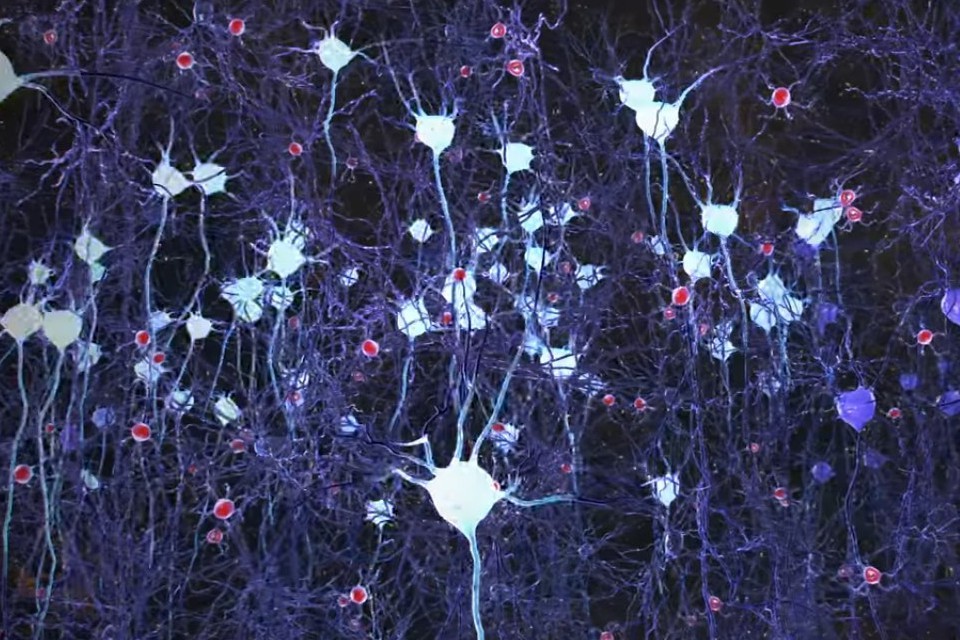
Based on research by MIT’s Ed Boyden, globally recognized for his work in optogenetics,  and Li-Hue Tsai, director of the Picower Institute for Learning and Memory, flickering-light stimulation has been used to  restore gamma oscillation in the brains of the mice.  This activated microglia cells to remove beta amyloid plaques.

The method has not yet been tested in humans, but shows promise as a non invasive alternative to current treatments, known for multiple side effects and limited benefits.

The company has filed patents covering the use of the technology in several neurological disorders.

ApplySci’s 6th  Digital Health + NeuroTech Silicon Valley  –  February 7-8 2017 @ Stanford   |   Featuring:   Vinod Khosla – Tom Insel – Zhenan Bao – Phillip Alvelda – Nathan Intrator – John Rogers – Roozbeh Ghaffari –Tarun Wadhwa – Eythor Bender – Unity Stoakes – Mounir Zok – Krishna Shenoy – Karl Deisseroth – Shahin Farshchi – Casper de Clercq – Mary Lou Jepsen – Vivek Wadhwa – Dirk Schapeler – Miguel Nicolelis


Categories
AI Robotics Seniors

Sensors + robotics + AI for safer aging in place

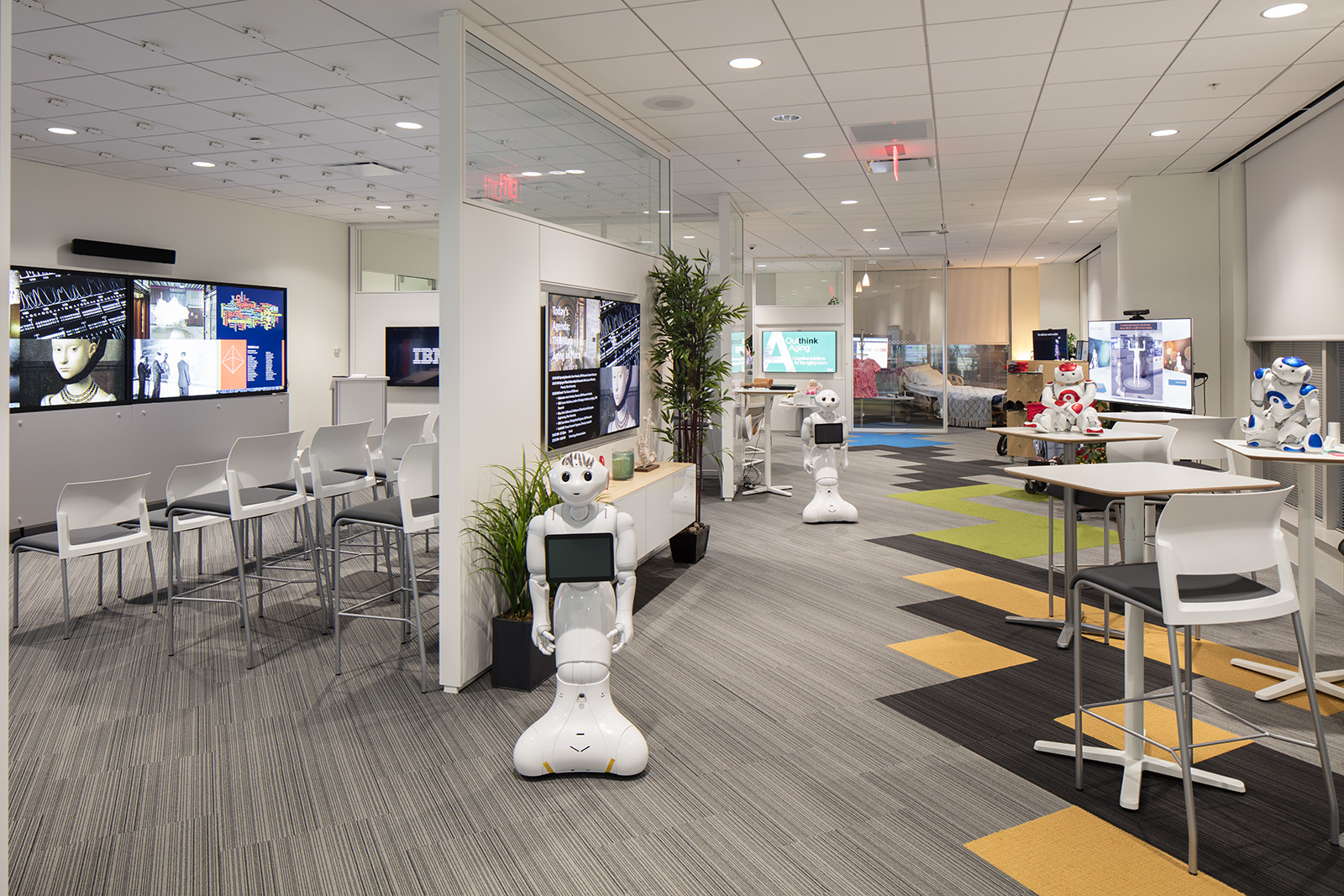
IBM and rice University are developing MERA — a Waston enabled robot meant to help seniors age in place.

The system comprises a Pepper robot  interface, Watson, and Rice’s CameraVitals project, which calculates vital signs by recording video of a person’s face.  Vitals are measured multiple times each day. Caregivers are informed if the the camera and/or accelerometer detect a fall.

Speech to Text, Text to Speech and Natural Language Classifier APIs are being studied to enable answers to health related questions, such as “What are the symptoms of anxiety?” or “What is my heart rate?”

The company  believes that sensors plus cognitive computing can give clinicians and caregivers insights to enable better care decisions. They will soon test the technology in partnership with Sole Cooperativa, to monitor the daily activities of seniors in Italy.

Click to view IBM video


ApplySci’s 6th   Wearable Tech + Digital Health + NeuroTech Silicon Valley  –  February 7-8 2017 @ Stanford   |   Featuring:   Vinod Khosla – Tom Insel – Zhenan Bao – Phillip Alvelda – Nathan Intrator – John Rogers – Roozbeh Ghaffari –Tarun Wadhwa – Eythor Bender – Unity Stoakes – Mounir Zok – Krishna Shenoy – Karl Deisseroth – Shahin Farshchi – Casper de Clercq – Mary Lou Jepsen – Vivek Wadhwa – Dirk Schapeler – Miguel Nicolelis
Categories
Stroke Wearables

Self regulating patch optimizes blood thinner delivery

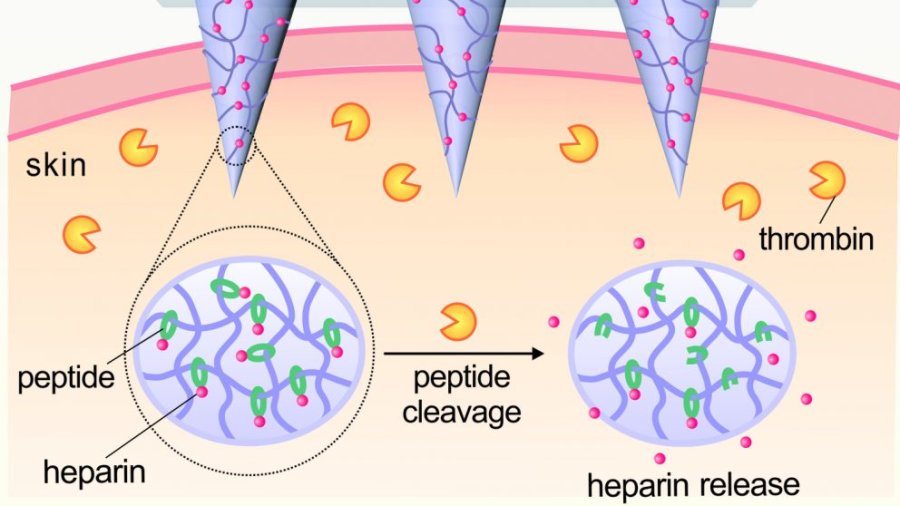
UNC and  NC State researchers have developed a promising, self-regulating, Heparin releasing patch, meant to optimize levels of the blood thinner in one’s body.  It has only been tested on animals, but was found to  be more effective at preventing thrombosis than traditional drug delivery methods.

Current protocol requires regular blood testing, to prevent hemorrhaging from a too-high dose, or, of course, thrombosis from an inadequate one.

The patch uses microneedles made of a polymer that consists of hyaluronic acid and  Heparin. It responds to thrombin, an enzyme that initiates blood clotting. When elevated thrombin levels come into contact with a microneedle, the enzymes break the amino acid chains that bind the Heparin to the HA, releasing the Heparin into the blood stream.


ApplySci’s 6th   Wearable Tech + Digital Health + NeuroTech Silicon Valley  –  February 7-8 2017 @ Stanford   |   Featuring:   Vinod Khosla – Tom Insel – Zhenan Bao – Phillip Alvelda – Nathan Intrator – John Rogers – Roozbeh Ghaffari –Tarun Wadhwa – Eythor Bender – Unity Stoakes – Mounir Zok – Krishna Shenoy – Karl Deisseroth – Shahin Farshchi – Casper de Clercq – Mary Lou Jepsen – Vivek Wadhwa – Dirk Schapeler – Miguel Nicolelis