
 http://bits.blogs.nytimes.com/2013/05/19/disruptions-helper-robots-are-steered-tentatively-to-elder-care/
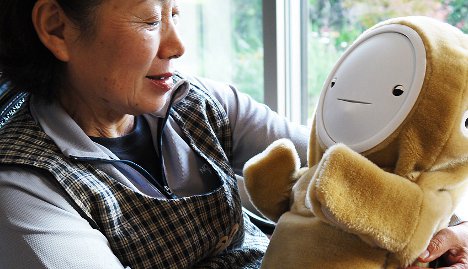
Already popular in Japan, today’s New York Times reports on the developing trend of robotic companions for the elderly.
A typical Japanese example is the Tsukuba University created Hybrid Assistive Limb. The battery-powered suit senses and amplifies the wearer’s muscle action when carrying or lifting heavy objects. Caregivers can also use the suit to aid them while lifting patients from a bed, and patients can wear it to support their movements. Other Japanese devices include a small, battery-powered trolley to aid independent walking; a portable, self-cleaning bedside toilet; and a monitoring robot which tracks and reports the location of dementia patients.
The Times describes several interesting US developed robots: Cody, a Georgia Tech created robotic nurse cable of bathing patients; HERB, a Carnegie Mellon developed butler which retrieves objects and cleans; Hector, a University of Reading robot which provides medication reminders, locates lost objects, and can assist in a fall; and Paro, a baby seal looking robot which calms dementia patients.
 http://www.washingtonpost.com/blogs/innovations/wp/2013/05/17/watson-goes-to-washington-ibm-shows-off-latest-health-care-work-to-lawmakers/
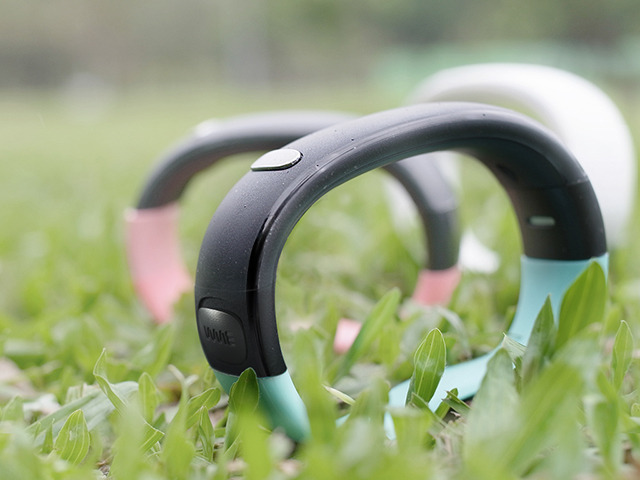 http://www.kickstarter.com/projects/723246920/finally-a-wearable-device-that-can-improve-your-li?ref=category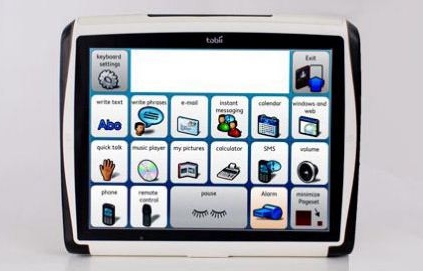
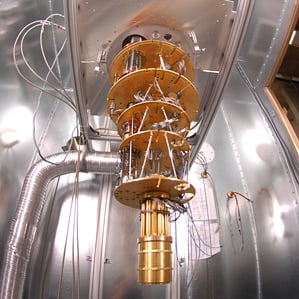 http://googleresearch.blogspot.ca/2013/05/launching-quantum-artificial.html
 http://www.ethlife.ethz.ch/archive_articles/130506_SauerstoffMikroroboter_aj/index_EN
 http://health.universityofcalifornia.edu/2013/05/14/wireless-signals-could-transform-brain-trauma-diagnostics/
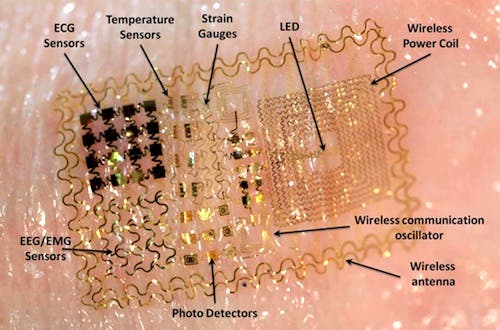 http://coleman.ucsd.edu/lab-research/
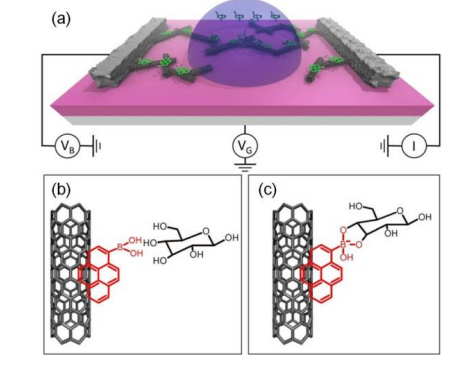 http://www.technologyreview.com/view/514456/carbon-nanotube-sensor-detects-glucose-in-saliva/
 http://news.yale.edu/2013/05/07/research-news-real-time-brain-feedback-can-help-people-overcome-anxiety
 http://www.siliconrepublic.com/innovation/item/30530-a-helping-hand-for-med-tech/