Categories
Brain

AI detects suicidal thoughts from brain scans in small study

David Brent and PIttsburgh and Carnegie Mellon colleagues used machine learning to identify suicidal thoughts in subjects based on fMRI scans.

In a recent study, 18 suicidal participants and 18 members of a control group  were presented with three lists of 10 words related to suicide, positive, or negative effects. Previously mapped neural signatures  showing  brain patterns of emotions like “shame” and “anger” were incorporated.

5 brain locations, and 6 words, were distinguished suicidal patients from the controls. Using those locations and words,  a machine-learning classifier was trained and able to identify 15 of the 17 suicidal patients and 16 of 17 control subjects.

Suicidal patients were divided into those that had attempted suicide (9) and those that had not (8). Another classifier was then able to identify 16 of the 17 patients.

If healthy patients and those with suicidal thoughts are proven to have such different reactions to words, this work could impact therapy and, it is our hope, prevent lost lives.


Join ApplySci at Wearable Tech + Digital Health + Neurotech Silicon Valley on February 26-27, 2018 at Stanford University. Speakers include:  Vinod Khosla – Justin Sanchez – Brian Otis – Bryan Johnson – Zhenan Bao – Nathan Intrator – Carla Pugh – Jamshid Ghajar – Mark Kendall – Robert Greenberg – Darin Okuda – Jason Heikenfeld – Bob Knight – Phillip Alvelda – Paul Nuyujukian –  Peter Fischer
Categories
Brain

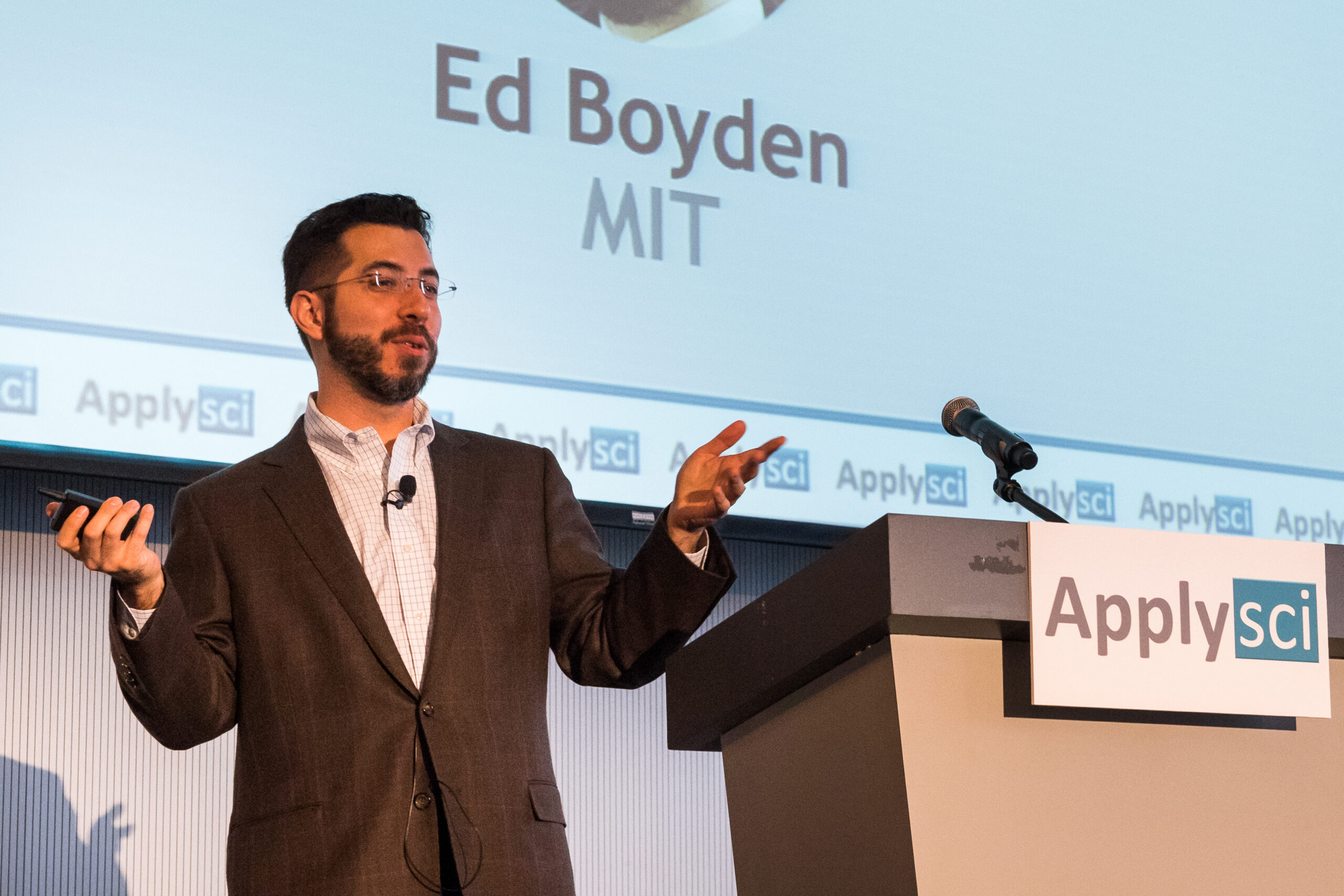
Video: Ed Boyden on technologies for analyzing & repairing the brain

Recorded at ApplySci’s Wearable Tech + Digital Health + Neurotech conference on September 19th at the MIT Media Lab.


Join ApplySci at Wearable Tech + Digital Health + Neurotech Silicon Valley on February 26-27, 2018 at Stanford University. Speakers include:  Vinod Khosla – Justin Sanchez – Brian Otis – Bryan Johnson – Zhenan Bao – Nathan Intrator – Carla Pugh – Jamshid Ghajar – Mark Kendall – Robert Greenberg – Darin Okuda – Jason Heikenfeld – Bob Knight – Phillip Alvelda

Categories
Brain

3D neuron reconstruction reveals electrical behavior

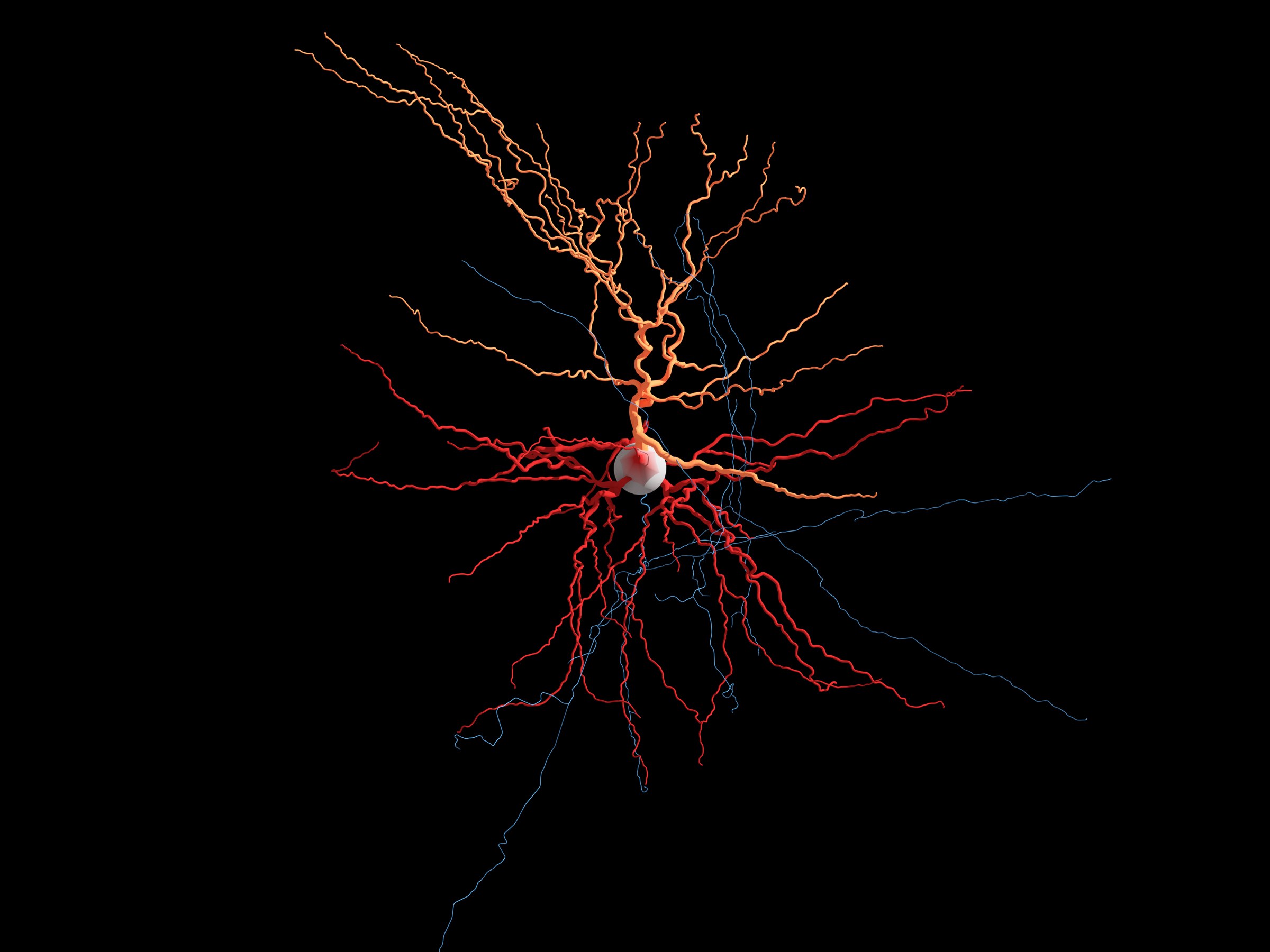
Christof Koch and Allen Institute colleagues  have created 3D computer reconstructions of living human brain cells using discarded surgical tissue.  As the tissue is still alive when it reaches the lab, the virtual cells are able to capture electrical signals, in addition to cell shape and anatomy.

This is the first time that scientists have been able to study the electrical behavior of living brain cells in humans.

Koch believes that this will enhance our understanding of how brain diseases, including Alzheimer’s and schizophrenia, impact the behavior of brain cells.

The institute has captured electrical data from 300 living neurons, taken from 36 patient brains.  100 cells have been reconstructed in 3D.  Genetic information about some of the cells will eventually be added to the database.

Click to view the  Allen Institute video.


Join ApplySci at Wearable Tech + Digital Health + Neurotech Silicon Valley on February 26-27, 2018 at Stanford University. Speakers include:  Vinod Khosla – Justin Sanchez – Brian Otis – Bryan Johnson – Zhenan Bao – Nathan Intrator – Carla Pugh – Jamshid Ghajar – Mark Kendall – Robert Greenberg – Darin Okuda – Jason Heikenfeld – Bob Knight

Categories
Brain

Teleneurology for remote, underserved populations

Neurodegenerative disease cases have, unfortunately, far outpaced the number of neurologists able to diagnose and treat patients, particularly in rural areas. A recent study highlighted 20 states that were or would become “dementia neurology deserts,”

Remote tele-neurology is being introduced to fill the gap.

The American Academy of Neurology has announced a new curriculum to train students and providers to use video conferencing, sensors, and text and image communication tools to connect  with patients. Five training areas, developed by the University of Missouri, are the focus: technology; legal and ethical issues; “webside” manners; privacy; and, of course, neurology expertise

The University of Texas, Vanderbilt University, and Tufts Medical Center are already using teleneurology..


Join ApplySci at Wearable Tech + Digital Health + Neurotech Silicon Valley on February 26-27, 2018 at Stanford University, featuring:  Vinod KhoslaJustin SanchezBrian OtisBryan JohnsonZhenan BaoNathan IntratorCarla PughJamshid Ghajar – Mark Kendall – Robert Greenberg Darin Okuda Jason Heikenfeld

Categories
Brain Digital Health Venture Capital Wearables

Video: Boston VC’s on funding digital health innovation

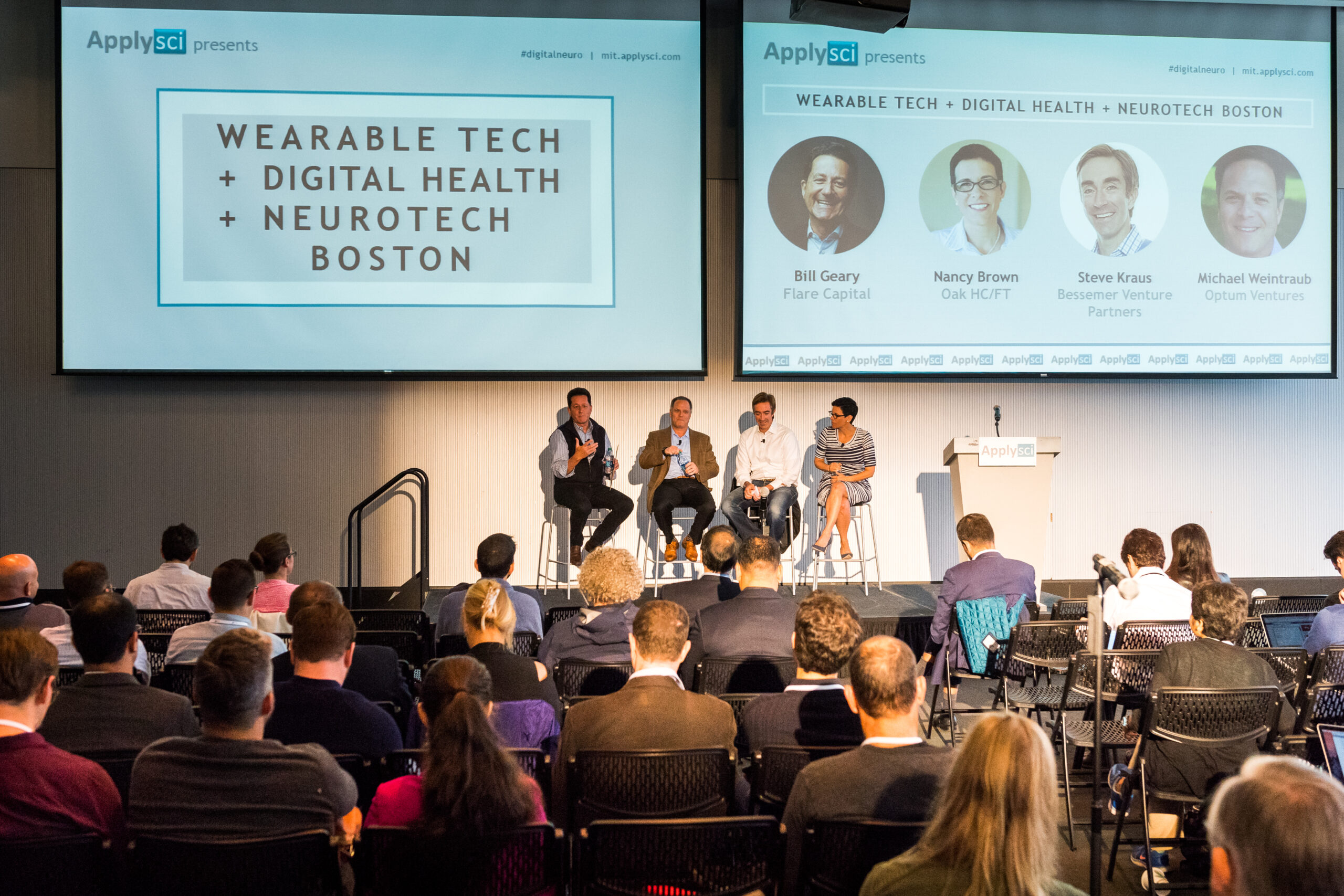
Video:  Flare Capital’s Bill Geary, Bessemer’s Steve Kraus, Oak HC/FT’s Nancy Brown, and Optum Ventures’ Michael Weintraub on funding and commercializing innovation.

Recorded at ApplySci’s Digital Health + Neurotech conference at the MIT Media Lab, September 19, 2017


Join ApplySci at Wearable Tech + Digital Health + Neurotech Silicon Valley on February 26-27, 2018 at Stanford University, featuring:  Vinod KhoslaJustin SanchezBrian OtisBryan JohnsonZhenan BaoNathan IntratorCarla PughJamshid Ghajar – Mark Kendall
Categories
Brain Consciousness

Implanted vagus nerve stimulator partially reverses vegetative state

A person described as being in a vegetative state for 15 years showed partial signs of consciousness after a vagus nerve stimulator was implanted.  University de Lyon’s Angele Sirigu led the research. This challenges the belief that those unconscious for more than 12 months could not be revived.   It also poses a potential challenge to the vegetative diagnosis, and diagnosis in disorders of consciousness generally.

After one month of VNS, the patient’s attention, movements, and brain activity significantly improved, and he began responding to simple orders that were impossible before.

Brain-activity recordings revealed major changes. A theta EEG signal (to distinguish between a vegetative and minimally conscious state) increased significantly in those areas of the brain involved in movement, sensation, and awareness. The brain’s functional connectivity also increased. A PET scan showed increases in metabolic activity in both cortical and subcortical regions of the brain.

The team is now planning a large  study to confirm and extend the therapeutic potential of VNS for patients in a vegetative or minimally conscious state.


Join ApplySci at Wearable Tech + Digital Health + Neurotech Silicon Valley on February 26-27, 2018 at Stanford University, featuring:  Vinod KhoslaJustin SanchezBrian OtisBryan JohnsonZhenan BaoNathan IntratorCarla PughMark Kendall

Categories
Apps Brain

Phone camera + machine learning detect concussion

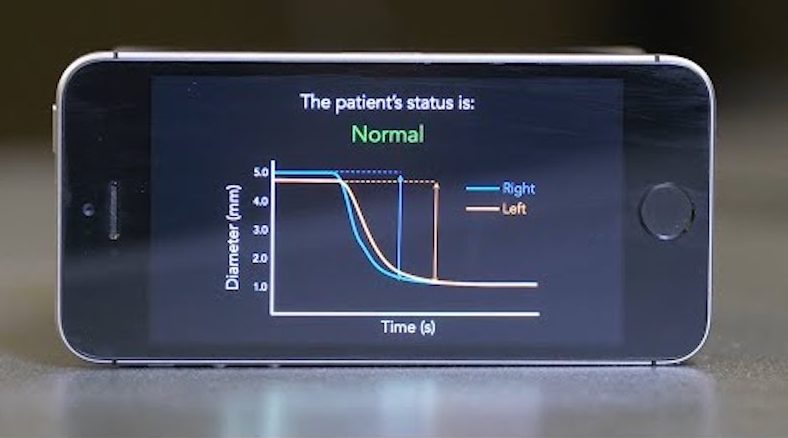
Shwetak Patel and UW colleagues have developed PupilScreen, an app that uses a phone’s camera to detect concussion from the pupil.

The phone’s video camera and flash check the eye for its pupillary light reflex, measures size changes associated with concussion.  Machine learning algorithms confirm the diagnosis.

Hospitals typically use a pen light to check for concussions, which is much less accurate than a pupillometer.

PupilScreen was tested on  48 healthy and tbi patients. The team reported that it “diagnosed brain injuries with almost perfect accuracy using the app’s output alone.”

Click to view University of Washington video


Stanford professor Jamshid Ghajar will discuss the rapid concussion detection and treatment platform SyncThink at ApplySci’s Wearable Tech + Digital Health + Neurotech Boston conference, on September 19th at the MIT Media Lab.


Join ApplySci at Wearable Tech + Digital Health + NeuroTech Boston on September 19, 2017 at the MIT Media Lab – featuring  Joi Ito – Ed Boyden – Roz Picard – George Church – Nathan Intrator –  Tom Insel – John Rogers – Jamshid Ghajar – Riccardo Sabatini – Phillip Alvelda – Michael Weintraub – Nancy Brown – Steve Kraus – Bill Geary – Mary Lou Jepsen


ANNOUNCING WEARABLE TECH + DIGITAL HEALTH + NEUROTECH SILICON VALLEY – FEBRUARY 26 -27, 2018 @ STANFORD UNIVERSITY –  FEATURING:  ZHENAN BAO – JUSTIN SANCHEZ – BRYAN JOHNSON – NATHAN INTRATOR – VINOD KHOSLA

Categories
AI Brain

Detecting dementia with automated speech analysis

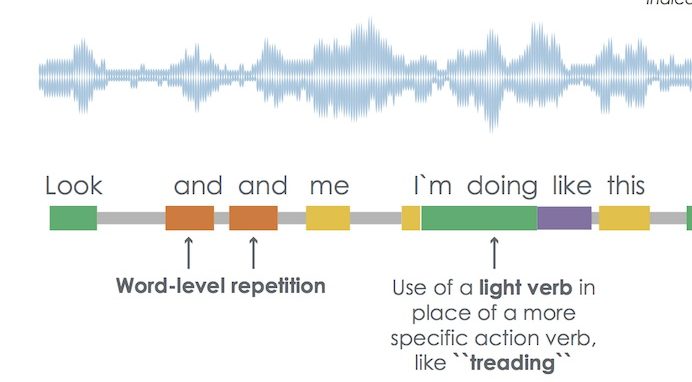
WinterLight Labs is developing speech analyzing algorithms to detect and monitor dementia and aphasia.  A one minute speech sample is used to determine the lexical diversity, syntactic complexity, semantic content, and articulation associated with these conditions.

Clinicians currently conduct similar tests by interviewing patients and writing their impressions on paper.

The company believes that their automated system could inform clinical trials, medical care, and speech training.

If the platform could be used with mobile phones, the potential for widespread early detection is obvious.  Unfortunately, detection, even early detection, does not at this point translate into a cure.  ApplySci looks forward to the day when advanced neurodegenerative disease monitoring will be used to track progress toward healthy brain functioning.


Join ApplySci at Wearable Tech + Digital Health + NeuroTech Boston on September 19, 2017 at the MIT Media Lab – featuring  Joi Ito – Ed Boyden – Roz Picard – George Church – Nathan Intrator –  Tom Insel – John Rogers – Jamshid Ghajar – Riccardo Sabatini – Phillip Alvelda – Michael Weintraub – Nancy Brown – Steve Kraus – Bill Geary – Mary Lou Jepsen


ANNOUNCING WEARABLE TECH + DIGITAL HEALTH + NEUROTECH SILICON VALLEY – FEBRUARY 26 -27, 2018 @ STANFORD UNIVERSITY –  FEATURING:  ZHENAN BAO – JUSTIN SANCHEZ – BRYAN JOHNSON – NATHAN INTRATOR – VINOD KHOSLA

Categories
Brain

Robotic, in-vivo neuron recording

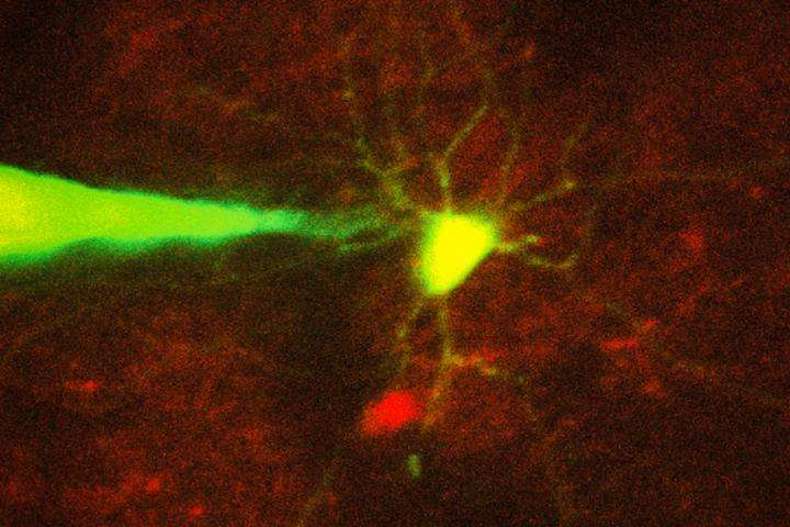
Ed Boyden and MIT colleagues have developed a robotic system capable of monitoring specific neurons.

An algorithm based on multiple image processing methods analyzes microscope images and guides a robotic arm to within 25 microns of a target cell. The system then relies on both imagery and impedance, which more accurately detects contact between the pipette and the target cell than either signal alone. Two-photon microscopy sends infrared light into the brain, lighting up cells that have been engineered to express a fluorescent protein. This enables the targeting of and recording from interneurons and excitatory neurons. With an approximate 20 per cent success rate, the robotic system performs similarly to scientists who perform the process manually.

Studying how single neurons  interact with other cells for cognition, sensory perception, and other brain functions could tell us how neural circuits are affected by disorders such as autism, Alzheimer’s and schizophrenia.

See autopatcher.org for additional details.

Professor Boyden will discuss his research at Wearable Tech + Digital Health + Neurotech Boston, on September 19th at the MIT Media Lab.


Join ApplySci at Wearable Tech + Digital Health + NeuroTech Boston on September 19, 2017 at the MIT Media Lab – featuring  Joi Ito – Ed Boyden – Roz Picard – George Church – Nathan Intrator –  Tom Insel – John Rogers – Jamshid Ghajar – Phillip Alvelda – Michael Weintraub – Nancy Brown – Steve Kraus – Bill Geary – Mary Lou Jepsen

Registration rates increase Friday, September 1st.


ANNOUNCING WEARABLE TECH + DIGITAL HEALTH + NEUROTECH SILICON VALLEY – FEBRUARY 26 -27, 2018 @ STANFORD UNIVERSITY –  FEATURING:  ZHENAN BAO – JUSTIN SANCHEZ – BRYAN JOHNSON – NATHAN INTRATOR – VINOD KHOSLA

Categories
Brain

Google incorporates depression screening in search

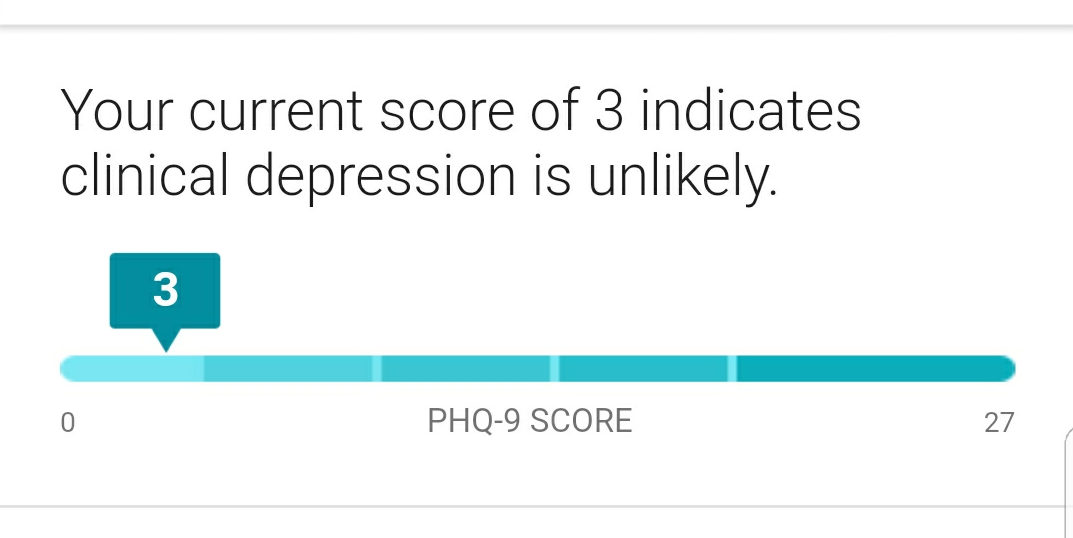
Google has introduced a new depression screening feature.  When the word “depression” is used in search, mobile users are offered a PHQ-9 questionnaire, which recognizes symptoms. A “Knowledge Panel” containing information and potential treatments appears on top of the page.

The goal is self awareness, and encouragement to seek help when needed.

Another company dedicated to improving brain health through mobile technology is Mindstrong Health.  The startup is developing clinically validated, phone-based mental illness screening, monitoring and treatment methods.  Co-founder Tom Insel will discuss their work at ApplySci’s upcoming Wearable Tech + Digital Health + Neurotech conference, on September 19th at the MIT Media Lab.


Join ApplySci at Wearable Tech + Digital Health + NeuroTech Boston on September 19, 2017 at the MIT Media Lab – featuring  Joi Ito – Ed Boyden – Roz Picard – George Church – Nathan Intrator –  Tom Insel – John Rogers – Jamshid Ghajar – Phillip Alvelda – Michael Weintraub – Nancy Brown – Steve Kraus – Bill Geary – Mary Lou Jepsen

Registration rates increase Friday, August 25th.


ANNOUNCING WEARABLE TECH + DIGITAL HEALTH + NEUROTECH SILICON VALLEY – FEBRUARY 26 -27, 2018 @ STANFORD UNIVERSITY –  FEATURING:  ZHENAN BAO – JUSTIN SANCHEZ – BRYAN JOHNSON – NATHAN INTRATOR – VINOD KHOSLA

Categories
Brain

Retina scan + curcumin for early Alzheimer’s detection

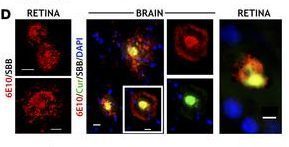
In a recent study, Maya Koronyo-Hamaoui and Keith Black at Cedars-Sinai  used a retina scan to detect amyloid-beta deposits, a predictor of Alzheimer’s disease, up to 20 years before symptoms.

16 Alzheimer’s patients drank a curcumin solution, which caused amyloid plaque in the retina to “light up” and be detected. Another key finding was the discovery of amyloid plaques in peripheral regions of the retina, which correlated with plaque amount in specific areas of the brain.

Keith Black presented this research at ApplySci’s April, 2016 Wearable Tech + Digital Health + Neurotech conference in San Francisco.  His dedication to finding non-invasive, more humane tests and treatments for brain diseases was apparent throughout his talk.  May his vision of  early detection, leading to early medical and lifestyle changes to impact the course of the disease, be widely adopted.


Join ApplySci at Wearable Tech + Digital Health + NeuroTech Boston on September 19, 2017 at the MIT Media Lab – featuring  Joi Ito – Ed Boyden – Roz Picard – George Church – Nathan Intrator –  Tom Insel – John Rogers – Jamshid Ghajar – Phillip Alvelda – Michael Weintraub – Nancy Brown – Steve Kraus – Bill Geary – Mary Lou Jepsen

Registration rates increase Friday, August 25th.


ANNOUNCING WEARABLE TECH + DIGITAL HEALTH + NEUROTECH SILICON VALLEY – FEBRUARY 26 -27, 2018 @ STANFORD UNIVERSITY

Categories
Brain Machine Learning

Machine learning for early Alzheimer’s diagnosis

Anant Madabhushi and Case Western colleagues have used machine learning to diagnose Alzheimer’s disease via imaging data in a small study.  The goal is early intervention, which could potentially extend independence.

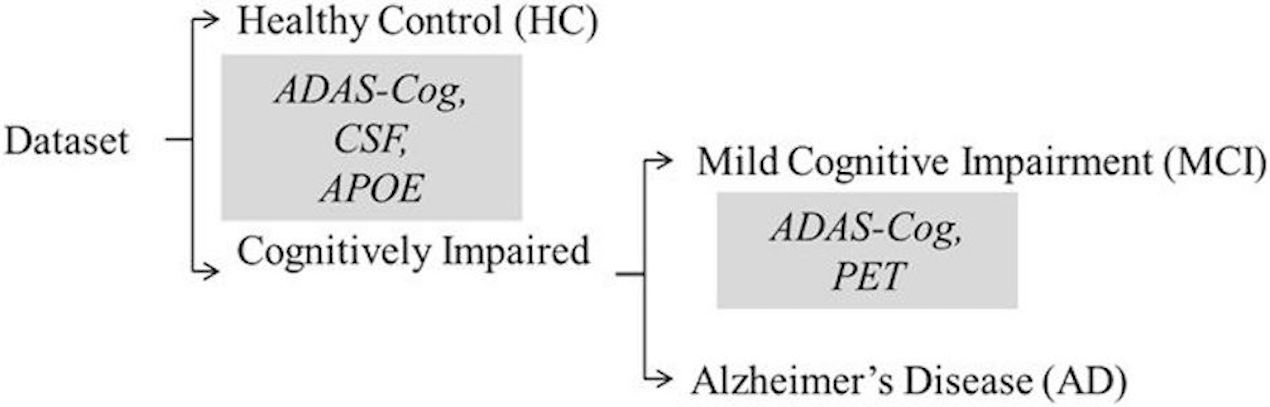
149 patients were analyzed using a Cascaded Multi-view Canonical Correlation (CaMCCo) algorithm, which integrates MRI scans, features of the hippocampus, glucose metabolism rates in the brain, proteomics, genomics, and MCI.

Parameters that distinguish between healthy and unhealthy subjects were selected first. The algorithm then selected, from the unhealthy variables, those that best distinguish who has mild cognitive impairment and who has Alzheimer’s disease.

This is an admirable attempt to diagnose a disease which currently has no cure.  ApplySci hopes that we will soon be able to combine early detection with a truly effective treatment.  Millions around the world are waiting.


Join ApplySci at Wearable Tech + Digital Health + NeuroTech Boston on September 19, 2017 at the MIT Media Lab – featuring  Joi Ito – Ed Boyden – Roz Picard – George Church – Nathan Intrator –  Tom Insel – John Rogers – Jamshid Ghajar – Phillip Alvelda – Michael Weintraub – Nancy Brown – Steve Kraus – Bill Geary – Mary Lou Jepsen

Registration rates increase Friday, August 18th.


ANNOUNCING WEARABLE TECH + DIGITAL HEALTH + NEUROTECH SILICON VALLEY – FEBRUARY 26 -27, 2018 @ STANFORD UNIVERSITY