
Categories
Autism Brain Wearables

Glass apps help autistic kids communicate

Brain Power‘s Google Glass apps and hardware help autistic kids develop social and communication skills, and provide feedback to parents.

The device’s accelerometer tracks children’s head gestures when they look or don’t look at parents, as well as repetitive movements.  “Social engagement module monitors” assess the child’s engagement, specifically if they are looking at a parent’s face and eyes.  Software helps the wearer interpret expressions through games and exercises.  The goal is to help them understand facial emotions  when they aren’t wearing Glass.

To develop language skills, objects are identified through machine vision, and their names are displayed and spoken through the speaker or earbud.  Children will eventually receive personalized language and conversation coaching.  Software will also use the accelerometer to predict over-excitement and provide calming suggestions.
 

Categories
Apps fitness Wearables

Gamified fitness with Atari classics

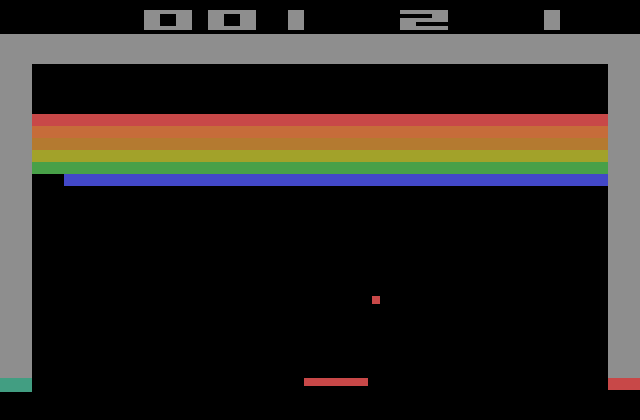
Atari is entering the digital health space, using classic games like Pong, Breakout & Centipede to incentivize users to participate in fitness challenges.  The gamified app is called Atari Fit and includes circuit workouts and running programs. Users exercise individually or with friends while earning points to unlock Atari games.  The app includes ranked leaderboards where skills are compared and shared socially.  Walgreens‘ digital health platform  will provide rewards for participating in challenges that log steps taken.

Atari Fit will be compatible with  popular wearables including Fitbit and RunKeeper.  It will also aggregate data from other platforms to allow users to comprehensively track activity.

Categories
Apps Brain Sensors Wearables

Light tracking wearable to prevent seasonal depression

As the shortest day of the year approaches, we all risk the impact of a lack of sun on our personal wellness.

Bright light exposure has myriad mental health benefits, including improved mood, and enhanced digestion, energy and sleep.   Studies show that light therapy is as effective as antidepressant medication, with additional benefits and no side effects.  SunSprite is a wearable that empowers users to prevent seasonal depression (and other light-associated problems) by quantifying their own exposure to daily bright light.  Light affects hormone levels, key to many aspects of health, which ApplySci believes will be one of the key measurables in the next generation of wearables.

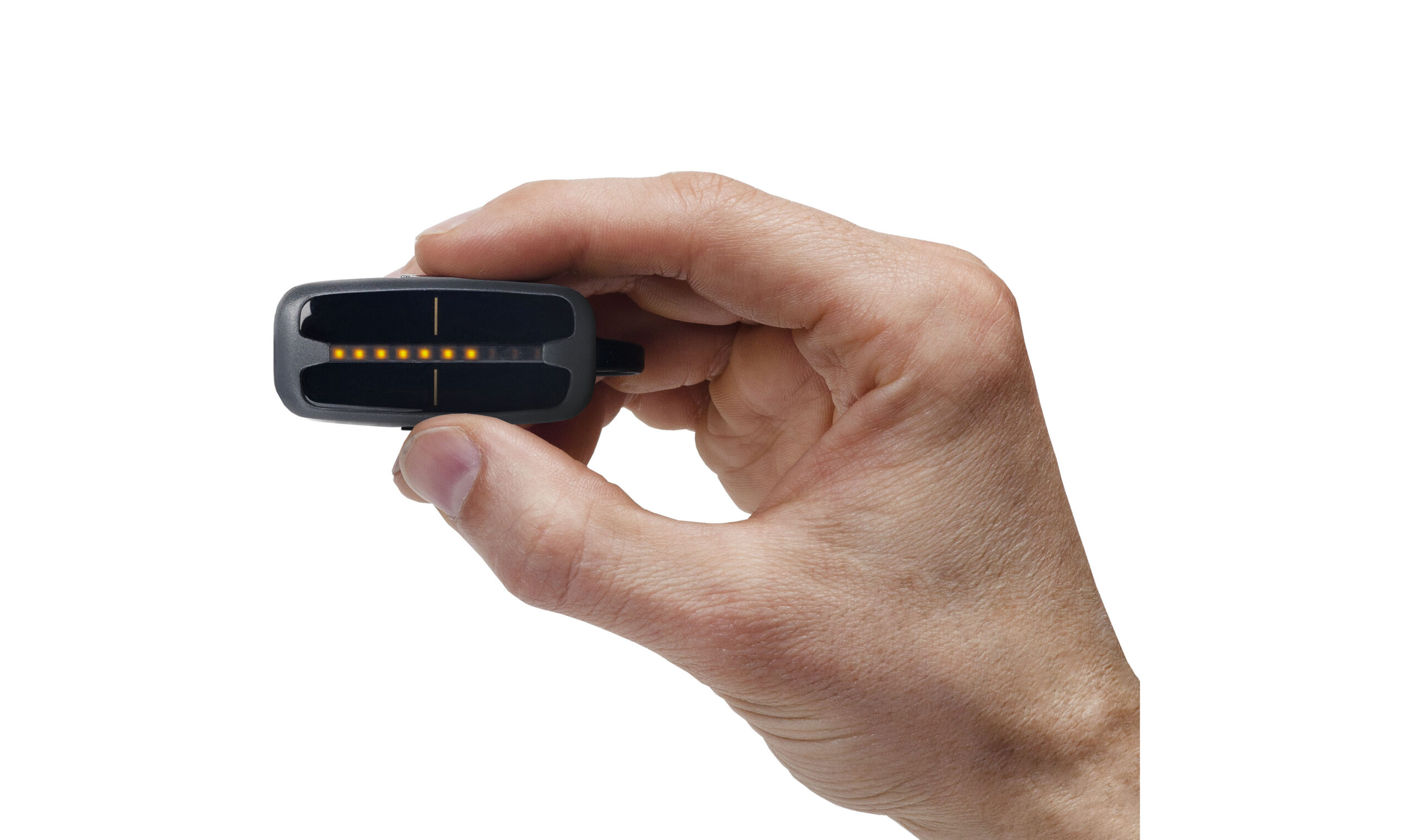
Bright light is absorbed through the eyes, travels through receptor cells on the retina, and then onto the brain, which controls hormonal cycles.  It is not absorbed through the skin, as is commonly thought.  SunSprite is solar powered and has dual sensors that measure visible and UV light.  It contains 10 LED lights, each representing 10% of a person’s daily goal.  A button is pushed to view progress and sync with a mobile phone via Bluetooth.  Users receive instant sun exposure feedback via the device’s display, and deeper analysis from the mobile app.  Personalized coaching is offered,  goals are set, and trends are tracked.

The company  is run by Ed Likovich and a team of Harvard scientists.  The device is compatible with iPhone, will soon be compatible with Android, and can also provide light feedback with out the mobile app.

Categories
fitness Sensors Wearables

Flexible, wearable, disposable pulse oximeter

Conventional pulse oximeters use LEDs to send red and infrared light through one’s fingertip or earlobe. Bright, oxygen-rich blood absorbs more infrared light, and darker, oxygen-poor blood absorbs more red light. The ratio of the two wavelengths, determined by sensors, reveals how much oxygen is in the blood.

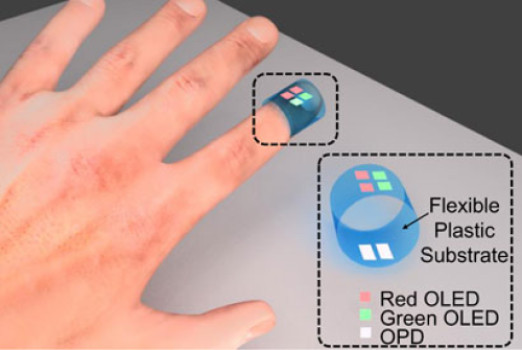
Berkeley professor Ana Clauda Arias has built pulse oximeter functions into flexible carbon-based materials, instead of rigid chips fabricated with silicon. She used red and green light, which yield comparable differences to red and infrared when distinguishing high and low levels of oxygen in the blood.  Arias compares the “organic electronics” to band-aids,  as they are disposable, cheap and flexible. Her study was published in Nature Communications this week.

The organic LEDs were printed on flexible plastic,with a spin coating that uses centrifugal force to deposit a solution with the material in a thin, uniform film. An organic photodiode converted the light received through the tissue into a current, enabling it to be configured into flexible forms.

Minimal, flexible pulse oximetry can be incorporated into the next generation of fitness wearables, enhancing performance metrics.

Categories
fitness Sensors Wearables

Smart sports equipment provides real-time feedback

Sports equipment with embedded sensors enable virtual coaching by analyzing performance and providing real-time feedback and training programs.  A few examples follow:

  • The Babolat Play Pure Drive tennis raquet calculates power, impact location, and type and number of strokes with a Piezo sensor in its handle. The sensor measures frame vibration and a microprocessor with an accelerometer and gyroscope rest on top of it.  Algorithms keep track of the strokes, racket motion is analyzed and vibration feedback indicates where on the string bed contact is made.  Real-time analysis is sent to users.
  • The 94Fifty basketball measures spin and acceleration and provides immediate feedback on each shot and dribble.  Apps help users improve shooting arc, dribble intensity and speed, shot release speed, and shot backspin.  The company’s SmartNet tracks shot accuracy when used with its ball.
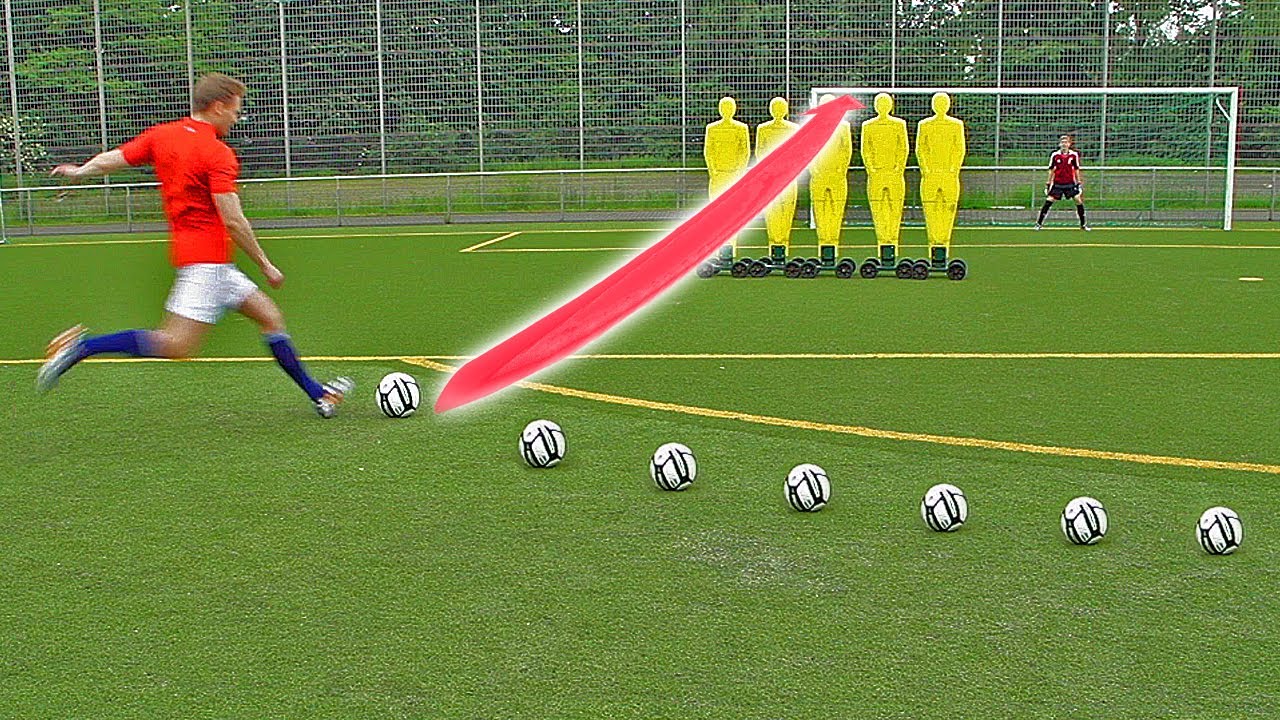
  • The Adidas mi Coach Smart Ball tracks speed, spin, strike and trajectory for soccer players. Pros provide tips on techniques for power, bend and knuckle ball kicks.
  • Gamegolf is a wearable device and swing tracker tag that records clubs used, distance covered and swing trajectory.
  • The Quattriuum FWD Powershot 2 is a hockey stick sensor that analyzes power, speed, flexibility and angle while shooting.
Categories
Brain Heart Sensors Wearables

Electrode/patch system monitors physical & mental health of soldiers

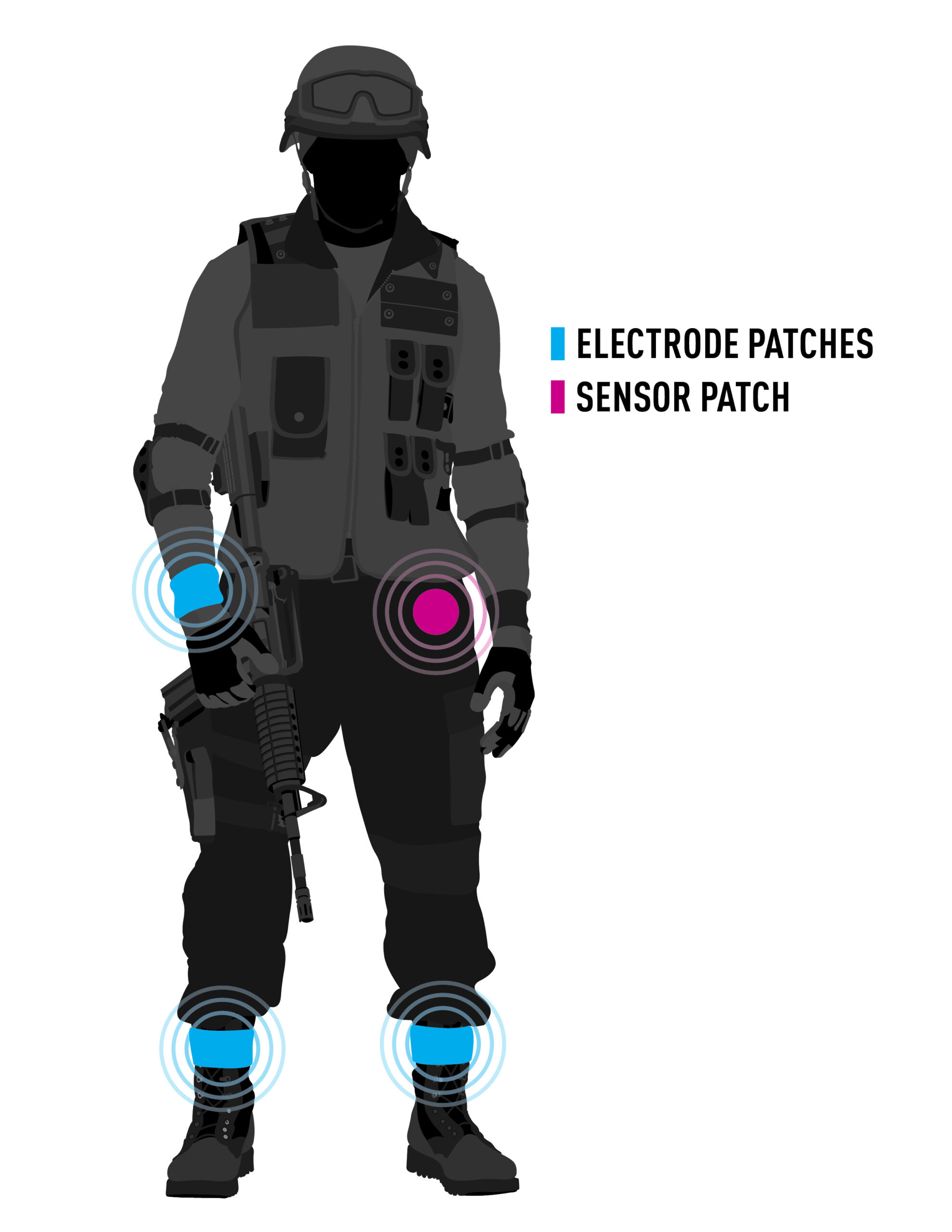
University at Buffalo professor Albert H. Titus, Sentient Science, and ONR are developing technology to monitor physical and psychological stress levels of soldiers, and send alerts when distress is detected.

The wireless system includes electrodes that measure heart rate, brain activity and other vital signs, and are attached to the skin adhesively or sewn into clothing.  The electrodes relay information to a sensor patch worn on the skin.  The patch sends the data to a computer, where algorithms consider terrain, weather, environmental information, and the soldier’s activity level. Health alerts are sent to soldiers and emergency medical facilities in the field.

Categories
Brain Cancer Wearables

Wearable creates electric fields on scalp to treat brain tumors

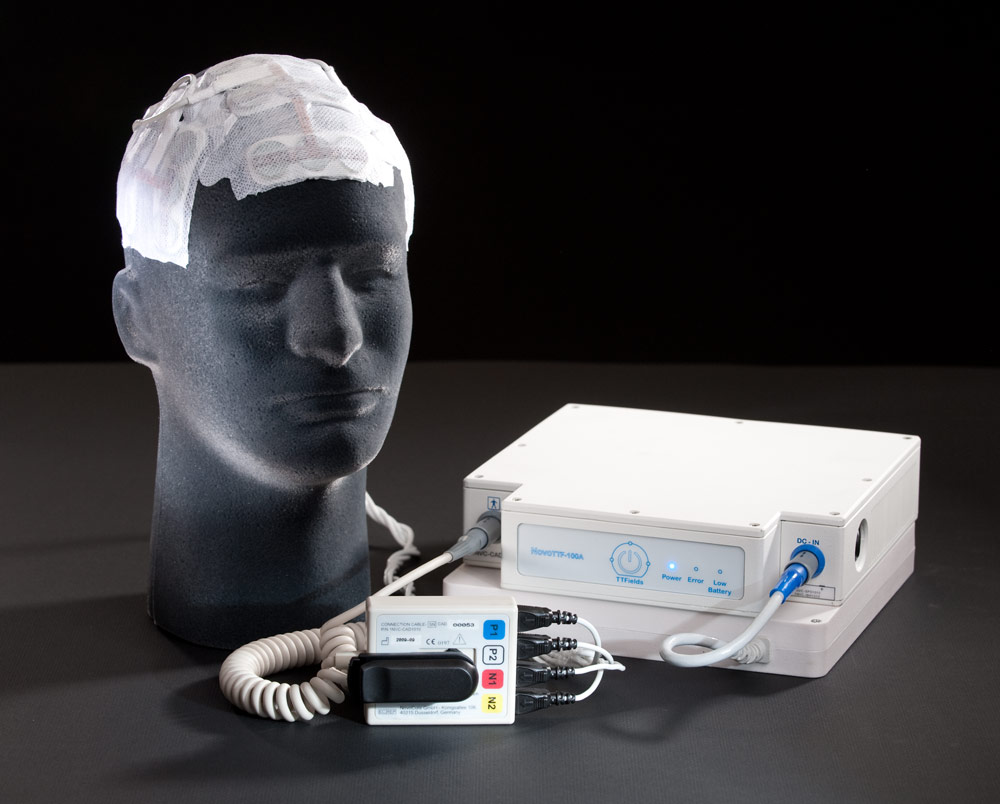
Novocure, founded by Technion professor Yoram Palti, has developed a device worn on the head that creates alternating electric fields to treat brain tumors.   The company announced that in a phase III clinical trial, its technology, in combination with standard chemotherapy, extended the lives of patients.  Novocure claims that it “slows and reverses tumor growth by inhibiting mitosis, the process by which cells divide and replicate” and that  it “creates a low intensity, alternating electric field within a tumor that exerts physical forces on electrically charged cellular components, preventing the normal mitotic process and causing cancer cell death.”

Survival improved from 16.6 months to 19.6 months in the study, and the percentage of patients surviving two years increased from 29% to 43%.

Categories
Epilepsy Sensors Wearables

Skin conductance based wearable detects seizures

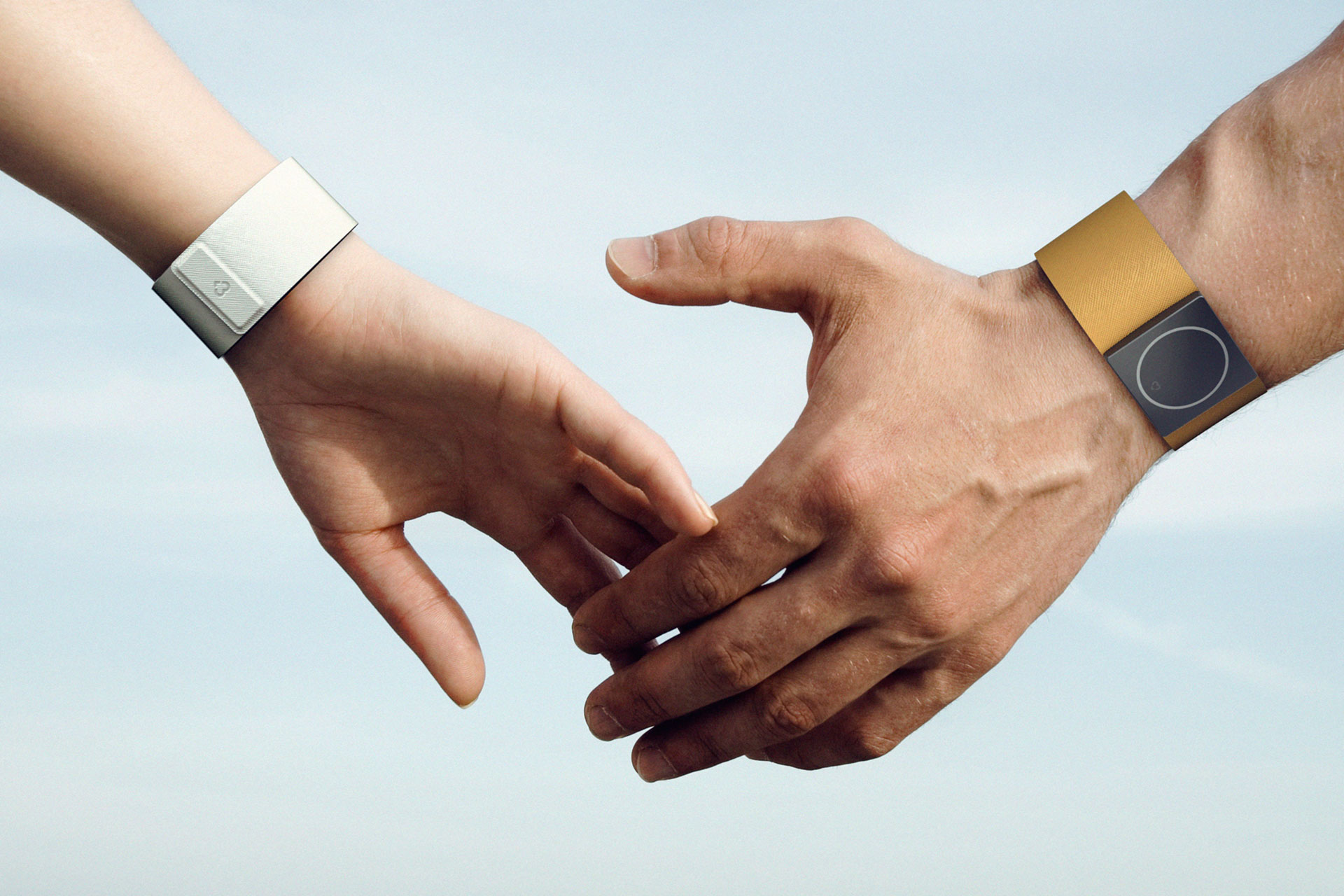
Embrace by Empatica is a sleek, crowdfunded wearable that detects epileptic seizures.  It also tracks movement, sleep, and stress.  The technology is based on Rosalind Picard‘s 2008 study showing that seizures produce high levels of skin conductance.

Other seizure logging wearables focus on accelerometer tracked motion.  Empatica believes that Embrace more accurately measures seizures by combining accelerometer and gyroscope data with skin conductance measurements.  Electrodes on the inside of Embrace pass a tiny current through one’s skin to measure sweat gland stimulation.

The band vibrates if the algorithm detects a seizure, enabling the user to indicate a false alarm. If the user doesn’t respond, Embrace connect with his or her smartphone to alert designated contacts.

Categories
Seniors Sensors Wearables

Another smartwatch for seniors

Device makers continue to address the phenomenon of seniors living longer, and independently aging in place.

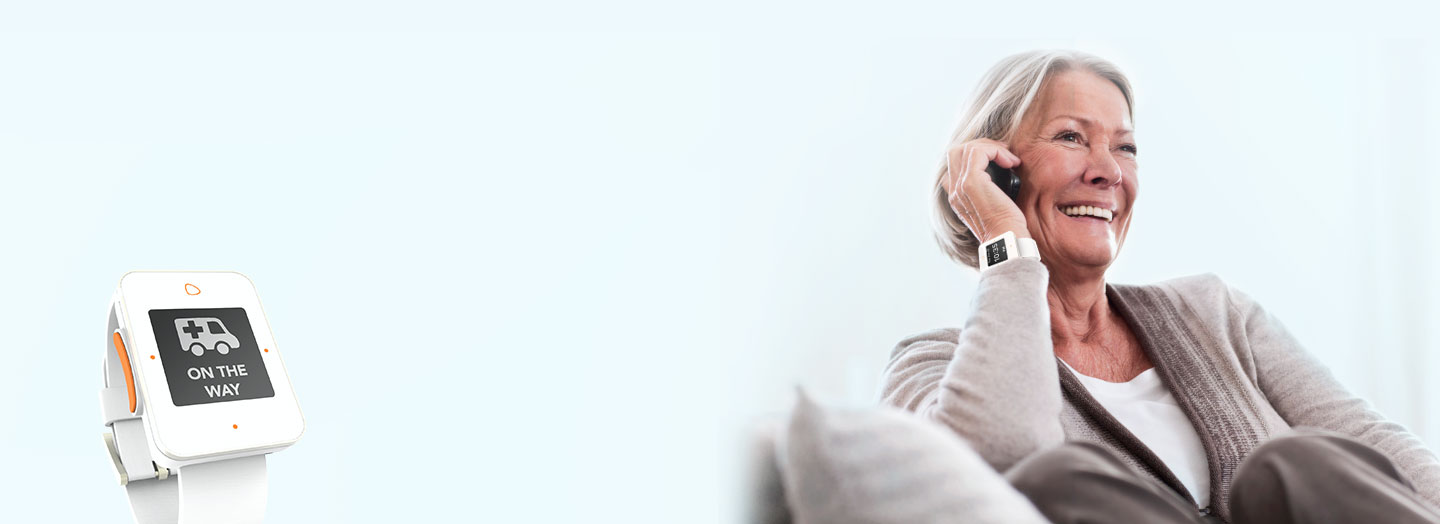
Lively, who last year crowdfunded a  senior monitoring sensor system that  operates independently of a Wi-Fi network, has released a smartwatch.  It relies on the Lively Hub, with its own cellular network.

The watch gives medicine reminders, or alerts when medicine has been missed.  It has an emergency button contacts a dispatcher and alerts family members.  Fitness tracking features, such as steps taken, are included, and can be viewed by the wearer or family. The wearable is waterproof and can be worn in the shower.

Categories
Sensors Wearables

Pressure ulcer prevention sensor

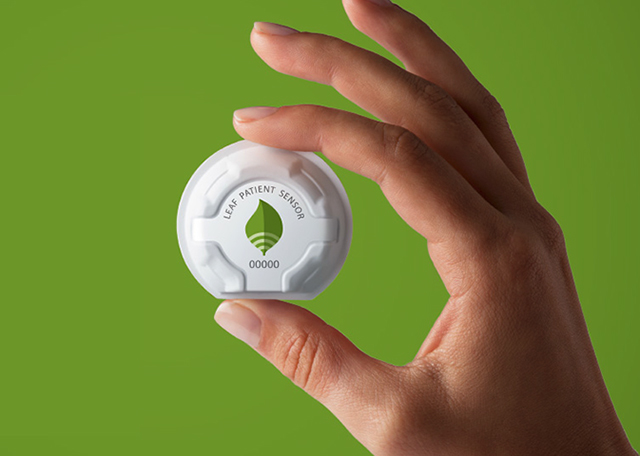
Pressure ulcers are a sad reality in hospitals, causing pain, infections, and worse.  Hospitals struggle to determine when a patient must be moved for prevention.  The Leaf patient sensor automates and prioritizes turning schedules for large groups of patients. Its tri-axial accelerometer monitors patient position, alerts when assisted turns are necessary and confirms that adequate turns are being performed. The system also ensures that sufficient tissue depressurization occurs between turns.

Data for monitored patients is securely stored in an SQL database for documentation and reporting. Statistics can be viewed, with permissions, for individual patients, or by department, floor, hospital, or hospital system.
Categories
Sensors Wearables

Samsung moves from fitness tracking to health monitoring

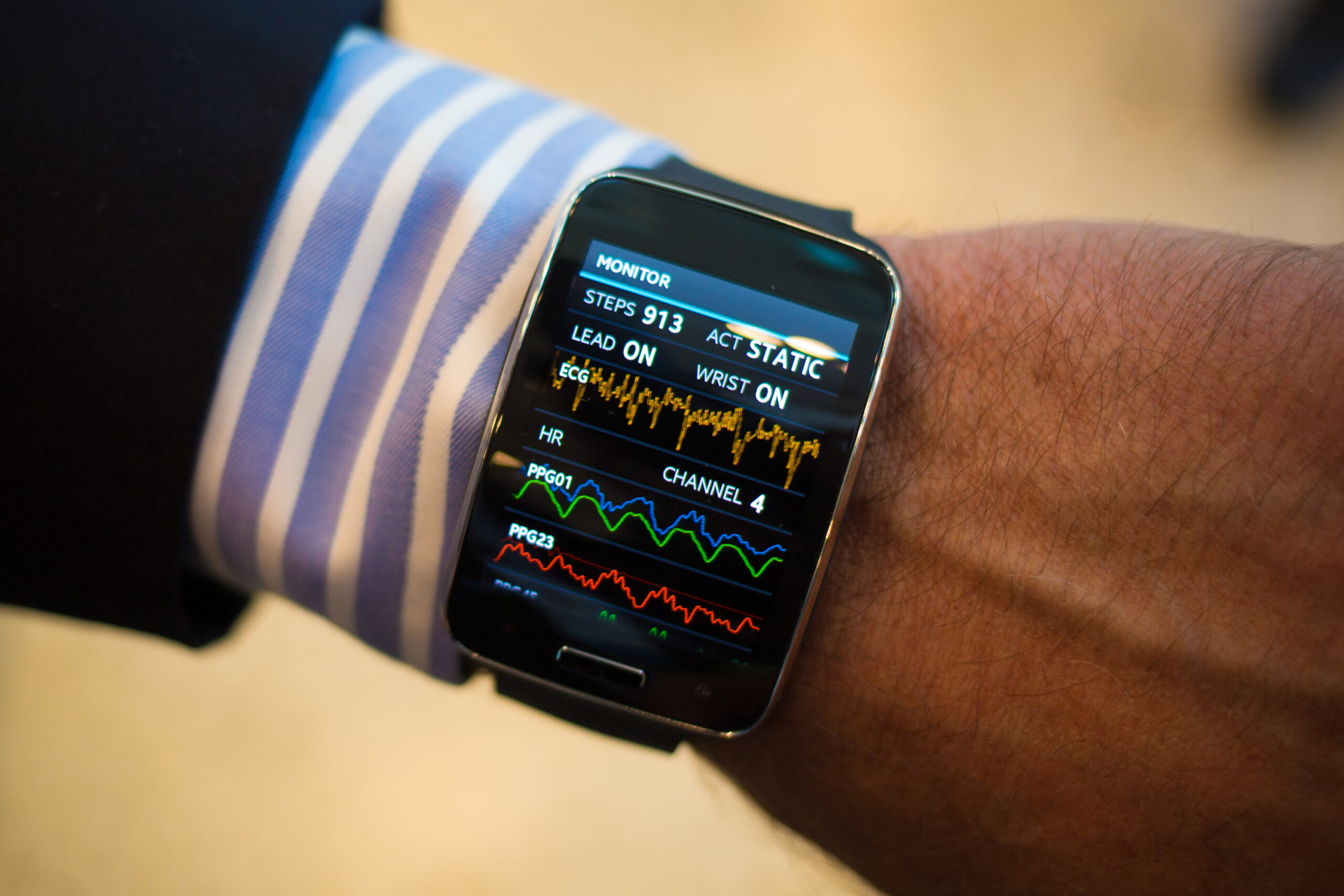
Samsung’s Simband represents the company’s shift from fitness tracking to health monitoring, allowing medical startups and researchers to develop sensor applications.

Simband is equipped with six sensors: electrocardiogram, photoplethysmogram, galvanic skin response, accelerometer, and thermometer.  Developers can also add proprietary sensors.

The wearable’s three main functions are called “trends,” “monitor,” and “spot check.” Trends displays one’s data over time, monitor is a real-time, all sensor tracking mode, and spot check quickly checks heart rate and blood pressure.


Categories
Eyes Wearables

Bluetooth headset guides the visually impaired

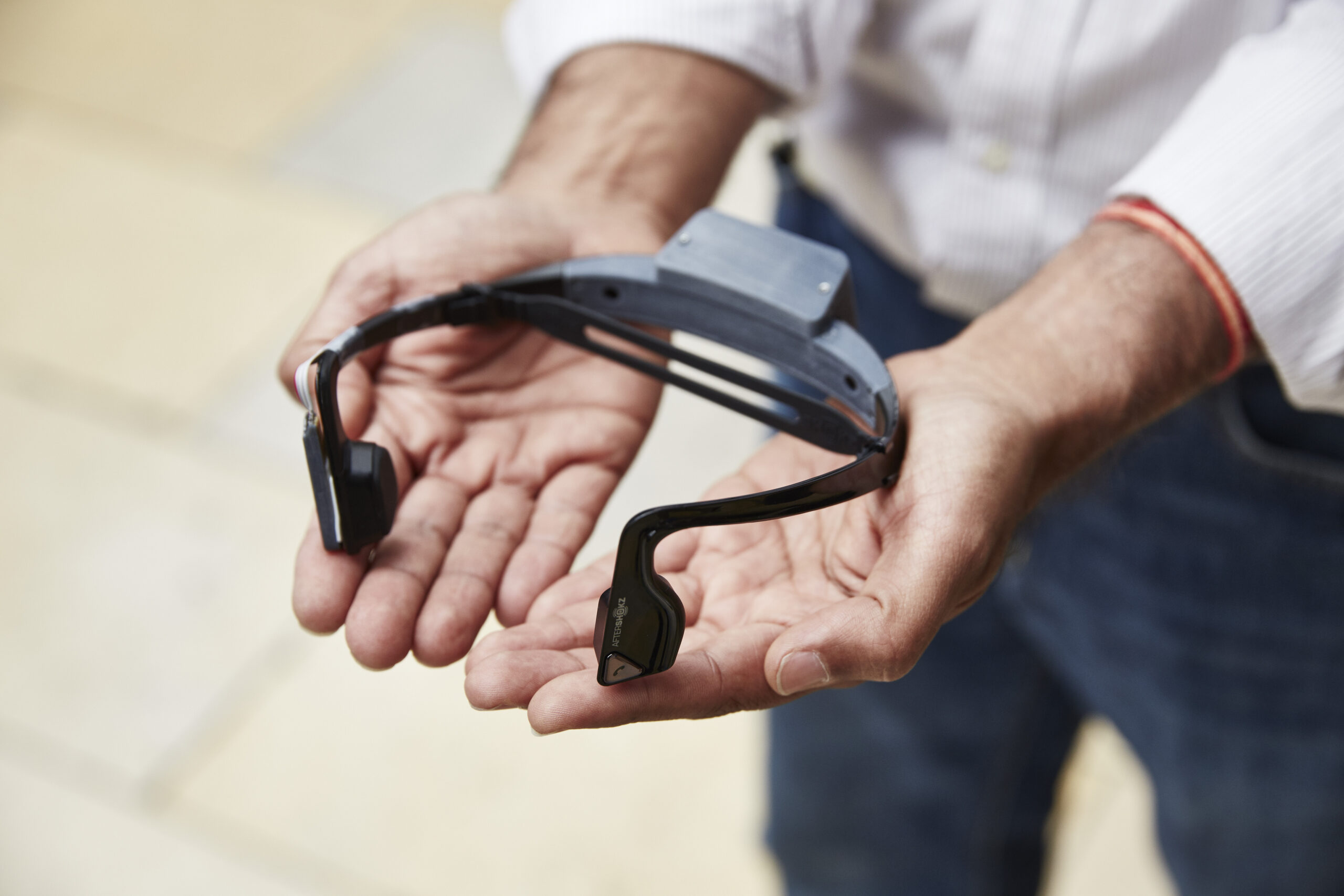
Microsoft is collaborating with Guide Dogs for the Blind and AfterShokz on Cities Unlocked, a prototype headset, smartphone and navigation system for the visually impaired.

The technology helps a user find his/her way, describes potential hazards, such as low-hanging trees, and highlights attractions, including restaurants, on the route.

The headset uses bone-conducting audio that does not cover the ears, ensuring that the wearer hears traffic noises and can have a conversation. It rests in front of the ear and it uses Bluetooth signals to transmit cues into a series of clicks, beeps, and voice notifications.