Categories
Seniors Wearables

Smartwatch keeps seniors independent

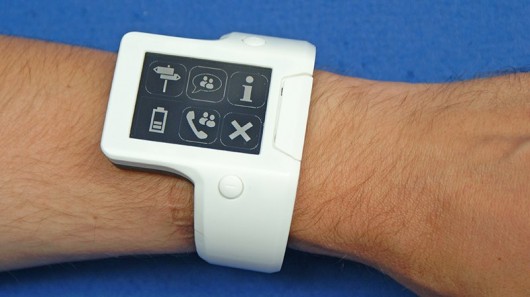
The Fraunhofer Institute will release a smartwatch designed specifically for seniors.  It is programmed according to one’s needs and accessible to caregivers via a web portal.  The device assists wearers with their daily routine, but does not monitor health issues.

The system reminds users to take medication with a vibration on one’s arm or a speech system. It assists them in navigating trips to and from the doctor, and can interact with the Fraunhofer system that controls heating, light or window blinds.

The wearable has a very large interface, with few basic symbols, for simple operation. It can directly contact caregivers and  offers Wi-Fi and phone connectivity to contact emergency services.
Categories
fitness Heart Sleep Wearables

UP3 – fitness tracker or medical monitor?

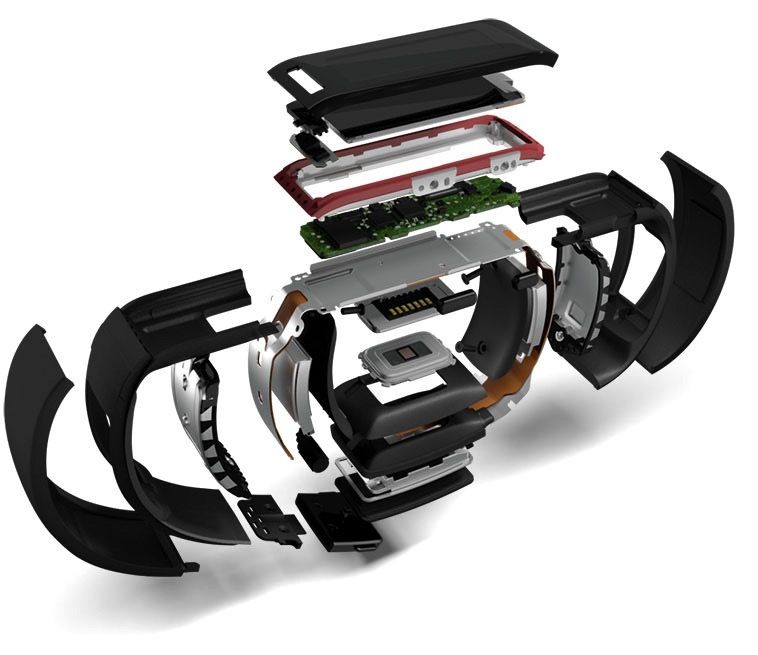
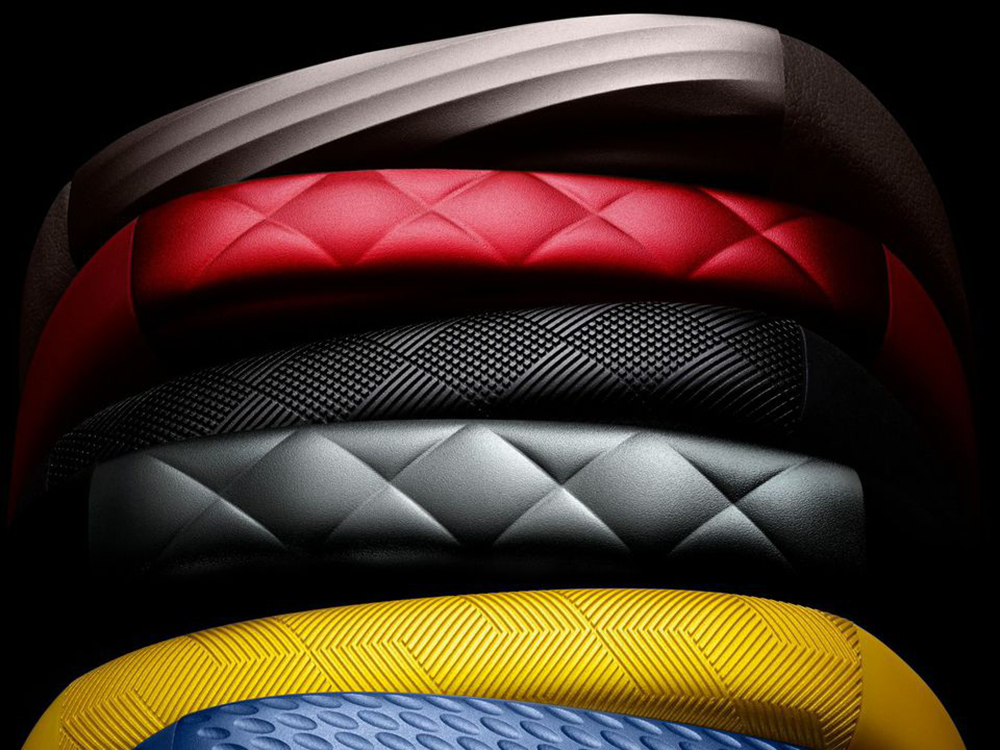
 As fitness tracker features become increasingly similar to those of medical devices, Jawbone will release a powerful, fashionable, sensor based wristband.  The UP3 will  be stylish, with its Chanel-like quilt pattern and slim form.  It will also include multiple temperature and motion sensors,  and four electrodes that send electrical signals into wrist tissue. Using bioimpedance analysis, the device measures the resistance of body tissue to electric current, enabling  several physiological signals, including heart rate, to be captured.

The band will measure steps taken, calories burned, and resting heart rate, as others do.  Sleep will be monitored with a level of precision that differentiates between deep and REM sleep.  Future features might include hydration, respiration, stress and fatigue sensing.

Accompanying software will pool data into a program called Smart Coach,  which will, for the first time, offer workout and diet tips based on one’s daily activity and sleep analysis.

Categories
Sleep Wearables

Hotels offer wearable sleep monitors

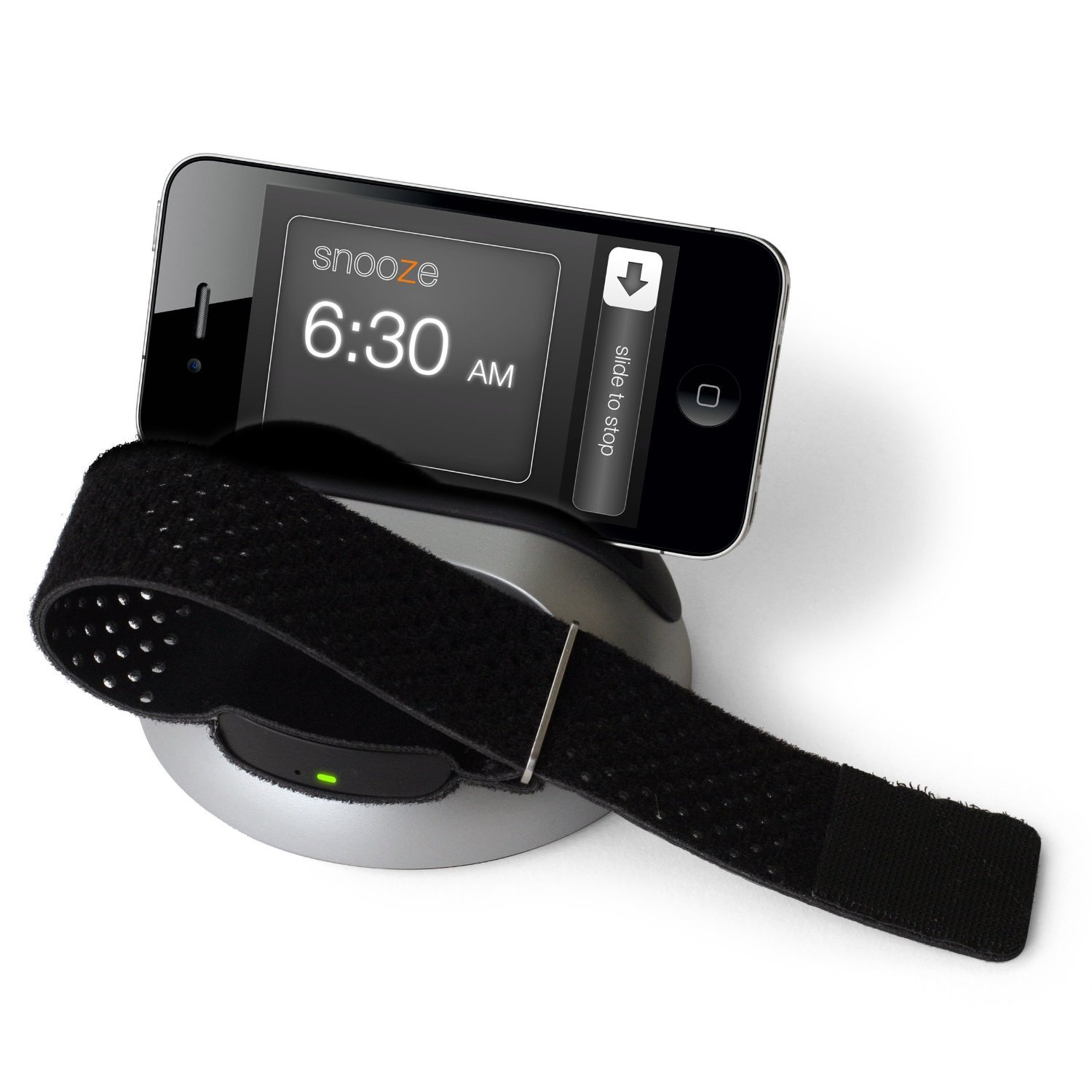
As the Internet of Things mainstreams, Westin has partnered with Lark Technologies to offer sleep sensors to monitor and improve sleep quality.  Guests receive a Lark Up Sleep Monitor, a Silent Alarm Clock and a Personal Sleep Coach during their stay, in an attempt to achieve optimal sleep through pattern tracking and virtual coaching.

Categories
fitness Wearables

Microsoft aims to “unify & democratize” health data

Microsoft Band tracks heart rate, steps, calorie burn, and sleep quality.   The company’s ambitious goal, according to Yusuf Mehdi, is “to unify all that (collected health) data and democratize it, and then add some real value on top.”

The cross-platform cloud service, by Microsoft’s Health Group, stores and accesses all the data a device or phone collects. Health apps are being built for iOS, Android, and Windows Phone.  The platform manages data on the back end for existing and new apps.  Health will work with Android Wear watches, Android phones, and the iPhone 6’s motion processor, automatically collecting data.  Microsoft has  also been working with Jawbone, MapMyFitness, My Fitness Pal, and Runkeeper to import data, and plans to add many more partners.

Categories
Cancer Heart Sensors Wearables

Nanoparticle sensor to detect illness early

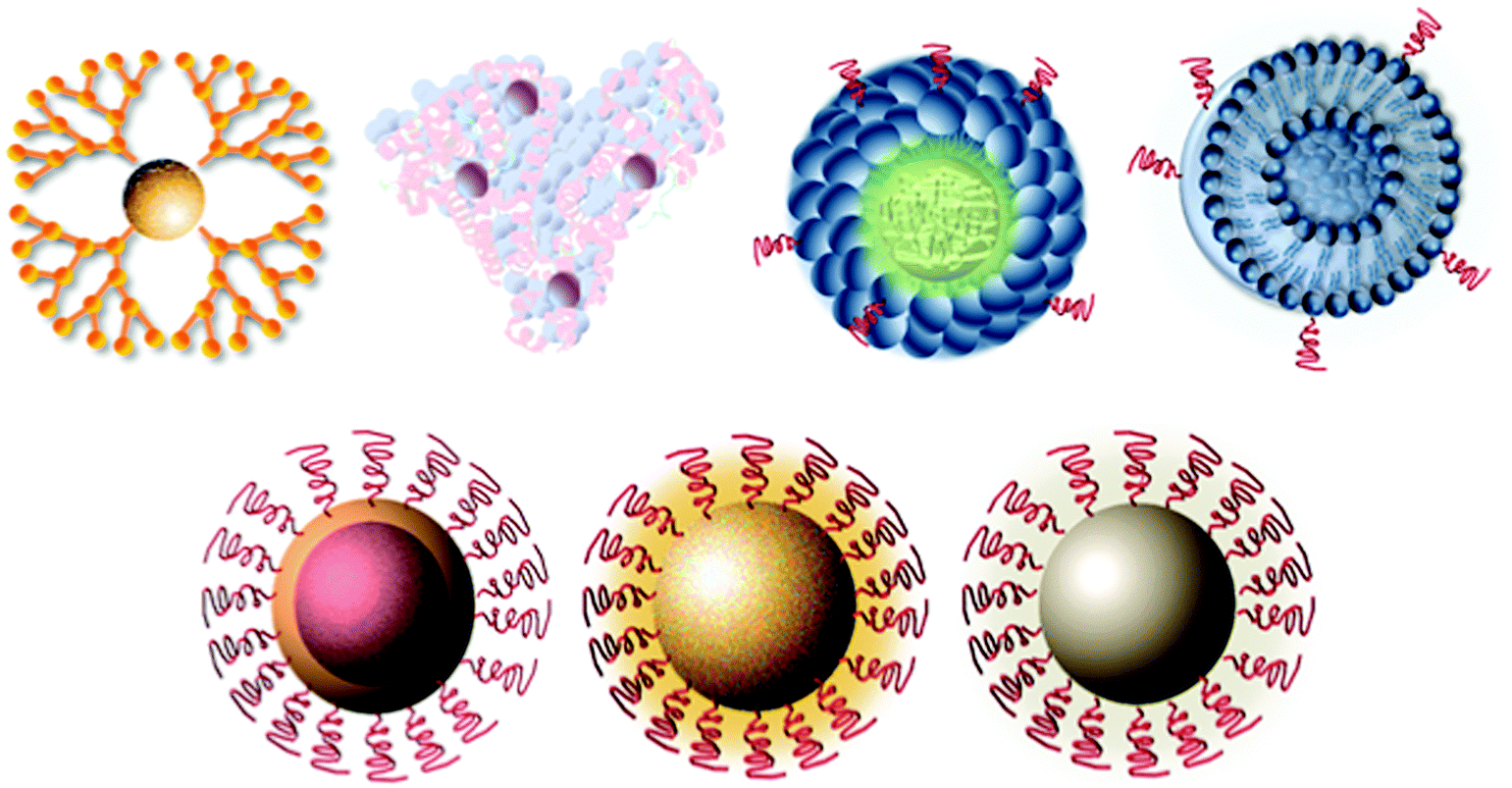
Andrew Conrad, head of Google Lifesciences, has confirmed that the company is working on nanoparticle technology that would be swallowed, and used in combination with an external device to continuously monitor the blood to detect cancer, heart disease, and other health issues.  It is known as the “Nanoparticle Platform.”

While the technology is in an early development stage, Conrad said that Google  “has been able to “functionalize” the nano particles, using them to find a few cancer cells among a million normal ones.”  He continued:  “We’ve probably done hundreds of thousands of experiments exploring the parameters of nanoparticle binding, While there is still much work to be done, he said, “we would definitely hope that it’s years, not decades, until this is deployed.”

Categories
Brain Eyes Wearables

More realistic virtual reality — Google hopes

Little is known about MagicLeap, recently backed by Google, representing an assumed commitment to the gaming space, with potential BCI applications.  Patent applications suggest that the company provides display technology that can trick the human visual system better than existing virtual reality displays.

Reports discuss an improved virtual reality user interface that lets one’s eyes focus on depth as in the real world, rather than remaining focused on the screen in front of them. The company claims to be able to create the same kind of 3-D patterns of light rays, known as “light fields,” that eyes take in from real objects. Other descriptions mention infrared sensors and eye-tracking cameras to help the device react to the external environment.

Categories
fitness Sensors Wearables

Sweat sensor patch tracks health

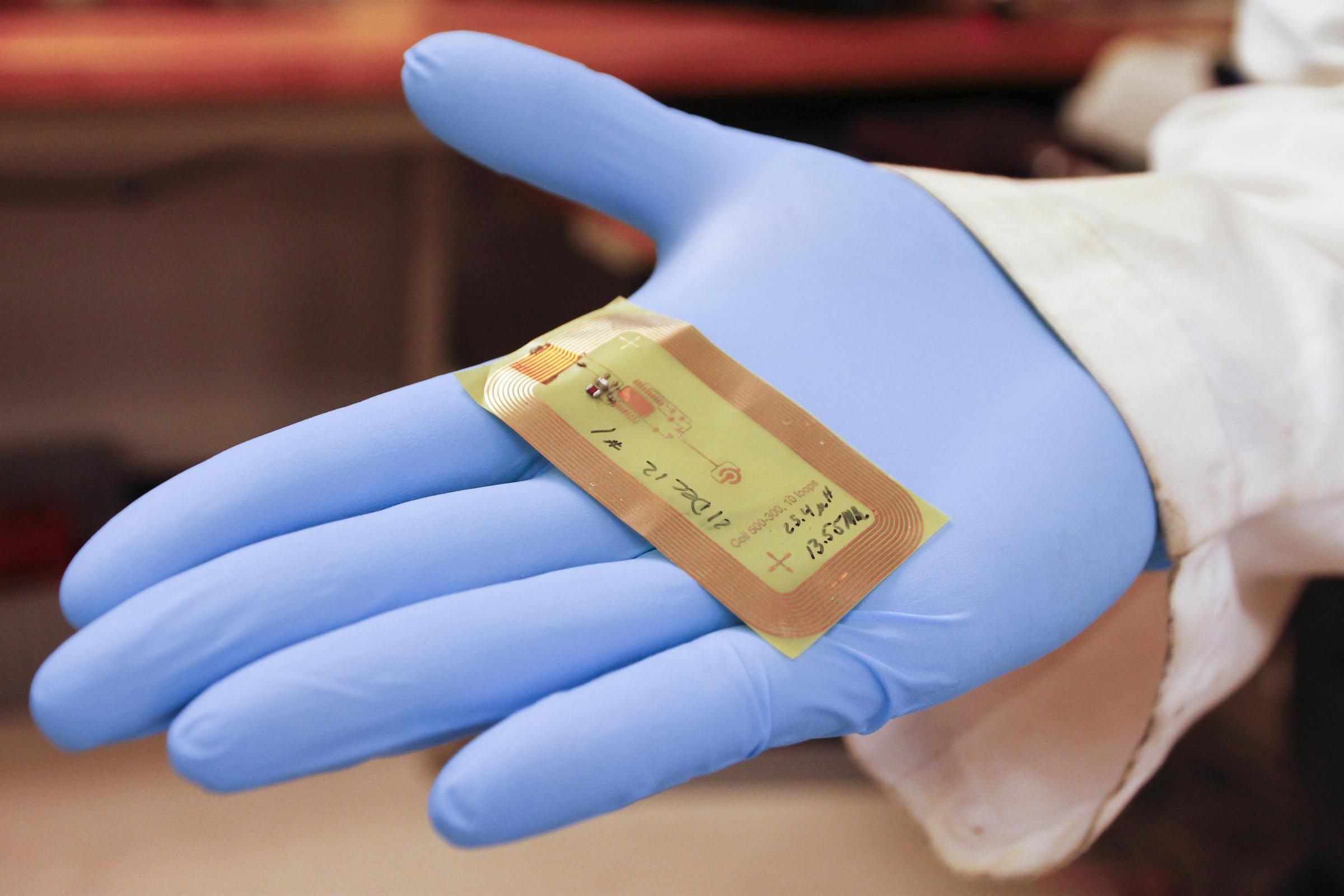
University of Cincinnati professor Jason Heikenfeld and US Air Force Research Laboratory’s Joshua Hagen are developing a perspiration sensor patch to monitor electrolytes, metabolites and other biomarkers.

The patch currently  includes a sodium sensor, a voltage meter, a communications antenna,  microfluidics, and a controller chip that’s externally powered by a smartphone. It is printed onto a flexible substrate and  coated with a sweat-porous adhesive so that it could stick to the skin. In tests, this patch performed as well as the benchtop electrolyte-sensing systems used by doctors to test for cystic fibrosis.

Digital signal processing and algorithms to analyze the raw electrical measurements of biomarkers in sweat must still be improved. But a physical-exertion sensor patch is a near reality, about to be tested on hundreds of people.

Categories
Diabetes Sensors Wearables

Prick-free continuous glucose monitor

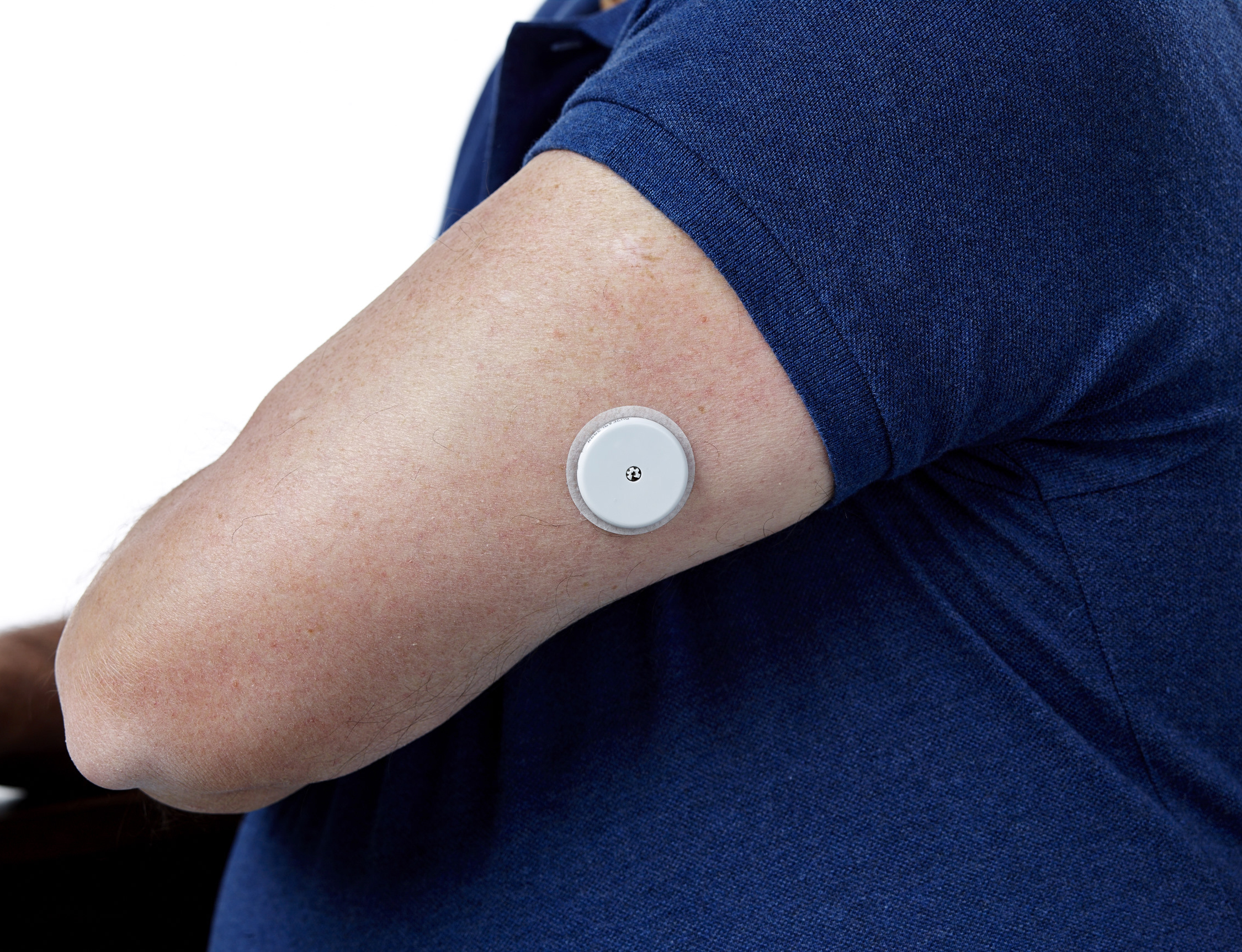
Abbott’s FreeStyle Libre Flash Glucose Monitoring System eliminates finger pricking for diabetics.  The insertion of a tube under the skin is required, therefore the procedure, while continuous and comfortable, is still invasive.

A user wears a sensor on the back of the upper arm,  and through a small tube inserted just under the skin, it measures blood sugar levels of tissue fluid.  A reader is scanned over the sensor, and results are reported in less than one second.  Real-time results, a historical trend and the direction the glucose is heading are displayed, so the user can adjust insulin intake . Disposable and water resistant, the sensor can be worn for up to two weeks

Categories
Wearables

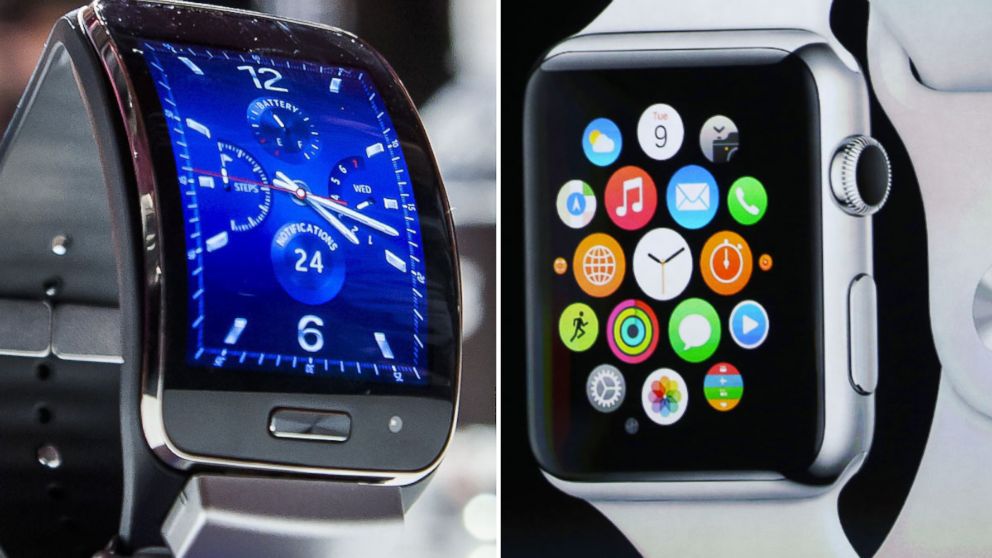
iPhone 6, Apple Watch, Note 4, Gear S — for your health

Apple and Samsung are competing for dominance in health and fitness–and the consumer wins:

  • The iPhone 6’s  motion sensor tracks distance, steps and, for the first time, elevation. It will sync with HealthKit, designed by Mayo Clinic doctors.  HealthKit  stores nutrition, fitness and other vitals for doctors or others to access, and works with existing fitness apps.
  • The Apple Watch has four sensors that measure pulse and a movement tracking accelerator.   Heart rates can be shared. It measures pace, calories burned and time spent working out in real time. Personal goals can be set and compared to achievements.  Users can track, compare, and gamify health and fitness.
  • Samsung’s Galaxy Note 4  includes an exercise tracker with built-in pedometer, and the ability to monitor food, weight, sleep patterns, and heart rate. The phone can now sense blood oxygen saturation and the strength of ultraviolet light from the sun.
  • The Samsung Gear S doesn’t require a companion mobile device, as is the case with the Apple Watch.  It offers  a pedometer, heart rate monitor and exercise trackers.
Categories
BCI Brain Heart Wearables

Brain-Computer Interface generated music

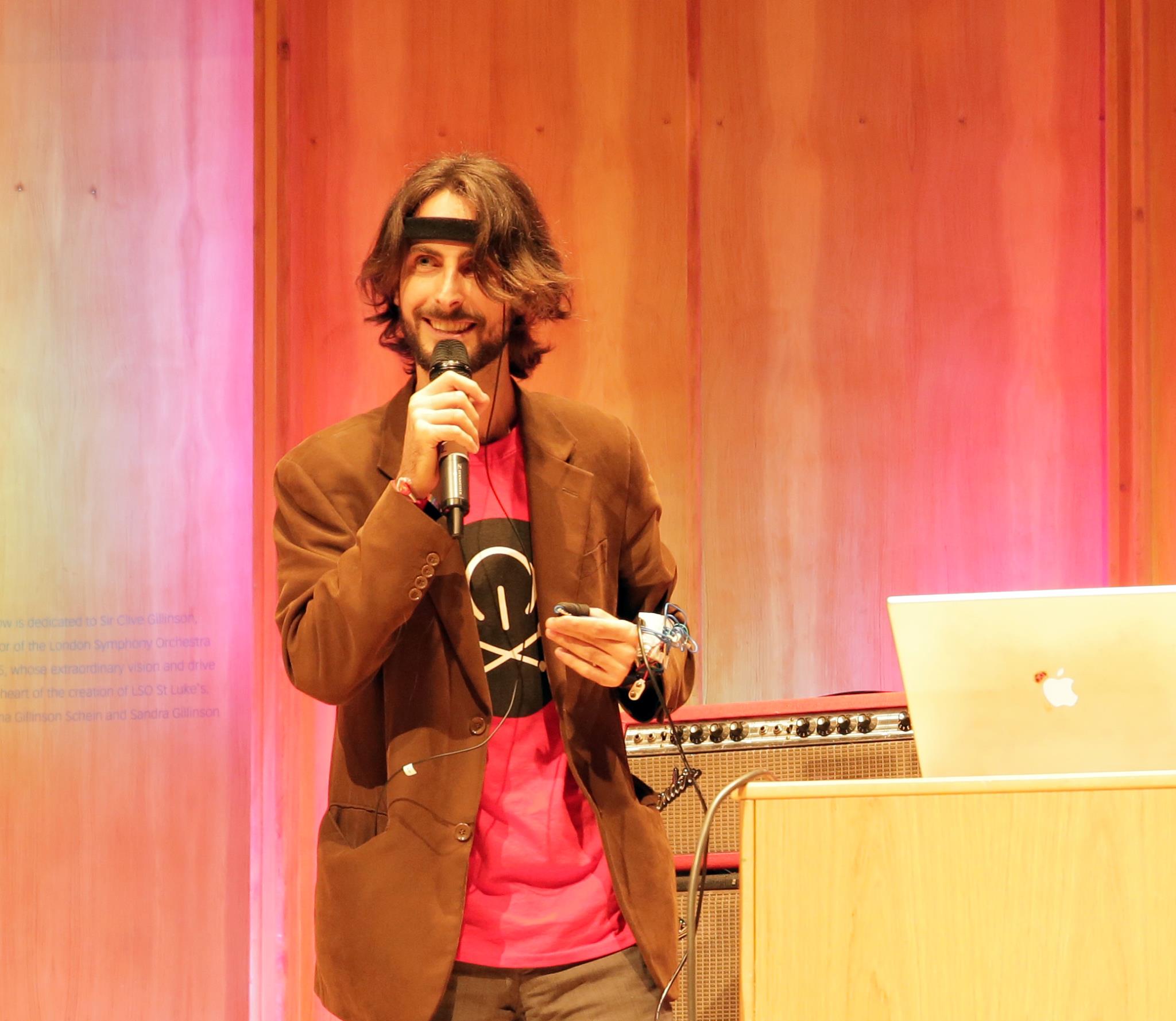
At Music Tech Fest in London, multidisciplinary artist Ma Tan won the wearables prize by generating music from his thoughts and heart.  He used a 2 electrode EEG headband developed by Tel Aviv and Brown University professor Nathan Intrator to sense his emotions, and a heart monitor to sense his cardiac activity.

Categories
Heart Wearables

Google Glass monitors heart and breathing in real time

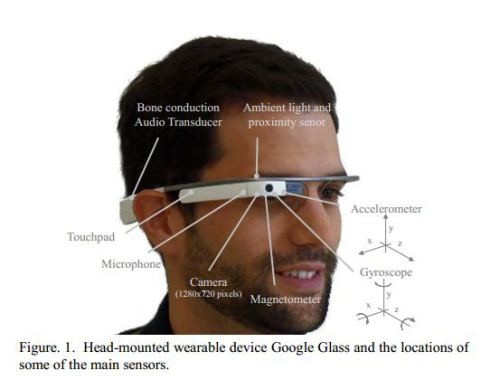
paper released this week by MIT Media Lab and Georgia Tech researchers claims that Google Glass can detect pulse and respiration rhythms in real time.  The responses were measured using a built-in gyroscope, accelerometer and camera, with no external sensors.

According to lead author Javier Hernandez, “Glass detects these physiological indicators with a very high accuracy when compared to FDA-approved sensors — both pulse and respiration had only about one beat or breath per minute of error.  The data is so much richer, because people use it in their regular lives. “

Categories
fitness Sensors Wearables

Crowdfunded kinematic wearable assesses joint health

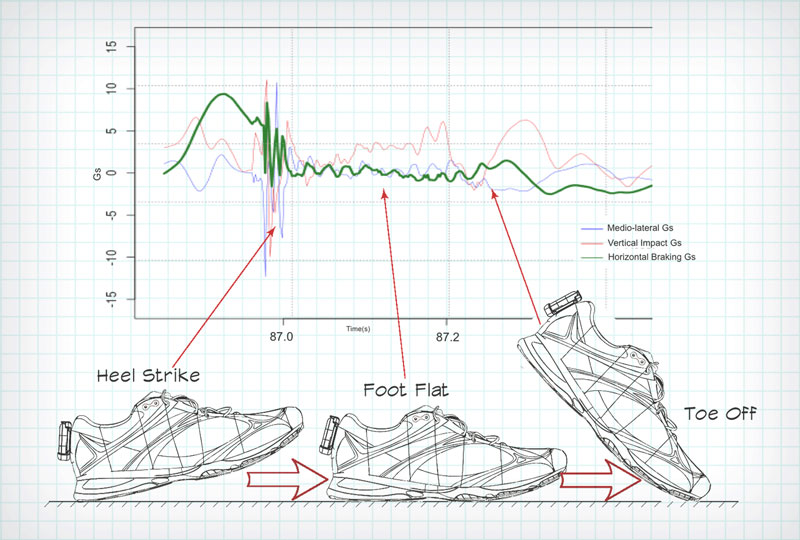
runScribe, a wearable being crowdfunded on Kickstarter, has a 9-axis kinematic sensor, capturing 3D images of a runner’s gait.  It assesses foot strike type, stride length and contact time.  Upgraded versions access 13 kinematic metrics, including degrees of pronation and accelerometer data.

The company claims that casual through ultra-runners can benefit from the device.  They are also creating a crowdsourced, global kinematic running database.

creation of the world’s first crowdsourced kinematic running database.