Categories
BCI Brain EEG Wearables

EEG enables ALS patients to control devices, communicate

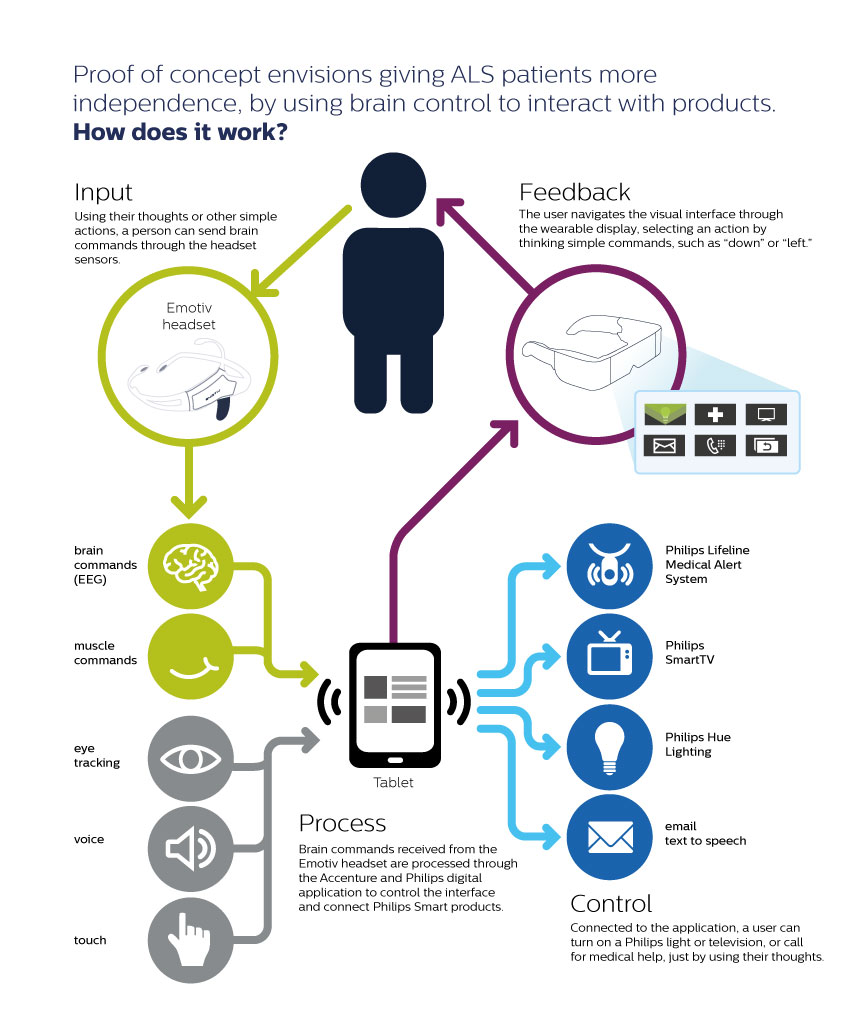
Philips and Accenture are using EEG brainwaves to help ALS patients command electronic devices via a wearable display, a tablet and software. The system can access a medical alert service, a smart TV and wireless lighting, and communicate via pre-configured messages. The wearable display provides visual feedback that allows the user to navigate the application menu.


Categories
fitness Wearables

Foot sensor for health, fitness, immersive gaming

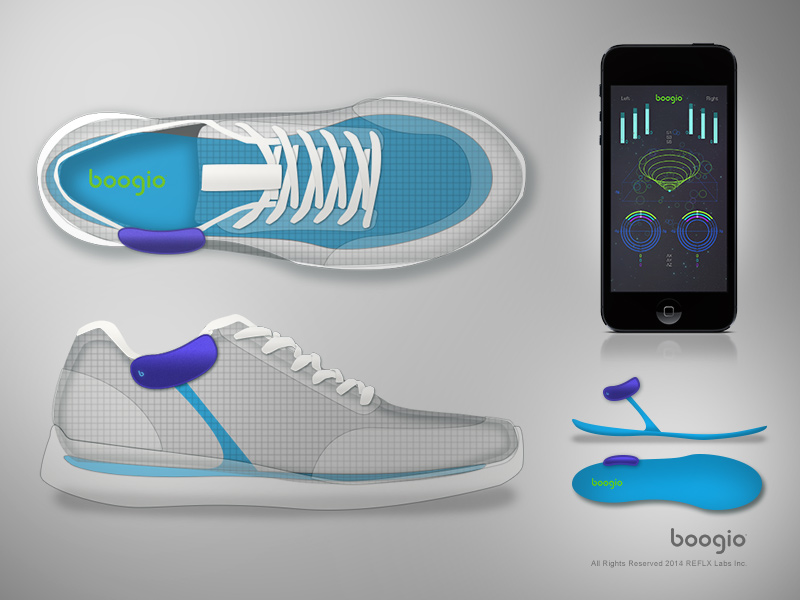
Boogio detects up to 65,000 points of pressure via  sensor layers that clip into shoes, plus and accelerometer and Bluetooth LE radio to communicate with a user’s phone.  It detects body weight, gravitational force exerted, balance, and pressure along the feet to determine if a user is leaning.  

Applications include monitoring injury recovery, the gamification of fitness, and immersive gaming.  Boogio can pair with the Oculus Rift to detect movement in 3D space and translate it into a virtual world, and also be used with Google Glass and Pebble.


Categories
Heart Sensors Wearables

50 Cent/Intel headphones combine music and health

Following Dr. Dre‘s enormously successful Beats by Dre,  celebrities are entering the wearable/headphone market,  combining audio with health/fitness monitoring features.

Intel and rapper 50 Cent, through his SMS Audio venture,  have announced a partnered to develop BioSport headphones.   Their key feature is a series of biometric sensors integrated into a custom heart rate monitor.  An optical sensor measures a user’s heart rate during exercise, relaxation and in between.  Intel claims that the sensors can remove noise signals caused by body motion and ambient light.  They will feature support for the RunKeeper app, and other app support is planned.  Basketball player Carmelo Anthony will be the product’s spokesperson.

Categories
Parkinson's Sensors Wearables

Wearable and app for Parkinson’s tracking

Intel and the Michael J. Fox Foundation have combined smartwatches with analytics software to gauge the impact of Parkinson’s medications.  (Intel press release here.)

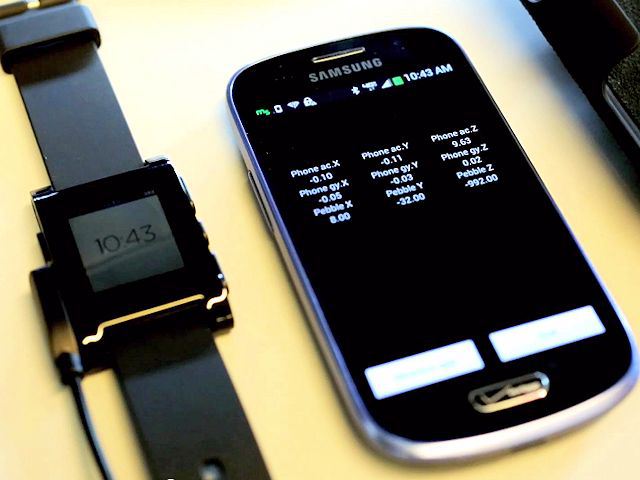
25 clinical trial participants wore (originally crowdfunded) Pebble watches to track tremors, gait, sleep patterns and other indicators for four days.  300 data points per second per patient were relayed to the cloud every day. Machine learning tools analyzed the data to understand medication and treatment effectiveness and disease progression.

Intel and the foundation will launch an app for Parkinson’s patients to report their medication intake and how they are feeling. They aim to study the effects of medication on motor symptoms, based on changes detected in patient data collected from the smartwatches.

Categories
Heart Wearables

Google Glass software provides visual feedback in surgery

A challenge in surgical training is facilitating an attending surgeon’s visual feedback to residents conducting operations. 

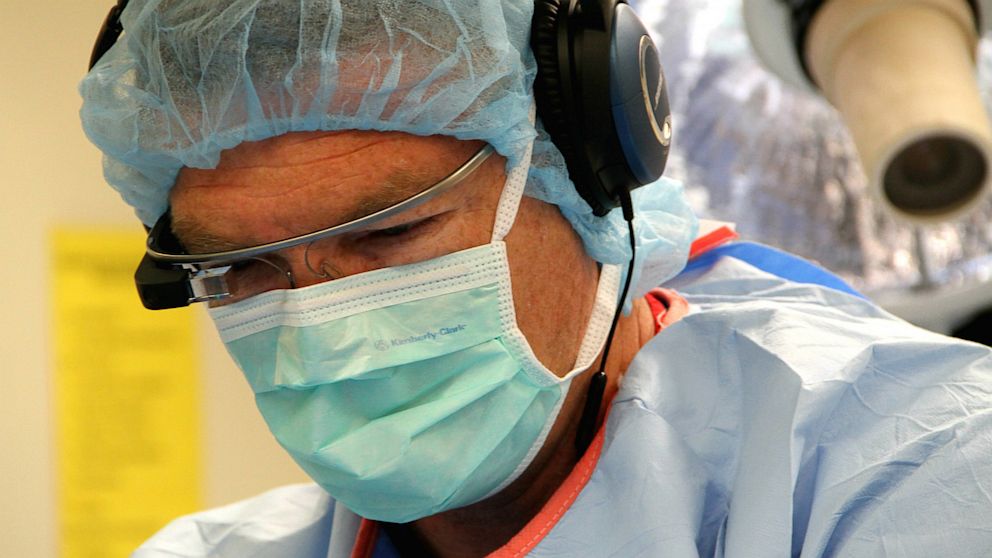
CrowdOptic‘s software lets one Google Glass wearer receive another’s point of view by looking in the other user’s direction.   It is being used in the Department of Cardiothoracic Surgery at Stanford University Medical Center to improve resident training in complex surgical procedures.

Until now, the restricted view in the operating room has made it difficult for an attending surgeon to appreciate the perspective of the exact field of view of a trainee, complicating feedback process.

Categories
Assistive Technologies Robotics Sensors Wearables

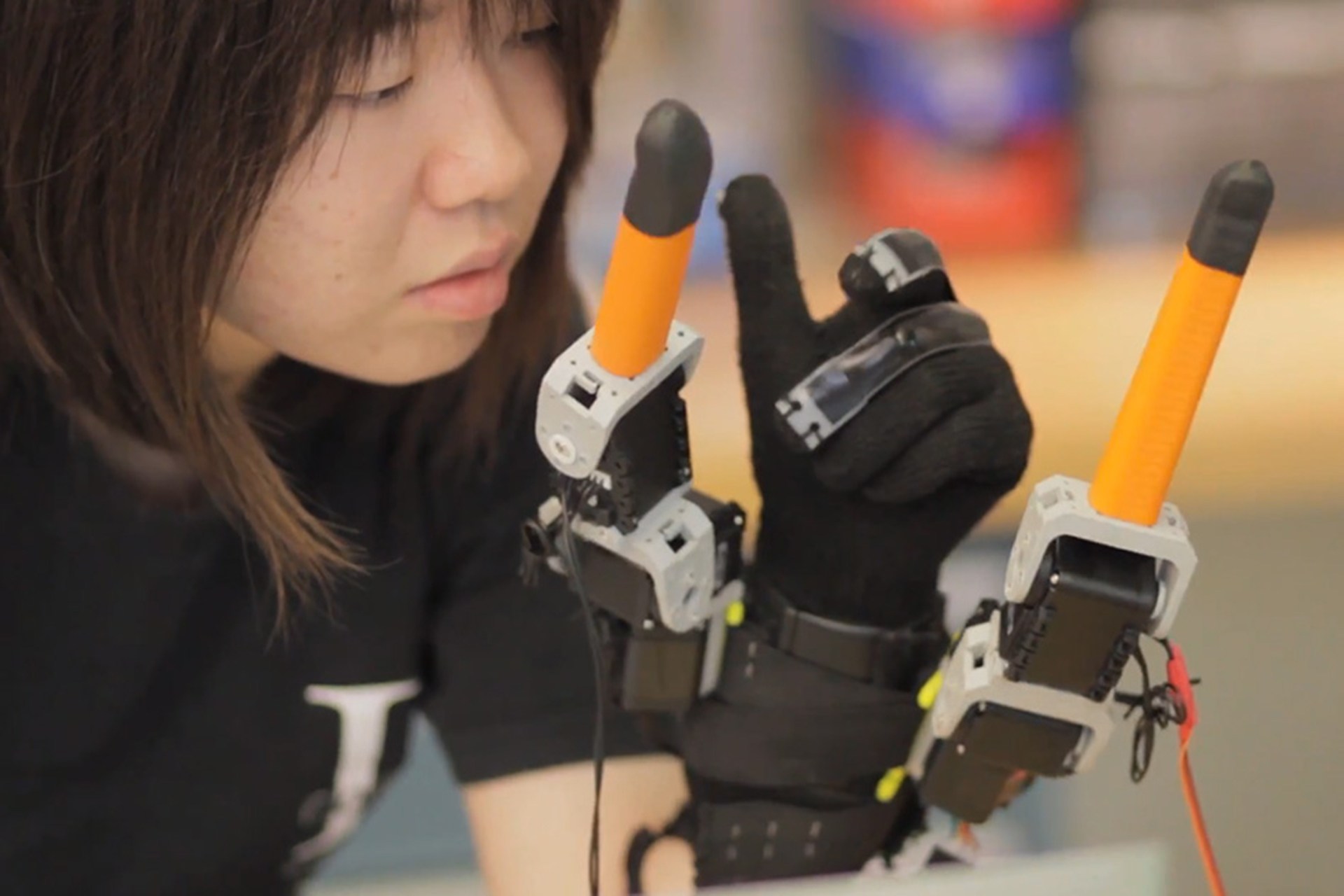
Robotic fingers enhance grip

MIT researchers, led by Professor H. Harry Asada,  have developed a robot that enhances the grasping motion of the human hand. Worn around one’s wrist, the device works like two extra fingers adjacent to the pinky and thumb. It consists of actuators linked together to exert forces as strong as those of human fingers during a grasping motion. A control algorithm enables it to move in sync with the wearer’s fingers to grasp objects of various shapes and sizes. 

According to professor Asada, “This is a prototype, but we can shrink it down to one-third its size, and make it foldable. We could make this into a watch or a bracelet where the fingers pop up, and when the job is done, they come back into the watch. Wearable robots are a way to bring the robot closer to our daily life.”

Categories
Sensors Wearables

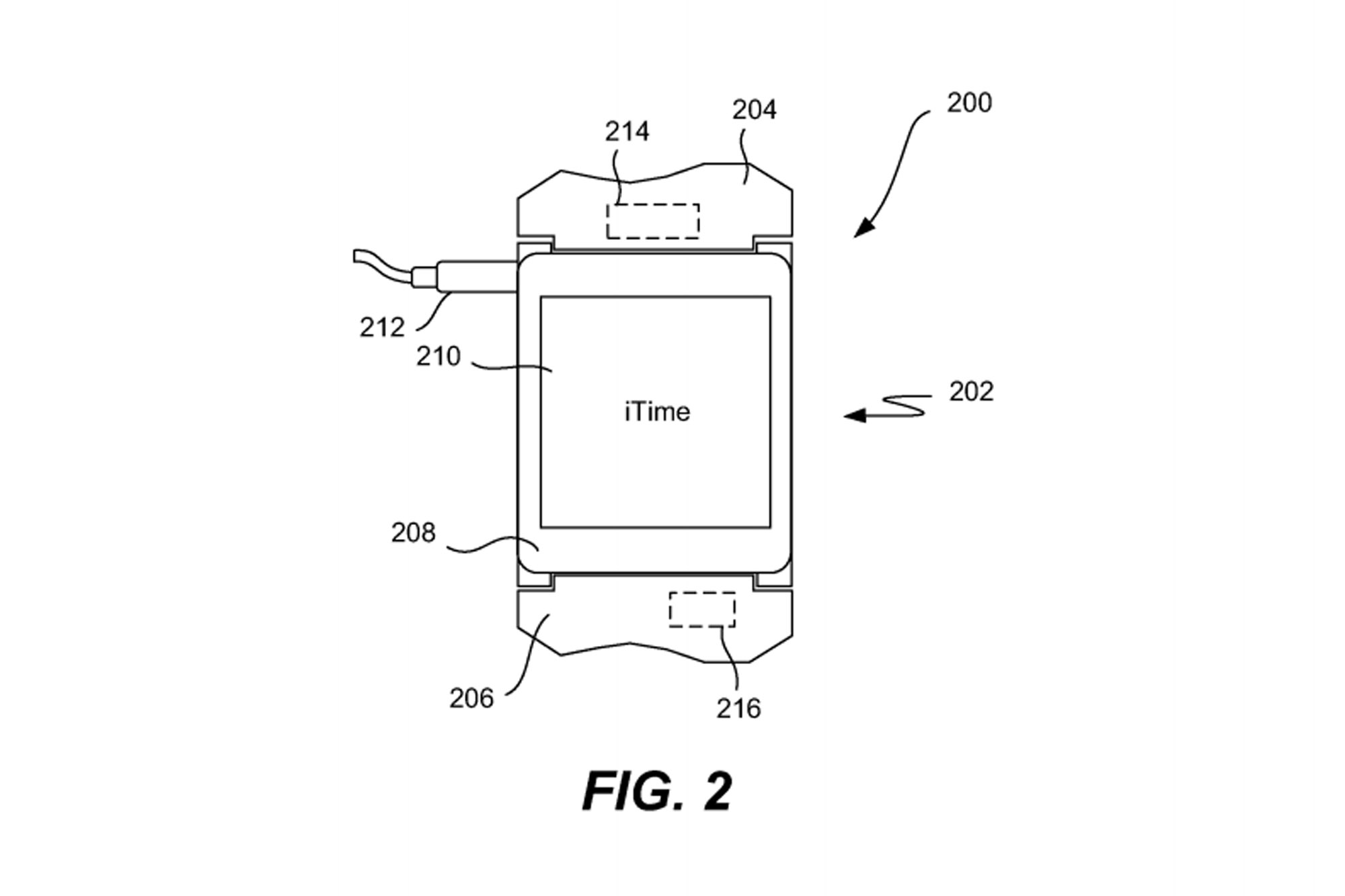
Apple granted “iTime” patent

Apple‘s U.S. Patent No. 8,787,006 for a “Wrist-worn electronic device and methods therefor” describes a wearable touchscreen device that can be docked into a wrist strap, turning it into a smartwatch.  One illustration names it “iTime”.

The device connects to an iPhone, iPad or computer to access information and receive alerts.  Its  strap could contain haptic mechanisms, various sensors, biometric components, GPS modules, NFC antennas, Bluetooth packages, and/or proximity detectors.  Arm movement gestures could be used to control the watch, eliminating the need to touch the screen.

Categories
Monitoring Sensors Wearables

Sensor / 3D printing / bandage combination for continuous monitoring

Bioscope bandages, developed at the National Taiwan University, wirelessly transmit temperature, heart rate, movement and vital sign data to doctors to monitor or remotely diagnose.

The bandage comes with an integrated thermometer, accelerometer, and sensors to measure electrical activity. A microphone can track organ sound patterns to detect disease. The area holding the modules is 3D printed for easy sensor additions or changes.

Categories
Eyes Sensors Wearables

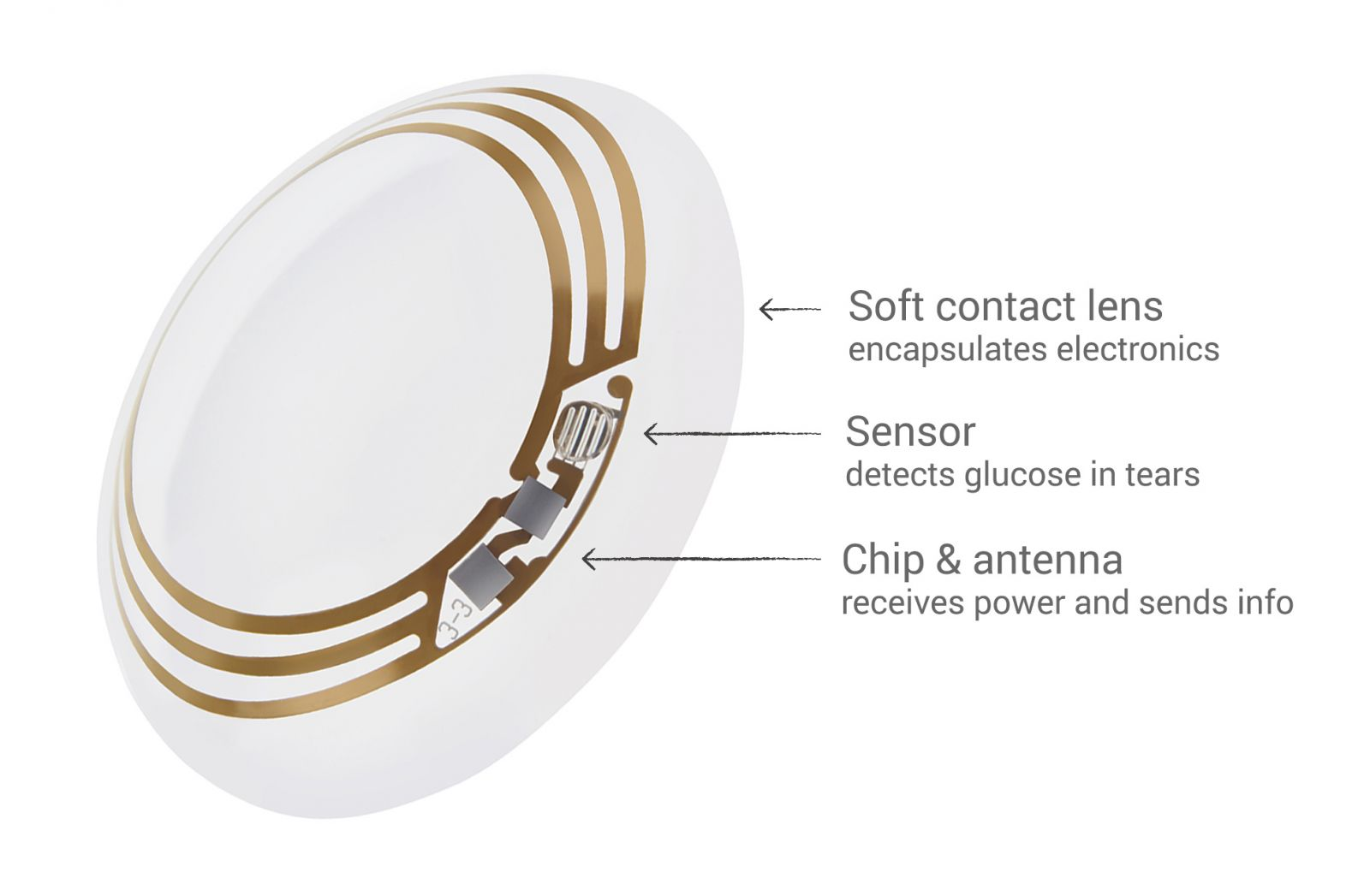
Google/Novartis “smart lens” monitors diabetic eyes, helps presbyopia

Google announced its “smart lens” prototype 6 months ago.  (See ApplySci,  January 14 2014).  Today they have partnered with Novartis to accelerate its development as a tool to manage eye conditions.

Non-invasive sensors and microchips embedded in the lens monitor fluid to provide continuous, minimally invasive glucose measurement. The data is sent wirelessly to a mobile device.

The technology can help  restore the eye’s natural autofocus on near objects in presbyopia as an accommodative contact lens.  It can also be implanted as an intraocular lens during refractive cataract surgery.

Monitoring glucose levels through the lenses could  be easier and more comprehensive than current techniques, which require diabetics to draw blood from their fingers.

Categories
Eyes Wearables

Reading ring provides audio, haptic feedback

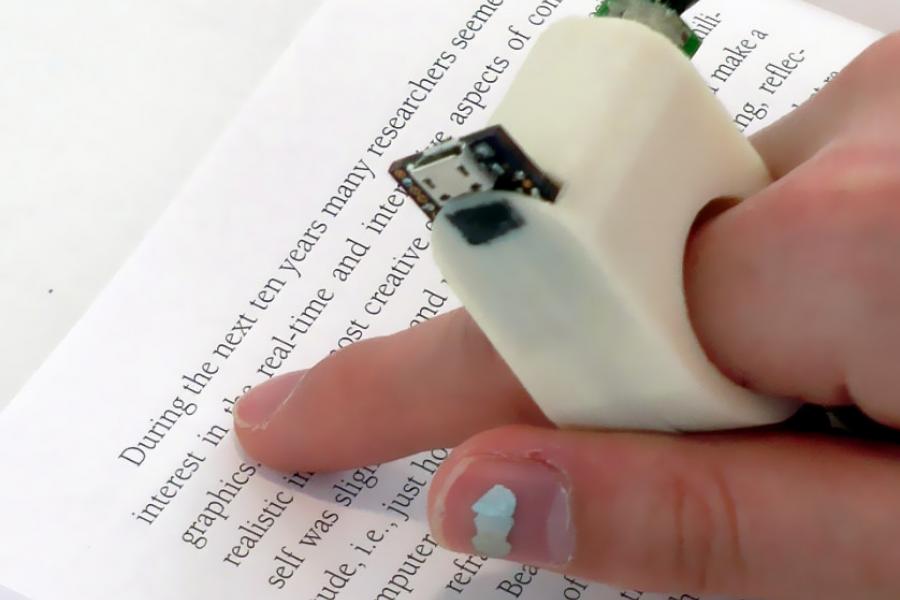
FingerReader is a 3D printed reading device, worn on the index finger.  It was designed for the vision impaired, but could also be used as a translation tool.  Its camera scans text when a finger is moved over it.   Software tracks finger movement, identifies words and processes the information. Wearers receive audio feedback of the words and haptic feedback of the layout, helping them maintain a straight scanning motion.   The prototype was developed by Roy Shilkrot at the MIT Media Lab.

Categories
fitness Heart Sleep Wearables

Biometric shirt monitors astronaut vital signs

Astroskin is a  prototype medical monitoring shirt and headband for astronauts that could be used to continuously monitor patients. Its sensors record and analyze the wearer’s vital signs, sleep quality and activity level. Data is relayed to medical teams on the ground to monitor a crew member’s health, behavior and performance during daily operations and exercise, or to monitor sick or injured astronauts.  It is a refined version of Hexoskin, the commercially available biometric shirt for sports performance, sleep, and health tracking.  

Both shirts contain embedded sensors to measure vital signs and activity. An electrocardiograph measures heart rate and heart rate variability, and plethysmography sensors assess breathing rate and respiration volume by torso shape changes. Calories burned are calculated based on that heart rate and respiration data. An accelerometer tracks steps and the number of steps per minute. A user’s “sleep-efficiency score” is determined by movement, heart rate, and respiration through the night.  A small device in a pocket does preliminary data processing and sends the information to a user’s smartphone and to  Carré Technologies servers for analysis.

Astroskin was recently tested on a one month trek in Antarctica led by Alexandre Byette.

Categories
Assistive Technologies Wearables

Wearable computer creates muscle memory

Georgia Tech Professor (and Google Glass technical lead) Thad Starner has invented a wearable computer that could provide muscle memory to enable someone to play music or learn dance steps.  It is based on haptic feedback, and might one day help the visually or hearing impaired learn Braille or Sign Language.

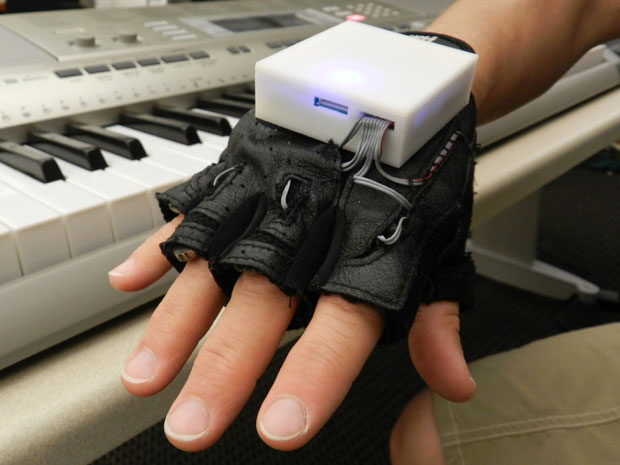
In a piano-playing experiment, the device was attached to a glove, with a flat vibration monitor sewn inside each finger opening.  The five vibrators were wired to a microcontroller on the back of the subject’s hand.  It was programmed to fire the motors in the same sequence that the fingers would strike keys on a piano.

Starner believes that repeated buzzing from the glove creates muscle memory that enables a wearer to learn to play a song with far less practice than it would take without haptic stimulation. He has also studied the glove’s effect on people with spinal cord injuries and found that it can help them regain some sensation and dexterity in their hands. The team is now studying whether haptic gloves can teach braille typing and stenography.