Categories
Diabetes Sensors Wearables

Smart bandage continuously measures pH and oxygen

Harvard professor Ali Khademhosseini, a doctor at Brigham and Women’s Hospital, is developing a smart bandage that determines a wound’s healing progress and distributes medicine accordingly.

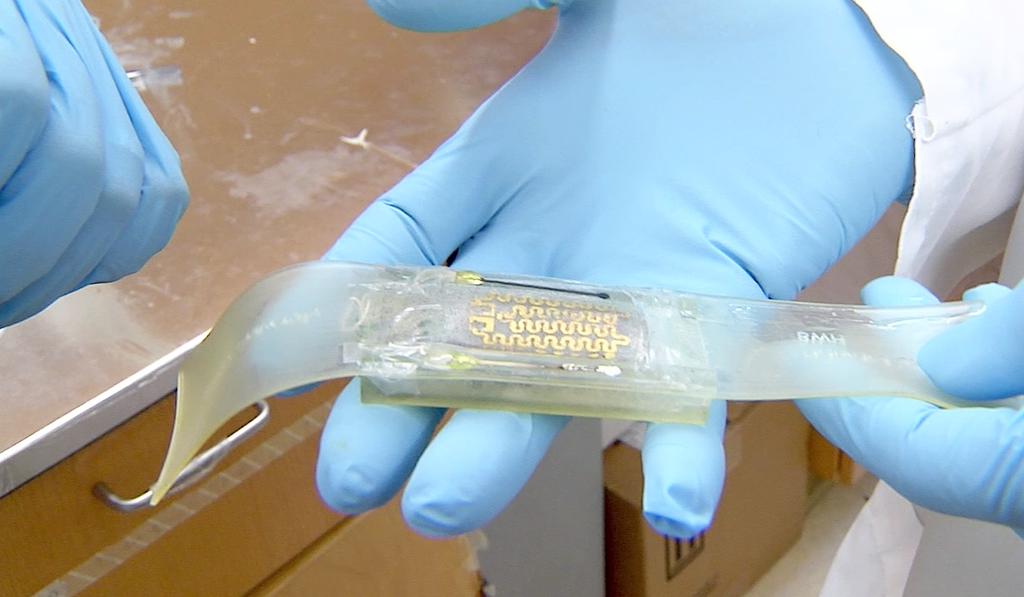
The prototype bandage looks like rubber, and has visible sensors tracking pH balance (for bacterial infection), and oxygen, automatically delivering oxygen or antibiotics topically.  Diabetic foot ulcers might be better treated this way.

ApplySci described a related, oxygen measuring, transparent liquid bandage in October 2014.

Wearable Tech + Digital Health NYC 2015 – June 30 @ New York Academy of Sciences
Categories
Cancer Robotics

Tiny robotic gripper for cancer diagnostics, remote surgery

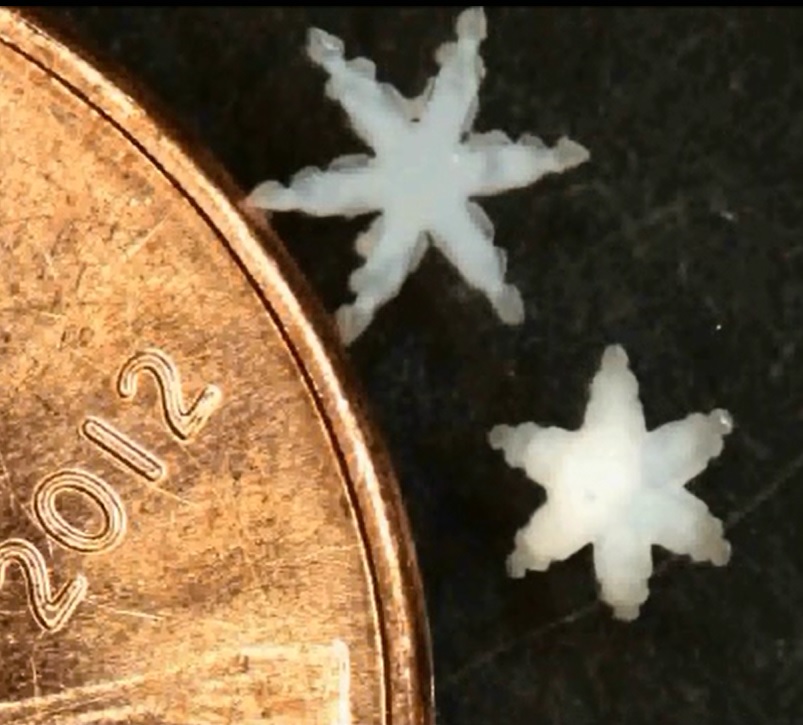
Johns Hopkins professor David Gracias has created a tiny, flexible, microscopic, robotic,  hand-like hydrogel gripper that could help doctors perform remotely guided surgical procedures and biopsies.    He believes that the materials could also, in the future,  deliver therapeutic drugs to difficult to reach places.

The hydrogel can swell in response to changes in temperature, acidity or light, providing energy without being tethered to a power source.  A stiff biodegradable polymer makes the  microhands strong enough to wrap around and remove cells.  Magnetic nanoparticles guide the microhands with a magnetic probe.

Wearable Tech + Digital Health NYC 2015 – June 30 @ New York Academy of Sciences
Categories
Diabetes

“Smart” insulin activates when blood sugar rises

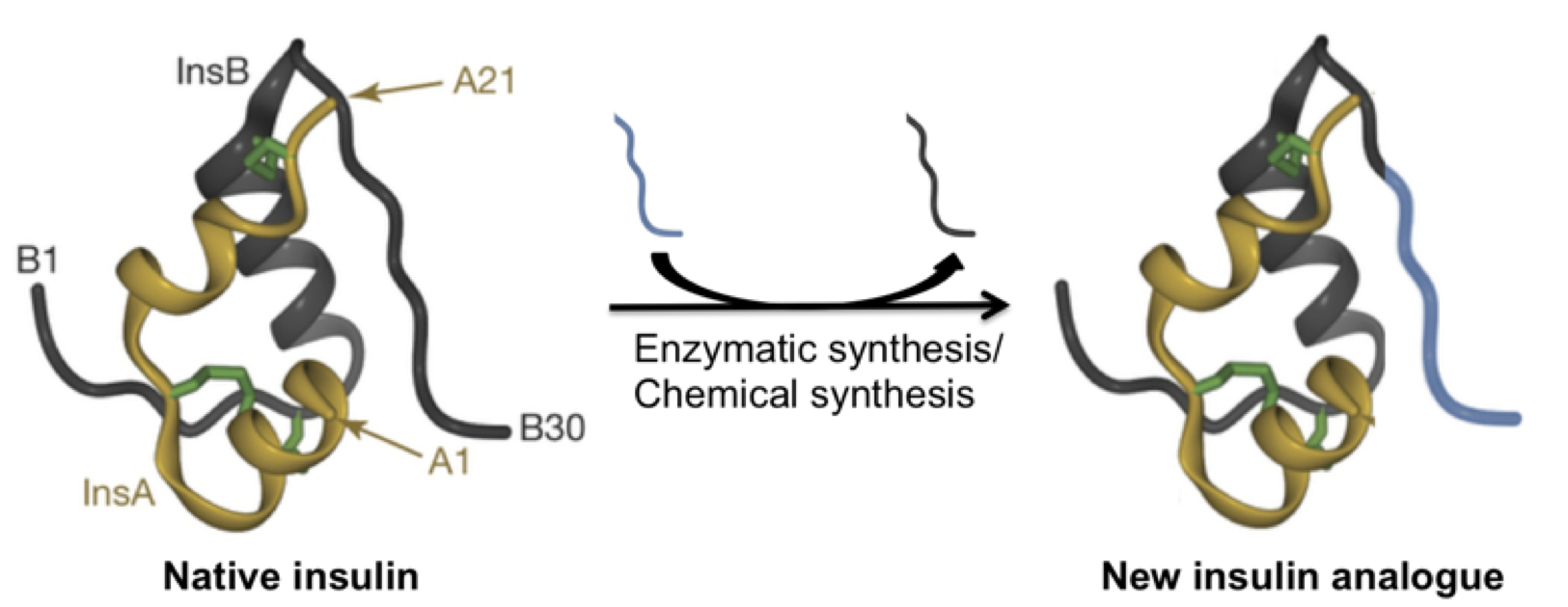
University of Utah‘s Danny Chou has created Ins-PBA-F,  a “smart” insulin which automatically adjusted blood sugar in mice with type 1 diabetes.  In a recent study, the insulin worked for 14 hours.  The team believes that it could be used in humans, which will require further research.

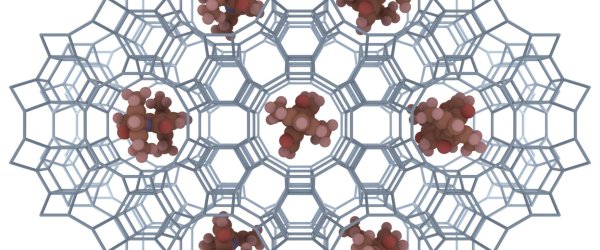
Ins-PBA-F consists of a long-acting insulin derivative with a chemical component called phenylboronic acid  added to one end.  It works by binding to serum proteins that circulate in the bloodstream, blocking activity. When blood sugar levels rise, glucose sugars bind to PBA, prompting the release of Ins-PBA-F.  Chou summarized, “Basically, we put a ‘glucose sensor’ on the regular insulin molecule so that the modified insulin could sense glucose.”

Wearable Tech + Digital Health NYC 2015 – June 30 @ New York Academy of Sciences
Categories
Apps Data Diabetes Wearables

Apple watch will track glucose

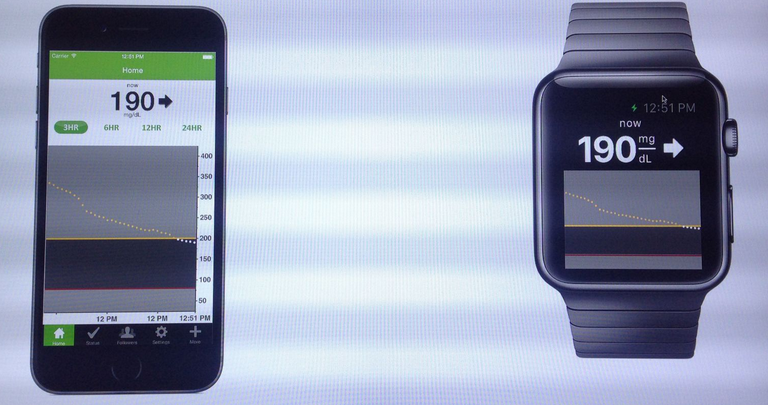
The forthcoming Apple Watch will include the DexCom glucose tracking app.  To use it, a tiny sensor must be placed under the skin to measure glucose levels every five minutes.  Results will be displayed on the watch with a simple graph.

While DexCom has FDA approval, due to recent a recent FDA clarification on wearable devices, other health apps can be included, and this will remain a “Low Risk” device, not requiring prior marketing approval.  This is great news for both device makers and consumers, as it will inspire a proliferation of health apps.  ApplySci hopes that the competition will ensure that the most accurate health trackers become the most popular, and will continue to curate this movement with that goal.

Wearable Tech + Digital Health NYC 2015 – June 30 @ New York Academy of Sciences.

Categories
Genome

Fast, scalable software analyzes the human genome

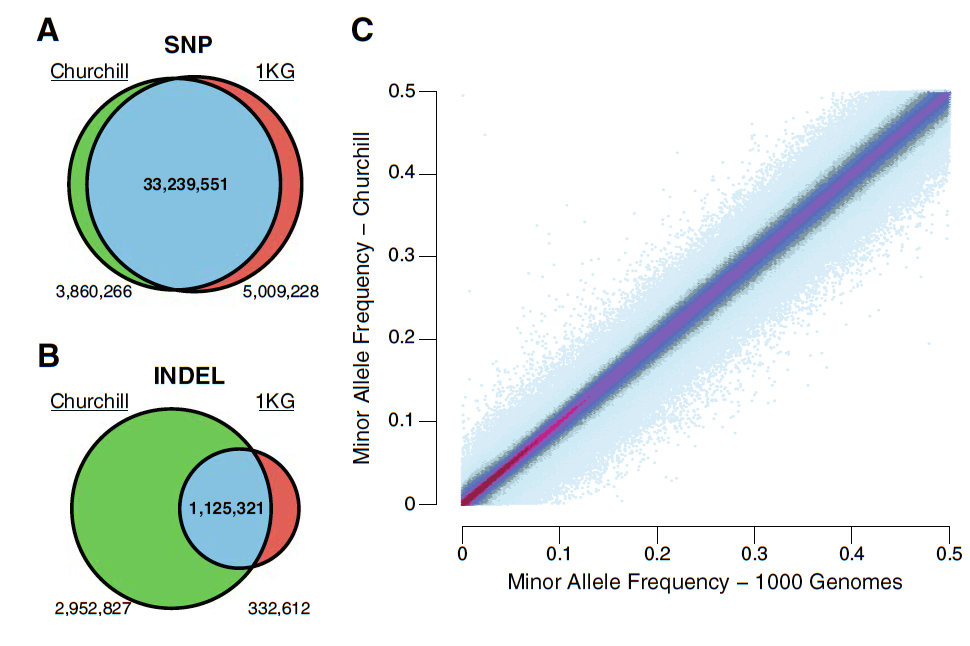
Peter White at Nationwide Children’s Hospital has developed Churchill,  software that searches raw sequence data on a person’s genome for disease-causing variations in hours, not weeks.  He believes that large scale analysis across populations is now possible.

In tests, Churchill analyzed a whole genome sequence in 90 minutes from a raw FASTQ text-based format through to identifying variant cells at high confidence. An exome, which contains the bulk of disease causing variants, can be analyzed in one hour.

Advancing sequencing technologies can make genomic medicine possible. The Churchill algorithm has been licensed to GenomeNext for commercialization.

Wearable Tech + Digital Health NYC 2015 – June 30, 2015 @ New York Academy of Sciences

Categories
Brain mHealth Monitoring Parkinson's

Smartphone tests detect Parkinson’s

In a recent study,  MIT Media Lab‘s  Max Little used machine learning tools to indicate early Parkinson’s Disease in a group of smartphone users.  Phones were given to Parkinson’s patients and a healthy control group. The built in accelerometer enabled Little to distinguish between those with and with out the disease with  99% accuracy.  The detection method relied on subtle differences in a patient’s movement, including rigidity and impaired balance.

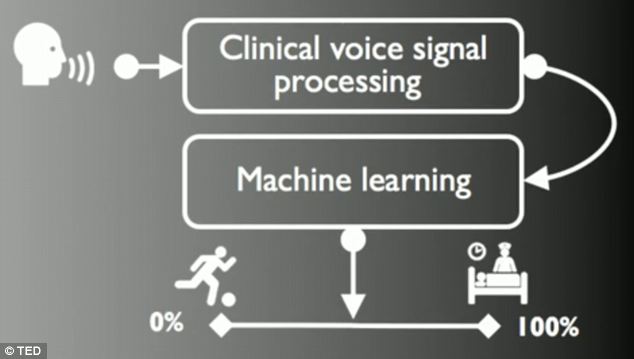
In another Parkinson’s Voice Initiative study, 50 people were asked to say “ahh” into the phone for a few weeks. The audio recordings allowed Little  to estimate disease progression using the Unified Parkinson’s Disease Rating Scale.

Wearable Tech + Digital Health NYC 2015 – June 30 @ New York Academy of Sciences
Categories
Infectious Disease IoT mHealth Pregnancy

Smartphone blood test detects HIV, Syphilis

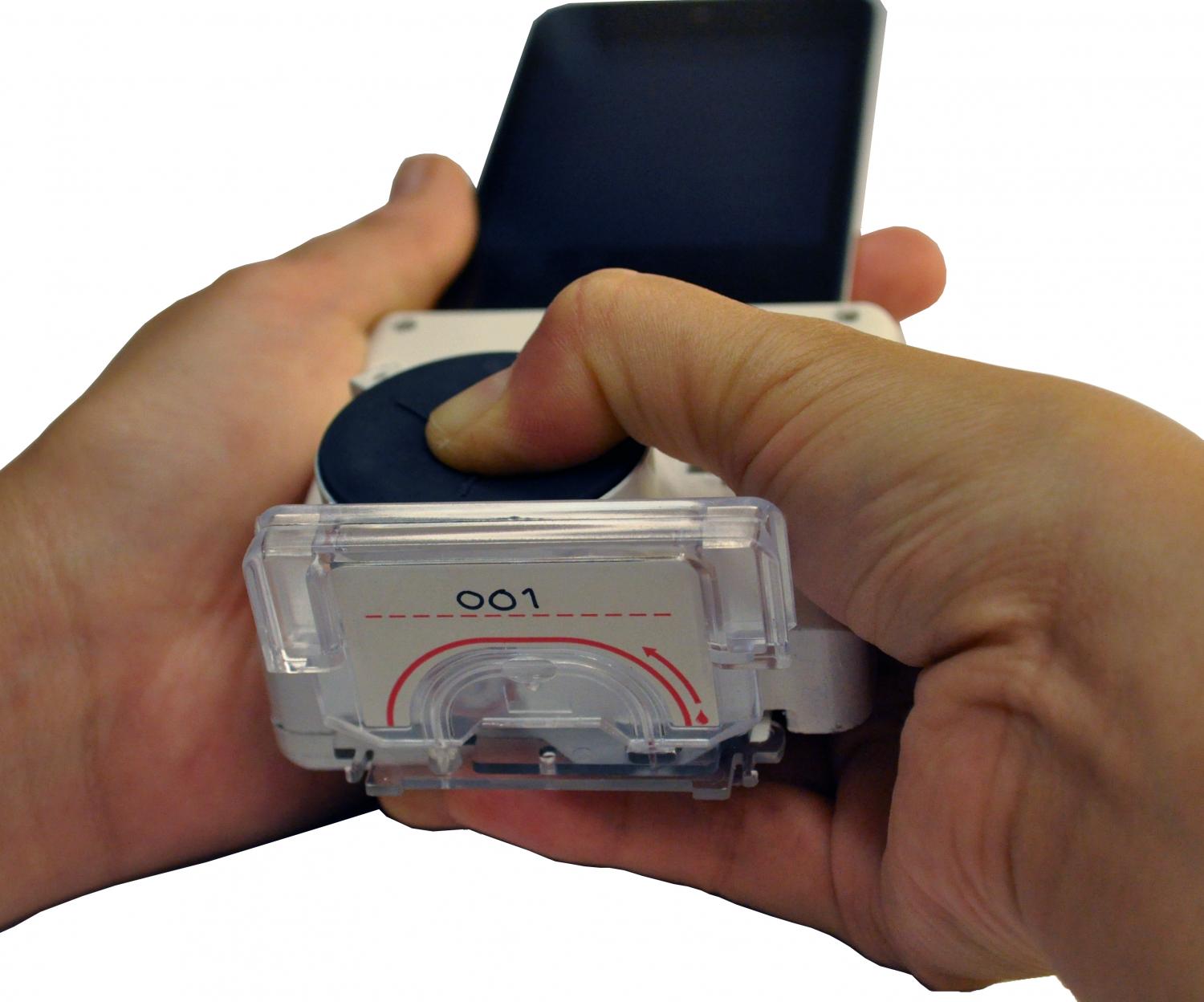
Columbia bioengineering professor Samuel K. Sia has developed a cheap smartphone dongle that can detect three infectious disease markers from a finger prick of blood in 15 minutes. The device replicates mechanical, optical, and electronic functions of a lab based blood test.  It performs an enzyme-linked immunosorbent assay without requiring stored energy, as power is drawn from the phone. Its triplexed immunoassay — HIV antibody, treponemal-specific antibody for syphilis, and non-treponemal antibody for active syphilis infection — is not currently available in a single test format.

This could be a breakthrough for disease prevention in the developing world.  A recent study details 96 patients in Rwanda who tested whole blood obtained via a finger prick, with the goal of preventing mother to child disease transmission.

Wearable Tech + Digital Health NYC 2015 – June 30 @ New York Academy of Sciences
Categories
Cancer Sensors Signal Processing

Smartphone sensor detects cancer in breath

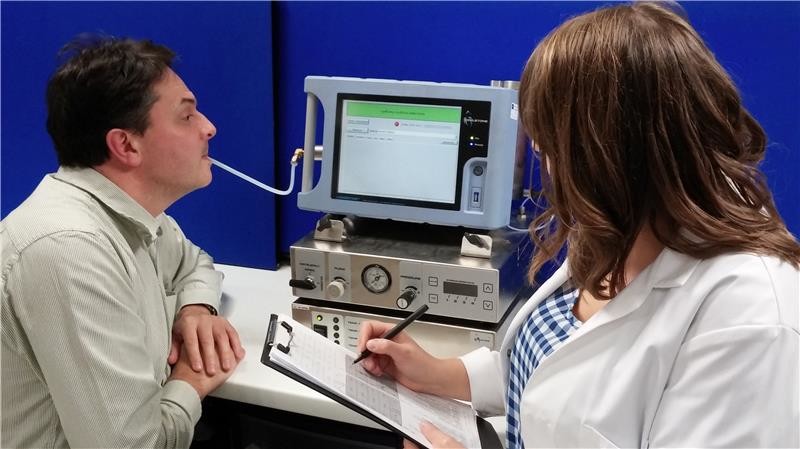
Professor Hossam Haick at the Technion – Israel Institute of Technology has developed a sensor equipped smartphone that screens a user’s breath for early cancer detection.

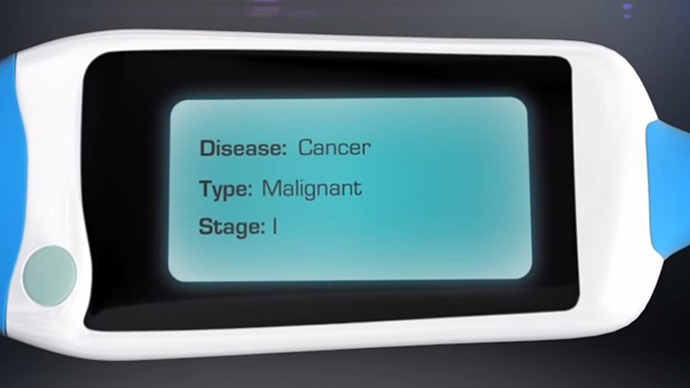
SNIFFPHONE uses micro and nano sensors that read exhaled breath.  The information is transferred through the phone to a signal processing system for analysis.  According to Haick, the NaNose system can detect benign and malignant tumors more quickly, efficiently and cheaply than previously possible, replacing clinical follow up that would lead to the same intervention.  He claims that NaNose has  a 90 percent accuracy rate.

This is one of several biomedical sensor breakthroughs that Professor Haick is working on.  In July 2013, ApplySci described his flexible sensor that could be integrated into electronic skin, enabling those with prosthetic limbs to feel changes in their environments.  This is similar to Roozbeh Ghaffari’s work at MC10, which we described last month and will be included in our June 30th conference, Wearable Tech + Digital Health NYC 2015.

Categories
Smart Fabric Wearables

Sensor scarf heats, vibrates, can monitor vital signs

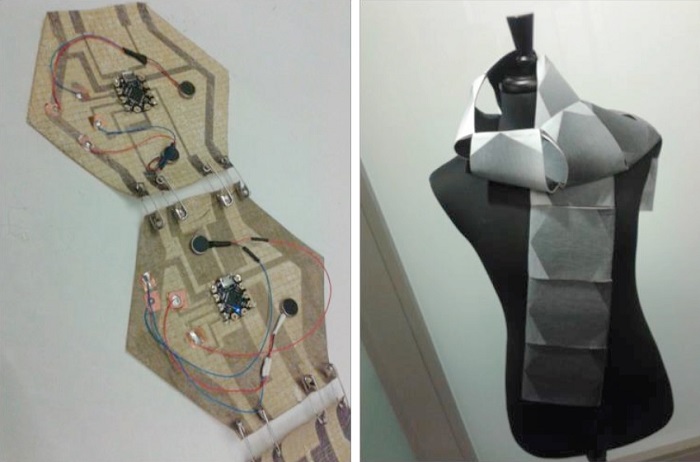
Microsoft‘s SWARM prototype smart scarf, developed with University of Maryland‘s Michele Williams,  heats, which could help those with physical or mental disabilities stay warm.  It also vibrates.  The plan is to  incorporates biometric sensors that can cause vibrations when an issue is detected with  heart, breathing rate, or skin temperature data.

The flexible laser-cut scarf has interchangeable heat and vibration producing modules, linked with metal snaps.  It is  made of industrial felt and conductive copper taffeta.

Why this project is in a very early stage, ApplySci believes that it is indicative of the forthcoming wave of multi-purpose wearables.

Wearable Tech + Digital Health NYC 2015 – June 30 @ New York Academy of Sciences
Categories
Cancer Nanoparticles Wearables

Nanoparticles + wearable to detect cancer cells

ApplySci first described Google X’s cancer detecting nanoparticle project last October.  The company has now released more detail:

1.  A user wears a bracelet designed by Google.

2.  He/she must take nanoparticle pills that look for cancer cells throughout the body.

3.  If found, the nanoparticles bind to the cancer cells, and they light up.

4.  The bracelet’s magnet attracts the cell-particle combinations.

Google has created synthetic skin, of varying thickness and tones, to test the system, as described in a recent interview with The Atlantic.

Wearable Tech + Digital Health NYC 2015 – June 30 @ New York Academy of Sciences
Categories
Brain

Eye tracking measures brain injury severity

NYU‘s Uzma Samadan has developed an eye tracking device that measures the severity of concussion or brain injury.  This simple, inexpensive technology could improve the speed and accuracy of TBI diagnosis.

Researchers compared 64 healthy control subjects to 75 trauma patients at Bellevue Hospital. Pupil movement was tracked for 200 seconds while patients watched a music video.

The study showed that 13 patients who had hit their heads and had CT scans showing new brain damage, and 39 patients who had hit their heads and had normal CT scans, had significantly less ability to coordinate their eye movements than uninjured control subjects. 23 subjects who had bodily injuries but did not require head CT scans had a similar ability to coordinate eye movements as uninjured controls.

Wearable Tech + Digital Health NYC 2015 – June 30 @ New York Academy of Sciences
Categories
Monitoring Sensors Wearables

Sensors, software to understand MS progression

Biogen Idec and Google X  will use sensors and software to collect and analyze data from MS patients.  The goals is to understand  environmental and biological factors that contribute to the disease’s progression, and why it progresses differently in every patient.  Andrew Conrad, head of Life Sciences at Google X, believes that this will lead to earlier interventions and better outcomes.

Wearable Tech + Digital Health NYC 2015 – The Health Sensor Revolution.  June 30 @ New York Academy of Sciences.