Categories
Sensors Wearables

Sweat sensor for cystic fibrosis detection, drug optimization, glucose monitoring

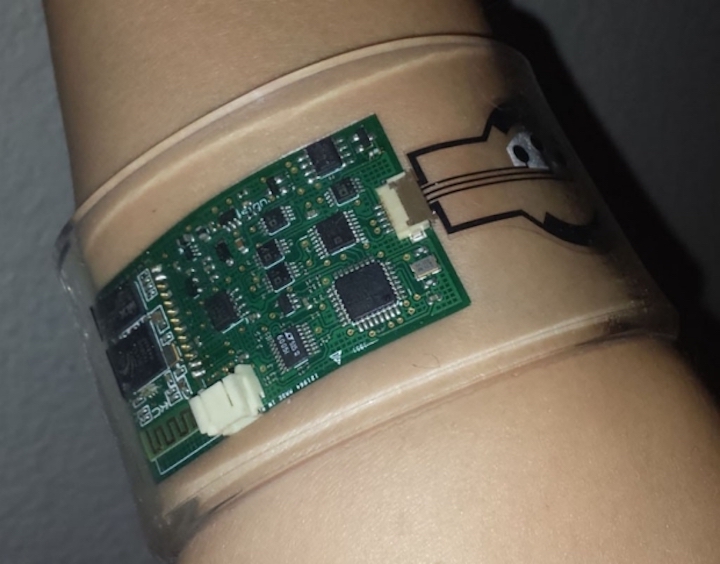
Carlos Milla, Ronald Davis, and Stanford and Berkeley colleagues have developed a wearable sweat sensor for detecting cystic fibrosis, diabetes and other diseases.  It can also aid drug development and personalization, and continuously monitor patients.

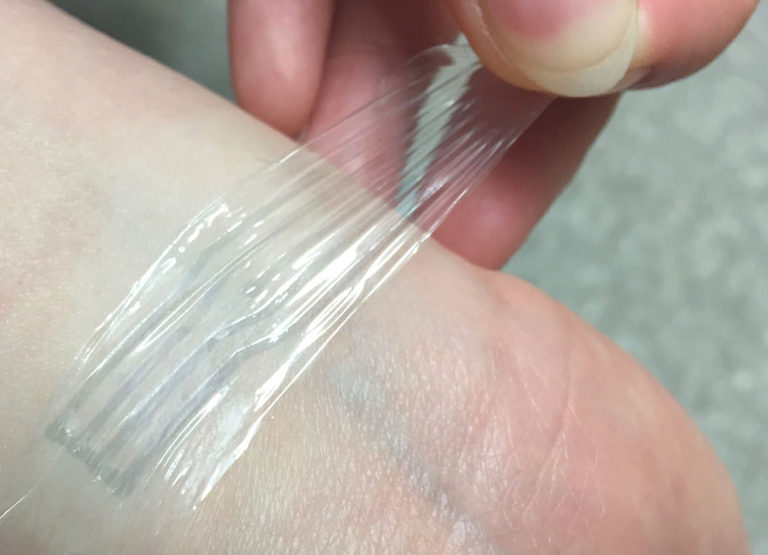
The flexible sensor/microprocessor system adheres to the skin, stimulates sweat glands, and detects the presence of molecules and ions based on electrical signals.  Increased chloride generates increased electrical voltage at the sensor’s surface.  High levels of chloride ions indicate cystic fibrosis.

Conventional methods for diagnosing cystic fibrosis require a visit to a specialized center, where a patient does not move for 30 minutes, while electrodes stimulate their sweat glands. A lab then measures chloride ions in the sweat to diagnose the disease. This method hasn’t changed in 70 years.

The wearable sweat sensor stimulates skin to produce minute amounts of sweat, quickly evaluates the contents, and sends the data via phone, to the cloud, for immediate analysis.   The system is portable and self-contained, and ideal for use in children, and in underserved communities.

As CF is caused by hundreds of different mutations in the CF gene,  it’s possible to use the sensor to determine which drugs work best for which mutations.

The device was also used to compare levels of glucose in sweat to that in blood.


Join ApplySci at Wearable Tech + Digital Health + NeuroTech Boston on September 19, 2017 at the MIT Media Lab. Featuring Joi Ito – Ed Boyden – Roz Picard – George Church – Tom Insel – John Rogers – Jamshid Ghajar – Phillip Alvelda – Nathan Intrator
 

Categories
Conference

Robotic leg brace helps stroke patients walk

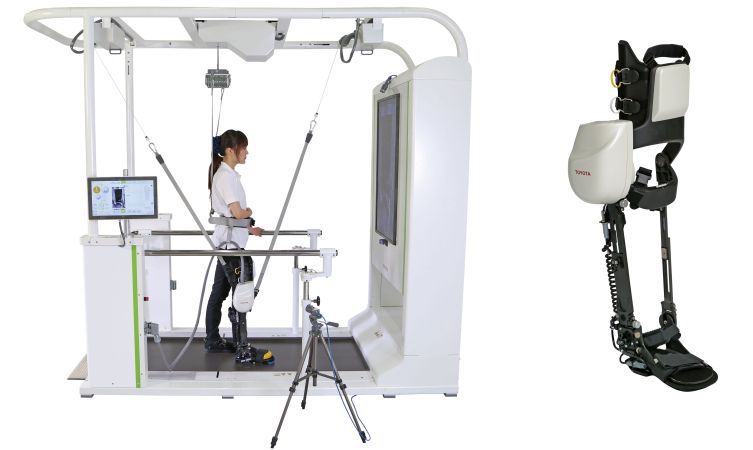
Toyota’s Welwalk WW-1000 exoskeleton is designed to help those with paralysis on one side of their body walk again. The frame is worn on the affected leg, with a  motor at the knee joint that provides calibrated assistance based on a user’s ability.  Wearers are trained to recover their walking ability over time.

The robotic device is paired with a treadmill and harness that is controlled by medical staff. The  system will be rented to hospitals in Japan for $9000, plus $3200 per month.

The hope is that it will dramatically speed recovery time for stroke patients. The  brace integrates sensors that determine exactly how much support to provide  at any given point, ensuring that patients aren’t over-reliant on support, or rushed before they’re ready to progress.


Join ApplySci at Wearable Tech + Digital Health + NeuroTech Boston on September 19, 2017 at the MIT Media Lab. Featuring Joi Ito – Ed Boyden – Roz Picard – George Church – Tom Insel – John Rogers – Jamshid Ghajar – Phillip Alvelda – Nathan Intrator
Categories
Monitoring Parkinson's Sensors Wearables

Verily’s health sensing research watch

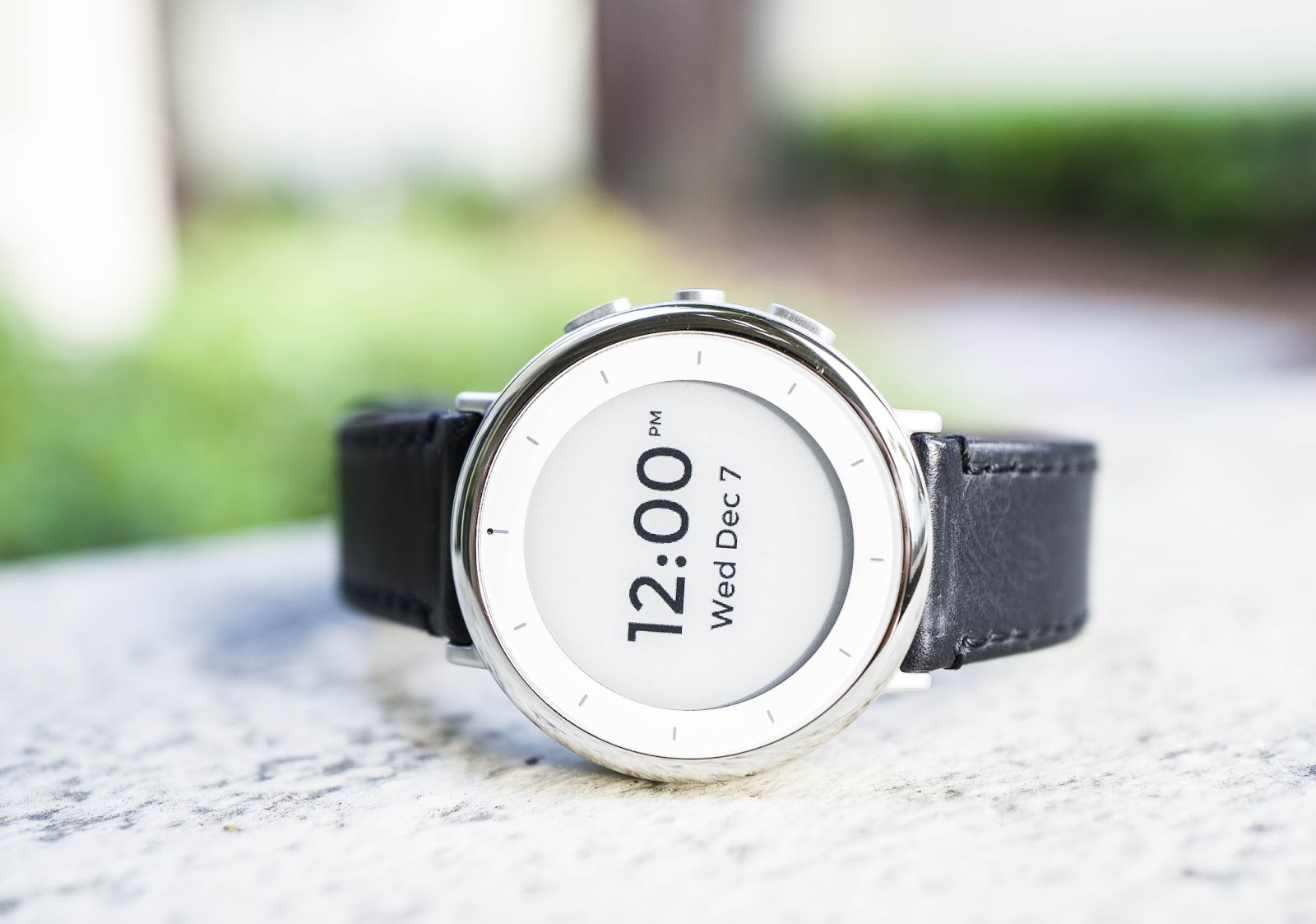
The  Verily Study Watch passively captures health data for continuous care platforms and clinical research. Key features described by the company include:

  • Multiple physiological and environmental sensors are designed to measure relevant signals for studies spanning cardiovascular, movement disorders, and other areas. Examples include electrocardiogram (ECG), heart rate, electrodermal activity, and inertial movements.
  • A long battery life of up to one week in order to drive better user compliance during longitudinal studies.
  • Large internal storage and data compression allow the device to store weeks’ worth of raw data, thus relaxing the need to frequently sync the device.
  • A powerful processor supports real time algorithms on the device.
  • The firmware is designed to be robust for future extensions, such as over-the-air updates, new algorithms, and user interface upgrades.
  • The display is always on so that time is always shown. The display is low power and high resolution for an appealing look and a robust user interface. Note: currently, only time and certain instructions are displayed. No other information is provided back to the user.

The watch will be used in Verily’s current and forthcoming studies, such as the  Personalized Parkinson’s Project, meant to track progression, and the Baseline study, meant to understand transitions between health and disease.


Join ApplySci at Wearable Tech + Digital Health + NeuroTech Boston – Featuring: Joi Ito, Ed Boyden, Roz Picard, George Church, Tom Insel, John Rogers, Jamshid Ghajar, Phillip Alvelda and Nathan Intrator – September 19, 2017 at the MIT Media Lab

Categories
Cancer Disease

CRISPR platform targets RNA and DNA to detect cancer, Zika

Broad and Wyss scientists have used an RNA-targeting CRISPR enzyme to detect  the presence of as little as a single target molecule. SHERLOCK (Specific High Sensitivity Enzymatic Reporter UnLOCKing) could one day be used to respond to viral and bacterial outbreaks, monitor antibiotic resistance, and detect cancer.

Demonstrated applications included:

  • Detecting the presence of Zika virus in patient blood or urine samples within hours;
  • Distinguishing between the genetic sequences of African and American strains of Zika virus;
  • Discriminating specific types of bacteria, such as E. coli;
  • Detecting antibiotic resistance genes;
  • Identifying cancerous mutations in simulated cell-free DNA fragments; and
  • Rapidly reading human genetic information, such as risk of heart disease, from a saliva sample.

The tool can be paper-based, not requiring refrigeration, and suited for fast deployment at field hospitals or rural clinics.


Join ApplySci at Wearable Tech + Digital Health + NeuroTech Boston – Featuring: Joi Ito, Ed Boyden, Roz Picard, George Church, Tom Insel, John Rogers, Jamshid Ghajar, Phillip Alvelda and Nathan Intrator – September 19, 2017 at the MIT Media Lab

Categories
Diabetes Sensors Wearables

Apple reportedly developing non-invasive glucose monitor

CNBC’s Christina Farr has reported that Apple has been quietly developing a non-invasive, sensor-based glucose monitor.  The technology has apparently advanced to the trial stage.

Diabetes has become a global epidemic.  Continuous monitoring, automatic insulin delivery, and the “artificial pancreas” are significant steps forward, meant to control the disease, and avoid its debilitating side effects.  While some systems consist of micro-needles just below the skin, to date, none are totally non-invasive.

The ideal solution would be the use of the Apple Watch and other fitness/lifestyle trackers to control behavior to the point that the disease is avoided entirely.  However, if diagnosed, a non-invasive glucose sensor would transform the daily life of diabetics.


Join ApplySci at Wearable Tech + Digital Health + NeuroTech Boston – Featuring: Joi Ito, Ed Boyden, Roz Picard, George Church, Tom Insel, John Rogers, Jamshid Ghajar, Phillip Alvelda and Nathan Intrator – September 19, 2017 at the MIT Media Lab

Categories
Pain Virtual Reality

VR therapy could reduce acute and chronic pain

Cedars-Sinai’s Brennan Spiegel has published a study showing that VR therapy could reduce acute and chronic pain.

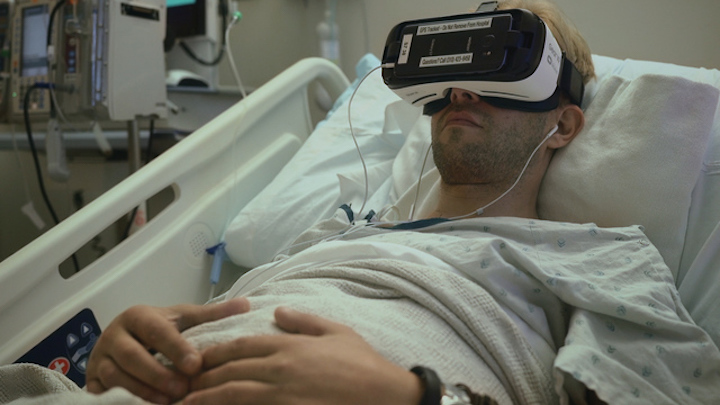
100 gastrointestinal, cardiac, neurological and post-surgical pain patients with an average pain score of 5.4 were included.  Fifty patients watched a 15-minute nature video. Fifty patients watched a 15-minute animated game with VR goggles.
The patients who watched the nature video had a 13% decrease in  pain scores.  The patients who watched the virtual reality game had a 24% decrease.

Th researchers are not sure how VR actually reduces pain, but thnk that it could be due to immersive distraction.  According to Spiegel:

“When the mind is deeply engaged in an immersive experience, it becomes difficult, if not impossible, to perceive stimuli outside of the field of attention. By ‘hijacking’ the auditory, visual, and proprioception senses, VR is thought to create an immersive distraction that restricts the mind from processing pain.”

Potential side effects of VR include dizziness, vomiting, nausea or epileptic seizures, therefore patients must be carefully screened and monitored.


Join ApplySci at Wearable Tech + Digital Health + NeuroTech Boston – Featuring Ed Boyden, Roz Picard, Tom Insel, John Rogers, Jamshid Ghajar and  Nathan Intrator – September 19, 2017 at the MIT Media Lab

Categories
Prosthetics Robotics Sensors

Solar powered, highly sensitive, graphene “skin” for robots, prosthetics

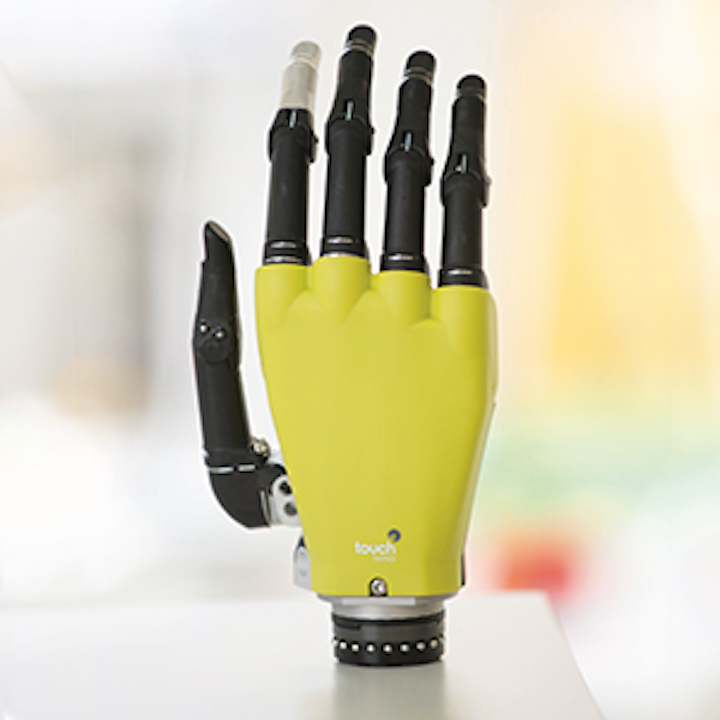
Professor Ravinder Dahiya, at the University of Glasgow, has created a robotic hand with solar-powered graphene “skin” that he claims is more sensitive than a human hand.  The flexible, tactile, energy autonomous “skin” could be used in health monitoring wearables and in prosthetics, reducing the need for external chargers. (Dahiya is now developing a low-cost 3-D printed prosthetic hand incorporating the skin.)

Click to view University of Glasgow video


Join ApplySci at Wearable Tech + Digital Health + NeuroTech Boston – Featuring Roz Picard, Tom Insel, John Rogers, Jamshid Ghajar and  Nathan Intrator – September 19, 2017 at the MIT Media Lab


Categories
Parkinson's Virtual Reality

VR training to reduce falls in Parkinson’s, dementia

Tel Aviv University’s Jeff Hausdorff has created a virtual reality treadmill system in an attempt to prevent falls in Parkinson’s  and  dementia patients.

Current interventions focus on improving muscle strength, balance and gait.  By integrating motor planning, attention, executive control and judgement training, using VR, therapies can also address the cognitive issues associated with falls.

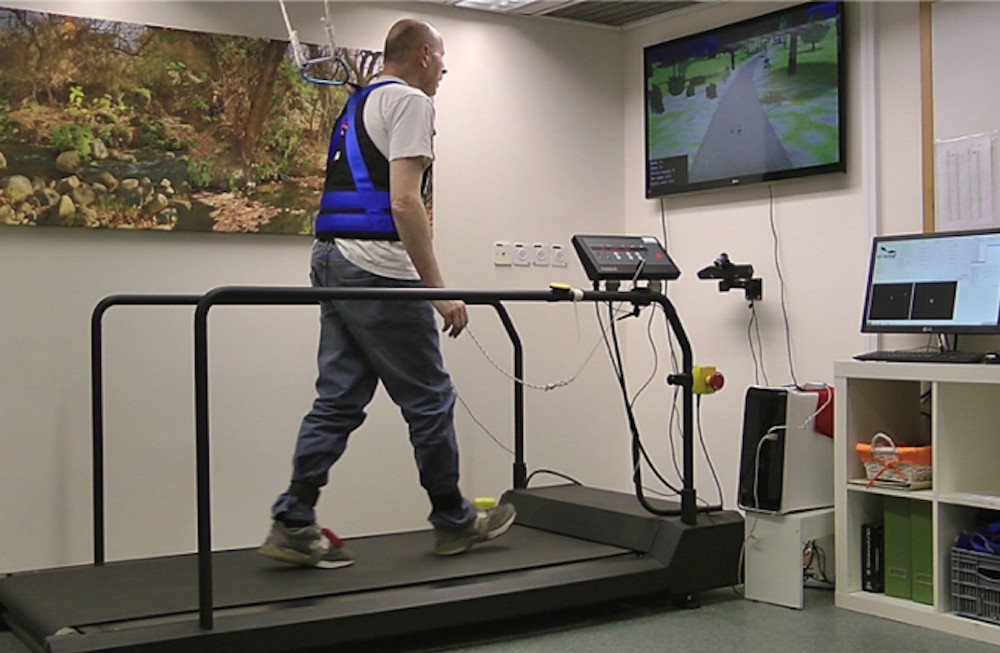
In a recent study of 282 participants,  146 did treadmill + VR training, and 136 did treadmill training alone. VR patient foot movements were filmed and shown on a screen, in order for them to “see” their feet walking  in real-time. The game-like simulation included avoiding and stepping over puddles or hurdles, and navigating pathways. It also provided motivational feedback.

Fall rates were similar in both groups before the training. Six months after, those who participated in the VR intervention fell 50% less. Those who did not train with VR had consistent fall rates. The biggest improvement was seen in Parkinson’s patients.

Patients can receive the combined therapy at the Hausdorff-led Center for the Study of Movement Cognition and Mobility at Tel Aviv’s Ichilov Hospital.

Click to view the Tel Aviv Sourasky Medical Center video.


Join ApplySci at Wearable Tech + Digital Health + NeuroTech Boston – Featuring Roz Picard, Tom Insel, John Rogers and Nathan Intrator – September 19, 2017 at the MIT Media Lab

Categories
fitness Heart Sensors Wearables

Future hearable sensors could track physical, emotional state

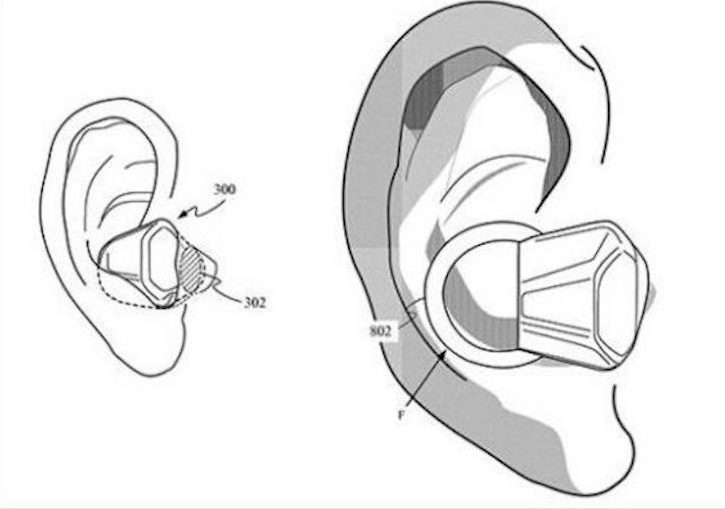
Apple has filed patent applications describing wireless earbuds that monitor health while a wearer talks on the phone or listens to music.  This has obvious exercise-related implications, but could potentially track the physiological impact of one’s emotional state while making calls, as a mobile mental health tool.

Sensors included in the patent include EKG, ICG, VO2 and GSR.

Click to view patent applications:

Patent 1   |   Patent 2   |   Patent 3


Join ApplySci at Wearable Tech + Digital Health + NeuroTech Boston – Featuring Roz Picard, Tom Insel, John Rogers and Nathan Intrator – September 19, 2017 at the MIT Media Lab

Categories
Brain Sensors

Soft, flexible “skin-like” electrodes could improve brain interfaces

Stanford professor Zhenan Bao‘s latest flexible electronic initiative is the development of a plastic electrode that stretches like rubber but carries electricity like wires. This could be improve implanted brain interfaces which require soft and highly sensitive materials.

In a recent paper, Bao’s team describes the chemical modification of  brittle plastic to make it highly bendable, while enhancing  electrical conductivity. A more seamless connection between stiff electronics and flexible organic electrodes in our bodies is achieved.

According to lead author Yue Wang, “One thing about the human brain that a lot of people don’t know is that it changes volume throughout the day, It swells and deswells.”  Current electronic implants can’t stretch and contract with the brain, making it difficult to maintain a good connection.

Click to view Stanford University video.


Professor Bao was the keynote speaker at ApplySci’s recent Wearable Tech + Digital Health + NeuroTech conference at Stanford.

Join ApplySci at Wearable Tech + Digital Health + NeuroTech Boston – Featuring Roz Picard, Tom Insel, John Rogers and Nathan Intrator – September 19, 2017 at the MIT Media Lab
Categories
Brain Parkinson's

Carbon electrode technique tracks dopamine in the brain

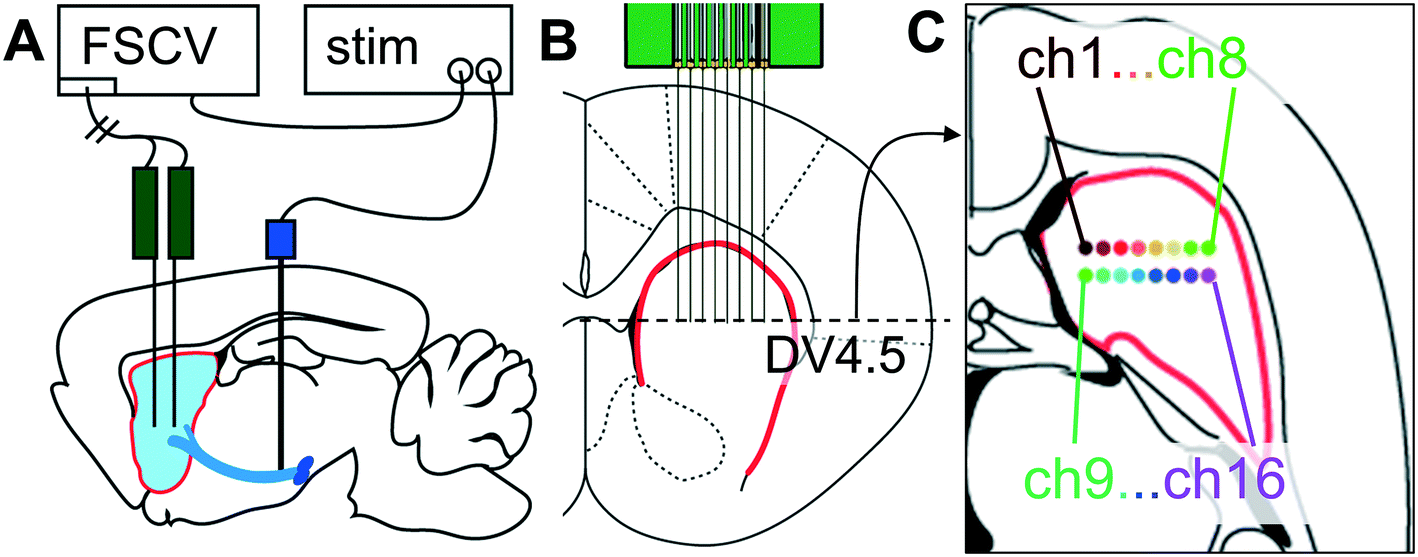
Michael Cima and MIT colleagues have developed a more precise tool to measure dopamine in the brain, to be able to study its role in in learning, memory, and emotion.

The new carbon electrode based technique can cover more of the brain, and provide longer, more accurate neurotransmitter readings, than previously possible.

The goal is a better understanding of neurtransmitter related diseases, and potential therapies to boost dopamine levels, in conditions that dysregulate it, such as Parkison’s disease.

According to lead author Helen Schwerdt: “Right now deep brain stimulation is being used to treat Parkinson’s disease, and we assume that that stimulation is somehow resupplying the brain with dopamine, but no one’s really measured that.”


Join ApplySci at Wearable Tech + Digital Health + NeuroTech Boston – Featuring Roz Picard, Tom Insel, John Rogers and Nathan Intrator – September 19, 2017 at the MIT Media Lab
Categories
Heart Sensors

Thin, flexible, insulated sensor could monitor the heart for 70 years

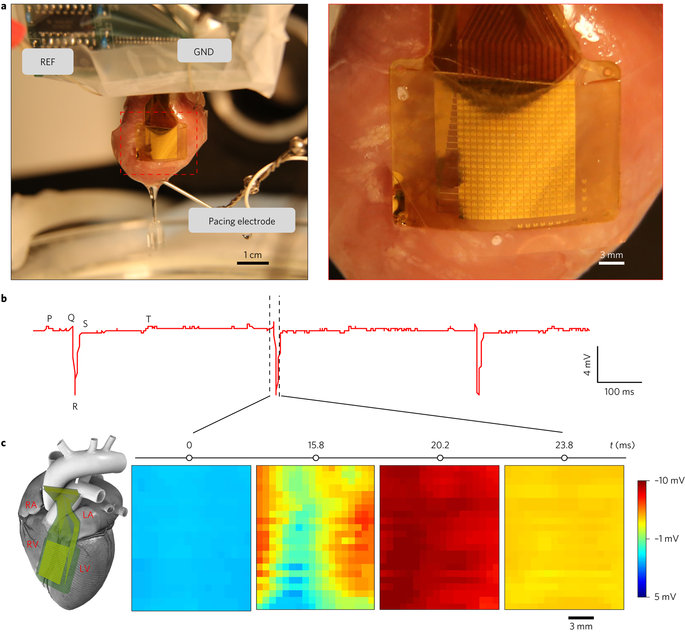
Northwestern’s John Rogers has developed a sensor that can monitor electrical activity irregularities in the heart for 70 years.  The sensor is much safer and more refined than current technology, which degrades easily, and can harm patients.

An array of 396 voltage sensors are set in a very thin, multi-layer, flexible substrate,  meant to attach to the outside of the heart, covering a significant portion of the organ. Previous sensors arrays picked up signals through direct contact between a metal conductor and human tissue. The new array is covered with an insulating layer of impermeable silicon dioxide. This is a dramatic improvement on metal conductors, which corrode and allow biological fluids to leak through, which can lead to a short circuit and, potentially, ventricular fibrillation and cardiovascular collapse.  Previous attempts at  the adding an  insulating layer have been too thick for the signal to be recorded effectively.

According to Rogers: “You want this layer to be as thin as possible to enable a strong electrical coupling to the surrounding tissue, but you need it to be thick enough to serve as a robust barrier to water penetration.”  He seems to have achieved just this.

Rogers believes that with a larger surface area and more nodes, the sensors could one day cover most of the body’s organs . He will test whether they can both collect data and deliver energy to an organ, such as a pacemaker, or be able to study the underlying function of the brain.

Professor Rogers was a speaker at ApplySci’s recent Wearable Tech + Digital Health + Neurotech Silicon Valley conference, on February 8, 2017, at Stanford University.)  He will  present his latest work our upcoming Wearable Tech + Digital Health + Neurotech Boston conference, on September 19th at the MIT Media Lab.