Categories
Respiratory

Phone sensor detects asthma attacks, triggers

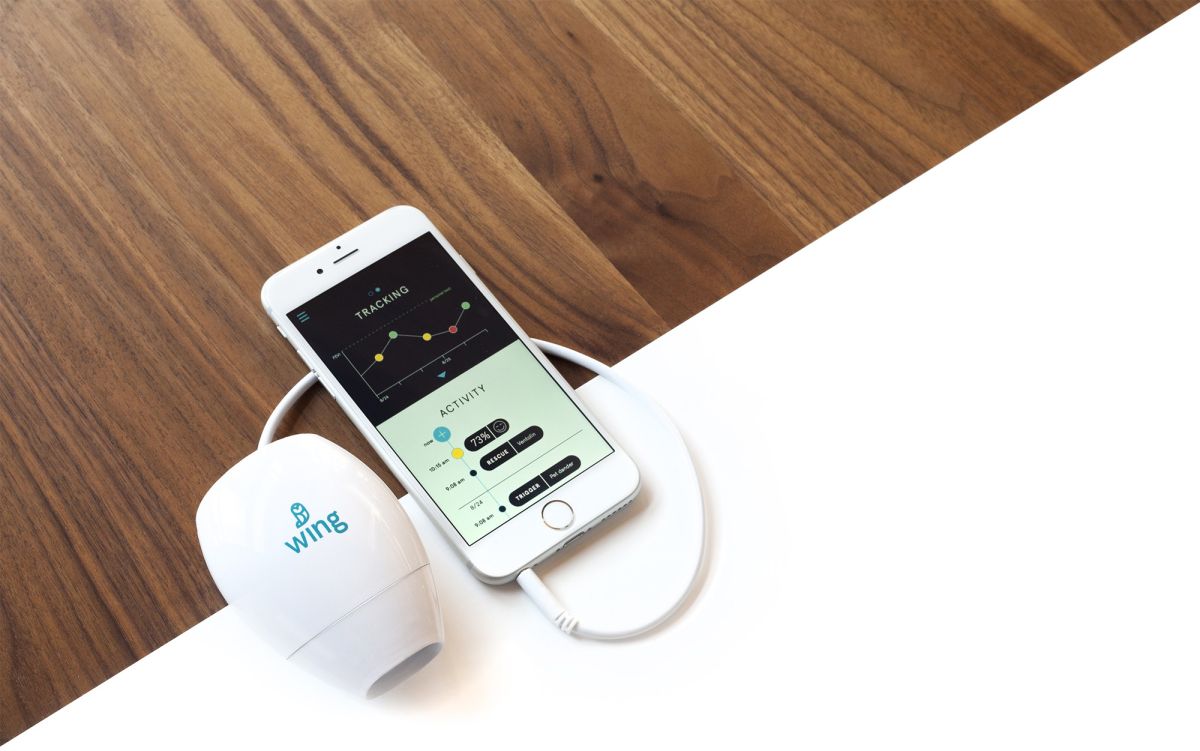
Wing by Sparo Labs is a crowdfunded smartphone attachment that detects early signs of asthma attacks.

Its sensor works with a companion app to measure FEV1 (how much air one can exhale in one second) and Peak Flow (how fast one can exhale).

The company claims that data it collects over time by can allow users to visualize lung function and detect environmental and medication triggers.  In addition to asthma, they believe it could be used to monitor and manage chronic obstructive pulmonary disease, cystic fibrosis, chronic bronchitis, emphysema, and pulmonary fibrosis.
Categories
Wearables

Continuous blood flow measuring wearable

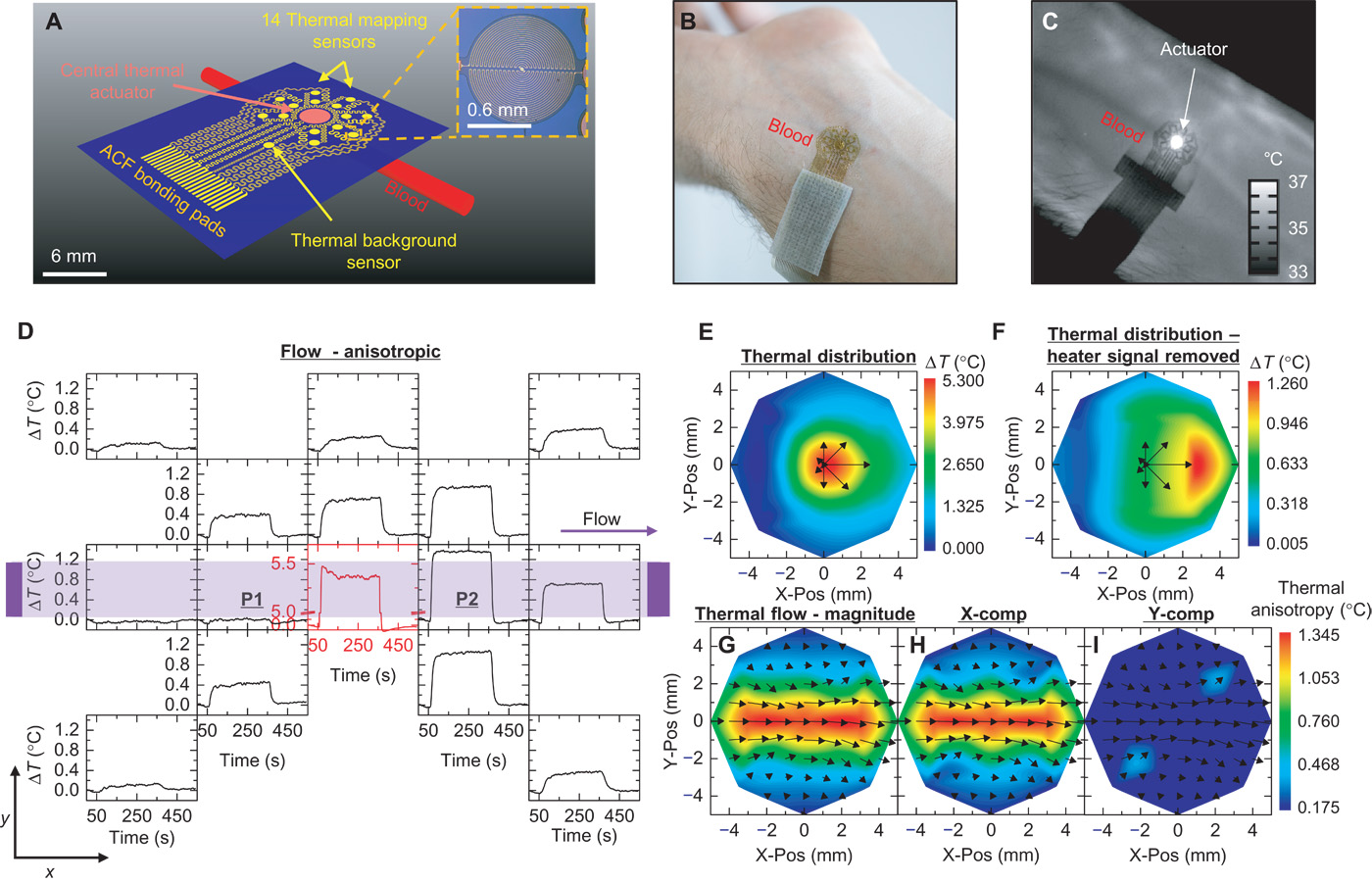
John Rogers, Richard Chad Webb, and colleagues at the University of Illinois have built a flexible (epidermal electronics based) monitor that measures blood flow in the outermost 2 millimeters of skin. Blood flow measuring devices typically use optical imaging, which requires patients to not move.  This technology can be used in a wearable that obtains measurements during motion.

The thin, light device sits on top of the skin, without distorting the blood flow it seeks to measure. It detects differences in heat patterns. Computer algorithms interpret the heat pattern differences as blood flow rate.

The device was  placed above the wrist veins of human volunteers. Blood flow measurements were taken as the subjects stood motionless for 5 minutes; as they stepped up and down on a machine for 3 minutes; and as they lied on their backs. Researchers  compared the results with those of optical imagers to ensure accuracy.

To be used in practice, a self contained power source, and components that allow the data to be wirelessly transmitted, must still be developed.

WEARABLE TECH + DIGITAL HEALTH SAN FRANCISCO – APRIL 5, 2016 @ THE MISSION BAY CONFERENCE CENTER

NEUROTECH SAN FRANCISCO – APRIL 6, 2016 @ THE MISSION BAY CONFERENCE CENTER

REGISTER BY NOVEMBER 30TH TO RECEIVE THE PREFERRED RATE.

Categories
Eyes Wearables

Wearable + navigation service for the visually impaired

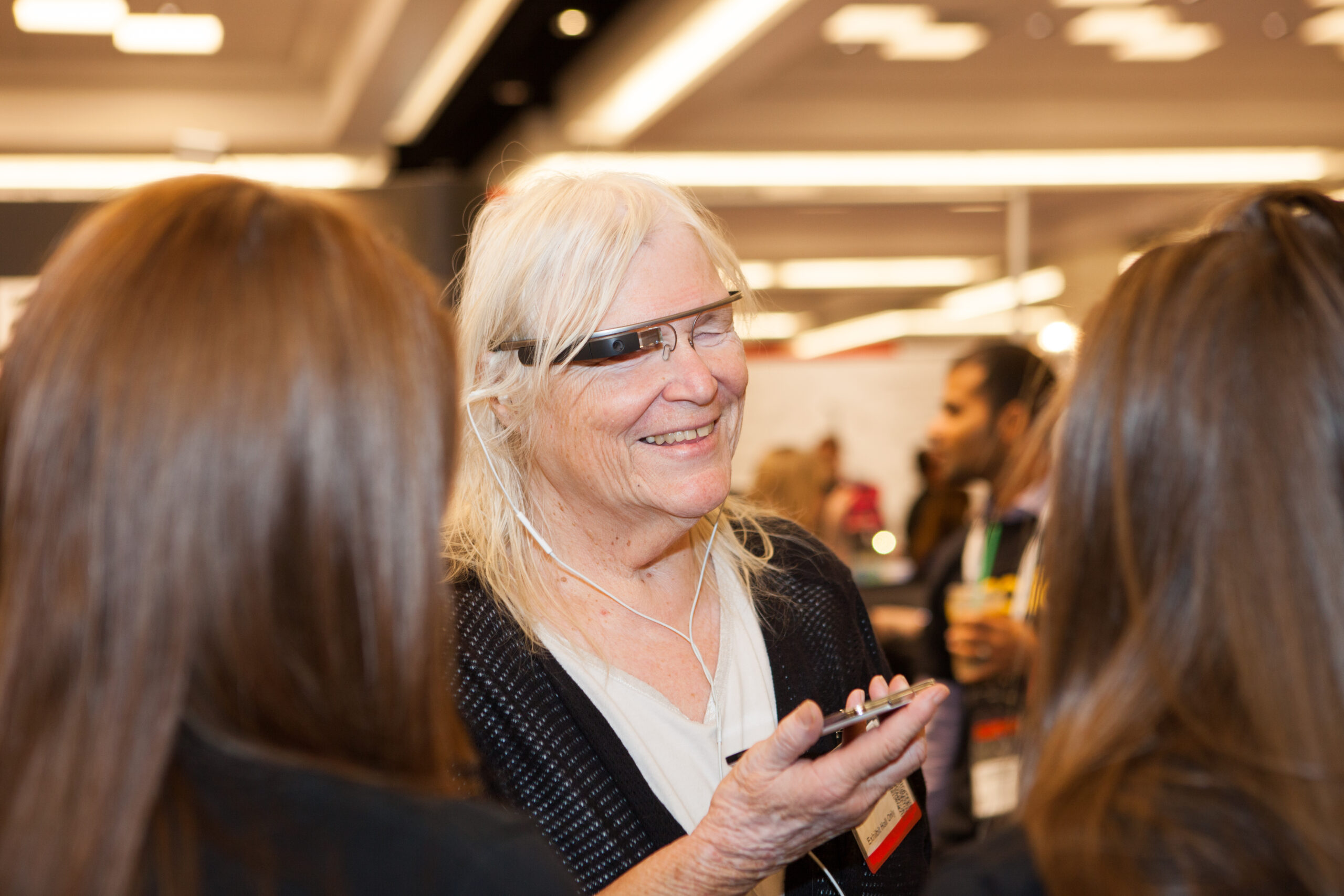
Aira.IO combines wearable tech with a remote agent service to guide the visually impaired.  Users are connected with agents who interpret the data stream from smart glasses and assist with navigation. The device uses a routing algorithm based on user and agent preferences.

The company completed  a multi-phase beta trial with 100 blind and low-vision participants in simulated and real-life settings. Users wore Google Glass and were assisted by agents via Aira’s dashboard platform during several activities: navigating city streets and intersections; being in a hotel; locating and identifying canned goods in a kitchen; selecting clothing in a simulated department store; shopping at a supermarket; ordering at a coffee shop; and traveling by foot and public transportation.

WEARABLE TECH + DIGITAL HEALTH SAN FRANCISCO – APRIL 5, 2016 @ THE MISSION BAY CONFERENCE CENTER

NEUROTECH SAN FRANCISCO – APRIL 6, 2016 @ THE MISSION BAY CONFERENCE CENTER

Categories
Seniors

Device analyzes senior behavior, notifies caregivers of anomalies

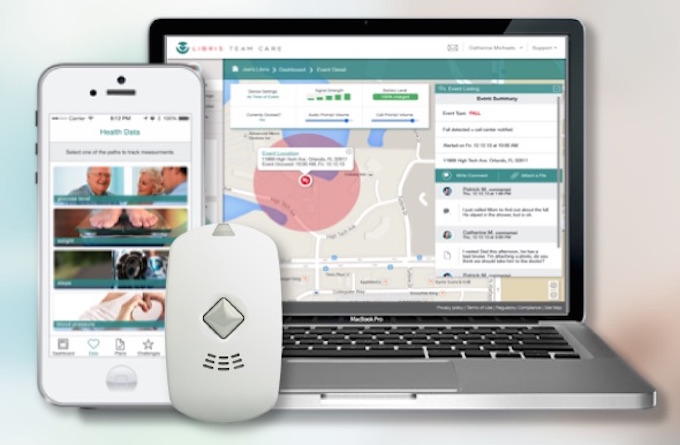
Numera EverThere monitors senior health and daily activities in real time, and immediately notifies caregivers of of out-of-parameter readings.

Senior safety products are typically reactive — the most popular example being a button pushed after a wearer has fallen.  EverThere aims to be proactive, monitoring  daily activities and movement to determine anomalies which require intervention.

The service and open cloud platform  work with the Numera Libris, a 3G connected, GPS-enabled two-way voice communication device, which sends customized notifications to caregivers.

WEARABLE TECH + DIGITAL HEALTH SAN FRANCISCO – APRIL 5, 2016 @ THE MISSION BAY CONFERENCE CENTER

NEUROTECH SAN FRANCISCO – APRIL 6, 2016 @ THE MISSION BAY CONFERENCE CENTER

REGISTER BY 11/30/15 TO RECEIVE THE PREFERRED RATE


Categories
Autism Wearables

GPS, voice monitoring wearable for special needs kids

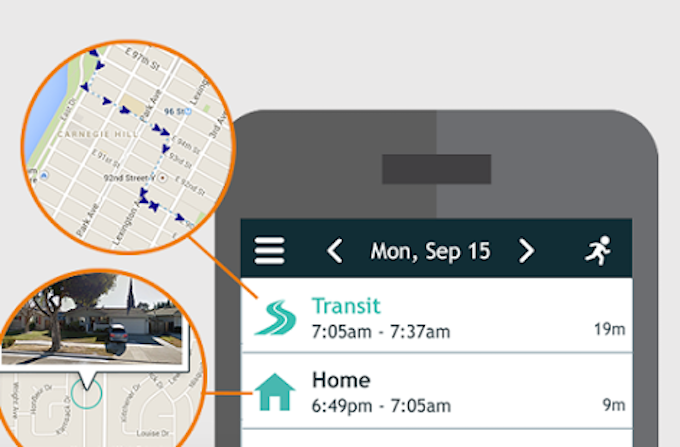
AngelSense is a tracking and voice monitoring wearable designed for children with special needs.  Parents can:

  • Receive an automatically generated real-time schedule
  • Listen to a child’s activities
  • Receive notifications of every location change
  • Locate a lost child with a 10 second live location update
  • Automatically download photos of the day’s locations

Continuous monitoring and real time alerts are enabled by cloud-based analytics and a web app.  Subscribers receive a visual diary of the child’s day, and an interface where parents and caregivers can share information and photos.

The company’s website highlights a case study where a parent and child review photos of the child’s day:  “Every evening Josh and I watch the places he visited. By using the pictures, Josh can finally share his day with me! He understands I keep him safe and feels more confident knowing I’m with him at all times.”

AngelSense customer service is staffed  with parents of special needs kids who are  expert users of product.

While AngelSense is geared toward children, ApplySci believes that it could be also be  used as a safety solution for dementia sufferers and their caregivers.

WEARABLE TECH + DIGITAL HEALTH SAN FRANCISCO – APRIL 5, 2016 @ THE MISSION BAY CONFERENCE CENTER

NEUROTECH SAN FRANCISCO – APRIL 6, 2016 @ THE MISSION BAY CONFERENCE CENTER

REGISTER BEFORE NOVEMBER 30TH TO RECEIVE THE PREFERRED RATE.

Categories
Robotics Seniors

Senior robots perform tasks, respond to emergencies

Robots can help seniors age in place.  Following are examples of robots that perform tasks, communicate, and notify loved ones in emergencies.

Toyota’s Human Support Robot program’s current robot prototype is compact and highly maneuverable, with a folding arm which can pick up objects off the floor, and bring things down from shelves, among other tasks.   It will be able to be operated remotely by caregivers, with the operator’s face and voice being relayed in real time.

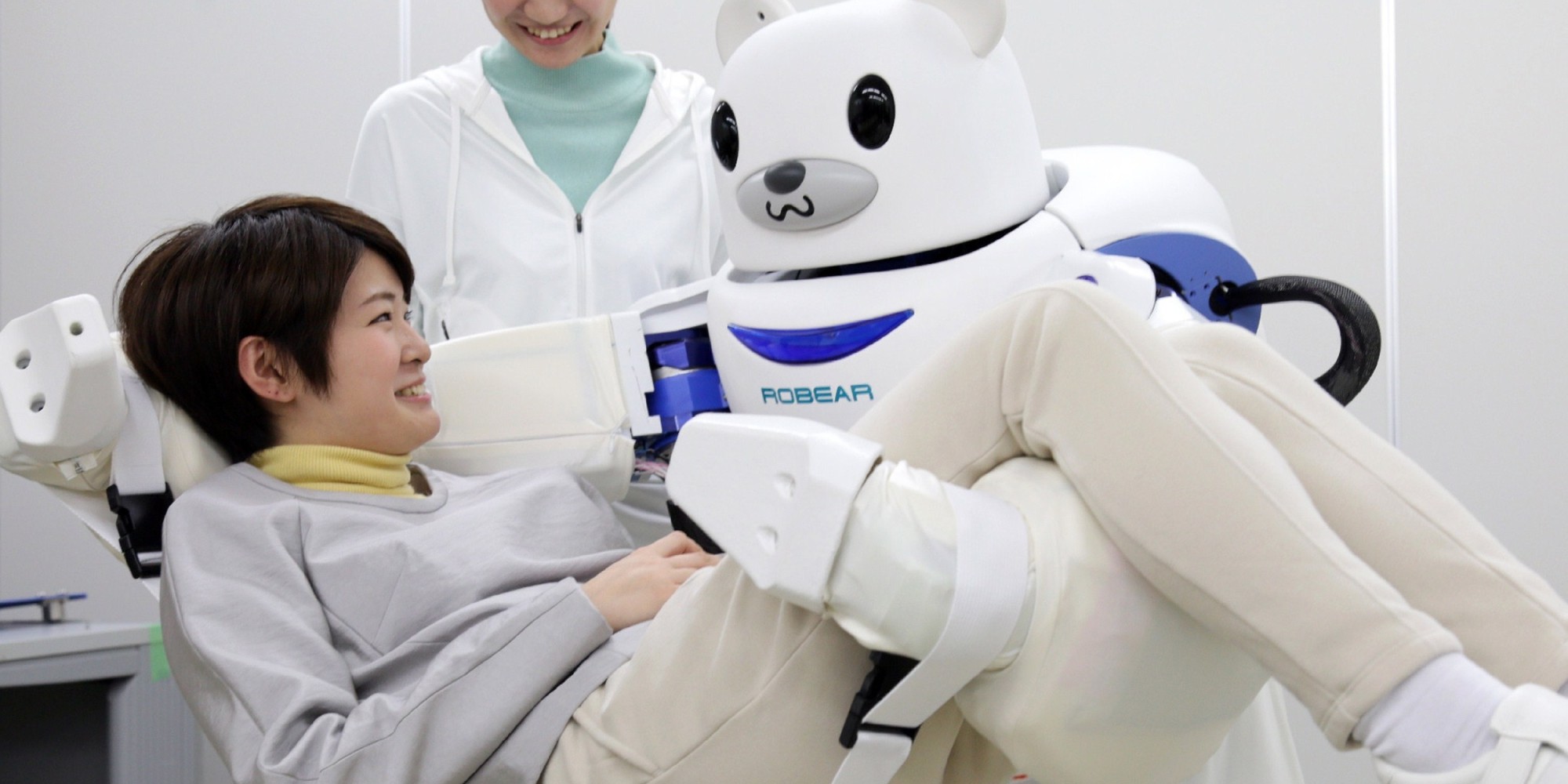
RIKEN and Sumitomo Riko’s  nursing care robot, called Robear, can lift a person from a bed into a wheelchair, or help him/her start up. It is designed to exert force gently, including actuator units with a low gear ratio that allow for softer movement of robotic joints, and tactile, rubber sensors to lift patients.

The GiraffPlus robot works with smart home technologies  Environmental sensors provide movement data, alerting carers of falls, and physiological sensors track health metrics,  such as blood pressure.

Fraunhofer’s Care-O-bot can perform a number of fetch-and-carry tasks; entertain and communicate – reminding an elderly person of important appointments, or when to take their medication – and respond to an emergency. It is able to move towards a fallen person, while communicating  with an emergency center, which can talk to the user by video,  using the robot’s screen, speakers and microphone.

The Bristol Robotics Laboratory has developed a  a “living lab” with smart home functionality. Robotics researchers, seniors with assistive needs and those supporting them to work together to create and test home robotic solutions. The Anchor Robotics Personalized Assisted Living  facility is connected via a network of wireless sensors and Wi-fi cameras to a central controller. Data generated from the sensors will enable the researchers to detect patterns of activity in the house to build adaptable algorithms. The algorithms will then be used to record individual habits and devise personalized robotic systems adapted to individual lifestyles.

WEARABLE TECH + DIGITAL HEALTH SAN FRANCISCO – APRIL 5, 2016  @ THE MISSION BAY CONFERENCE CENTER

NEUROTECH SAN FRANCISCO – APRIL 6, 2016 @ THE MISSION BAY CONFERENCE CENTER

REGISTER HERE.  PREFERRED RATE ENDS NOVEMBER 30TH.

Categories
Assistive Technologies Eyes

Drone guides visually impaired runners

University of Nevada‘s Eelke Folmer has built a  drone system that guides visually impaired runners around a track, allowing them to run without a sighted guide. A downward-facing camera follows the lines on the track. A second camera focuses on a marker on the runner’s shirt.  The quadcopter flies at eye level, 10 feet ahead of a runner, and guides with sound.  The drone adjusts its speed to accommodate the runner’s pace.

Professor Folmer’s lab is developing multiple projects aimed at improving the lives of those with limited sight.

WEARABLE TECH + DIGITAL HEALTH SAN FRANCISCO – APRIL 5, 2016 @ THE MISSION BAY CONFERENCE CENTER

NEUROTECH SAN FRANCISCO – APRIL 6, 2016 @ THE MISSION BY CONFERENCE CENTER

Categories
3-D Printing Heart

Toward a 3D printed heart

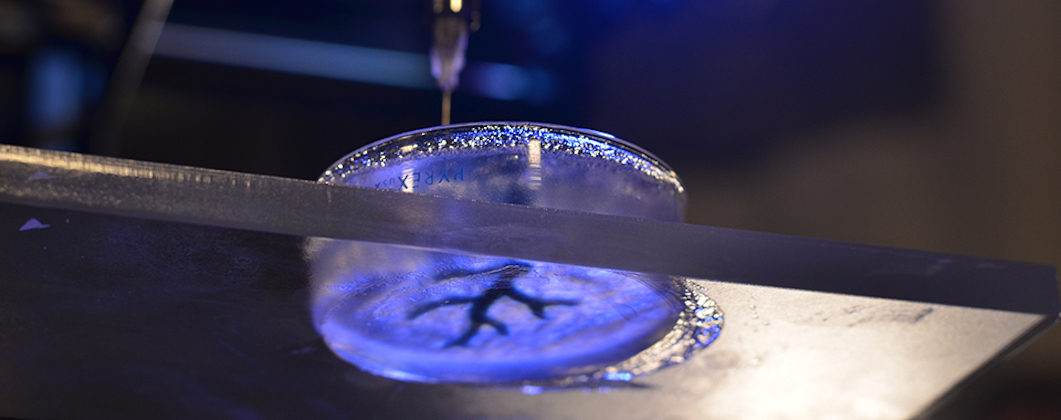
Carnegie Mellon‘s Adam Feinberg is developing 3D printing techniques that could in the future be used to repair the heart.  This work is aimed at alternative solutions for the 4,000 Americans currently waiting to receive a heart transplant.

Feinberg described his progress:  “We’ve been able to take MRI images of coronary arteries and 3-D images of embryonic hearts and 3-D bioprint them with unprecedented resolution and quality out of very soft materials like collagens, alginates and fibrins.”

The next step is to incorporate real heart cells into these 3-D printed tissue structures, providing a scaffold to help form contractile muscle.

Click to view Carnegie Mellon video.

WEARABLE TECH + DIGITAL HEALTH SAN FRANCISCO – APRIL 5, 2016 @ THE MISSION BAY CONFERENCE CENTER

NEUROTECH SAN FRANCISCO – APRIL 6, 2016 @ THE MISSION BAY CONFERENCE CENTER

Categories
Computer Vision Orthopedics Seniors Sensors

Smart walker monitors gait, assesses falling probability

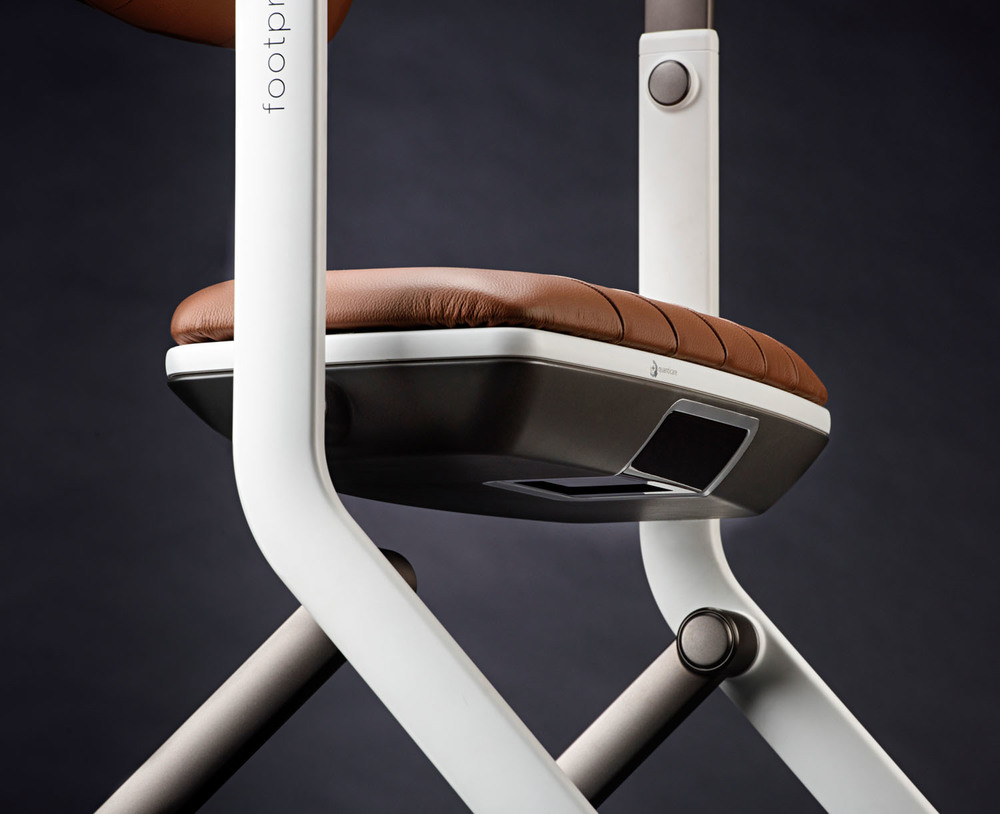
Footprints by Quanticare is a walker that  continuously collects passive and contextual gait data, with the goal of predicting and preventing senior falls.  Its computer vision algorithm captures spatio-temporal gait metrics of the user and sends the data to a health care provider.

The company claims that  the walker could measure an osteoarthritic limp to improve PT protocols, and that it can gauge  MS progression by measuring the difference between  steps.

WEARABLE TECH + DIGITAL HEALTH SAN FRANCISCO – APRIL 5, 2016 @ THE MISSION BAY CONFERENCE CENTER

NEUROTECH SAN FRANCISCO – APRIL 6, 2016 @ THE MISSION BAY CONFERENCE CENTER

*PREFERRED REGISTRATION RATE ENDS TODAY – 10/23/15

Categories
Brain

Military shockwave sensor used for sports concussion detection

Early detection of concussion can enable more rapid treatment and better outcomes.

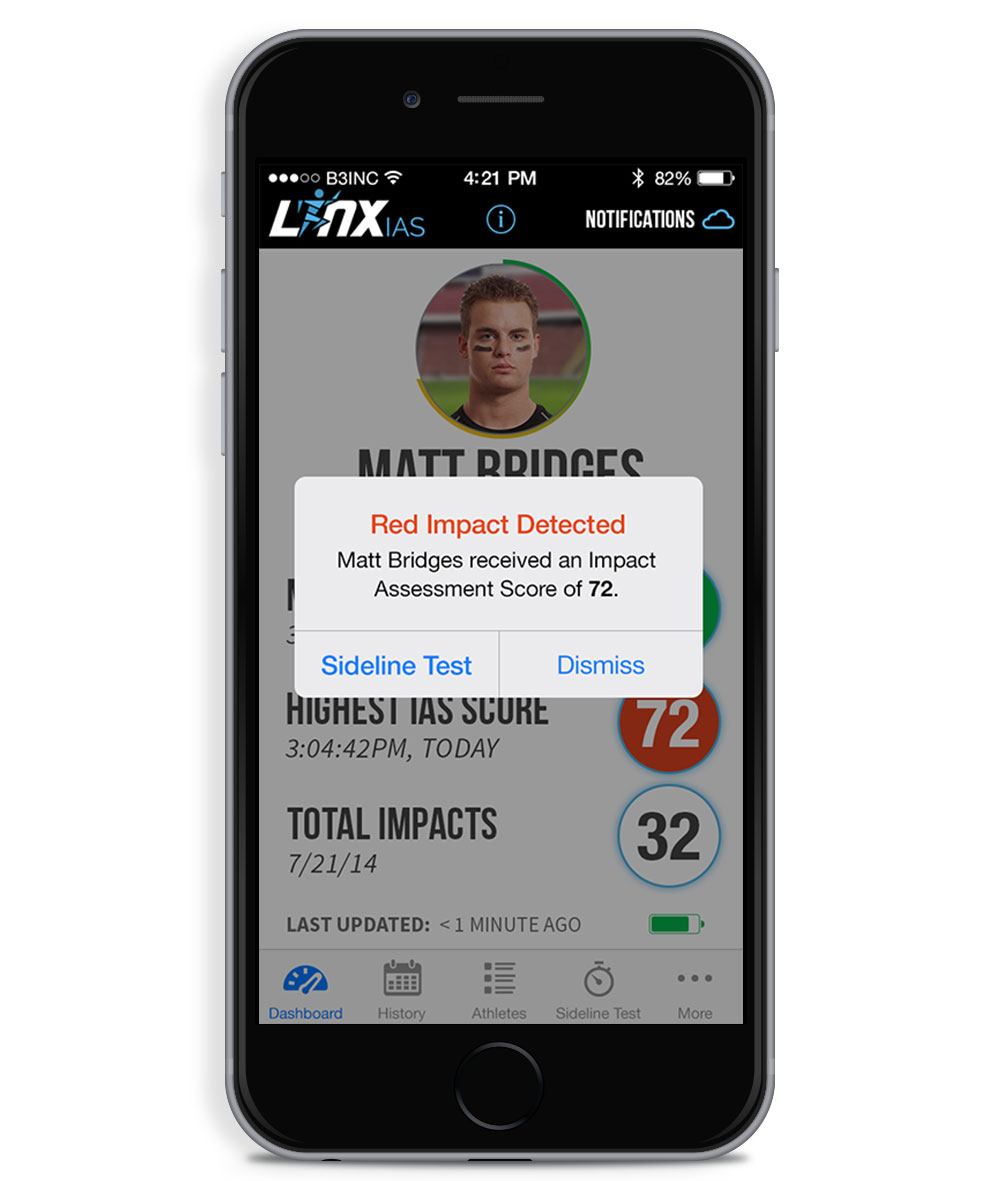
The Linx IAS  sensor detects head impact severity during sports training.  It was built upon military technology that measures the  impact of  explosion shockwaves on the brain.

The sensor is part of fabric headband.  Concussive forces are transmitted to an app that rates each blow from 1-99.  Each rating has an associated traffic light color code.  Green signals a low level “sub-concussive” blow, while red identifies a severe hit.

WEARABLE TECH + DIGITAL HEALTH SAN FRANCISCO – APRIL 5, 2016 @ THE MISSION BAY CONFERENCE CENTER

NEUROTECH SAN FRANCISCO – APRIL 6, 2016 @ THE MISSION BAY CONFERENCE CENTER

Categories
Heart

Optogenetics used to regulate heartbeat

Oxford’s Gil Bub and and Stony Brooks’ Emilia Entcheva have used optogenetics, a method used to control neurons, to regulate heartbeat.

Arrhythmia patients currently use pacemakers or drugs to control heart rhythm.   These approaches can stop or start waves, but cannot provide fine control over wave speed and direction.

In the Bub and Entcheva study, a protein called channelrhodopsin was delivered to heart cells via gene therapy.  This made them light-responsive. Using a computer-powered light projector, the researchers controlled  the speed and direction of the cardiac waves, and the orientation of spirals, in real time.  This has never before been shown in a living system.

Click to view University of Oxford video.

WEARABLE TECH + DIGITAL HEALTH SAN FRANCISCO – APRIL 5, 2016 @ THE MISSION BAY CONFERENCE CENTER

NEUROTECH SAN FRANCISCO – APRIL 6, 2016 @ THE MISSION BAY CONFERENCE CENTER

Categories
Autism Brain Wearables

Glass app helps autistic kids understand expressions, emotions

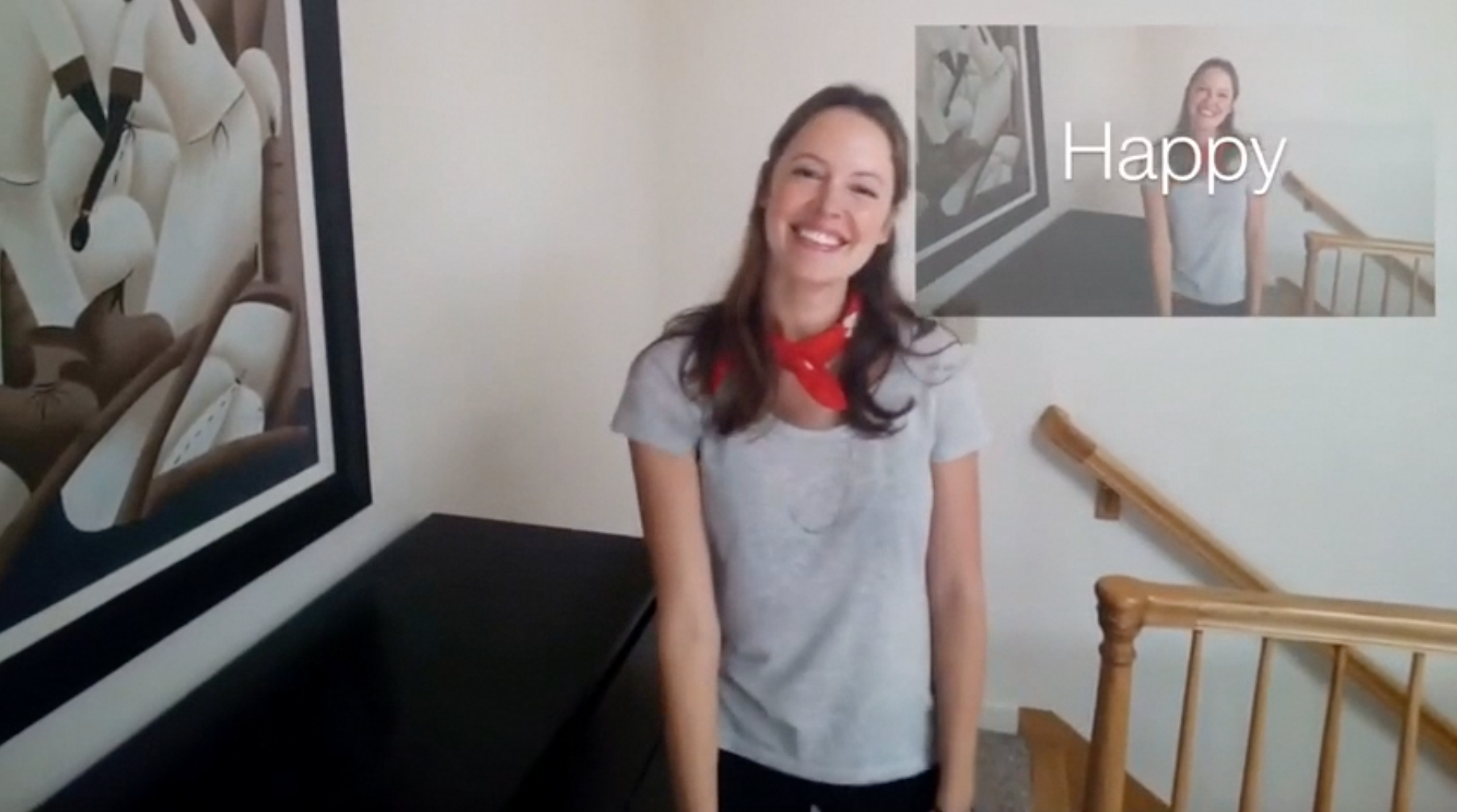
Dennis Wall, Catalin Voss, and  Nick Haber of Stanford’s Wall Lab are developing Google Glass software to help autistic children recognize and understand facial expressions and emotions.

Head motion tracking sensors, a microphone, and an eye tracking infrared camera analyze a wearer’s behavior during social interactions. Real time social cues are provided, and responses, including eye contact details, which can be analyzed in behavioral therapy, are recorded. The goal is to incorporate behavioral therapy into natural settings.

Last year ApplySci described a related technology,  Brain Power‘s Glass app, where expressions are interpreted and social engagement with parents is monitored, using games and exercises.

The Autism Glass Project has been tested on 40 children, and a clinical trial of 100 participants is now beginning.

WEARABLE TECH + DIGITAL HEALTH SAN FRANCISCO – APRIL 5, 2016 @ THE MISSION BAY CONFERENCE CENTER

NEUROTECH SAN FRANCISCO – APRIL 6, 2016 @ THE MISSION BAY CONFERENCE CENTER