Categories
Seniors Wearables

Gait monitoring wearable to prevent senior falls

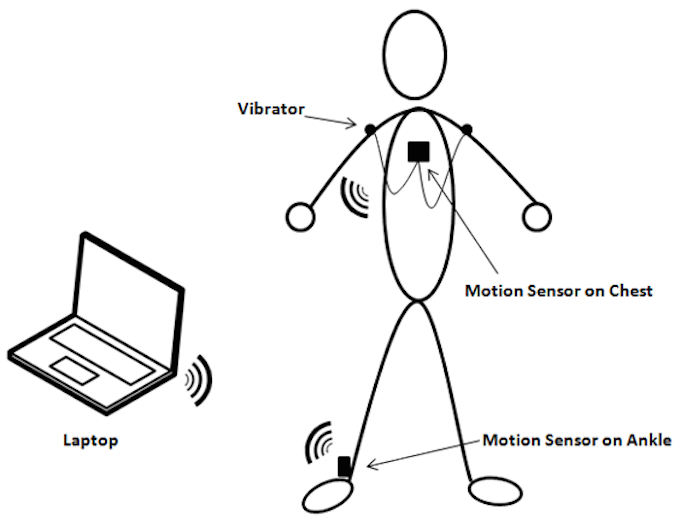
Roozbeh Jafari and Texas A&M colleagues are developing a gait monitoring wearable to  prevent senior falls.  The system will analyze multiple sway and gait parameters while one walks or stands on one leg.   Users will receive auditory and vibration feedback to reduce an unsafe sway and prevent falls. The wearable will be worn on the ankle and chest, and can be used for home monitoring or clinical training/risk assessment.

WEARABLE TECH + DIGITAL HEALTH SAN FRANCISCO – APRL 5, 2016 @ THE NEW YORK ACADEMY OF SCIENCES

NEUROTECH SAN FRANCISCO – APRIL 6, 2016 @ THE NEW YORK ACADEMY OF SCIENCES

Categories
Eyes Wearables

LCD glasses treat amblyopia, correct vision

Amblyz are programmable LCD glasses that can treat amblyopia (colloquially known as “lazy eye”).

Instead of patching, the lens over the affected eye would go dark for a few seconds out of every 30 during the prescribed patching period.  As children with amblyopia often have astigmatism or nearsightedness, the glasses simultaneously corrects vision (when not occluding it).

Researchers compared  Amblyz with traditional patching on 33 children, ages 3-8. For 3 months, one group wore the patch for 2 hours per day, while the other wore Amblyz for 4 hours per day. Both groups showed similar improvement, and were able to see an average of two more lines on a reading chart.

WEARABLE TECH + DIGITAL HEALTH SAN FRANCISCO – APRIL 5, 2016 @ THE MISSION BAY CONFERENCE CENTER

NEUROTECH SAN FRANCISCO – APRIL 6, 2016 @ THE MISSION BAY CONFERENCE CENTER

Categories
Heart Monitoring Respiratory

Phone tracks health with out wearable sensors

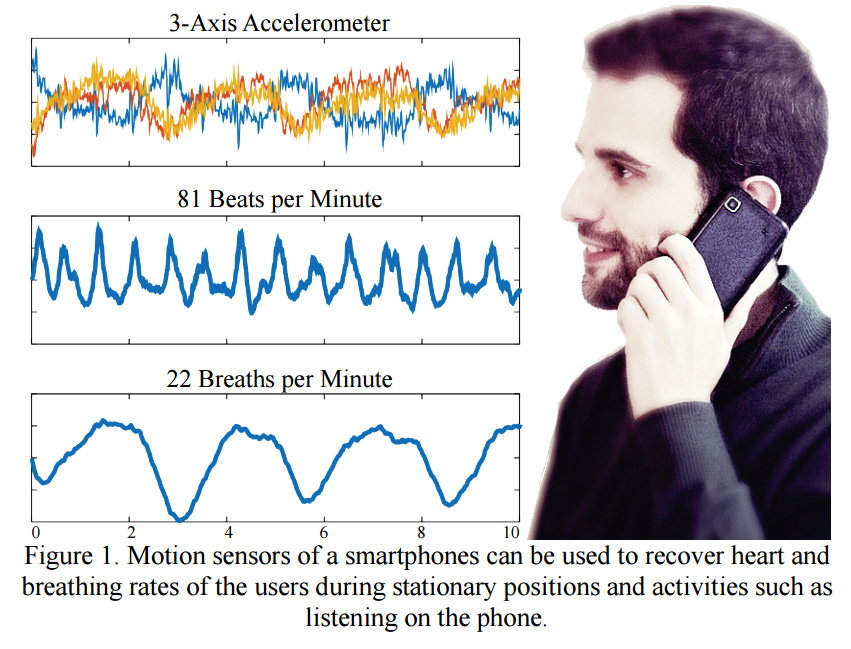
Javier Hernandez Rivera of Rosalind Picard‘s Affective Computing Group at MIT is developing a health monitoring phone that does not require a wearable.  BioPhone derives biological signals from a phone’s accelerometer, which the team says captures small body movements that result from one’s heart beating and chest rising and falling.

Hernandez said that BioPhone is meant to gather data during still moments, simplifying the capture of small vibrations without having to account for many body movements.   He believes that this can detect stress, which could trigger the phone to provide breathing exercises, or notify a loved one to call.

12 subjects sat, stood, and lied down, before and after pedaling a bike, with a smartphone in their pocket.  To compare results,  they wore sensors to capture heart and breathing rates. Heart rates reported by smartphone data alone were off by 1 beat per minute, and breathing rates were off by 1/4 of a breath per minute.

MIT Technology Review reported that the findings were questioned by a U of Alabama mobile health expert, who believes  that results will be affected by signal noise from inadvertent motions.

WEARABLE TECH + DIGITAL HEALTH SAN FRANCISCO – APRIL 5, 2016 @ THE MISSION BAY CONFERENCE CENTER

NEUROTECH SAN FRANCISCO – APRIL 6, 2016 @ THE MISSION BAY CONFERENCE CENTER
Categories
Sleep Wearables

Ring monitors vitals 24/7, makes sleep improving suggestions

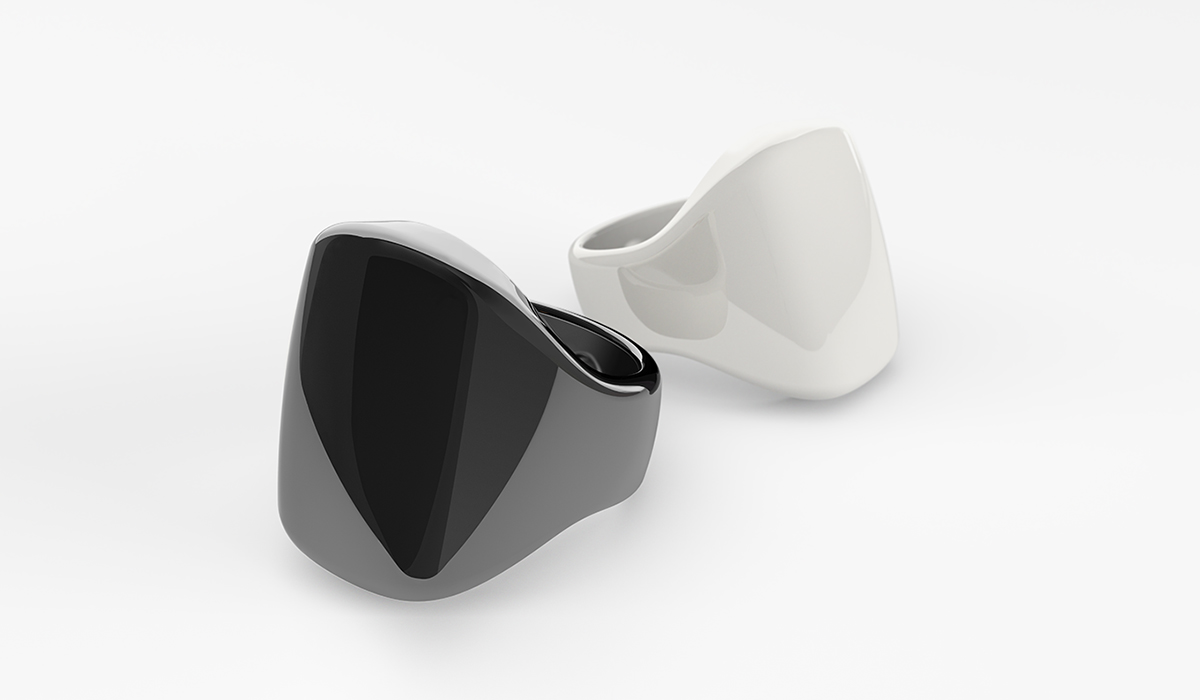
Oura ring is a crowdfunded wearable that monitors heart rate, respiration, temperature, and movement, including time spent sitting.   The ceramic ring uses Bluetooth to share data with the accompanying app, which makes activity suggestions to improve sleep.  It also provides a “readiness score,” which the company claims alerts a user of his/her peak physical and mental performance times. Oura’s battery lasts for three days, and is charged in its ring box.

WEARABLE TECH + DIGITAL HEALTH SAN FRANCISCO – APRIL 5, 2016 @ THE MISSION BAY CONFERENCE CENTER

NEUROTECH SAN FRANCISCO – APRIL 6, 2016 @ THE MISSION BAY CONFERENCE CENTER

Categories
Conference Wearables

Smart airline uniforms improve passenger safety

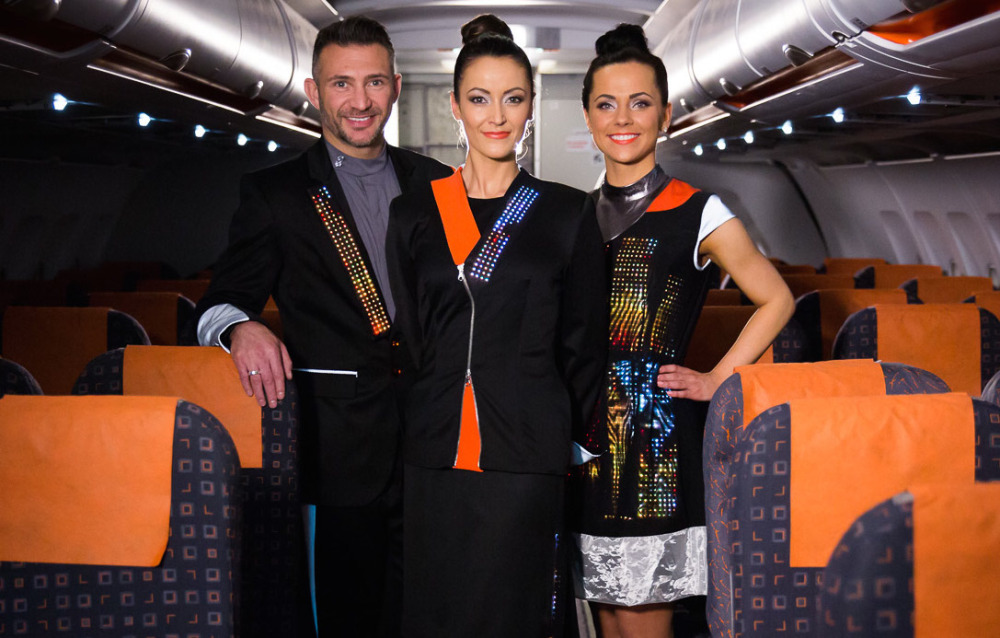
easyJet has partnered with CuteCircuit to create sensor embedded crew uniforms to improve passenger safety.

Cabin crew uniforms have shoulder LEDs and illuminated hems to provide lighting. Lapel LEDs display fight numbers, and microphones  in the fabric enable immediate communication.

Engineers’ uniforms have LEDs in  jacket hoods to illuminate work areas, and built in cameras to share photos for assistance.  Integrated air quality sensors and barometers notify workers of environmental issues, and create a city-by-city air quality map for passengers.

WEARABLE TECH + DIGITAL HEALTH SAN FRANCISCO – APRIL 5, 2016 @ THE MISSION BAY CONFERENCE CENTER

NEUROTECH SAN FRANCISCO – APRIL 6, 2016 @ THE MISSION BAY CONFERENCE CENTER
Categories
Brain Cancer Ultrasound

Ultrasound penetrates blood-brain barrier to treat brain tumor

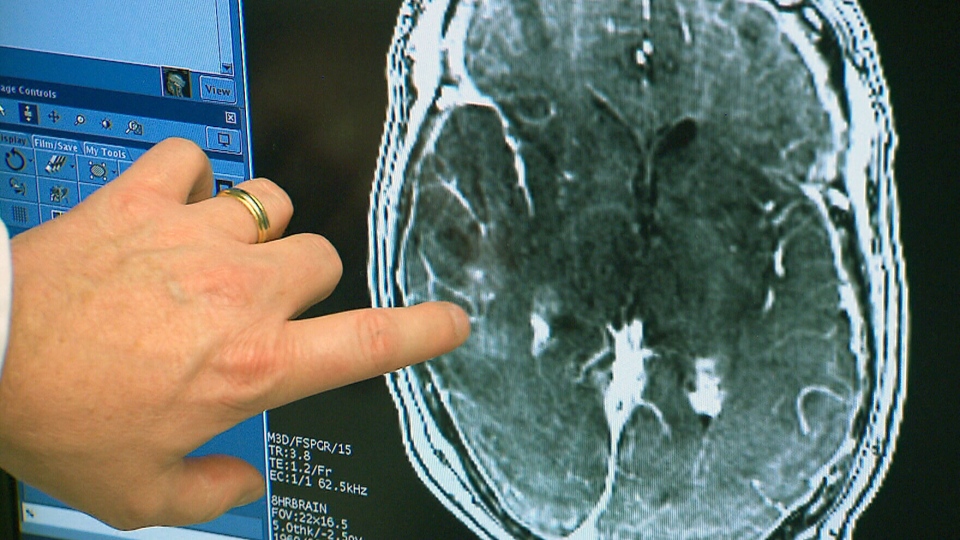
Todd Mainprize at Sunnybrook Hospital has, for the first time,  delivered chemotherapy directly to a brain tumor, by breaking through the blood-brain barrier using tightly focused ultrasound.

The patient’s bloodstream was  infused with a chemotherapy drug, as well as microscopic bubbles, which are smaller than red blood cells and can pass freely through blood. MRI-guided, low intensity sound waves targeted blood vessels in the blood-brain barrier, near the tumor site. The ultrasound waves vibrated the microbubbles,  loosening the tight cell junctions of the blood-brain barrier. The loosened junctions allowed the chemotherapy drug to flow past the barrier and deposit within the targeted tumor site.

This breakthrough could also lead to new treatments for brain diseases such as Parkinson’s and Alzheimer’s.

Click to view Sunnybrook Hospital video.

NEUROTECH SAN FRANCISCO – APRIIL 6, 2016 @ THE MISSION BAY CONFERENCE CENTER

Categories
Heart Wearables

Chip uses ECG to monitor heart, improving wearable accuracy

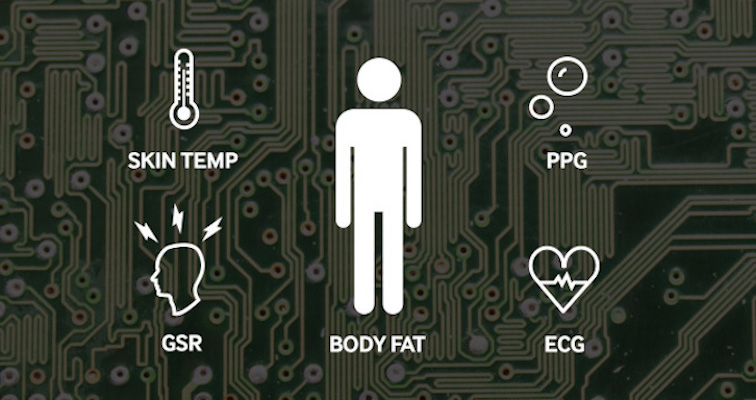
Samsung’s  Bio Processor uses ECG  to continuously measure the electric activity of the heart, improving its accuracy.  It must be worn on the skin near the heart, and includes built-in flash memory and Bluetooth for connecting to one’s phone.  The chip can also monitor PPG, ECG, skin temperature, GSR and body fat. The company describes this as a breakthrough in wearable accuracy.  While not yet available to consumers, it will be used in wearables for health, fitness, or biometric identification purposes.

WEARABLE TECH + DIGITAL HEALTH SAN FRANCISCO – APRIL 5, 2016 @ THE MISSION BAY CONFERENCE CENTER

NEUROTECH SAN FRANCISCO – APRIL 6, 2016 @ THE MISSION BAY CONFERENCE CENTER
Categories
Brain Parkinson's Wounds

Wearable + exercise app to improve Parkinson’s symptoms

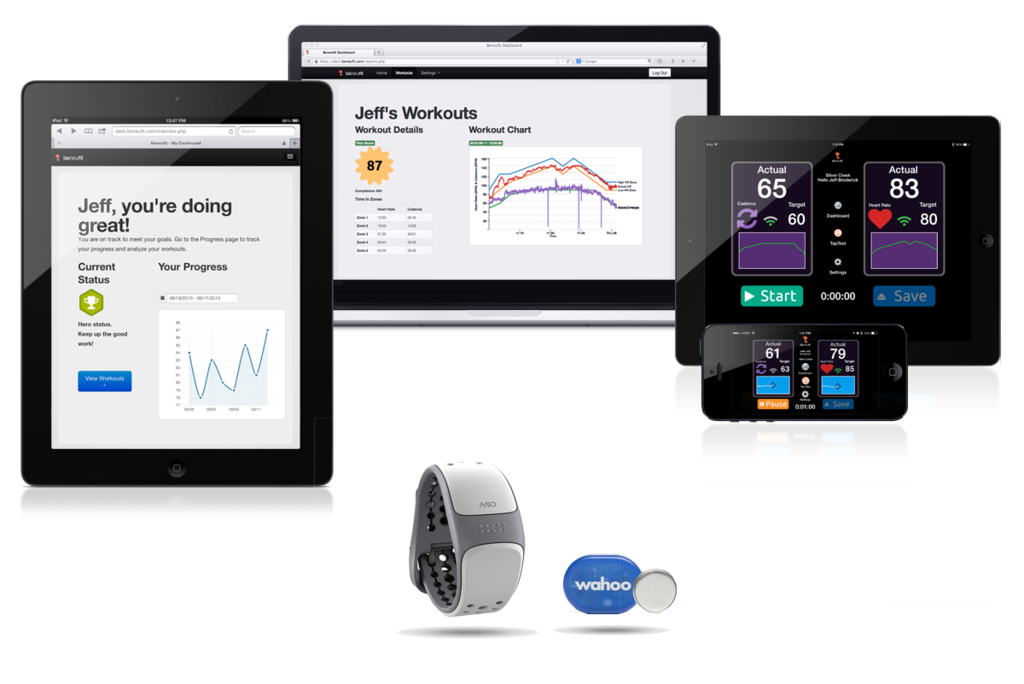
MIO and Beneufit have partnered to develop wearables to target the symptoms of Parkinson’s disease.

The pdFIT exercise app was developed to improve manual dexterity and fitness levels in Parkinson’s patients.  The wearable continuously monitors progress via sensors on the wrist.

The company claims that its Optimal Heart Rate  technology cancels noise caused by movement, due to an added accelerometer.  This improves the accuracy of the heart rate monitoring algorithm.

WEARABLE TECH + DIGITAL HEALTH SAN FRANCISCO – APRIL 5, 2016 @ THE MISSION BAY CONFERENCE CENTER

NEUROTECH SAN FRANCISCO – APRIL 6, 2016 @ THE MISSION BAY CONFERENCE CENTER
 

Categories
BCI Brain

Faster, noninvasive BCI speller system

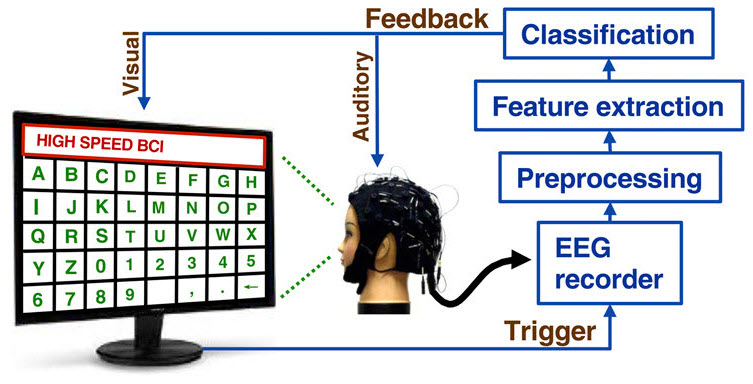
Tsinghua University researchers have developed  a noninvasive brain-computer interface with the fastest information transfer rate to date.   The system is based on  steady-state visual evoked potentials, where a speller system detects a user’s gaze direction to a target a character.

Frequency and phase of stimulation signals were precisely encoded in single-trial SSVEPs. A user-specific decoding algorithm adjusted to individual differences in visual latency. Interference from noisy EEG signals was addressed with a visual latency estimation approach.

In online spelling performance among subjects, the mean spelling rate was 50 to 60 characters per minute, with an information transfer rate of 4.5 to 5.5 bits per second.  This is much faster than existing noninvasive BCI spelling systems.

NEUROTECH SAN FRANCISCO – APRL 6, 2016 @ THE MISSION BAY CONFERENCE CENTER

Categories
Pain Wearables

Wearable monitors physiological signs of pain

When we experience pain in a clinical setting, we are asked to rate it on a scale of 1-10, which guides our treatment plan.  This method is obviously imprecise, but also irrelevant if a patient cannot communicate or is under anesthesia.

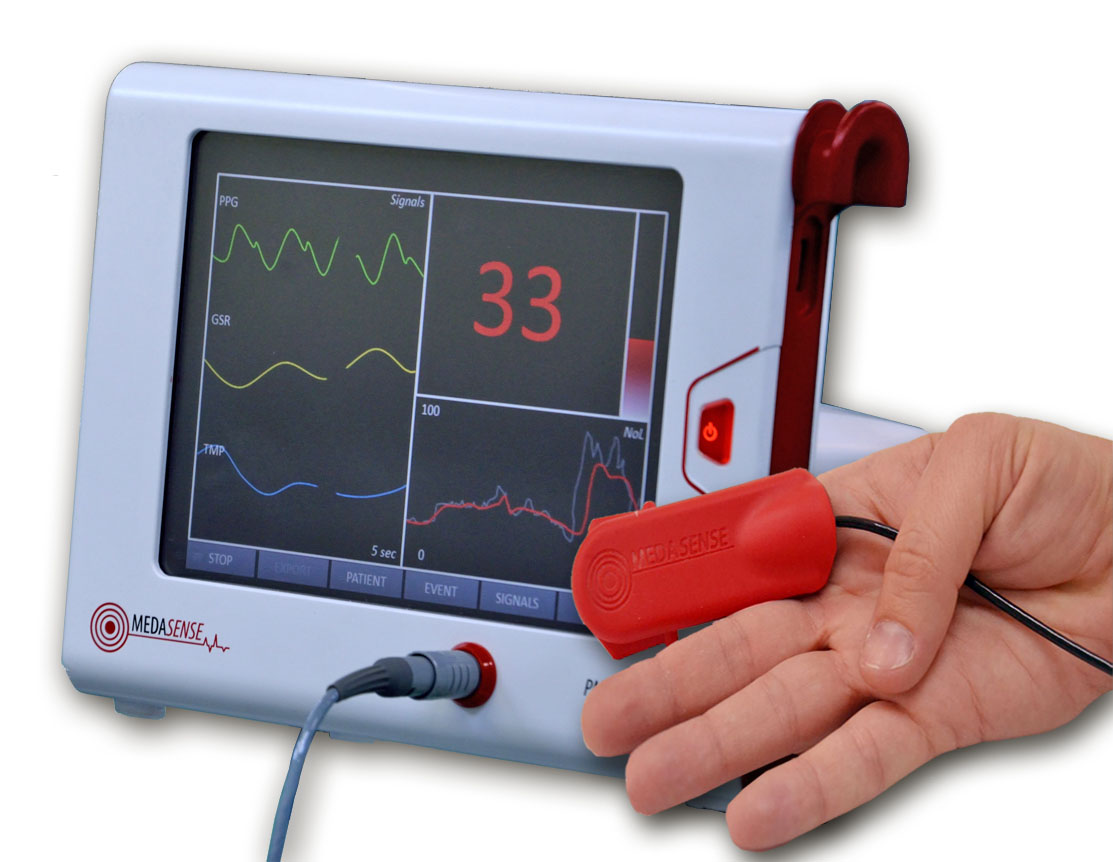
Medasense is developing a finger mounted wearable with a sensor that records physiological signs of pain.  The measurements are derived from the nonlinear composite of heart rate, heart rate variability, amplitude of the photoplethysmogram, skin conductance, fluctuations in skin conductance, and their time derivatives.  Algorithms convert the data into a real-time, continuous index on a bedside monitor.  The system is meant to be used both in the hospital and at home.

WEARABLE TECH + DIGITAL HEALTH SAN FRANCISCO – APRIL 5, 2016 @ THE MISSION BAY CONFERENCE CENTER

NEUROTECH SAN FRANCISCO – APRIL 6, 2016 @ THE MISSION BAY CONFERENCE CENTER
Categories
Pregnancy Wearables

Wireless monitor tracks contractions, fetal heart rate

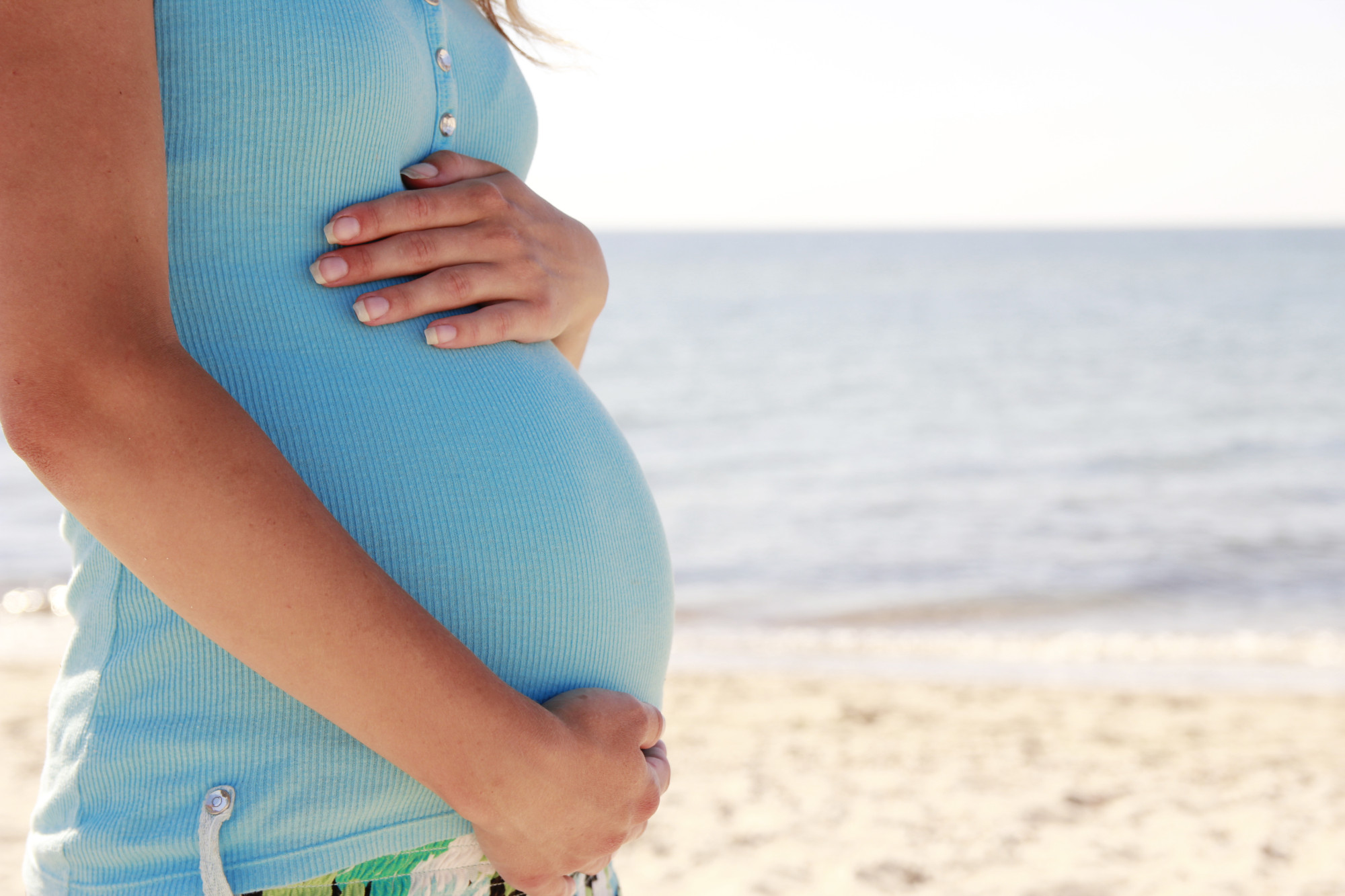
TrueLabor is a wireless monitor that measures uterine contractions and fetal heart rate throughout all stages of pregnancy and labor.  It’s creator, OB-Tools, claims that it can distinguish between true and false contractions, and is not affected by movement.

A uterine monitor measures electrical activity via surface  EMG electrodes attached to the abdomen.  An algorithm generates a wave pattern that graphically demonstrates the presence, frequency, and intensity of contractions, while filtering excess noise.

WEARABLE TECH + DIGITAL HEALTH SAN FRANCISCO – APRIL 5, 2016 @ THE MISSION BAY CONFERENCE CENTER

NEUROTECH SAN FRANCISCO – APRIL 6, 2016 @ THE MISSION BAY CONFERENCE CENTER
PREFERRED REGISTRATION RATE AVAILABLE THROUGH 11/30/15

Categories
Assistive Technologies Ears Eyes Virtual Reality

AR + Kinect games assist the hearing, visually impaired

Reflex Arc‘s  augmented reality games  work with  Microsoft Kinect to help children learn sign language and assist the visually impaired with exercise.   Boris gestures sign language, and  The Nepalese Necklace helps those with no limited sight  with mobility training.

The games encourage exercise and  are designed to help blind children learn about  spatial awareness, balance, coordination, and orientation.

WEARABLE TECH + DIGITAL HEALTH SAN FRANCISCO – APRIL 5, 2016 @ THE MISSION BAY CONFERENCE CENTER

NEUROTECH SAN FRANCISCO – APRIL 6, 2016 @ THE MISSION BAY CONFERENCE CENTER
PREFERRED REGISTRATION RATES AVAILABLE THROUGH 11/30/15.