Categories
Asthma Sensors Wearables

Medication sensing inhaler correlates adherence, attacks

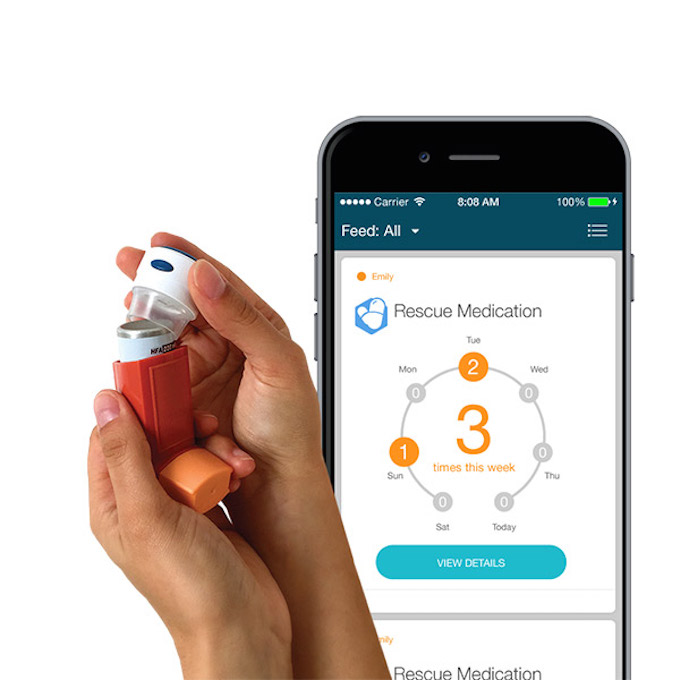
Propeller Health and GSK are developing of an inhaler-integrated medication sensor that will automatically collect and record usage data.  The system combines sensors, mobile apps, analytics, and feedback for patients and caregivers.

The companies believes that it will help doctors better understand asthma and COPD, predict attacks, and reduce hospitalizations.

Information will be collected in a central data repository and analyzed for adherence patterns across patient populations, and correlations between adherence and safety, efficacy and economic outcomes.


WEARABLE TECH + DIGITAL HEALTH SAN FRANCISCO – APRIL 5, 2016 @ THE MISSION BAY CONFERENCE CENTER

NEUROTECH SAN FRANCISCO – APRIL 6, 2016 @ THE MISSION BAY CONFERENCE CENTER

WEARABLE TECH + DIGITAL HEALTH NYC – JUNE 7, 2016 @ THE NEW YORK ACADEMY OF SCIENCES

NEUROTECH NYC – JUNE 8, 2016 @ THE NEW YORK ACADEMY OF SCIENCES
Categories
Conference

Injectable nanotech device continuously monitors glucose

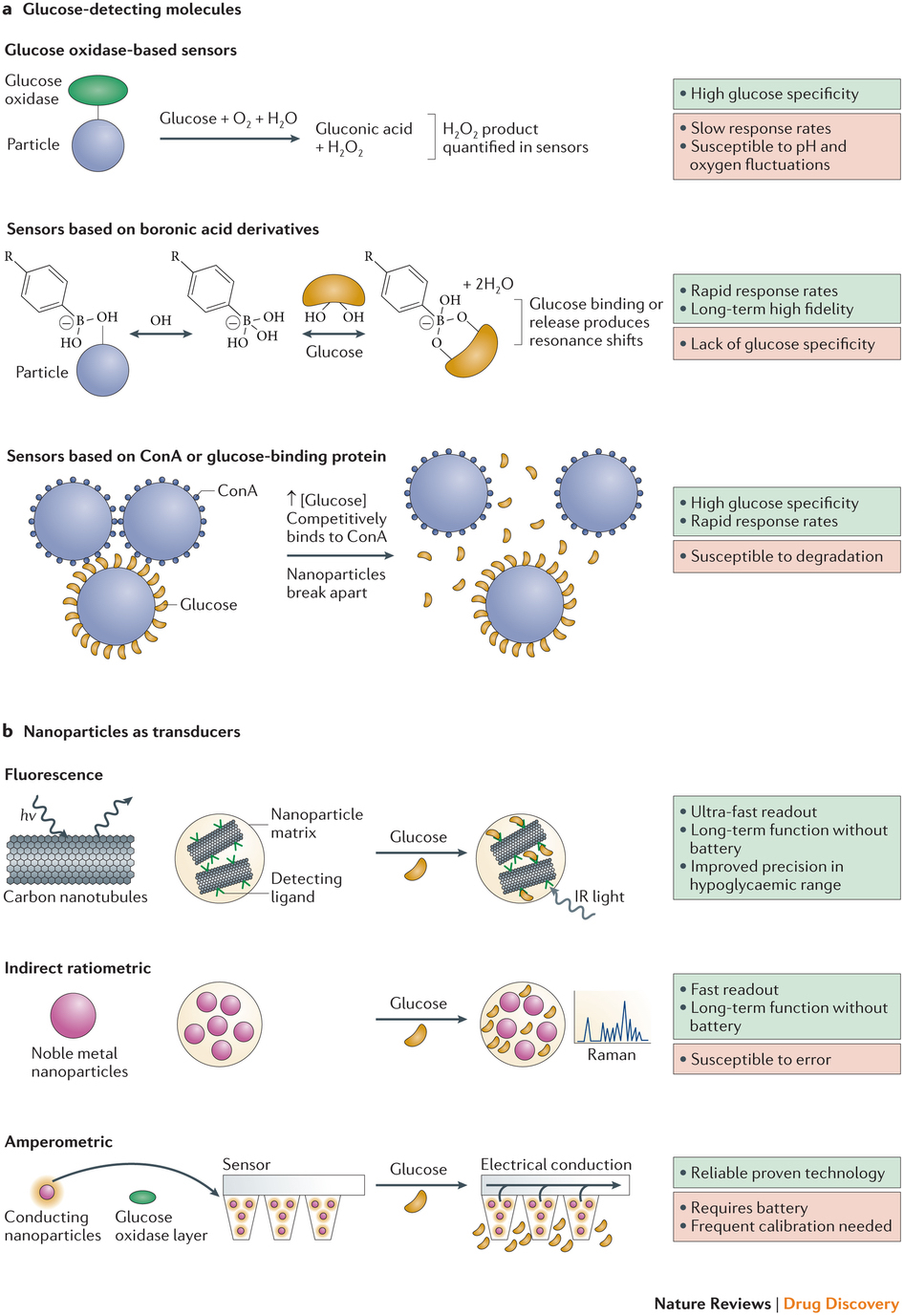
Kyungsuk Yum at the University of Texas is developing an internal, nanoscale device to continuously analyze blood sugar.   A near infrared optical biosensor nanotube is injected, and an optical scanner accesses data for constant monitoring .

Current continuous monitoring technology for diabetes requires a tube inserted through the abdomen.  This reads glucose levels in tissue, which is not as accurate as blood reading.  It must be calibrated several times per day, and changed every week.

The traditional glucometer system requires blood-drawing finger pricks throughout  the day.

WEARABLE TECH + DIGITAL HEALTH SAN FRANCISCO – APRIL 5, 2106 @ THE MISSION BAY CONFERENCE CENTER

NEUROTECH SAN FRANCISCO – APRIL 6, 2016 @ THE MISSION BAY CONFERENCE CENTER

WEARABLE TECH + DIGITAL HEALTH NYC – JUNE 7, 2016 @ THE NEW YORK ACADEMY OF SCIENCES

NEUROTECH NYC – JUNE 8, 2016 @ THE NEW YORK ACADEMY OF SCIENCES
Categories
Hormones Sensors

Real-time estrogen sensor

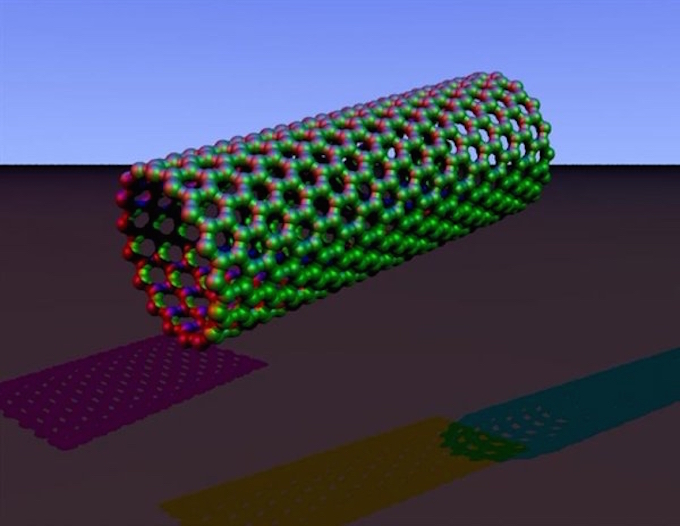
Natalie Plank and Victoria University colleagues have developed an estrogen sensor that sends an electrical signal when it detects the hormone in liquids.   The device attracts DNA pieces called aptamers, which attach to estrogen molecules, to carbon nanotubes. The nanotubes act like transistors, emitting an electric signal if estrogen molecules are present.

The technology could be used with body fluids to track fertility, or test for hormone contamination in waterways.

ApplySci believes that hormone sensing will be a focus of the next generation of wearables, and will improve health monitoring.

WEARABLE TECH + DIGITAL HEALTH SAN FRANCISCO – APRIL 5, 2016 @ THE MISSION BAY CONFERENCE CENTER

NEUROTECH SAN FRANCISCO – APRIL 6, 2016 @ THE MISSION BAY CONFERENCE CENTER

WEARABLE TECH + DIGITAL HEALTH NYC – JUNE 7, 2016 @ THE NEW YORK ACADEMY OF SCIENCES

NEUROTECH NYC – JUNE 8, 2016 @ THE NEW YORK ACADEMY OF SCIENCES
Categories
Cancer Data Machine Learning

Machine learning based cancer diagnostics

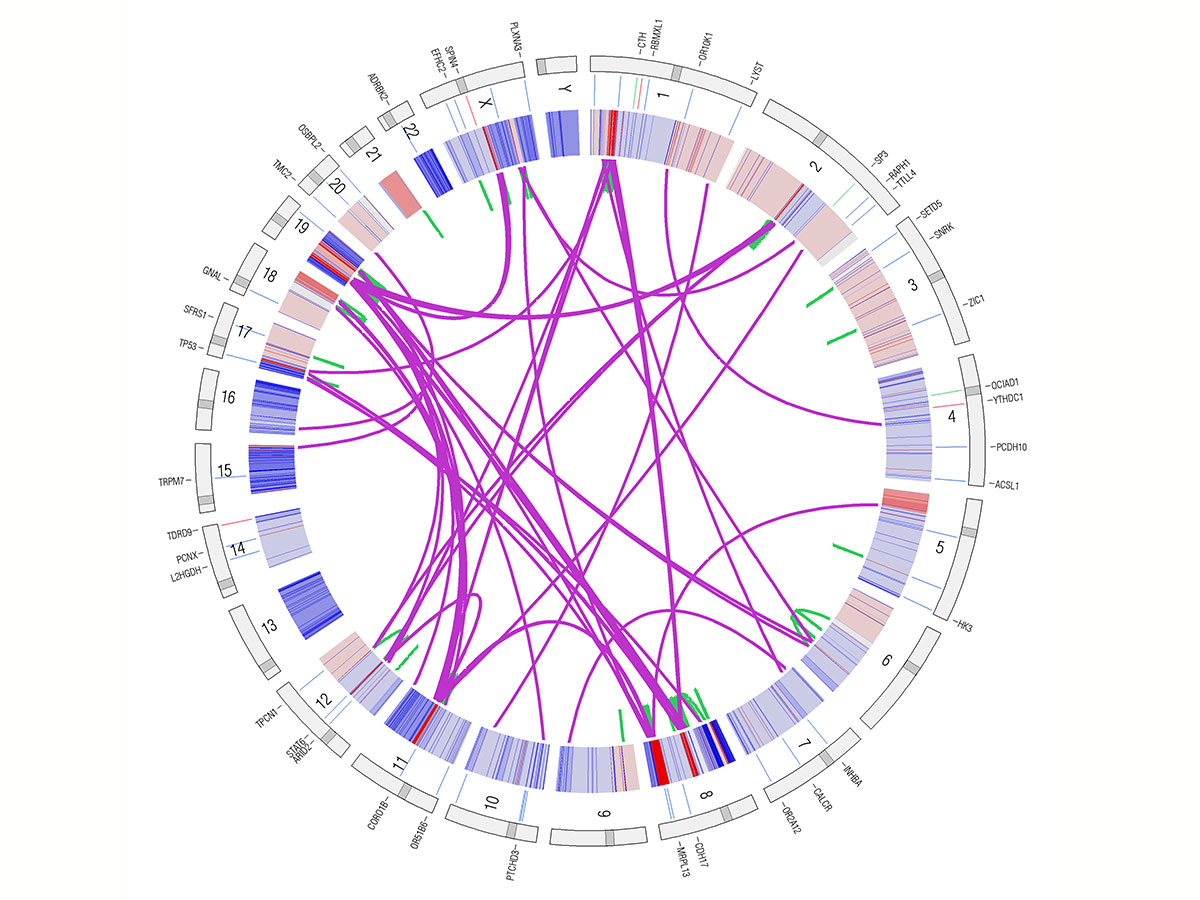
Search engine giant Yandex is using its advanced machine learning capabilities to detect cancer predisposition.

Yandex Data Factory has partnered with AstraZeneca to develop the RAY platform, which analyzes DNA testing results, generates a report about patient genome mutations, and provides treatment recommendations and side effect information. Testing will begin next month.

The two companies have signed a cooperation agreement  to launch big data projects in epidemiology, pathologic physiology, diagnostics and treatment of diseases (focused on contagious diseases, cancer, endocrinology, cardiology, pulmonology, and psychiatry).

WEARABLE TECH + DIGITAL HEALTH SAN FRANCISCO – APRIL 5, 2016 @ THE MISSION BAY CONFERENCE CENTER

NEUROTECH SAN FRANCISCO – APRIL 6, 2016 @ THE MISSION BAY CONFERENCE CENTER

Categories
3-D Printing Brain

3D printed model for brain aneurysm surgery planning

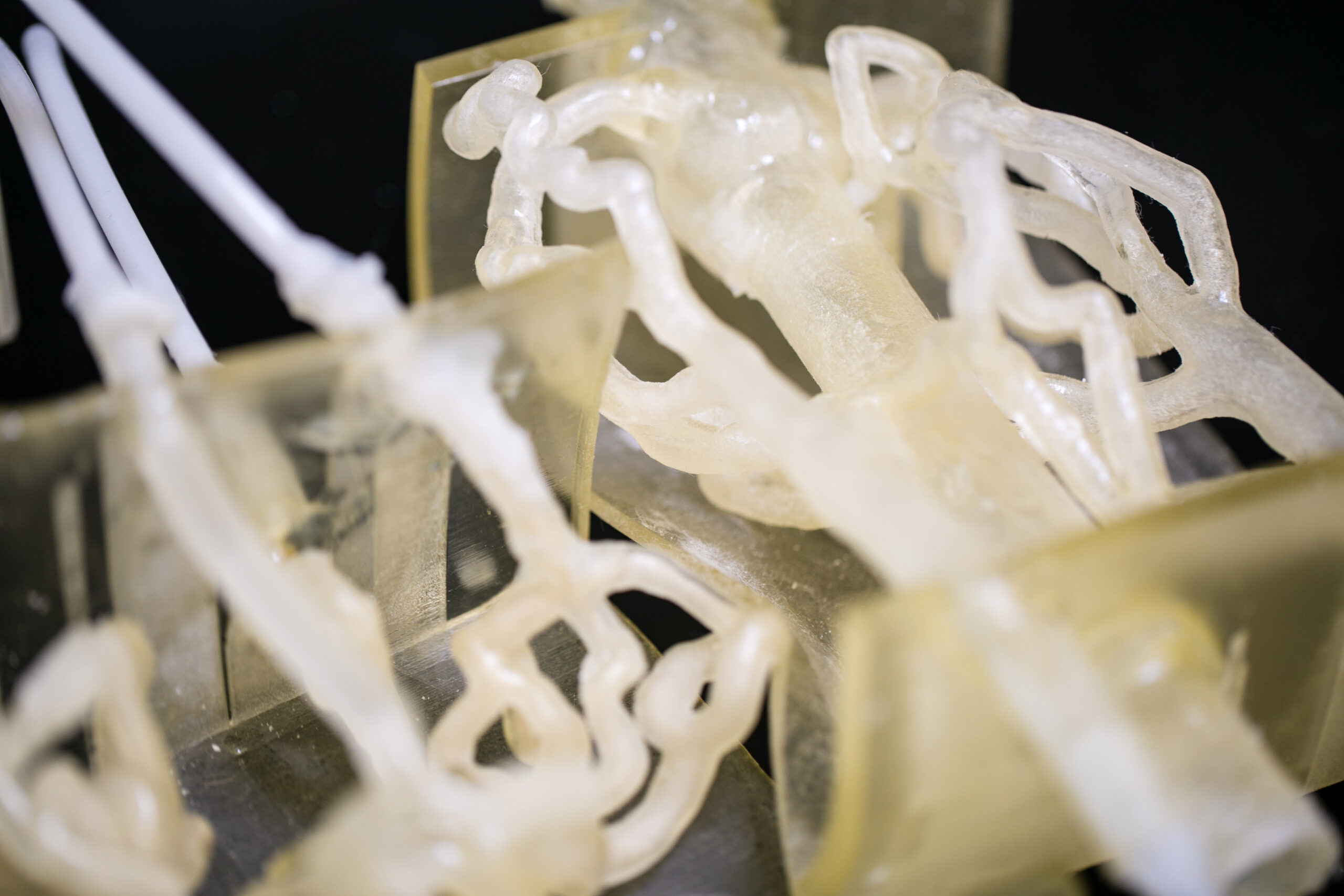
Stratasys and the Jacobs Institute have used 3D printing for brain surgery planning in an effort to reduce risk. Anatomical models of a patient’s entire brain vessel anatomy were 3D printed before she underwent an aneurysm procedure.

The replica, built of a polymer that mimics human tissue, allowing the surgeons to plan their approach and practice the operation, was based on CT scans.

In this case. the accurate model enabled surgeons to fine-tune the procedure.  “While we were doing that mock procedure, we realized that we had to change some of the tools we wanted to use, given her anatomy,” said  Adnan Siddiqui, Jacobs’ Chief Medical Officer.

WEARABLE TECH + DIGITAL HEALTH SAN FRANCISCO – APRIL 5, 2016 @ THE MISSION BAY CONFERENCE CENTER

NEUROTECH SAN FRANCISCO – APRIL 6, 2016 @ THE MISSION BAY CONFERENCE CENTER

Categories
Brain Gaming Seniors

Interactive senior health and brain training app

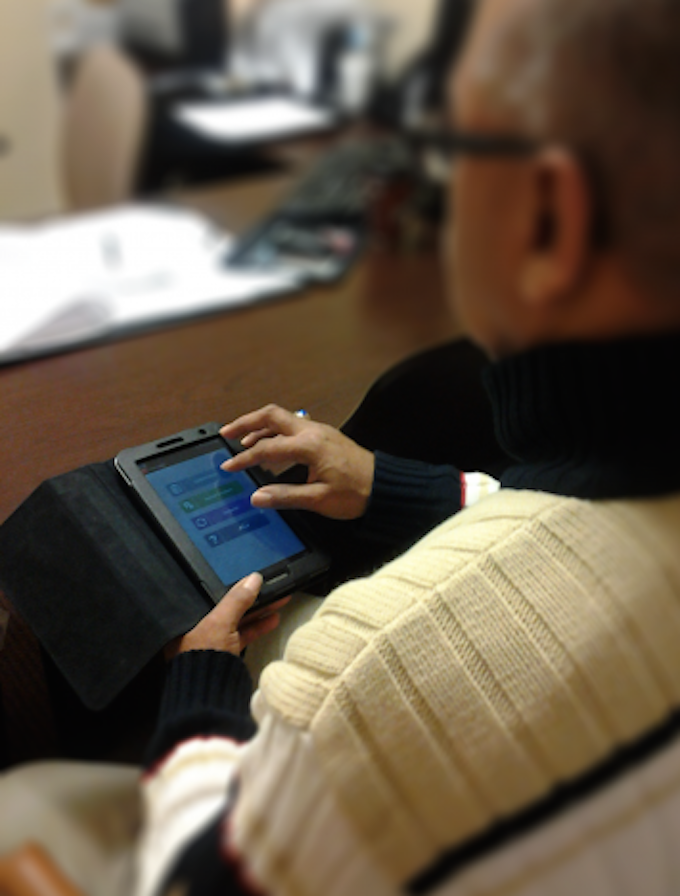
Notre Dame’s Nitesh Chawla has created eSeniorCare, a personalized, social app to help seniors age in place.

Several existing apps  track data.  eSeniorCare is meant to engage and stimulate seniors, and be interactive.  Users can connect with carers by sending questions and concerns through text or voice recordings.

Health goals are tracked and sent to supporters who can provide guidance and motivation.  Video, audio and text medication reminders can be sent.  Stimulating brain games, designed to enhance cognition and prevent degeneration, can be played.

The goal is senior independence, combined with a support system with enough data to proactively reach out when needed.

WEARABLE TECH + DIGITAL HEALTH SAN FRANCISCO – APRIL 5, 2016 @ THE MISSION BAY CONFERENCE CENER

NEUROTECH SAN FRANCISCO – APRIL 6, 2016 @ THE MISSION BAY CONFERENCE CENTER

Categories
Brain

MRI shows structural neural substrate of happiness

Kyoto University’s Wataru Sato has used MRI to understand where happiness happens in the brain. However, the neural mechanism behind how happiness emerges remains unclear.

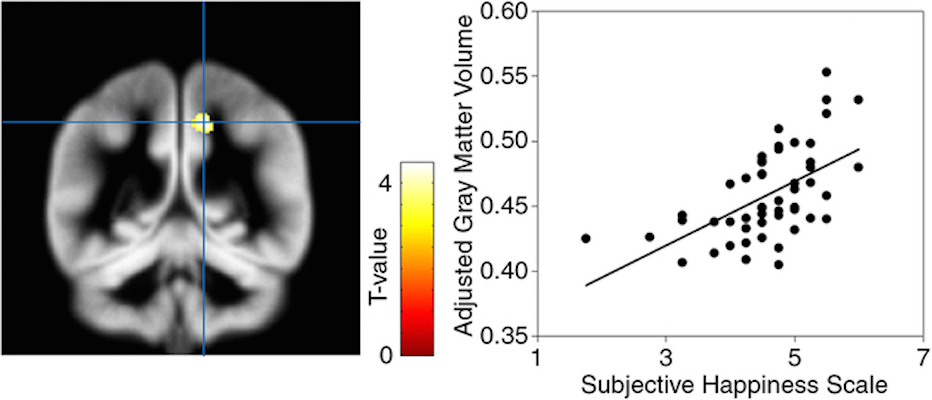
Sato’s recent paper shows that the  precuneus, which also becomes active when experiencing consciousness, mediates subjective happiness by integrating its emotional and cognitive components.

Participants had MRI brain scans and completed a survey that asked how happy they are generally, how intensely they feel emotions, and how satisfied they are with their lives.  Those who scored higher on the happiness surveys had more grey matter mass in the precuneus.

WEARABLE TECH + DIGITAL HEALTH SAN FRANCISCO – APRIL 5, 2016 @ THE MISSION BAY CONFERENCE CENTER

NEUROTECH SAN FRANCISCO – APRIL 6, 2016 @ THE MISSION BAY CONFERENCE CENTER

Categories
Heart Wearables

Wearable VR system guides coronary artery surgery

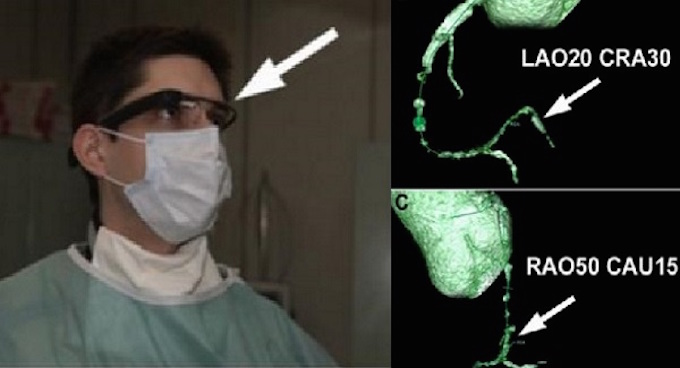
Maksymilian Opolski of the Cardinal Wyszynski Institute of Cardiology used a VR system combining a custom app and Google Glass to clear a blocked coronary artery. The patient had chronic total occlusion, which  is difficult to clear with catheter-based percutaneous coronary intervention.   Surgeons often cannot visualize the blockage with CTA imaging.

The system provided 3D reconstructions of the artery during the procedure, allowing surgeons to verify the direction of the guide wire, to clear the blockage and implant two drug-releasing stents.

The head-mounted display enabled image capture and video.  The hands-free voice recognition system allowed for zoom and changes of images.

According to Opolski, “this case demonstrates the novel application of wearable devices for display of CTA data sets in the catheterization laboratory that can be used for better planning and guidance of interventional procedures, and provides proof of concept that wearable devices can improve operator comfort and procedure efficiency in interventional cardiology.”

WEARABLE TECH + DIGITAL HEALTH SAN FRANCISCO – APRIL 5, 2016 @ THE MISSION BAY CONFERENCE CENTER

NEUROTECH SAN FRANCISCO – APRIL 6, 2016 @ THE MISSION BAY CONFERENCE CENTER

Categories
Apps Autism Brain Children

App identifies early signs of autism

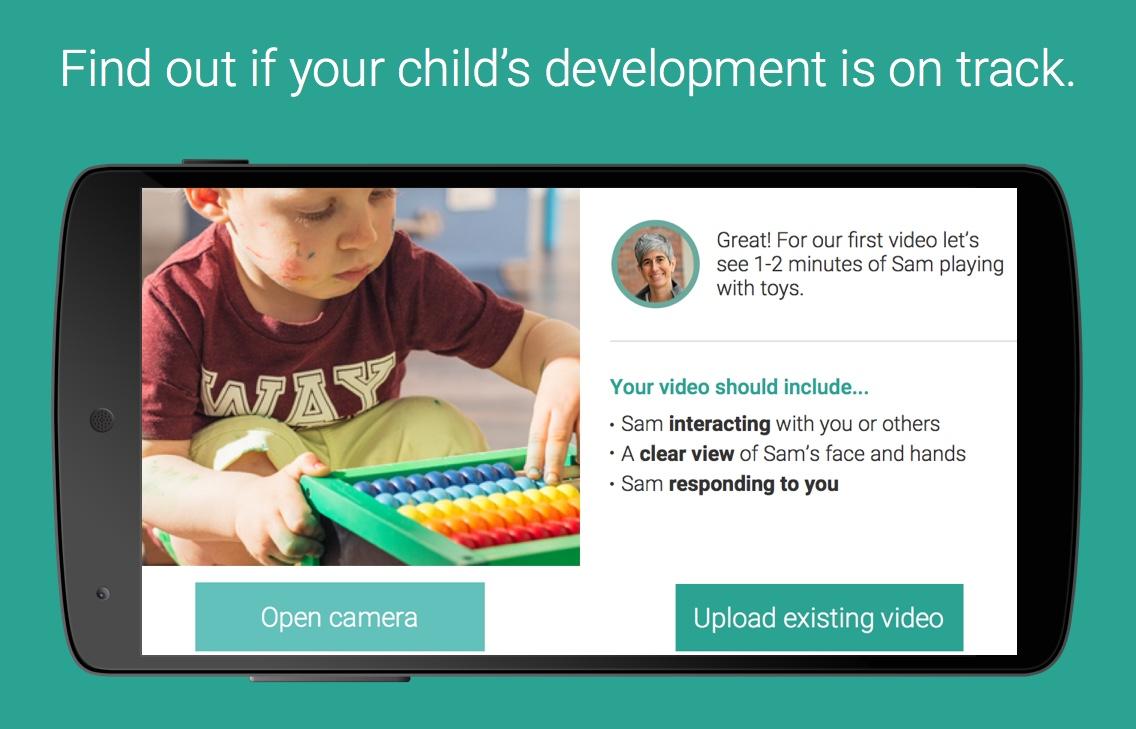
Cognoa is an app  that asks parents to answer 15 questions about behavior to indicate whether their child is at risk of autism.  It is based on data from 10,000 children and validation studies led by Stanford professor Dennis Wall.

The system focuses on specific behaviors from  standard diagnostic instruments that have the highest value for detecting developmental delay and autism. The predictive algorithm relies on the behavioral reports from parents and a video evaluation of the child.

It is meant to be used by non-clinicians to earlier identify issues that require treatment by a physician.

Professor Wall will be a featured speaker at ApplySci’s NEUROTECH SAN FRANCISCO conference  on April 6th, which immediately follows WEARABLE TECH + DIGITAL HEALH SAN FRANCISCO on Aprl 5th.

Categories
Heart Respiratory Sensors

Ingestible sensor continuously monitors heart, breathing rates

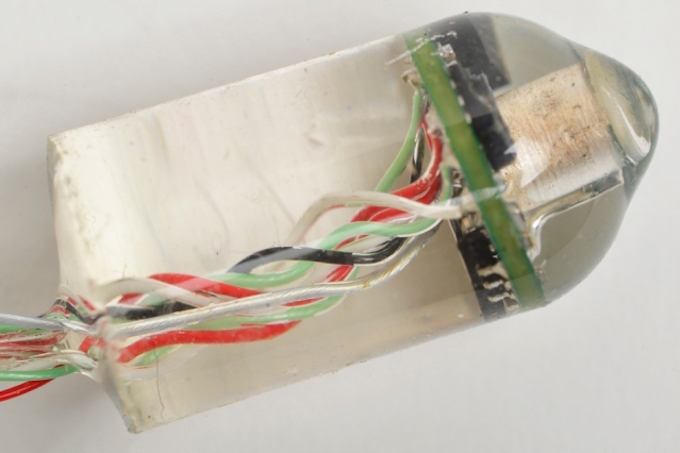
MIT researchers are developing ingestible sensors that measure heart  and breathing rates from within the gastrointestinal tract using sound waves.

This type of sensor could make it easier to assess trauma patients, monitor soldiers in battle, perform long-term evaluation of patients with chronic illnesses, or improve training for professional and amateur athletes, the researchers say.

The team, led by Giovanni Traverso and Gregory Ciccarelli, created signal processing systems that distinguish the sounds produced by the heart and lungs from each other, as well as from background noise produced by the digestive tract and other parts of the body.

The sensor consists of a microphone in a silicone capsule, plus electronics that process the sound, and wirelessly send radio signals to an external receiver within 3 meters.

In a related development, Jawbone’s CEO recently described swallowable sensors in development. (See ApplySci, October 10, 2015.)

Click to view MIT video.

WEARABLE TECH + DIGITAL HEALTH SAN FRANCISCO – APRIL 5, 2016 @ THE MISSION BAY CONFERENCE CENTER

NEUROTECH SAN FRANCISCO – APRIL 6 @ THE MISSION BAY CONFERENCE CENTER

Categories
Prosthetics Sensors

Self-healing sensor improves “electronic skin”

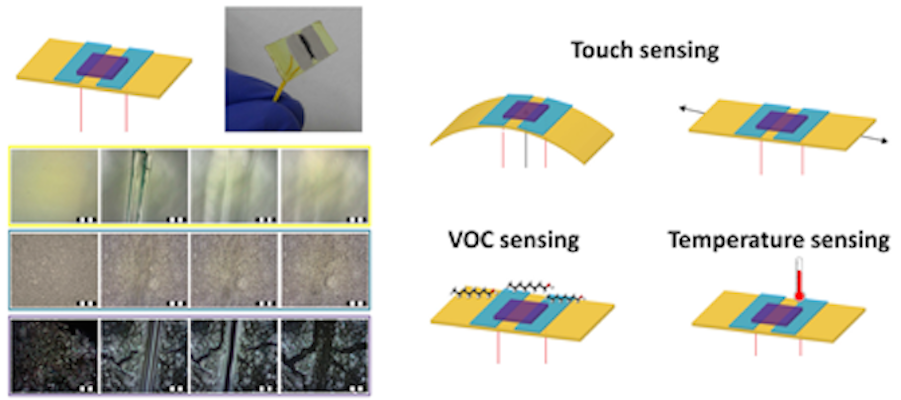
Hossam Haick and Technion colleagues are developing materials to be integrated into flexible electronics that mimic the healing properties of human skin.  The goal is to quickly repair incidental scratches or damaging cuts that might compromise device functionality. The synthetic polymer can “heal” electronic skin in one day, which can improve the materials used to achieve  a sense of touch in prosthetics.

The new sensor is comprised of a self-healing substrate, high conductivity electrodes, and molecularly modified gold nanoparticles.  The researchers noted that “the healing efficiency of this chemiresistor is so high that the sensor survived several cuttings at random positions.”

WEARABLE TECH + DIGITAL HEALTH SAN FRANCISCO – APRIL 5, 2016 @ THE MISSION BAY CONFERENCE CENTER

NEUROTECH SAN FRANCISCO – APRIL 6, 2016 @ THE MISSION BAY CONFERENCE CENTER

Categories
Brain

32 gene expression patterns identified in human brains

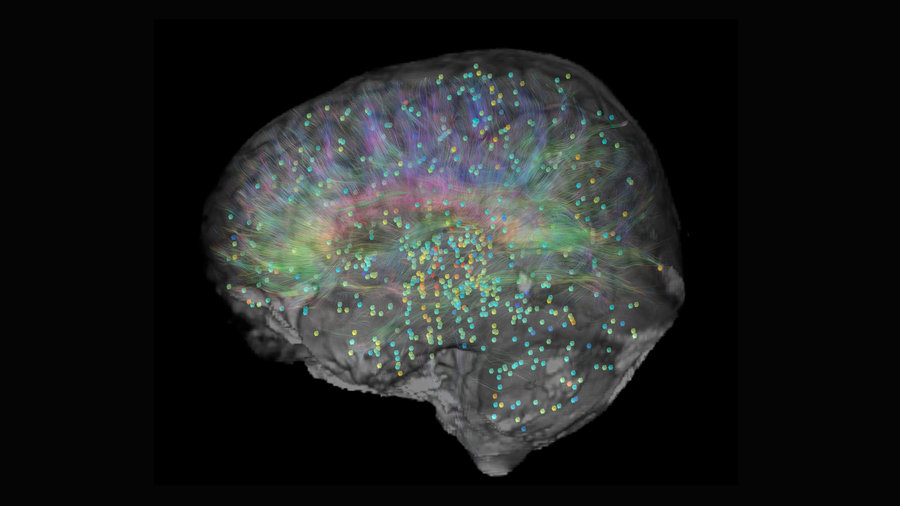
An Allen Institute study describes a surprisingly small set of patterns that characterize how brains express or use genes.  This finding appears to be common to all of us.

Genes were ranked by consistency of expression (or usage) patterns across each brain studied. The relationship of these genes to one another, and to brain function and disease, were analyzed. Across all (approximately) 20,000  genes, most  usage throughout different brain regions was characterized by just 32 expression patterns.

The genes most consistent across the 6 brains in the study included those associated with autism and Alzheimer’s Disease.  This understanding will hopefully lead to better detection and treatment of brain diseases.

NEUROTECH SAN FRANCISCO – APRIL 6, 2016 @ THE MISSION BAY CONFERENCE CENTER