
Categories
Diabetes Monitoring

Real time blood sugar monitoring in the cloud

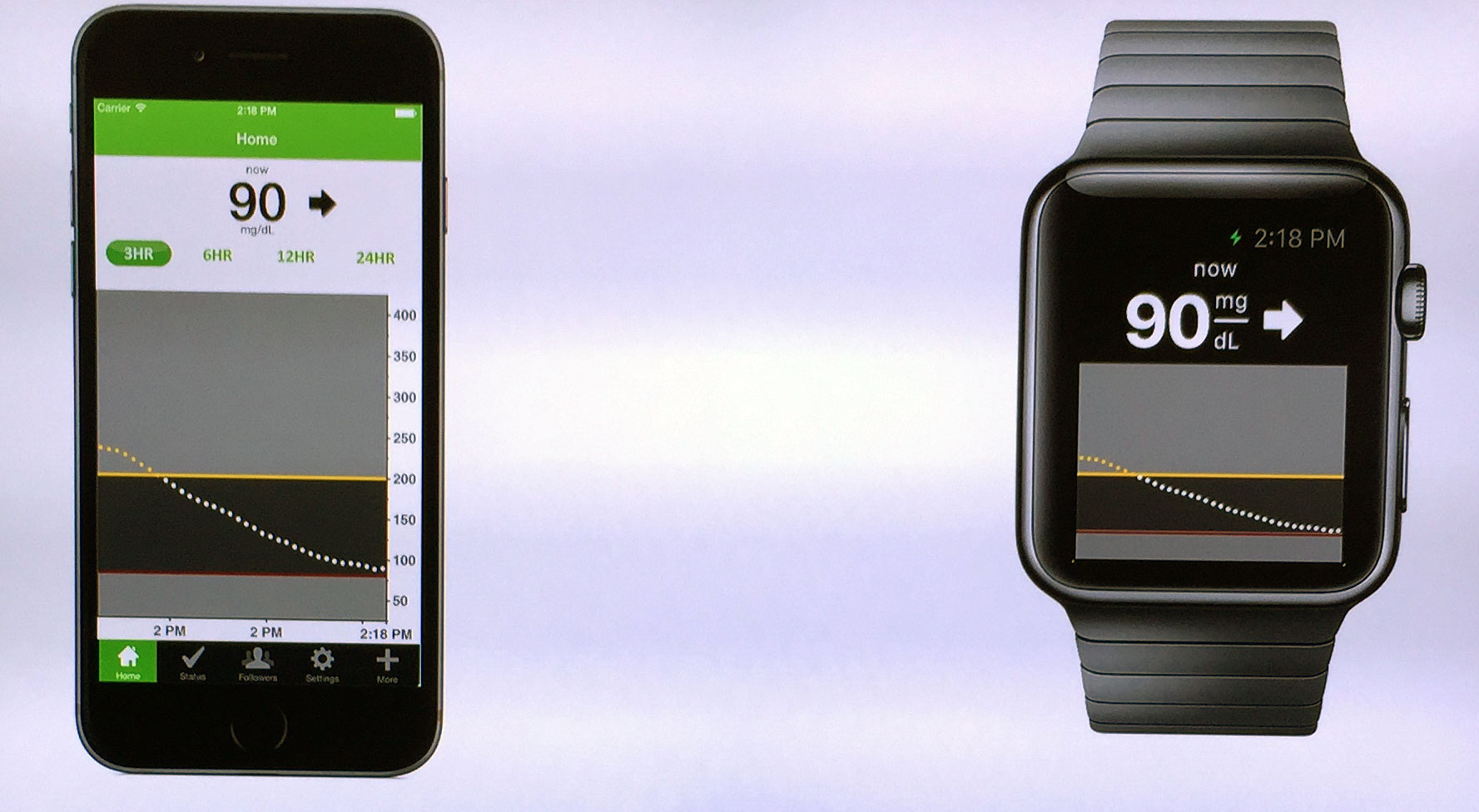
Google and Sanofi have partnered to develop technology to store and analyze glucose levels in the cloud in real time.  Patients and doctors will be able respond quickly to blood sugar variability,  to help prevent complications such as heart attacks and cancer over time.

Google Life Sciences CEO Andy Conrad believes that “devices that continuously monitor glucose and upload that data to the cloud will enable physicians and patients to move away from the reactive and episodic towards the proactive and preventative.”  ApplySci agrees.

Google describes its life sciences mission as follows:

The life sciences team at Google is focused on helping to move health care from reactive to proactive. Combining expertise from the fields of biology, chemistry, physics, medicine, electrical engineering, computer science, we’re developing new technology tools for physicians that can integrate easily into daily life and help transform the detection, prevention, and management of disease. Current projects in development include a smart contact lens with miniaturized glucose sensor; a nanodiagnostics platform to help with early detection of disease; and Liftware utensils for people with tremor.
Categories
Brain

Computer speech analysis determines psychosis risk

Columbia University researchers are using automated speech analysis to determine if an “at risk” youth will develop psychosis.   The goal is early intervention.

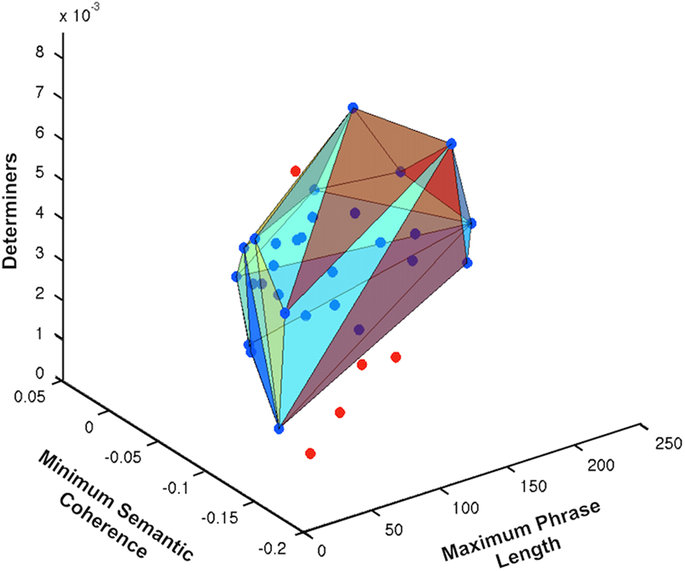
In a very small (34 patient) study, the system differentiated — with complete accuracy — between at-risk young people who developed psychosis over a 2.5 year period, and those who did not. The computer model outperformed  screening technologies such as biomarkers from neuroimaging and EEG recordings.

An algorithm rooted out  “jarring disruptions” in otherwise ordinary speech. Semantic analysis measured coherence and two syntactic markers of speech complexity — sentence length and how many clauses it entailed.

Professor Gillinder Bedi believes that “If speech analyses could identify those people most likely to develop schizophrenia, this could allow for more targeted preventive treatment before the onset of psychosis, potentially delaying onset or reducing the severity of the symptoms which do develop.”

Categories
Heart Monitoring

Simple, rapid “tricorder” vital sign monitoring

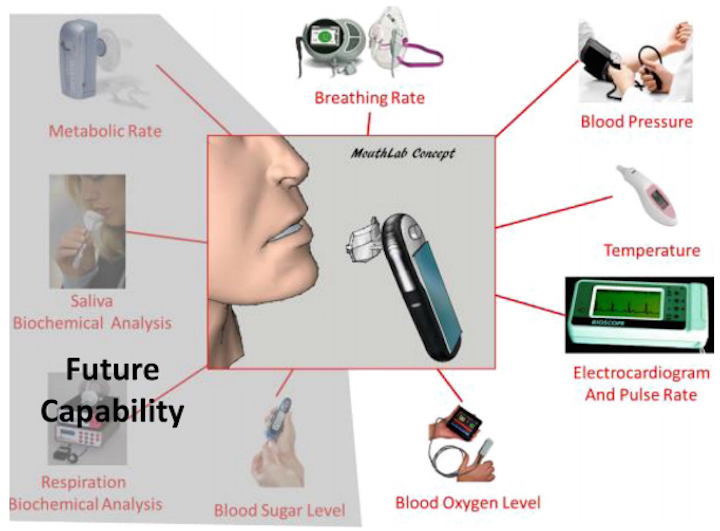
Johns Hopkins researchers  have developed a “tricorder” that quickly picks up vital signs from a patient’s lips and fingertip.

MouthLab could replace bulky monitors and gather more data during  an ambulance, emergency room, doctor’s office or home assessment.

Heart rate, blood pressure, temperature, breathing rate, blood oxygen and a basic ECG are measured.   Early signs of emergencies, such as heart attacks, could be detected.

Monitoring by mouth will allow future versions to detect chemical cues in blood, saliva and breath that act as markers for health conditions.   According to Professor Gene Fridman: “We envision the detection of a wide range of disorders,from blood glucose levels for diabetics, to kidney failure, to oral, lung and breast cancers.”

Categories
Orthopedics Sensors

Sensor detects orthopedic implant infections early

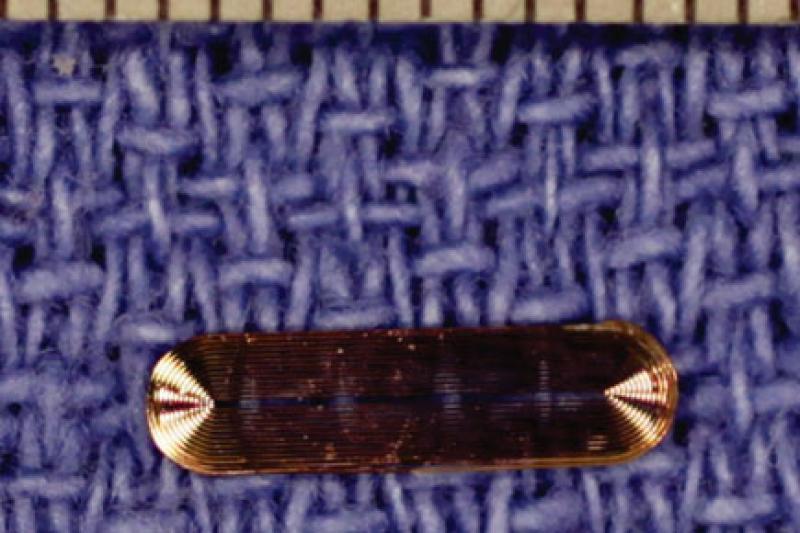
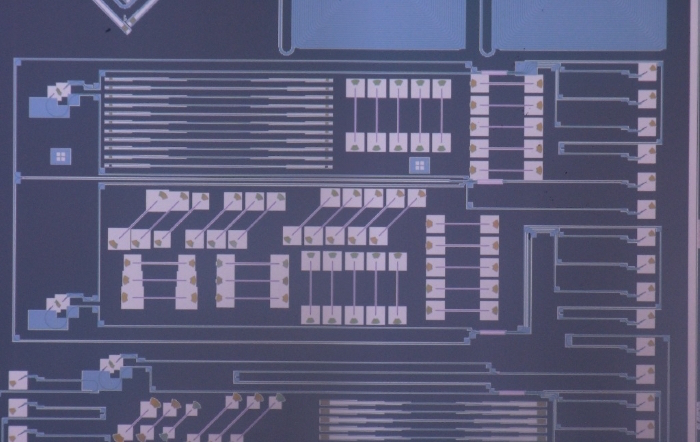
RPI‘s  Eric Ledet is developing tiny sensors to detect infections in implanted orthopedic prostheses early.

Surgical site infections are a common complication and can result in additional surgery, implant removal, delayed wound healing, increased  antibiotics, and death.

The simple, cheap sensor will be incorporated into the implant during surgery, enabling continuous, non-invasive infection monitoring.

Categories
Nanotubes

Implanted nanotube sensor diagnostics

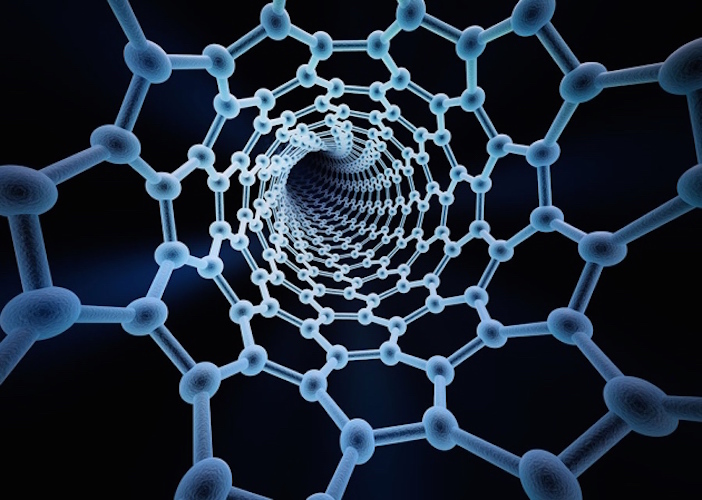
MIT researchers are developing tiny devices made from polymer wrapped carbon nanotubes that detect insulin, nitric oxide and  fibrinogen —  simplifying and automating diagnostic tests.

Past efforts to develop implantable sensors have failed, due to the body’s inclination to protect itself and recycle biological material. Devices can become wrapped in scar tissue, or their components can be broken down.  The team believes that the nanotube sensors can be effective for the long term.

MIT’s Michael Strano builds sensors by coating carbon nanotubes with various polymers of different configurations. They are screened against libraries of molecules that the researchers want to detect. The method works because of the  nanotubes’ natural ability to fluoresce: when light hits a sensor, the nanotube dims or brightens depending on whether it is bound to a molecule of interest.

Categories
fitness Smart Fabric Wearables

Ralph Lauren’s health sensing smart shirt

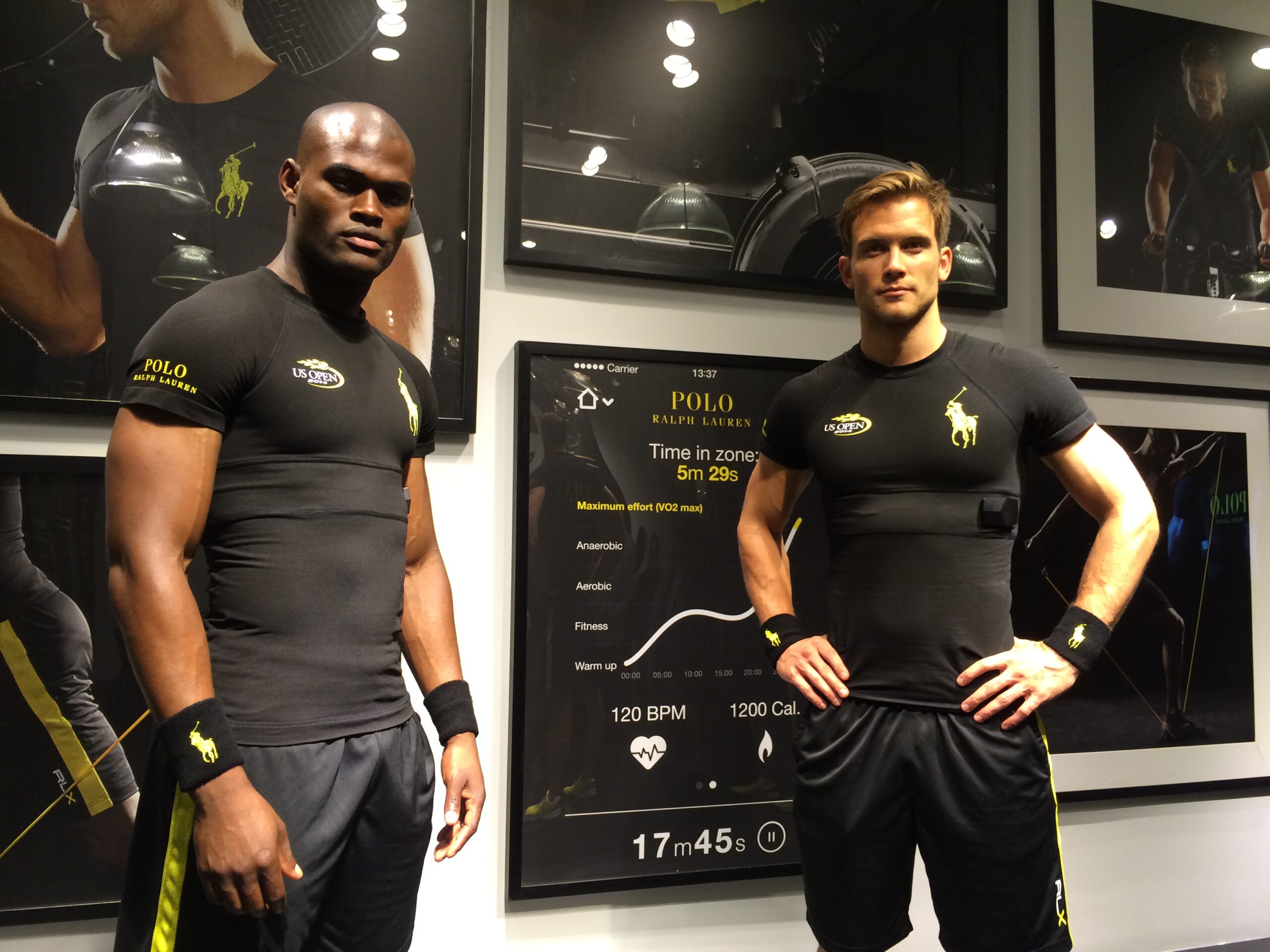
PoloTech, Ralph Lauren and OMsignal‘s smart shirts, will be available for sale this week.  Like the partnership between Intel and Opening Ceremony, this represents the fashion mainstreaming of wearable technology.

The shirt has embedded silver fibers to track heart rate, heart variability, breathing depth and recovery, intensity of movement, energy output, stress levels, steps taken, and calories burned. One must also wear a “black box” device to receive the sensor data and to capture activity information.

The data is then transmitted to an iOS app, which offers cardio, agility and strength workouts, live fitness monitoring, and exertion and effort ratings.  The sensor data adapts the app’s workouts to the wearer’s performance in real time.

Categories
Sensors Smart Fabric

Accurate, self powered health monitoring technologies

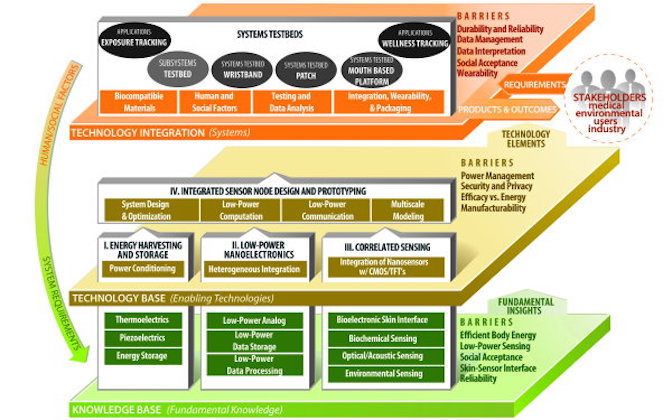
The NSF‘s  ASSIST center, based at NC State, is using nanotechnology to build clinically accurate, self-powered health monitoring technologies.

The team, led by Veena Misra,  is developing tiny devices harvesting energy from body heat (which creates thermal energy) and body motion (which creates mechanical energy).  They can be used on various areas of the body.

Examples include:

  • a piezoelectric-coated film, on nickel foil, encapsulated in kapton tape, that harvests energy from elbow movement
  • a flexible wristband made of polymers integrated with a TEG, low-power chips, and a low-power radio.
  • a wireless wrist platform that measures arterial blood pressure and blood oxygen saturation, and can track airborne pollutants.
  • small, wearable sensors that monitor a person’s immediate environment and vital signs to understand asthma triggers.

The optimal sensor position is a  person’s pulse points, where blood vessels are close to the skin’s surface. Textiles are ideal for measurements, because they conform to the body and provide the thermal insulation to maintain a temperature difference.  The researchers are trying to interconnect  electronics from multiple garment locations so that they can communicate with each other.

ApplySci believes that a continuous power source is key to the effectiveness of wearable health sensors.  ASSIST, IMEC/Holst, the University of Virginia, and others, seem to be providing the basis for this.

Video – The Health Care Monitoring System of the Future.

Categories
Heart

Cheap, non-invasive, mobile cardiovascular disease screening

An IMEC led consortium is developing CARDIS, a mobile, low-cost, non-invasive, cardiovascular disease screening device, with the goal of mass screening.  Current detection methods, including chest X-ray, ECG, Holter monitoring and cardiac MRI, often detect CVD at a later stage due to cost or complexity of use.

CARDIS is based on Doppler vibrometry  (LDV) – a non-contact technique that directs a laser at a moving surface, and uses the Doppler shift of reflected light to infer vibration amplitude and frequency.

In this screening method, LDV detects vibrations of  locations on the skin close to arteries or on the chest.  Several CVD screening parameters, including arterial stiffness, are obtained.  (A stiffer artery leads to a higher pulse wave velocity, typically measured by the time it takes a pulse wave to travel between two locations on an artery. ) LDV can operate without physical contact and with higher accuracy, and can also sense stenosis induced vibrations and cardiac contraction abnormalities.

Categories
Brain Parkinson's

Digital pen/machine learning based neurodegenerative disease diagnosis

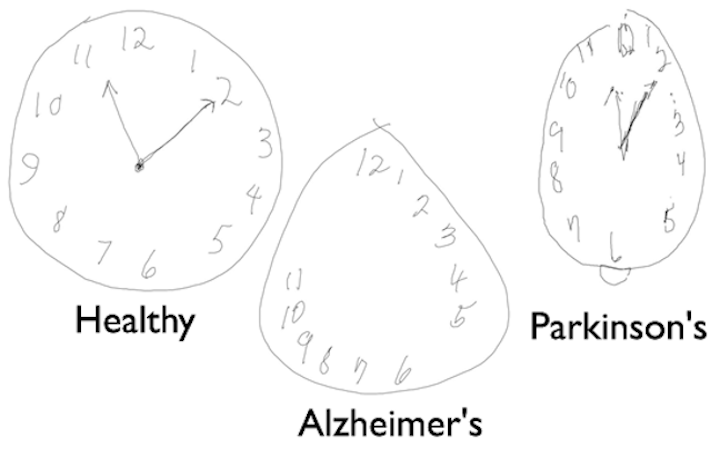
MIT researchers have developed a digital assessment tool based on the Anoto Live Pen that they believe will improve the accuracy of Alzheimer’s and Parkinson’s Disease diagnosis.  A paper demonstrates a machine learning based predictive model that might detect neurodegenerative diseases earlier than current methods.

According to lead author William Souillard-Mandar,  the technology “allows us to extract thousands of features from the drawing process that give hints about the subject’s cognitive state, and our algorithms help determine which ones can make the most accurate prediction.”

Categories
Brain Epilepsy

Epileptic patients process music differently

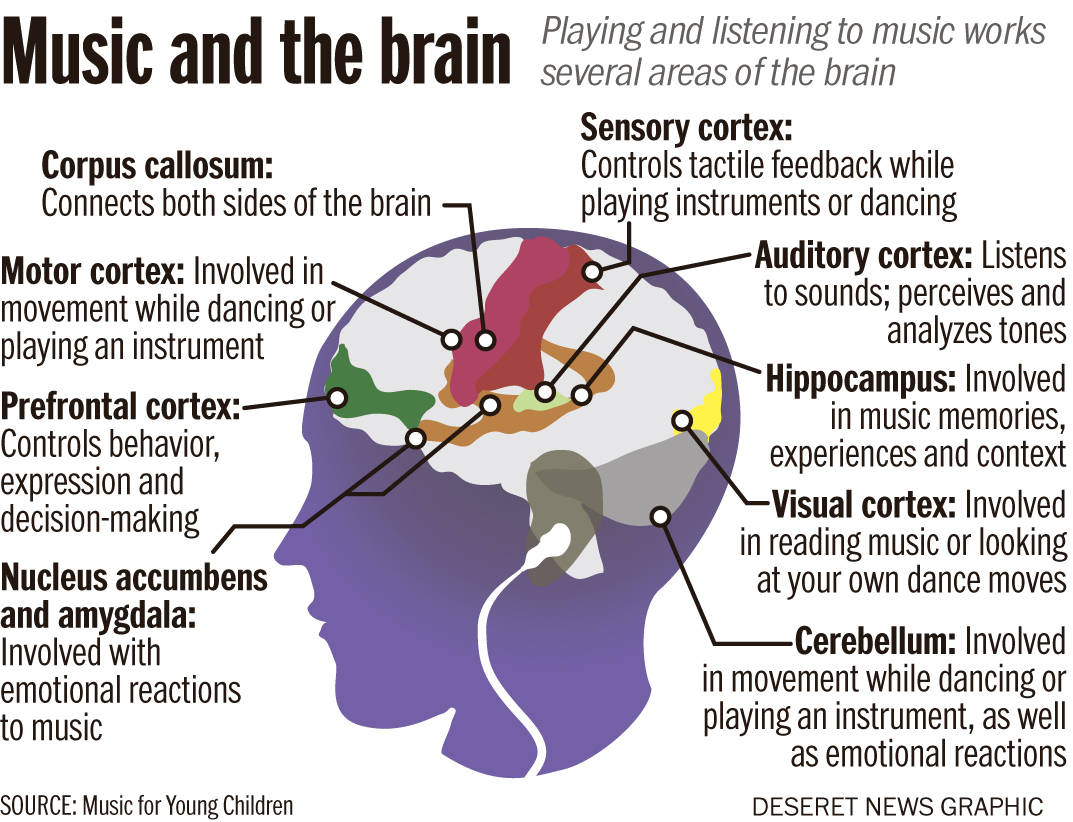
Ohio State researchers have found that epileptic patients’ brains process music differently, and hypothesize that music therapy could be used to reduce temporal lobe seizure frequency.

The brainwaves of 21  epileptic and healthy patients were examined as they listened to music, interspersed with moments of silence. The order of the pieces was randomized, and 10 minutes of silence preceded and followed each composition.

Subject brainwave activity increased as they listened to music. Epileptic patient brainwaves were even more synchronized with the music.

Christine Charyton presented the research at a recent APA conference, and summarized: “We found significantly higher levels of synchronization and spectral EEG activation when listening to music in the frontal cortex and temporal cortex, especially in persons with epilepsy. We speculate that music may be useful to enhance electrical activity specific to the frontal and temporal cortices,”


Categories
Orthopedics

Digital PT tool assesses range of motion

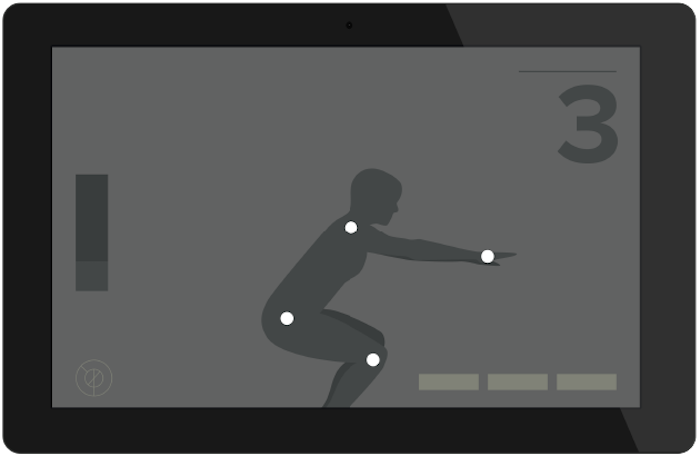
Physmodo is disrupting physical therapy, using Microsoft Kinect to assess range of motion.

The ADEPT Clinic app senses changes in movement in multiple joints simultaneouly.  A manual goniometer can only measure individual joints, and its accuracy depend on the measurer.

The developers believe that Physmodo better equips therapists to track recovery, and motivates patients by allowing them to visually gauge their own progress.

Categories
Diabetes

Cheap, disposable, tiny, adhesive glucose monitor

Google Life Sciences ha partnered with DexCom to develop cheap, miniaturized, disposable, bandaid-like continuous glucose sensors.

The devices will incorporate Google’s miniaturized electronics platform with DexCom’s sensors.   The goal is to shrink DexCom’s current monitor, giving patients a less obtrusive way to monitor their condition in real time.

Alphabet has announced that Google Life Sciences, Google X and Google Ventures will all increase their healthcare related initiatives.