Categories
Babies Monitoring

Wearable monitors newborns within 40 mile radius

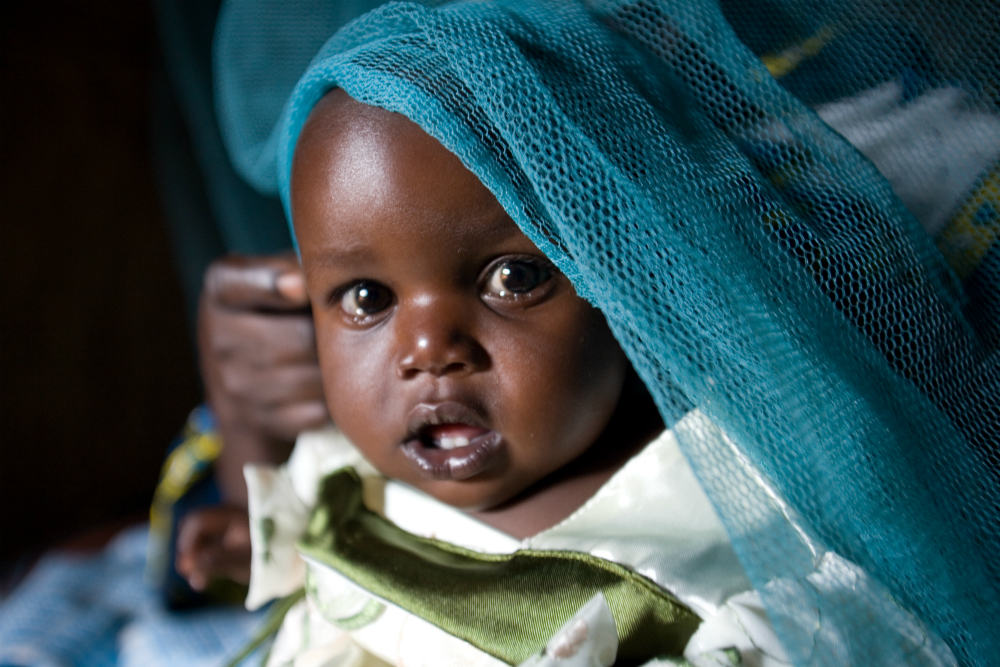
WAAA!  is a text-based neonatal surveillance system developed by David Swann of the University of Huddersfield.  It is a finalist project of UNICEF’s Wearables for Good Challenge.

Appearance, pulse, grimace, activity and respiratory data is captured, via a patch, during the first day of life.  Any deterioration triggers an immediate text alert to a carer.

Globally, more than 1 million babies die on the first day of life – mostly due to preventable or treatable causes.  The developers of WAAA! believe that helping babies survive the first day of life is the best way to reduce child mortality.

The technology is capable of monitoring multiple newborns at distances up to 40 miles.  This can provide some level of care in the world’s  poorest and least served regions.
Categories
3-D Printing

Cheap, accurate, 3D printed stethoscope

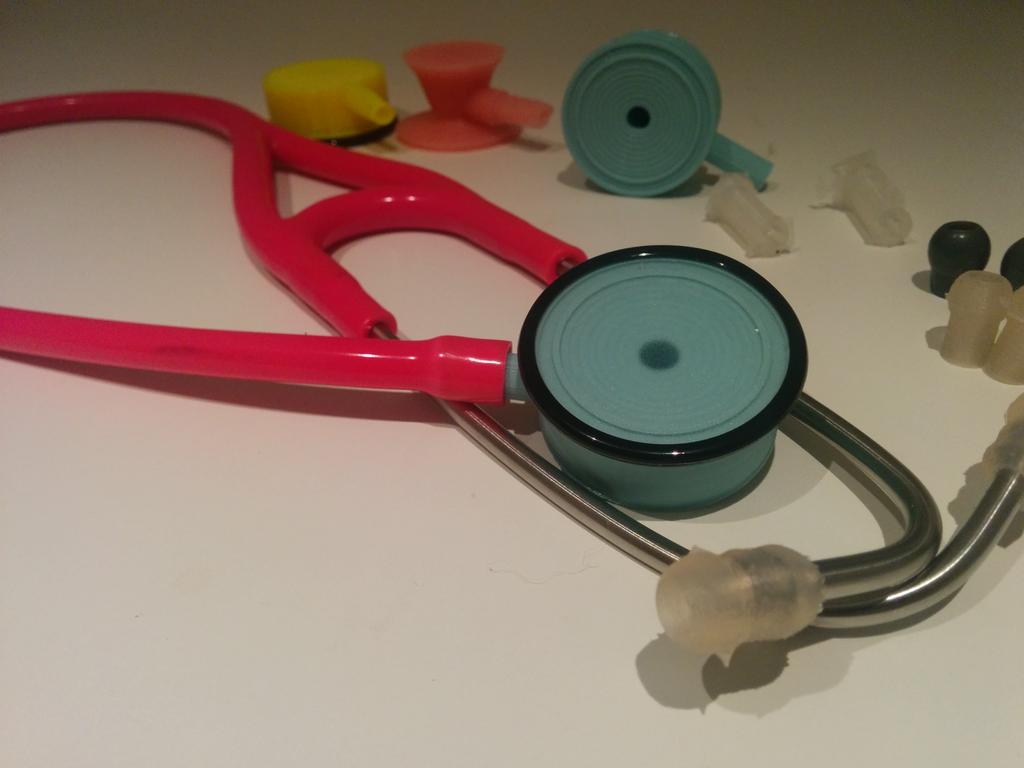
Dr. Tarek Loubani has created a 3D printed stethoscope that can be made for $2.50 – $5.00.  Stethoscopes usually cost $150 and are often not available in poor regions.

Through his Glia Project, Dr. Loubani aims to provide cheap, accurate medical supplies, including stethoscopes, electrocardiograms, and pulse oximeters,  to places in need.

“This is simple, cheap and it’s enough for us here,” said Dr. Ayman Sahbani, head of the emergency department at Gaza’s Shifa Hospital, who tested the Glia stethoscope. “Now we can make a stethoscope available for each doctor.”

Categories
3-D Printing Cancer

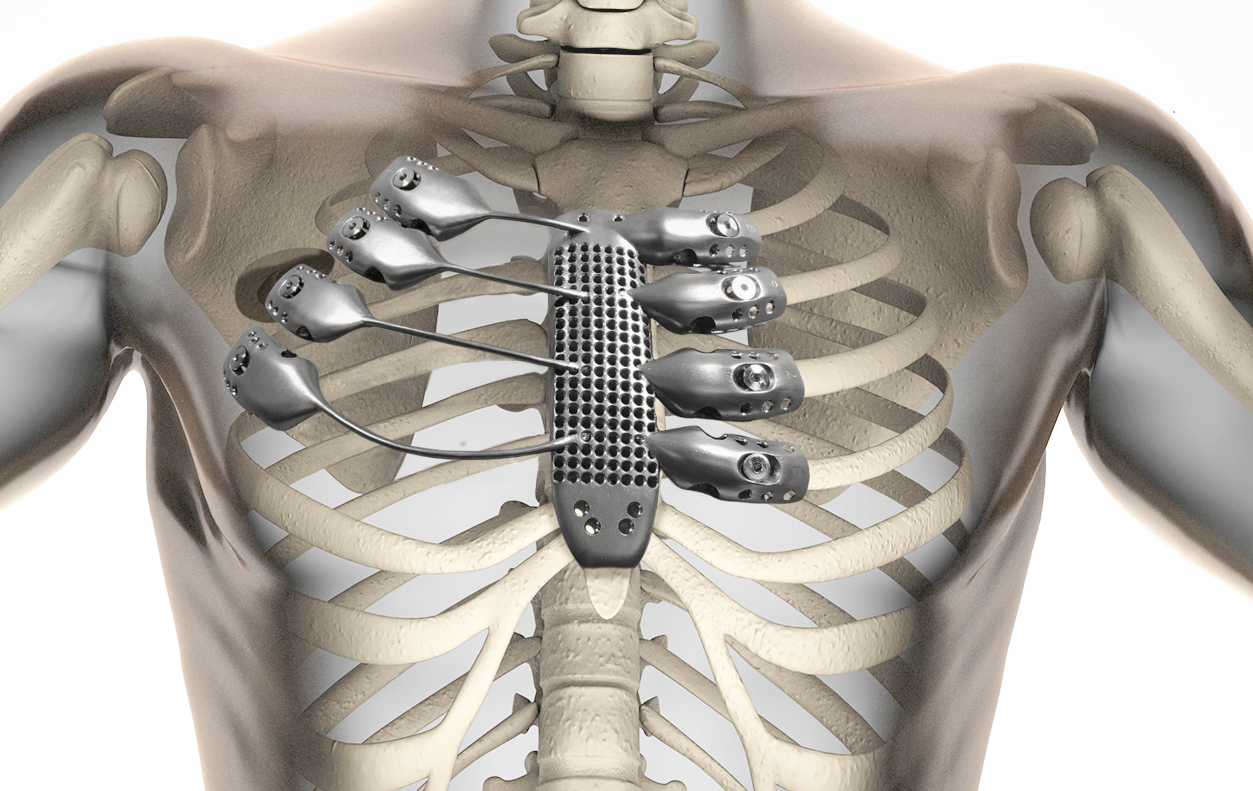
Cancer patient receives 3D printed rib cage

For the first time, a chest wall sarcoma patient has received a  fully customized 3d printed sternum and rib cage portion, created using high resolution CT data.

This part of the chest is difficult to recreate with traditional prosthetics.  Thoracic surgeons typically use flat and plate implants for the chest, which can loosen over time and increase complications.  Rapidly prototyped 3D printed ribs may become the future standard.

View CSIRO video here.

Categories
Data Pharmaceuticals

Big data / pharma partnership to model diseases, treatments

IBM and Israeli generic drug giant Teva will partner to develop treatments for chronic conditions using the  Watson Health Cloud.

Their stated goal is “to put the best information and insights in the hands of physicians, care teams and patients, to empower treatment optimization for individuals and populations across the spectrum of acute and chronic conditions.”   Asthma, pain, migraine and neurodegenerative diseases are early targets.

The big data / pharma partnership could reduce drug misuse or increase adherence.  A joint research team will develop platforms to model diseases and potential therapeutic treatments.

Categories
Assistive Technologies IoT

Connected wheelchair improves safety, comfort

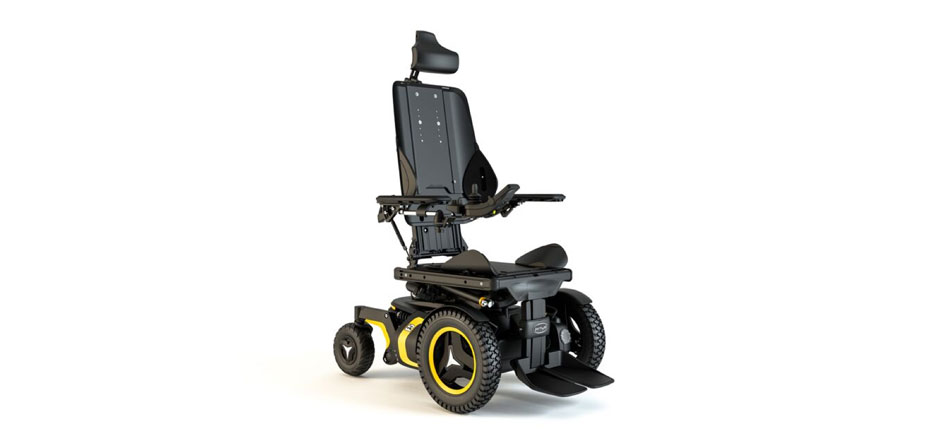
AT&T and Permobil have developed a connected wheelchair concept meant to increase user comfort and independence.

The system monitors seating position, cushion pressure (to prevent pressure ulcers), whether a chair has turned on its side, battery level, and location, and it also predicts the need for maintenance.

The data, including location, can be remotely accessed from the cloud and shared with caregivers.

Categories
Apps Brain Gaming

Sport performance game app to train the brain

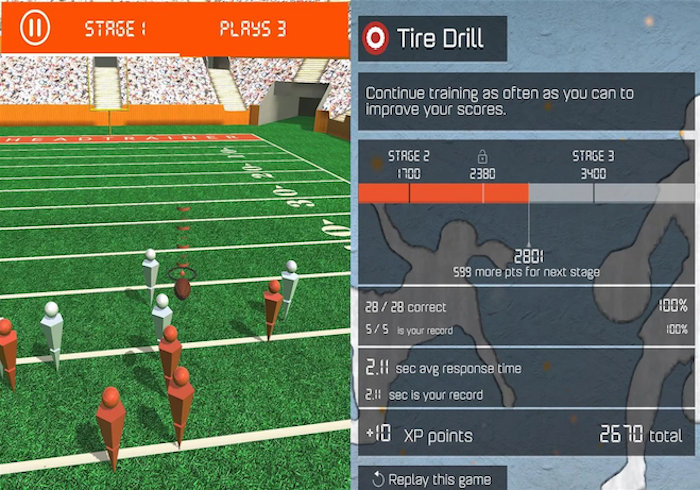
Games are increasingly recognized as a method of enhancing cognitive abilities.  HeadTrainer is meant to improve the brain with 5-10 minutes of daily gameplay.

The sports games were designed to exercise 5 cognitive skills:   decision making, processing speed, focus, memory, and visual/spatial awareness.  Developer Deborah Attix of Duke University focused on testing and training the brain with each game.

The company believes that in the future, HeadTrainer and similar apps can contribute to the mental, emotional, health, and hormonal metrics that are key to sports analytics.

Categories
Diabetes Sensors Wearables

External power supply for Google contact lens

Power efficiency in wearables is key to continuous, accurate monitoring, for both medical and fitness applications.

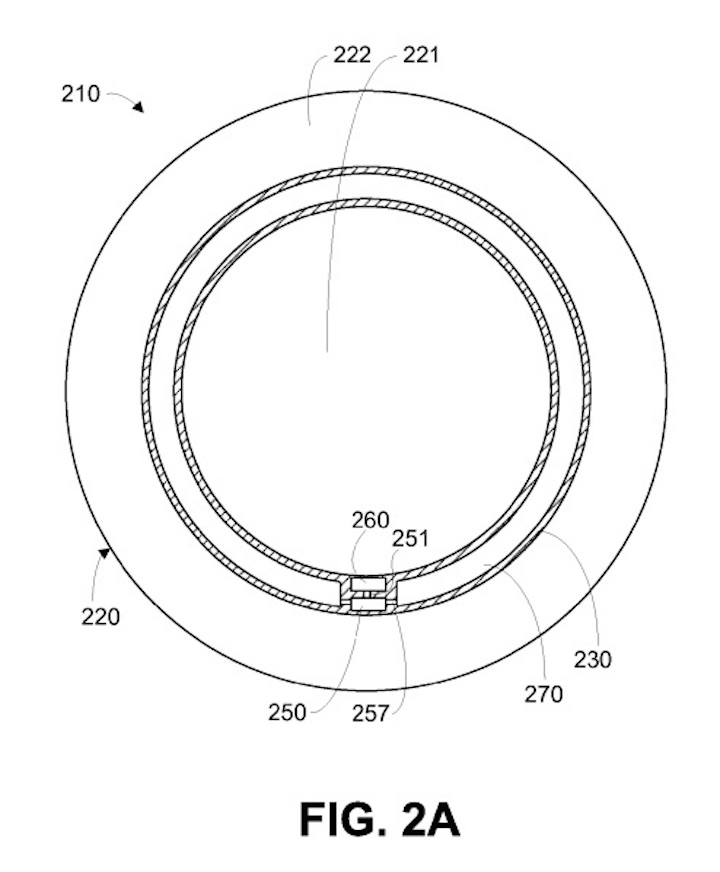
Google has filed a patent application suggesting  that an external device will power the sensor of its contact lens, and it could be handheld or embedded into a companion wearable.

The application states that “an external reader device or ‘reader’ can radiate radio frequency radiation to power the sensor. The reader may thereby control the operation of the sensing platform by controlling the supply of power to the sensing platform. In some examples, the reader can operate to intermittently interrogate the sensing platform to provide a reading by radiating sufficient radiation to power the sensing platform to obtain a measurement and communicate the result. The reader can also store the sensor results communicated by the sensing platform. In this way, the reader can acquire a series of analyte concentration measurements over time without continuously powering the sensing platform. The reader could also be built into eyeglasses, jewelry headband, head cover , earpiece, [or] other clothing so that it could continually power the lens.”

Le Temps reports that Novartis and Google plan to start testing their smart contact lens for people with presbyopia in 2016.

Categories
Brain Longevity Seniors

Biological age blood test could identify dementia risk

King’s College London professor James Timmons has developed a gene signature blood test that he believes could be used to predict Alzheimer’s disease.  His goal is early detection and preventative treatment. The test is the first to  measure biological age.

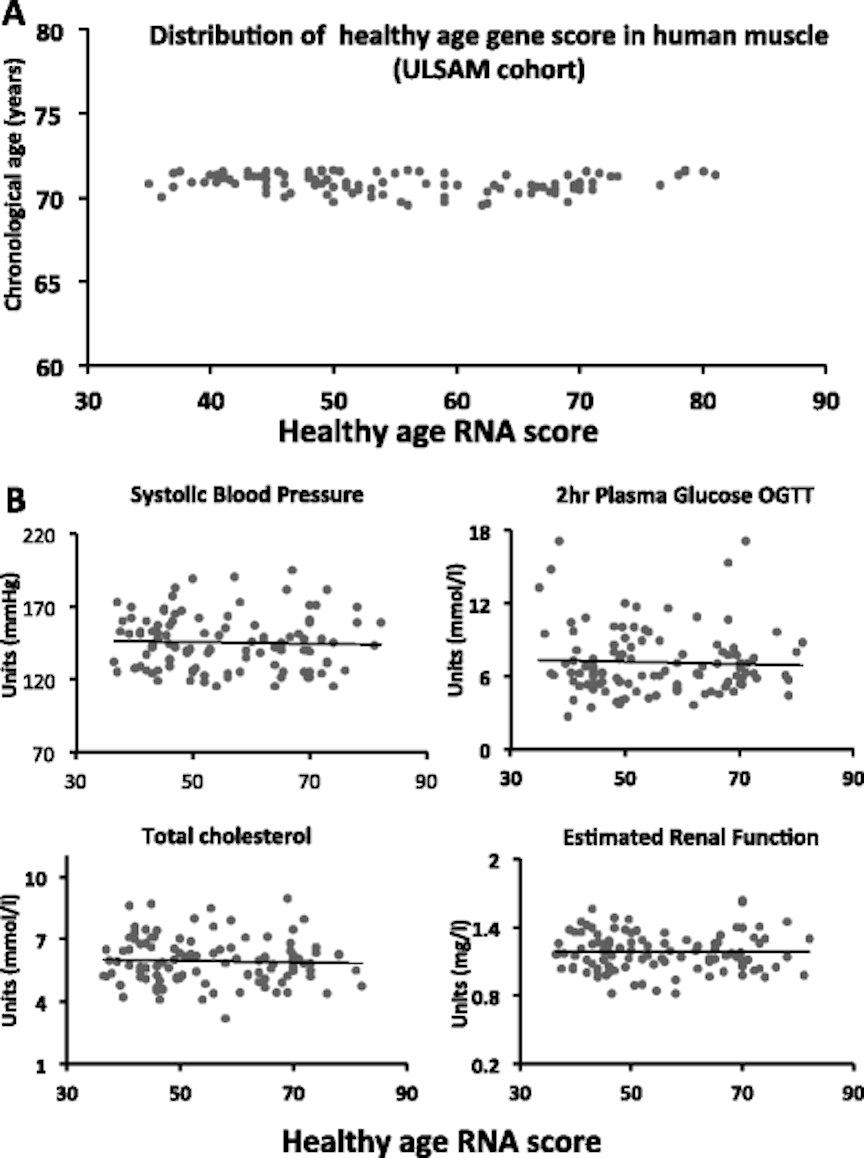
Researchers analyzed  thousands of blood, brain and muscle samples to find 150 markers of gene activity associated with good health at age 65.  This produced a rating system that could be incorporated into a blood test.

700 healthy 70 year olds had widely varied healthy aging scores. Higher scores were associated with better mental ability, kidney function and longevity over 12 years. Low scores were linked to Alzheimer’s.

According to Timmons, “This is the first blood test of its kind that has shown that the same set of molecules are regulated in both the blood and the brain regions associated with dementia, and it can help contribute to a dementia diagnosis. This also provides strong evidence that dementia in humans could be called a type of ‘accelerated ageing’ or ‘failure to activate the healthy aging program’.”

Categories
Brain Parkinson's Ultrasound

Ultrasound targets deep brain region, helps Parkinson’s symptoms

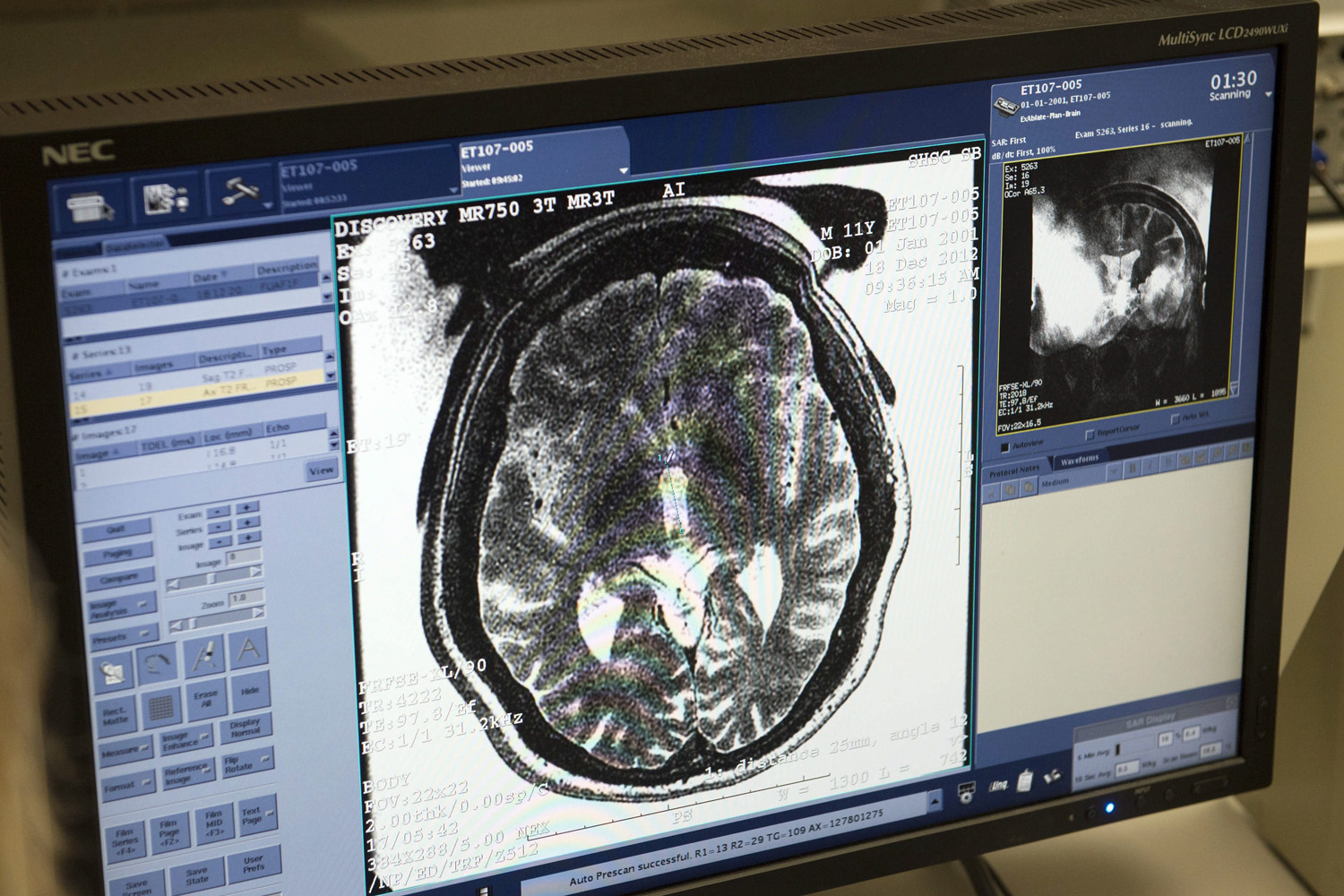
University of Maryland researchers are using MRI-guided focused ultrasound on the globus pallidus to treat Parkinson’s symptoms. The ExAblate Neuro system was developed by Israel’s Insightec.  The treatment is non-invasive, as it does not require a cut, but its ultrasound impacts a deep region of the brain, which is not with out risk.

Currently, drugs and (implanted) deep brain stimulation techniques treat  tremor, rigidity and dyskinesia in Parkinson’s patients.

According to Professor Howard Eisenberg, this  treatment could “help limit the life-altering side effects like dyskinesia to make the disease more manageable and less debilitating.”

During the  2-4 hour outpatient procedure, patients lie in an MRI scanner with a head-immobilizing frame fitted with a transducer helmet. Ultrasonic energy is targeted through the skull to the globus pallidus, and images acquired during the procedure give physicians a real-time map of the area being treated.  Patients are fully awake and able to interact with the treatment team, allowing the physicians to monitor immediate effects and make necessary adjustments.

Categories
IoT Monitoring Seniors Sensors Sleep

Sleep sensor directs appliances, allows remote monitoring

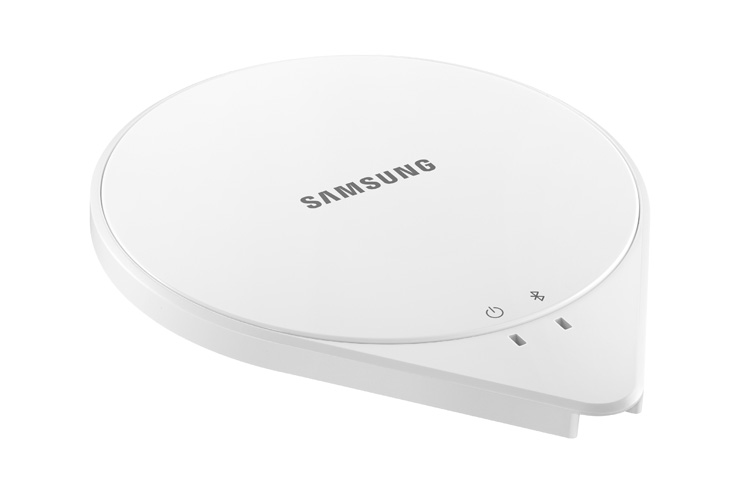
Samsung’s SleepSense measures breathing, heart rate, and movement in real time, without  touching the body. The company claims that this monitoring results in a 97% accurate sleep score, delivered to one’s phone.

SleepSense can communicate with a television, audio system, thermostat, and other household devices, to create a favorable sleep environment.  TVs can be turned off automatically; room temperature can be adjusted; lights can turned on in the morning; and a coffee maker can be directed to start brewing.

The cloud based system allows remote monitoring of an elderly or disabled loved one (with a mattress sensor)  and can receive emergency alerts.

Categories
Monitoring Sensors Wearables

Mouthguard monitors health markers via saliva

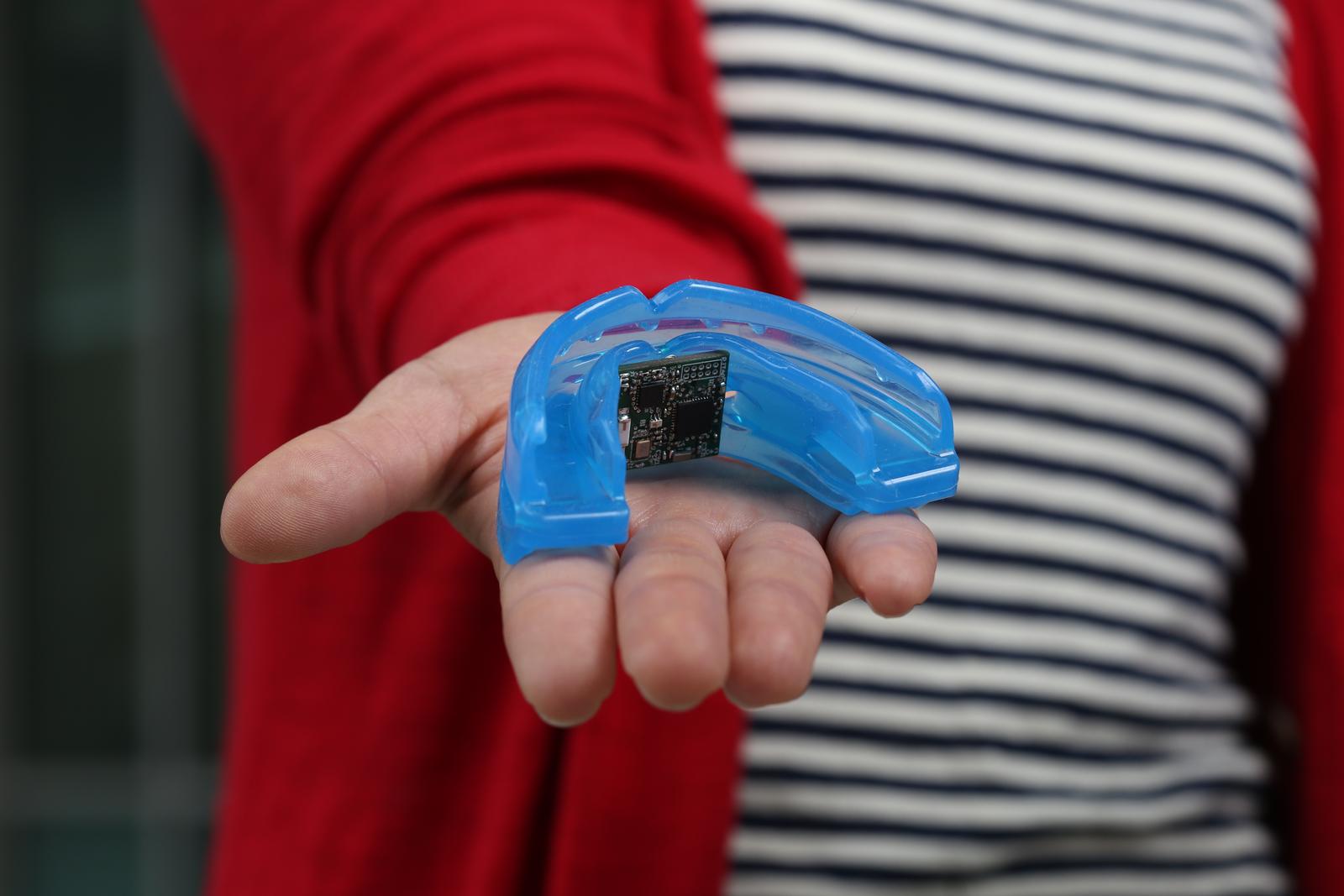
A prototype mouthguard that monitors health markers via saliva is being developed at UCSD.

The large device must be streamlined and miniaturized for mass adoption, but the concept of noninvasive monitoring of lactate, cortisol, and uric acid, is excellent.  Previously, this was only possible through a blood test.  The device can be worn by athletes, patients, or the military.

The sensing platform is screen printed using silver, Prussian blue ink and uricase, an enzyme that reacts with uric acid.  It was nano-engineered to provide the chemical equivalent of a two-step authentication system, ensuring a uric acid-only reaction.  The system includes a potentiostat, microcontroller, and Bluetooth Low Energy transceiver.

Categories
Wearables

Secure, wireless, magnetic field system for full body monitoring

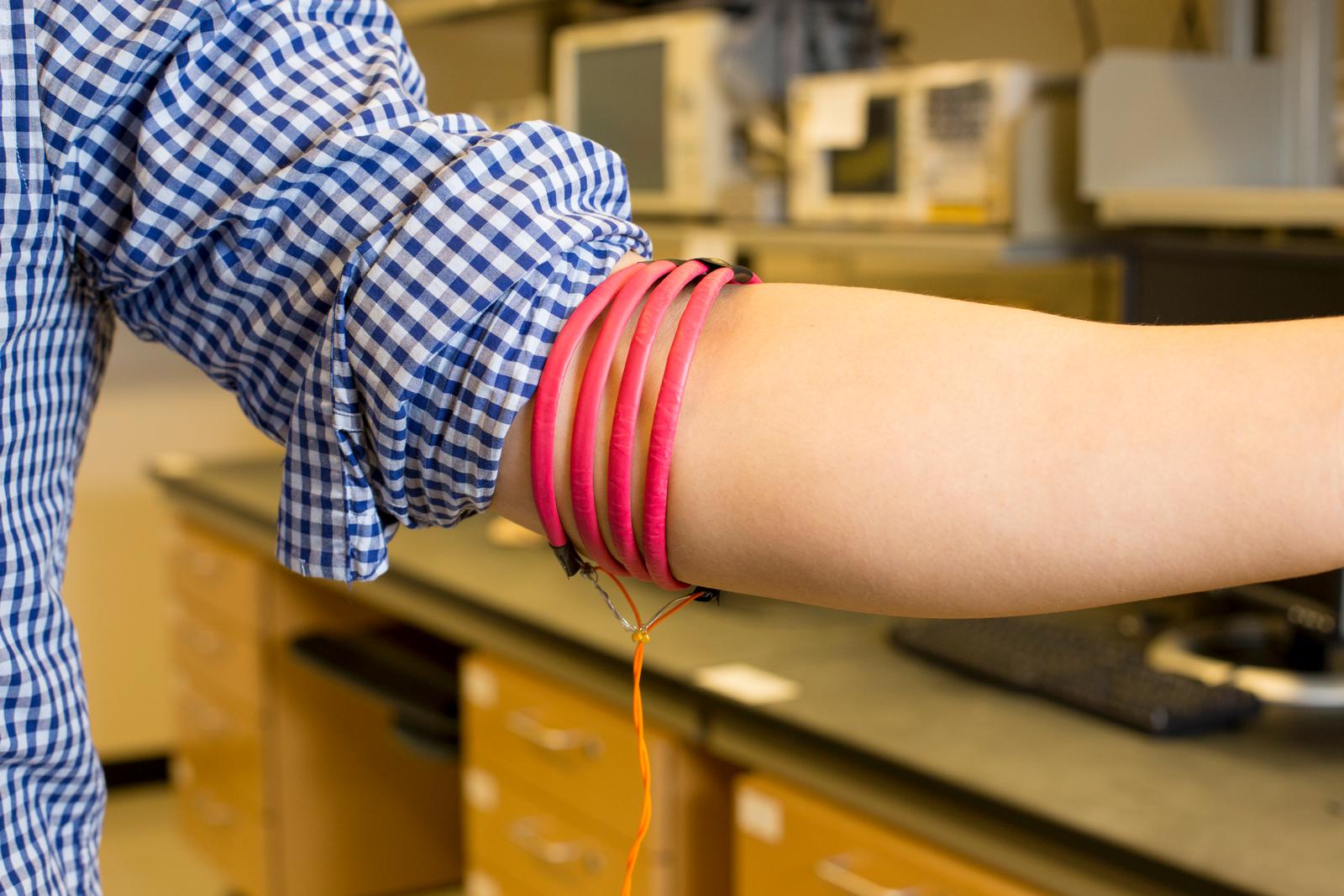
UCSD’s Patrick Mercier is developing an ultra low power, wireless, magnetic field system to transmit information through the human body. His goal is a more secure wireless sensor network for full-body monitoring.

Current bluetooth technology uses high-frequency electromagnetic radiation to transmit data.  The signals do not easily pass through the human body, and require additional power to overcome obstruction.

According to Mercier, “This technique achieves the lowest path losses out of any demonstrated wireless human body communication system. It will allow us to build much lower power wearable devices.”