Categories
Conference Data Wearables

Big Data, AI and personalized healthcare

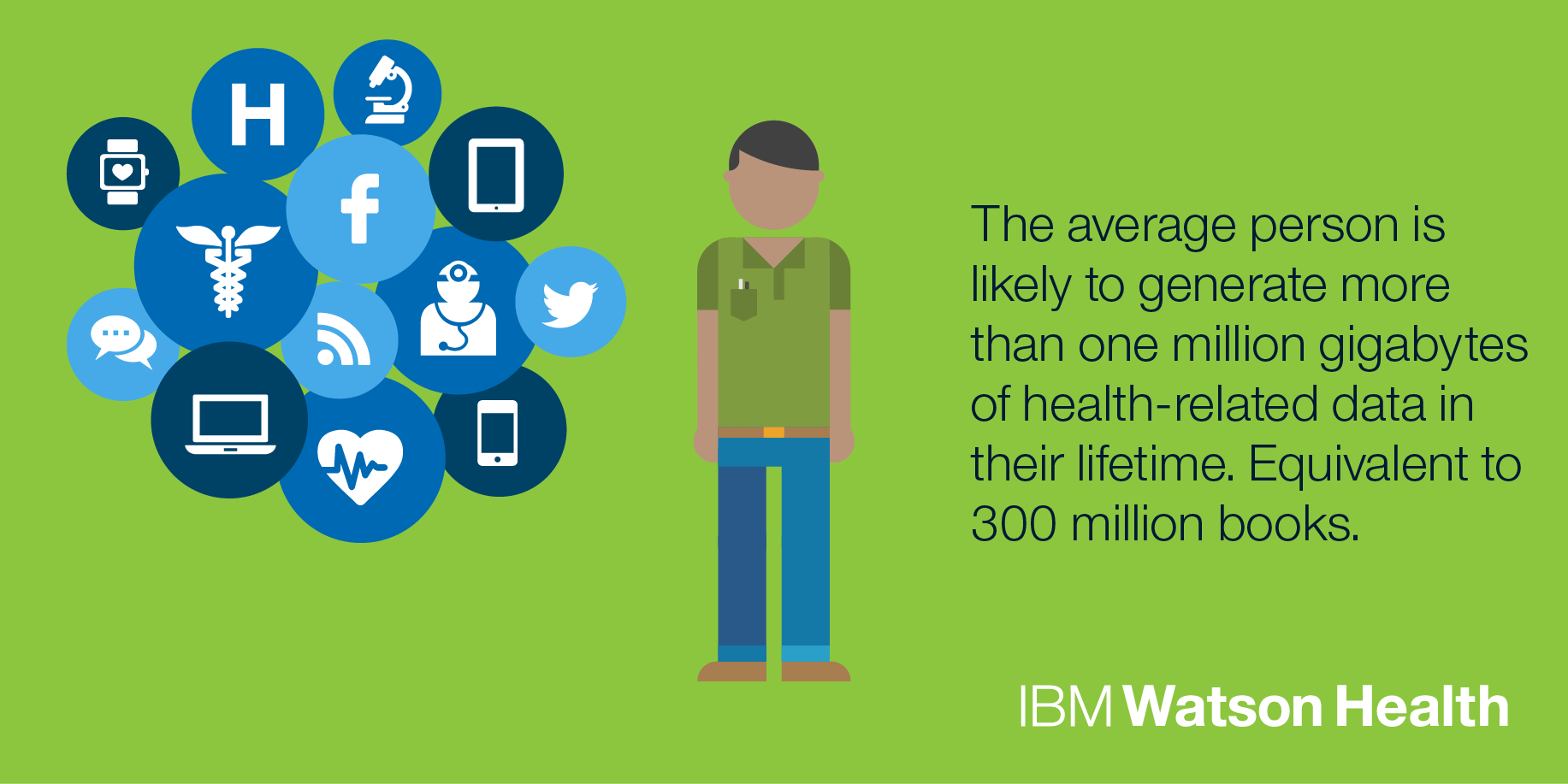
With the goal of personalizing healthcare, improving outcomes and cutting costs, IBM’s Watson Health will aggregate massive amounts of disparate patient data.  The company has struck deals with Apple, Johnson & Johnson and Medtronic to collect and use more information from devices.

To address privacy concerns, IBM is offering ways to strip personal information from wearables and plug that information into Watson to look for aggregate trends. Its health cloud will  be able to de-anonymize information when needed for doctors to see how to apply a patient’s specific health information to their care.

Wearable Tech + Digital Health NYC 2015 – June 30 @ The New York Academy of Sciences
 

Categories
Brain Cancer Nanoparticles

Nanoparticle treatment targets brain tumors

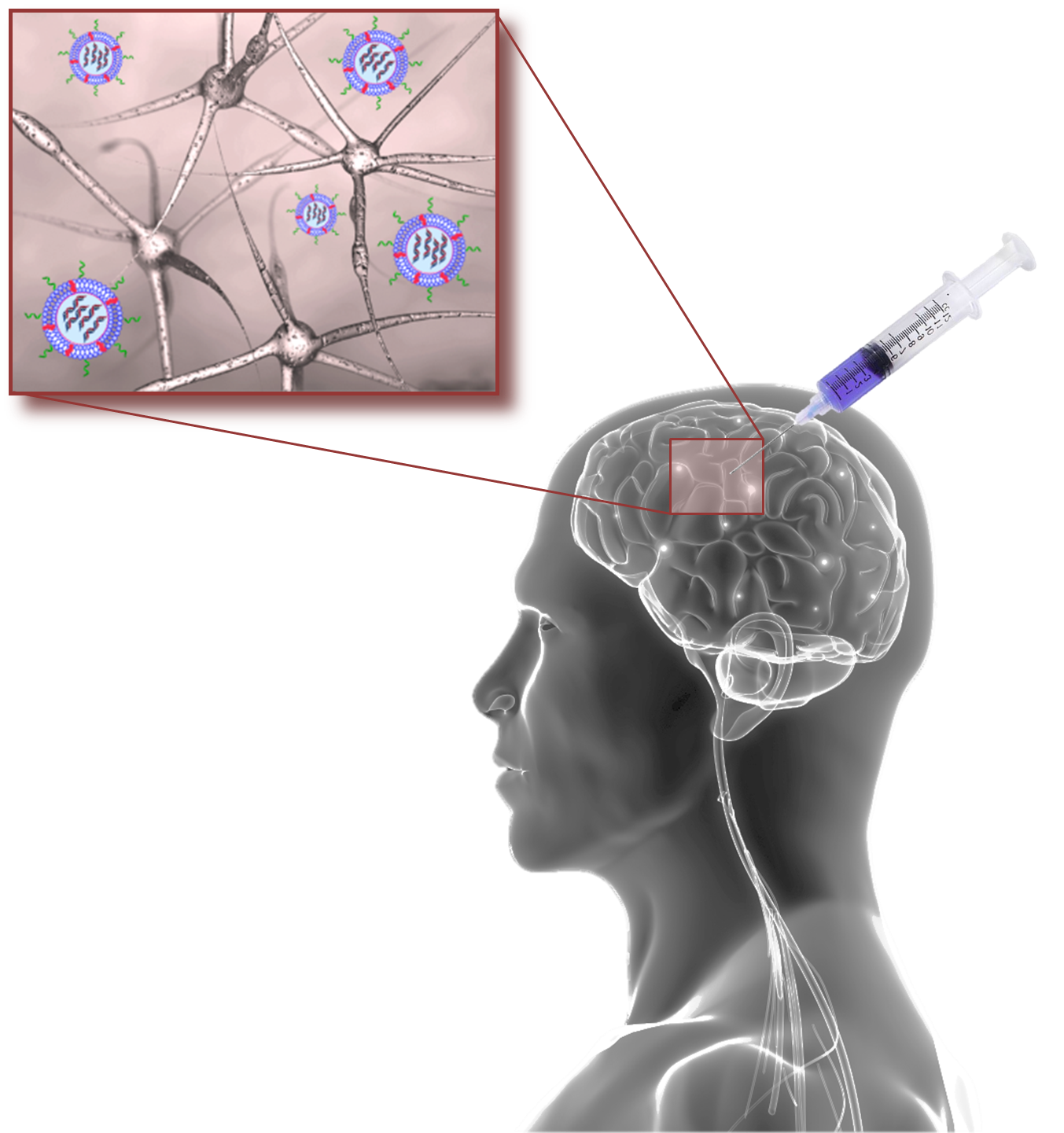
Tel Aviv University Professor Dan Peer is developing a nanoparticle-based process to target glioblastoma cells, previously considered untreatable.

Nanoparticles were injected into tumors, acting as the drug delivery system. Nucleic acid, with interference RNAs, attached to receptors  expressed specifically on glioma cells, and stopped the activity of a key protein that regulates the rapid reproduction of the cancer cells.

The therapy was tested in mouse models affected with gliomas and control groups treated with standard chemotherapy. The results were, according to the researchers, “astonishing.”

Wearable Tech + Digital Health NYC 2015 – June 30 @ New York Academy of Sciences
Categories
Cancer Sensors

Breath test for head and neck cancer

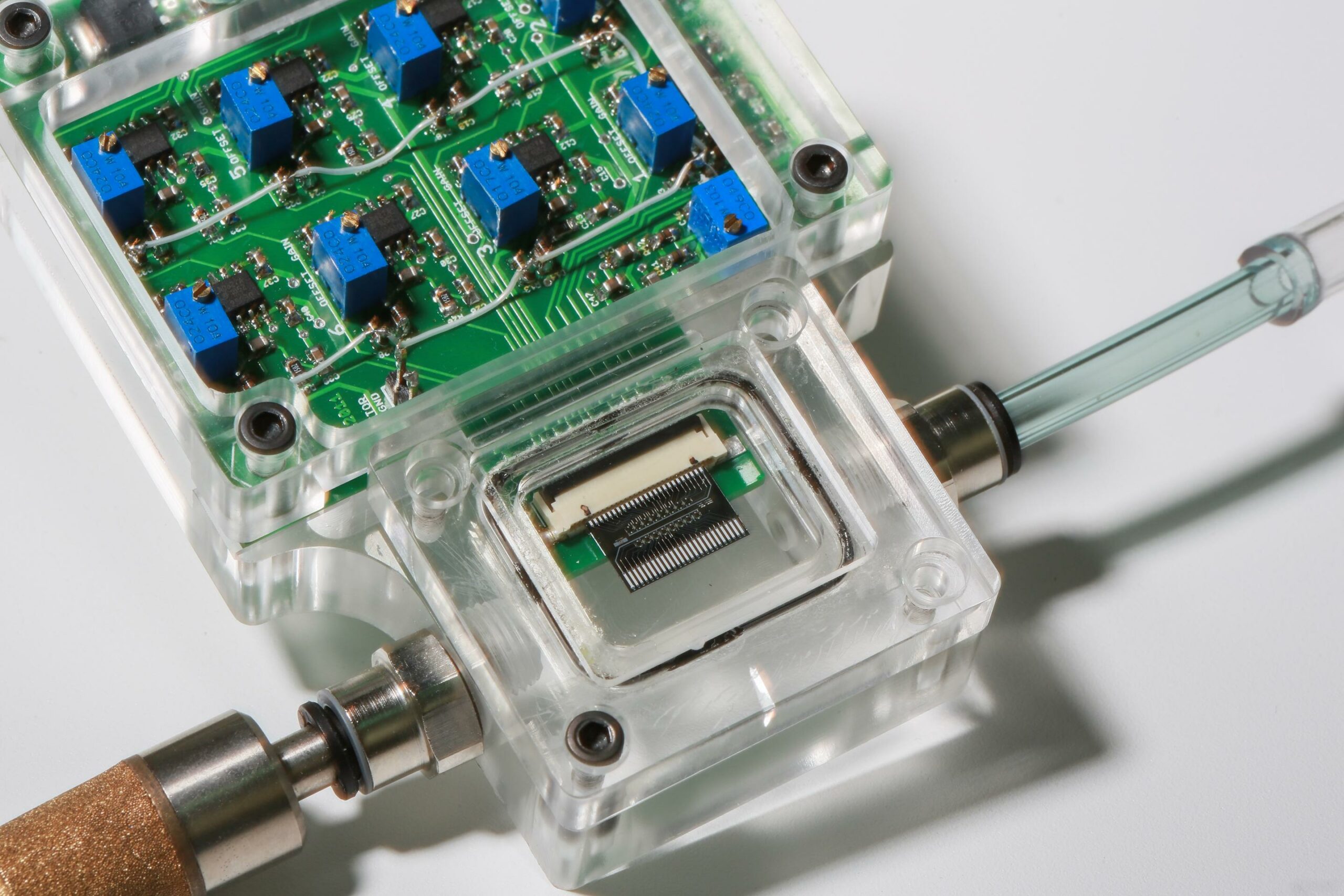
EPFL researchers have developed a sensor that can identify the presence of a head and neck cancer through breath analysis.

Nico de Rooij‘s micro-sensors  detect volatile organic compounds which vary in  presence and concentration depending on one’s health.

The sensor includes a silicon disk covered by a polymer and suspended by four tiny “bridges” with integrated piezoresistors. When exposed to a gas, the polymer absorbs certain molecules and the disk changes shape. This deformation is detected by the piezoresistive bridges, which emit an electrical signal, determining the signature of the gas and its concentration. Different polymers must be used on each sensor  to obtain an overview of the gas composition.

According to de Rooij, “There are already methods for detecting molecules called ‘electronic noses’ on the market. But they have a hard time analysing very complex gases like human breath, Humidity in particular can disrupt the reading, leading to false positives or false negatives.” The new sensors are extremely accurate.

Wearable Tech + Digital Health NYC 2015 – June 30 @ New York Academy of Sciences

Categories
Cancer Sensors

Nanosensor cancer detection

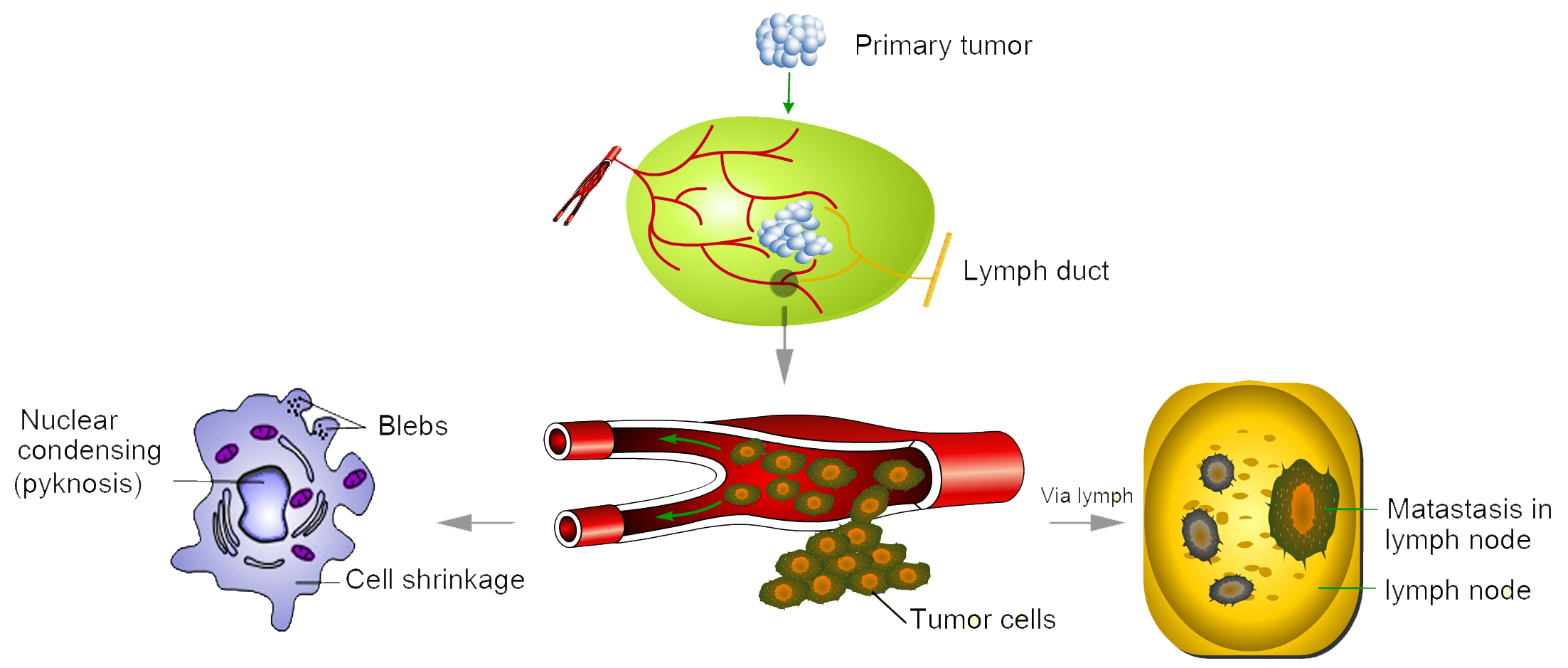
Priscila Kosaka from the Microelectronic Institute of Madrid is in the early stages of developing a nanosensor to detect cancerfrom blood samples before symptoms appear.  It is not expected to be on the market for another 10 years, but could one day  eliminate the need for biopsies.

Kosaka claims that the technology is 10 million times more effective than traditional blood sampling, and may miss only 2 out of 10,000 samples.  Improvements are needed so that the nanosensor can identify the type of cancer cells present.

The process causes the cancerous cells to change color, indicating the presence of a malignant tumor.

Wearable Tech + Digital Health NYC 2015 – June 30 @ New York Academy of Sciences.  Register before 4/24 and save 30%.

Categories
Cancer Sensors

Sensor models improve physician breast exams

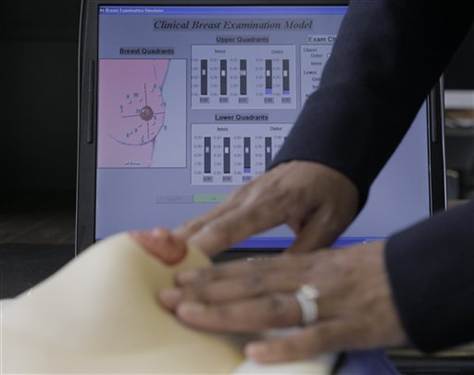
University of Wisconsin‘s Carla Pugh has developed a sensor based breast model to help train physicians to detect tumors.  The device indicates when a physician is palpating (pressing) with enough force to detect a lump in the breast. The amount of pressure is displayed as colors on a breast map displayed on a monitor. Blue indicates low pressure and red indicates the highest pressure.

In a study,  53 doctors  performed Clinical Breast Exams on  4 sensor enabled breast models, each with a mass of different density located in different areas of the breast. The masses represent potential tumors. Two of the models contained masses near the surface of the breast, and two contained masses at the back of the breast against the chest wall.

Data was collected using video and sensor recordings of the amount of pressure applied by those who  found the mass and those who did not.  Analysis of the  data showed that 15% of the physicians tested were using a technique that did not detect the deep tissue lesions near the chest wall  in two of the four breast models.

Wearable Tech + Digital Health NYC 2015 – June 30 @ New York Academy of Sciences.  Early registration rate available until 4/24.

Categories
Diabetes Monitoring Sensors Wearables

Closed-loop glucose monitoring system

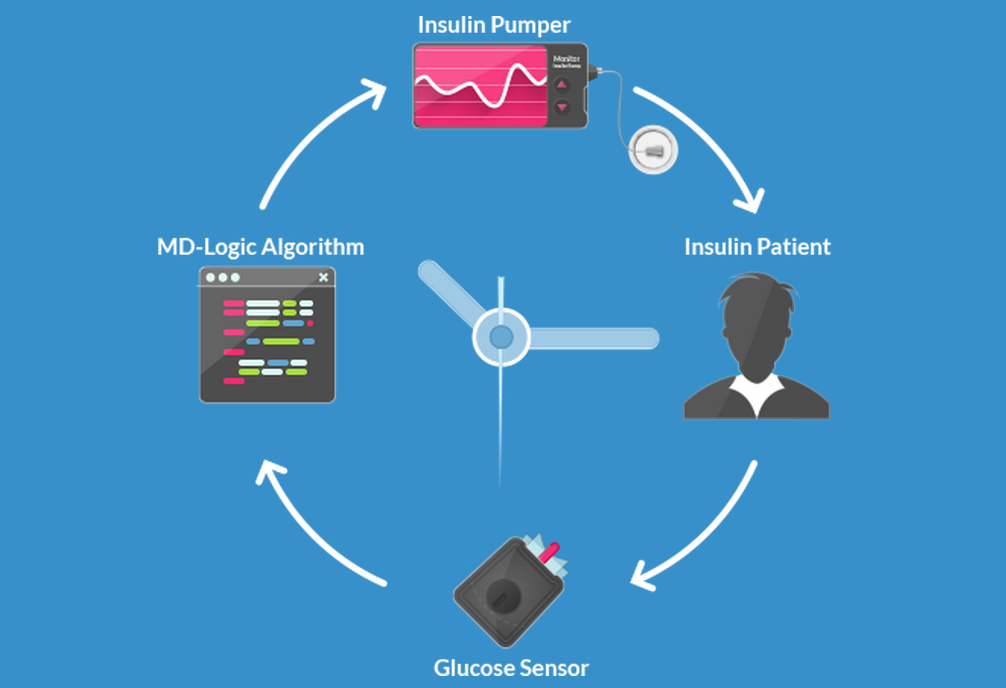
GlucoSitter by DreaMed Diabetes is an automated, closed loop, artificial pancreas system for controlling glucose levels. It links the glucose sensor with the insulin pump through control algorithms. Glucose sensor data is analyzed and the pump is directed to deliver the correct dose of insulin.

GlucoSitter has been tested  on 220 patients with 15,000 hours of day and night use.  Medtronic will now  incorporate the DreaMed  algorithm in its insulin pumps.

Wearable Tech + Digital Health NYC 2015 – June 30 @ New York Academy of Sciences.  Register now and save $300.

Categories
Brain

Light therapy could improve brain function in TBI, PTSD

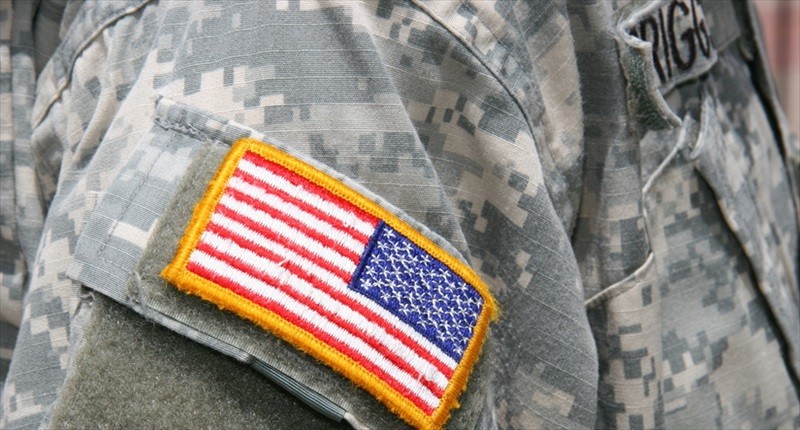
Boston University and VA Boston Healthcare System‘s Margaret Naeser  is testing the effects of light therapy on brain function in Veterans with Gulf War Illness.

Veterans in a recent study wore helmets lined with light-emitting diodes that apply red and near-infrared light to the scalp. Diodes were also placed nostrils, to deliver photons to the deeper parts of the brain. The light from the diodes  boosted nitric oxide output near the LEDs, which improved blood flow in that location. The treatment is painless,  generates no heat, and takes 30 minutes.

Brain damage caused by explosions, or exposure to pesticides or other neurotoxins could impair the mitochondria in cells.  Mitochondria was shown to be affected by light therapy in this study.   Nasser hopes this can be a valuable adjunct to standard cognitive rehabilitation.

Related forthcoming trials  include:

  • BU’s Jeffrey Knight is leading a trial for Veterans age 18 to 55 who have both traumatic brain injury and posttraumatic stress disorder.
  • Yelena Bogdanova will lead a  trial looking at the impact of LED therapy on sleep and cognition in Veterans with blast TBI.
  • Naeser is collaborating with Carole Palumbo on a study testing LED therapy, delivered via  helmets and nose diodes, for active-duty soldiers with blast TBI. The study will also test the feasibility and effectiveness of using only the nasal LED devices at home, as a self-administered treatment.

Wearable Tech + Digital Health NYC 2015 – June 30 @ New York Academy of Sciences.  Register now and save $300.

Categories
Brain Parkinson's

Keystroke patterns to detect early Parkinson’s

Madrid-MIT M+Vision Consortium researchers used keystroke patterns to diagnose motor function impairing conditions, such as Parkinson’s disease.  In a Scientific Reports paper, they described their algorithm’s ability to distinguish keystroke patterns of sleep deprived typers, and rested typers.   A study of 24 Parkinson’s patients suggested that the keystroke algorithm can also distinguish people who have the disease from those who don’t.  A larger study of Parkinson’s patients is now being planned.

Keystroke patterns have been used as a biometric signature for security purposes, but this is the first time that diagnostic information has been extracted from typing. The primary feature analyzed was “key hold time” — how long a key is pressed before being released.

According to study lead Luca Giancardo, people are usually diagnosed five to 10 years after the beginning of the disease, after much damage has been done.   He hopes that this research could  lead to earlier Parkinson’s diagnosis and better treatments.  Giancardo believes that keystroke patterns could also be used to screen for other diseases, such as rheumatoid arthritis.

Wearable Tech + Digital Health NYC 2015 – June 30 @ New York Academy of Sciences.  Register now and save $300.

Categories
Computer Vision Machine Learning

Mobile hyperspectral “tri-corder”

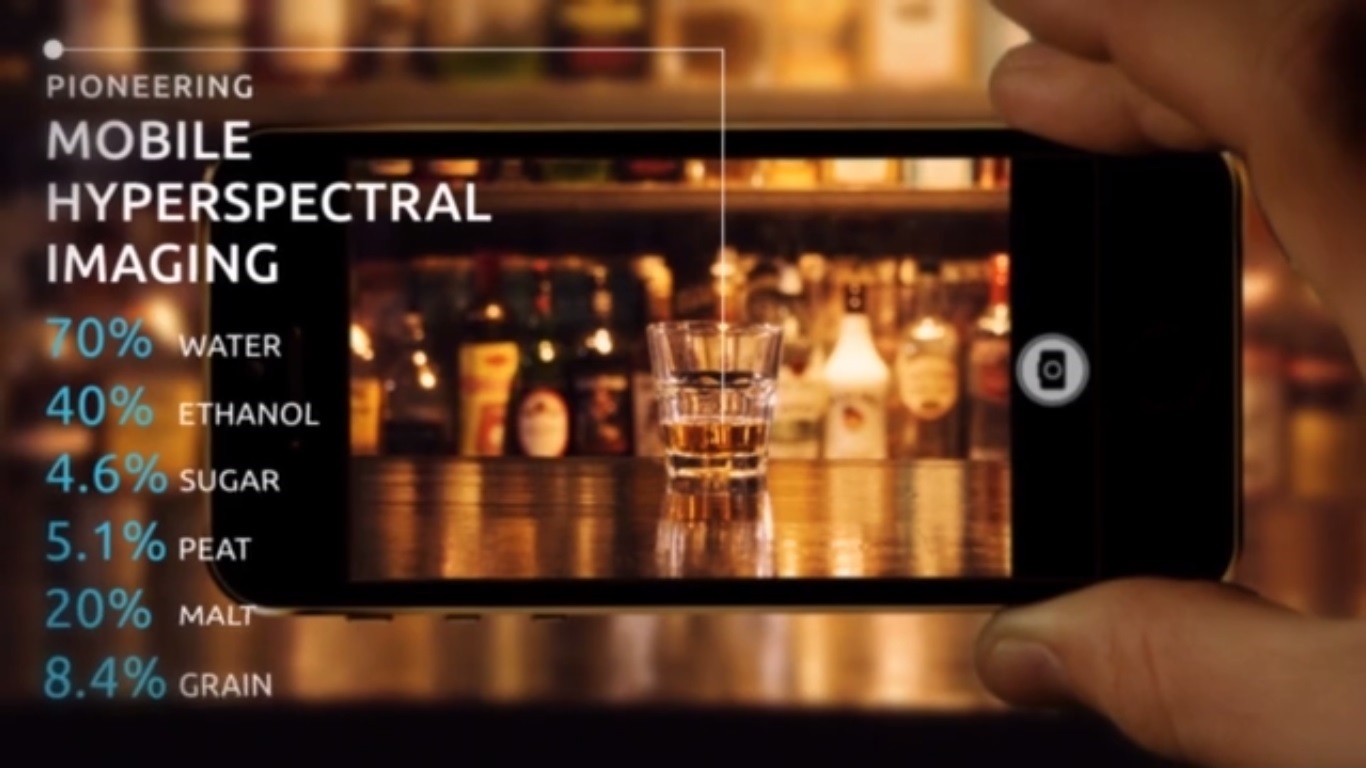
Tel Aviv University‘s David Menlovic and Ariel Raz are turning smartphones into hyperspectral sensors, capable of identifying chemical components of objects from a distance.

The technology, being commercialized by Unispectral and Ramot, improves camera resolution and noise filtering, and is compatible with smartphone lenses.

The new lens and software allow in much more light than current smartphone camera filter arrays. The software keeps the image resolution clean as the camera zooms further in.  Once the camera has acquired the image, data is sent to a third party to process and analyze  material compounds and the amount of each component. The third-party analyzer then sends the information back to the smartphone.

Unispectral is in talks with smartphone makers, auto makers, and security organizations to be third party analyzers.  To analyze the data from  camera images, the partner will need a large  database of hyperspectral signatures.

Wearable Tech + Digital Health NYC 2015 – June 30 @ New York Academy of Sciences.  Register now and save $300.

Categories
Asthma mHealth Sensors Wearables

Wearable detects asthma triggers

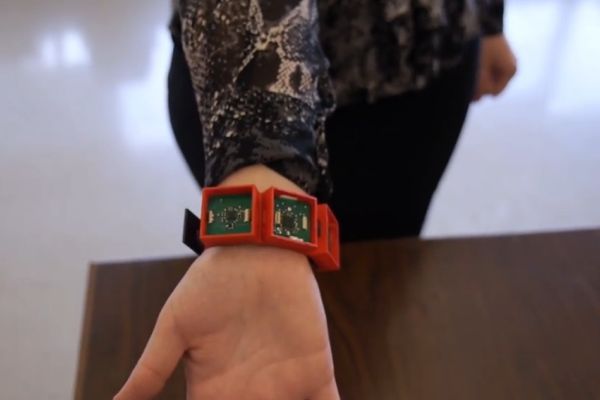
North Carolina State University‘s Veena Misra is developing a wearable that detects asthma triggers.

The device monitors environmental factors, such as ozone, carbon monoxide and nitrogen dioxide levels, as well as vital signs including heart rate and hydration. Sensor data is transmitted wirelessly to a phone or physician’s office.  The intention is to guide people away from environmental conditions that exacerbate asthma and related respiratory issues.

Wearable Tech + Digital Health NYC 2015 – June 30 @ New York Academy of Sciences.  Register before April 24 and save $300.

Categories
Computer Vision Machine Learning Prosthetics

App helps orthopedic surgeons plan procedures

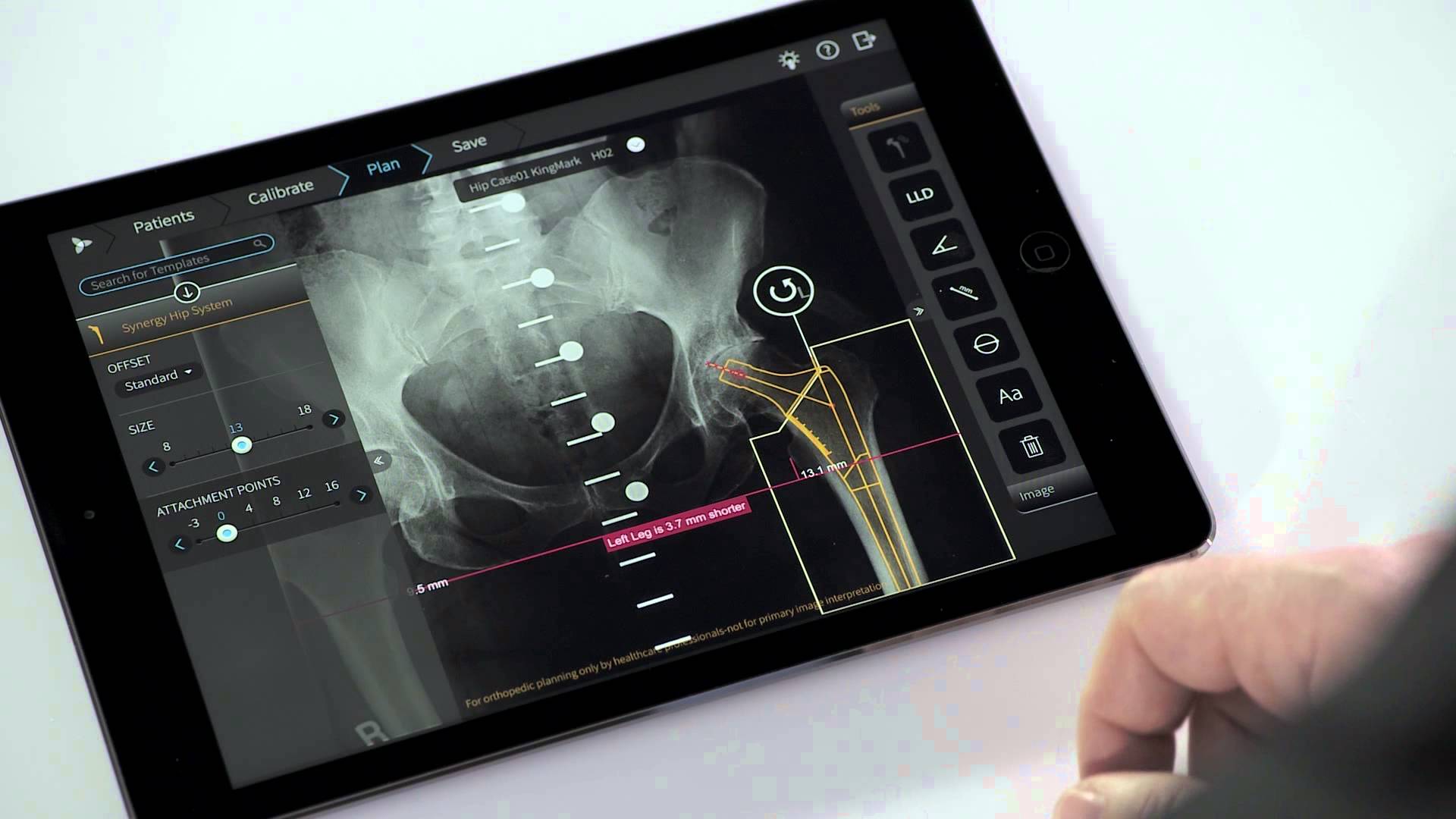
Tel Aviv based Voyant Health‘s TraumaCad Mobile app helps orthopedic surgeons plan operations and create result simulations.  The system offers modules for  hip, knee, deformity, pediatric, upper limb, spine, foot and ankle, and trauma surgery.  The iPad app mobile version of this decade old system was recently approved by the FDA.

Surgeons can securely import medical images from the cloud or hospital imaging systems to perform measurements, fix prostheses, simulate osteotomies, and visualize fracture reductions. The app overlays prosthesis templates on radiological images and includes tools for performing measurements on the image and positioning the template.  In total hip replacement surgery, it automatically aligns implants and assembles components to calculate leg length discrepancy and offset.

Wearable Tech + Digital Health NYC 2015 – June 30, 2015 @ New York Academy of Sciences.  Register before April 24 and save $300.

Categories
Computer Vision

Robotic-assisted platform to improve surgical accuracy

Google and Johnson & Johnson have announced Ethicon, a robotic assisted surgical platform partnership.  Google’s machine vision and image analysis software will help surgeons see more clearly as they operate.

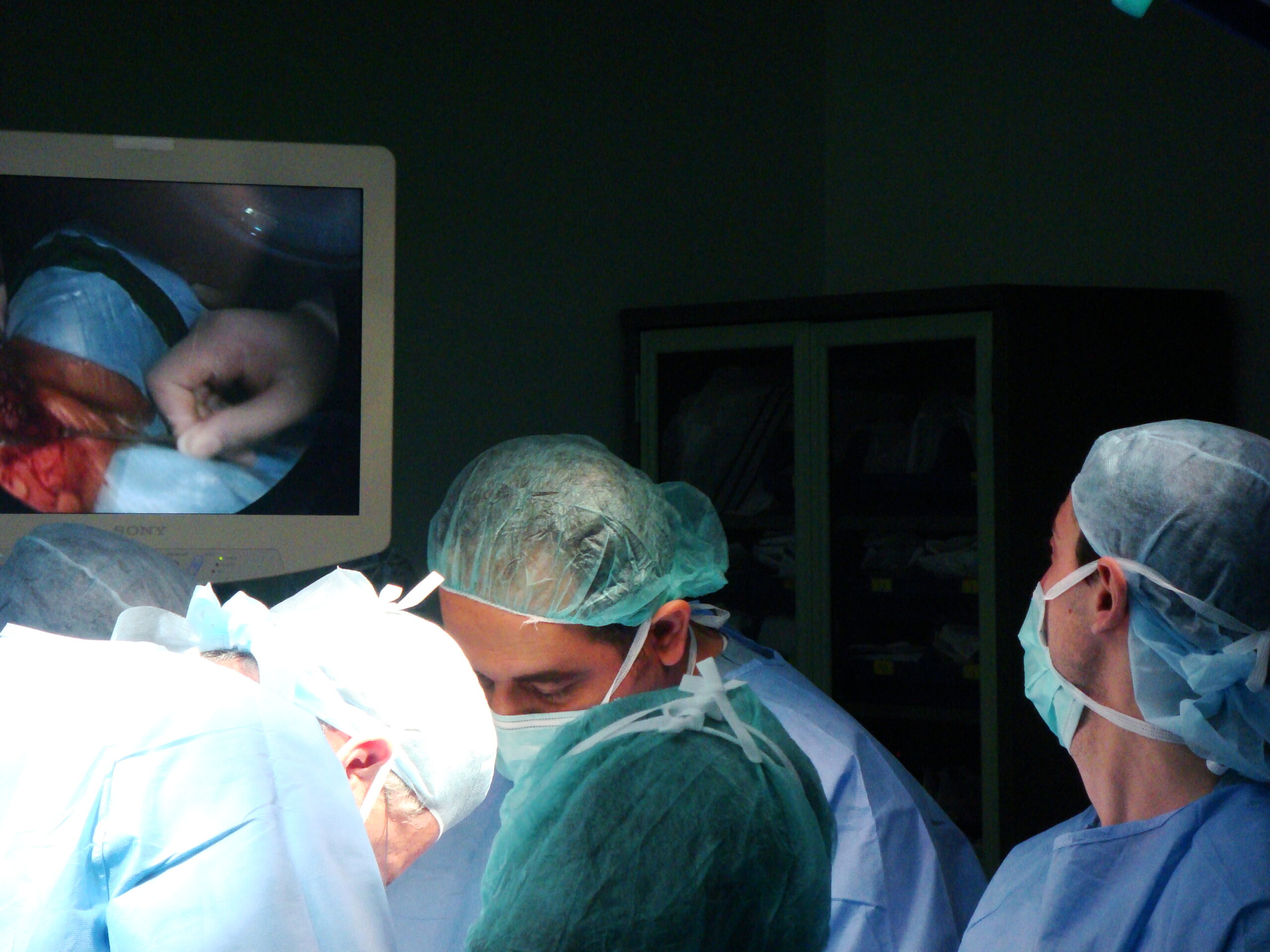
During an operation, surgeons rely on several screens for information such as medical images, test results or guidance on atypical condition procedures.  Google’s software could show this data on one screen by overlaying it on the interface that surgeons use to control the robots and delivering information when it’s needed.  The software could also highlight structures in the body that are difficult to view on a screen, such as blood vessels or nerves.

Wearable Tech + Digital Health NYC 2015 – June 30 @ New York Academy of Sciences.  Register now and save $300.