Categories
AI Robotics Sensors

Robot sensor reads facial expressions to determine emotions

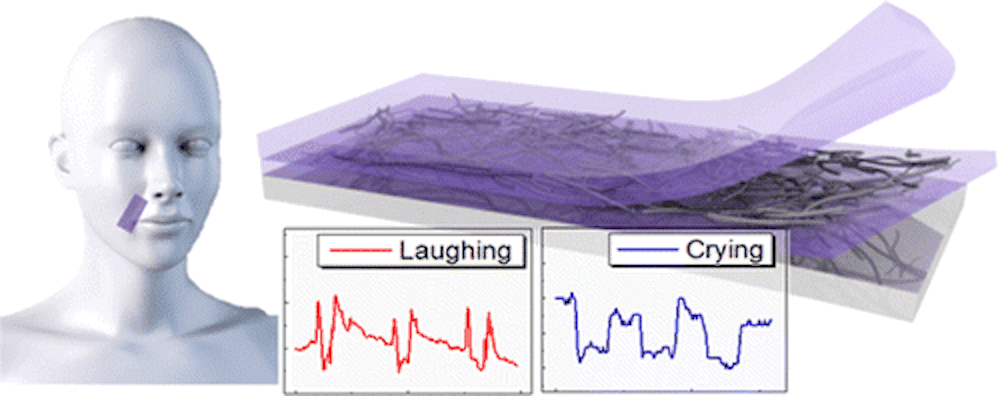
Sungkyunkwan University‘s Nae-Eung Lee has created a stretchable, transparent sensor that helps robots read facial expressions.  It senses smiling, frowning, brow-furrowing and eye-rolling.  The robot then detects movements, including slight changes in gaze, to determine whether people are laughing or crying, and where they are looking.

The ultra-sensitive, wearable sensor layers a carbon nanotube film on two types of electrically-conductive elastomers.

Lee believes that in addition to robotics, the sensors could be used to monitor heartbeats, breathing, or dysphagia. 

WEARABLE TECH + DIGITAL HEALTH NYC 2015 – JUNE 30 @ NEW YORK ACADEMY OF SCIENCES.  REGISTER HERE.

Categories
Infectious Disease mHealth Sensors

Cheap, flexible biosensor detects HIV, E-coli, Staph aureas

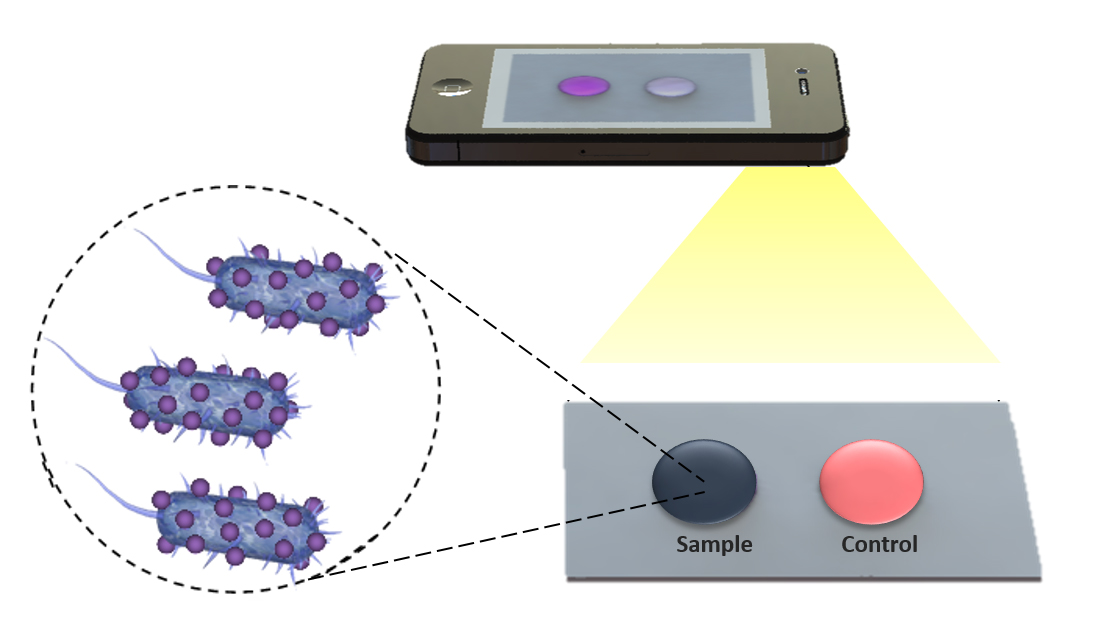
Florida Atlantic, Stanford, and Harvard  researchers have developed a thin, lightweight, flexible “paper microchip” biosensing platform to detect and determine treatment for HIV, E-coli, Staphylococcus aureas and other bacteria. They have also created an app that could remotely detect bacteria and disease in the blood using mobile phone images.

Current paper and flexible material-based platforms cost more and take longer.  The researchers claim that the new platforms are uniquely able to isolate and detect multiple biotargets selectively, sensitively, and repeatedly from diverse biological mediums using antibodies.

WEARABLE TECH + DIGITAL HEALTH NYC 2015 – JUNE 30 @ NEW YORK ACADEMY OF SCIENCES.  REGISTER HERE.

Categories
Respiratory Seniors Sleep

Built-in, contactless sensors monitor breathing

Novelda’s building-integrated “XeThru” sensor modules detect human presence and monitor respiration.  Breath rate and depth are measured and tracked in real-time.   The use of radio waves, rather than infrared, ultrasound or light, allows the modules to ‘see through’ a variety of objects, including  building materials and blankets.

The sensors are intended for hidden, tamper proof, smart home automation.  They are tools for allowing seniors to age in place, as breathing abnormalities are observed with out a manual alarm trigger.  Sleep abnormalities can also be detected. The system can, of course, also be used for security,  and to control climate and lighting.

WEARABLE TECH + DIGITAL HEALTH NYC 2015 – JUNE 30 @ NEW YORK ACADEMY OF SCIENCES.  REGISTER HERE.

Categories
Apps Heart mHealth Monitoring

Airplane seat sensors monitor physical, emotional states

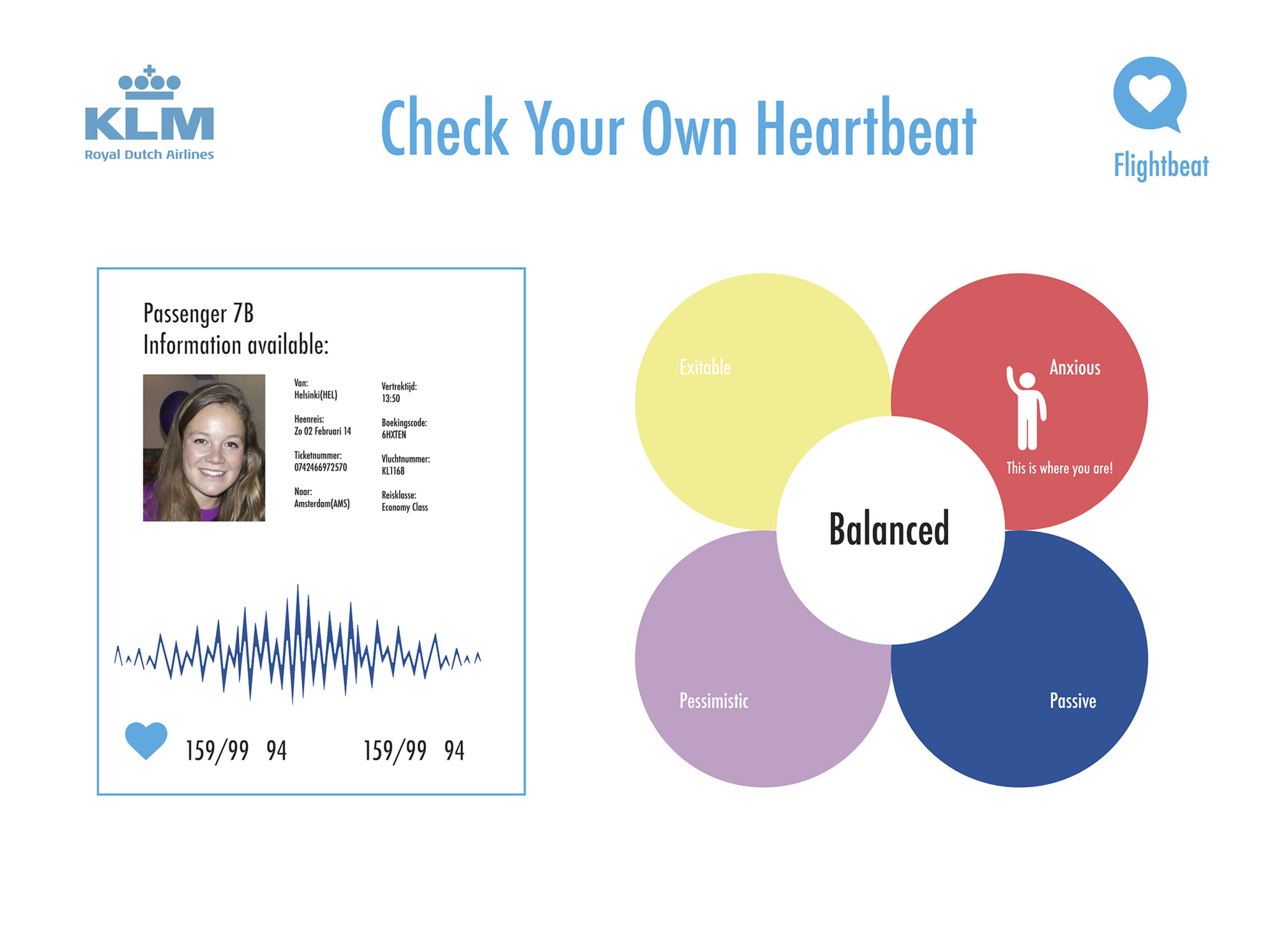
FlightBeat, designed by TU Delft students, uses  airplane seat integrated heart rate sensors to monitor the physical and emotional state of passengers.

Data is transmitted wirelessly to the crew, and presented on a color-coded seat map showing which passengers need attention.  Health information can also be sent to physicians or family members on the ground.

The goal is to optimize in-flight service, but the technology could save the lives of those unable to communicate, or one day detect heightened emotions of potential terrorists.

WEARABLE TECH + DIGITAL HEALTH NYC 2015 – JUNE 30 @ NEW YORK ACADEMY OF OF SCIENCES.  REGISTER HERE.  

Categories
Cancer Personalized Medicine

Implant tests cancer drugs to optimize treatment

MIT’s Oliver Jonas, Robert Langer, and colleagues have developed an implantable device that allows doctors to test cancer drugs in patients before prescribing chemotherapy.

The tiny device can carry small doses of 30 drugs. After implanting it in a tumor and allowing the drugs to diffuse into the tissue, researchers can measure how effectively each destroys a patient’s cancer cells.  The guesswork involved in choosing treatments can be minimized.

Most cancer drugs work by damaging DNA or interfering with cell function. Scientists have developed more targeted drugs, designed to kill tumor cells that carry a specific genetic mutation. However, it is usually difficult to predict whether a particular drug will be effective in an individual patient.

Doctors sometimes extract tumor cells, grow them in a lab, and treat them with different drugs to determine which are most effective.  This process removes the cells from their natural environment, which can play an important role in a tumor’s response to drug treatment.

According to Jonas, the implant  “essentially puts the lab into the patient.  It’s safe, and sensitivity testing can be done in the native microenvironment.”

WEARABLE TECH + DIGITAL HEALTH NYC 2015 – JUNE 30 @ NEW YORK ACADEMY OF SCIENCES.  REGISTER HERE.

Categories
BCI Brain EEG

Discreet EEG sticker monitors brain activity

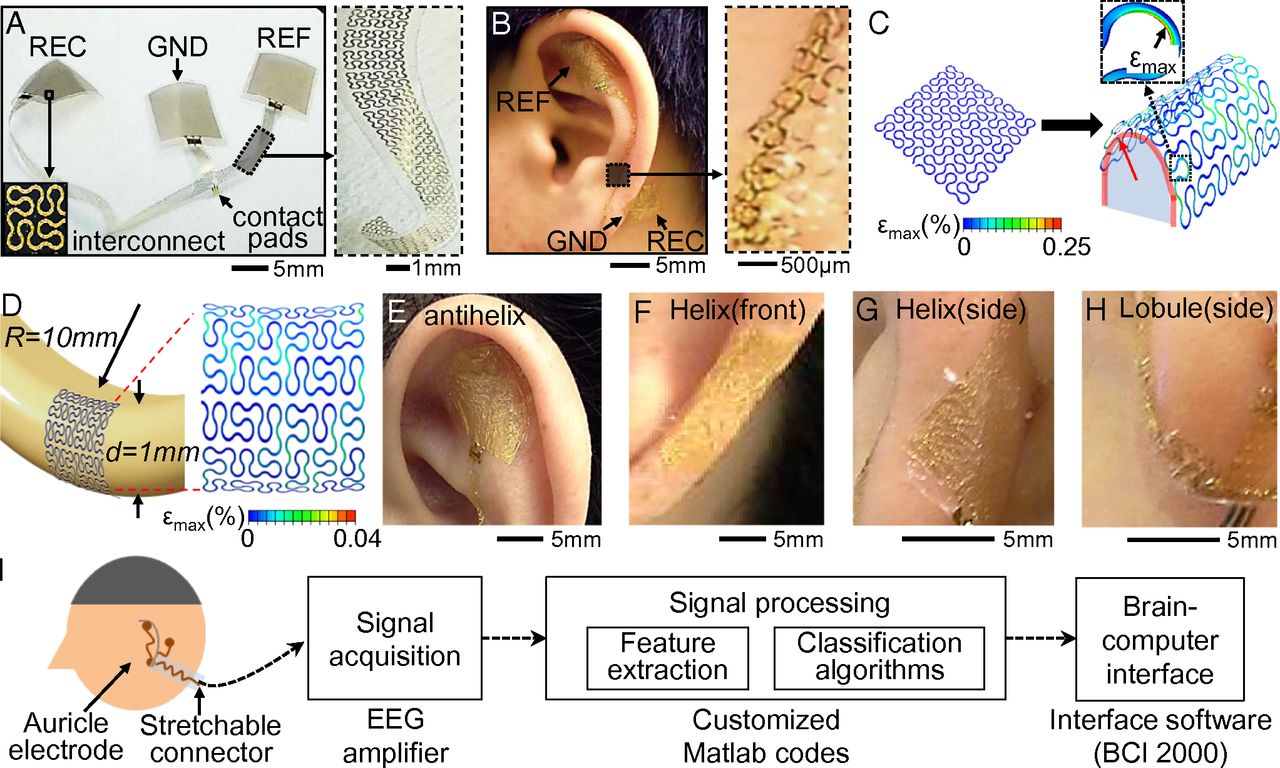
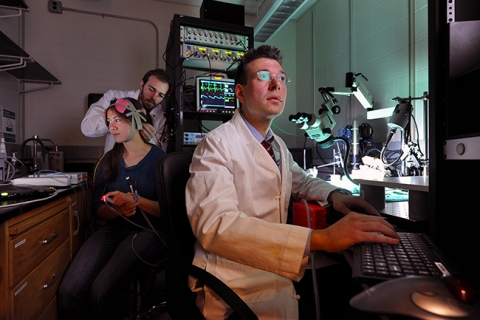
University of Illinois professor John Rogers has made another breakthrough in flexible medical electronics. His team has created an EEG system that sticks to the skin behind one’s ear to monitor brain activity. The miniature, lightweight, gold electrode device sticks to the skin without adhesive, and can be worn continuously for 2 weeks.

While not yet precise or fast enough to replace traditional EEG, study participants were able to spell the word “computer” on a screen using their brain’s electrical activity.

Rogers is now concentrating on refining the device for medical applications, and making it wireless.  In a related Neuron paper, he describes advances in soft electronic interface technologies for neuroscience research.

Wearable Tech + Digital Health NYC 2015 – June 30 @ the New York Academy of Sciences, features Professor Rogers’ MC10 colleague, Roozbeh Ghaffari, as a keynote speaker.

EARLY REGISTRATION RATE ENDS TODAY, 4/24

Categories
MRI Seniors

High speed MRI analyzes vocal movement

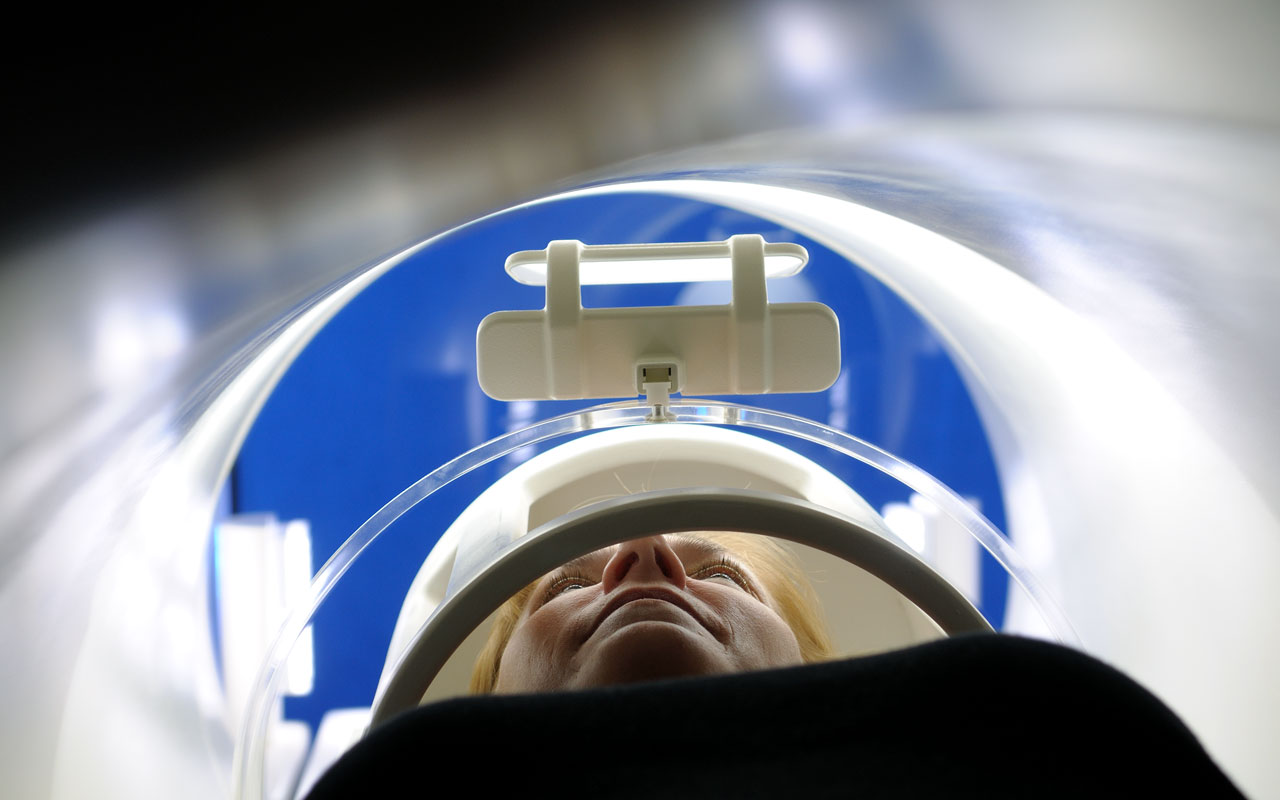
Aaron Johnson of The Beckman Institute has developed an MRI technique that can view dynamic images of vocal movement at 100 frames per second.  This speed is far more advanced than any other MRI technique.  The method is especially useful in studying how rapidly the tongue moves, along with other muscles in the head and neck, during speech and singing.  The attached video demonstrates the results.

To combine the imaging with audio, the researchers used a noise-canceling fiber-optic microphone to pull out the voice, and aligned the audio track with the imaging.

According to Johnson, the neuromuscular system and larynx change and atrophy with age, contributing to deficits associated with the older voice, such as a weak, strained, or breathy voice.  He wants to understand how these changes occur, and if interventions, such as vocal training, can reverse the effects. This requires seeing how the muscles of the larynx move in real time.

Wearable Tech + Digital Health NYC 2015 – June 30 @ New York Academy of Sciences.  Early registration discount ends Friday, 4/24.

Categories
Autism EEG Monitoring

Home-based autism therapies

The MICHELANGELO project creates home-based solutions for assessing and treating autism, including:

  • Pervasive, sensor-based technologies to perform physiological measurements such as heart rate, sweat index and body temperature
  • Camera-based systems to monitor observable behaviors and record brain responses to natural environment stimuli
  • Algorithms allowing for the characterization of stimulus-specific brainwave anomalies

These technologies will allow for more intense, personalized treatment, and give parents the role of co-therapist.

Wearable Tech + Digital Health NYC 2015 – June 30 @ New York Academy of Sciences.  Early registration rate ends Friday, 4/24.

Categories
Infectious Disease Sensors

Breath test for malaria

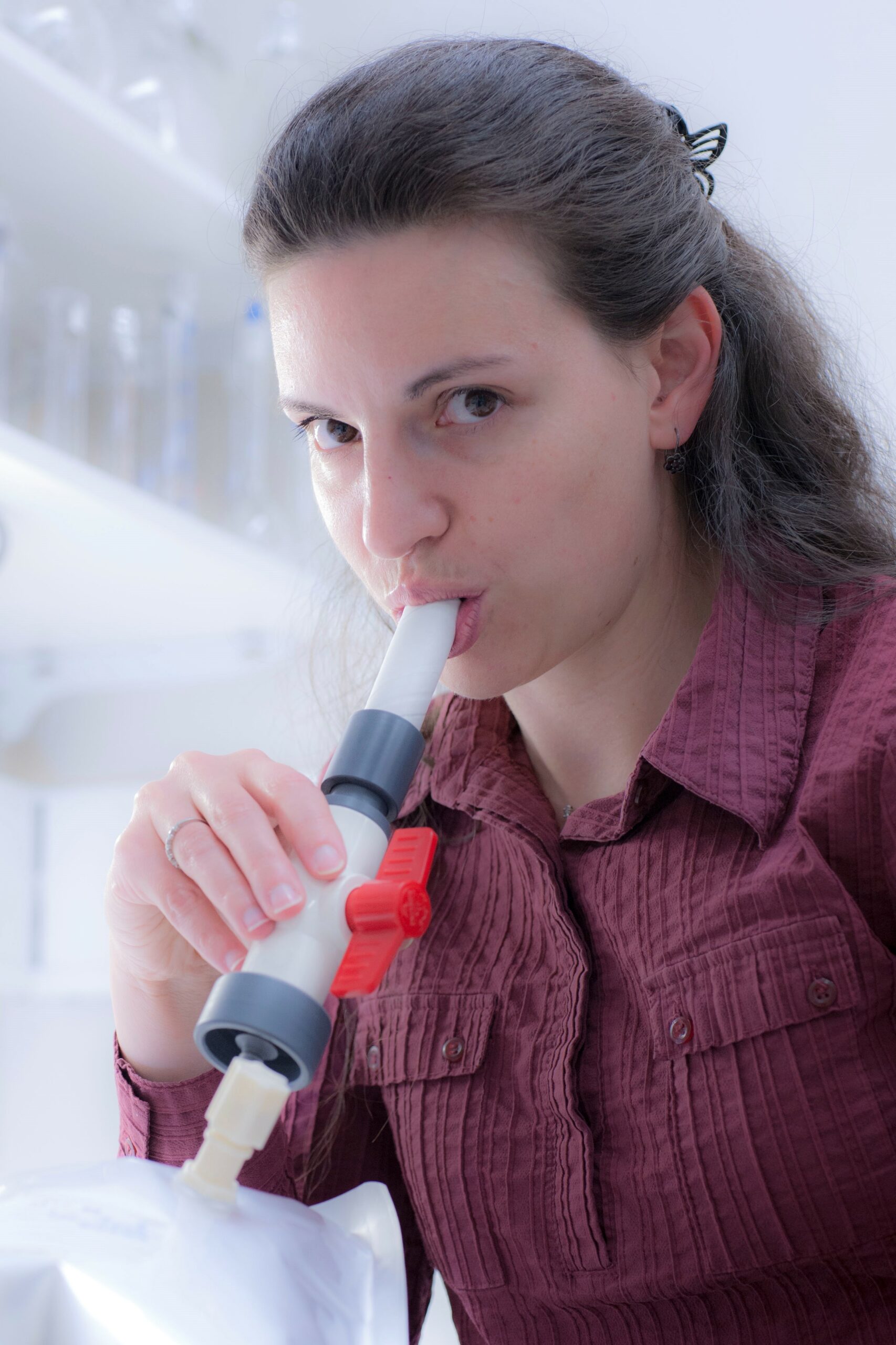
QIMR Berghofer, ANU and CSIRO researchers are developing  a breath test for malaria. Current blood testing methods have not changed since 1880.

A recent study found a marked increase in normally almost undetectable chemicals in malaria patients’ breath.  The chemicals were seen four days earlier than with a traditional microscope test, with higher sensitivity.

Malaria killed 584,000 people in 2013.  In Africa, a child dies every minute from the disease.  The hope is to prevent death through earlier diagnosis and treatment.

Wearable Tech + Digital Health NYC 2015 – June 30 @ New York Academy of Sciences.  Early registration rate ends Friday, 4/24.

Categories
Brain

Alpha wave oscillation stimulation studied for depression

UNC‘s Flavio Frohlich used low doses of electric current  to boost creativity by enhancing alpha wave oscillations.  His  goal is to to help people with neurological and psychiatric illnesses, as some depression patients have impaired alpha oscillations.

His Cortex paper showed EEG observed alpha wave oscillation enhancement using a 10-Hertz current run through electrodes attached to the scalp.

Frohlich and David Rubinow are using this type of brain stimulation in clinical trials for major depressive disorder and premenstrual dysphoric disorder.

Wearable Tech + Digital Health NYC 2015 – June 30 @ New York Academy of Sciences.  Early registration rate ends April 24th.

Categories
Brain Parkinson's

Study: DBS reshapes neural circuits

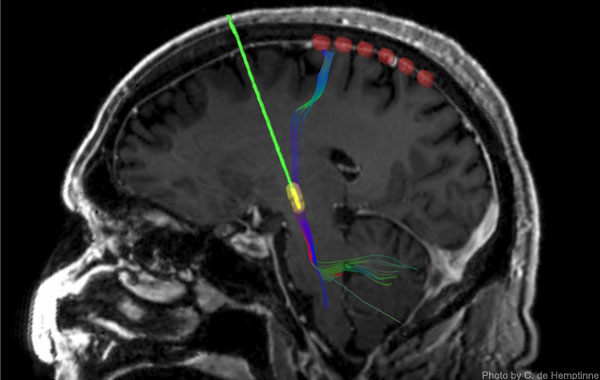
UCSF professor Philip Starr published a paper suggesting that Deep Brain Stimulation works by reducing overly synchronized motor cortex activity. He believes that this explains why surgically implanted electrodes improve movement, tremor, and rigidity in Parkinson’s patients.

Little is known about why and how DBS works.   This has held back efforts to improve the therapy. Customizing the stimulation delivered to maximally reduce symptoms is challenging.  A better understanding of the effect of DBS on brain circuits could make it more effective.

ApplySci hopes that this research will also lead to equally effective, non-invasive, future treatments.

Wearable Tech + Digital Health NYC 2015 – June 30 @ New York Academy of Sciences.  Early registration rate available until April 24th.

Categories
Conference

Cheap, remote, smartphone molecular cancer diagnosis

A Harvard and Mass General developed device may bring rapid, accurate molecular diagnosis of cancer and other diseases to remote locations.  The smartphone-based device creates holograms to collect detailed microscopic images for digital analysis of the molecular composition of cells and tissues.

The study’s authors believe that “because the system is compact, easy to operate, and readily integrated with a smartphone, this approach could enable medical diagnostics in geographically and/or socioeconomically limited settings with pathology bottlenecks.”

The D3 (digital diffraction diagnosis) system features an imaging module with a battery-powered LED light clipped onto a standard smartphone. It records high-resolution imaging data with its camera.

With a much greater field of view than traditional microscopy, the system can record data on 100,000 cells from a blood or tissue sample in a single image. The data is transmitted for analysis to a remote server via the cloud. Results are returned to the point of care.

For molecular analysis of tumors, a sample of blood or tissue is labeled with microbeads that bind to known cancer-related molecules. The sample is loaded into the D3 imaging module. After the image is recorded and data transmitted, the presence of specific molecules is detected by analyzing diffraction patterns generated by the microbeads.

Wearable Tech + Digital Health NYC 2015 – June 30 @ The New York Academy of Sciences