Categories
Brain Longevity Seniors

Biological age blood test could identify dementia risk

King’s College London professor James Timmons has developed a gene signature blood test that he believes could be used to predict Alzheimer’s disease.  His goal is early detection and preventative treatment. The test is the first to  measure biological age.

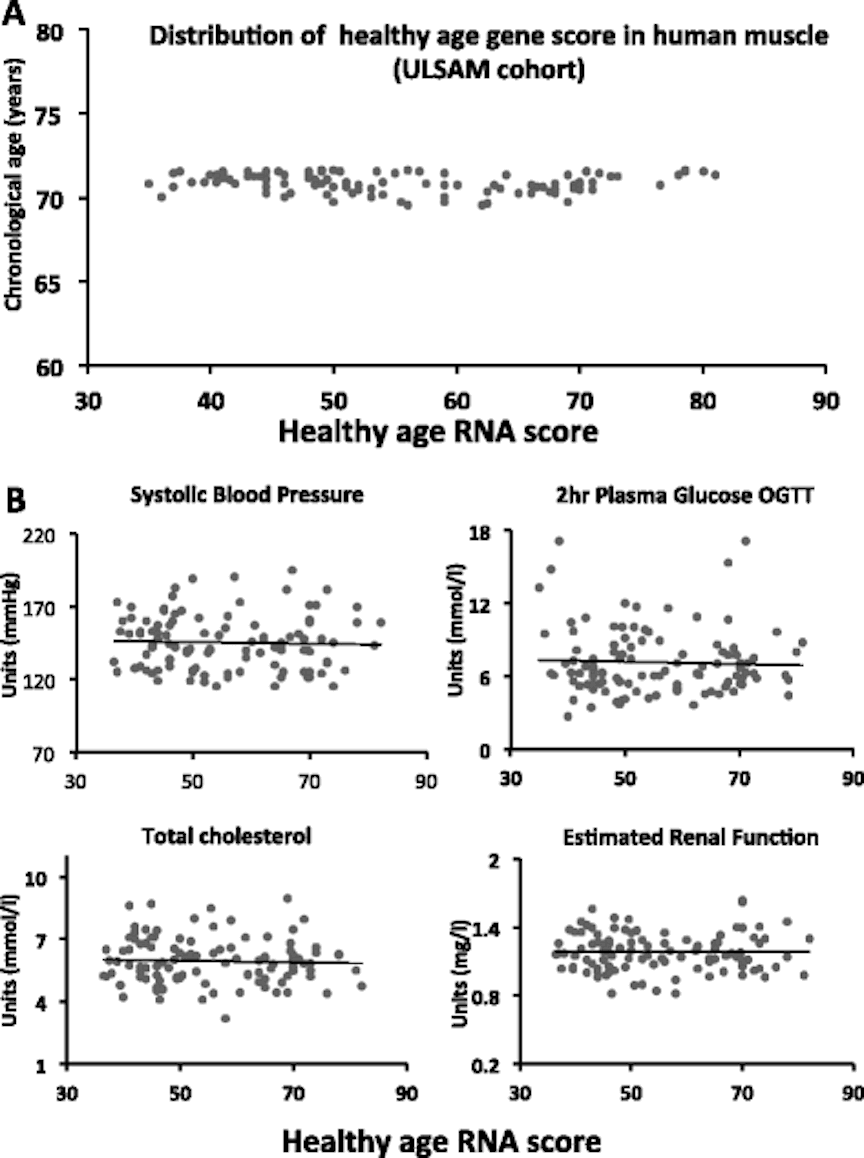
Researchers analyzed  thousands of blood, brain and muscle samples to find 150 markers of gene activity associated with good health at age 65.  This produced a rating system that could be incorporated into a blood test.

700 healthy 70 year olds had widely varied healthy aging scores. Higher scores were associated with better mental ability, kidney function and longevity over 12 years. Low scores were linked to Alzheimer’s.

According to Timmons, “This is the first blood test of its kind that has shown that the same set of molecules are regulated in both the blood and the brain regions associated with dementia, and it can help contribute to a dementia diagnosis. This also provides strong evidence that dementia in humans could be called a type of ‘accelerated ageing’ or ‘failure to activate the healthy aging program’.”
Categories
Brain Parkinson's Ultrasound

Ultrasound targets deep brain region, helps Parkinson’s symptoms

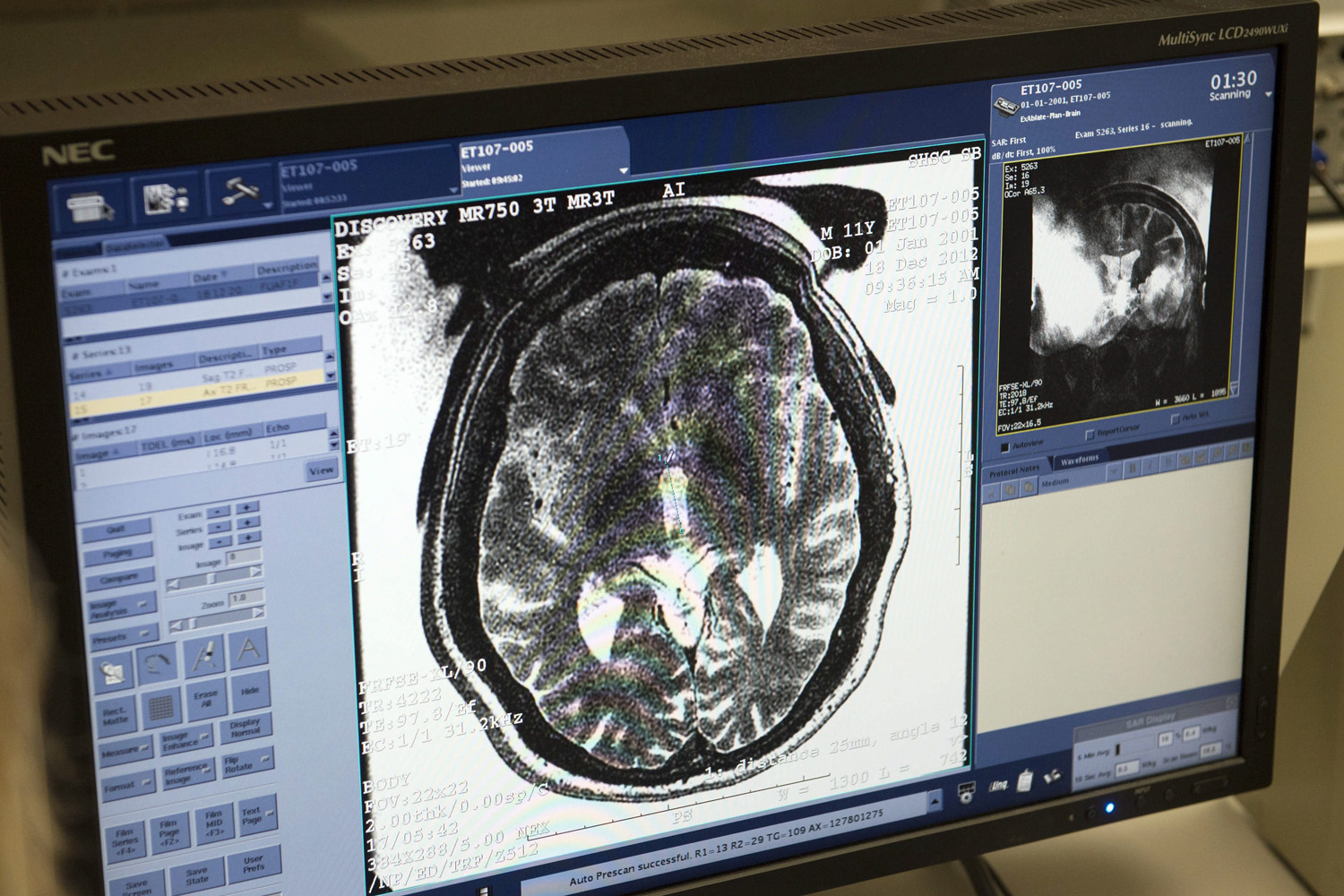
University of Maryland researchers are using MRI-guided focused ultrasound on the globus pallidus to treat Parkinson’s symptoms. The ExAblate Neuro system was developed by Israel’s Insightec.  The treatment is non-invasive, as it does not require a cut, but its ultrasound impacts a deep region of the brain, which is not with out risk.

Currently, drugs and (implanted) deep brain stimulation techniques treat  tremor, rigidity and dyskinesia in Parkinson’s patients.

According to Professor Howard Eisenberg, this  treatment could “help limit the life-altering side effects like dyskinesia to make the disease more manageable and less debilitating.”

During the  2-4 hour outpatient procedure, patients lie in an MRI scanner with a head-immobilizing frame fitted with a transducer helmet. Ultrasonic energy is targeted through the skull to the globus pallidus, and images acquired during the procedure give physicians a real-time map of the area being treated.  Patients are fully awake and able to interact with the treatment team, allowing the physicians to monitor immediate effects and make necessary adjustments.

Categories
Brain

Computer speech analysis determines psychosis risk

Columbia University researchers are using automated speech analysis to determine if an “at risk” youth will develop psychosis.   The goal is early intervention.

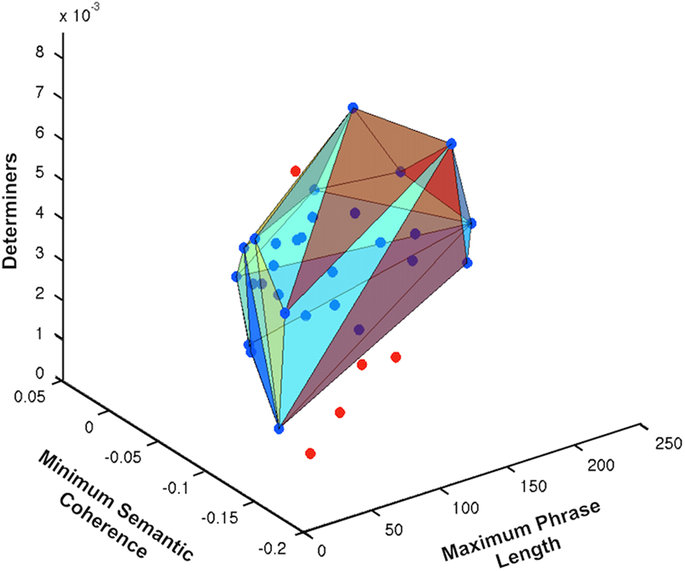
In a very small (34 patient) study, the system differentiated — with complete accuracy — between at-risk young people who developed psychosis over a 2.5 year period, and those who did not. The computer model outperformed  screening technologies such as biomarkers from neuroimaging and EEG recordings.

An algorithm rooted out  “jarring disruptions” in otherwise ordinary speech. Semantic analysis measured coherence and two syntactic markers of speech complexity — sentence length and how many clauses it entailed.

Professor Gillinder Bedi believes that “If speech analyses could identify those people most likely to develop schizophrenia, this could allow for more targeted preventive treatment before the onset of psychosis, potentially delaying onset or reducing the severity of the symptoms which do develop.”

Categories
Brain Parkinson's

Digital pen/machine learning based neurodegenerative disease diagnosis

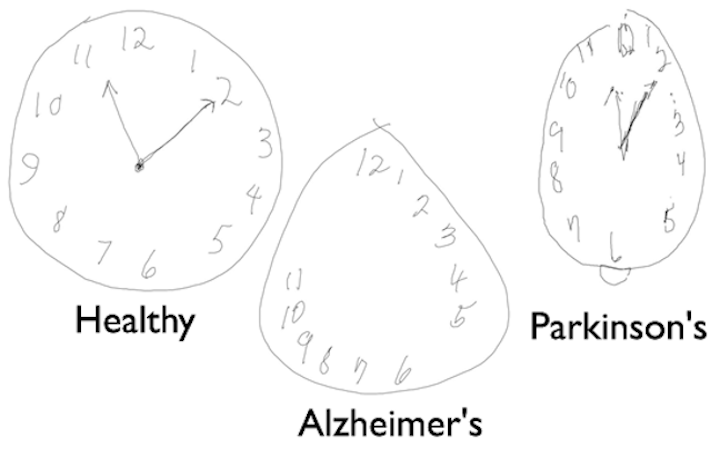
MIT researchers have developed a digital assessment tool based on the Anoto Live Pen that they believe will improve the accuracy of Alzheimer’s and Parkinson’s Disease diagnosis.  A paper demonstrates a machine learning based predictive model that might detect neurodegenerative diseases earlier than current methods.

According to lead author William Souillard-Mandar,  the technology “allows us to extract thousands of features from the drawing process that give hints about the subject’s cognitive state, and our algorithms help determine which ones can make the most accurate prediction.”

Categories
Brain Epilepsy

Epileptic patients process music differently

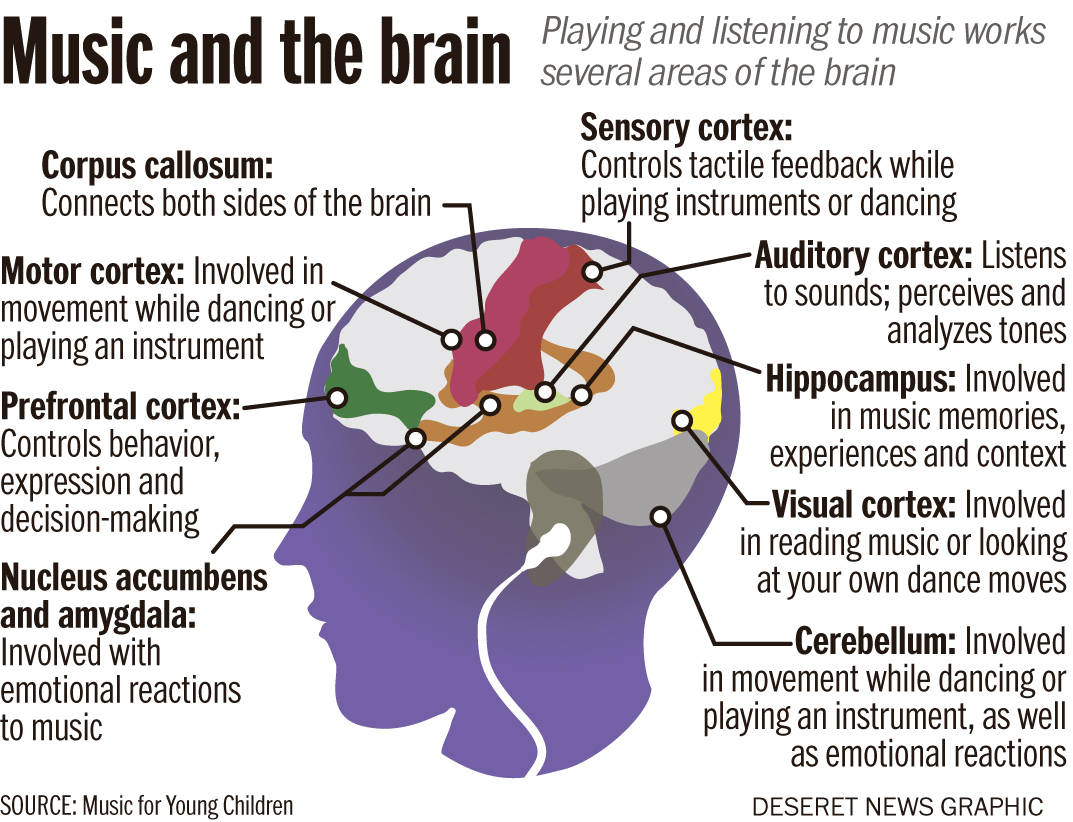
Ohio State researchers have found that epileptic patients’ brains process music differently, and hypothesize that music therapy could be used to reduce temporal lobe seizure frequency.

The brainwaves of 21  epileptic and healthy patients were examined as they listened to music, interspersed with moments of silence. The order of the pieces was randomized, and 10 minutes of silence preceded and followed each composition.

Subject brainwave activity increased as they listened to music. Epileptic patient brainwaves were even more synchronized with the music.

Christine Charyton presented the research at a recent APA conference, and summarized: “We found significantly higher levels of synchronization and spectral EEG activation when listening to music in the frontal cortex and temporal cortex, especially in persons with epilepsy. We speculate that music may be useful to enhance electrical activity specific to the frontal and temporal cortices,”


Categories
BCI Brain Prosthetics

Biocompatible neural prosthetics

Spinal injury patients, and those with lost limbs, sometimes have neural prosthetic devices implanted in an attempt to regain independence.  They are used for deep brain stimulation and brain controlled external prosthetics.  However, neural prosthetics are often rejected by the immune system, and can  fail because of a mismatch between soft brain tissue and rigid devices.

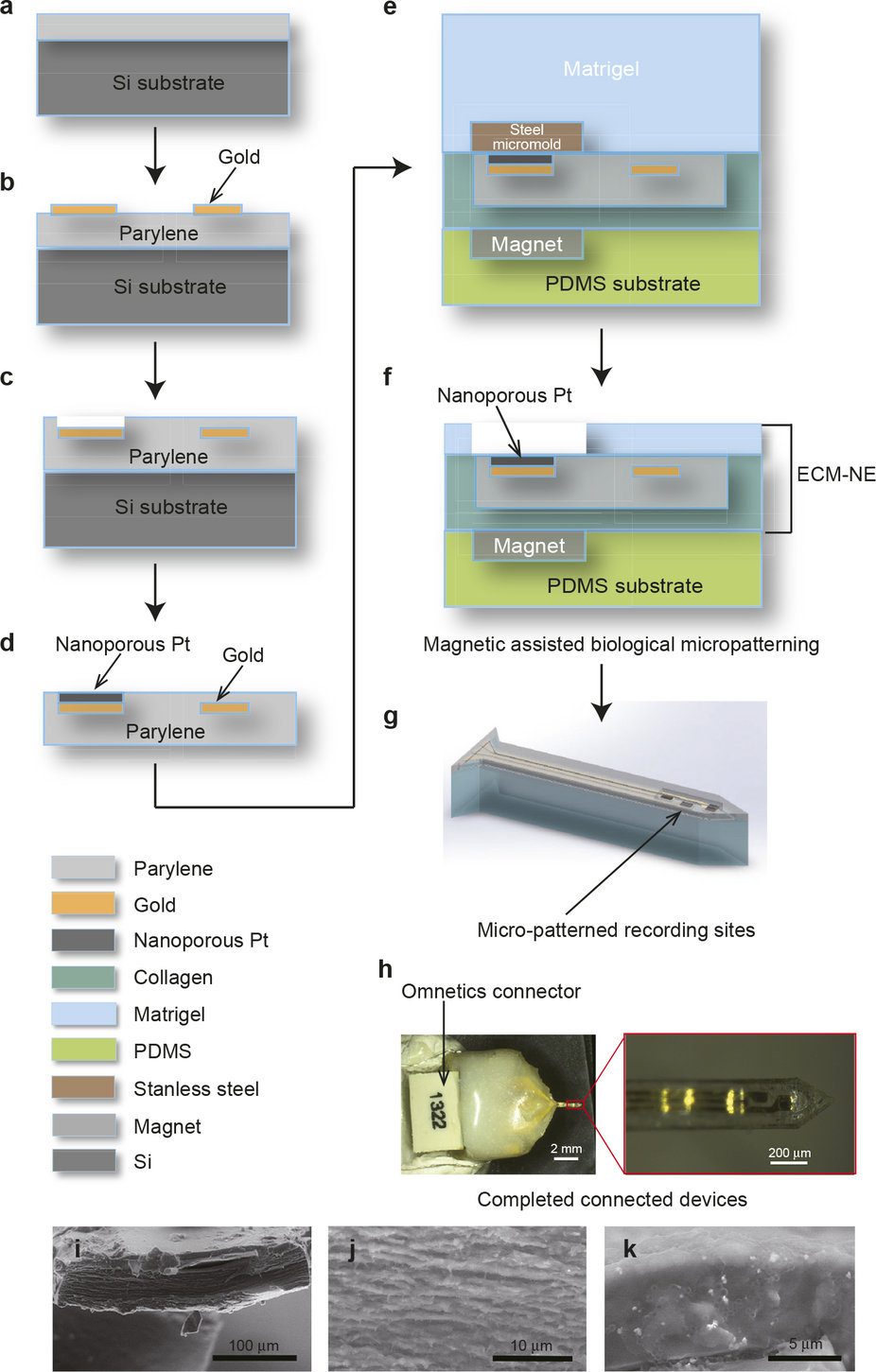
University of Pennsylvania‘s Mark Allen and colleagues have created an implantable neural prosthetic device that is biocompatible and replaces silicon and noble metal. The goal is to avoid immune-system rejection, failures due to tissue strain, neurodegeneration, and decreased fidelity of recorded neural signals.

Categories
Brain Seniors

Study: Emotions linked to learning and memory

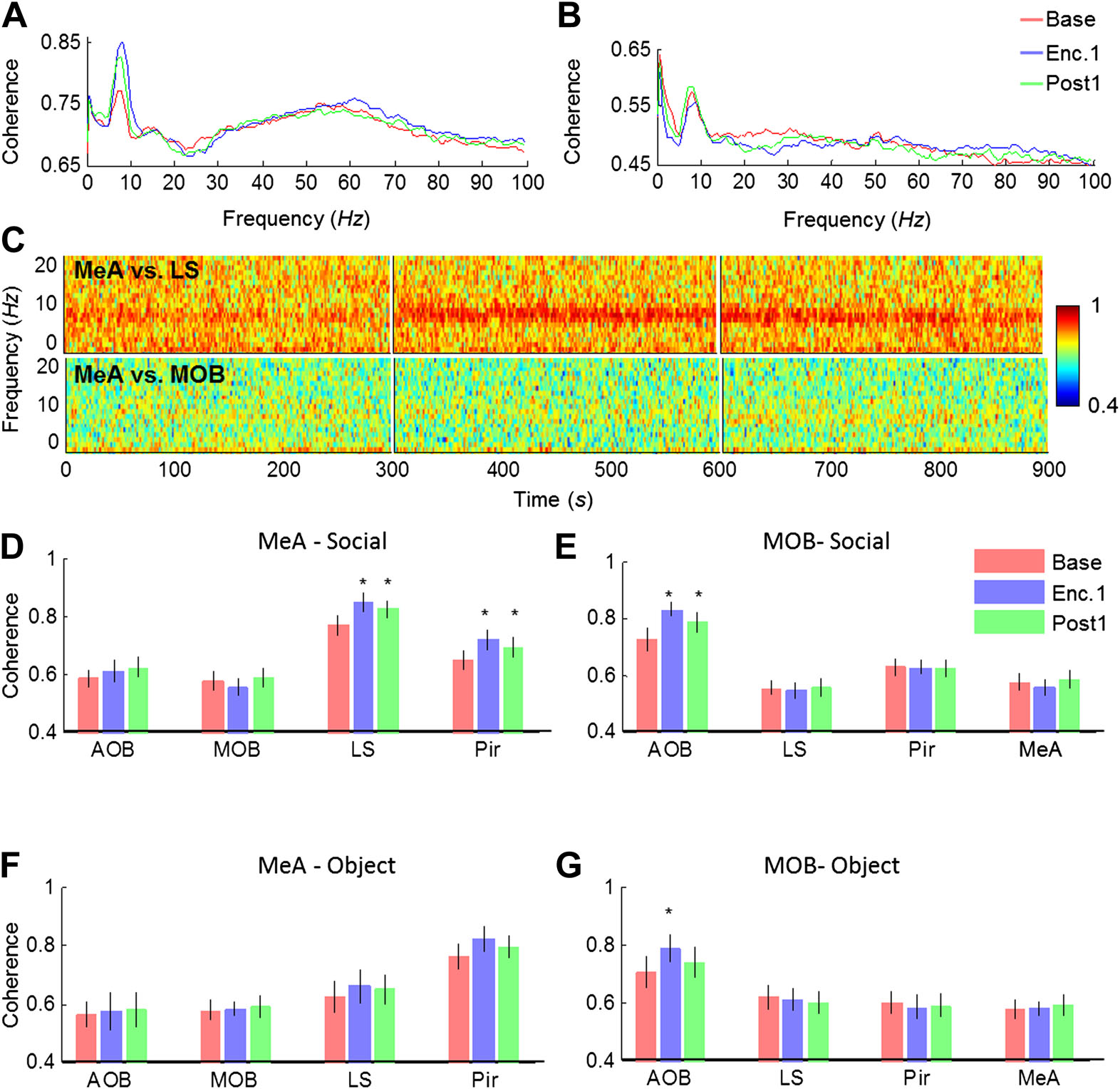
Shlomo Wagner at the University of Haifa has published a paper linking emotions to the processes of learning and memory.   For the first time, electrical activity that takes place in the brain during the formation of social memory was identified.

Wagner believes that “different emotions cause the brain to work differently and on distinct frequencies.”  He found a connection between the feeling of excitement, rhythmical activity in specific brain areas, and the cognitive process of memory formation.

While only studied in animals, if human trial results are consistent, this could impact the treatment of age-related memory and ADHD learning issues.

Categories
Assistive Technologies BCI Brain

Continuously correcting BCI technique improves precision

Stanford‘s Krishna Shenoy has developed a more precise brain-controlled cursor for a virtual keyboard using a technique that continuously corrects brain readings.

An algorithm analyzes the measured electrical signals that a prosthetic device obtained from sampled neurons. It adjusts  the signals so that the sample’s dynamics were more like baseline brain dynamics.

The thought-controlled keypad would allow a person with paralysis or ALS to run an electronic wheelchair and use a computer or tablet. Today an eye-tracking system is used to direct cursors, or a “head mouse, ” which tracks the movement of the head.  Both are fatiguing, and  neither provides the natural and intuitive control of readings taken directly from the brain.

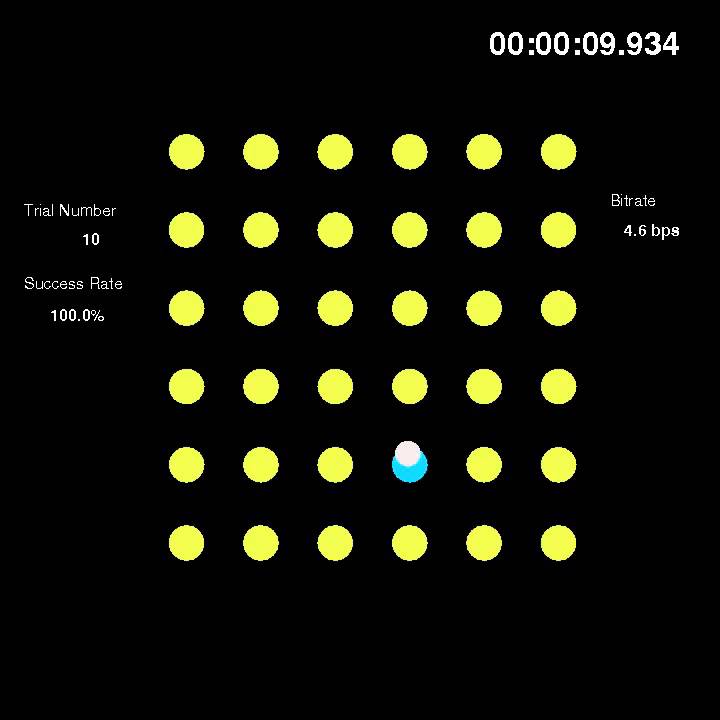
Stanford University video detailing single trial dynamics of motor cortex and their applications to brain-machine-interfaces:

This video includes two clips. In the first, flashing targets on a virtual keypad are hit by monkeys (not shown) using their hands. The second clip also shows targets being hit. But this time, the motion is directed by an experimental device that taps into the monkey’s brain. This device discerns their intention to hit the target and translates this thought into an electronic command that controls a virtual cursor. In the first clip the monkeys hit 10 targets in 9.9 second with their hands. It takes 11.4 seconds to hit 10 targets using the thought-control device.

Categories
Assistive Technologies BCI Brain

Thought controlled telepresence robot

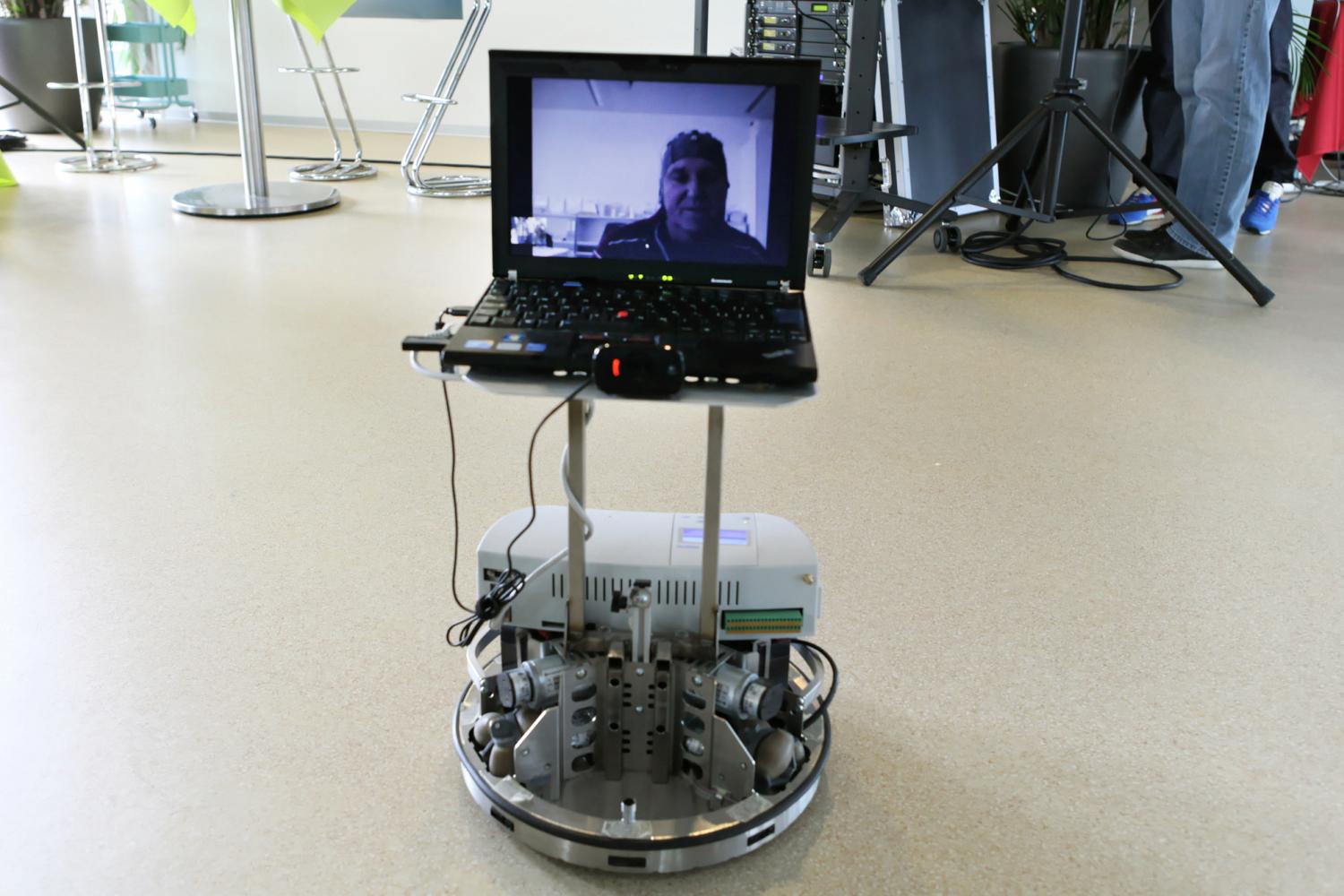
EPFL‘s José del R. Millán is developing a brain-computer interface that allows those with paralysis or limited mobility to control telepresence robots.   The goal is for the robot  to assist the disabled with daily tasks, helping restore a feeling of independence.

9 disabled people, and 10 people without disabilities, from 3 countries, wore hats with electrodes that analyze brain signals. Their thoughts were communicated to the robot in real time from their country. Because of its video camera, screen and wheels, the robot was able to film as it moved, while displaying the face of the remote pilot via Skype. The person at the controls, as if moving in place of the robot, was able to interact with whomever the robot encountered.  The robot is able to avoid obstacles by itself, even when told not to.

Quadriplegic users were able to perform complex tasks, remotely, using only their thoughts. The study revealed no difference in piloting ability between mobile and disabled subjects.

Categories
Brain

Longer pulses enhance brain excitability in tPCS

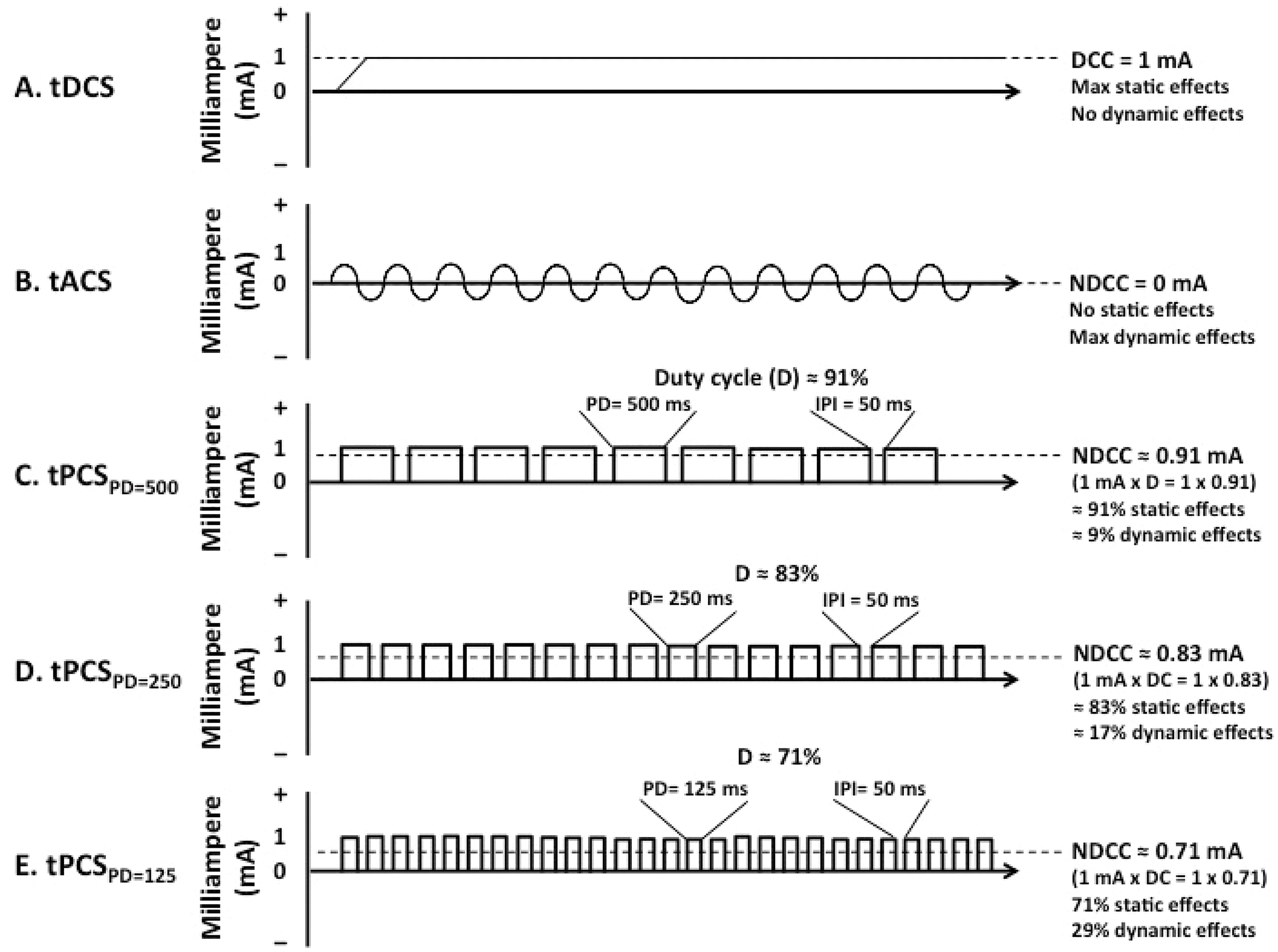
Monash University‘s Shapour Jaberzadeh has been researching the use of transcranial pulsed current stimulation for years.  His new study describes  the importance of pulse duration in creating brain excitability enhancement.  He found that the shorter the interval between pulses,  the larger the excitability effect in the brain.

Dr Jaberzadeh believes that longer pulses could help recipients learn new tasks faster and  improve repetitive task training for stroke patients.  This might also, in the future, impact treatments for other neurological disorders, mental illness, and chronic pain.

Categories
Brain Wearables

Phone sensors to detect depression risk

Northwestern‘s Sohrob Saeb believes that phones could be more reliable for diagnosing depression than traditional methods.

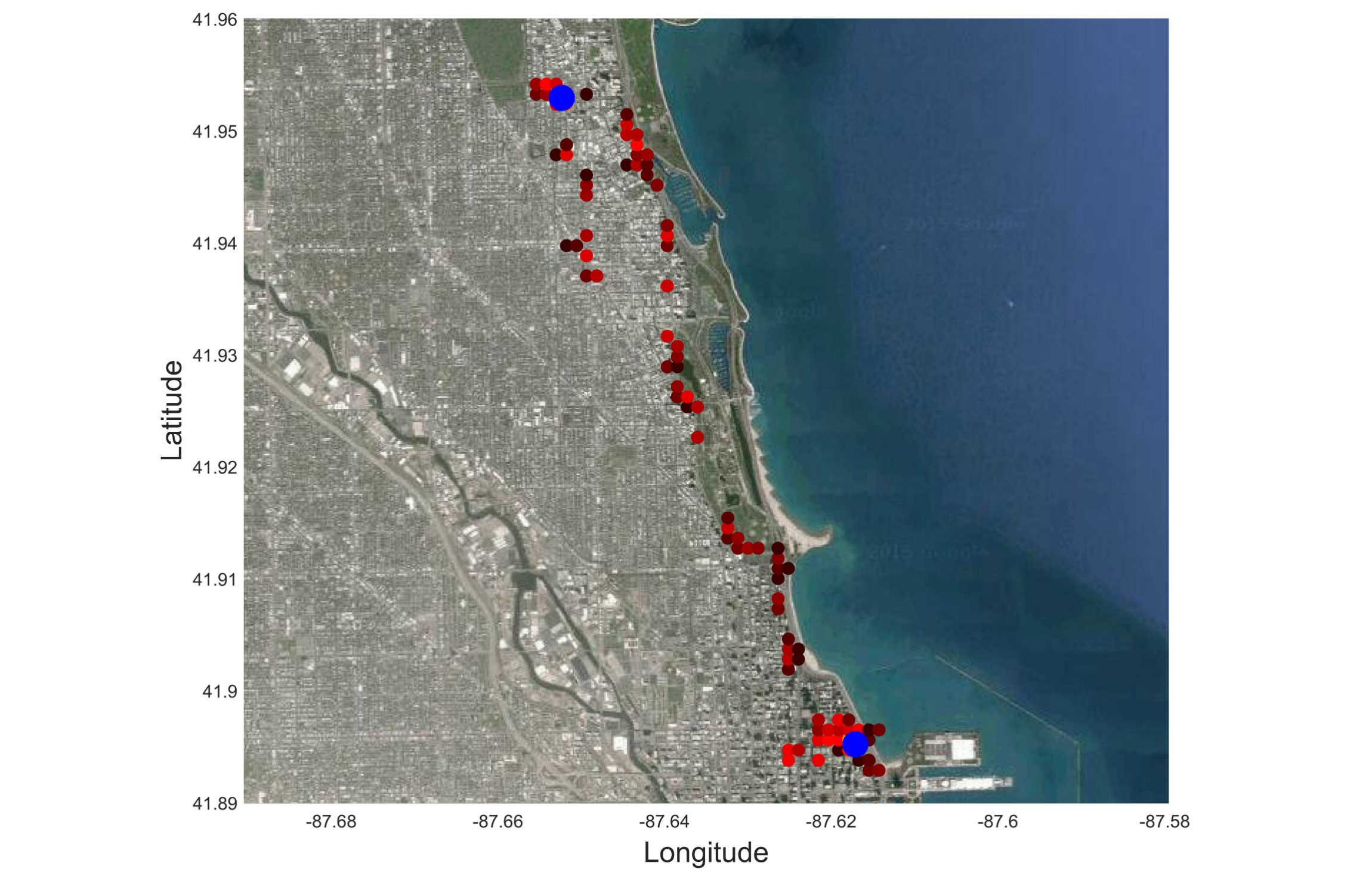
In his recent study, data from smartphone sensors that detect location, movement, phone usage and other activities were used to assess depression risk.

GPS or phone usage data were analyzed among 28 participants for two weeks.

The “Purple Robot” app identified 87% of the participants at risk of depression (according to the PHQ-9 guidelines) based on GPS data on frequency of movement between regular locations. The more users moved around, the less likely they were to fall into the at-risk category.

By identifying the most frequent phone users, Purple Robot could detect 74% of those in the at-risk group.

Data on both GPS and phone usage were not available, preventing researchers  from seeing how Purple Robot performed when both data sets were available.

PHQ-9 is a screening tool that determines an  above-average chance of having depression.  It does not diagnose depression.

Categories
BCI Brain

Real time brain-to-brain interface demonstrated

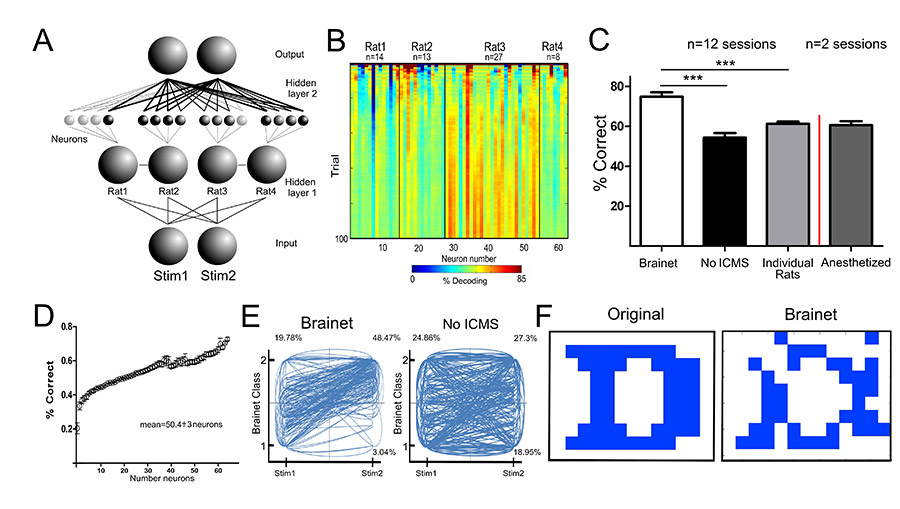
In another Nicolelis Lab breakthrough,  networks formed by multiple animal brains, cooperating and exchanging information in real time through brain-to-brain interfaces, was demonstrated. The “Brainet” technology could provide the core of a new organic computer.

In the recent study, four adult rat brains were interconnected. Brainets  concurrently recorded extracellular electrical activity generated by cortical neurons from multiple rats implanted with multi-electrode arrays. Cortical neuronal activity was recorded and analyzed in real time, and delivered to the somatosensory cortices of other animals using intracortical microstimulation.

Brainet architectures solved several computational problems, including discrete classification, image processing, storage and retrieval of tactile information, and weather forecasting.

Brainets consistently performed at the same or higher levels than single rats. Nicolelis believes that Brainets could be used to investigate animal social behaviors and to test applications of organic computers.