Categories
Wearables

Wearables, sensables, and opportunities at CES

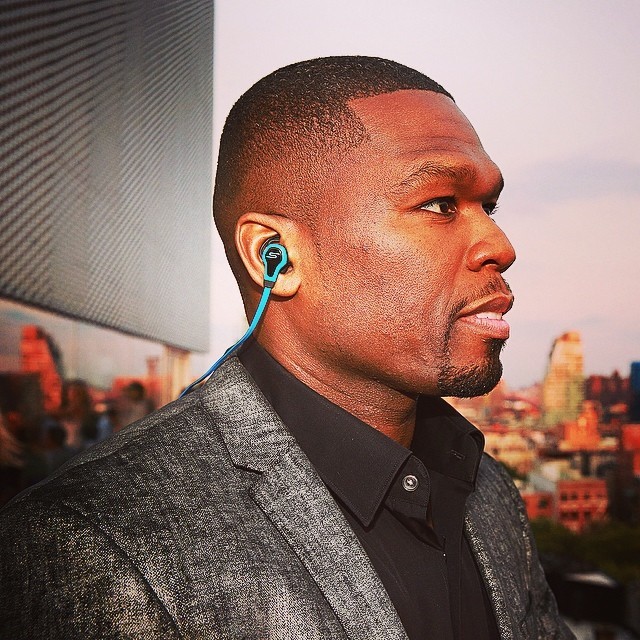
It was the year of Digital Health and Wearable Tech at CES.  Endless watches tracked vital signs (and many athletes exercised tirelessly to prove the point).   New were several ear based fitness monitors (Brag), and some interesting TENS pain relief wearables (Quell).  Many companies provided  monitoring for senior citizens, and the most interesting only notified caregivers when there was a change in learned behavior (GreenPeak).  Senior companion robots were missing, although robots capable of household tasks were present (Oshbot).  3D printing was big (printed Pizza)–but where were 3d printed bones and organs?  Augmented reality was popular (APX, Augmenta)–but mostly for gaming or industrial use.  AR for health is next.

Two companies continue to stand out in Digital Health.  Samsung’s Simband  is best positioned to take wearables into  medical monitoring, with its multitude of sensors, open platform, and truly advanced health technologies.  And  MC10‘s electronics that bend, stretch, and flex will disrupt home diagnosis, remote monitoring, and smart medical devices.

We see two immediate opportunities.  The brain, and the pulse.

1.  A few companies at CES claimed to monitor brain activity, and one savvy brand (Muse) provided earphones with soothing sounds while a headband monitored attention.  While these gadgets were fun to try, noone at CES presented extensive brain state interpretation to address cognitive and emotional issues.

2.  Every athlete at CES used a traditional finger based pulse sensor.  A slick wearable that can forgo the finger piece will make pulse oximetry during sports fun, instead of awkward.  As with every gadget, ensuring accuracy is key, as blind faith in wearables can be dangerous.

ApplySci looks forward to CES 2016, and the many breakthroughs to be discovered along the way, many of which will be featured at Wearable Tech + Digital Health NYC 2015.

Categories
Brain EEG fMRI

Transparent, implantable sensor improves brain monitoring

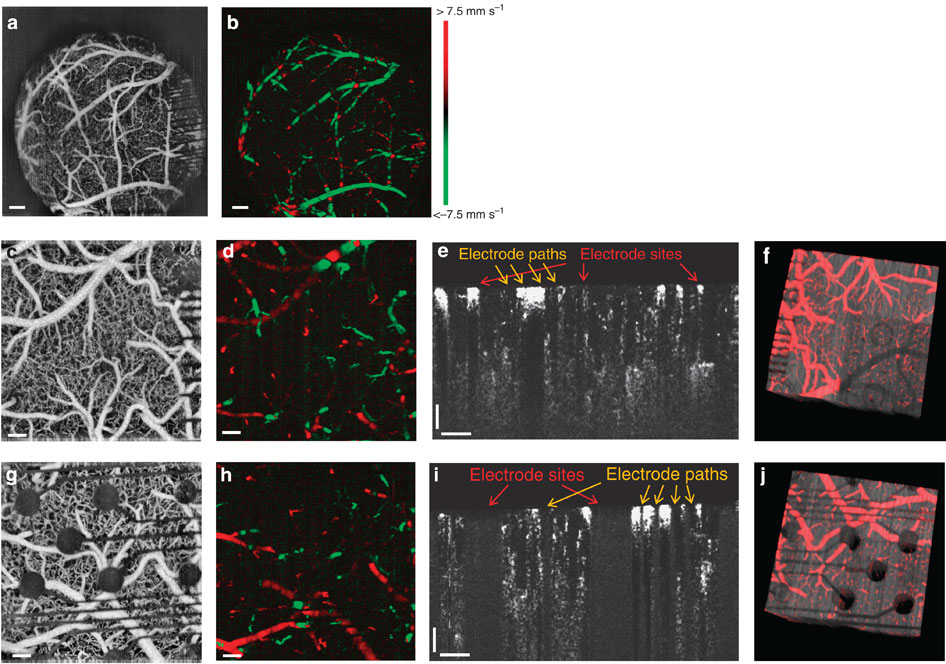
On October 23rd, ApplySci described Justin Williams‘s  graphene based, transparent sensor brain implant.

The Nature paper is now available online.  This will redefine neural implants as it will enable better  fMRI monitoring of the activity around the implant, while getting detailed activity from the area. Together with noninvasive EEG, this can help fine tune very detailed EEG features.

Categories
Apps Brain mHealth

App helps diagnose TBI in soldiers; can identify depression, PTSD

The US Army and AnthroTronix have developed an app that provides data to help diagnose and measure brain injuries in soldiers.

The “DANA”  includes 5, 20,  and 45 minute neurocognitive tests and psychological survey questions.  The data will help doctors diagnose traumatic brain injury and identify depression, post-traumatic stress, and other neurocognitive issues.  The game-like test includes exercises that score a soldier’s speed and accuracy.  A (potentially in-theater) doctor analyzes the post-injury test, and compares it to pre-deployment baseline tests.

The FDA approved tool was reliable in when studied in harsh combat environments.  Johns Hopkins researchers found  its results correlated highly with the mini-mental state examination. It will supplement, not replace, the current hand written Military Acute Concussion Evaluation as an in-theater assessment, and the Automated Neuropsychological Assessment Metric used for a pre-deployment baselines.

Categories
fitness Heart Sensors Wearables

Smart earring monitors heart rate, calories, activity

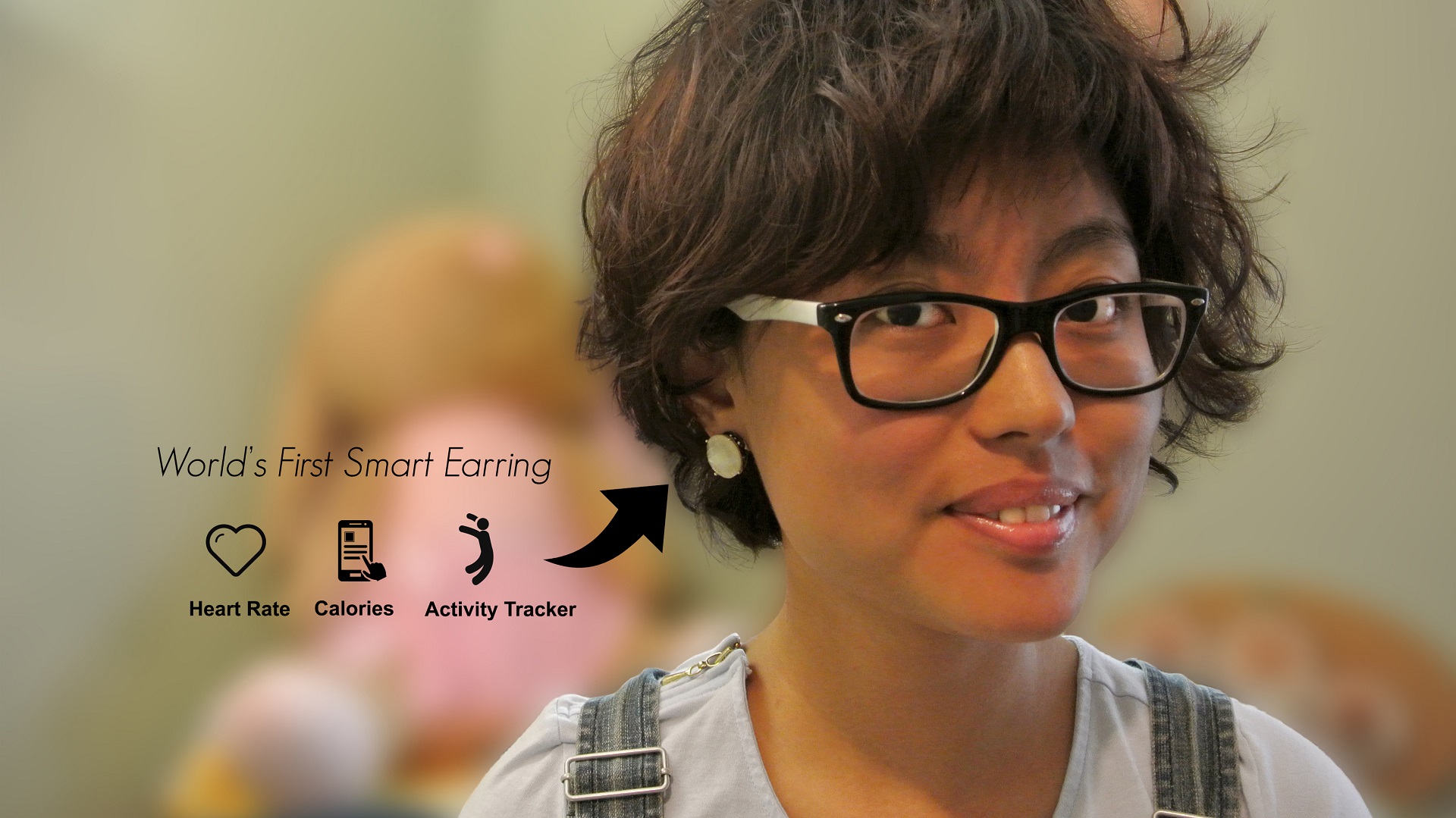
Ear-o-smart is a crowdfunded smart earring that monitors heart rate, calories, and activity level.   Its sensor is combined with a changeable earring.  Its app, via voice instruction, tells wearers to speed up or slow down based on heart rate data.

The tiny  wearable was created by minimizing PPG Technology and Bluetooth data transfer.  PPG Technology gauges heart rate through infrared light that blood reflects if present under the skin.  The sensor works better if worn on the earlobe than on the wrist, as the many blood vessels in the  ear make PPG more effective.

Categories
fitness Heart Sensors Wearables

Multiple measurements, including blood pressure, from shirt sensor insert

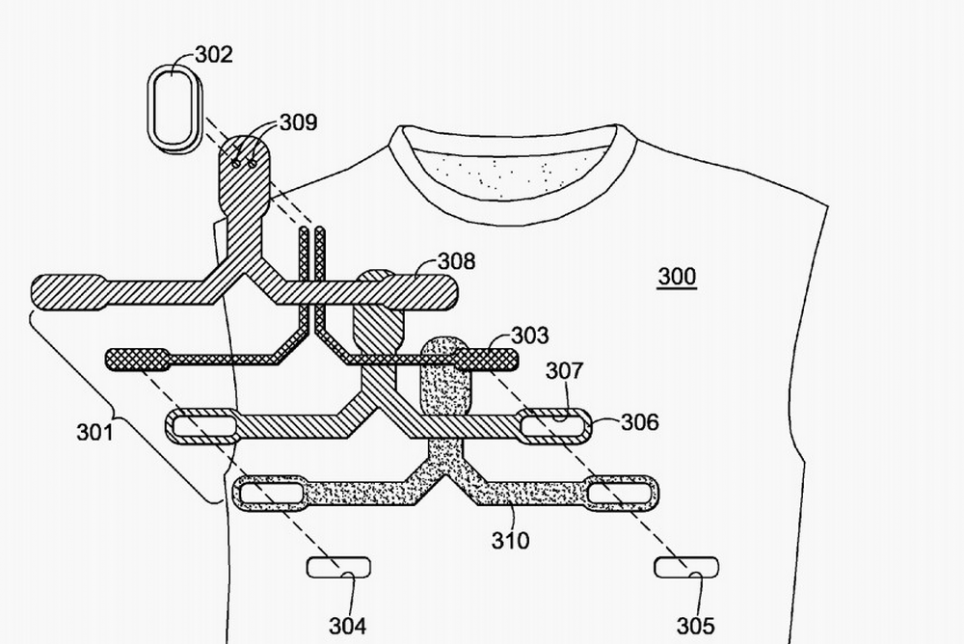
Nike was recently awarded a patent for a skin-touching sensor system that can be inserted into a shirt.  It can measure heart rate, blood pressure, hydration, and skin temperature, and transmit the data over radio frequencies, Bluetooth and WiFi.

If it works, the ability measure blood pressure from shirt sensors, combined with other vital signs, is new and promising.

A Quartz article quoted Loyola sports medicine doctor James Winger describing the potential impact on cardiac rehabilitation. He said that this could be a substitute for bulky EKG and other sensors patients use at the gym in the first stages of rehab.  He is also optimistic about use in professional sports, although he believes that  skin temperature and hydration levels, as monitored by this system, wouldn’t  correlate to internal temperatures indicating serious health issue on the field.

Categories
Assistive Technologies Computer Vision

Gesture controlled smartphone for the disabled

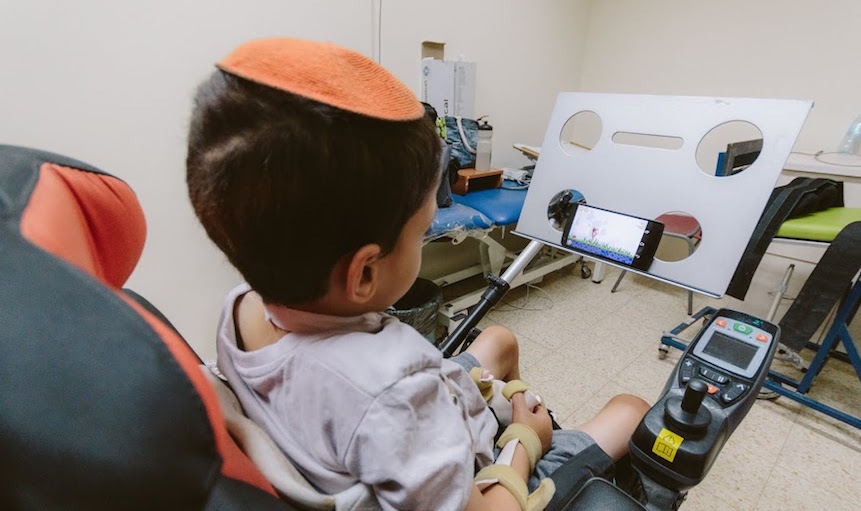
Sesame is a touch-free smartphone that is controlled by very small head movements.  It is being crowdfunded on IndieGogo.

Head movements are tracked with a  front-facing camera, and combined with computer vision algorithms to create a cursor that appears on the phone’s screen.   The cursor is controlled by the position and movements of the head, enabling users to touch and swipe as if they were using a finger.  They can make calls, send texts, browse the internet, watch videos, use social media, and play games.  Integrated voice control allows the phone to be turned on when one says “Open Sesame.”

Categories
Assistive Technologies Prosthetics Sensors

Artificial skin detects pressure, moisture, heat, cold

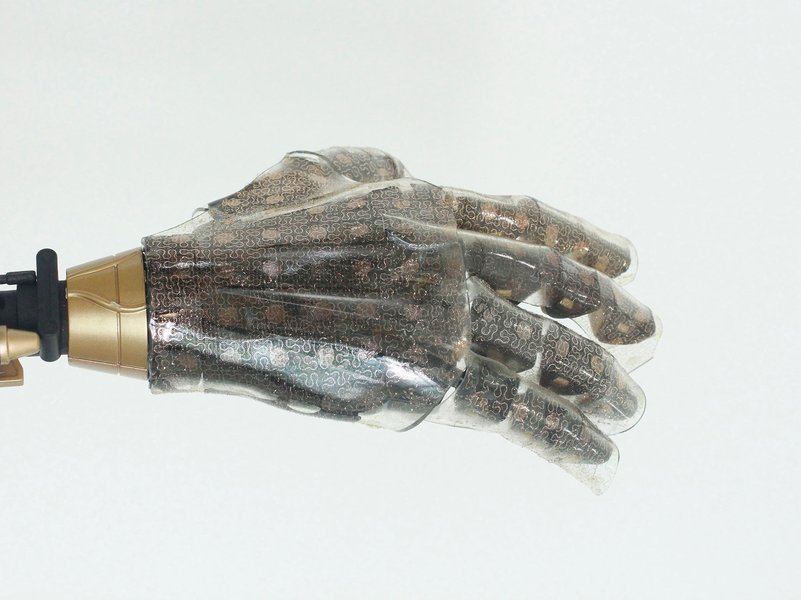
MC10‘s Roozbeh Ghaffari and a team of researchers from the US and Korea have developed artificial skin for prosthetics that mimics the sensitivity of real skin.  Its silicon and gold sensors detect pressure, moisture, heat and cold.   It is elastic enough for users to stretch and move a bionic hand’s fingers as they would real fingers.  According to Ghaffari, “If you have these sensors at high resolution across the finger, you can give the same tactile touch that the normal hand would convey to the brain.”  A paper detailing the research was published in Nature earlier this month.

Categories
Apps Children

Smart, gamified children’s toothbrush

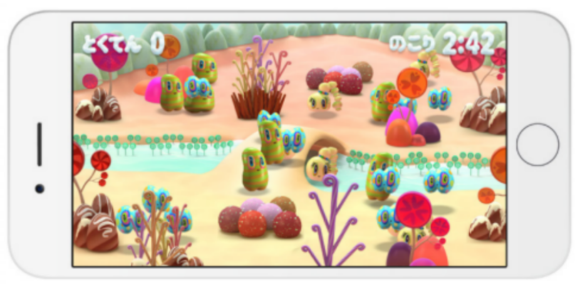
In an effort to improve children’s oral health, the GUM Smart Toothbrush attachment uses acceleration and other sensors to determine ideal brushing patterns. The information is sent in real time, via Bluetooth,  to a smartphone. Brushing movement and timing is analyzed, recorded and displayed.  Previous data is available to gauge progress. Children then participate in a game called “Mouth Monster,” where they “fight” mouth bacteria by improved brushing.  The app will also offer a music player and read news to the user.

This is the latest evolution of the smart toothbrush, and hopefully one that is fun enough for kids to comply.  In 2012, Oral-B released  an electronic toothbrush with a handheld screen to help control brushing pressure. In 2013,  candy maker Morinaga released a video game to help kids learn how to brush better.

Categories
Autism Brain Wearables

Glass apps help autistic kids communicate

Brain Power‘s Google Glass apps and hardware help autistic kids develop social and communication skills, and provide feedback to parents.

The device’s accelerometer tracks children’s head gestures when they look or don’t look at parents, as well as repetitive movements.  “Social engagement module monitors” assess the child’s engagement, specifically if they are looking at a parent’s face and eyes.  Software helps the wearer interpret expressions through games and exercises.  The goal is to help them understand facial emotions  when they aren’t wearing Glass.

To develop language skills, objects are identified through machine vision, and their names are displayed and spoken through the speaker or earbud.  Children will eventually receive personalized language and conversation coaching.  Software will also use the accelerometer to predict over-excitement and provide calming suggestions.


Categories
Brain Cancer Diabetes

Single blood drop to detect dozens of diseases

HealthTell is another single blood drop home diagnosis device.  ApplySci described Dr. Eugene Chan‘s Nokia X prize winning similar system  last month.

HealthTell claims to detect disease by monitoring the body’s immune response.  Infection antibodies are detected with a peptide built semiconductor wafer. When a few drops of blood hit the surface, antibodies stick to the peptides in patterns that can show characteristics of specific diseases (after analysis). Human and mice studies have shown that the technology might detect lupus, valley fever, Alzheimer’s disease, brain cancer, pancreatic cancer, and Type 2 diabetes.

Theranos, another promising, single blood drop, self diagnosis system, tests for antigens for certain cancers, hepatitides, cholesterol, and dozens of diseases. It has been embraced by investors, raising $400 million to date.  Little has been published about the Theranos system in scientific journals, while HealthTell has published 20 peer reviewed articles.

Categories
Arthritis

Implant stimulates vagus nerve, relieves arthritis pain

Academic Medical Center scientists have implanted tiny pacemaker-like devices in the necks of 20 patients with severe rheumatoid arthritis,  reducing joint pain with out drugs.  The trial was led by Professor Paul-Peter Tak.

The implant stimulates the vagus nerve, which connects the brain to major organs, and is responsible for automatic body functions. Spleen activity was reduced after impulses were fired for three minutes a day.  In less than a week, participant’s spleens produced fewer chemicals and other immune cells that cause abnormal joint inflammation in rheumatoid arthritis.

GlaxoSmithKline, a partner in the study, hopes that the same technique could, in the future, reverse other chronic conditions, including asthma, obesity and diabetes.

Categories
Apps fitness Wearables

Gamified fitness with Atari classics

Atari is entering the digital health space, using classic games like Pong, Breakout & Centipede to incentivize users to participate in fitness challenges.  The gamified app is called Atari Fit and includes circuit workouts and running programs. Users exercise individually or with friends while earning points to unlock Atari games.  The app includes ranked leaderboards where skills are compared and shared socially.  Walgreens‘ digital health platform  will provide rewards for participating in challenges that log steps taken.

Atari Fit will be compatible with  popular wearables including Fitbit and RunKeeper.  It will also aggregate data from other platforms to allow users to comprehensively track activity.