Categories
Heart Sensors

Contact-free blood pressure, heart and breath rate monitoring

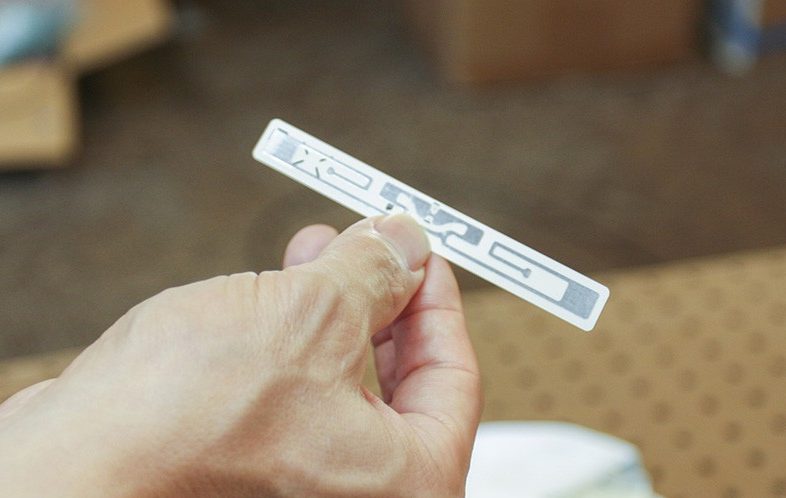
Cornell’s Edwin Kan has developed a contact-free vital sign monitor  using radio-frequency signals and microchip tags. Blood pressure, heart rate and breath rate  are measured when radio waves bounce off the body and internal organs, and are detected by an electronic reader from a location anywhere in the room.  200 people can be monitored simultaneously.

According to Kan, the signal is as accurate as an ECG or blood-pressure cuff.  He believes that the technology could be used to measure bowel movement, eye movement and other internal mechanical motions.


Join ApplySci at Wearable Tech + Digital Health + Neurotech Silicon Valley on February 26-27, 2018 at Stanford University. Speakers include:  Vinod Khosla – Justin Sanchez – Brian Otis – Bryan Johnson – Zhenan Bao – Nathan Intrator – Carla Pugh – Jamshid Ghajar – Mark Kendall – Robert Greenberg – Darin Okuda – Jason Heikenfeld – Bob Knight – Phillip Alvelda – Paul Nuyujukian –  Peter Fischer – Tony Chahine – Shahin Farshchi – Ambar Bhattacharyya – Adam D’Augelli – Juan-Pablo Mas – Michael Eggleston – Walter Greenleaf – Jacobo Penide

Registration rates increase today, Friday, December 22nd.
Categories
Brain Genomics

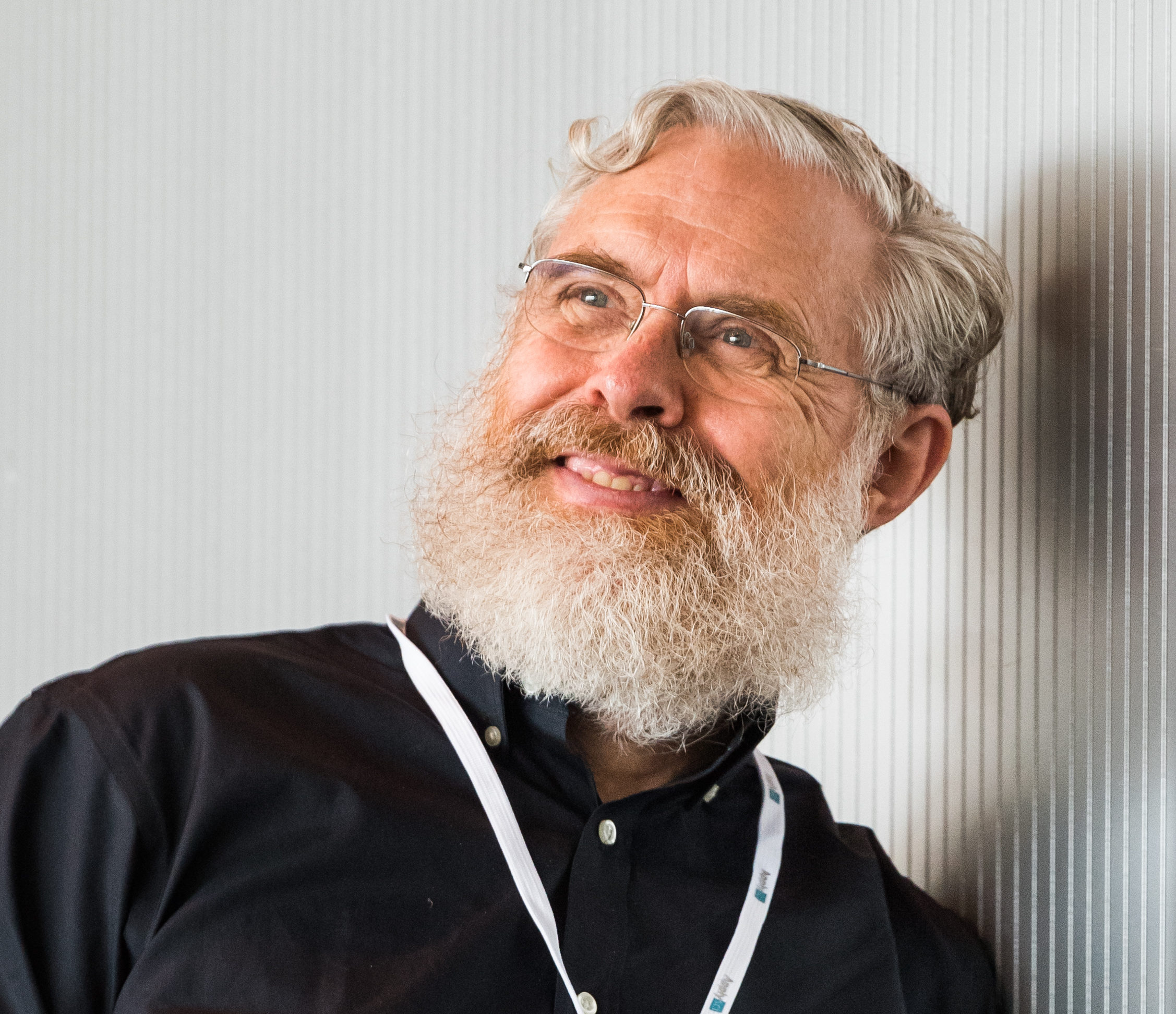
Video: George Church on reading and writing brain structures and functions

Recorded at ApplySci’s Wearable Tech + Digital Health + Neurotech Boston conference on September 19th at the MIT Media Lab


Join ApplySci at Wearable Tech + Digital Health + Neurotech Silicon Valley on February 26-27, 2018 at Stanford University. Speakers include:  Vinod Khosla – Justin Sanchez – Brian Otis – Bryan Johnson – Zhenan Bao – Nathan Intrator – Carla Pugh – Jamshid Ghajar – Mark Kendall – Robert Greenberg – Darin Okuda – Jason Heikenfeld – Bob Knight – Phillip Alvelda – Paul Nuyujukian –  Peter Fischer – Tony Chahine – Shahin Farshchi – Ambar Bhattacharyya – Adam D’Augelli – Juan-Pablo Mas – Michael Eggleston – Walter Greenleaf – Jacobo Penide

Categories
Heart Sensors

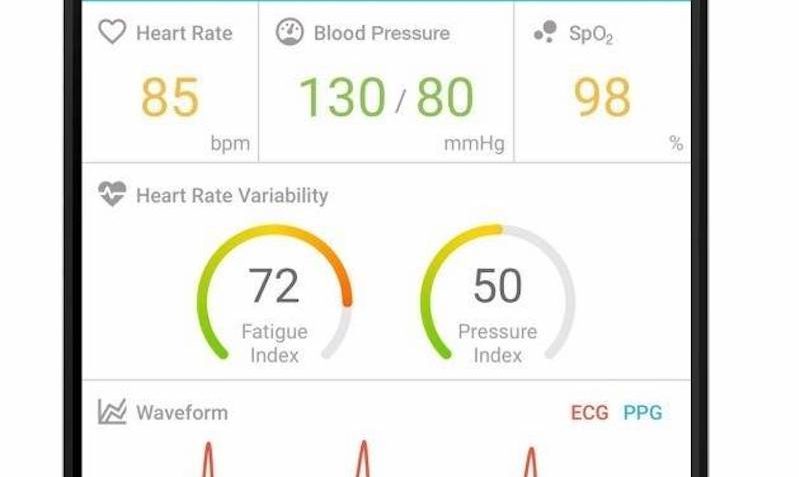
Single phone sensor tracks heart rate, HR variability, BP, oxygen saturation, ECG, PPG

 Sensio by MediaTek is a  biosensor that monitors  heart rate, heart rate variability,  blood pressure, peripheral oxygen saturation levels, ECG and PPG, from a smartphone, in 60 seconds.  This could allow continuous monitoring with out multiple sensors.

LEDs and a light sensitive sensor measure the absorption of red and infrared light from a  user’s fingertips. Touching a sensor allows the measurement of ECG and PPG waveforms.


Join ApplySci at Wearable Tech + Digital Health + Neurotech Silicon Valley on February 26-27, 2018 at Stanford University. Speakers include:  Vinod Khosla – Justin Sanchez – Brian Otis – Bryan Johnson – Zhenan Bao – Nathan Intrator – Carla Pugh – Jamshid Ghajar – Mark Kendall – Robert Greenberg – Darin Okuda – Jason Heikenfeld – Bob Knight – Phillip Alvelda – Paul Nuyujukian –  Peter Fischer – Tony Chahine – Shahin Farshchi – Ambar Bhattacharyya – Adam D’Augelli – Juan-Pablo Mas – Michael Eggleston – Walter Greenleaf – Jacobo Penide

Categories
AI Robotics

Robots visualize actions, plan, with out human instruction

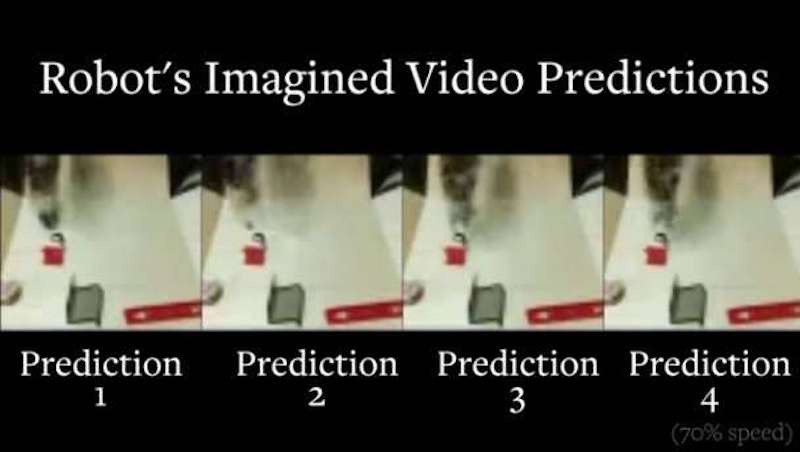
Sergey Levine and UC Berkeley colleagues have developed robotic learning technology that enables robots to visualize how different behaviors will affect the world around them, with out human instruction.  This ability to plan, in various scenarios,  could improve self-driving cars and robotic home assistants.

Visual foresight allows robots to predict what their cameras will see if they perform a particular sequence of movements. The robot can then learn to perform tasks without human help  or prior knowledge of physics, its environment or what the objects are.

The deep learning technology is based on dynamic neural advection. These  models predict how pixels in an image will move from one frame to the next, based on the robot’s actions. This has enabled robotic control based on video prediction to perform increasingly complex tasks.

Click to view UC Berkeley video


Join ApplySci at Wearable Tech + Digital Health + Neurotech Silicon Valley on February 26-27, 2018 at Stanford University. Speakers include:  Vinod Khosla – Justin Sanchez – Brian Otis – Bryan Johnson – Zhenan Bao – Nathan Intrator – Carla Pugh – Jamshid Ghajar – Mark Kendall – Robert Greenberg – Darin Okuda – Jason Heikenfeld – Bob Knight – Phillip Alvelda – Paul Nuyujukian –  Peter Fischer – Tony Chahine – Shahin Farshchi – Ambar Bhattacharyya – Adam D’Augelli – Juan-Pablo Mas – Michael Eggleston – Walter Greenleaf

Categories
Diabetes Sensors

Glucose-monitoring smartphone case

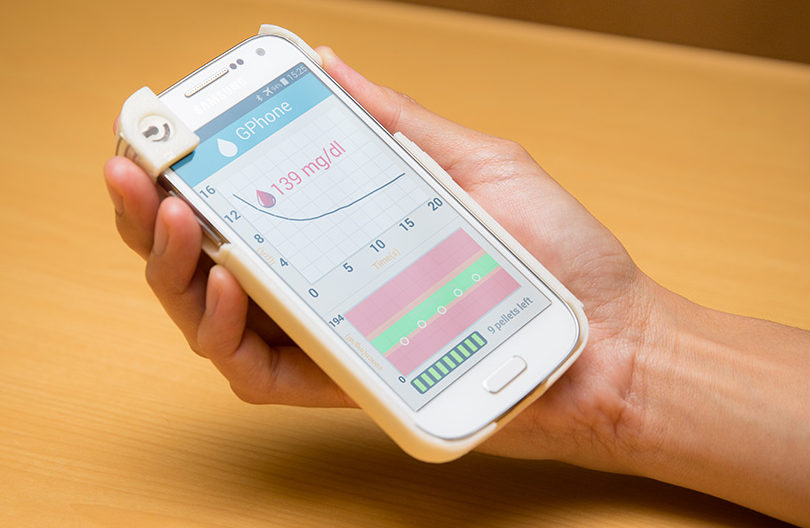
GPhone, developed by UCSD’s Joe Wang and Patrick Mercier, is a  smartphone case and accompanying app that records and tracks glucose readings. It is 3D-printed and has a permanent, reusable sensor on its corner. Enzyme pellets magnetically attach to the sensor, and are stored in a 3D stylus on the side.

Users dispense a pellet from the stylus onto a bare strip on the case, activating the sensor.  A drop of blood is then put on the sensor strip.  Results are displayed on the screen, and the pellet is then discarded.

The next step is to integrate glucose sensing directly into the smartphone.  This is now in the proof of concept stage.


Join ApplySci at Wearable Tech + Digital Health + Neurotech Silicon Valley on February 26-27, 2018 at Stanford University. Speakers include:  Vinod Khosla – Justin Sanchez – Brian Otis – Bryan Johnson – Zhenan Bao – Nathan Intrator – Carla Pugh – Jamshid Ghajar – Mark Kendall – Robert Greenberg – Darin Okuda – Jason Heikenfeld – Bob Knight – Phillip Alvelda – Paul Nuyujukian –  Peter Fischer – Tony Chahine – Shahin Farshchi – Ambar Bhattacharyya – Adam D’Augelli – Juan-Pablo Mas – Michael Eggleston – Walter Greenleaf

Registration rates increase Friday, December 15th

Categories
Sensors

Tiny sensor analyzes biomarkers in sweat

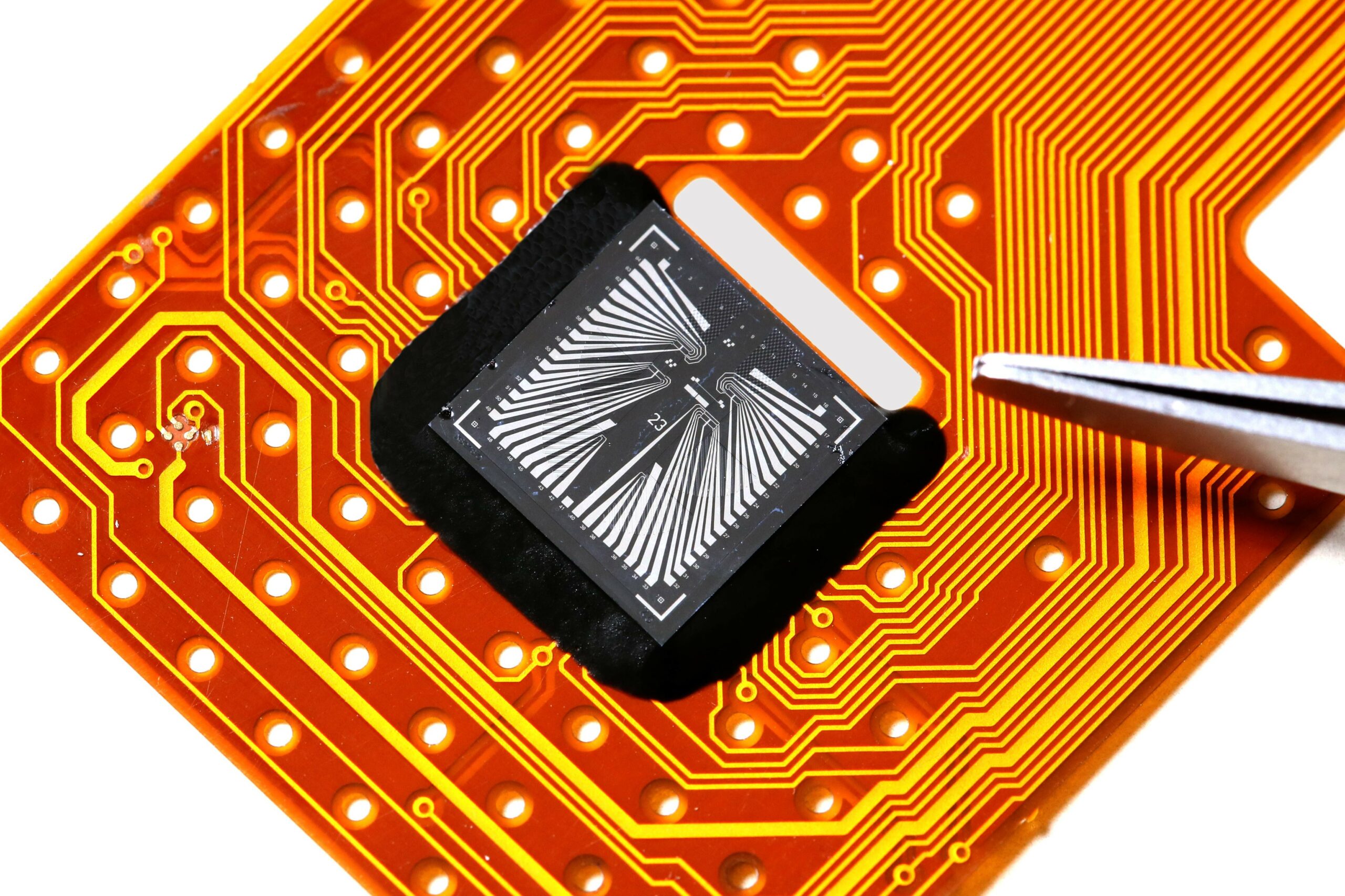
EPFL’s Adrian Ionescu  has developed a miniature chip  that analyzes biomarkers in sweat to understand a wearer’s health. It is the basis of a modular system that can measure sodium and potassium concentrations (that signal dehydration); body temperature and pH (to detect bacteria and risk factors for other illnesses); chlorine levels (as an early indication of cystic fibrosis); and other biomarkers that suggest fatigue and stress.

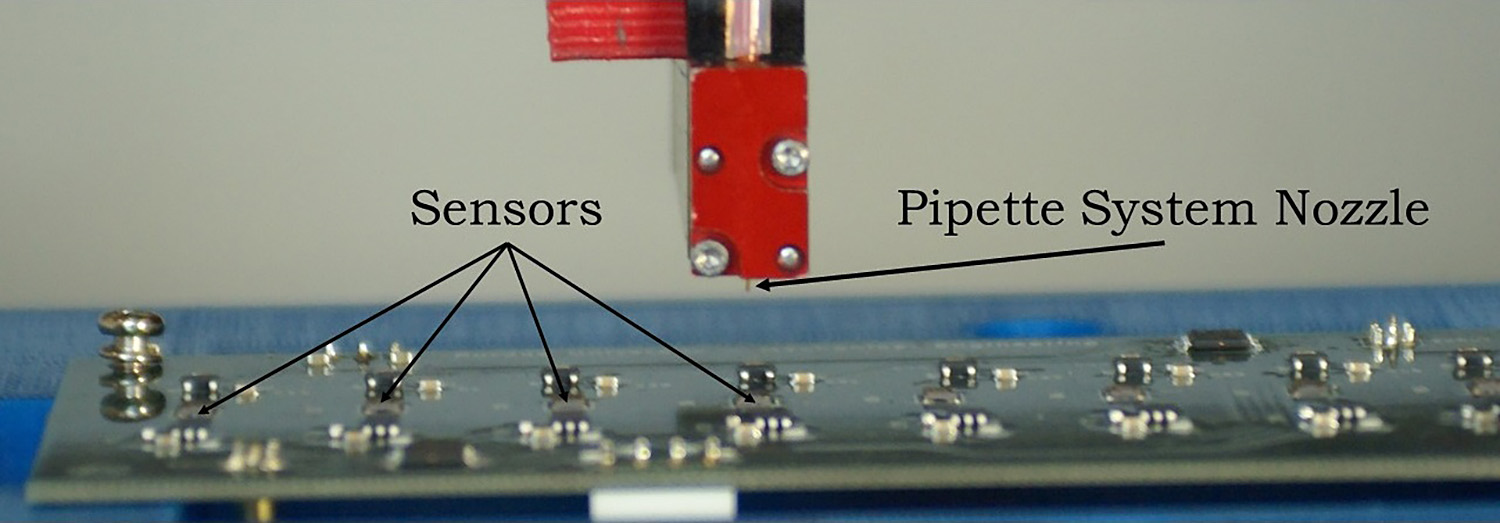
The chip contains four, 20 nanometer thick, extremely sensitive, silicon sensors. Each sensor is coated with a different material to detect different biomarkers. Two fluidic layers, between the chip and the user’s skin, pump sweat from the skin to the sensors.  The pump relies on capillary action, allowing it to run continuously, without electricity.


Sweat-sensing for health and disease prediction will be discussed by University of Cincinnati professor Jason Heikenfeld at ApplySci’s Wearable Tech + Digital Health + Neurotech conference, on February 26-27, 2018, at Stanford University.

Other speakers include:  Vinod Khosla – Justin Sanchez – Brian Otis – Bryan Johnson – Zhenan Bao – Nathan Intrator – Carla Pugh – Jamshid Ghajar – Mark Kendall – Robert Greenberg – Darin Okuda – Jason Heikenfeld – Bob Knight – Phillip Alvelda – Paul Nuyujukian –  Peter Fischer – Tony Chahine – Shahin Farshchi – Ambar Bhattacharyya – Adam D’Augelli – Juan-Pablo Mas – Michael Eggleston – Walter Greenleaf.

Registration rates increase Friday, December 8th

Categories
Heart

3D coronary artery model analyzes impact of blockages

HeartFlow FFR uses data from a CT scan to create a 3D model of the coronary arteries and analyze the impact that blockages have on heart flow, to determine whether a stent is necessary.  It replaces a test that uses direct measurement with an instrument inserted into the heart.

Standard practice is to push a thin wire  past a blockage in a patient’s coronary artery, using a small sensor on the tip to detect whether the build-up has significantly reduced blood flow. A study of 600,000  patients at 1,100 hospitals showed that  this invasive procedure proves unnecessary about 58 percent of the time. The wire either finds that there is no blockage present or that it is not severe enough to require a stent.

The company has published multiple studies showing that both methods produce similarly accurate results. Heartflow FFR measures blood pressure throughout the coronary arteries rather than in just one location.


Join ApplySci at Wearable Tech + Digital Health + Neurotech Silicon Valley on February 26-27, 2018 at Stanford University. Speakers include:  Vinod Khosla – Justin Sanchez – Brian Otis – Bryan Johnson – Zhenan Bao – Nathan Intrator – Carla Pugh – Jamshid Ghajar – Mark Kendall – Robert Greenberg – Darin Okuda – Jason Heikenfeld – Bob Knight – Phillip Alvelda – Paul Nuyujukian –  Peter Fischer – Tony Chahine – Shahin Farshchi – Ambar Bhattacharyya – Adam D’Augelli – Juan-Pablo Mas – Michael Eggleston

Registration rates increase Friday, December 8th

Categories
Brain Epilepsy Wearables

Video: Roz Picard on wrist-sensed stress, seizure & brain data

Recorded at ApplySci’s Wearable Tech + Digital Health + Neurotech Boston conference on September 19th at the MIT Media Lab


Join ApplySci at Wearable Tech + Digital Health + Neurotech Silicon Valley on February 26-27, 2018 at Stanford University. Speakers include:  Vinod Khosla – Justin Sanchez – Brian Otis – Bryan Johnson – Zhenan Bao – Nathan Intrator – Carla Pugh – Jamshid Ghajar – Mark Kendall – Robert Greenberg – Darin Okuda – Jason Heikenfeld – Bob Knight – Phillip Alvelda – Paul Nuyujukian –  Peter Fischer – Tony Chahine – Shahin Farshchi – Ambar Bhattacharyya – Adam D’Augelli – Juan-Pablo Mas – Michael Eggleston

Registration rates increase today, December 1st

Categories
Heart Wearables

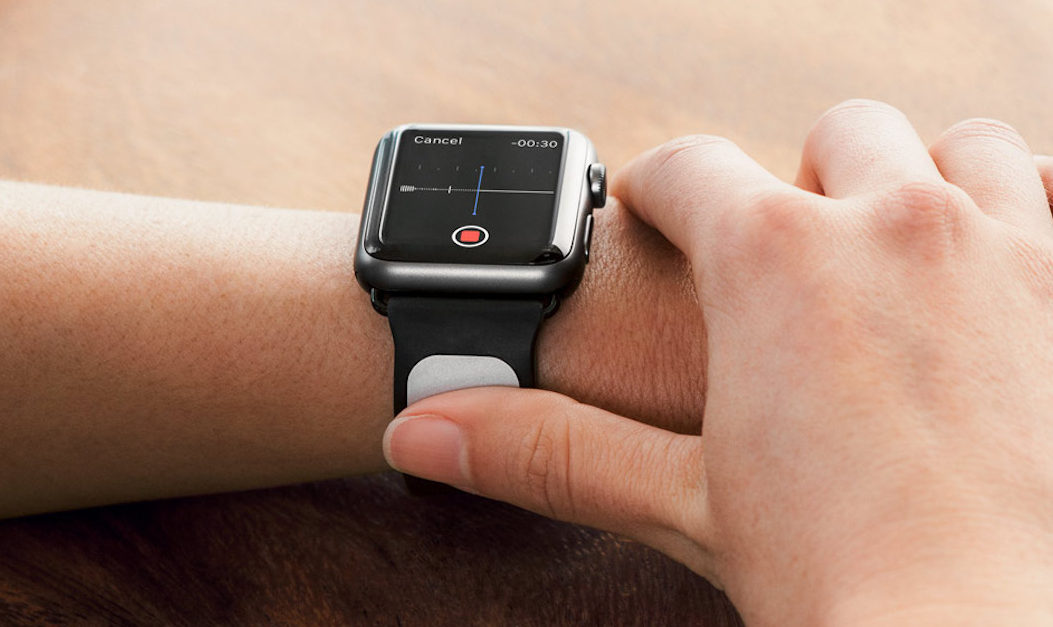
FDA approved EKG band monitors heart activity via Apple Watch

AliveCor’s Kardia EKG band is the first medical accessory to receive FDA approval for use with the Apple Watch.

Unlike the optical-based sensor built into the Apple Watch, EKG is considered the most accurate way to record heart activity. AliveCor claims that Kardia is a  medical grade heart rate monitor that can identify abnormal heart rhythms such as atrial fibrillation, quickly. It could also detect palpitations, shortness of breath and irregular heart rate, which could be signifiers of stroke.

While wearing the Apple Watch-attached band, users put their fingers on the sensor to receive a report of their heart activity.  This simple interface is easy to use, and the frequent measurements can be sent directly to one’s doctor.


Join ApplySci at Wearable Tech + Digital Health + Neurotech Silicon Valley on February 26-27, 2018 at Stanford University. Speakers include:  Vinod Khosla – Justin Sanchez – Brian Otis – Bryan Johnson – Zhenan Bao – Nathan Intrator – Carla Pugh – Jamshid Ghajar – Mark Kendall – Robert Greenberg – Darin Okuda – Jason Heikenfeld – Bob Knight – Phillip Alvelda – Paul Nuyujukian –  Peter Fischer – Tony Chahine – Shahin Farshchi – Ambar Bhattacharyya – Adam D’Augelli – Juan-Pablo Mas

Registration rates increase Friday, December 1st

Categories
Brain Sensors

Vibrating sensors could detect TBI, disease, infection in drop of blood

Purdue’s Jeffrey RhoadsGeorge Chiu, and Eric Nauman have developed a method to identify biological markers in small amounts of blood that they believe can detect diseases and infections and conditions such as traumatic brain injury at an early stage. An array of sensors  enable statistical-based detection

The small, cheap vibrating sensors use a piezoelectrically actuated resonant microsystem to detect biomarkers in one or two drops of blood. When driven by electricity, they can sense a change in mass. The sensitivity of the resonator increases as the resonant frequency increases.

The technology  could be used for the early detection of traumatic brain injury in athletes  The Purdue Neurotrauma Group found that concussions are usually caused by multiple hits over time, and not by a single blow. Research into the effects of repeated head impacts on high school football players has shown changes in brain chemistry and metabolism, even in players who have not been diagnosed with concussions.

The test can detect minute amounts of proteins, including protein from glial cells, which surround neurons in the brain. The proteins are secreted in relatively high concentrations in cerebrospinal fluid of victims of traumatic brain injury. Prior studies have found that a small amount of fluid leaked through the blood-brain barrier and got into the bloodstream of victims.


Join ApplySci at Wearable Tech + Digital Health + Neurotech Silicon Valley on February 26-27, 2018 at Stanford University. Speakers include:  Vinod Khosla – Justin Sanchez – Brian Otis – Bryan Johnson – Zhenan Bao – Nathan Intrator – Carla Pugh – Jamshid Ghajar – Mark Kendall – Robert Greenberg – Darin Okuda – Jason Heikenfeld – Bob Knight – Phillip Alvelda – Paul Nuyujukian –  Peter Fischer – Tony Chahine – Shahin Farshchi – Ambar Bhattacharyya – Adam D’Augelli

Registration rates increase December 1, 2017


Categories
Brain Heart Wearables

Small, foam hearable captures heart data

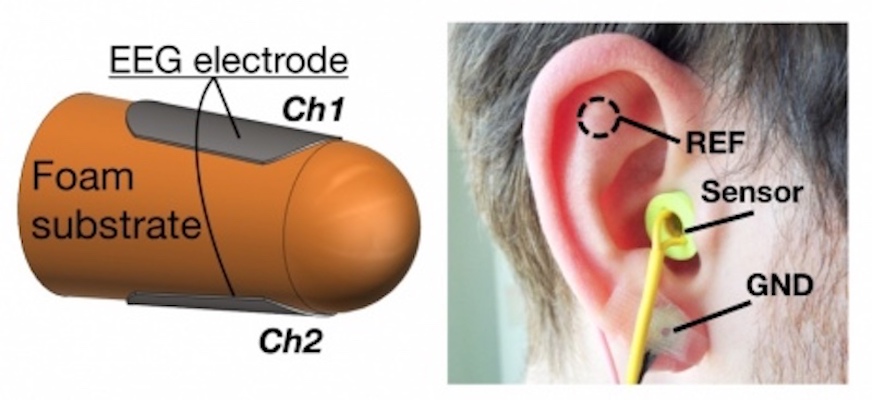
In a small study, Danilo Mandic from Imperial College London has shown that his hearable can be used to capture heart data. The device detected heart pulse by sensing the dilation and constriction of tiny blood vessels in the ear canal, using the mechanical part of the electro-mechanical sensor. The hearable is made of foam and molds to the shape of the ear. The goal is a comfortable and discreet continuous monitor that will enable physicians to receive extensive data. In addition to the device’s mechanical sensors, Mandic, a signal processing experter, claims that electrical sensors detect brain activity that could  monitor sleep, epilepsy, and drug delivery, and be used in personal authentication and cyber security.

Join ApplySci at Wearable Tech + Digital Health + Neurotech Silicon Valley on February 26-27, 2018 at Stanford University. Speakers include:  Vinod Khosla – Justin Sanchez – Brian Otis – Bryan Johnson – Zhenan Bao – Nathan Intrator – Carla Pugh – Jamshid Ghajar – Mark Kendall – Robert Greenberg – Darin Okuda – Jason Heikenfeld – Bob Knight – Phillip Alvelda – Paul Nuyujukian –  Peter Fischer – Tony Chahine – Shahin Farshchi – Ambar Bhattacharyya – Adam D’Augelli

Registration rates increase November 24th, 2017


Categories
Brain

Closed-loop control of drug delivery across the blood brain barrier

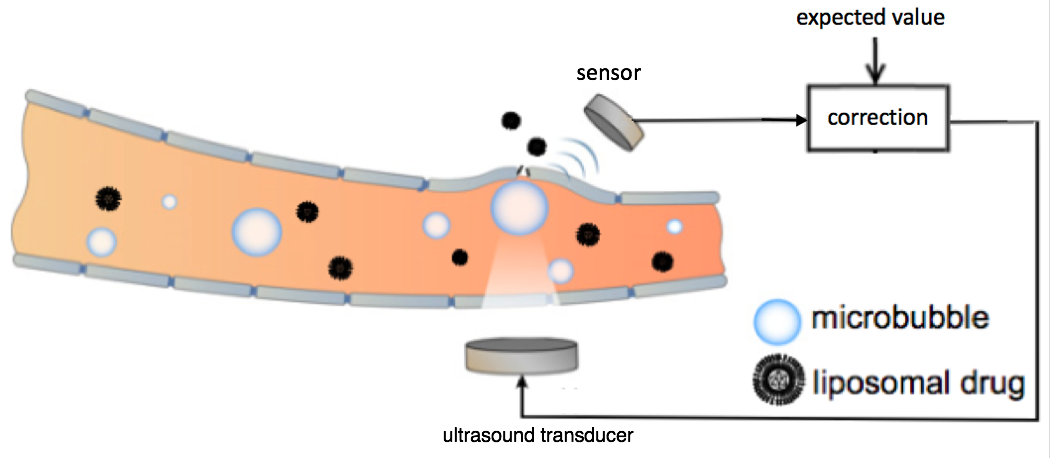
Tao Sun, Nathan McDannold, Eric Miller and Brigham & Women’s and Tufts colleagues have developed a controller that offers a finer degree of control in penetrating the blood brain barrier for drug delivery.  The technology, only tested in rats, could improve safety in humans if found effective.

Using focused ultrasound and microbubbles as before, the team is now able to listen to echoes for instantaneous feedback on microbubble oscillation stability, providing fast, real-time control and analysis.

Microbubbles can help temporarily open the blood-brain barrier without incision or radiation, but can destabilize and collapse, damaging the brain’s critical vasculature.

The team used a rat model to develop a closed-loop controller. Sensors were placed on the outside of the brain, as microphones, enabling researchers to listen to ultrasound echoes bouncing off the microbubbles, to determine stability. They then tuned and adjusted the ultrasound input, instantly, to stabilize the bubbles, excite them to open the barrier, and deliver a drug of a predefined dose, while maintaining safe ultrasound exposure.

The approach was tested in healthy rats as well as an animal model of glioma brain cancer. Further research is needed to adapt the technique for humans. Clinical trials  are now underway in Canada.


Join ApplySci at Wearable Tech + Digital Health + Neurotech Silicon Valley on February 26-27, 2018 at Stanford University. Speakers include:  Vinod Khosla – Justin Sanchez – Brian Otis – Bryan Johnson – Zhenan Bao – Nathan Intrator – Carla Pugh – Jamshid Ghajar – Mark Kendall – Robert Greenberg – Darin Okuda – Jason Heikenfeld – Bob Knight – Phillip Alvelda – Paul Nuyujukian –  Peter Fischer – Tony Chahine – Shahin Farshchi – Ambar Bhattacharyya – Adam D’Augelli

Registration rates increase November 24th, 2017