
Categories
Wearables

Connected bikini warns of sunburn risk

A Spinali bikini, developed by Marie Spinali of Mulhouse,  measures exposure to ultraviolet radiation and alerts wearers when they are at risk of sunburn.  Its waterproof sensor measures UV exposure and sends smartphone alerts.  There is room for error, however, as the alarms are based on a user’s own skin type description.

Obviously more of a toy than an exact science, users can take advantage of some fun features.  The bikini’s “Valentine” function sends  messages to a partner’s smartphone, prompting them to apply sunscreen to the wearer’s skin at  just the right time.

WEARABLE TECH + DIGITAL HEALTH NYC 2015 – JUNE 30 @ NEW YORK ACADEMY OF SCIENCES.  REGISTER HERE.
Categories
Brain

Injectable electronics treat neurodegenerative disorders

Harvard‘s Charles Lieber has developed a device that can be injected into the brain to treat neurodegenerative disorders and paralysis.

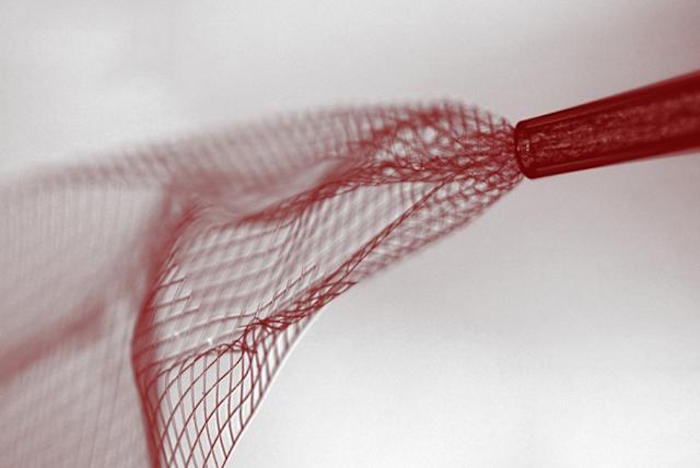
The nanoscale electronic scaffold is injected with a syringe. The scaffolds then connect to devices used to monitor neural activity, stimulate tissues, or  promote neuron regeneration.

In an earlier study, Lieber demonstrated that cardiac or nerve cells grown with embedded scaffolds could be used to create “cyborg” tissue. He was able to record electrical signals generated by the tissue, and  measure changes in those signals as he administered cardio or neuro stimulating drugs.

WEARABLE TECH + DIGITAL HEALTH NYC 2015 – JUNE 30 @ NEW YORK ACADEMY OF SCIENCES.  REGISTER HERE.
Categories
Disease Sensors

HIV, hepatitis, herpes, cancer detecting nanosensor

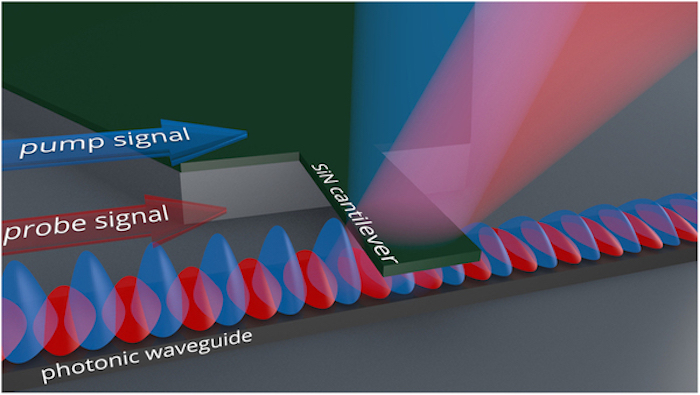
Dmitry Fedyanin and Yury Stebunov from the Moscow Institute of Physics and Technology have developed a highly sensitive  biological object detecting nanosensor.

The tiny sensor analyzes the chemical composition of substances and can detect viral disease markers in HIV, hepatitis, and herpes.  It can also help doctors identify tumor markers.

The optical sensor can track changes of  a few kilodaltons in the mass of a cantilever in real time.  The researchers believe that this can help diagnose diseases long before they can be detected by other methods.

WEARABLE TECH + DIGITAL HEALTH NYC 2015 – JUNE 30 @ NEW YORK ACADEMY OF SCIENCES.  REGISTER HERE.
Categories
Disease

Single blood drop test for 1000 current or previous viruses

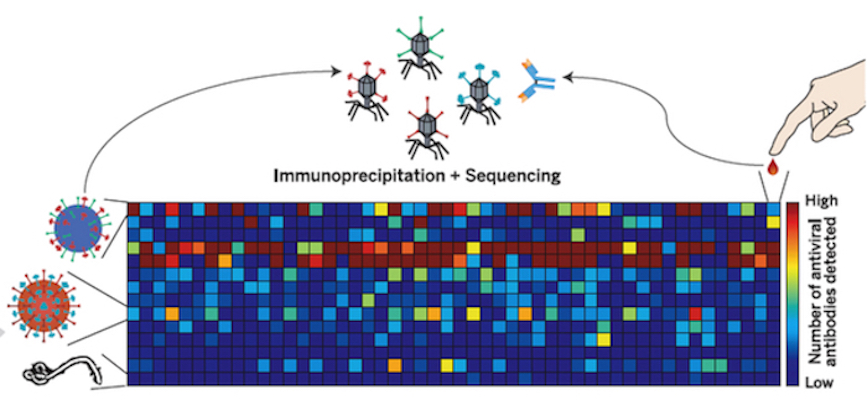
VirScan allows simultaneous testing for 1,000 virus strains that currently or have previously infected a person, using one drop of blood. The  research, from Howard Hughes Medical Institute,  Brigham and Women’s Hospital, and Harvard,  describes the interplay between immunity and the human virome.

In the study, blood samples from 600 people in Peru, the United States, South Africa and Thailand were tested. The team developed and used a library of peptides representing more than 1,000 viral strains to find evidence of previous viral exposure. Rates of exposure varied by age, geographic location and HIV status, but the team found that a small number of peptides were recognized by the vast majority of people’s immune systems. This pattern, suggesting that the immune systems of many individuals touch upon the same protein portion in a virus, could have implications for understanding immunity.

VirScan may also help researchers find correlations between previous virus exposure and the development of a disease later in life.

WEARABLE  TECH + DIGITAL HEALTH NYC 2015 – JUNE 30 @ NEW YORK ACADEMY OF SCIENCES.  REGISTER HERE.
Categories
Diabetes Wearables

Integrated insulin sensor, infusion, data, notification system

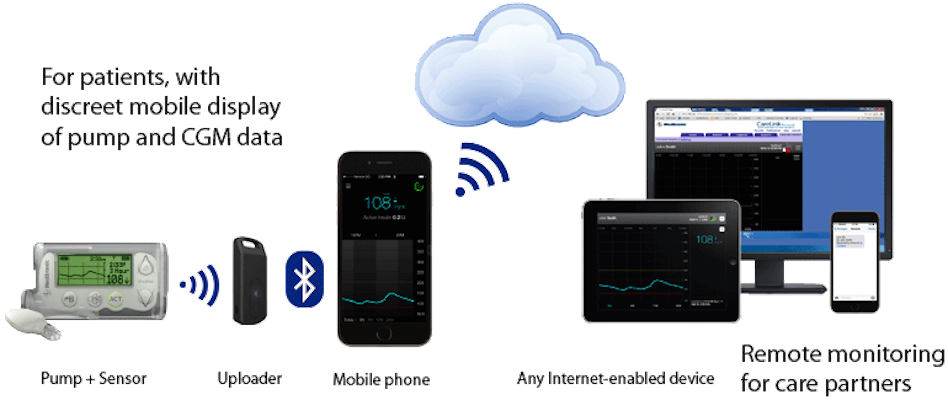
Medtronic’s MiniMed Connect is placed in a pocket or on a keychain. It reads, displays and transmits data from the company’s implanted pumps.

An external glucose sensor and insulin pump continually deliver insulin through an infusion system under the skin. It can be programmed to shut off automatically if glucose levels reach predefined thresholds.

Glucose and insulin levels are displayed on an app and the on the web.  The device can send texts to family members if glucose is too high or low.

In related news, the company has recently established a partnership with Samsung to develop secure applications for diabetes management. They will create apps optimized to display data from Medtronic’s devices on Samsung’s phones.

WEARABLE TECH + DIGITAL HEALTH NYC 2015 – JUNE 30 @ NEW YOR ACADEMY OF SCIENCES.  REGISTER HERE.

Categories
Heart IoT Wearables

Phone ECG detects irregular heartbeat

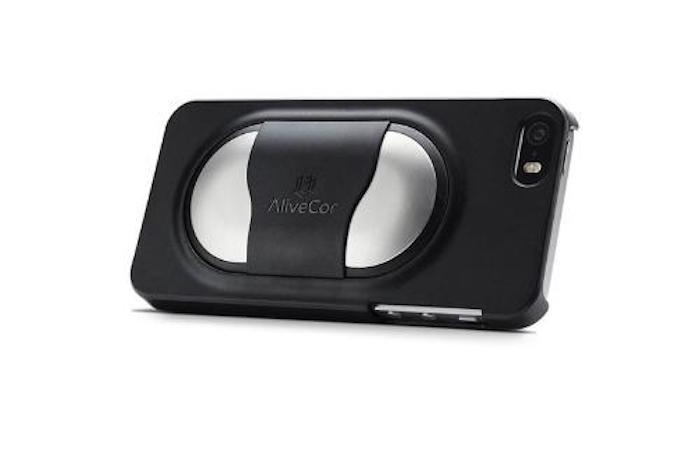
USC‘s Leslie Saxon has released a study showing that smartphone ECG sensors can detect atrial fibrillation in the general population.

865 participants were given AliveCor enabled smartphone ECG sensors.  57,703 thirty-second ECGs were recorded and wirelessly transmitted to the cloud via an acquisition and interpretation app.  AF was detected in 185 recordings from 93 participants.

After 30 days, 73% of participants said that they were more aware of their heart rate and behavior.  According to Saxon, “Having an ECG device on smartphones is quite incredible because it makes tracking heart health and behavior accessible to almost anyone.”

WEARABLE TECH + DIGITAL HEALTH NYC 2015 – JUNE 30 @ NEW YORK ACADEMY OF SCIENCES.  REGISTER HERE.
Categories
Brain EEG

Brain reactions could replace passwords

Binghamton professors Sarah Laszlo and Zhanpeng Jin believe that they can  verify a person’s identity by using EEG to monitor the way brains respond to words.  Their Neurocomputing paper puts forth the view that thoughts can replace passwords.

In April, 2013,  ApplySci described a similar study by Berkeley‘s John Chuang.

The researchers observed brain signals of 45 volunteers as they read a list of 75 acronyms. They recorded the brain’s reaction to each group of letters, focusing on the part of the brain associated with reading and recognizing words.  Participants’ brains reacted differently to each acronym, and a computer was able to identify each volunteer with 94 percent accuracy.  Laszlo and Jin believe that the results show that brainwaves could be used by security systems to verify identity.  They further suggest that this method is more secure than fingerprints or retinal patterns in the eye.

WEARABLE TECH + DIGITAL HEALTH NYC 2015 – JUNE 30 @ NEW YORK ACADEMY OF SCIENCES.  REGISTER HERE.
Categories
Brain

Brain – immune system link

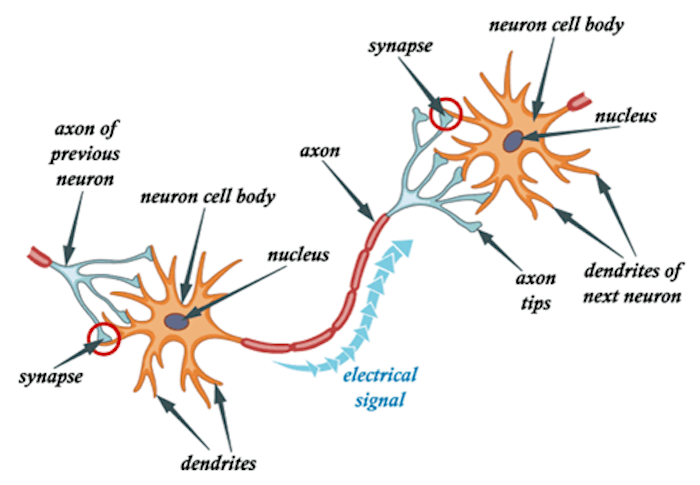
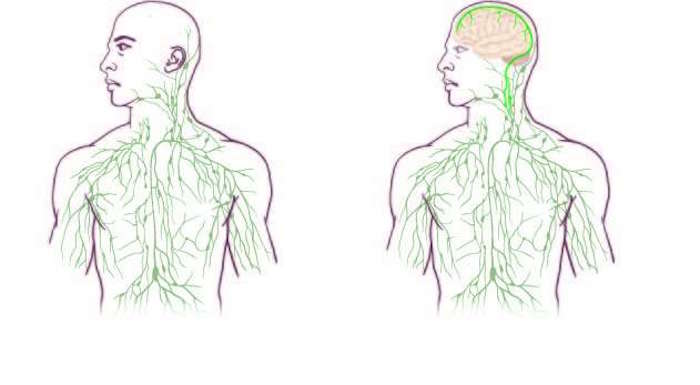
Antoine Louveau,  of  University of Virginia‘s Kipnis Lab, has discovered a direct connection between the brain and the immune system via previously unknown vessels.

The finding could have significant implications for the study and treatment of neurological diseases, including  autism, Alzheimer’s, and multiple sclerosis.

According to Professor Kipnis: “It changes entirely the way we perceive the neuro-immune interaction. We always perceived it before as something esoteric that can’t be studied. But now we can ask mechanistic questions.”

WEARABLE TECH + DIGITAL HEALTH NYC 2015 – JUNE 30 @ NEW YORK ACADEMY OF SCIENCES.  REGISTER HERE.
Categories
Smart Fabric Wearables

Google’s conductive fabric for everyday wear

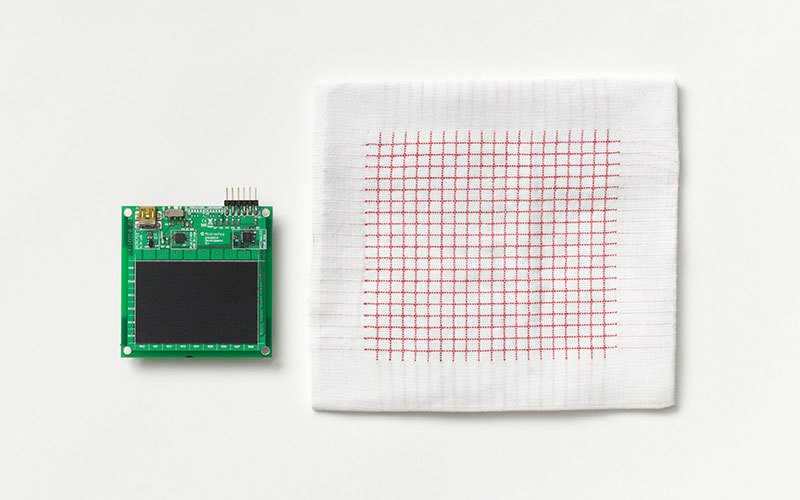
Google’s Project Jacquard creates conductive fabrics that can be woven into every day clothes.  The yarn is tough enough for industrial weaving, and can connect to chips that react to gestures, and monitor heart rate or body temperature.

This seamless integration of sensors into clothing can make health monitoring ubiquitous.

In a demo at the company’s I/O conference, the fabric turned on lights, controlled a media player, and powered two touch-tracking to visualize the interaction. Low-power wifi  was used to communicate with devices.

WEARABLE TECH + DIGITAL HEALTH NYC 2015 – JUNE 30, 2015 @ NEW YORK ACADEMY OF SCIENCES.  REGISTER HERE.  PREFERRED RATE ENDS TOMORROW.

Categories
Eyes fitness Wearables

Optical frame integrated health tracker

VSP Global‘s Project Genesis integrates health tracking technology into optical frames.  Steps, calories burned, activity time and distance traveled are calculated by sensors at the part of the frame that touches one’s temple.

Building wearable technology into stylish glasses, worn every day to improve vision, increases the potential for mass adoption.

The prototype is now being tested on 26 of the company’s own employees.

WEARABLE TECH + DIGITAL HEALTH NYC 2015 – JUNE 30 @ NEW YORK ACADEMY OF SCIENCES.  REGISTER HERE.
Categories
Cancer Wearables

Wearable tracks breast cancer side effects, sleep, mood, activity

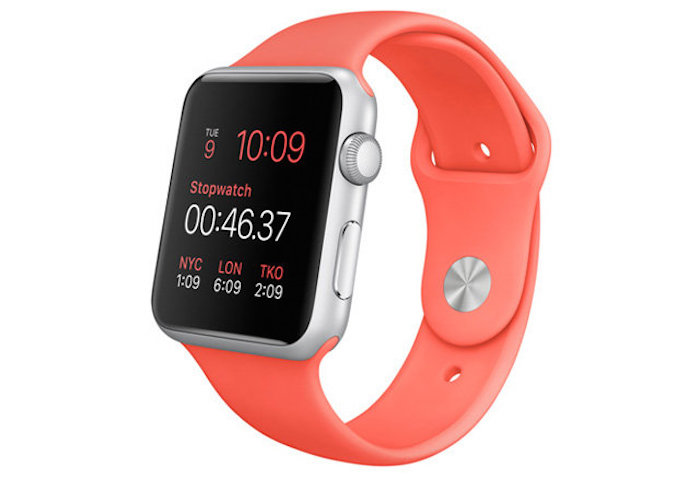
A pilot study exploring  the use of wearables in breast cancer is underway.  Polaris Health Directions and  the MD Anderson Cancer Center are using the Apple Watch to  track multiple factors, increase engagement, and provide immediate feedback and interventions.

Side effects, sleep, activity levels and mood will be monitored, and combined with electronic health records and population data.

According to Polaris,  “the patient  will learn through self-discovery  how to modify  behavior, and if she finds herself in a high stress situation, our on-demand support mechanisms can provide instant assistance.”

WEARABLE TECH + DIGITAL HEALTH NYC 2015 – JUNE 30 @ NEW YORK ACADEMY OF SCIENCES.  REGISTER HERE.

Categories
Seniors Sensors Smart Fabric Wearables

Sensor sweater guides senior rehabilitation

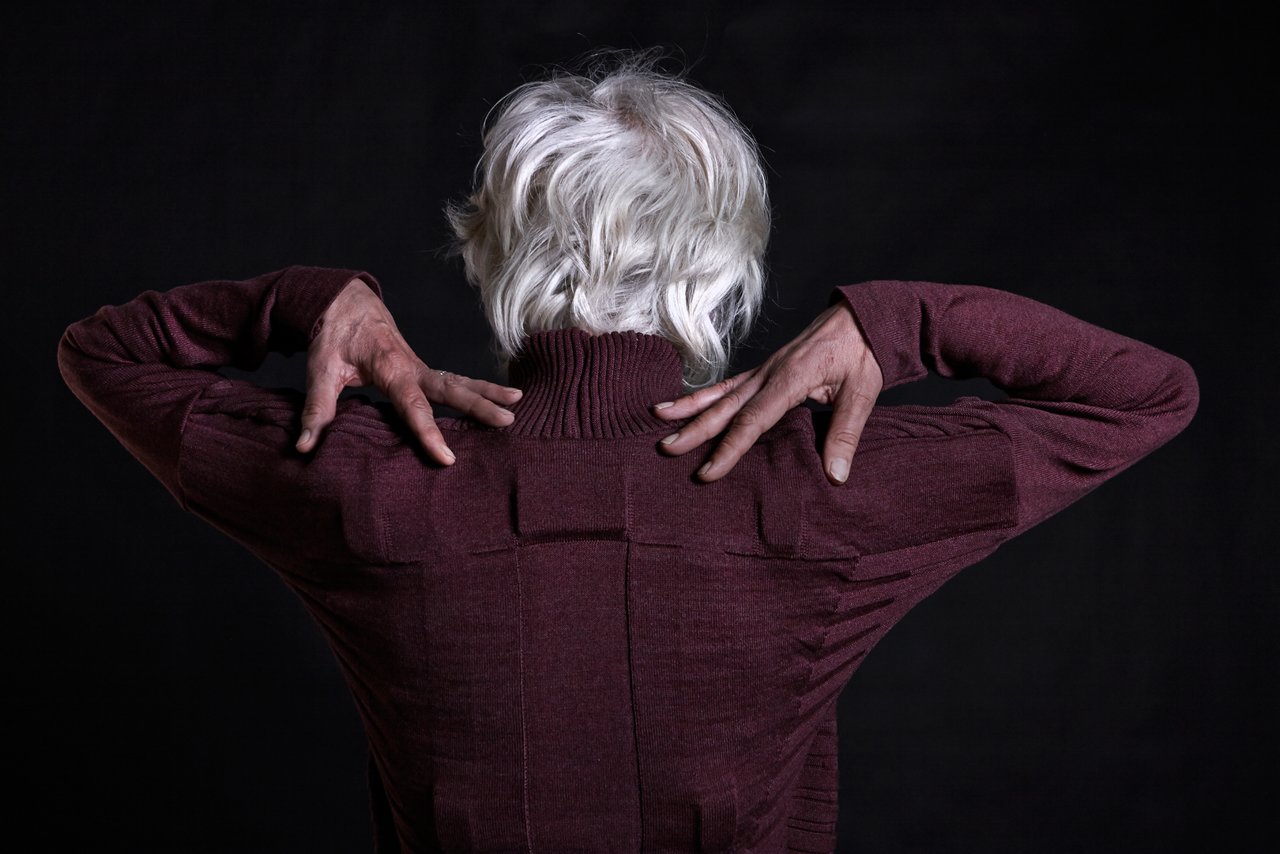
Vigour, by Pauline van Dongen,  is a sensor sweater developed for geriatric rehabilitation.  The knitted cardigan, with integrated stretch sensors, discreetly and continuously monitors upper body movement.  Two sensors monitor  lower back movement, and one under each arm monitors shoulder and arm movement. Data is transferred to the user, caregiver, or physician.  It can be worn all day, during normal activity, rest, and exercise.  Its app provides visual and auditory feedback, in real time, to inform and motivate the user.

WEARABLE TECH + DIGITAL HEALTH NYC 2015 – JUNE 30 @ NEW YORK ACADEMY OF SCIENCES.  FINAL REGISTRATION DISCOUNT ENDS 6/2.