Categories
Wearables

Long term drug delivery chip implant

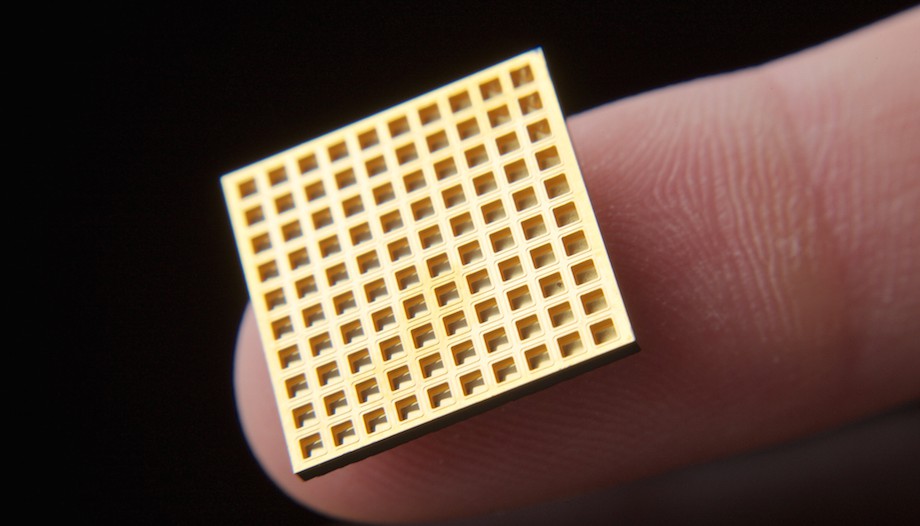
MIT spinout Microchips Biotech and Teva are developing a long-term drug delivery chip implant.

The microchip array  can be implanted in the body and programmed to release controlled doses of drugs over months or years. Dosage or frequency can be changed wirelessly from an app. The company claims that the device can deliver medications for 16 years.

It is a self-contained hermetically-sealed device, implanted and removed in a doctor’s office.  The chip can store hundreds of therapeutic doses, and releases each at precise times. The implant has been clinically validated in human studies delivering parathyroid hormone in osteoporosis patients.

This could represent a painless replacement to daily injections, or simply improve patient compliance.

Categories
Skin

Electric fields induce nanoscale deficits to rejuvenate skin

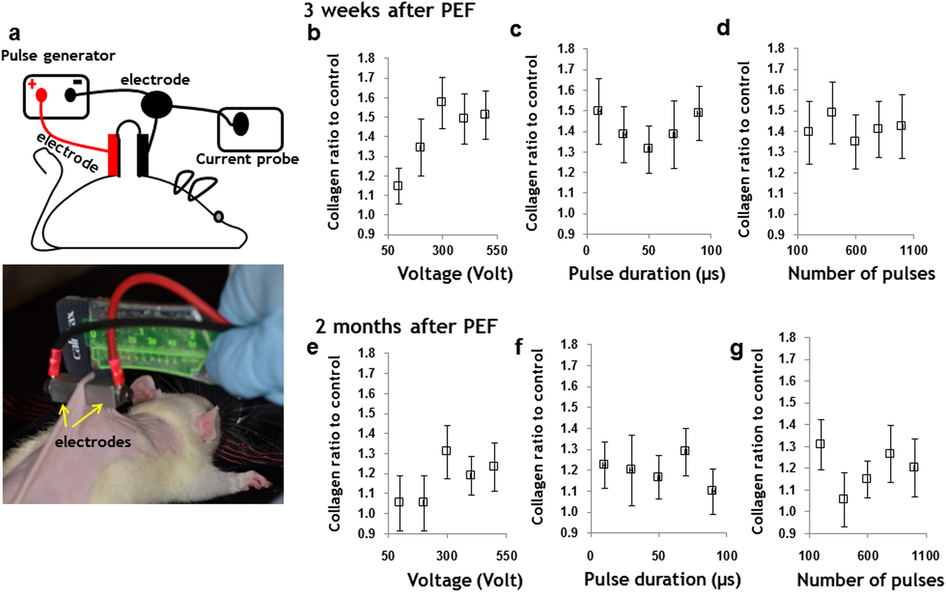
Harvard and Tel Aviv University researchers have developed a non-invasive tissue stimulation technique, utilizing microsecond-pulsed, high-voltage, non-thermal electric fields, to produce scarless skin rejuvenation.  Already effective in tumor removal and wound disinfection, the technique may revolutionize the treatment of degenerative skin diseases.

Current skin therapies use  physical and chemical methods to affect cells and the extracellular matrix, but induce scarring. Pulsed electric fields only affect the cell membrane, preserving the extracellular matrix architecture and releasing multiple growth factors to spark new cell and tissue growth. By inducing nanoscale defects on the cell membranes, electric fields cause the death of a small number of cells in affected areas. The released growth factors increase the metabolism of the remaining cells, generating new tissue.

Categories
Autism Brain

Reaction to smells, autism, linked

Weizmann Institute of Science researchers may have developed a test to detect autism based on a child’s reaction to smells.

The study suggests that children with autism spectrum disorder don’t adjust their sniffing instinctively when they encounter pleasant or foul scents. 18 children with an autism diagnosis, and 18 typically developing children, were presented with pleasant and unpleasant odors, and their sniff responses were measured.  Typically developing children adjusted their sniffing within 305 milliseconds. Children with autism did not respond as quickly

The researchers, who had not been told which children had autism, were able to identify those with autism 81 percent of the time. They also found that the farther removed an autistic child’s sniff response was from the average, the more severe the child’s symptoms were.

The goal is to be able to diagnose and address autism as early as possible.

Categories
Heart

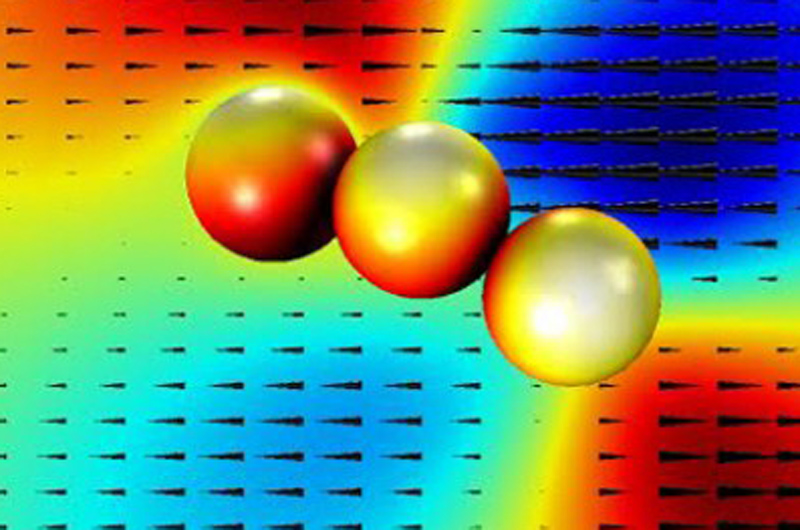
“Microswimmer” robots clear arteries intravenously

Drexel and Daegu Gyeongbuk Institute researchers are developing microscopic, magnetic, robotic beads that will allow physicians to clear blocked arteries intravenously.

MinJun Kim leads the team investigating the chains of iron oxide beads, which are linked together via chemical bonds and magnetic force. The chains are small enough­­ to navigate in the bloodstream, and are put in motion by an external magnetic field that causes each of them to rotate. Linked together, their individual rotations cause the chain to twist like a corkscrew, which propels the microswimmer.

The speed and direction of the micro swimmers are determined by controlling the magnetic field. The magnetism also allows separate strands of micro swimmers to be joined  together, enabling them to be propelled with greater force.

Categories
Cancer Pain

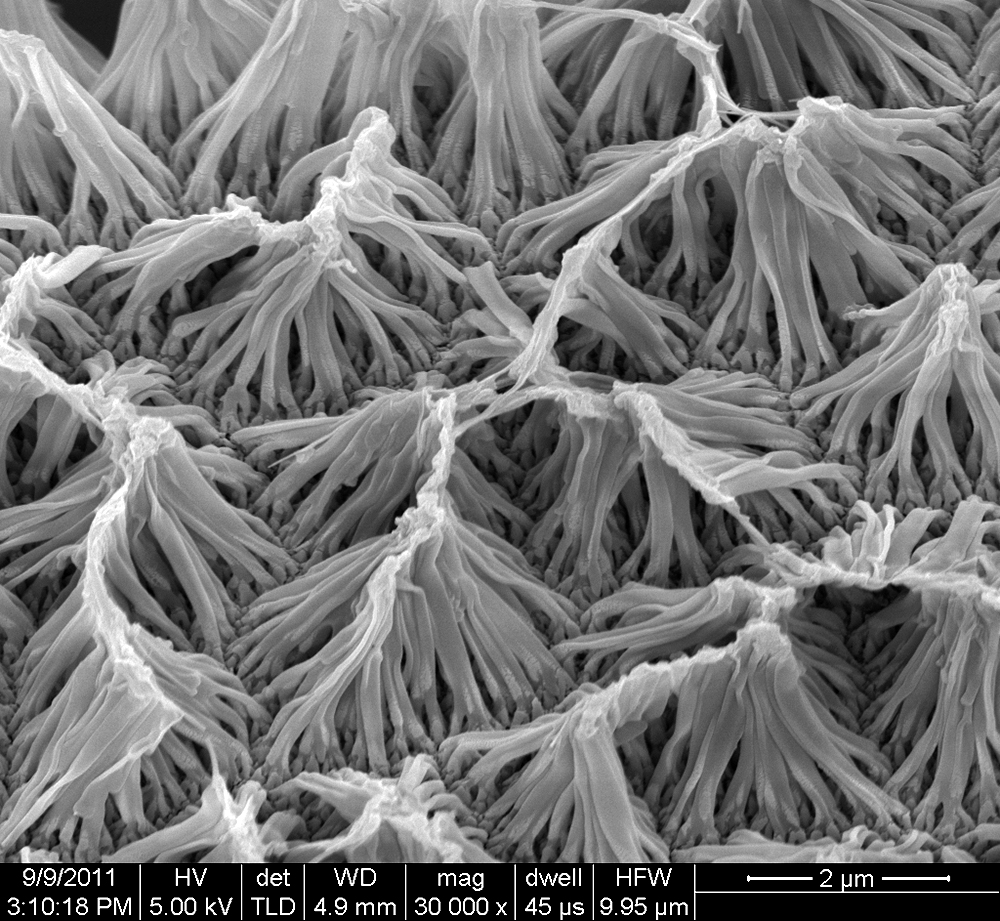
Remote controlled nanowire drug delivery

Purdue researchers have created an implantable drug-delivery system using nanowires that can be controlled wirelessly.

The nanowires respond to an electromagnetic field generated by a device used to control the release of a preloaded drug. Tubes and wires required by other implantable devices are eliminated, minimizing the risk of infection and  complications.

According to lead author Richard Borgens: “This tool allows us to apply drugs as needed directly to the site of injury, which could have broad medical applications, The technology is in the early stages of testing, but it is our hope that this could one day be used to deliver drugs directly to spinal cord injuries, ulcerations, deep bone injuries or tumors, and avoid the terrible side effects of systemic treatment with steroids or chemotherapy.”

2 DAYS UNTIL WEARABLE TECH + DIGITAL HEALTH NYC 2015 – JUNE 30 @ NEW YORK ACADEMY OF SCIENCES.  REGISTER HERE.

Categories
Heart Wearables

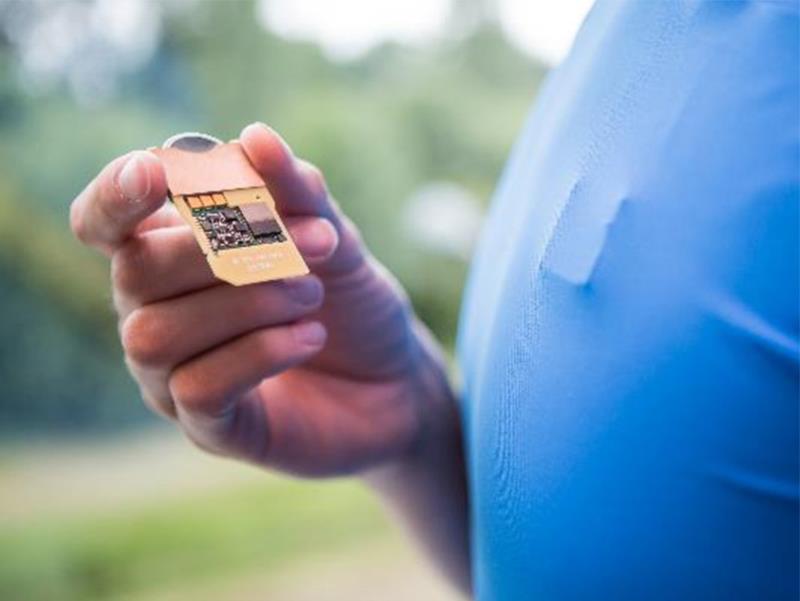
Heart monitoring t-shirt

Imec and Holst Centre researchers have developed a smart t-shirt that monitors heart rate, heart rate variability, activities performed and calories burned.  The data is shared via the cloud to a user or doctor’s phone, tablet or computer.

The fabric contains miniaturized electronic modules with high accuracy and ultra-low power multi-sensor data acquisition chips. Processing, battery and bluetooth are embedded. The module can be removed to wash the shirt or charge the battery.

The original properties of the fabric are preserved, and the t-shirt remains flexible, stretchable, breathable, lightweight and washable.

5 DAYS UNTIL WEARABLE TECH + DIGITAL HEALTH NYC 2015 – JUNE 30 @ NEW YORK ACADEMY OF SCIENCES.  REGISTER HERE.

Categories
Monitoring Sensors Wearables

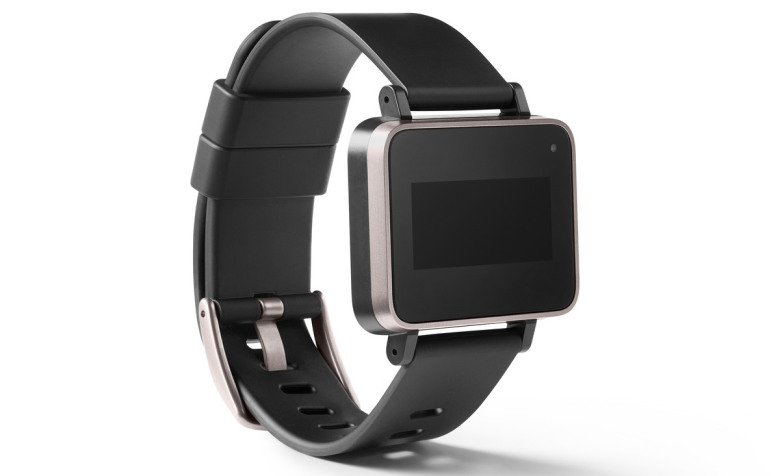
Clinical trial wearable by Google

Google X has built a clinical grade health wearable intended for use in clinical trials.  It measures pulse, heart rhythm, skin temperature, light exposure, and noise levels.  The device can collect trial data both inside and outside of the lab.  Google’s life science head, Andrew Conrad, first described the wearable to Bloomberg this morning.

The company is researching several potential uses for the device, including monitoring patients discharged from hospitals.

ONE WEEK UNTIL WEARABLE TECH + DIGITAL HEALTH NYC 2015 – JUNE 30 @ NEW YORK ACADEMY OF SCIENCES.  REGISTER HERE.

Categories
Prosthetics

“Lifelike” bionic hand for women and teenagers

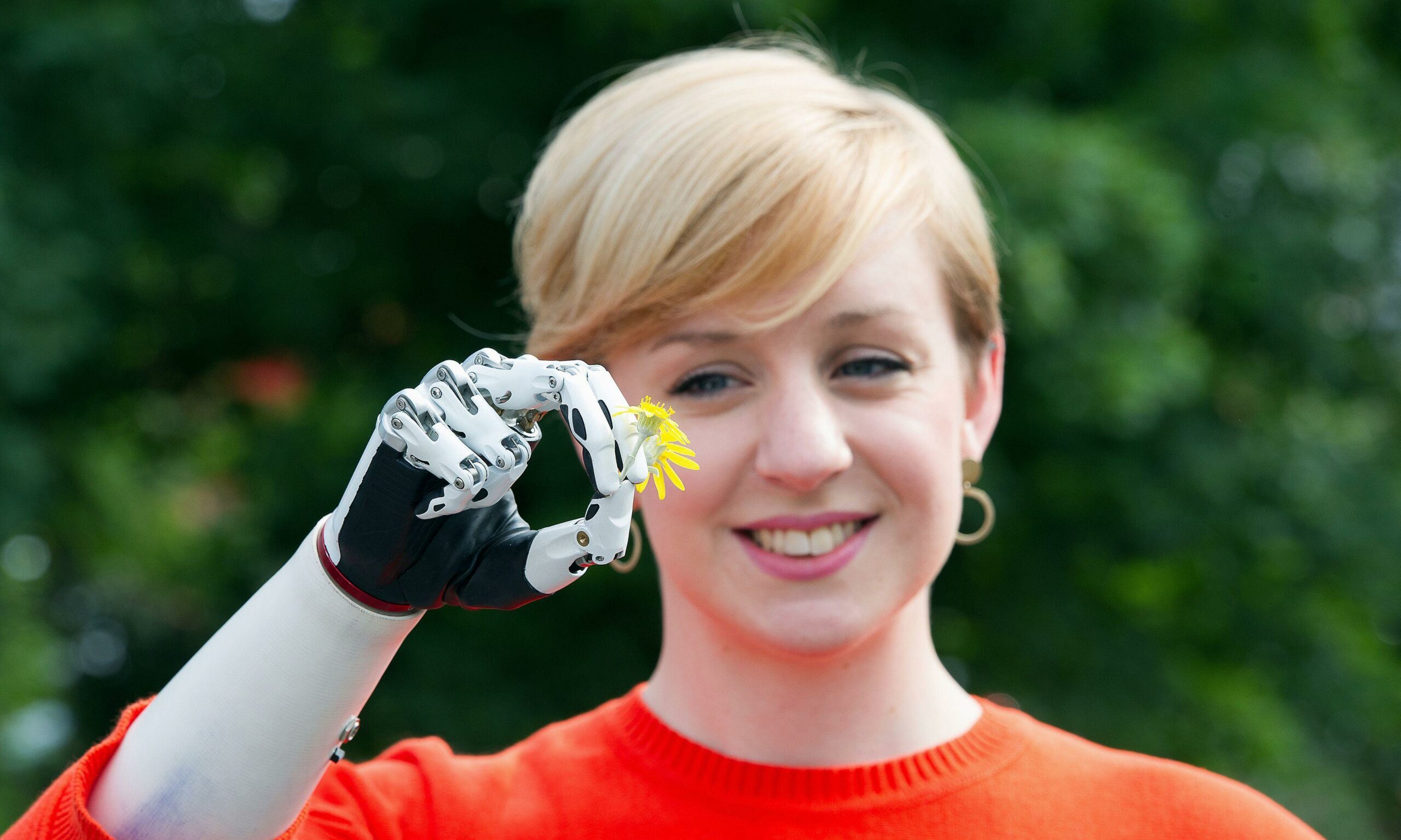
bebionic by steeper is a small,  “lifelike” bionic hand created for women and teenagers.  It is designed around an accurate skeletal structure with 337 mechanical parts.  Its 14  grip patterns and hand positions mimic real hand functions.

Its first user, Nicky Ashwell, was born with out a right hand.  After being fitted with the prosthetic, she was able to ride a bicycle and lift weights for the first time.

The prosthetic’s sensors are triggered by user muscle movements that connect to microprocessors and  motors in each finger. It weighs  1 pound and is 6.4 inches long.

WEARABLE TECH + DIGITAL HEALTH NYC 2015 – JUNE 30 @ NEW YORK ACADEMY OF SCIENCES.  REGISTER HERE.

Categories
Heart Sensors Wearables

Necklace, scale, cuff to monitor vitals, help manage CHF

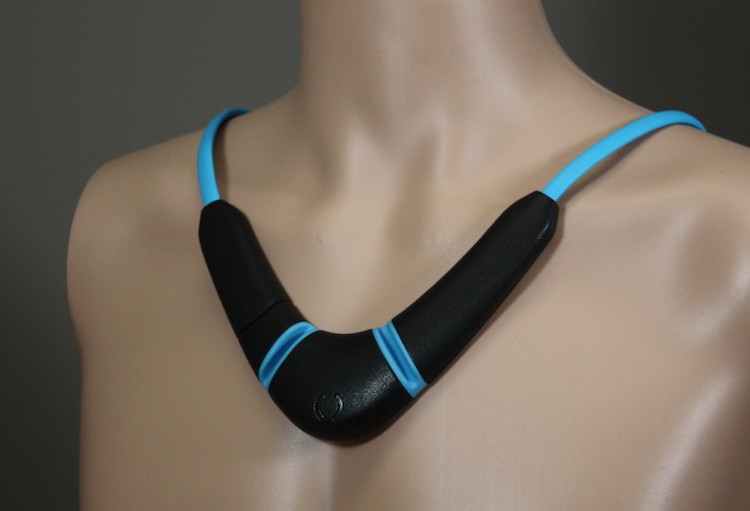
toSenses‘s CoVa necklace, and prototype floor pad and cuff/handle combination, measure pulse oximetry, heart rate, blood pressure, respiration rate and temperature.  The various forms of monitoring are meant to improve compliance and ease of use.

CoVa has received FDA clearance, and is primarily used as a congestive heart failure alert/management system.

The scale-like pad uses bioimpedance and ECG to measure thoracic fluid levels and also measures weight.

The cuff/handle device measures vital signs, plus blood pressure. The user holds the device at the stomach to measure thoracic impedance, and inflatable bladders in the arm cuff compress the radial artery to measure blood pressure.

WEARABLE TECH + DIGITAL HEALTH NYC 2015 – JUNE 30 @ NEW YORK ACADEMY OF SCIENCES.  REGISTER HERE.

Categories
BCI Brain Signal Processing

Spoken sentences recreated from brain activity patterns

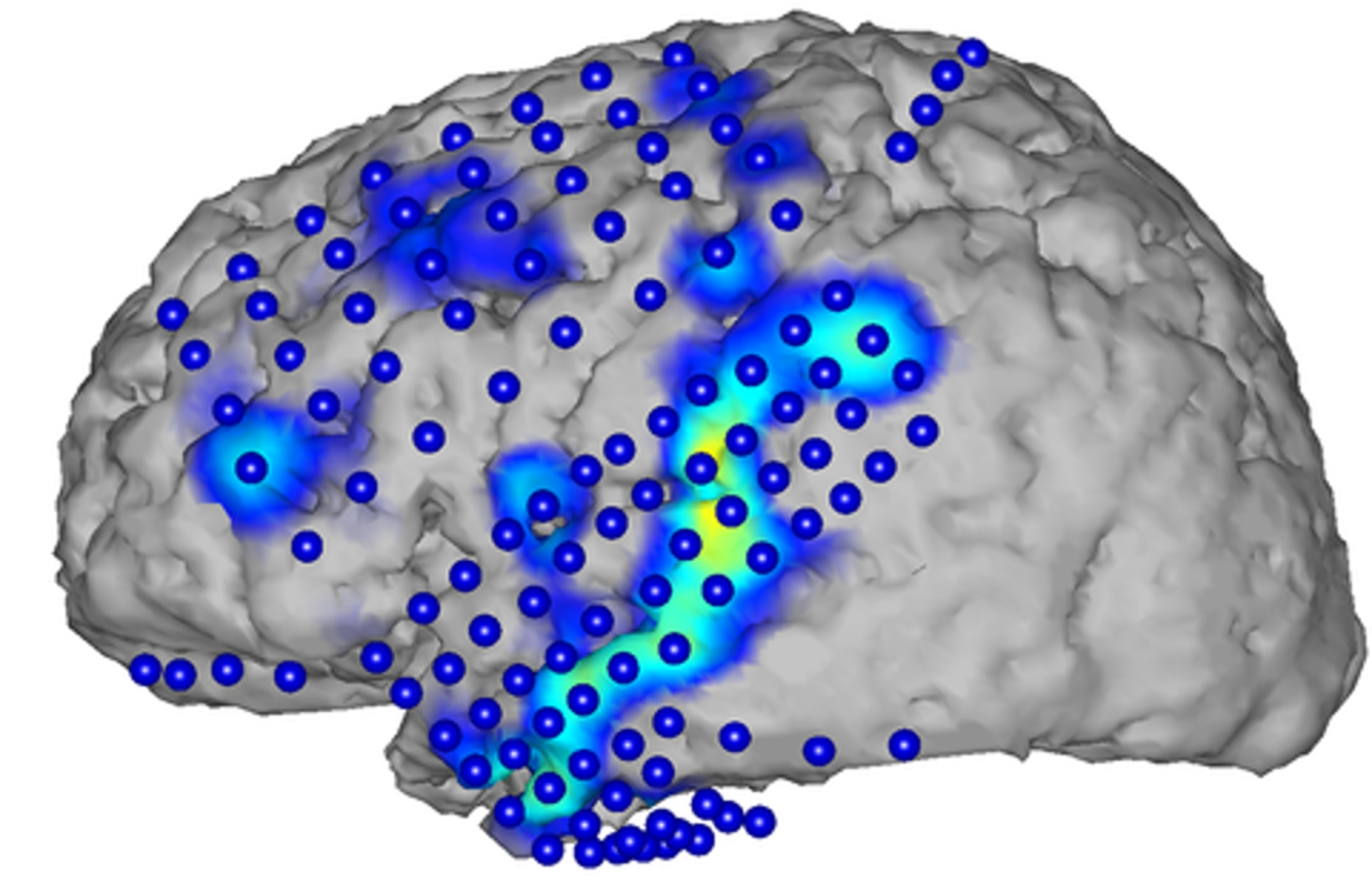
KIT‘s Tanja Schultz has reconstructed spoken sentences from brain activity patterns.

Speech is produced in the cerebral cortex. Associated brain waves can be  recorded with surface electrodes. Schultz reconstructed basic units, words, and complete sentences from brain waves, and generated corresponding text.

This was achieved by a combination of advanced signal processing and automatic speech recognition.  Speech was continuously decoded  and transformed into a textual representation. Cortical information was combined with linguistic knowledge and machine learning algorithms to extract the most likely word sequence. Brain-to-Text is currently based on audible speech. The goal is to be able to recognize speech from thought alone.

WEARABLE TECH + DIGITAL HEALTH NYC 2015 – JUNE 30 @ NEW YORK ACADEMY OF SCIENCES.  REGISTER HERE.

Categories
Cancer Sensors

Chip detects cancer from a drop of blood

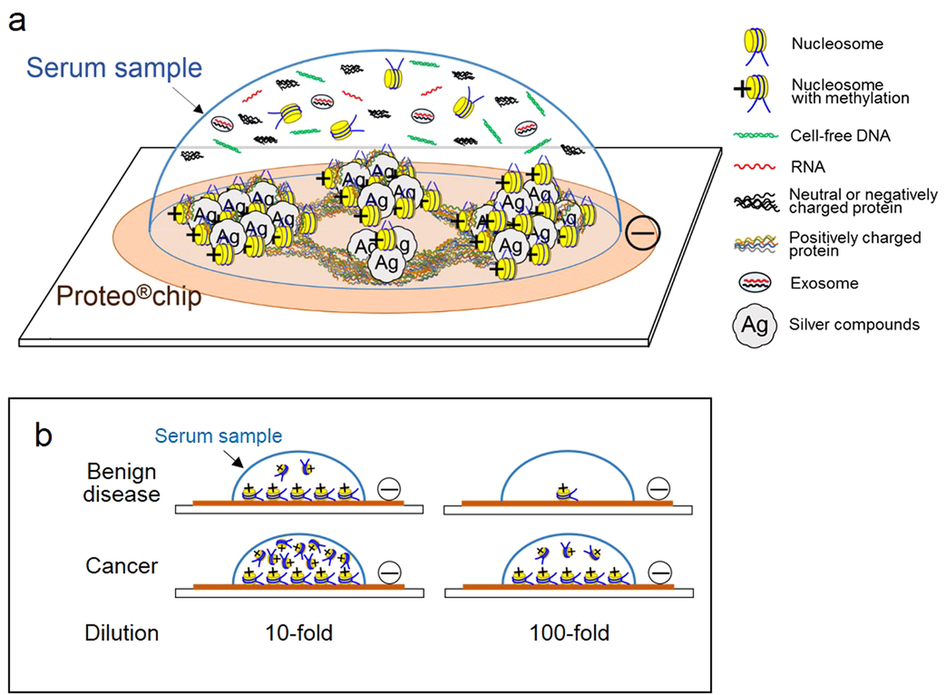
Showa University and My Tech have developed Proteo, a silver nanoscale chip that  they claim detects most types of cancer from a drop of blood in three minutes.   It functions by attracting a faintly luminous substance found in cancer patients, beginning at a very early stage.

They have only studied 20 patients, but diagnosed whether a tumor is benign or malignant with total accuracy.

The researchers are accumulating data from various types of cancers, and hope to make the blood test available next year. They believe that the preliminary data suggests that the device could be more effective than existing blood tests.

Showa’s Hiroaki Ito and MyTech’s Yuki Hasegawa said that the accuracy derives from the chip attracting certain nucleosomes, which are prevalent in all types of cancer.  The nucleosome emits light, the intensity of which increases as more of the substance accumulates.  This is seen under a fluorescent microscope, providing the ability to  identify visually if the blood is from an individual with cancer.

WEARABLE TECH + DIGITAL HEALTH NYC 2015 – JUNE 30 @ NEW YORK ACADEMY OF SCIENCES.  REGISTER HERE.

Categories
Brain Heart Monitoring

Car-based heart, brain activity monitoring

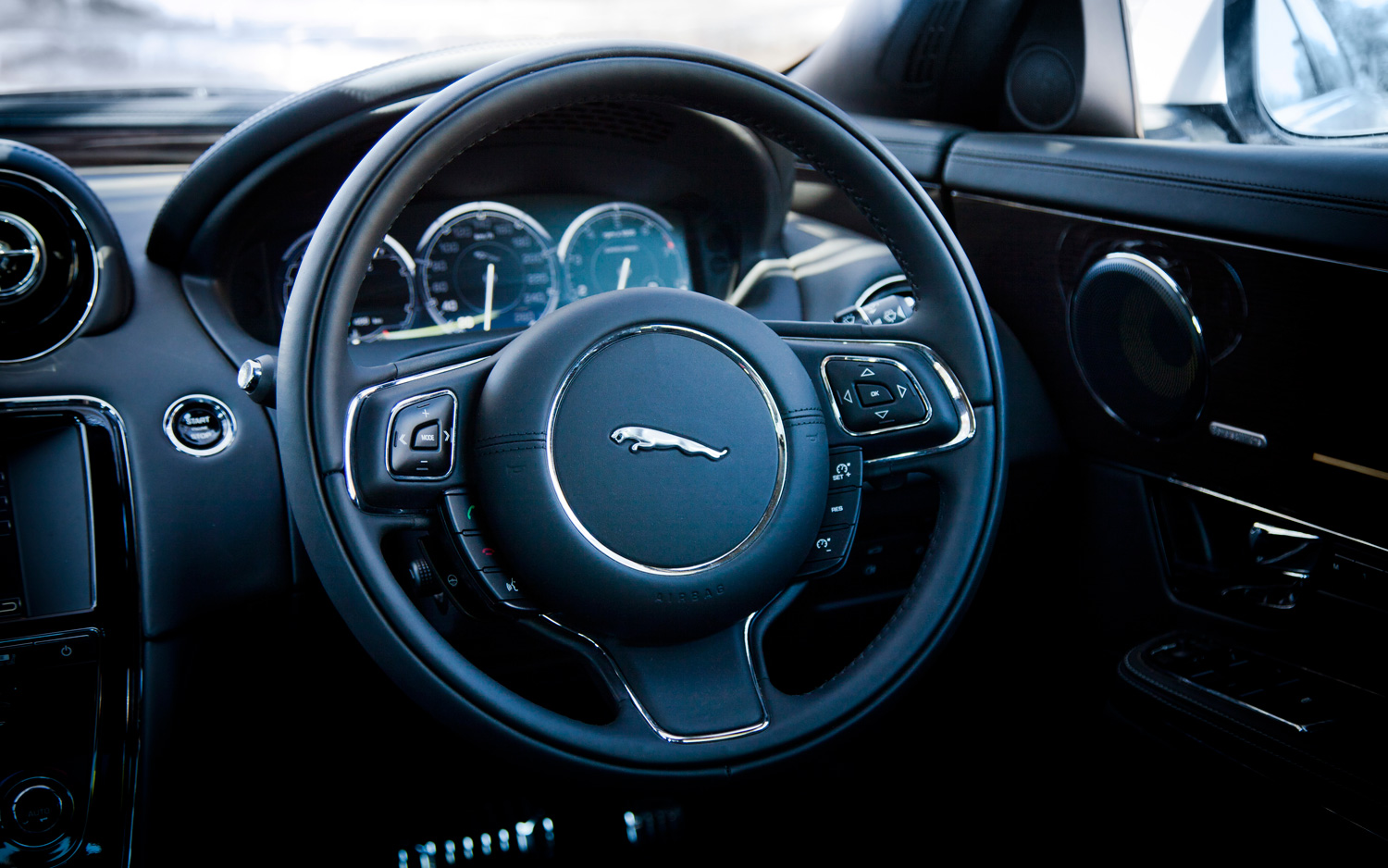
“Sixth Sense” by Jaguar/LandRover attempts to monitor a driver’s heart rate, respiration and  brain activity to identify stress, fatigue and lack of concentration.

The  XJ “wellness seat” analyzes heart rate and breathing, has  touchscreens that predict which button a user wants to press with fingers mid-air, and has a vibrating  accelerator pedal that communicates hazards.

The  company claims that its “MindSense” project can determine if a driver is distracted or tired using sensors in the steering wheel.  They did not detail the science behind this, but said that their software can amplify a steering wheel sensor captured brain signal and filter background noise.  ApplySci believes that a minimal EEG headband could provide much more accurate driver alertness data.

WEARABLE TECH + DIGITAL HEALTH NYC 2015 – JUNE 30 @ NEW YORK ACADEMY OF SCIENCES.  REGISTER HERE.