Categories
Apps Eyes

App lets sighted people help the visually impaired

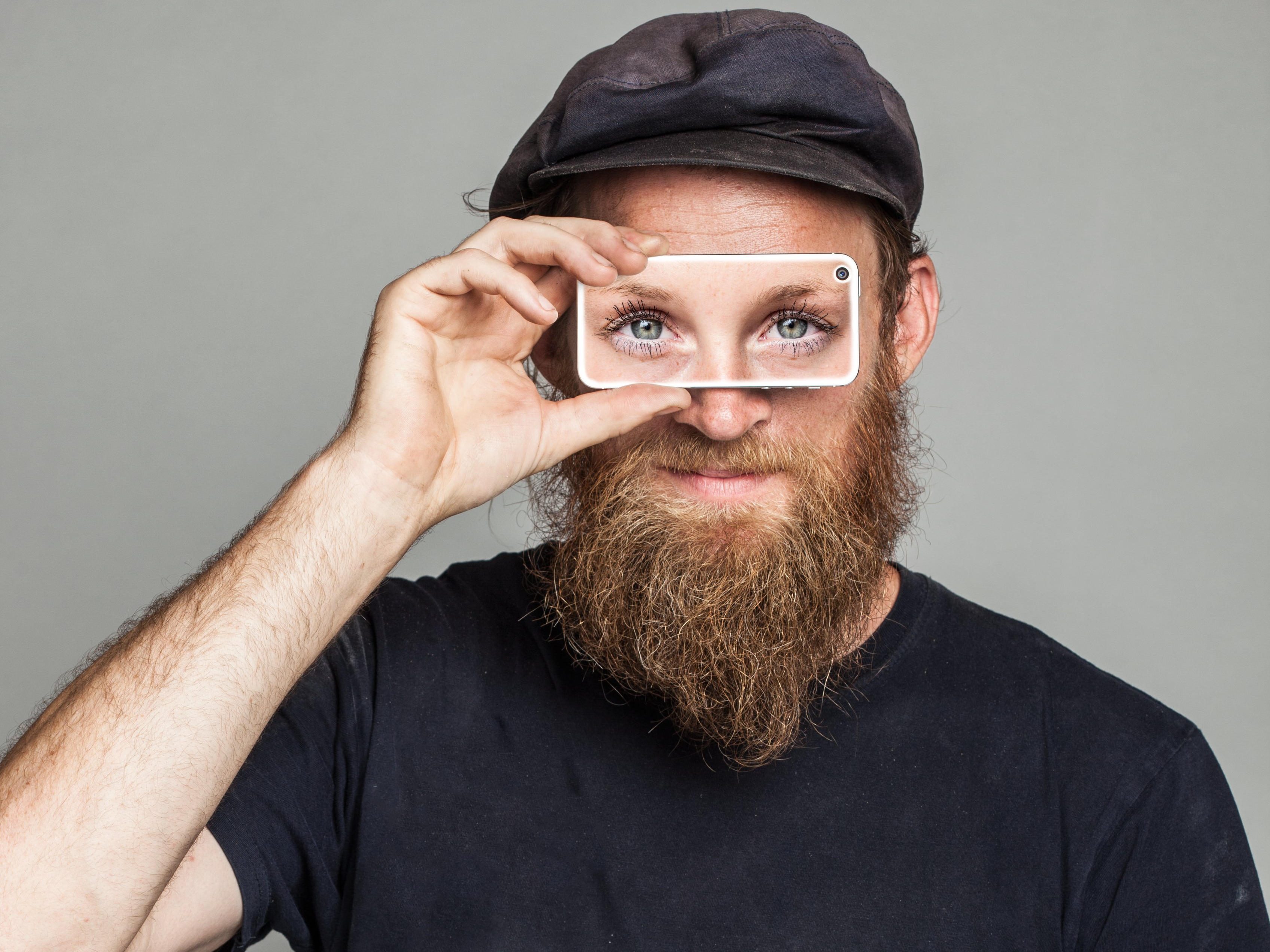
Be My Eyes allows the visually impaired to receive  help from people who can see via a live audio-video connection. Sighted users can guide a person while looking through a phone’s rear camera.

When a visually impaired person asks the app for assistance, the Be My Eyes helper network is alerted, and an available member helps. Examples of assistance  include reading an expiration date on a milk carton, or navigating a public place.

Multiple languages are available, and the app is open source. VoiceOver, Apple’s gesture based screen reader,  helps those with limited sight use the iPhone.
Categories
Diabetes

Noninvasive, laser based glucose sensor

Gin Jose and University of Leeds colleagues have developed GlucoSense, a laser based glucose monitor that could eliminate the need for finger pricking.

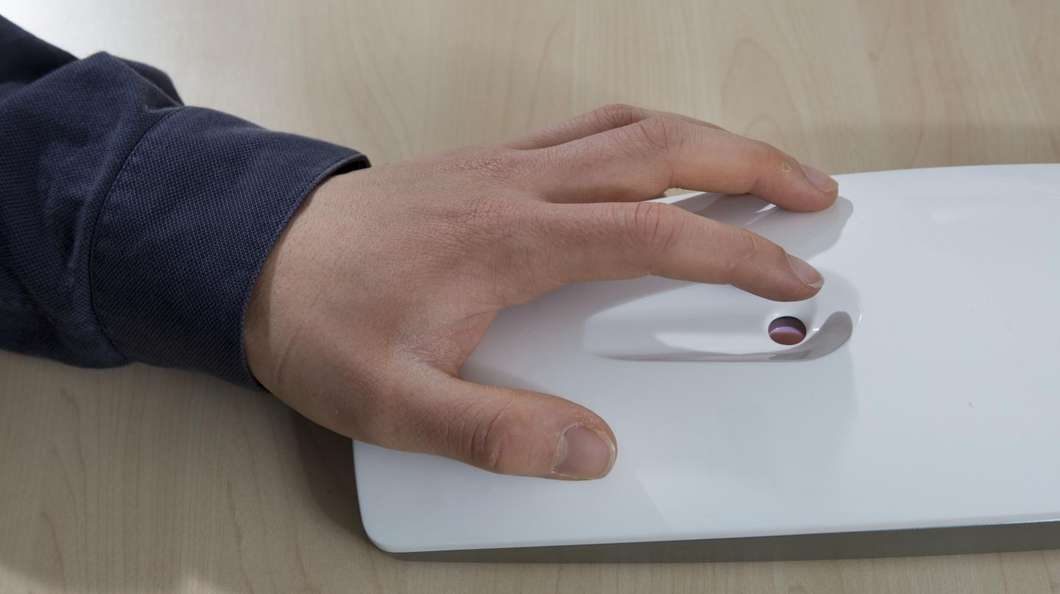
A finger is placed against a glass window. A low-powered laser beam is projected through the window, into the finger. Surface ions  fluorescence in infrared when exposed to the reflected light. (The more light that hits them, the longer they glow.) By measuring fluorescence duration, the device determines how much of the original laser light was absorbed by glucose, and can determine the amount of glucose in the bloodstream. The process takes 30 seconds.

Categories
Brain

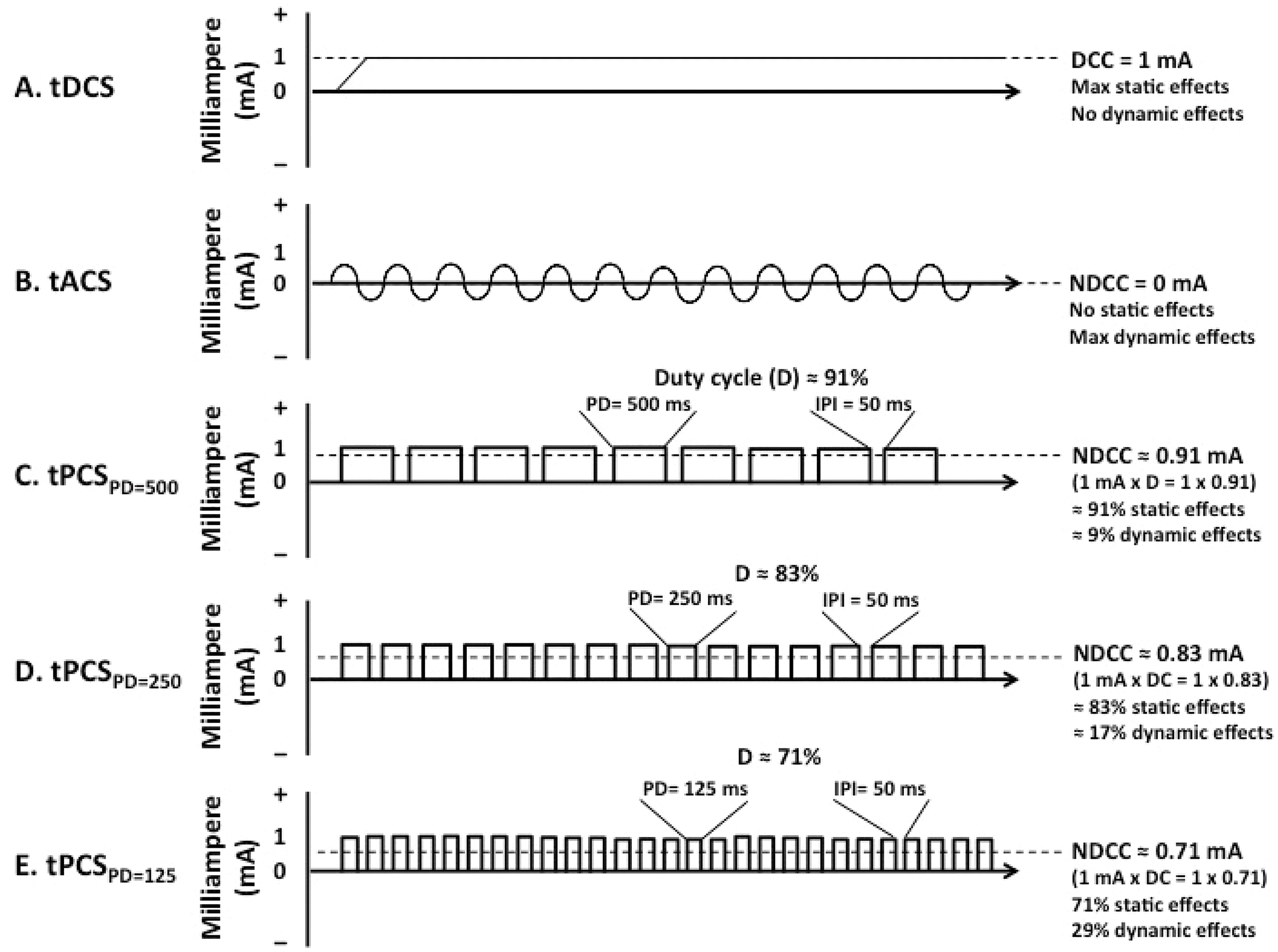
Longer pulses enhance brain excitability in tPCS

Monash University‘s Shapour Jaberzadeh has been researching the use of transcranial pulsed current stimulation for years.  His new study describes  the importance of pulse duration in creating brain excitability enhancement.  He found that the shorter the interval between pulses,  the larger the excitability effect in the brain.

Dr Jaberzadeh believes that longer pulses could help recipients learn new tasks faster and  improve repetitive task training for stroke patients.  This might also, in the future, impact treatments for other neurological disorders, mental illness, and chronic pain.

Categories
Orthopedics Wearables

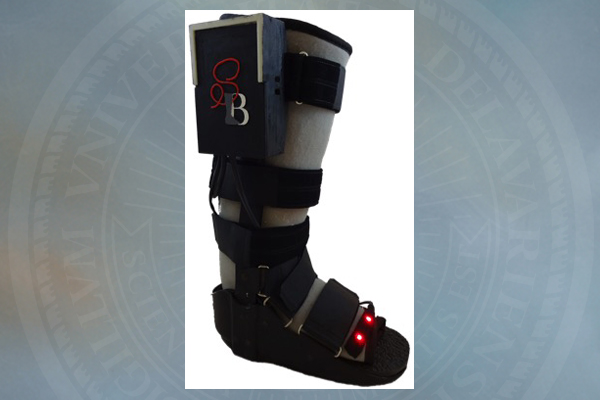
Sensor boot guides bone injury healing

ApplySci blogs about sensor based health innovations.  We have seen far too little in the orthopedics space, which remains an area of opportunity.  This week we discussed dorsaVi‘s spine injury assessment tool, and today we will describe the “SmartBoot“.

Developed by University of Delaware researchers, SmartBoot enables physicians to monitor orthopedic patients as they recover. Users are given visual feedback to let them know if they are under- or overloading a limb after injury.

According to Professor Jill Higginson, whose student, Brian Knarr, developed the boot:  “Patients are often trained in the clinic on a bathroom scale and then sent home with crutches, with the assumption that they can consistently perform partial weight bearing on their own.”  However, research has shown that patients often bear significantly more weight on the injured foot than prescribed, which delays healing.

Categories
Brain Wearables

Phone sensors to detect depression risk

Northwestern‘s Sohrob Saeb believes that phones could be more reliable for diagnosing depression than traditional methods.

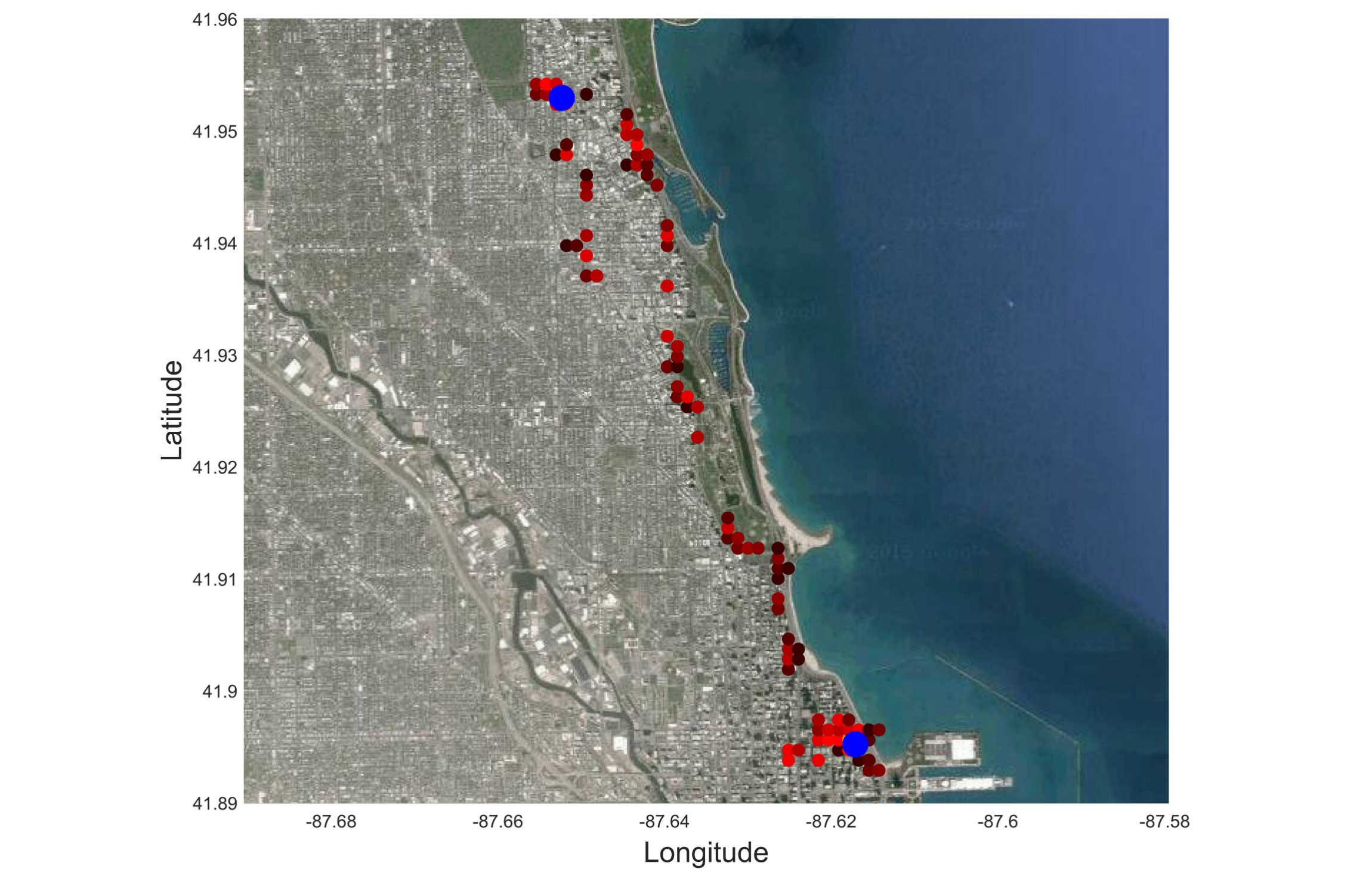
In his recent study, data from smartphone sensors that detect location, movement, phone usage and other activities were used to assess depression risk.

GPS or phone usage data were analyzed among 28 participants for two weeks.

The “Purple Robot” app identified 87% of the participants at risk of depression (according to the PHQ-9 guidelines) based on GPS data on frequency of movement between regular locations. The more users moved around, the less likely they were to fall into the at-risk category.

By identifying the most frequent phone users, Purple Robot could detect 74% of those in the at-risk group.

Data on both GPS and phone usage were not available, preventing researchers  from seeing how Purple Robot performed when both data sets were available.

PHQ-9 is a screening tool that determines an  above-average chance of having depression.  It does not diagnose depression.

Categories
Wearables

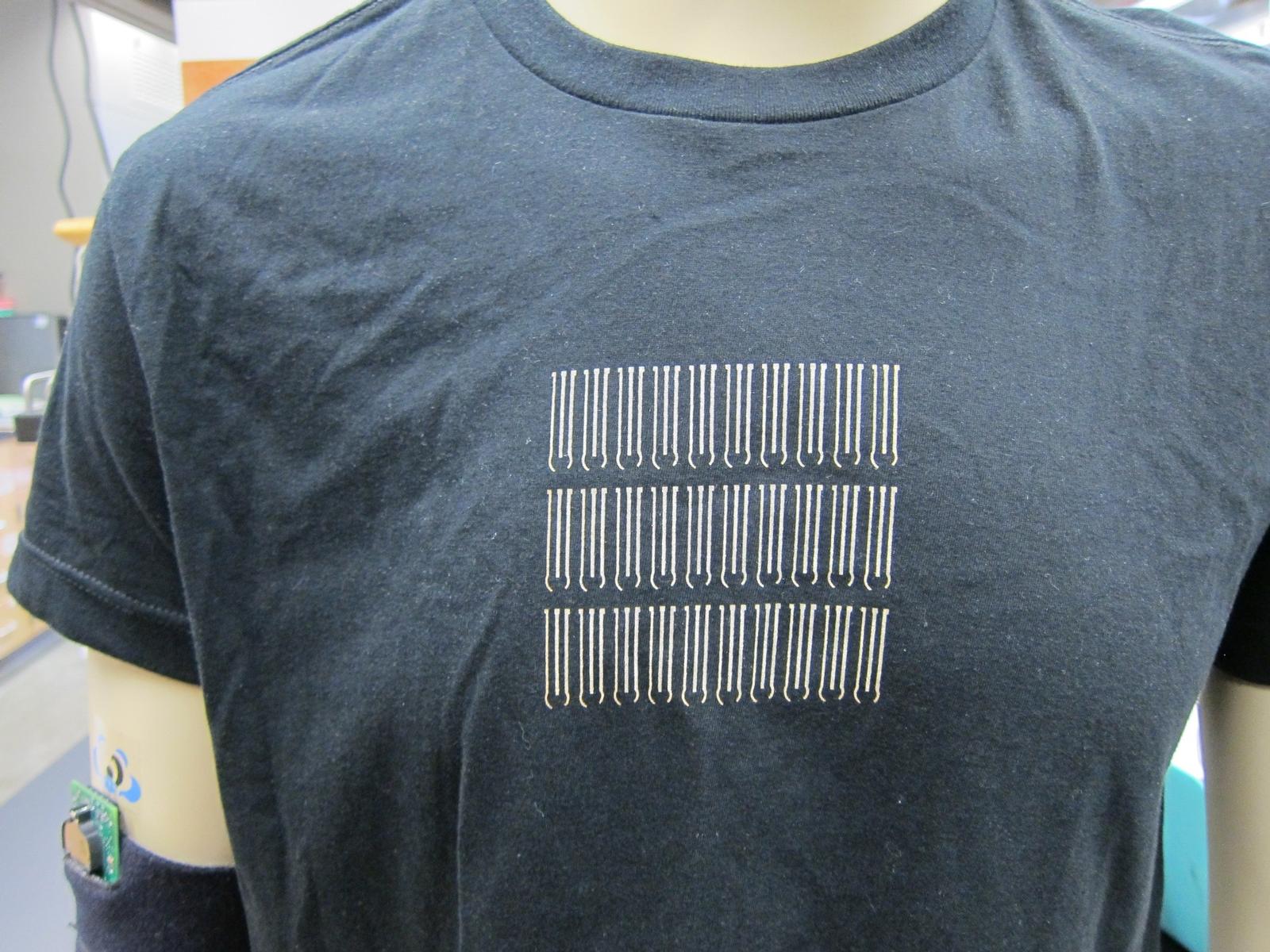
Temperature adaptive clothing cools and heats accordingly

UC San Diego professor Joseph Wang continues to revolutionize health focused wearable technology.  ApplySci recently described his totally noninvasive glucose monitoring tattoo, and his bio-ink pen for self monitoring.

Professor Wang is now developing clothes with integrated sensors that enable them to heat or cool wearers.  He believes this can  reduce energy costs by regulating the temperature around individuals instead of across rooms.

ApplySci sees this as another way to increase the independence of (cognitively or physically) disabled people — helping them stay warm or cool when their ability to add or remove clothing layers is limited.

The smart fabric will keep a wearer’s skin temperature at 93 degrees fahrenheit by adapting to temperature changes. The fabric will become thicker when a room gets cooler, and thinner when it gets warmer.  Polymers that expand in the cold and shrink in the heat will be incorporated into the clothing.

Categories
fitness IoT Wearables

Samsung patent describes phone grip body fat measure

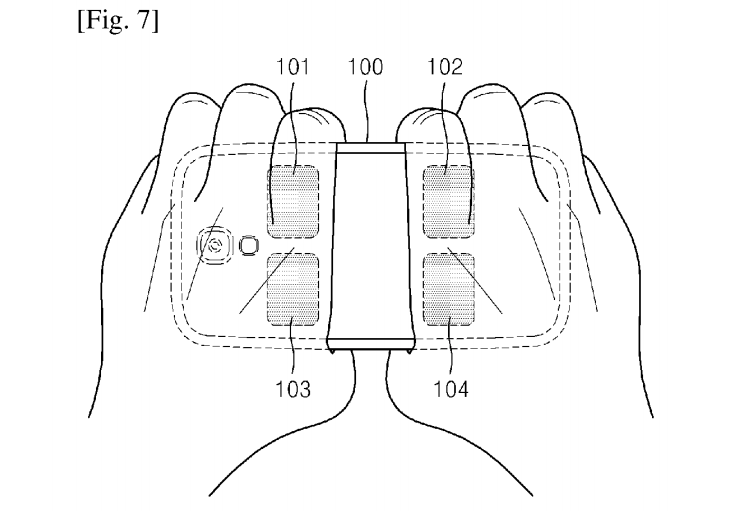
Samsung has filed a patent application describing technology that could measure body fat levels when a user grips a device. Four sensors would be incorporated into a smartphone or case.  “Input current and the intensity of the measured voltage”  are measured to determine fat levels.

Categories
Wearables

Wearable assesses sports injuries, therapy progress

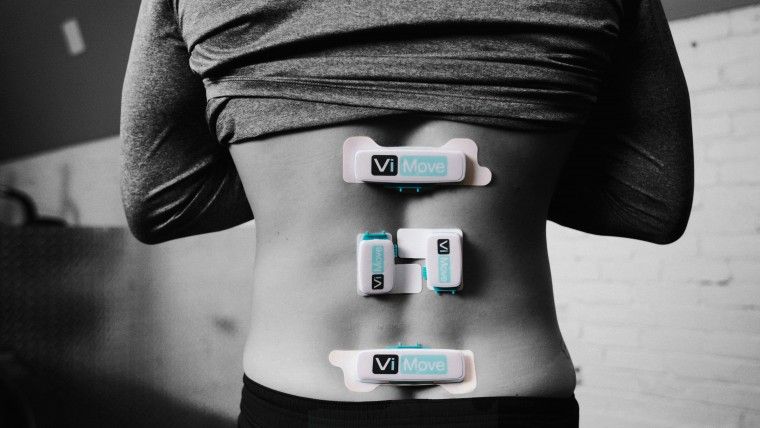
dorsaVi movement and muscle activity monitors could help sports teams improve injury assessments and document the therapy progress.  They are being used by the New Orleans Saints, Cleveland Browns, Golden State Warriors and Toronto FC.

The device includes sensors that analyze bending, twisting and stepping, accelerators, magnetometers, and gyroscopes.  Electrodes measure muscle activity near the skin’s surface.

The company’s  ViPerform  assessment modules can be linked with HD video to provide better data. The system tests an athlete’s run, knee, hamstring, functional exercise ability, lower back and neck.

Categories
Eyes Wearables

Wearable analyzes faces, voices, surroundings

Professor Amnon Shashua is the founder of  Mobileye, a revolutionary computer vision approach to driverless cars.  He is also the developer of OrCam, artificial vision technology to assist the visually impaired.  This week he announced Casie, a wearable personal assistant.

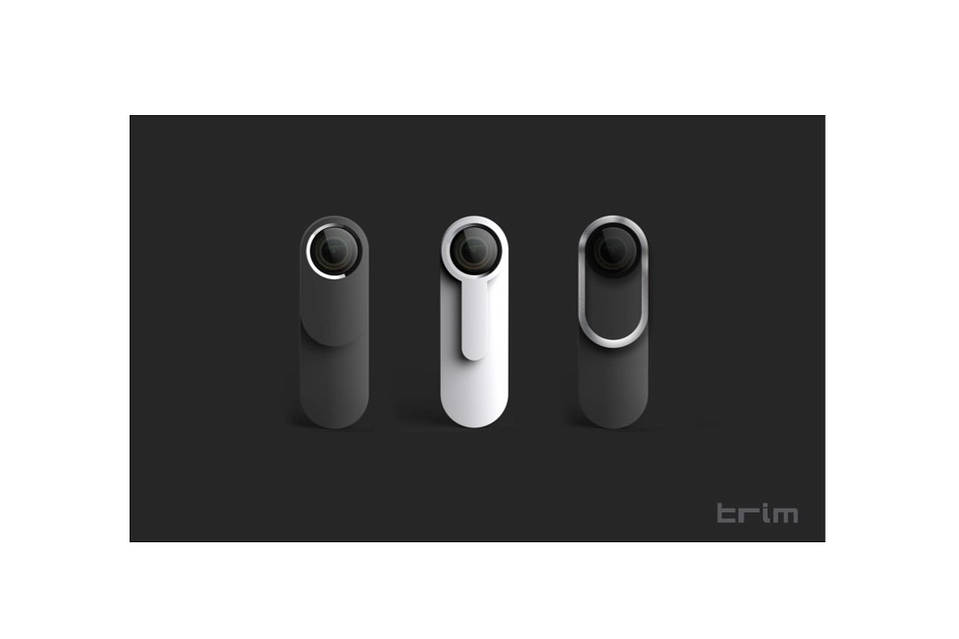
The device is meant for the masses, but could also help the disabled. It looks like a USB stick, and can be clipped onto clothing or a necklace.  A camera and microphone record  images and sounds from one’s surroundings. Algorithms analyze faces, voices, and surrounding sights and sounds.  The information is sent to a phone, where an app can match it with social media and other data.  To ensure privacy, video and audio content are deleted after  interaction data is collected and analyzed.

Categories
BCI Brain

Real time brain-to-brain interface demonstrated

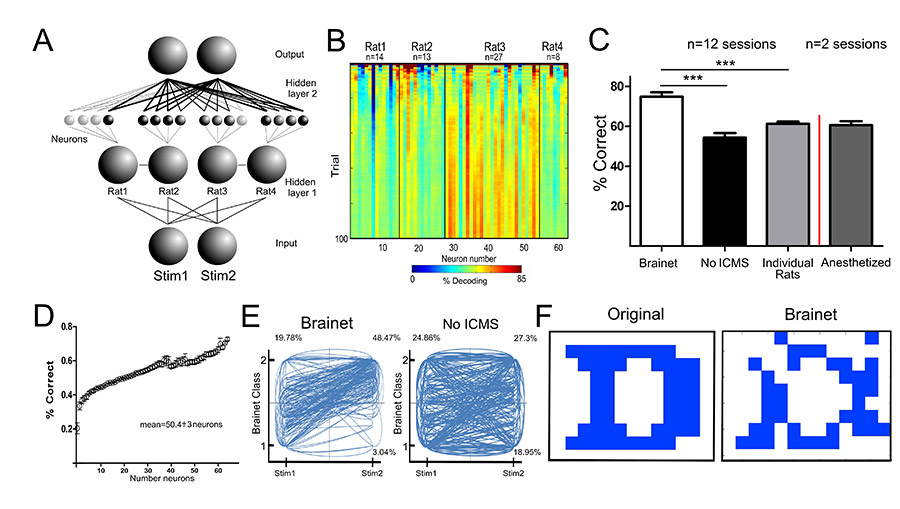
In another Nicolelis Lab breakthrough,  networks formed by multiple animal brains, cooperating and exchanging information in real time through brain-to-brain interfaces, was demonstrated. The “Brainet” technology could provide the core of a new organic computer.

In the recent study, four adult rat brains were interconnected. Brainets  concurrently recorded extracellular electrical activity generated by cortical neurons from multiple rats implanted with multi-electrode arrays. Cortical neuronal activity was recorded and analyzed in real time, and delivered to the somatosensory cortices of other animals using intracortical microstimulation.

Brainet architectures solved several computational problems, including discrete classification, image processing, storage and retrieval of tactile information, and weather forecasting.

Brainets consistently performed at the same or higher levels than single rats. Nicolelis believes that Brainets could be used to investigate animal social behaviors and to test applications of organic computers.

Categories
Cancer Sensors

Sensor chip for prostate cancer diagnosis

University of Birmingham researchers are developing a sensor chip that they believe can improve the accuracy of prostate cancer diagnosis.

Prostate cancer is normally diagnosed by tests that rely on antibodies, making them vulnerable to degeneration by environmental changes. They are known to give false positive readings at a high rate.

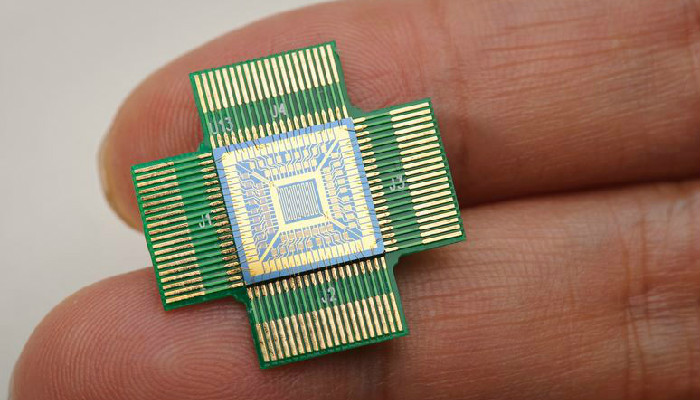
The sensor chip works by identifying glycoprotein molecules frequently used as biomarkers for diseases, including prostate cancer.  Detection techniques have focused on the protein of the molecule, which does not always change when the body is affected by disease.

The new chip uses  synthetic receptors along a 2D surface to identify specific, targeted glycoprotein molecules that are differentiated by their modified carbohydrate chains.  This shows subtle differences in healthy and diseased patients.

Categories
Diabetes Monitoring Pregnancy

Smartphone fluid sensors to detect pregnancy, STDs, diabetes

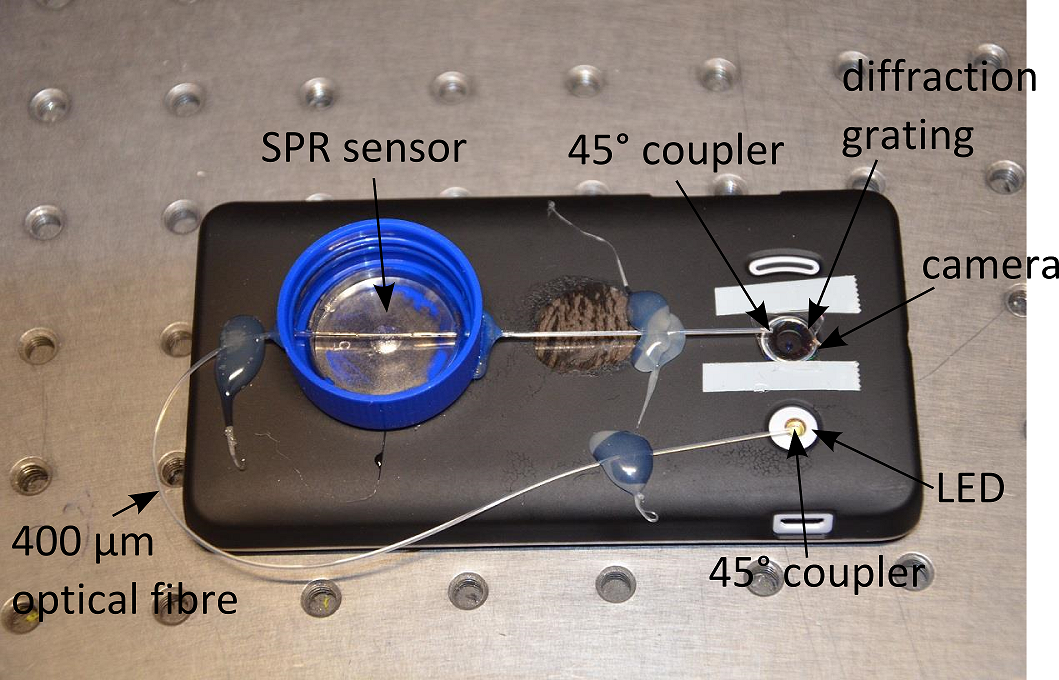
Kort Bremer and Bernhard Roth at the Hanover Centre for Optical Technologies are developing lab-on-a-chip devices for smartphones to monitor blood, urine, saliva, sweat or breath.  This could enable phone based detection and monitoring of pregnancy, STDs, or diabetes, among other applications.

The surface plasmon resonance sensors  detect biomolecular interactions when polarized light strikes an electrically conducting surface at the interface between two media,