Categories
Orthopedics

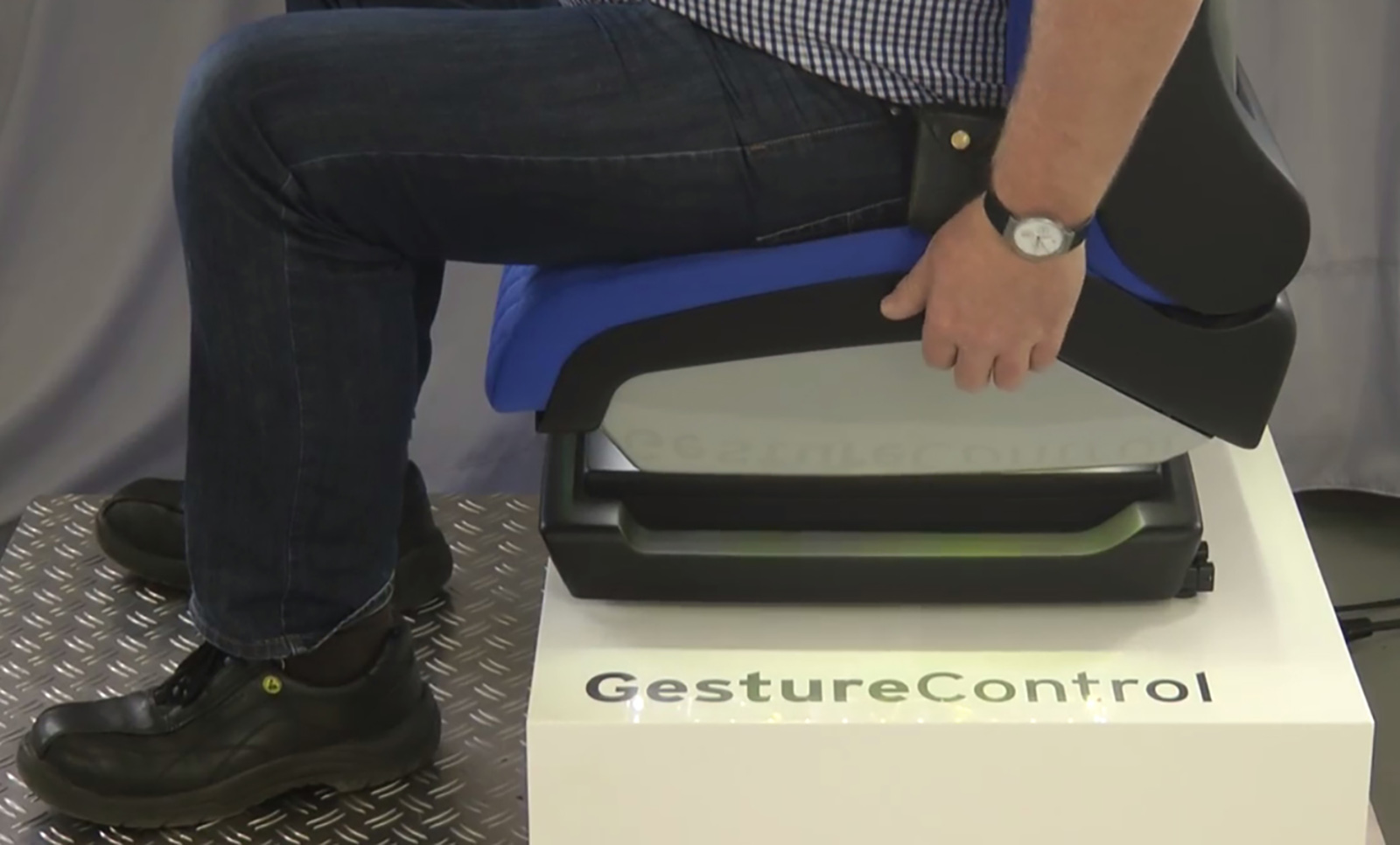
Gesture controlled driver’s seat improves ergonomics

The Fraunhofer driver’s seat is adjusted with hand gestures to optimize ergonomics and prevent spinal strain.

Pressure responding piezoensors are integrated into the side of the seat to activate the motion controlled system. Seat positions can be stored. Proximity sensors detect changes in electrical fields, as triggered by hand motions. Software interprets the data and determines the hand’s direction of motion, moving the seat accordingly.  An algorithm enables multiple electrodes to be evaluated simultaneously.
Categories
Assistive Technologies

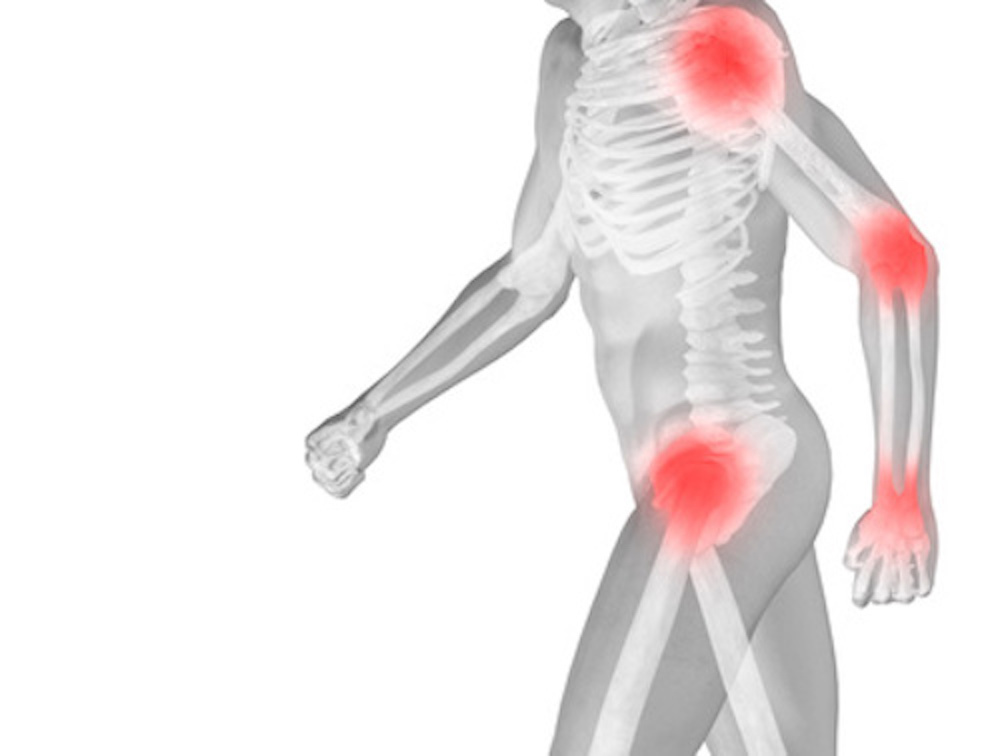
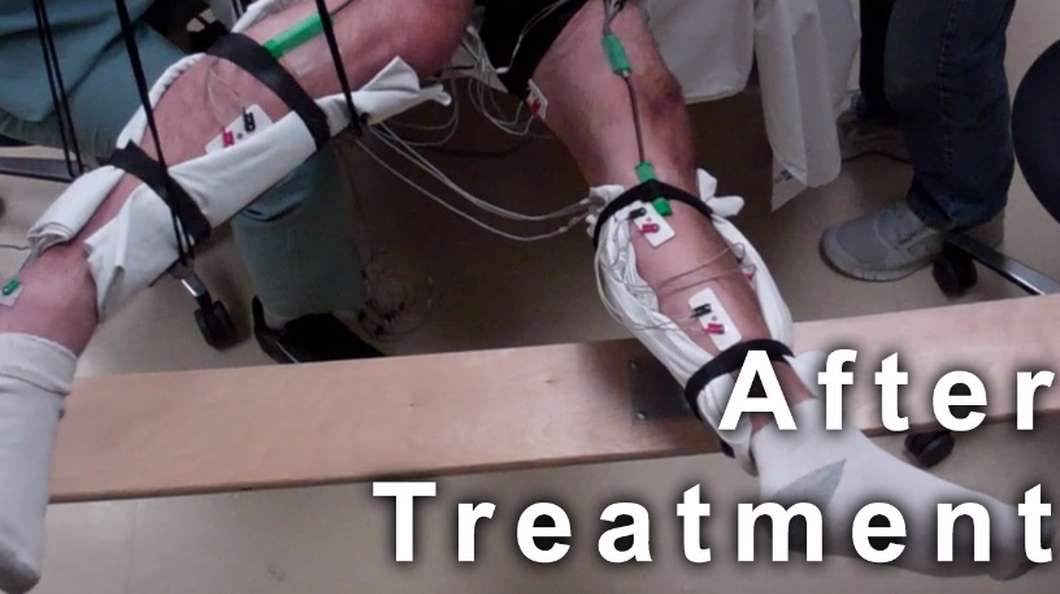
Paralyzed patients move legs with non-surgical stimulation

UCLA and Pavlov Institute‘s transcutaneous stimulation technique helped paralyzed patients regain voluntary movement without surgery.

In a recent study, 5 men, who had been paralyzed for 2-6 years, moved their own legs (with out stimulation) after several weeks of electrical stimulation, physical therapy, and an experimental drug.

Transcutaneous stimulation delivers electrical current to the spinal cord, via electrodes placed on the lower back. This is the first time the stimulation was delivered non-invasively. Previously, an electrical stimulation device had to be surgically implanted on the spinal cord.

Categories
Conference

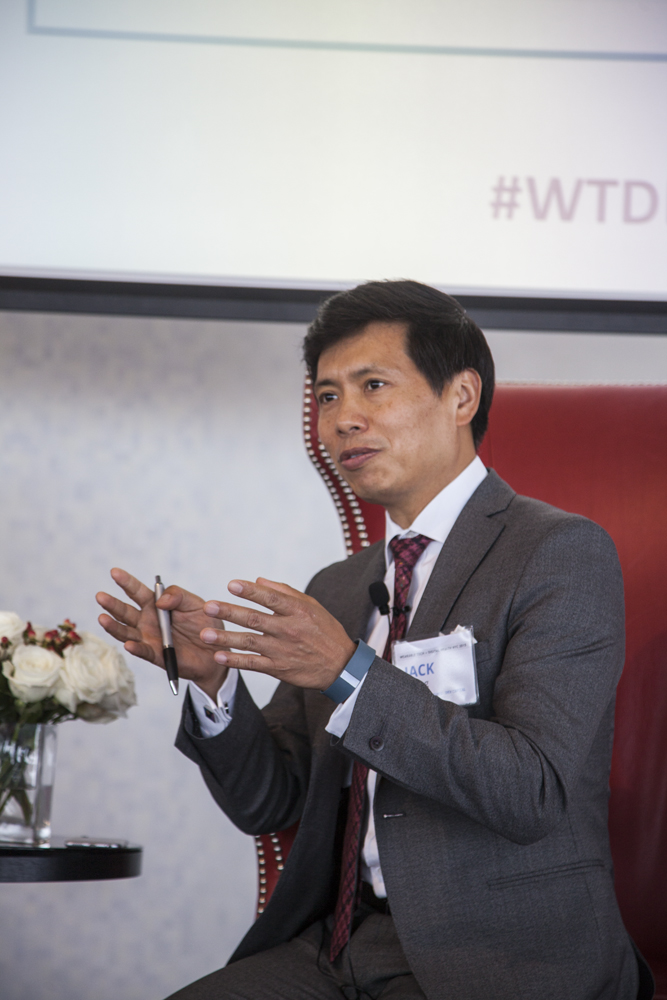
Jack Young interview at Wearable Tech + Digital Health NYC 2015

Startup Health‘s Unity Stoakes did a series of interviews at ApplySci’s recent Wearable Tech + Digital Health NYC 2015 conference.  Here is his discussion with Jack Young, General Partner at dRx Capital and Head of the Qualcomm Life Fund.  Click to hear Jack’s thoughts  about the future of wearables, venture capital strategy in healthcare, and the Fitbit IPO.

Photo by Yuko Torihara at Wearable Tech + Digital Health NYC 2015.

Categories
Sensors Wearables

Sensor pill for 3D colon imaging

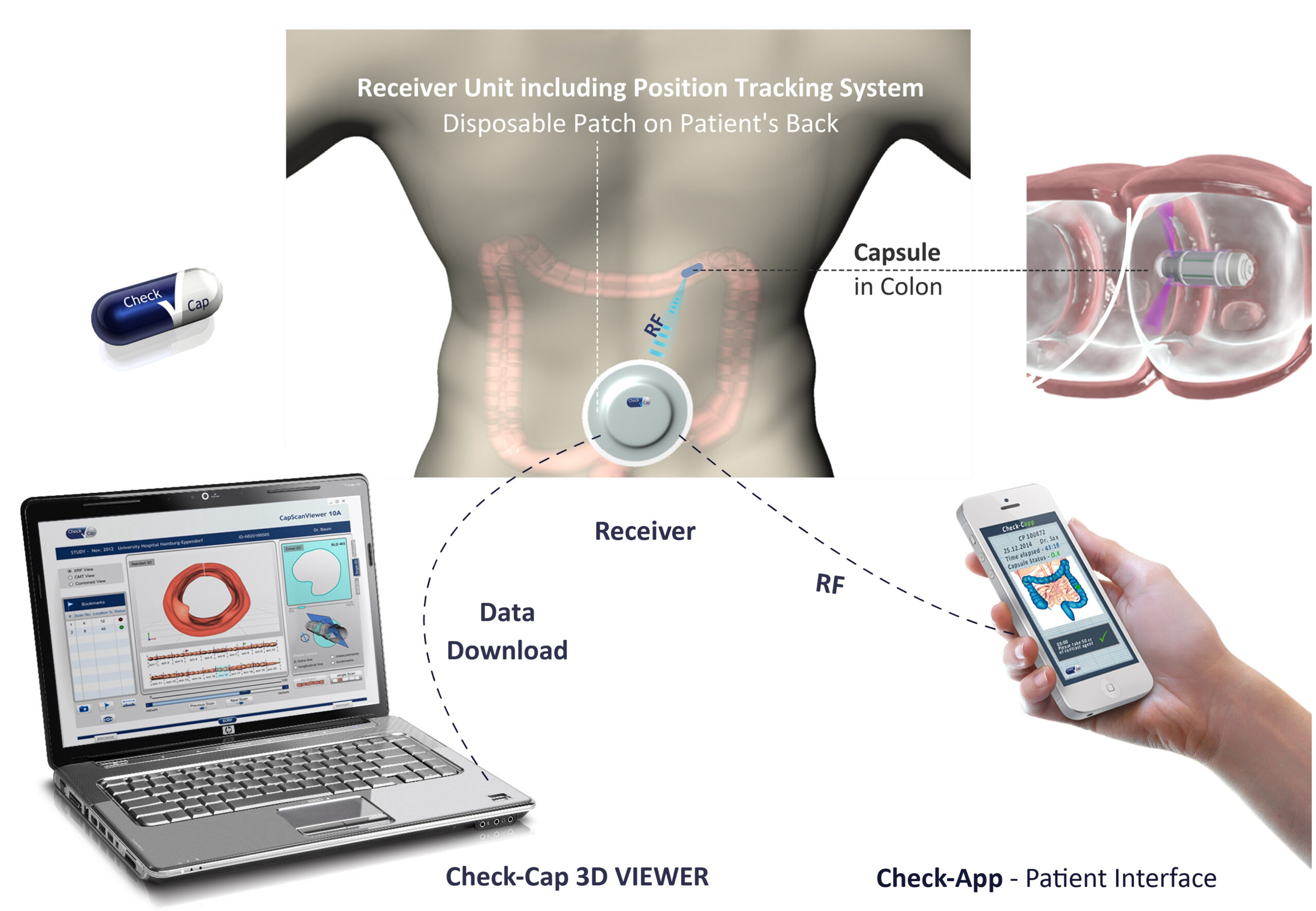
Check Cap, developed by Yoav Kimchy,  is a colon imaging sensor pill.  A patient takes small amounts of a contrast agent with meals.  The pill is swallowed, and after reaching the colon, a signal is emitted in every direction, providing 3D imaging. The data is sent to a wireless patch worn by the patient, and his/her doctor receives a rendering of the colon in 10 minutes.

The technology is based on a gallium nitride microchip that can withstand the high voltage needed by the sensors.  As it is miniaturized, its developers believe that it be used to scan narrower body parts, such as  blood vessels.

Check Cap said that a patient’s radiation exposure is equivalent to a chest-X-ray, or 1/300 of a CTC analysis.

Categories
Asthma Sensors

Street View cars map health-impacting pollutants

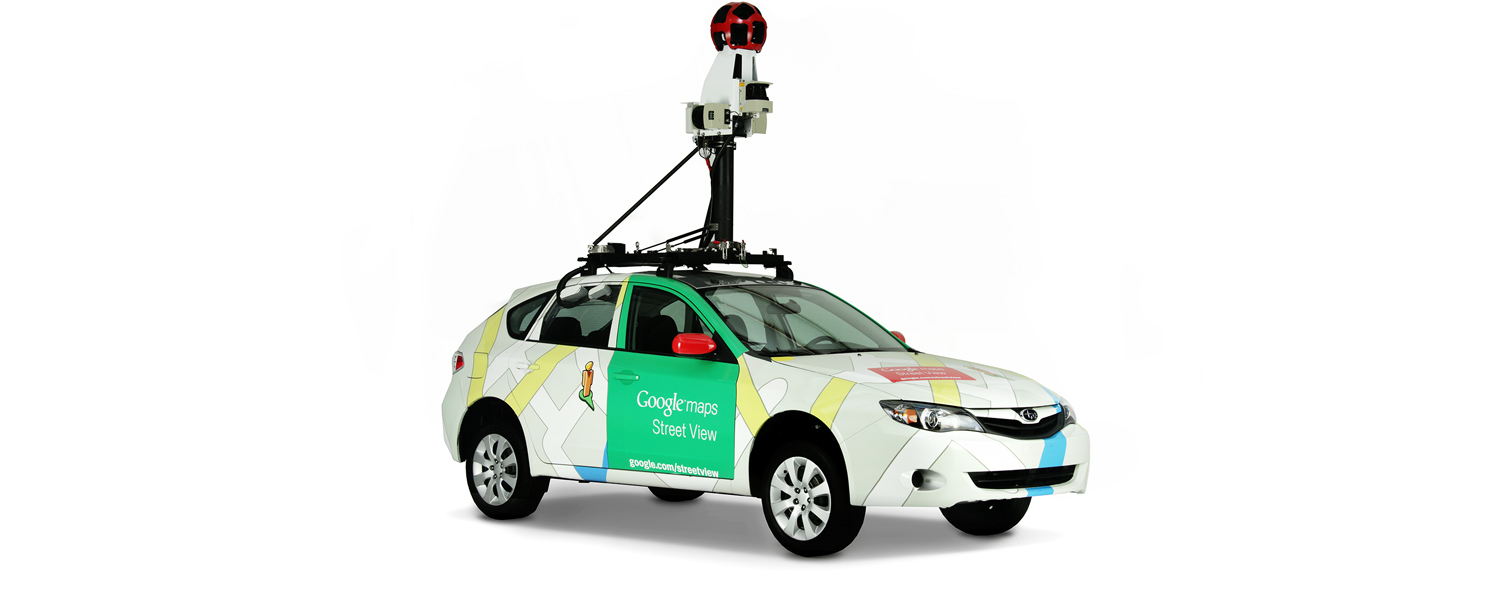
Google has partnered with Aclima to map urban air quality through Street View cars.

Mobile sensors on the  cars will  measure nitrogen dioxide, nitric oxide, ozone, carbon monoxide, carbon dioxide, and other  pollutants that can affect health.

A  experiment was conductedin Denver.  The cars drove for 750 hours, over 30 days, and gathered 150 million data points. The testing was done during the DISCOVER-AQ study conducted by NASA and the EPA.

The project will be expanded, beginning in San Francisco this fall.

Categories
Computer Vision

Deep neural networks for face recognition in darkness

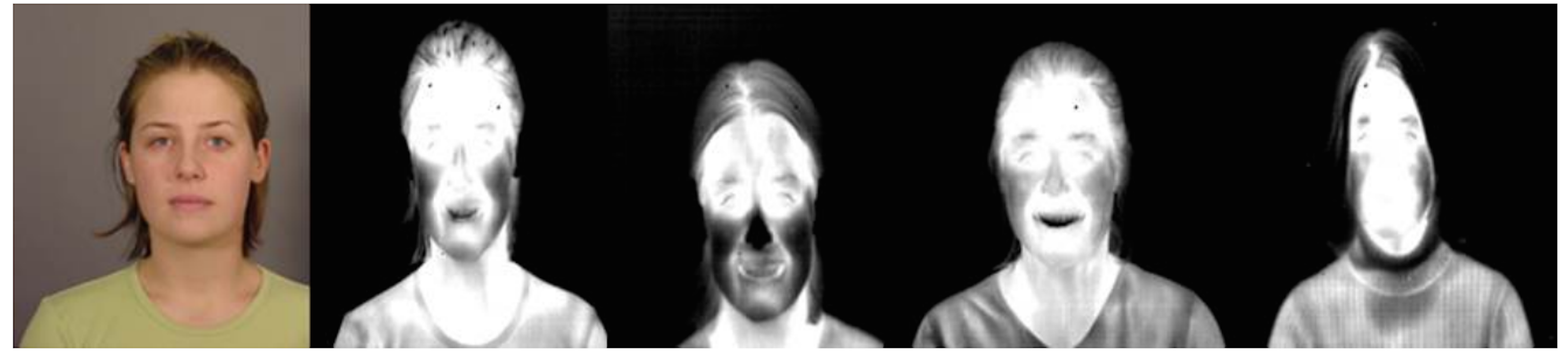
Karlsruhe Institute of Technology researchers have used the heat from one’s face to enable facial recognition in darkness. Thermal imaging creates an infrared picture, which can then be matched to a photograph taken in the light.

In a recent study, a “deep neural network” accurately identified faces in the dark 80 percent of the time when shown a large number of photos.  However,  the technology is at an early stage, and was only successful 55 percent of the time when presented with a single  image.

Categories
Sleep

Device scores daily sleep quality

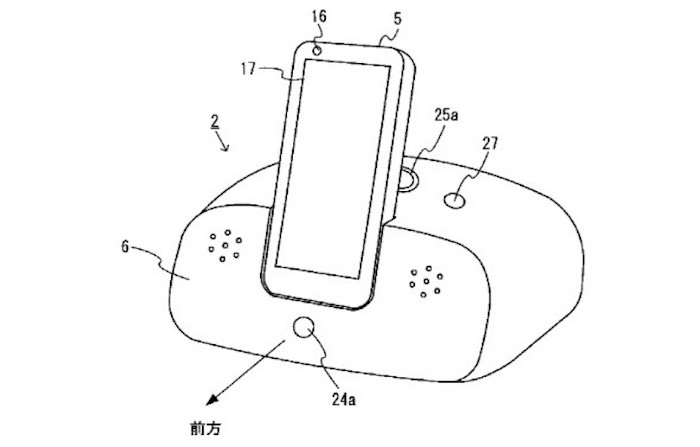
Nintendo has filed a patent for a  device that scores one’s sleep quality each day.   A user’s weight, pulse and movement information, as well as room temperature and humidity, are gathered.  A microphone, camera, thermometer and other sensors calculate a sleep score that will be projected onto the ceiling.

The abstract describes sensors that assess emotions, with out much detail. (The application is written in Japanese.) The challenge is to find a way to use this information to actually improve sleep quality.

Categories
Inflammation

“Smart” drug targets site-specific inflammation

Ben-Gurion University‘s Peleg Rider has developed a drug that targets inflammation in a site-specific manner.  This could improve the body’s  ability to fight infection and reduce side effects.

When injected, it is a non-active drug.  A localized site with excessive inflammation will activate it.  Other anti-inflammatory agents inhibit inflammatory processes throughout the body, including sites of necessary normal inflammatory homeostasis.

When a non-specific agent is used, a patient who suffers from local inflammation might  be exposed to infections at distant sites, such as the lungs. This risk is increased in immunosuppressed, older, and chemotherapy patients.

Categories
Babies Sensors

Simple sensor to prevent car-heat related deaths

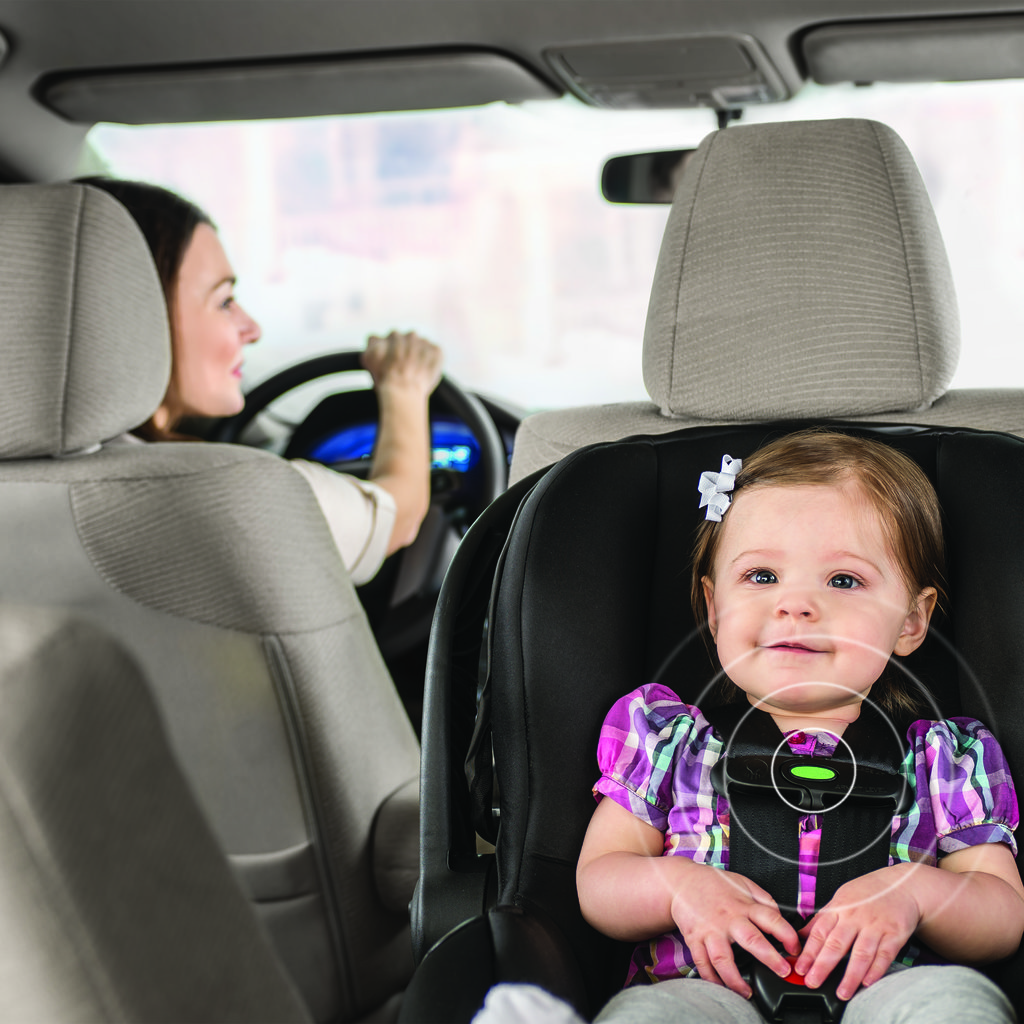
All too often we hear about a baby, or person who is unable to speak for him/herself, being left in a hot car, and dying.  ApplySci applauds Evenflo for creating a car seat with a very simple notification sensor that could prevent this.

The Embrace DLX seat, with SensorSafe technology, generates a series of tones when a car is turned off, to remind us that a baby is still in the car.  The company has not described technology for disabled adults, but this is the obvious next step.

The tones are activated through a chest clip and wireless receiver. The receiver also sends alerts if the chest clip becomes unbuckled during transit.

Categories
Assistive Technologies BCI Brain

Thought controlled telepresence robot

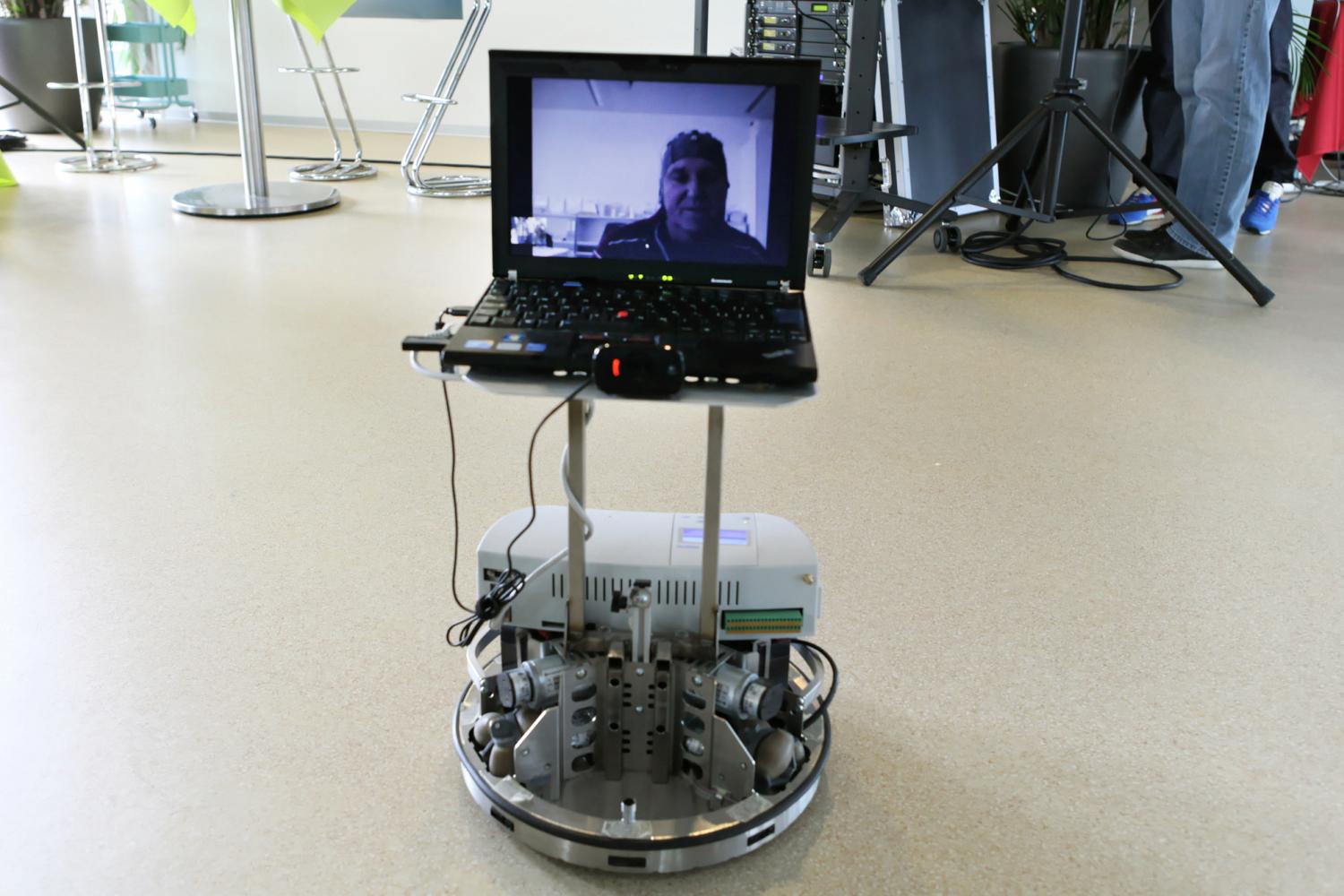
EPFL‘s José del R. Millán is developing a brain-computer interface that allows those with paralysis or limited mobility to control telepresence robots.   The goal is for the robot  to assist the disabled with daily tasks, helping restore a feeling of independence.

9 disabled people, and 10 people without disabilities, from 3 countries, wore hats with electrodes that analyze brain signals. Their thoughts were communicated to the robot in real time from their country. Because of its video camera, screen and wheels, the robot was able to film as it moved, while displaying the face of the remote pilot via Skype. The person at the controls, as if moving in place of the robot, was able to interact with whomever the robot encountered.  The robot is able to avoid obstacles by itself, even when told not to.

Quadriplegic users were able to perform complex tasks, remotely, using only their thoughts. The study revealed no difference in piloting ability between mobile and disabled subjects.

Categories
Heart IoT Respiratory Wearables

Phone sensors measure oxygen saturation with out pulse oximeter

MoveSense allows oxygen saturation to be monitored  by phone sensors with what its developers describe as medical accuracy.  A mobile phone must be carried in one’s pocket, and no pulse oximeter is required.  The technology was developed by Bruce Schatz at the University of Illinois.

In a study, patients wore pulse oximeters (for comparison) and carried phones with MoveSense, which continuously recorded saturation and motion. Continuous saturation defined categories corresponding to status levels, including transitions. Continuous motion was used to calculate eight gait parameters from the data. Their existing gait model was then trained with these data points and used to predict transitions in oxygen saturation.

The researchers  discovered that analysis of the saturation, combined with the gait data, could predict saturation with 100 percent accuracy. The model accounts for patients walking faster and slower, which impacts their hearts and lungs.

Categories
AI

Deep learning meets genomics

University of Toronto professor Brendan Frey has used deep learning  principles to create algorithms that look at the pattern of mutations in an individual’s DNA.  The system then makes inferences about how the patterns affect the operation of different types of cells in the body.

His company, Deep Genomics, will use the predictive algorithms to “prioritize, classify and interpret genetic variants, based on how they change cellular processes.  To link unknown variants to known variants, for any variant and any disease.”  The technologies could be applied to precision medicine, genetic testing, diagnostics and therapeutics.