Categories
Sensors Smart Fabric

Accurate, self powered health monitoring technologies

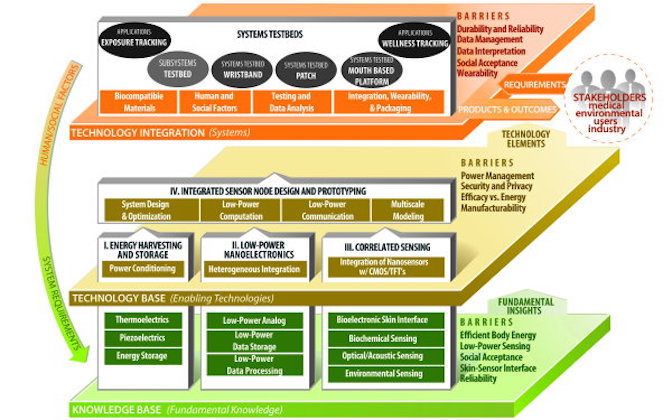
The NSF‘s  ASSIST center, based at NC State, is using nanotechnology to build clinically accurate, self-powered health monitoring technologies.

The team, led by Veena Misra,  is developing tiny devices harvesting energy from body heat (which creates thermal energy) and body motion (which creates mechanical energy).  They can be used on various areas of the body.

Examples include:

  • a piezoelectric-coated film, on nickel foil, encapsulated in kapton tape, that harvests energy from elbow movement
  • a flexible wristband made of polymers integrated with a TEG, low-power chips, and a low-power radio.
  • a wireless wrist platform that measures arterial blood pressure and blood oxygen saturation, and can track airborne pollutants.
  • small, wearable sensors that monitor a person’s immediate environment and vital signs to understand asthma triggers.

The optimal sensor position is a  person’s pulse points, where blood vessels are close to the skin’s surface. Textiles are ideal for measurements, because they conform to the body and provide the thermal insulation to maintain a temperature difference.  The researchers are trying to interconnect  electronics from multiple garment locations so that they can communicate with each other.

ApplySci believes that a continuous power source is key to the effectiveness of wearable health sensors.  ASSIST, IMEC/Holst, the University of Virginia, and others, seem to be providing the basis for this.
Video – The Health Care Monitoring System of the Future.

Categories
Heart

Cheap, non-invasive, mobile cardiovascular disease screening

An IMEC led consortium is developing CARDIS, a mobile, low-cost, non-invasive, cardiovascular disease screening device, with the goal of mass screening.  Current detection methods, including chest X-ray, ECG, Holter monitoring and cardiac MRI, often detect CVD at a later stage due to cost or complexity of use.

CARDIS is based on Doppler vibrometry  (LDV) – a non-contact technique that directs a laser at a moving surface, and uses the Doppler shift of reflected light to infer vibration amplitude and frequency.

In this screening method, LDV detects vibrations of  locations on the skin close to arteries or on the chest.  Several CVD screening parameters, including arterial stiffness, are obtained.  (A stiffer artery leads to a higher pulse wave velocity, typically measured by the time it takes a pulse wave to travel between two locations on an artery. ) LDV can operate without physical contact and with higher accuracy, and can also sense stenosis induced vibrations and cardiac contraction abnormalities.

Categories
Brain Parkinson's

Digital pen/machine learning based neurodegenerative disease diagnosis

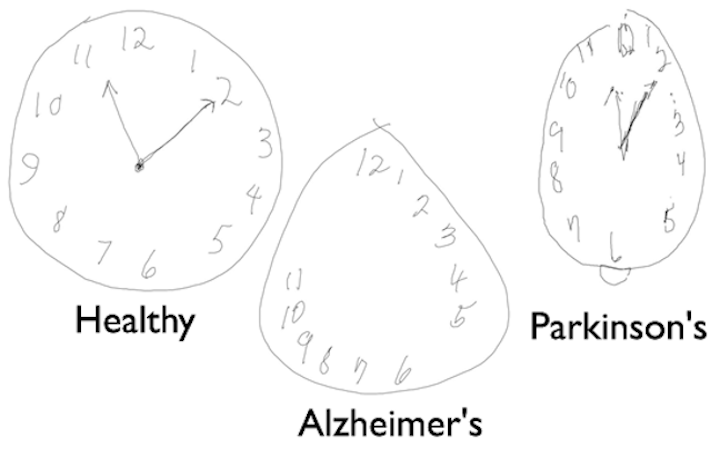
MIT researchers have developed a digital assessment tool based on the Anoto Live Pen that they believe will improve the accuracy of Alzheimer’s and Parkinson’s Disease diagnosis.  A paper demonstrates a machine learning based predictive model that might detect neurodegenerative diseases earlier than current methods.

According to lead author William Souillard-Mandar,  the technology “allows us to extract thousands of features from the drawing process that give hints about the subject’s cognitive state, and our algorithms help determine which ones can make the most accurate prediction.”

Categories
Brain Epilepsy

Epileptic patients process music differently

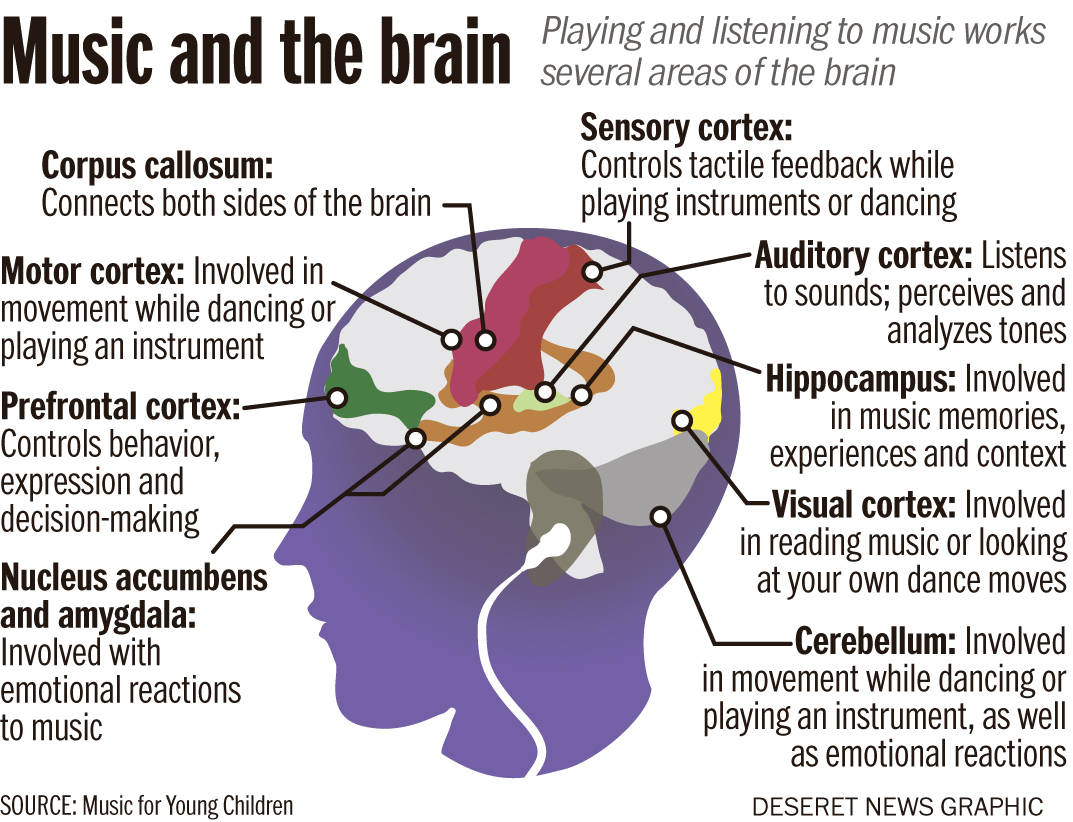
Ohio State researchers have found that epileptic patients’ brains process music differently, and hypothesize that music therapy could be used to reduce temporal lobe seizure frequency.

The brainwaves of 21  epileptic and healthy patients were examined as they listened to music, interspersed with moments of silence. The order of the pieces was randomized, and 10 minutes of silence preceded and followed each composition.

Subject brainwave activity increased as they listened to music. Epileptic patient brainwaves were even more synchronized with the music.

Christine Charyton presented the research at a recent APA conference, and summarized: “We found significantly higher levels of synchronization and spectral EEG activation when listening to music in the frontal cortex and temporal cortex, especially in persons with epilepsy. We speculate that music may be useful to enhance electrical activity specific to the frontal and temporal cortices,”


Categories
Orthopedics

Digital PT tool assesses range of motion

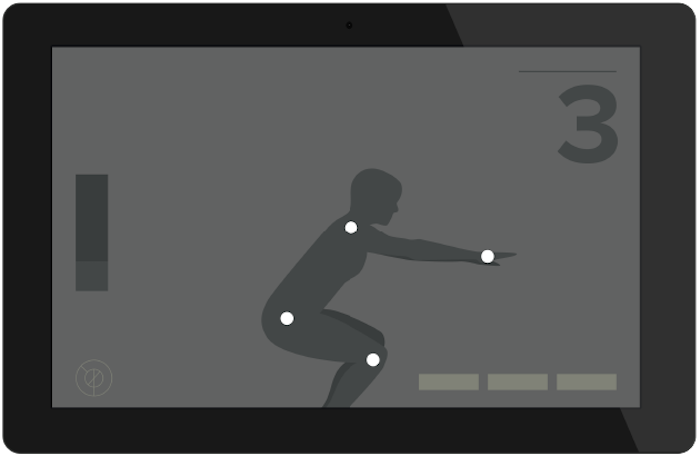
Physmodo is disrupting physical therapy, using Microsoft Kinect to assess range of motion.

The ADEPT Clinic app senses changes in movement in multiple joints simultaneouly.  A manual goniometer can only measure individual joints, and its accuracy depend on the measurer.

The developers believe that Physmodo better equips therapists to track recovery, and motivates patients by allowing them to visually gauge their own progress.

Categories
Diabetes

Cheap, disposable, tiny, adhesive glucose monitor

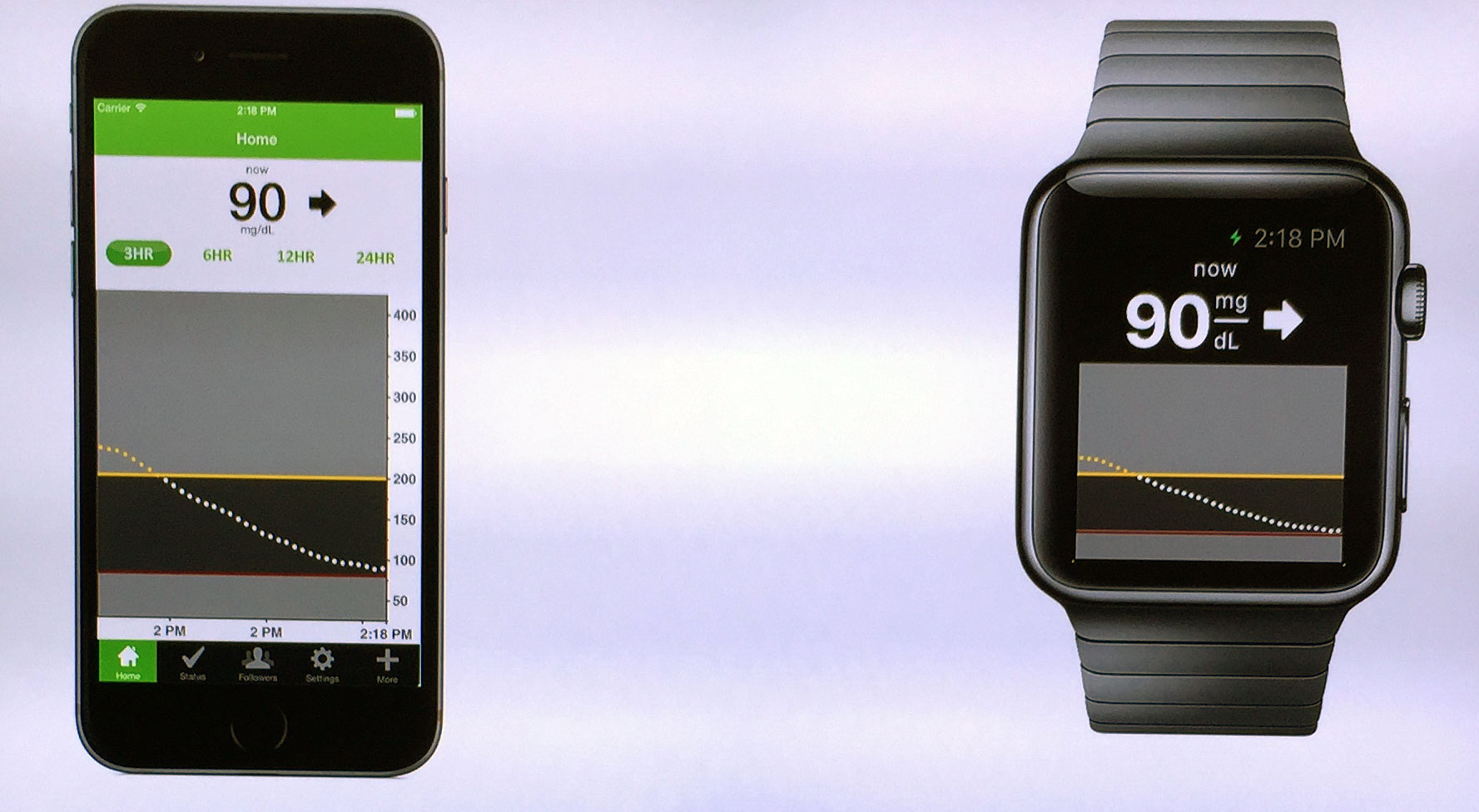
Google Life Sciences ha partnered with DexCom to develop cheap, miniaturized, disposable, bandaid-like continuous glucose sensors.

The devices will incorporate Google’s miniaturized electronics platform with DexCom’s sensors.   The goal is to shrink DexCom’s current monitor, giving patients a less obtrusive way to monitor their condition in real time.

Alphabet has announced that Google Life Sciences, Google X and Google Ventures will all increase their healthcare related initiatives.

Categories
BCI Brain Prosthetics

Biocompatible neural prosthetics

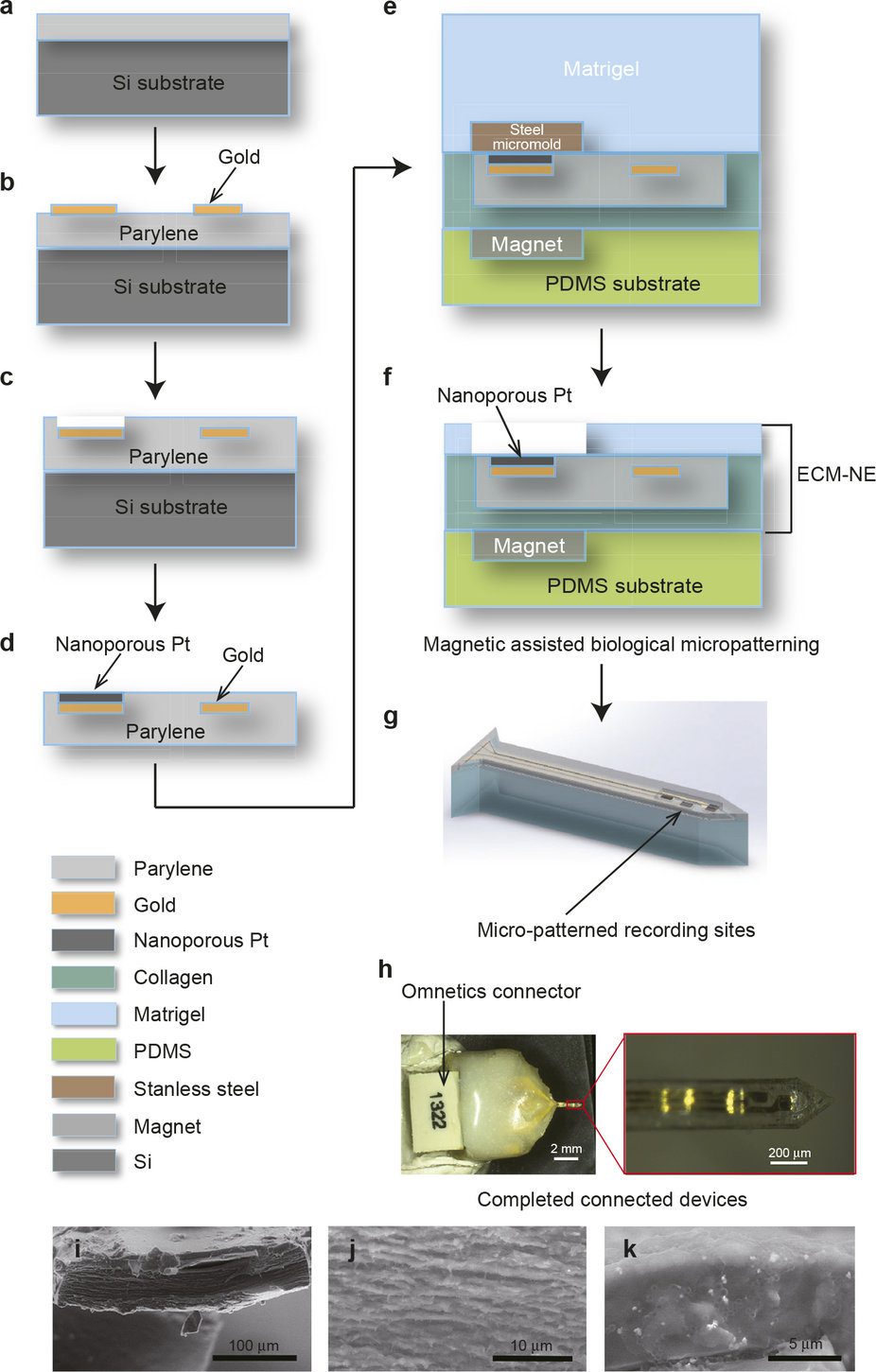
Spinal injury patients, and those with lost limbs, sometimes have neural prosthetic devices implanted in an attempt to regain independence.  They are used for deep brain stimulation and brain controlled external prosthetics.  However, neural prosthetics are often rejected by the immune system, and can  fail because of a mismatch between soft brain tissue and rigid devices.

University of Pennsylvania‘s Mark Allen and colleagues have created an implantable neural prosthetic device that is biocompatible and replaces silicon and noble metal. The goal is to avoid immune-system rejection, failures due to tissue strain, neurodegeneration, and decreased fidelity of recorded neural signals.

Categories
Brain Seniors

Study: Emotions linked to learning and memory

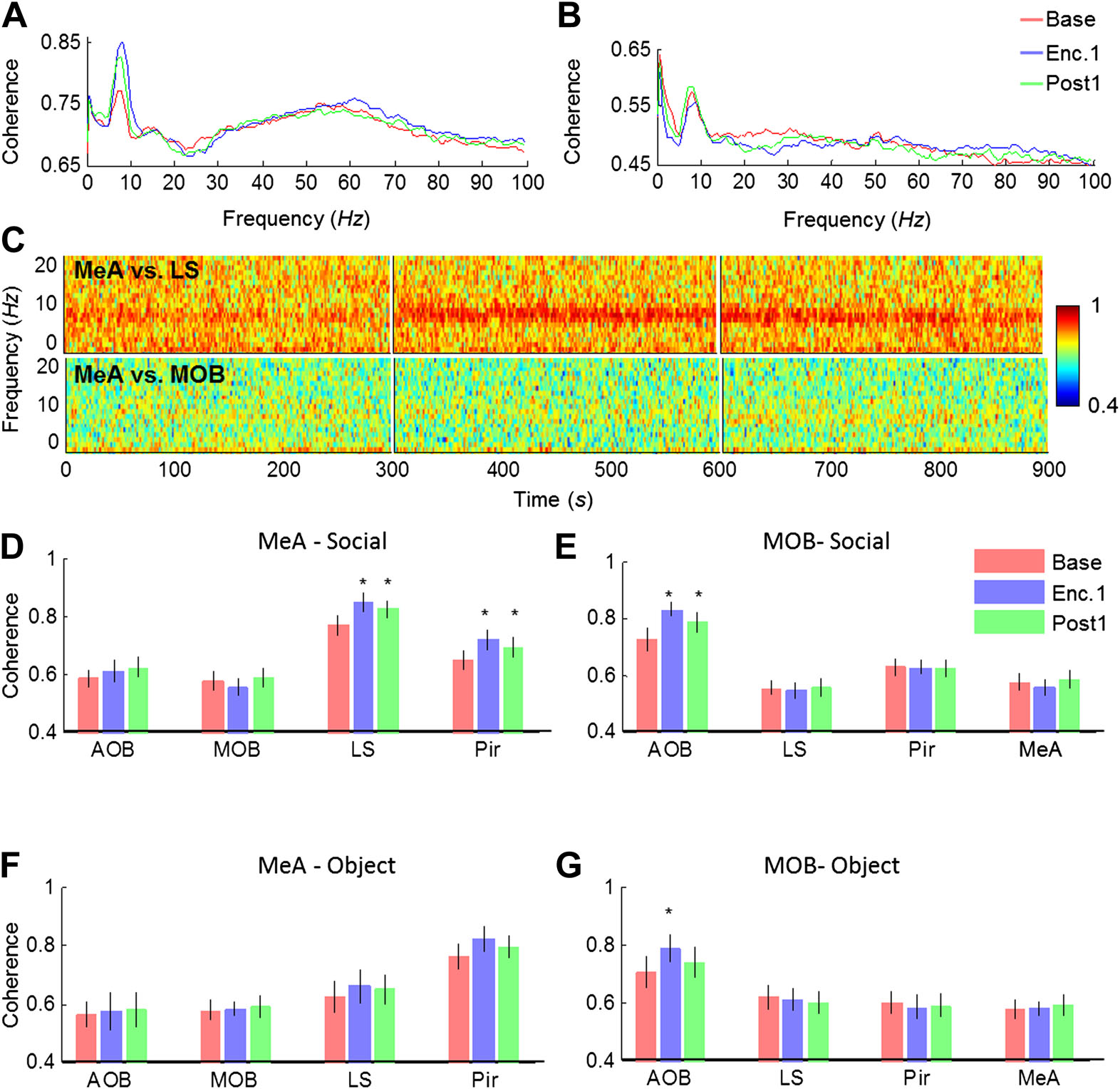
Shlomo Wagner at the University of Haifa has published a paper linking emotions to the processes of learning and memory.   For the first time, electrical activity that takes place in the brain during the formation of social memory was identified.

Wagner believes that “different emotions cause the brain to work differently and on distinct frequencies.”  He found a connection between the feeling of excitement, rhythmical activity in specific brain areas, and the cognitive process of memory formation.

While only studied in animals, if human trial results are consistent, this could impact the treatment of age-related memory and ADHD learning issues.

Categories
Heart IoT Sensors

Mirror sensors, imaging systems, assess cardio-metabolic risk

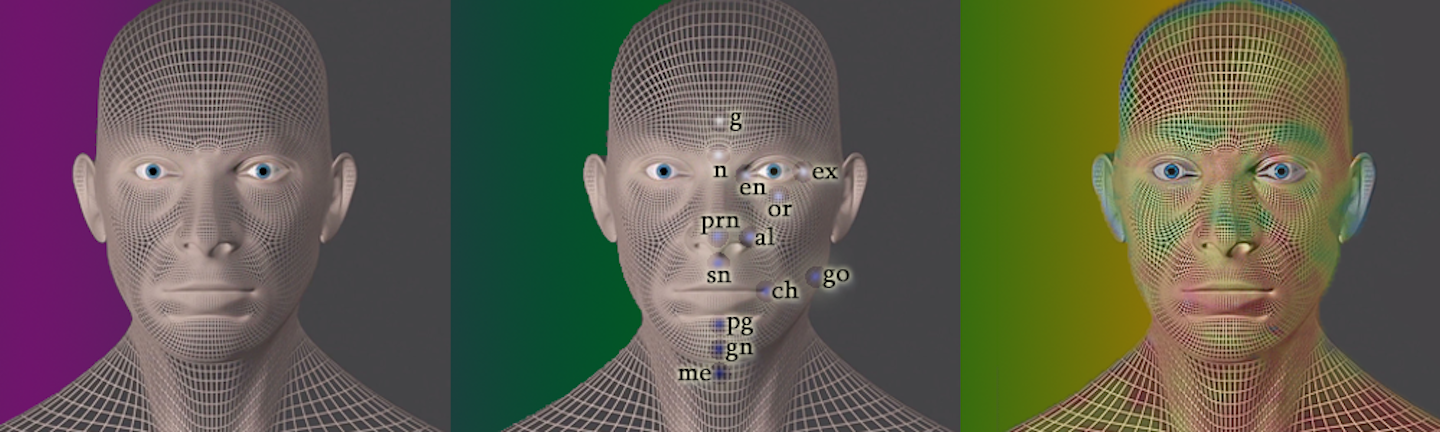
Wize is a mirror that its developers claim can monitor health with breath monitors, 3D scanners, video cameras, and imaging systems. It assesses cardio-metabolic risk through changes in face shape and circulation, signs of anxiety, and  breath tests for heart attack-inducing chemicals.  After a user looks into the mirror for one minute, a health score is produced, and tips for improving health are sent.

Categories
Assistive Technologies BCI Brain

Continuously correcting BCI technique improves precision

Stanford‘s Krishna Shenoy has developed a more precise brain-controlled cursor for a virtual keyboard using a technique that continuously corrects brain readings.

An algorithm analyzes the measured electrical signals that a prosthetic device obtained from sampled neurons. It adjusts  the signals so that the sample’s dynamics were more like baseline brain dynamics.

The thought-controlled keypad would allow a person with paralysis or ALS to run an electronic wheelchair and use a computer or tablet. Today an eye-tracking system is used to direct cursors, or a “head mouse, ” which tracks the movement of the head.  Both are fatiguing, and  neither provides the natural and intuitive control of readings taken directly from the brain.

Stanford University video detailing single trial dynamics of motor cortex and their applications to brain-machine-interfaces:

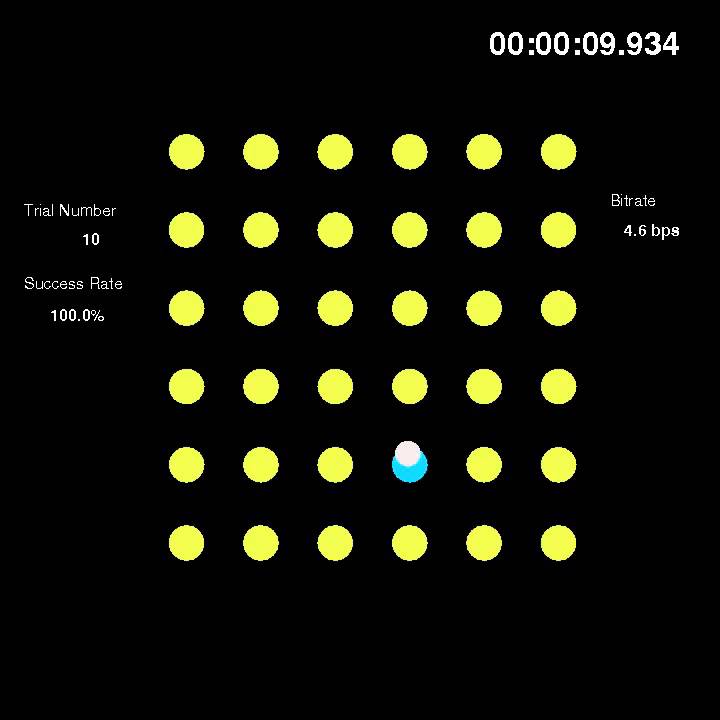
This video includes two clips. In the first, flashing targets on a virtual keypad are hit by monkeys (not shown) using their hands. The second clip also shows targets being hit. But this time, the motion is directed by an experimental device that taps into the monkey’s brain. This device discerns their intention to hit the target and translates this thought into an electronic command that controls a virtual cursor. In the first clip the monkeys hit 10 targets in 9.9 second with their hands. It takes 11.4 seconds to hit 10 targets using the thought-control device.

Categories
Cancer Sensors

Biochemical sensor helps refine cancer treatment

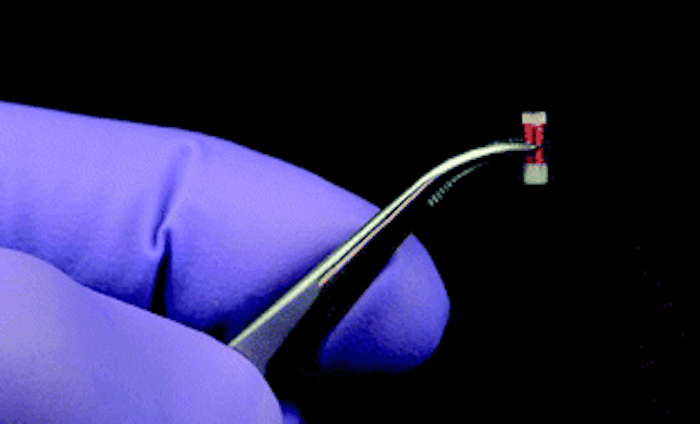
MIT professor Michael Cima is developing a tiny biochemical sensor that can be implanted in cancerous tissue during a biopsy.  It wirelessly sends  biomarker data to an external device,  allowing doctors to monitor progress, and adjust dosages or switch therapies accordingly.

The sensor fits into the tip of a biopsy needle. It contains 10 microliters of chemical contrast agents typically used for MRI, and an on-board circuit to communicate with the external reader. Real-time, on-demand data concerning two biomarkers linked to a tumor’s response to treatment, pH and dissolved oxygen, is provided.

The goal is to make treatments more targeted and precise, to improve their efficacy and reduce side effects.

Categories
Apps Ears

Video messaging app for the hearing impaired

Glide combines the concepts of WhatsApp with Skype, enabling users to send short videos of themselves. It has become a popular communication tool for the hearing impaired, who use it for sign language messaging.

The app has 20 million registered users.  The company hopes to soon offer instant subtitles for sign language, and the ability to convert text into visual graphics.