Categories
Diabetes Sensors Wearables

External power supply for Google contact lens

Power efficiency in wearables is key to continuous, accurate monitoring, for both medical and fitness applications.

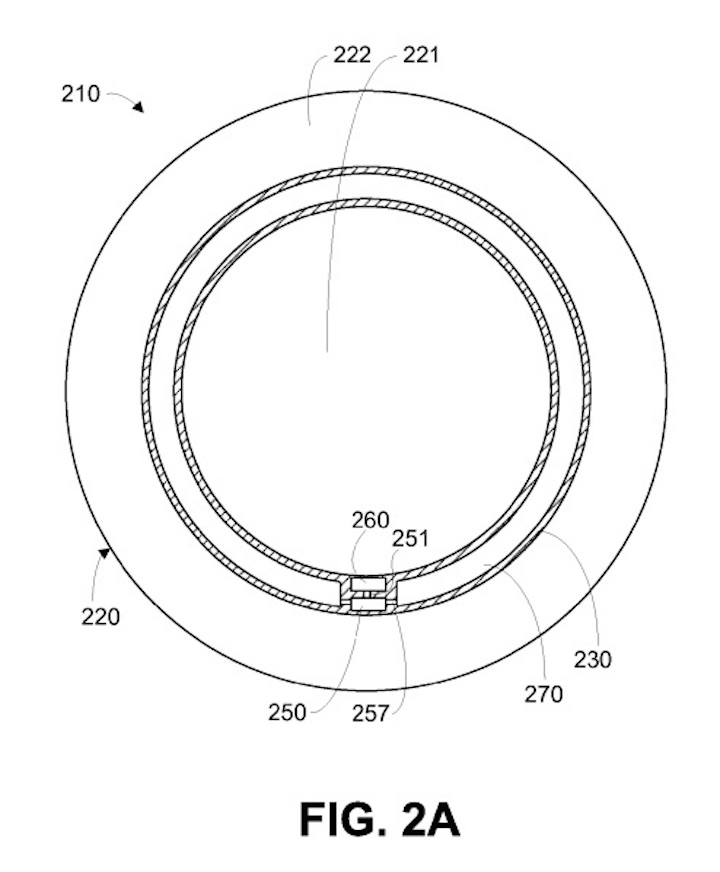
Google has filed a patent application suggesting  that an external device will power the sensor of its contact lens, and it could be handheld or embedded into a companion wearable.

The application states that “an external reader device or ‘reader’ can radiate radio frequency radiation to power the sensor. The reader may thereby control the operation of the sensing platform by controlling the supply of power to the sensing platform. In some examples, the reader can operate to intermittently interrogate the sensing platform to provide a reading by radiating sufficient radiation to power the sensing platform to obtain a measurement and communicate the result. The reader can also store the sensor results communicated by the sensing platform. In this way, the reader can acquire a series of analyte concentration measurements over time without continuously powering the sensing platform. The reader could also be built into eyeglasses, jewelry headband, head cover , earpiece, [or] other clothing so that it could continually power the lens.”

Le Temps reports that Novartis and Google plan to start testing their smart contact lens for people with presbyopia in 2016.
Categories
Brain Longevity Seniors

Biological age blood test could identify dementia risk

King’s College London professor James Timmons has developed a gene signature blood test that he believes could be used to predict Alzheimer’s disease.  His goal is early detection and preventative treatment. The test is the first to  measure biological age.

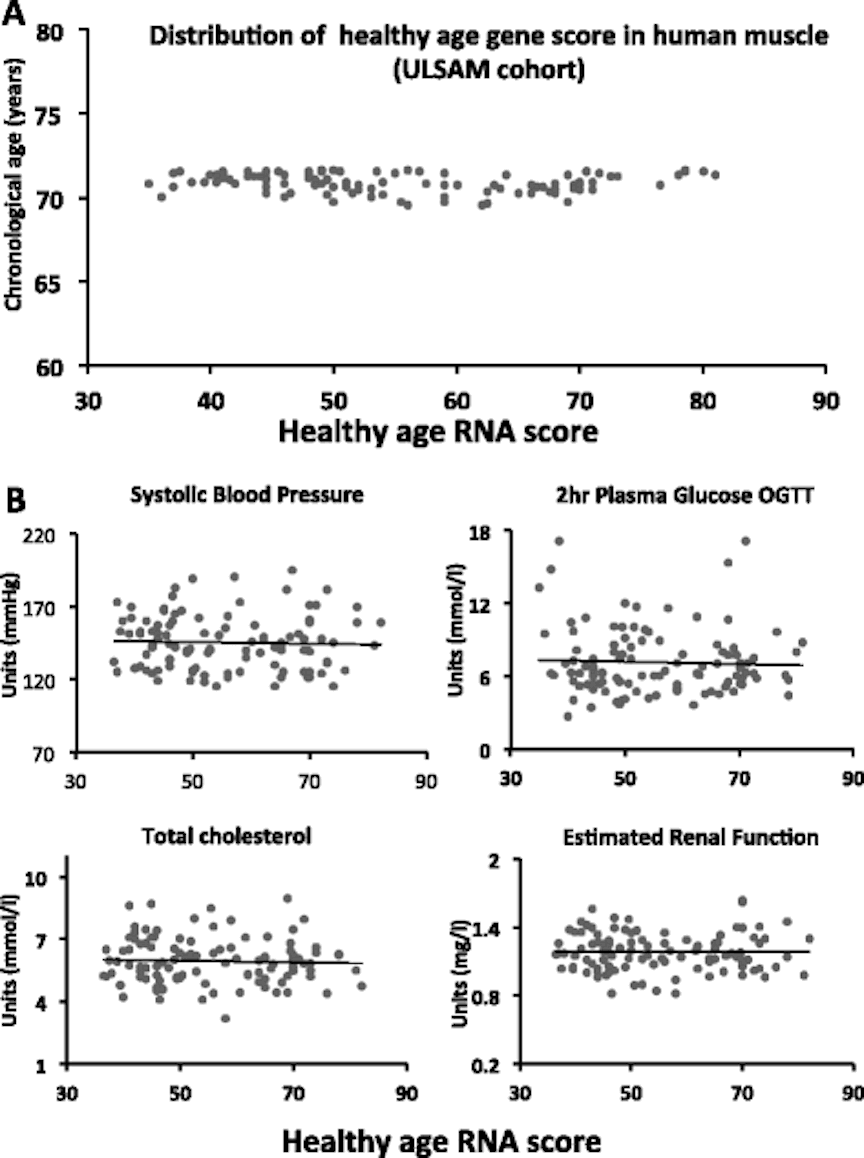
Researchers analyzed  thousands of blood, brain and muscle samples to find 150 markers of gene activity associated with good health at age 65.  This produced a rating system that could be incorporated into a blood test.

700 healthy 70 year olds had widely varied healthy aging scores. Higher scores were associated with better mental ability, kidney function and longevity over 12 years. Low scores were linked to Alzheimer’s.

According to Timmons, “This is the first blood test of its kind that has shown that the same set of molecules are regulated in both the blood and the brain regions associated with dementia, and it can help contribute to a dementia diagnosis. This also provides strong evidence that dementia in humans could be called a type of ‘accelerated ageing’ or ‘failure to activate the healthy aging program’.”

Categories
Brain Parkinson's Ultrasound

Ultrasound targets deep brain region, helps Parkinson’s symptoms

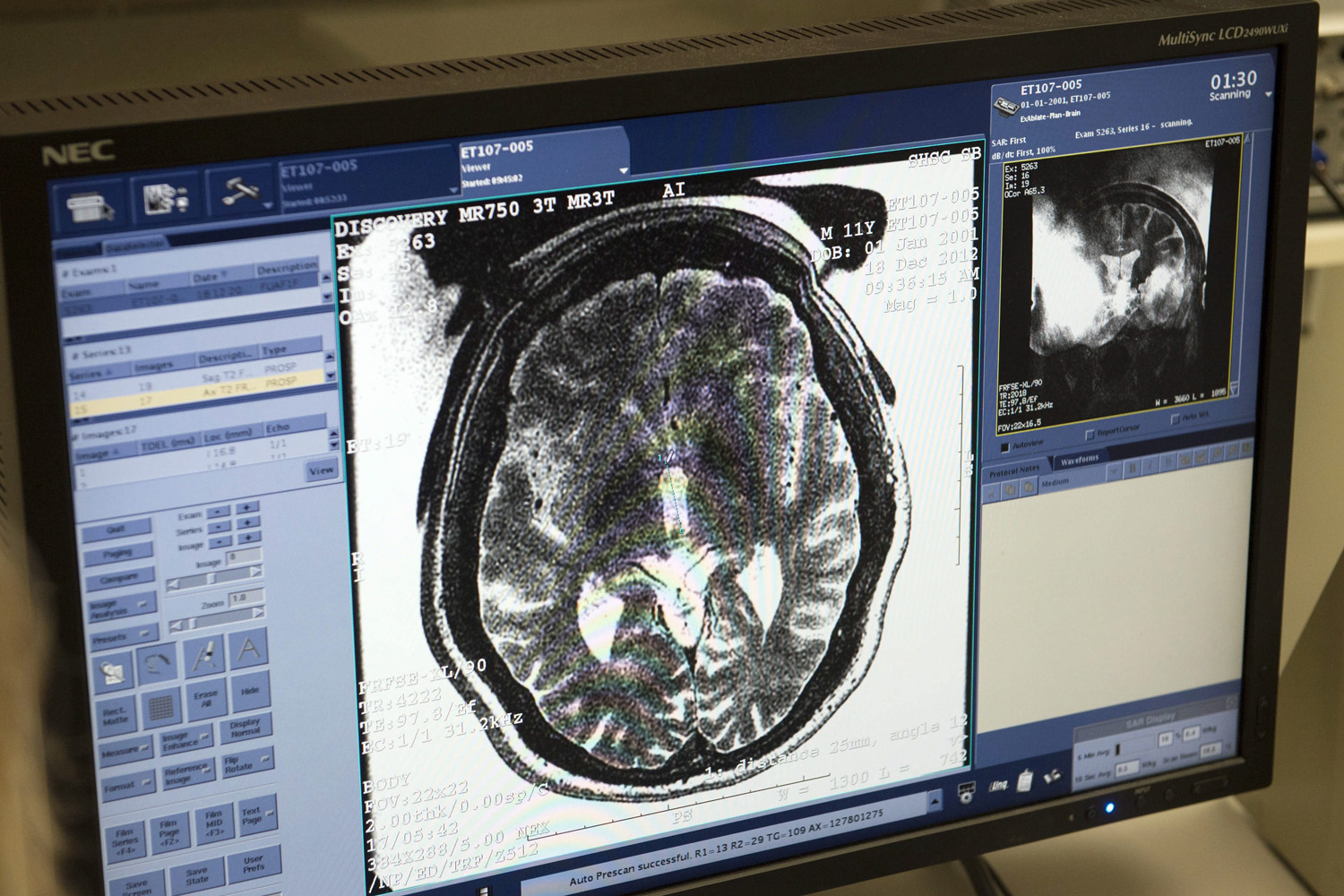
University of Maryland researchers are using MRI-guided focused ultrasound on the globus pallidus to treat Parkinson’s symptoms. The ExAblate Neuro system was developed by Israel’s Insightec.  The treatment is non-invasive, as it does not require a cut, but its ultrasound impacts a deep region of the brain, which is not with out risk.

Currently, drugs and (implanted) deep brain stimulation techniques treat  tremor, rigidity and dyskinesia in Parkinson’s patients.

According to Professor Howard Eisenberg, this  treatment could “help limit the life-altering side effects like dyskinesia to make the disease more manageable and less debilitating.”

During the  2-4 hour outpatient procedure, patients lie in an MRI scanner with a head-immobilizing frame fitted with a transducer helmet. Ultrasonic energy is targeted through the skull to the globus pallidus, and images acquired during the procedure give physicians a real-time map of the area being treated.  Patients are fully awake and able to interact with the treatment team, allowing the physicians to monitor immediate effects and make necessary adjustments.

Categories
IoT Monitoring Seniors Sensors Sleep

Sleep sensor directs appliances, allows remote monitoring

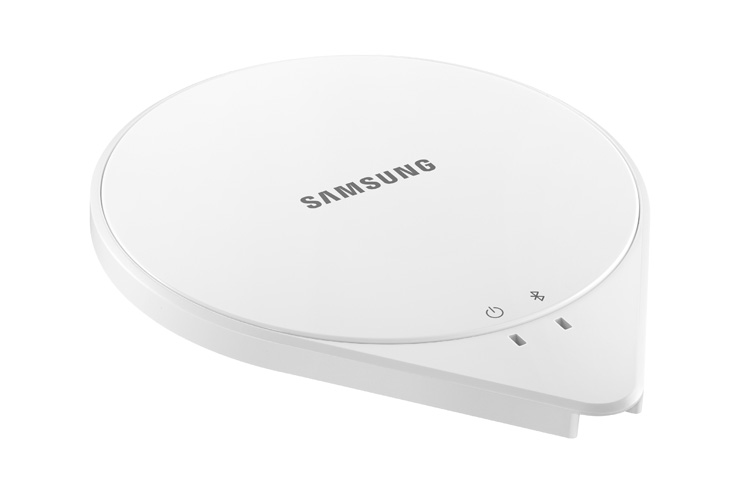
Samsung’s SleepSense measures breathing, heart rate, and movement in real time, without  touching the body. The company claims that this monitoring results in a 97% accurate sleep score, delivered to one’s phone.

SleepSense can communicate with a television, audio system, thermostat, and other household devices, to create a favorable sleep environment.  TVs can be turned off automatically; room temperature can be adjusted; lights can turned on in the morning; and a coffee maker can be directed to start brewing.

The cloud based system allows remote monitoring of an elderly or disabled loved one (with a mattress sensor)  and can receive emergency alerts.

Categories
Monitoring Sensors Wearables

Mouthguard monitors health markers via saliva

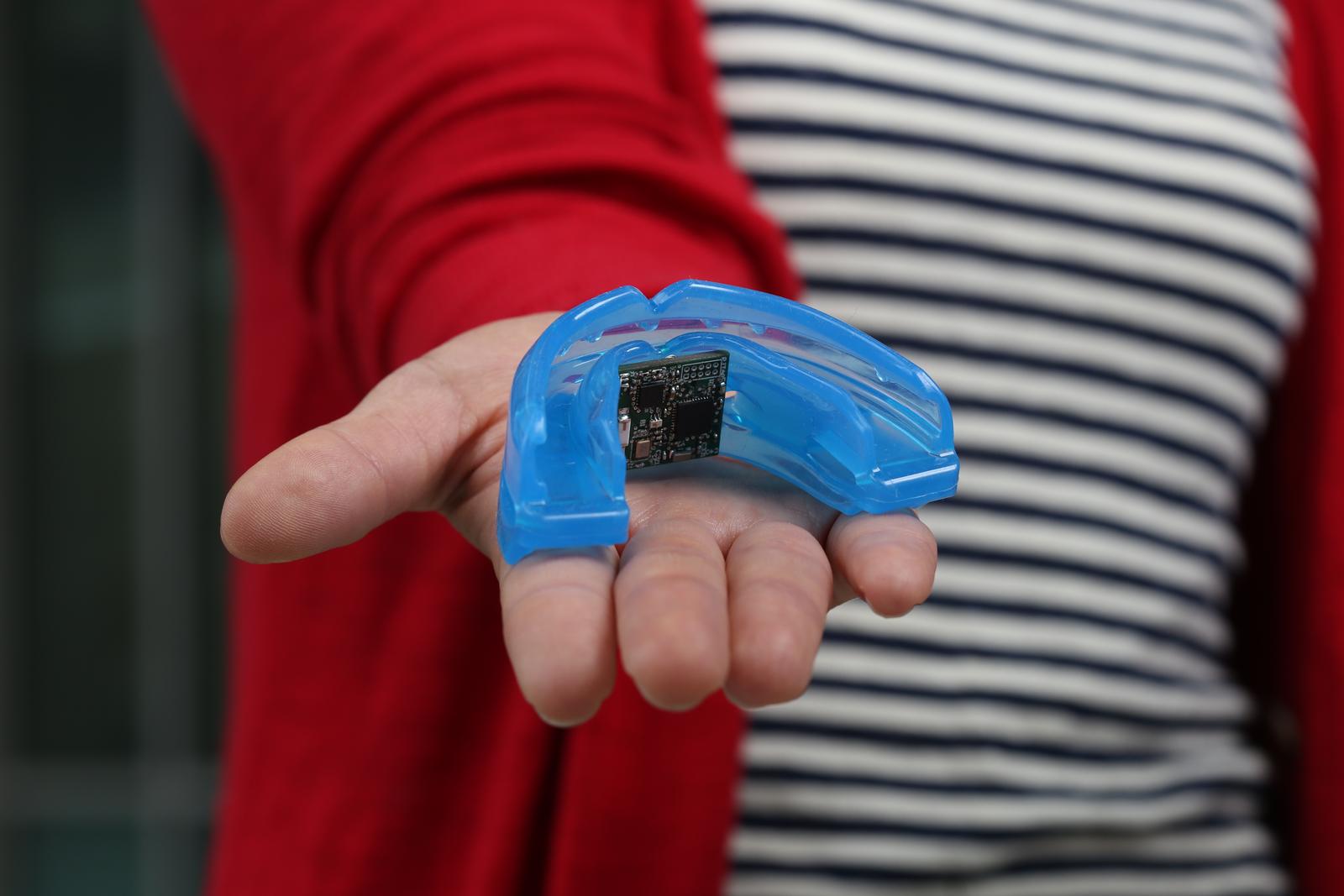
A prototype mouthguard that monitors health markers via saliva is being developed at UCSD.

The large device must be streamlined and miniaturized for mass adoption, but the concept of noninvasive monitoring of lactate, cortisol, and uric acid, is excellent.  Previously, this was only possible through a blood test.  The device can be worn by athletes, patients, or the military.

The sensing platform is screen printed using silver, Prussian blue ink and uricase, an enzyme that reacts with uric acid.  It was nano-engineered to provide the chemical equivalent of a two-step authentication system, ensuring a uric acid-only reaction.  The system includes a potentiostat, microcontroller, and Bluetooth Low Energy transceiver.

Categories
Wearables

Secure, wireless, magnetic field system for full body monitoring

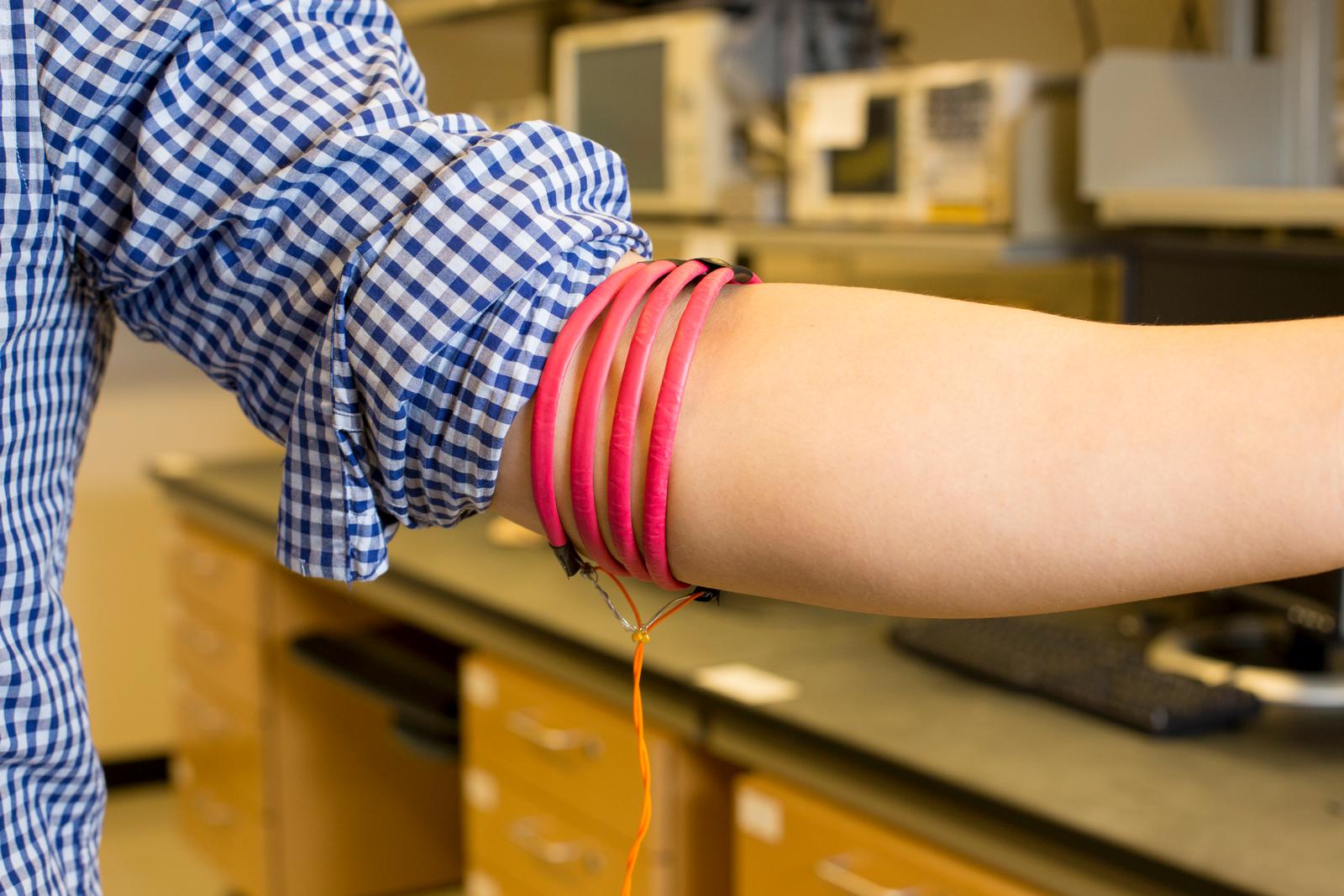
UCSD’s Patrick Mercier is developing an ultra low power, wireless, magnetic field system to transmit information through the human body. His goal is a more secure wireless sensor network for full-body monitoring.

Current bluetooth technology uses high-frequency electromagnetic radiation to transmit data.  The signals do not easily pass through the human body, and require additional power to overcome obstruction.

According to Mercier, “This technique achieves the lowest path losses out of any demonstrated wireless human body communication system. It will allow us to build much lower power wearable devices.”

Categories
Diabetes Monitoring

Real time blood sugar monitoring in the cloud

Google and Sanofi have partnered to develop technology to store and analyze glucose levels in the cloud in real time.  Patients and doctors will be able respond quickly to blood sugar variability,  to help prevent complications such as heart attacks and cancer over time.

Google Life Sciences CEO Andy Conrad believes that “devices that continuously monitor glucose and upload that data to the cloud will enable physicians and patients to move away from the reactive and episodic towards the proactive and preventative.”  ApplySci agrees.

Google describes its life sciences mission as follows:

The life sciences team at Google is focused on helping to move health care from reactive to proactive. Combining expertise from the fields of biology, chemistry, physics, medicine, electrical engineering, computer science, we’re developing new technology tools for physicians that can integrate easily into daily life and help transform the detection, prevention, and management of disease. Current projects in development include a smart contact lens with miniaturized glucose sensora nanodiagnostics platform to help with early detection of disease; and Liftware utensils for people with tremor.

Categories
Brain

Computer speech analysis determines psychosis risk

Columbia University researchers are using automated speech analysis to determine if an “at risk” youth will develop psychosis.   The goal is early intervention.

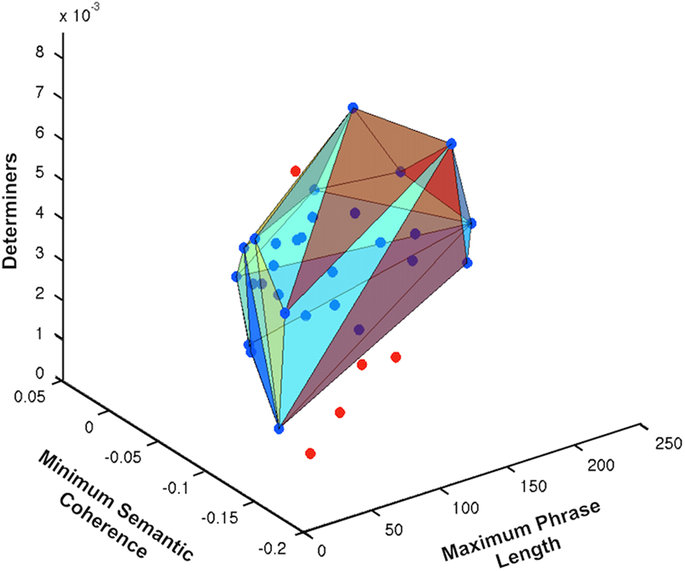
In a very small (34 patient) study, the system differentiated — with complete accuracy — between at-risk young people who developed psychosis over a 2.5 year period, and those who did not. The computer model outperformed  screening technologies such as biomarkers from neuroimaging and EEG recordings.

An algorithm rooted out  “jarring disruptions” in otherwise ordinary speech. Semantic analysis measured coherence and two syntactic markers of speech complexity — sentence length and how many clauses it entailed.

Professor Gillinder Bedi believes that “If speech analyses could identify those people most likely to develop schizophrenia, this could allow for more targeted preventive treatment before the onset of psychosis, potentially delaying onset or reducing the severity of the symptoms which do develop.”

Categories
Heart Monitoring

Simple, rapid “tricorder” vital sign monitoring

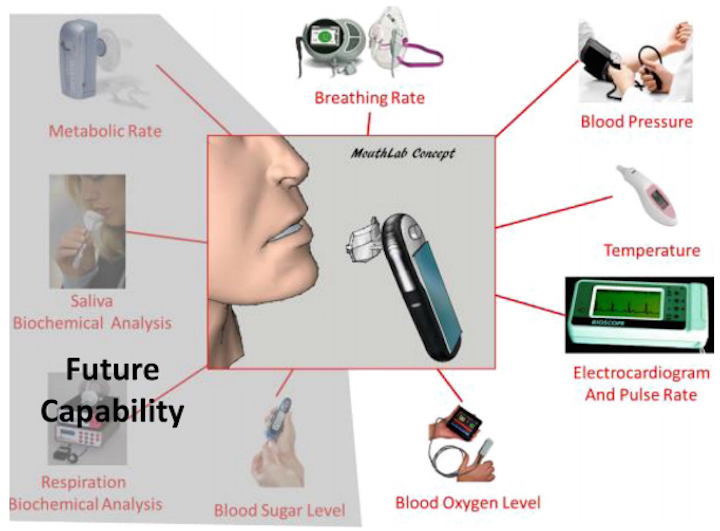
Johns Hopkins researchers  have developed a “tricorder” that quickly picks up vital signs from a patient’s lips and fingertip.

MouthLab could replace bulky monitors and gather more data during  an ambulance, emergency room, doctor’s office or home assessment.

Heart rate, blood pressure, temperature, breathing rate, blood oxygen and a basic ECG are measured.   Early signs of emergencies, such as heart attacks, could be detected.

Monitoring by mouth will allow future versions to detect chemical cues in blood, saliva and breath that act as markers for health conditions.   According to Professor Gene Fridman: “We envision the detection of a wide range of disorders,from blood glucose levels for diabetics, to kidney failure, to oral, lung and breast cancers.”

Categories
Orthopedics Sensors

Sensor detects orthopedic implant infections early

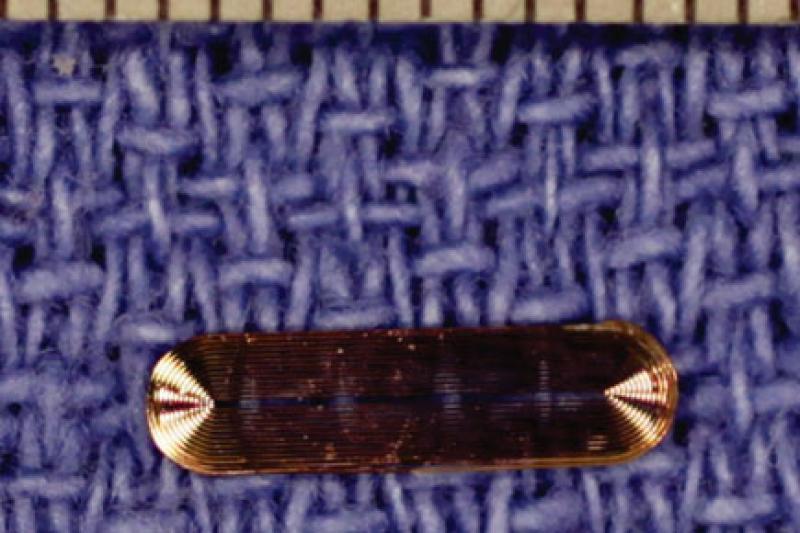
RPI‘s  Eric Ledet is developing tiny sensors to detect infections in implanted orthopedic prostheses early.

Surgical site infections are a common complication and can result in additional surgery, implant removal, delayed wound healing, increased  antibiotics, and death.

The simple, cheap sensor will be incorporated into the implant during surgery, enabling continuous, non-invasive infection monitoring.

Categories
Nanotubes

Implanted nanotube sensor diagnostics

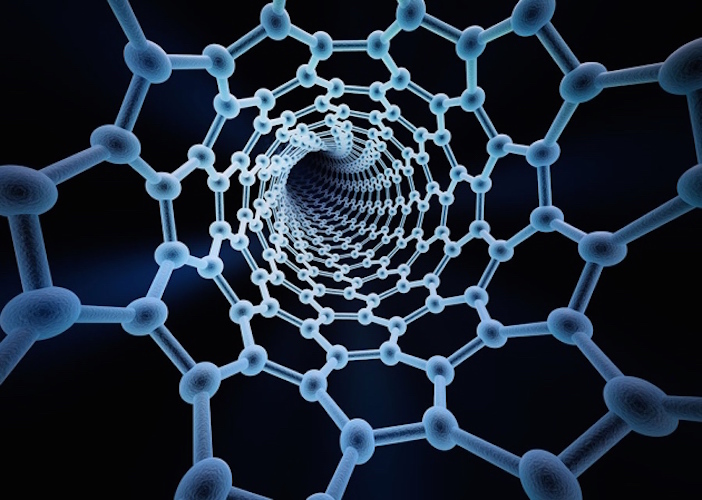
MIT researchers are developing tiny devices made from polymer wrapped carbon nanotubes that detect insulin, nitric oxide and  fibrinogen —  simplifying and automating diagnostic tests.

Past efforts to develop implantable sensors have failed, due to the body’s inclination to protect itself and recycle biological material. Devices can become wrapped in scar tissue, or their components can be broken down.  The team believes that the nanotube sensors can be effective for the long term.

MIT’s Michael Strano builds sensors by coating carbon nanotubes with various polymers of different configurations. They are screened against libraries of molecules that the researchers want to detect. The method works because of the  nanotubes’ natural ability to fluoresce: when light hits a sensor, the nanotube dims or brightens depending on whether it is bound to a molecule of interest.

Categories
fitness Smart Fabric Wearables

Ralph Lauren’s health sensing smart shirt

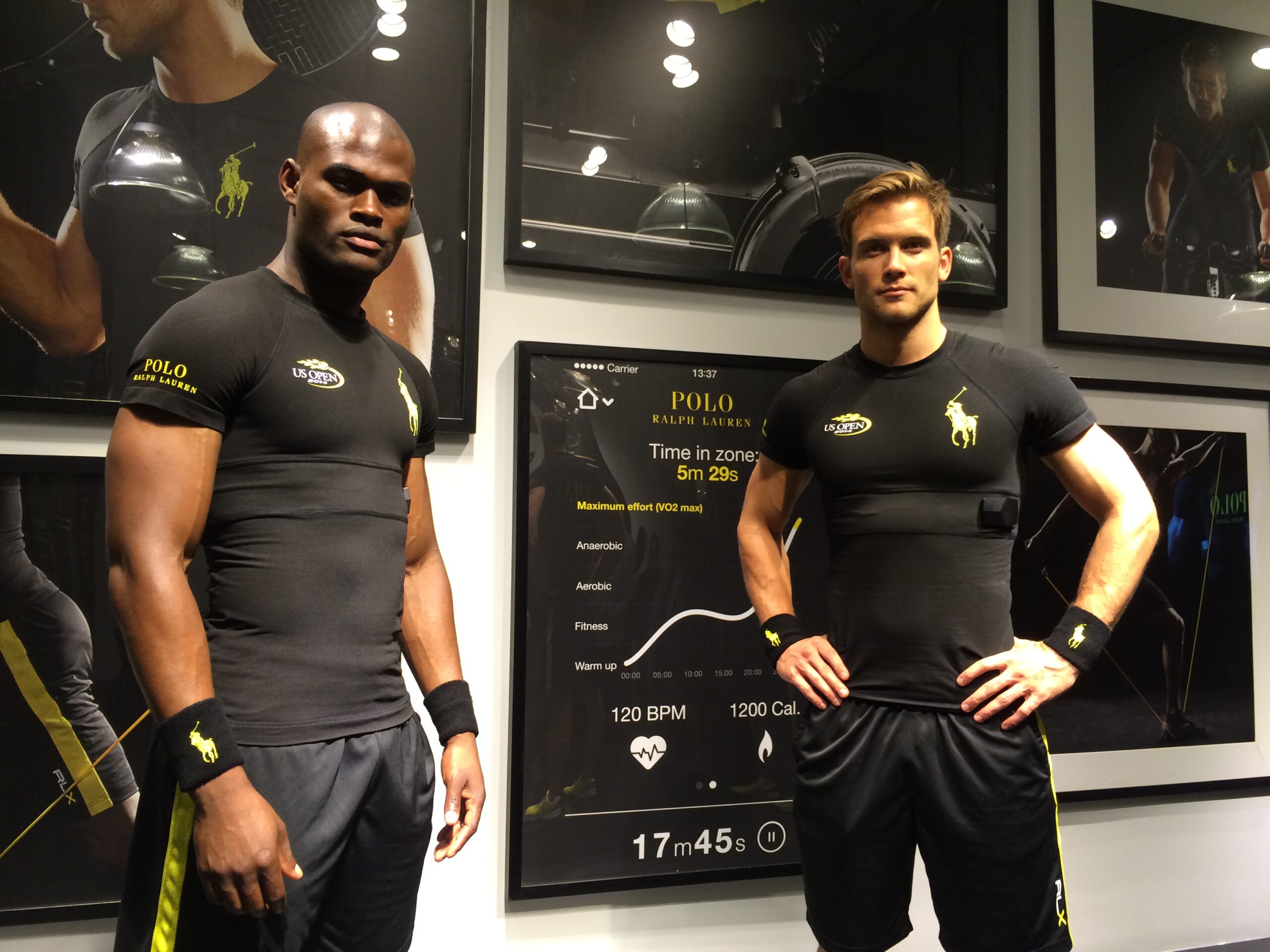
PoloTech, Ralph Lauren and OMsignal‘s smart shirts, will be available for sale this week.  Like the partnership between Intel and Opening Ceremony, this represents the fashion mainstreaming of wearable technology.

The shirt has embedded silver fibers to track heart rate, heart variability, breathing depth and recovery, intensity of movement, energy output, stress levels, steps taken, and calories burned. One must also wear a “black box” device to receive the sensor data and to capture activity information.

The data is then transmitted to an iOS app, which offers cardio, agility and strength workouts, live fitness monitoring, and exertion and effort ratings.  The sensor data adapts the app’s workouts to the wearer’s performance in real time.