Categories
BCI

Paraplegic walks, lightly supported, for 12 feet, with BCI triggered muscle stimulation

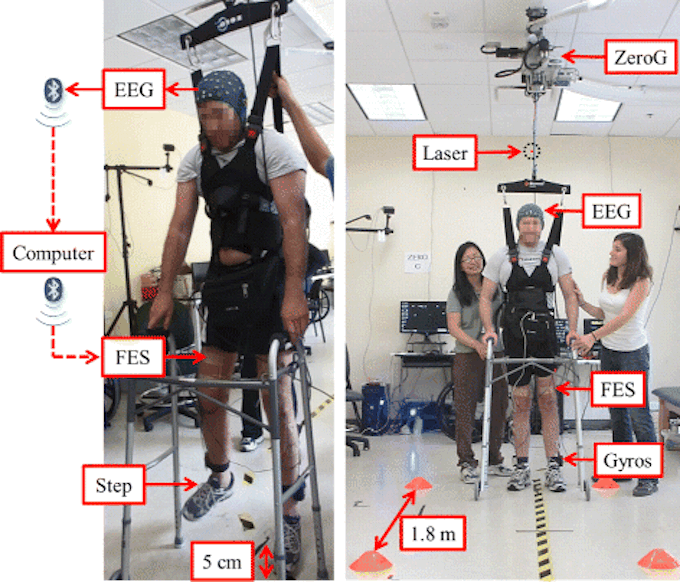
UC Irvine BCI research has enabled a a paraplegic to walk, with support,  for 12 feet, without an exoskeleton.   The hope is that this will lead to a new generation of BCI stimulation technology that will allow the disabled to walk for longer periods with minimal support. The study was led by Samueli School of Engineering‘s  Zoran Nenadic and An Do.

A computer linked the 28 year old man’s  brain to his legs over a Bluetooth connection, bypassing the severed region of his spinal cord. EEG derived brain signals were relayed to electrodes on his knee, triggering walking movements.

Prior to the experiment, the man underwent extensive training to strengthen his muscles and learn to control a virtual avatar using the BCI device. He also made similar movements in the lab while slightly suspended.

The team would like to miniaturize and implant the EEG components in the brain.  They believe that this could give patients more precise control the and the ability to “sense” pressure.

View UC Irvine video here.
Categories
BCI Brain

Brain-to-brain link allows one person to read another’s thoughts

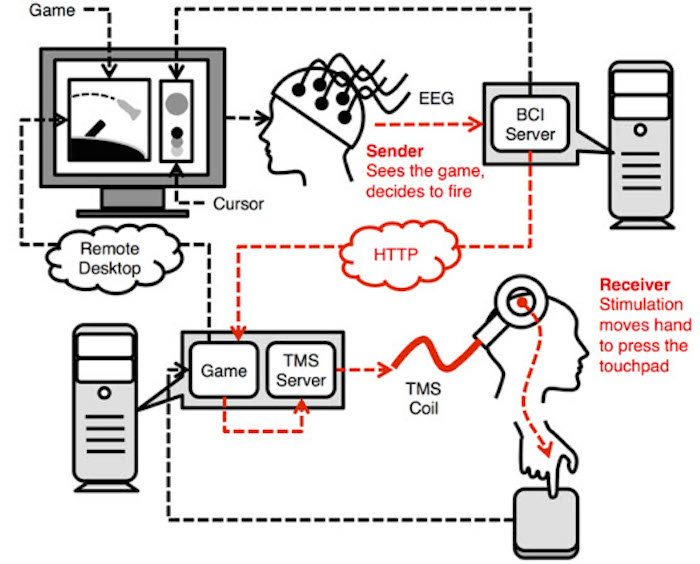
University of Washington researchers used a direct brain-to-brain connection to enable pairs of participants to play a question-and-answer game by transmitting signals from one brain to the other over the Internet. The experiment is thought to be the first to show that two brains can be directly linked to allow one person to guess what’s on another person’s mind.

Lead author Andrea Stocco believes  that “This is the most complex brain-to-brain experiment that’s been done to date in humans. It uses conscious experiences through signals that are experienced visually, and it requires two people to collaborate.”  Chanel Prat, Darbey Losey, Jeneva Cronin, Joseph Wu and Justin Abernathy co-authored the paper.

The study builds on the UW team’s 2013 experiment demonstrating a direct brain-to-brain connection between humans. Other scientists have connected the brains of rats and monkeys, and transmitted brain signals from a human to a rat, using electrodes inserted into animals’ brains. The UW team used noninvasive technology to send a person’s brain signals over the Internet to control the hand motions of another person.

Click to watch the University of Washington video.

Categories
Heart Monitoring Respiratory

Piezoelectric sensor car seat monitors respiration, heart rate

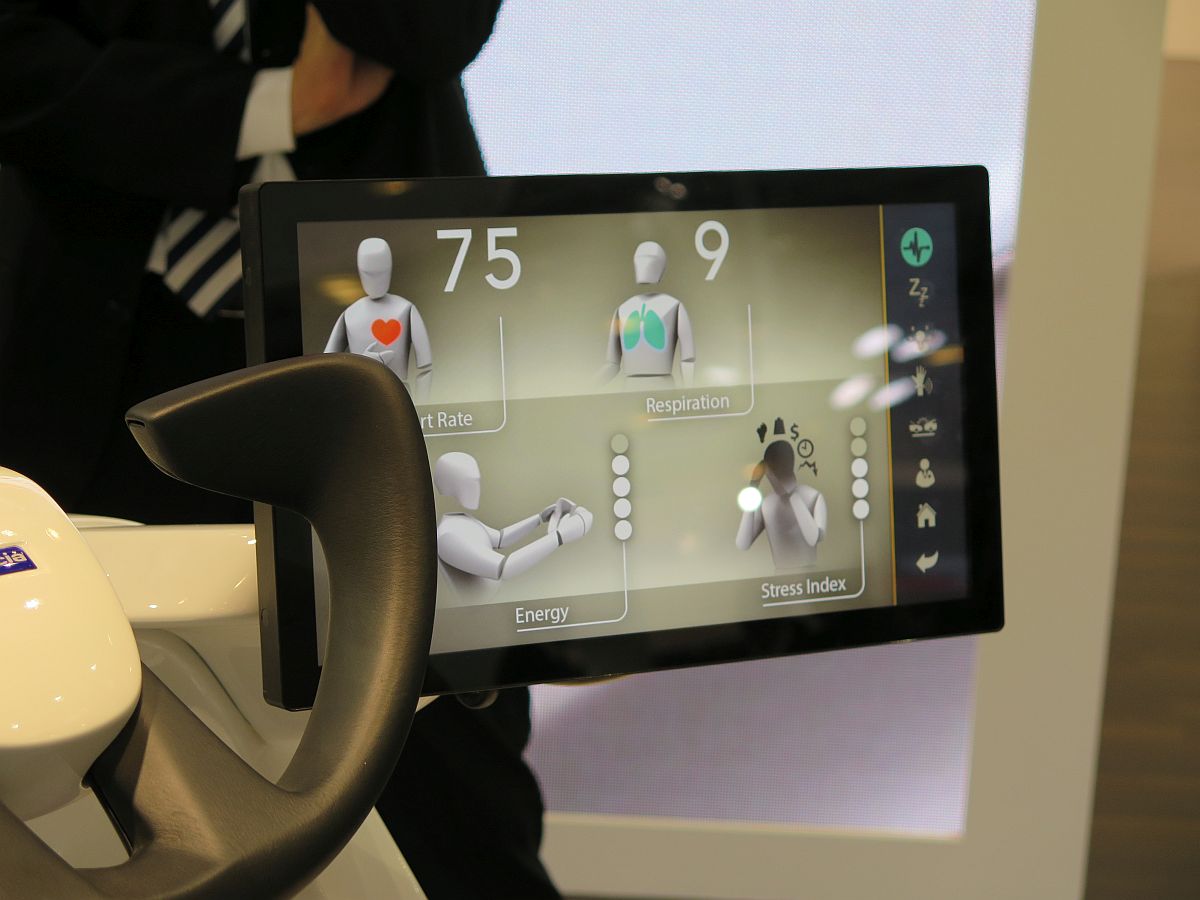
Faurecia‘s “Active Welness” car seat monitors respiration and heart rate with embedded piezoelectric sensors.  The goal is to detect driver stress or alertness.  When low energy is detected, the seat responds with specific massage patterns and air flow through the ventilation system.  The non-contact sensors were developed by Hoana Medical.  Combined with advanced algorithms and signal processing, Faurecia claims that they can accommodate noise and vibration from the moving vehicle without compromising effectiveness.

Categories
Assistive Technologies Brain Gaming

Virtual coaching for TBI patients

The Office of Naval Research is developing MOVER (Mobile, Virtual Enhancements for Rehabilitation) to help TBI patients maintain therapy regimens.  Confusion, forgetfulness or depression can prevent injured veterans from completing necessary exercises for rehabilitation. Featured movements include including lunges, knee raises and squats, which are standard for TBI therapy.

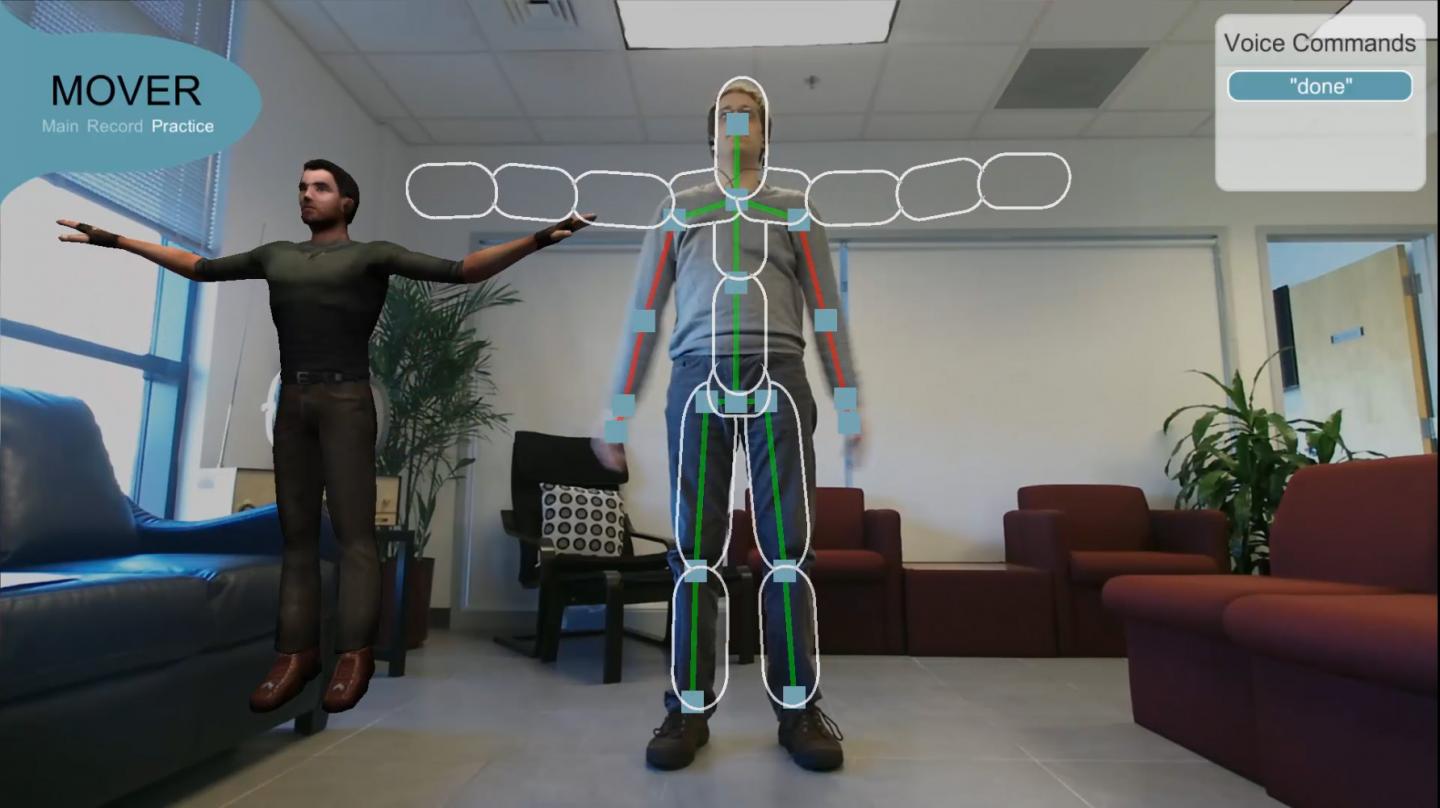
When a user turns on a computer and camera, he/she stands still, while MOVER maps a virtual “skeleton” of brightly colored lines and shapes.  Movements are mirrored through each exercise. To increase visibility, users can connect MOVER to a television using Microsoft Kinect.

The system coaches by displaying pop-up text boxes or color shading in areas of the virtual skeleton, highlighting where and how to correct one’s form.

A six-month pilot study of the software, with 40 TBI patients and therapists at Spaulding Rehabilitation Hospital, will soon begin.

Categories
Cancer Sensors

Remotely controlled capsule endoscope captures lower GI images

A new type of capsule endoscope may improve cancer diagnostics, providing comprehensive, non-invasive imaging, including lower GI images.

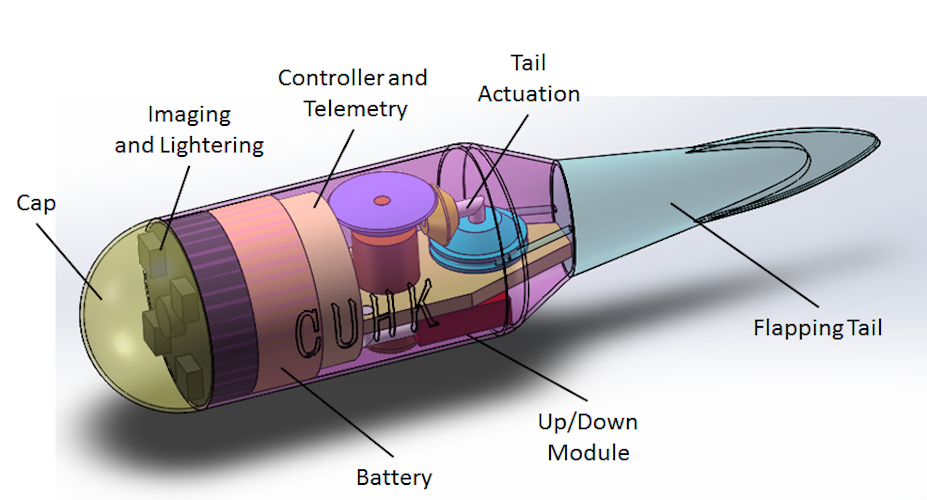
The 3D printed Tadpole Endoscope (TE) has a soft tail that allows it to be  remotely guided around the stomach.  The technology was developed by Yong ZHONG, Ruxu DU and Prof Phillip W Y CHIU of the Chinese University of Hong Kong.

The TE is activated immediately after being swallowed. Once it reaches the stomach, a doctor can guide the device to gather images. By adjusting a patient’s posture, the whole stomach can be viewed. The TE moves into the lower GI tract via natural peristalsis. The patient is sent home, wearing a sensor patch, to record  the lower GI images, which are transmitted to the doctor.

Currently, esophagus and stomach cancer can be diagnosed using gastroscopy; intestinal cancer can be diagnosed using capsule endoscopy; and colorectal cancer can be diagnosed using colonoscopy.

Click to view the Chinese University of Hong Kong video.

Categories
Brain Ultrasound

Sonogenetics: Neuron stimulation via ultrasound

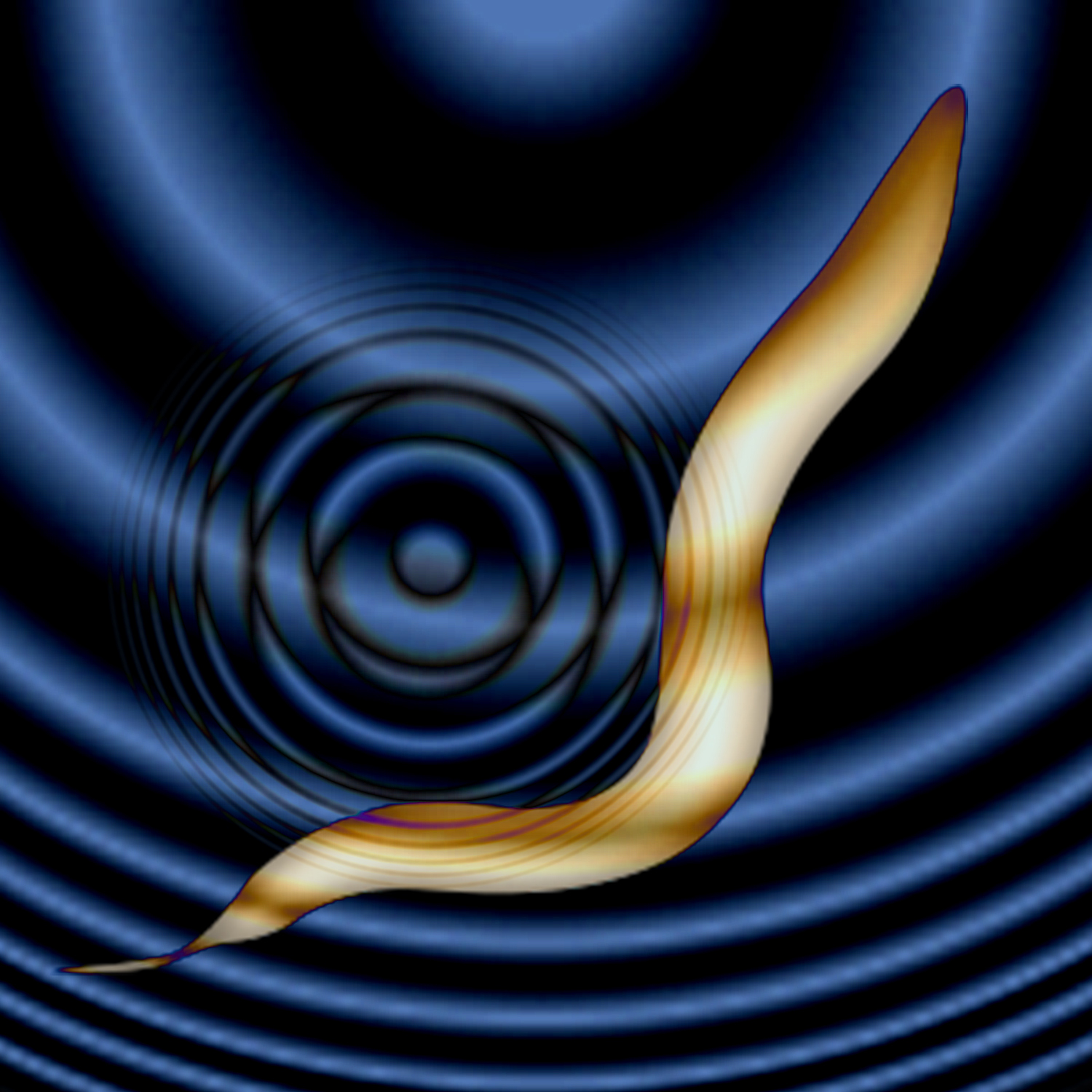
Salk‘s Sreekanth Chalasani‘s “sonogenetics” technique uses ultrasound to stimulate individual brain cells.  A nature paper describes the technology as tested on worms.  The goal is noninvasive stimulation of specific cell types or individual neurons in humans, with out using implanted electrodes or fiber-optic cables.

Current optogenetics therapies  rely on inserting light-sensitive channel proteins into neurons. When hit by the correct color of light, usually sent by a fiber-optic cable, the channels open, allowing ions to flood in.

The new technique relies on touch-sensitive  “channel” proteins, which can be added to specific brain cells through genetic engineering. The channels open when hit by an ultrasonic pulse, allowing ions to flood into a neuron and cause it to turn on.

Click to view Salk Institute video.

Categories
Babies Monitoring

Wearable monitors newborns within 40 mile radius

WAAA!  is a text-based neonatal surveillance system developed by David Swann of the University of Huddersfield.  It is a finalist project of UNICEF’s Wearables for Good Challenge.

Appearance, pulse, grimace, activity and respiratory data is captured, via a patch, during the first day of life.  Any deterioration triggers an immediate text alert to a carer.

Globally, more than 1 million babies die on the first day of life – mostly due to preventable or treatable causes.  The developers of WAAA! believe that helping babies survive the first day of life is the best way to reduce child mortality.

The technology is capable of monitoring multiple newborns at distances up to 40 miles.  This can provide some level of care in the world’s  poorest and least served regions.

Categories
3-D Printing

Cheap, accurate, 3D printed stethoscope

Dr. Tarek Loubani has created a 3D printed stethoscope that can be made for $2.50 – $5.00.  Stethoscopes usually cost $150 and are often not available in poor regions.

Through his Glia Project, Dr. Loubani aims to provide cheap, accurate medical supplies, including stethoscopes, electrocardiograms, and pulse oximeters,  to places in need.

“This is simple, cheap and it’s enough for us here,” said Dr. Ayman Sahbani, head of the emergency department at Gaza’s Shifa Hospital, who tested the Glia stethoscope. “Now we can make a stethoscope available for each doctor.”

Categories
3-D Printing Cancer

Cancer patient receives 3D printed rib cage

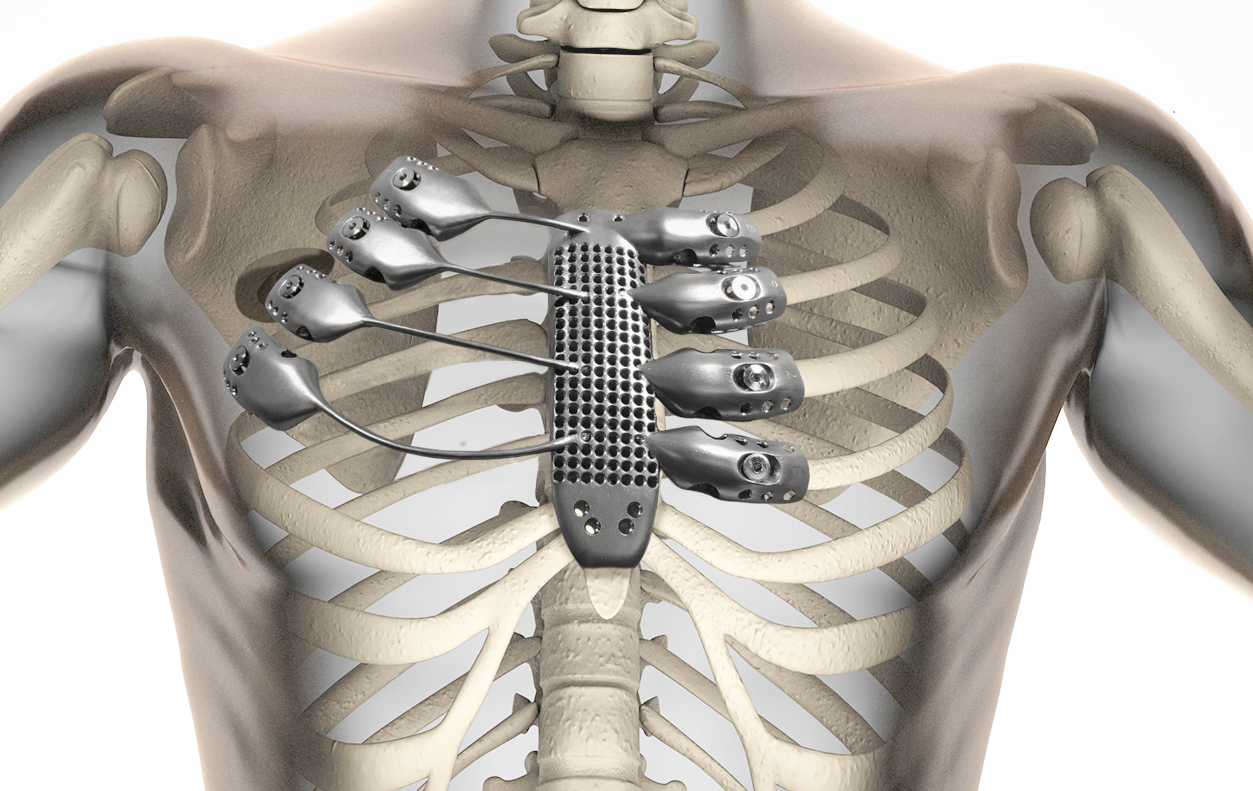
For the first time, a chest wall sarcoma patient has received a  fully customized 3d printed sternum and rib cage portion, created using high resolution CT data.

This part of the chest is difficult to recreate with traditional prosthetics.  Thoracic surgeons typically use flat and plate implants for the chest, which can loosen over time and increase complications.  Rapidly prototyped 3D printed ribs may become the future standard.

View CSIRO video here.

Categories
Data Pharmaceuticals

Big data / pharma partnership to model diseases, treatments

IBM and Israeli generic drug giant Teva will partner to develop treatments for chronic conditions using the  Watson Health Cloud.

Their stated goal is “to put the best information and insights in the hands of physicians, care teams and patients, to empower treatment optimization for individuals and populations across the spectrum of acute and chronic conditions.”   Asthma, pain, migraine and neurodegenerative diseases are early targets.

The big data / pharma partnership could reduce drug misuse or increase adherence.  A joint research team will develop platforms to model diseases and potential therapeutic treatments.

Categories
Assistive Technologies IoT

Connected wheelchair improves safety, comfort

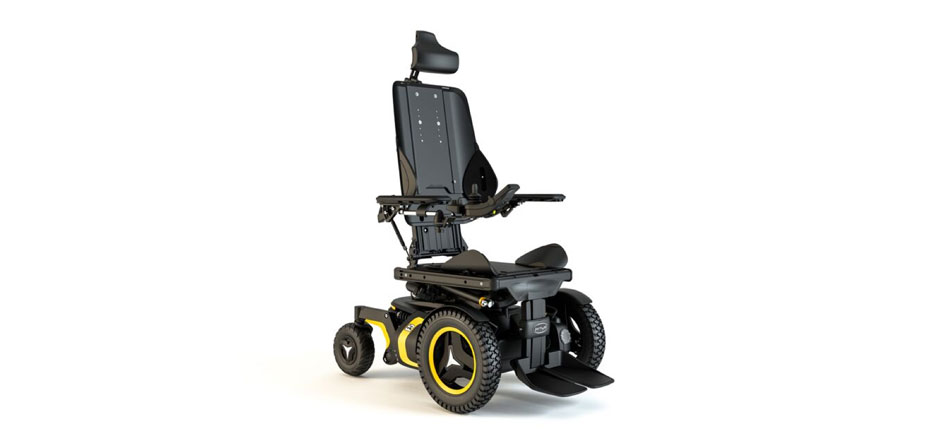
AT&T and Permobil have developed a connected wheelchair concept meant to increase user comfort and independence.

The system monitors seating position, cushion pressure (to prevent pressure ulcers), whether a chair has turned on its side, battery level, and location, and it also predicts the need for maintenance.

The data, including location, can be remotely accessed from the cloud and shared with caregivers.

Categories
Apps Brain Gaming

Sport performance game app to train the brain

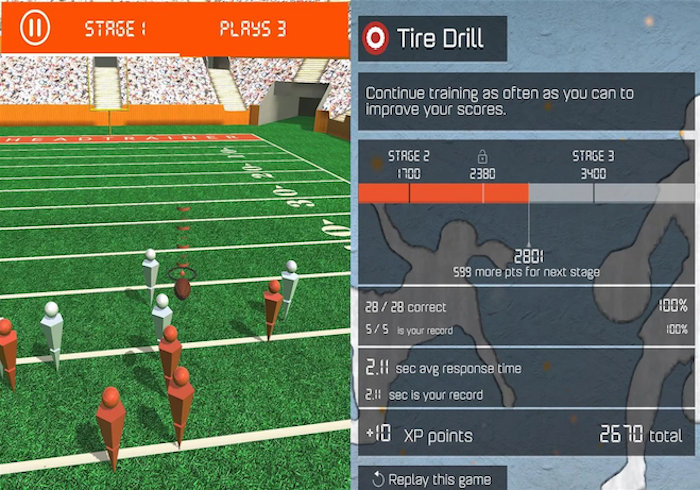
Games are increasingly recognized as a method of enhancing cognitive abilities.  HeadTrainer is meant to improve the brain with 5-10 minutes of daily gameplay.

The sports games were designed to exercise 5 cognitive skills:   decision making, processing speed, focus, memory, and visual/spatial awareness.  Developer Deborah Attix of Duke University focused on testing and training the brain with each game.

The company believes that in the future, HeadTrainer and similar apps can contribute to the mental, emotional, health, and hormonal metrics that are key to sports analytics.