Categories
Sleep

Device scores daily sleep quality

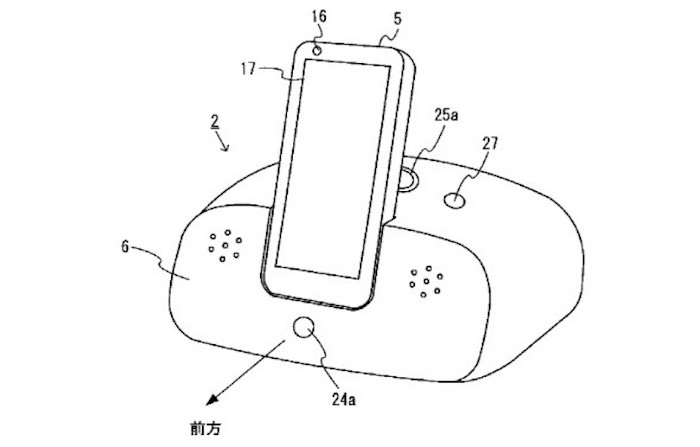
Nintendo has filed a patent for a  device that scores one’s sleep quality each day.   A user’s weight, pulse and movement information, as well as room temperature and humidity, are gathered.  A microphone, camera, thermometer and other sensors calculate a sleep score that will be projected onto the ceiling.

The abstract describes sensors that assess emotions, with out much detail. (The application is written in Japanese.) The challenge is to find a way to use this information to actually improve sleep quality.
Categories
Inflammation

“Smart” drug targets site-specific inflammation

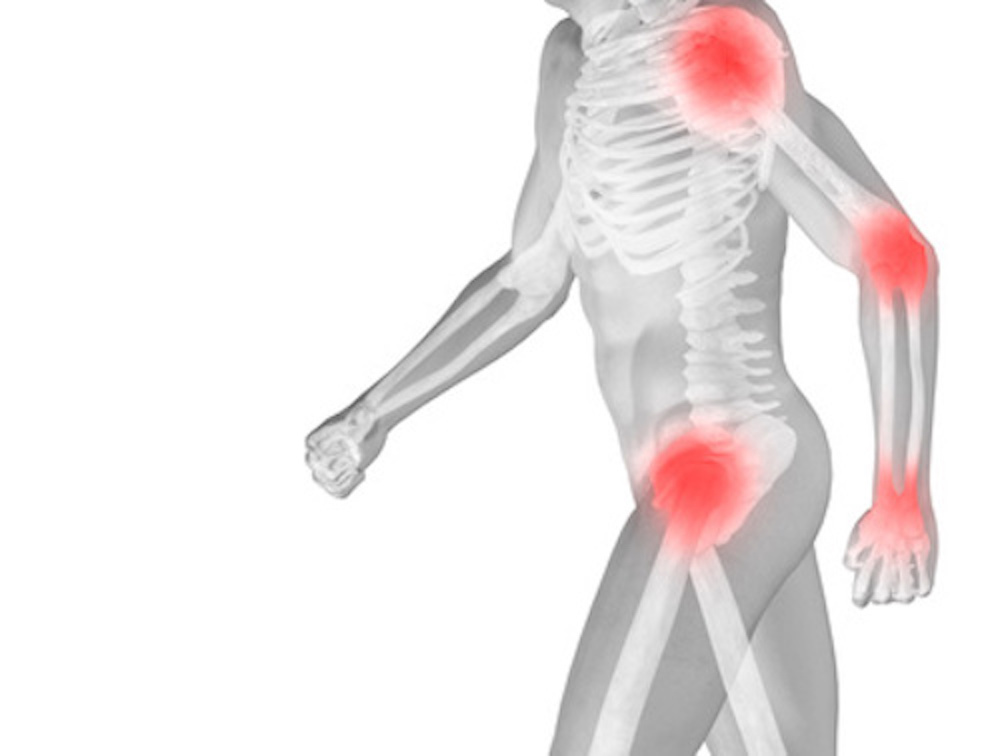
Ben-Gurion University‘s Peleg Rider has developed a drug that targets inflammation in a site-specific manner.  This could improve the body’s  ability to fight infection and reduce side effects.

When injected, it is a non-active drug.  A localized site with excessive inflammation will activate it.  Other anti-inflammatory agents inhibit inflammatory processes throughout the body, including sites of necessary normal inflammatory homeostasis.

When a non-specific agent is used, a patient who suffers from local inflammation might  be exposed to infections at distant sites, such as the lungs. This risk is increased in immunosuppressed, older, and chemotherapy patients.

Categories
Babies Sensors

Simple sensor to prevent car-heat related deaths

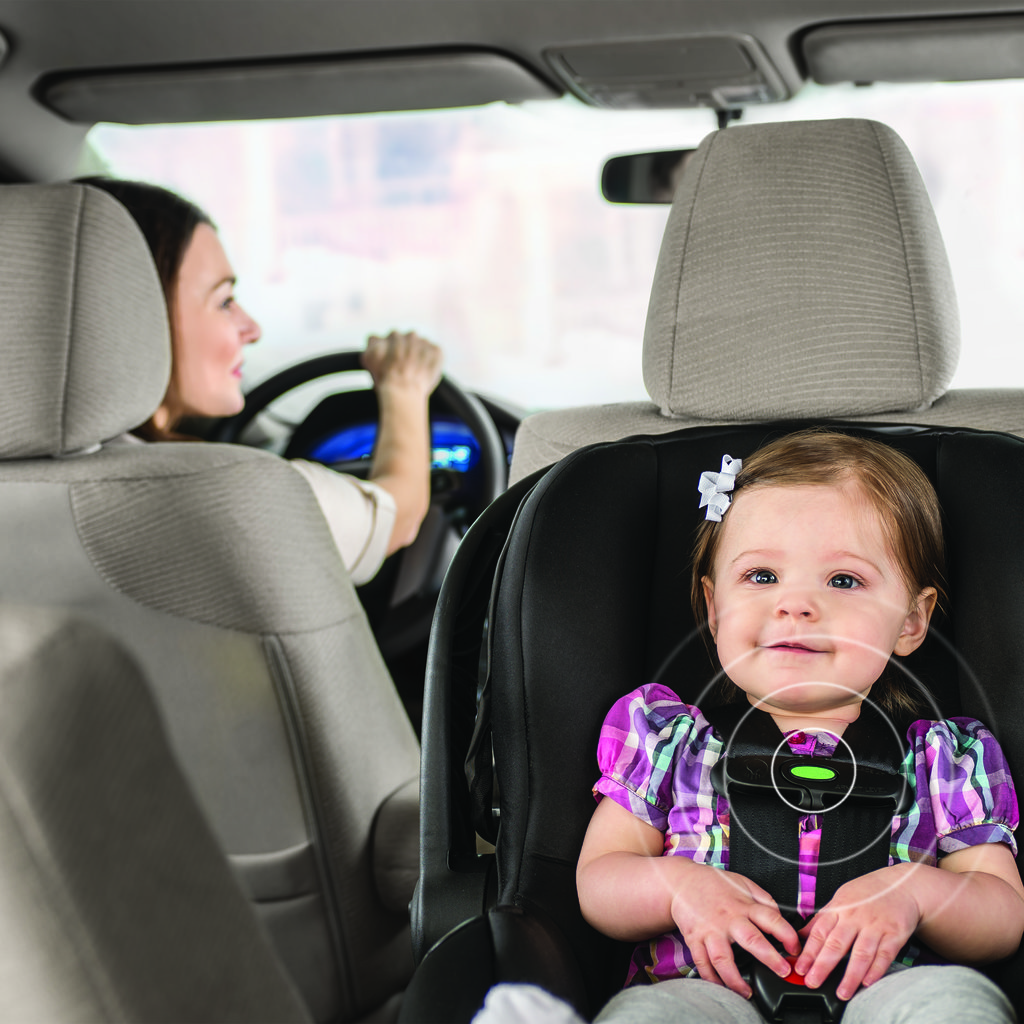
All too often we hear about a baby, or person who is unable to speak for him/herself, being left in a hot car, and dying.  ApplySci applauds Evenflo for creating a car seat with a very simple notification sensor that could prevent this.

The Embrace DLX seat, with SensorSafe technology, generates a series of tones when a car is turned off, to remind us that a baby is still in the car.  The company has not described technology for disabled adults, but this is the obvious next step.

The tones are activated through a chest clip and wireless receiver. The receiver also sends alerts if the chest clip becomes unbuckled during transit.

Categories
Assistive Technologies BCI Brain

Thought controlled telepresence robot

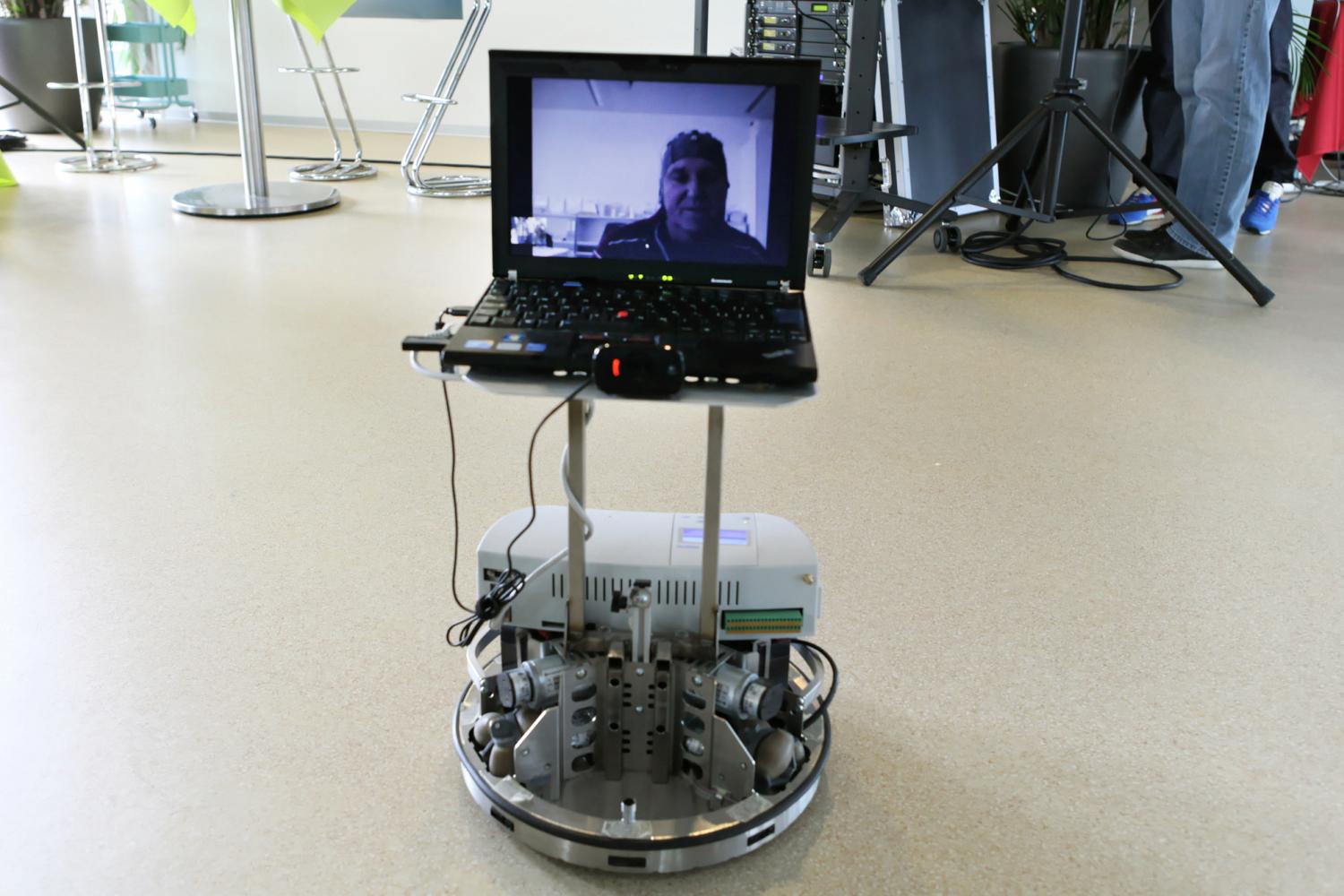
EPFL‘s José del R. Millán is developing a brain-computer interface that allows those with paralysis or limited mobility to control telepresence robots.   The goal is for the robot  to assist the disabled with daily tasks, helping restore a feeling of independence.

9 disabled people, and 10 people without disabilities, from 3 countries, wore hats with electrodes that analyze brain signals. Their thoughts were communicated to the robot in real time from their country. Because of its video camera, screen and wheels, the robot was able to film as it moved, while displaying the face of the remote pilot via Skype. The person at the controls, as if moving in place of the robot, was able to interact with whomever the robot encountered.  The robot is able to avoid obstacles by itself, even when told not to.

Quadriplegic users were able to perform complex tasks, remotely, using only their thoughts. The study revealed no difference in piloting ability between mobile and disabled subjects.

Categories
Heart IoT Respiratory Wearables

Phone sensors measure oxygen saturation with out pulse oximeter

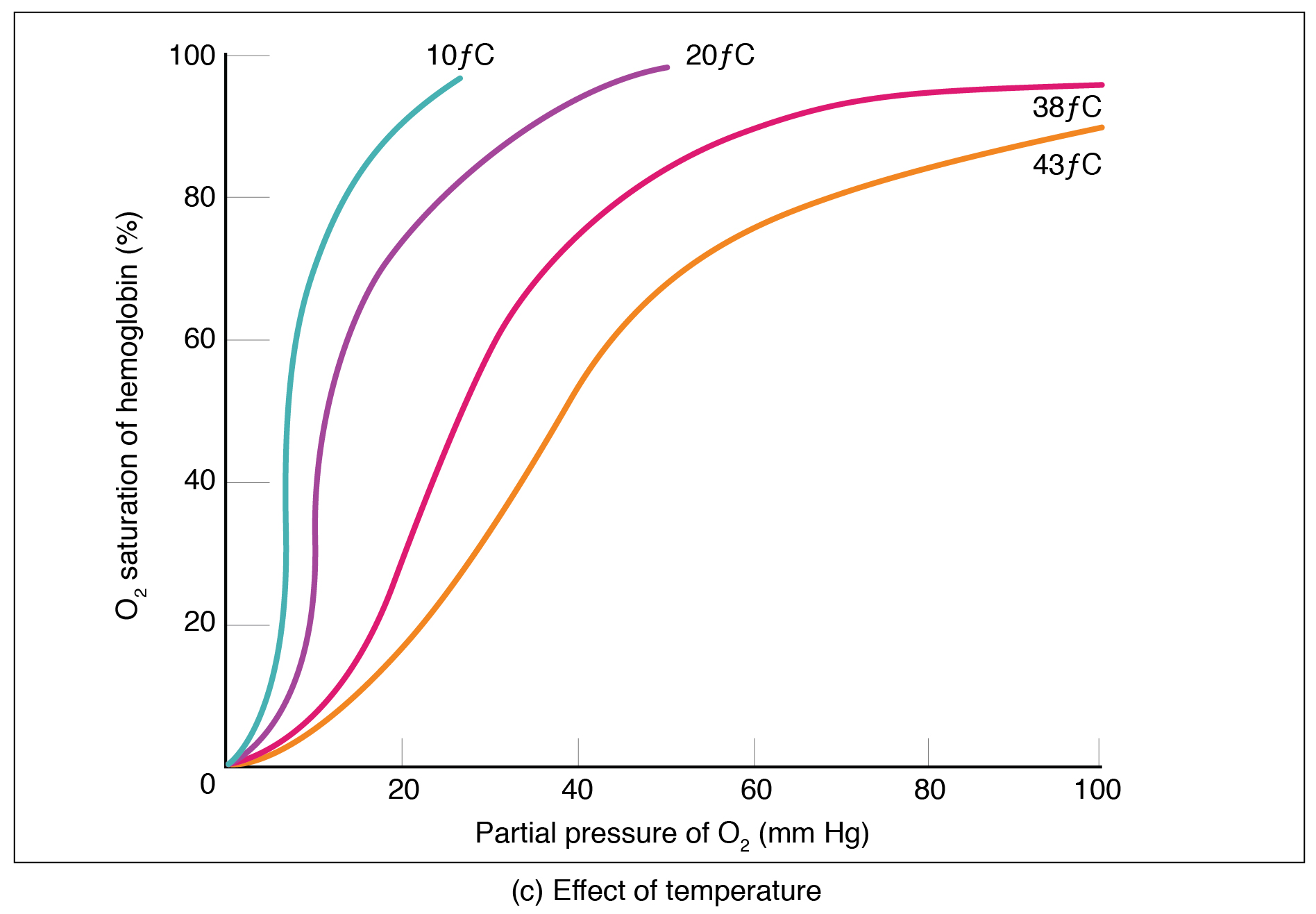
MoveSense allows oxygen saturation to be monitored  by phone sensors with what its developers describe as medical accuracy.  A mobile phone must be carried in one’s pocket, and no pulse oximeter is required.  The technology was developed by Bruce Schatz at the University of Illinois.

In a study, patients wore pulse oximeters (for comparison) and carried phones with MoveSense, which continuously recorded saturation and motion. Continuous saturation defined categories corresponding to status levels, including transitions. Continuous motion was used to calculate eight gait parameters from the data. Their existing gait model was then trained with these data points and used to predict transitions in oxygen saturation.

The researchers  discovered that analysis of the saturation, combined with the gait data, could predict saturation with 100 percent accuracy. The model accounts for patients walking faster and slower, which impacts their hearts and lungs.

Categories
AI

Deep learning meets genomics

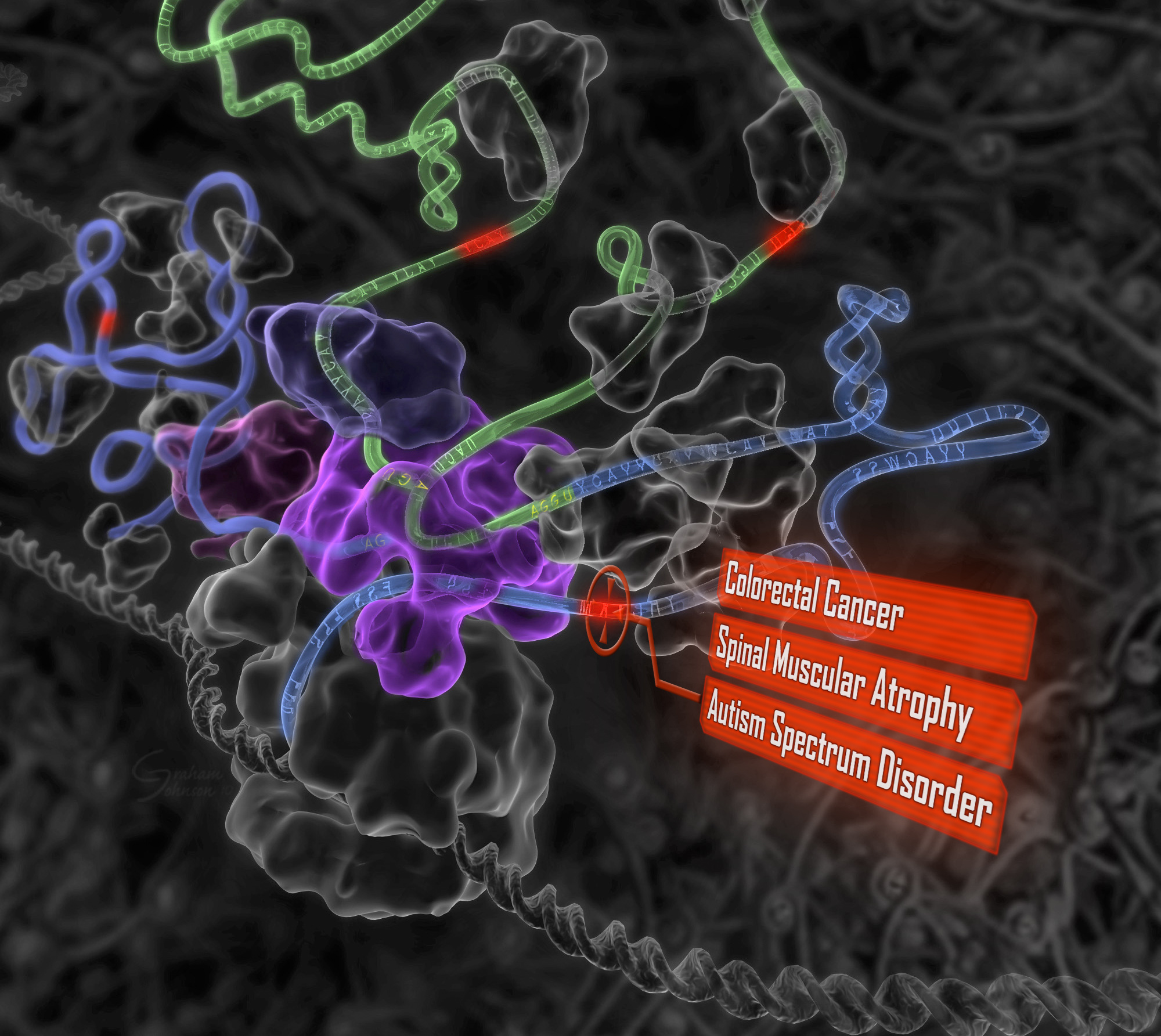
University of Toronto professor Brendan Frey has used deep learning  principles to create algorithms that look at the pattern of mutations in an individual’s DNA.  The system then makes inferences about how the patterns affect the operation of different types of cells in the body.

His company, Deep Genomics, will use the predictive algorithms to “prioritize, classify and interpret genetic variants, based on how they change cellular processes.  To link unknown variants to known variants, for any variant and any disease.”  The technologies could be applied to precision medicine, genetic testing, diagnostics and therapeutics.

Categories
Apps Eyes

App lets sighted people help the visually impaired

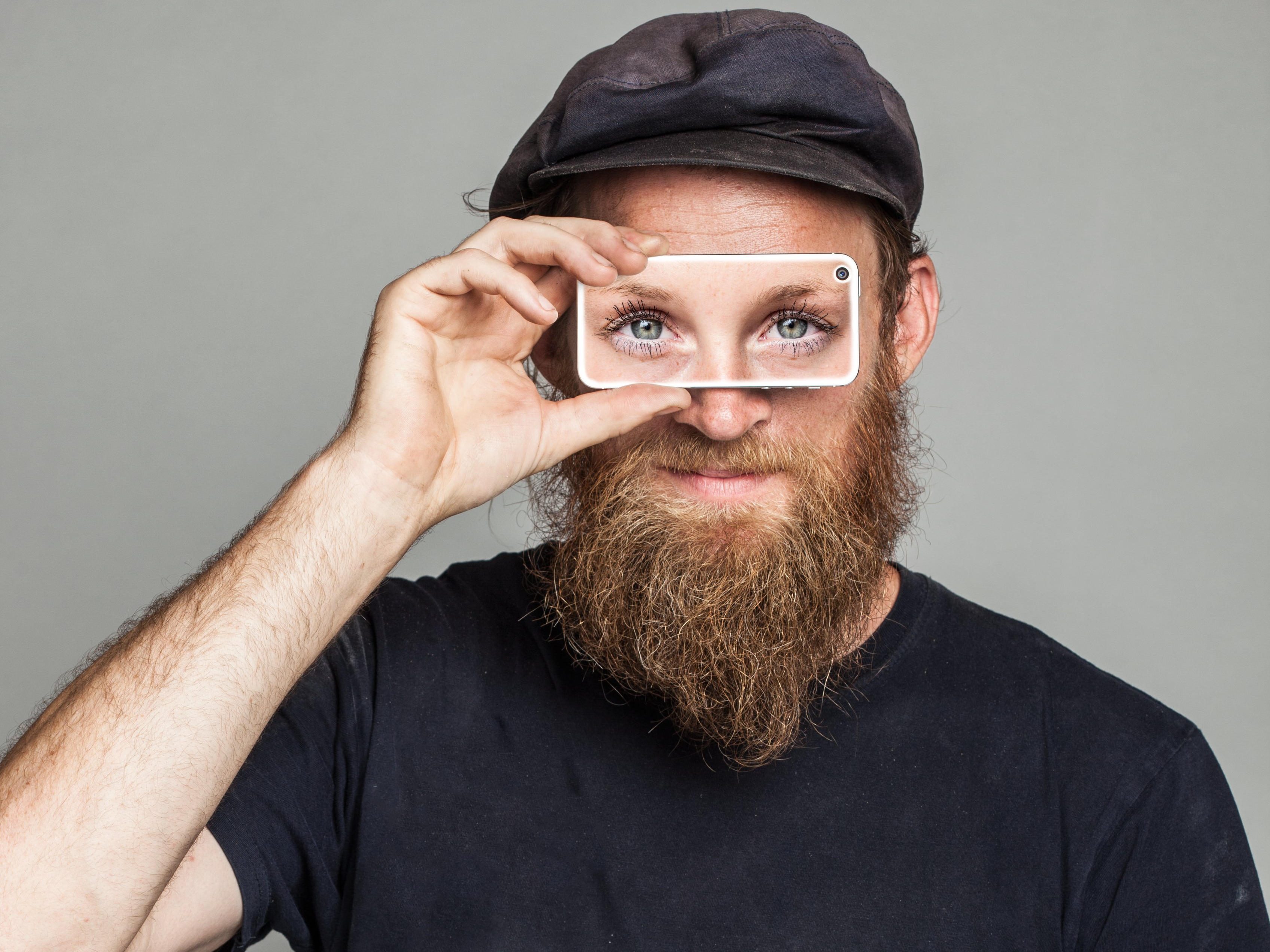
Be My Eyes allows the visually impaired to receive  help from people who can see via a live audio-video connection. Sighted users can guide a person while looking through a phone’s rear camera.

When a visually impaired person asks the app for assistance, the Be My Eyes helper network is alerted, and an available member helps. Examples of assistance  include reading an expiration date on a milk carton, or navigating a public place.

Multiple languages are available, and the app is open source. VoiceOver, Apple’s gesture based screen reader,  helps those with limited sight use the iPhone.

Categories
Diabetes

Noninvasive, laser based glucose sensor

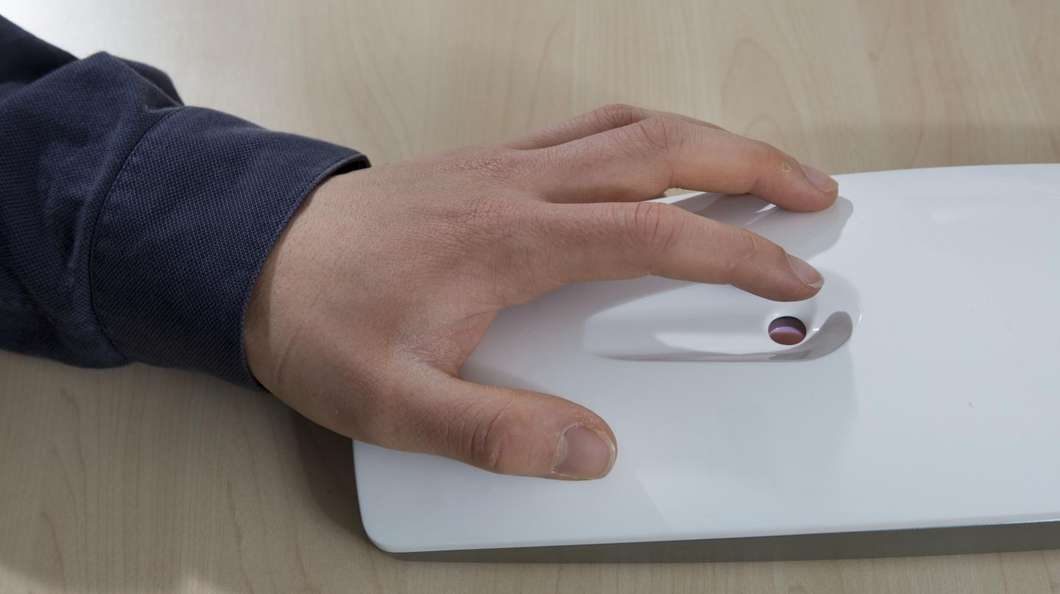
Gin Jose and University of Leeds colleagues have developed GlucoSense, a laser based glucose monitor that could eliminate the need for finger pricking.

A finger is placed against a glass window. A low-powered laser beam is projected through the window, into the finger. Surface ions  fluorescence in infrared when exposed to the reflected light. (The more light that hits them, the longer they glow.) By measuring fluorescence duration, the device determines how much of the original laser light was absorbed by glucose, and can determine the amount of glucose in the bloodstream. The process takes 30 seconds.

Categories
Brain

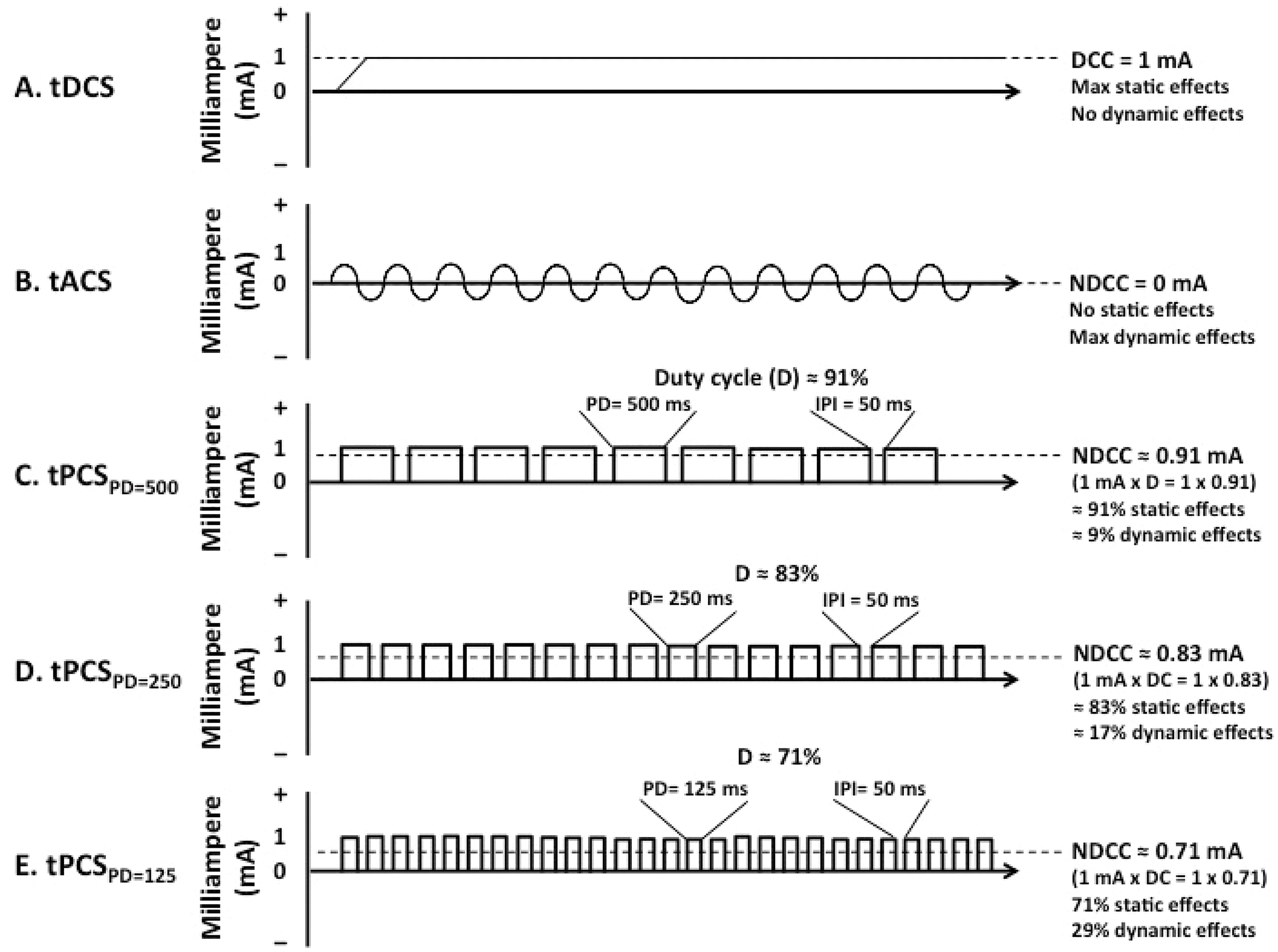
Longer pulses enhance brain excitability in tPCS

Monash University‘s Shapour Jaberzadeh has been researching the use of transcranial pulsed current stimulation for years.  His new study describes  the importance of pulse duration in creating brain excitability enhancement.  He found that the shorter the interval between pulses,  the larger the excitability effect in the brain.

Dr Jaberzadeh believes that longer pulses could help recipients learn new tasks faster and  improve repetitive task training for stroke patients.  This might also, in the future, impact treatments for other neurological disorders, mental illness, and chronic pain.

Categories
Orthopedics Wearables

Sensor boot guides bone injury healing

ApplySci blogs about sensor based health innovations.  We have seen far too little in the orthopedics space, which remains an area of opportunity.  This week we discussed dorsaVi‘s spine injury assessment tool, and today we will describe the “SmartBoot“.

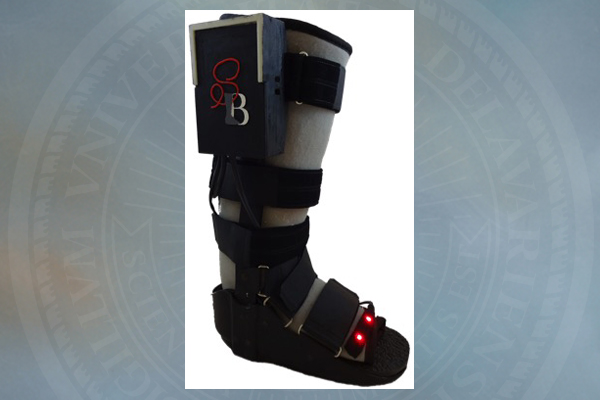
Developed by University of Delaware researchers, SmartBoot enables physicians to monitor orthopedic patients as they recover. Users are given visual feedback to let them know if they are under- or overloading a limb after injury.

According to Professor Jill Higginson, whose student, Brian Knarr, developed the boot:  “Patients are often trained in the clinic on a bathroom scale and then sent home with crutches, with the assumption that they can consistently perform partial weight bearing on their own.”  However, research has shown that patients often bear significantly more weight on the injured foot than prescribed, which delays healing.

Categories
Brain Wearables

Phone sensors to detect depression risk

Northwestern‘s Sohrob Saeb believes that phones could be more reliable for diagnosing depression than traditional methods.

In his recent study, data from smartphone sensors that detect location, movement, phone usage and other activities were used to assess depression risk.

GPS or phone usage data were analyzed among 28 participants for two weeks.

The “Purple Robot” app identified 87% of the participants at risk of depression (according to the PHQ-9 guidelines) based on GPS data on frequency of movement between regular locations. The more users moved around, the less likely they were to fall into the at-risk category.

By identifying the most frequent phone users, Purple Robot could detect 74% of those in the at-risk group.

Data on both GPS and phone usage were not available, preventing researchers  from seeing how Purple Robot performed when both data sets were available.

PHQ-9 is a screening tool that determines an  above-average chance of having depression.  It does not diagnose depression.

Categories
Wearables

Temperature adaptive clothing cools and heats accordingly

UC San Diego professor Joseph Wang continues to revolutionize health focused wearable technology.  ApplySci recently described his totally noninvasive glucose monitoring tattoo, and his bio-ink pen for self monitoring.

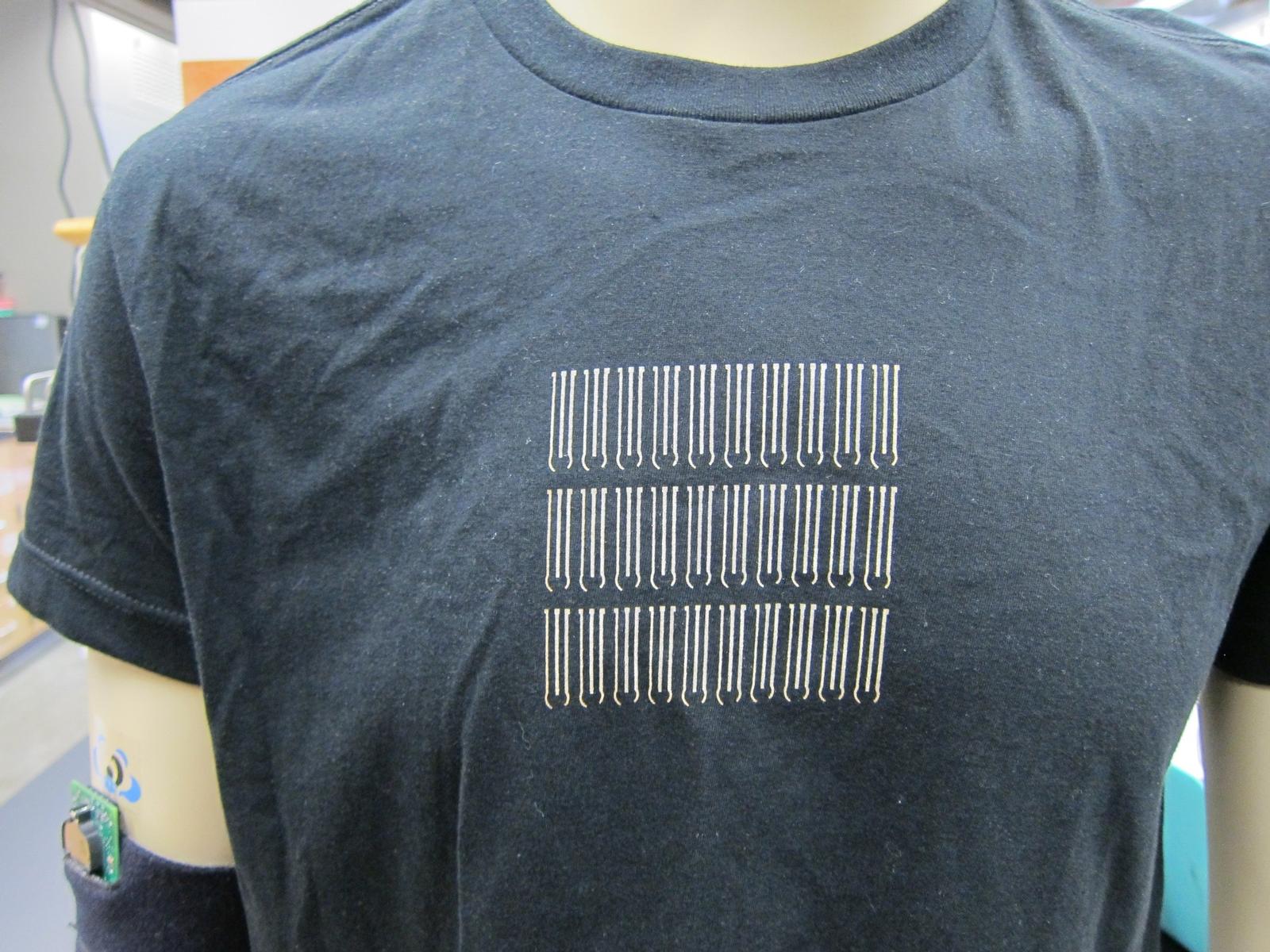
Professor Wang is now developing clothes with integrated sensors that enable them to heat or cool wearers.  He believes this can  reduce energy costs by regulating the temperature around individuals instead of across rooms.

ApplySci sees this as another way to increase the independence of (cognitively or physically) disabled people — helping them stay warm or cool when their ability to add or remove clothing layers is limited.

The smart fabric will keep a wearer’s skin temperature at 93 degrees fahrenheit by adapting to temperature changes. The fabric will become thicker when a room gets cooler, and thinner when it gets warmer.  Polymers that expand in the cold and shrink in the heat will be incorporated into the clothing.