Categories
Brain Eyes

First human optogenetics vision trial

Retina Foundation of the Southwest scientists, in a study sponsored by Retrosense Therapeutics, will for the first time use optogenetics — a combination of gene therapy and light to  control nerve cells – in an attempt to restore human sight.  Previously, optogenetic therapies were only tested on mice and monkeys.

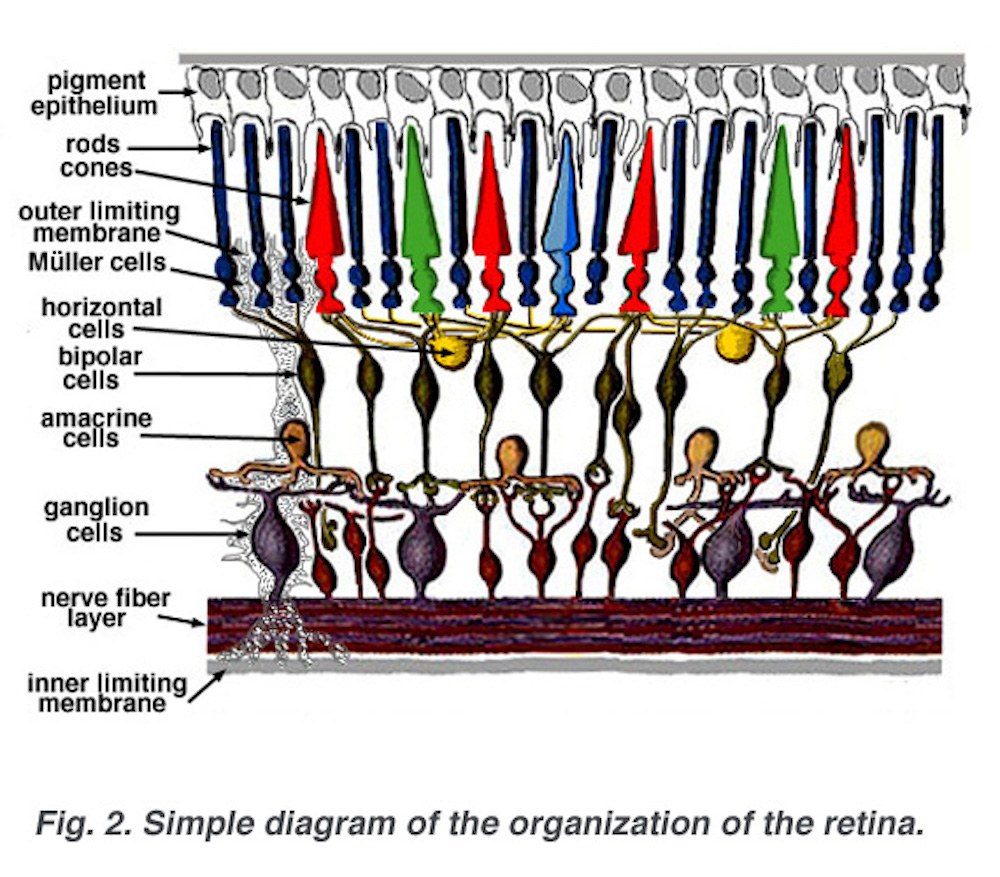
Viruses with DNA from light-sensitive algae will be injected into the eye’s ganglion cells, which transmit signals from the retina to the brain, in an attempt to make them directly responsive to light.  15 legally blind patients will participate in the study, which was first reported by the MIT Technology Review.


Wearable Tech + Digital Health San Francisco – April 5, 2016 @ the Mission Bay Conference Center

NeuroTech San Francisco – April 6, 2016 @ the Mission Bay Conference Center

Wearable Tech + Digital Health NYC – June 7, 2016 @ the New York Academy of Sciences

NeuroTech NYC – June 8, 2016 @ the New York Academy of Sciences
Categories
fitness Monitoring Sensors Wearables

Ultra slim sensors for next generation wearables

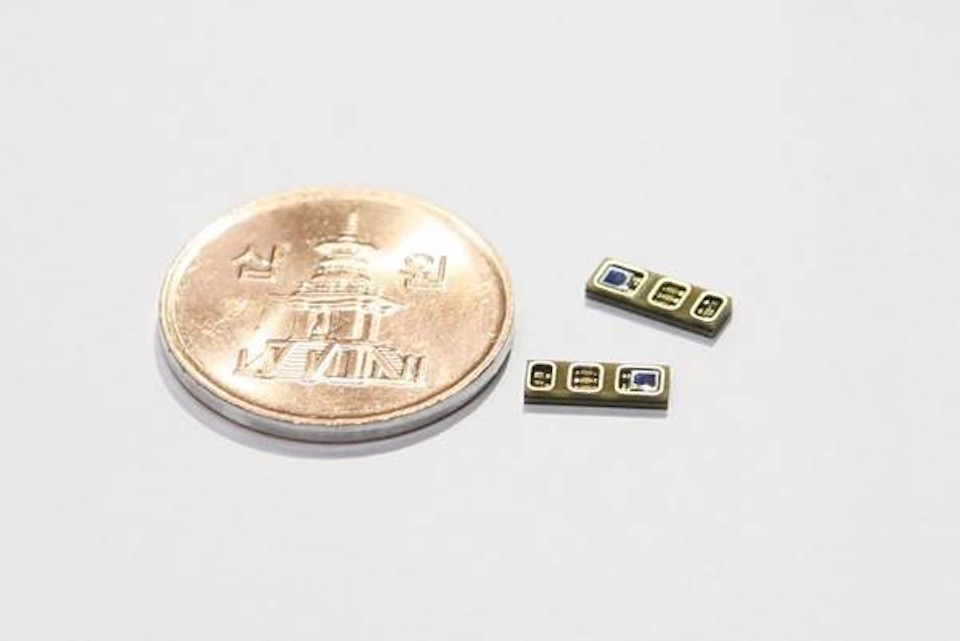
LG Innotek has developed an ultra-thin optical bio sensor module for monitoring heart rate, blood oxygen, and stress.

High-end smartphones typically include these  modules, which complement fitness wearables and apps.

LG claims that the new module is more accurate and uses less energy than current sensors. Because of its size,  is can be used in very small devices with out compromising accuracy.


Wearable Tech + Digital Health San Francisco – April 5, 2016

NeuroTech San Francisco – April 6, 2016

Wearable Tech + Digital Health NYC – June 7, 2016

NeuroTech NYC – June 8, 2016

.

Categories
Cancer Sensors

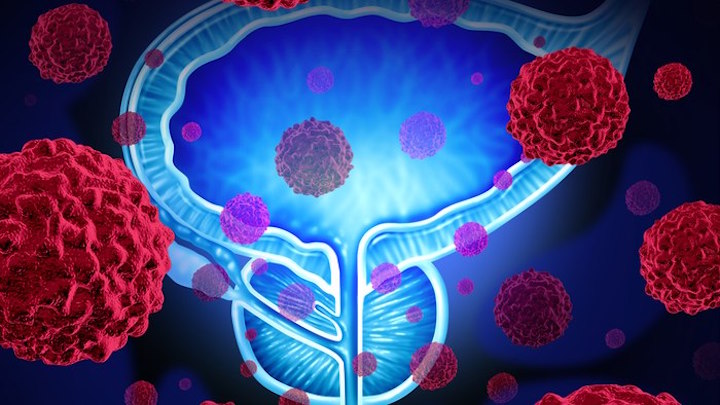
Sensor + algorithm detect prostate cancer in urine

Chris Probert and University of Liverpool and UWE Bristol colleagues are creating a test that uses gas chromatography to “smell” prostrate cancer in urine.  If proven accurate, the test might be able to be used instead of current invasive diagnostic procedures, at an earlier stage.

155 men were tested. 58 were diagnosed with prostate cancer, 24 with bladder cancer and 73 with hematuria or poor stream without cancer.  The sensor successfully identified patterns of volatile compounds that allow classification of urine in patients with urological cancers.

Urine samples are inserted into the  “Odoreader” and measured using algorithms.  A 30 meter column enables the urine compounds to travel through it at different rate. The algorithm detects cancer by reading the patterns.


Wearable Tech + Digital Health San Francisco – April 5, 2016 @ the Mission Bay Conference Center

NeuroTech San Francisco – April 6, 2016 @ the Mission Bay Conference Center

Wearable Tech + Digital Health NYC -June 7, 2016 @ the New York Academy of Sciences

NeuroTech NYC – June 8, 2016 @ the New York Academy of Sciences
 

Categories
Brain Virtual Reality Wearables

VR + sensors improve accuracy, speed of PTSD diagnosis

PTSD is often misdiagnosed. Symptoms can be confused with those of depression.  Many clinicians lack the expertise needed to distinguish the condition, and therefore might not provide appropriate treatment.

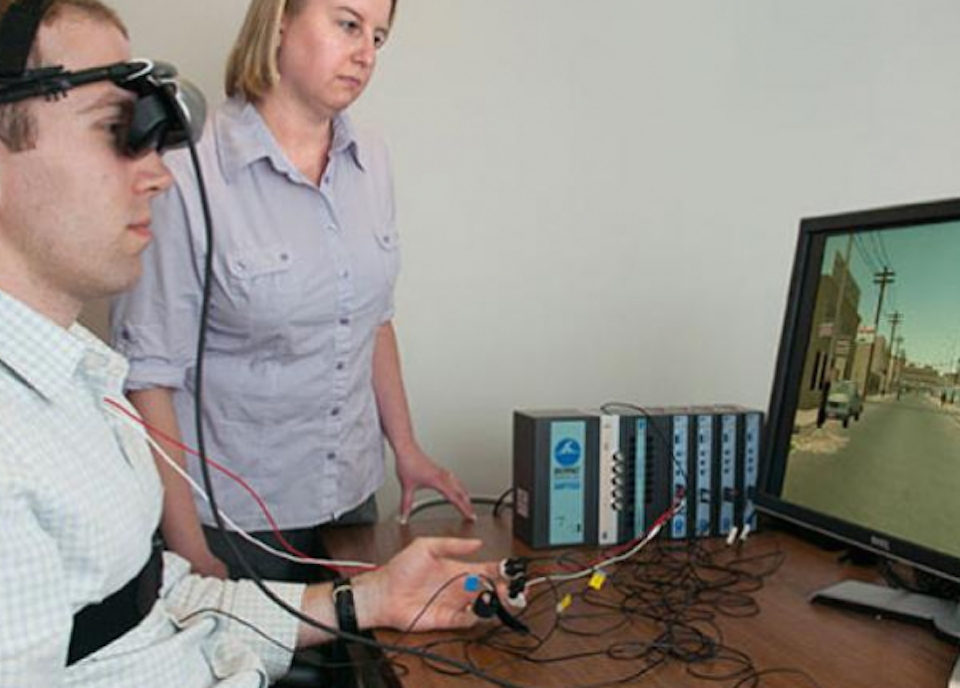
To address this widespread dilemma, Draper has developed a diagnostic system that combines virtual reality data with psychophysiological sensors. The sensors monitor heart rate, sweat, and pupil diameter, while subjects experience different types of audio and visual stimuli.

Stimuli customized to a patient’s personal traumatic experience can generate robust psychophysiological responses. However,  the time needed to tailor stimuli  is often not available in a point-of-care setting.  Draper’s solution uses generalized stimuli that results in quicker, more accurate assessments.

Additional research will address larger samples over a wide geographic area, as well as patients suffering from multiple mental health issue and  chronic diseases.

According to Dr. Philip Parks, who oversees Draper’s neurotechnology portfolio: “Once diagnosed with a particular disorder, such as depression, most mental health patients get relatively the same treatment even though their symptoms and response to treatment choices may be quite different. We hope that one day these technologies will help clinicians ensure that patients get the best possible medication and other treatments at the right time.”

Dr. Parks will be a featured speaker at NeuroTech NYC on June 8th at the New York Academy of Sciences.


Wearable Tech + Digital Health San Francisco – April 5, 2016 @ the Mission Bay Conference Center

NeuroTech San Francisco – April 6 @ the Mission Bay Conference Center

Wearable Tech + Digital Health NYC – June 7, 2016 @ the New York Academy of Sciences

NeuroTech NYC – June 8, 2016 @ the New York Academy of Sciences
Categories
BCI Brain

Brain state learning system adapts to user focus

BACh (Brain Automated Chorales) estimates brain workload using fNIRS to measure oxygen in the prefrontal cortex to help beginners learn to play Bach chorales.  The system offers new lessons when the brain isn’t overloaded with information.

Tufts Beste Yuksel and Robert Jacob, who developed the technology, believe that it can help with any type of learning, and specify math, engineering, programming, language and reading as examples.

In a recent study, 16 inexperienced piano players attempted to learn two chorales, one with the system’s assistance, and one with out. BACh first gave the musicians only the soprano line. When their cognitive load fell below a certain threshold, it added the bass part, then later the alto and tenor parts.  After 15 minutes, the pianists played more accurately and faster with BACh than without. Beginners saw more progress than intermediate level players.

The fNIRS machine is large, and Yuksel and Jacob are now working on a mobile system, which could incorporate emotion monitoring and feedback.


Wearable Tech + Digital Health San Francisco – April 5, 2016 @ the Mission Bay Conference Center

NeuroTech San Francisco – April 6, 2016 @ the Mission Bay Conference Center

Wearable Tech + Digital Health NYC – June 7, 2016 @ the New York Academy of Sciences

NeuroTech NYC – June 8, 2016 @ the New York Academy of Sciences

 

Categories
Seniors Wearables

Pressure change sensor detects more fall types in seniors

SINTEF‘s Anders Liverud and Tellu AS colleagues have developed a fall detector able to detect more types of incidents, including “sinking falls” often missed by current sensors.

These slow motion falls are difficult to monitor as they occur slowly, and the g-forces are not significant.  Examples include when a senior slides down a wall, or off the side of a bed.

The new system compares pressure changes between a sensor attached to a user’s upper body and others installed around the house. When the pressure in the sensor attached to the body rises, the system shows that the user is falling, irrespective of how rapidly or slowly it happens.  Altitude changes of as little as one centimeter are registered.

The technology has previously been used to measure changes in aircraft altitude, but never before as a fall detector.


Wearable Tech + Digital Health San Francisco – April 5, 2016 @ the Mission Bay Conference Center

NeuroTech San Francisco – April 6, 2016 @ the Mission Bay Conference Center

Wearable Tech + Digital Health NYC – June 7, 2016 @ the New York Academy of Sciences

NeuroTech NYC – Jun 8, 2016 @ the New York Academy of Sciences


Categories
Eyes Wearables

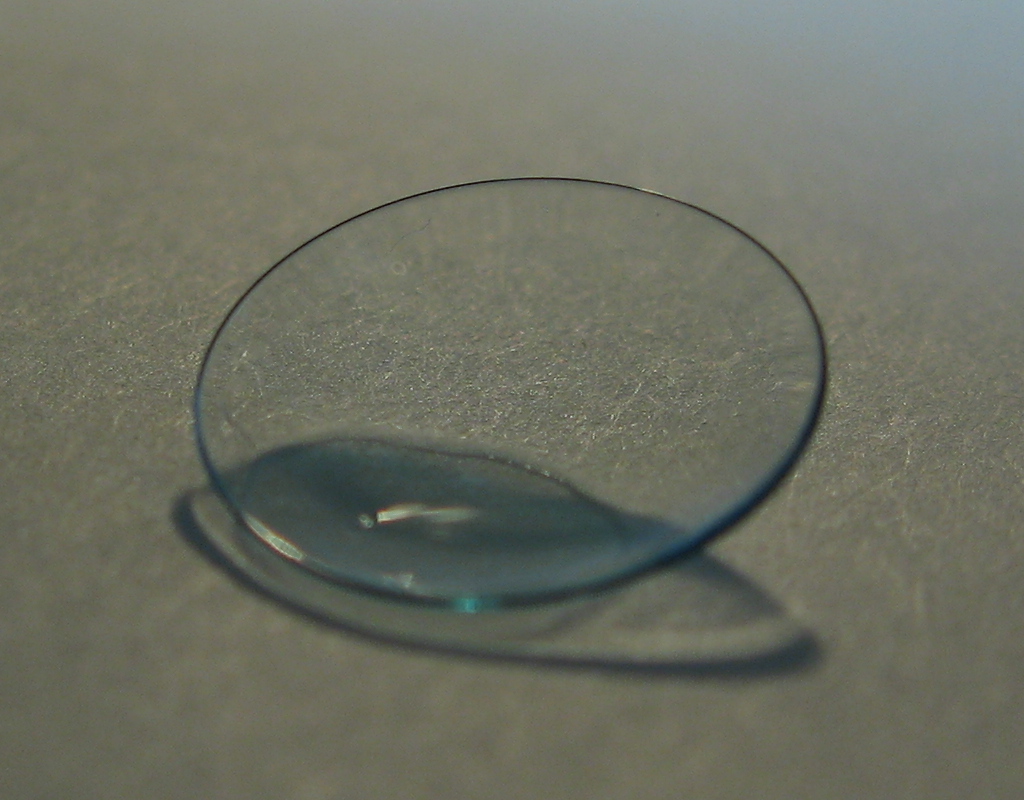
Smart contact lens could detect Glaucoma progression

Columbia University’s C. Gustavo De Moraes has developed a contact lens sensor that can detect Glaucoma progression by constantly monitoring intraocular pressure.  Doctors check eye pressure, but the measurement is not continuous, and not performed at night, when eye pressure typically rises.

As eye pressure fluctuates, lens curvature changes.  The sensor sends a signal to a wireless device that records it, and shows pressure changes over time.

In a recent study, 40  open-angle glaucoma patients wore the smart  lens for 24 hours, while awake and asleep. Patients with steeper overnight spikes and a greater number of peaks in their signal profile usually had faster glaucoma progression.


Wearable Tech + Digital Health San Francisco – April 5, 2016 @ the New York Academy of Sciences

NeuroTech San Francisco – April 6, 2016 @ the New York Academy of Sciences

Wearable Tech + Digital Health NYC – June 7, 2016 @ the New York Academy of Sciences

NeuroTech NYC – June 8, 2016 @ the New York Academy of Sciences
 

Categories
Eyes Wearables

Coating enhances smart contact lens capabilities

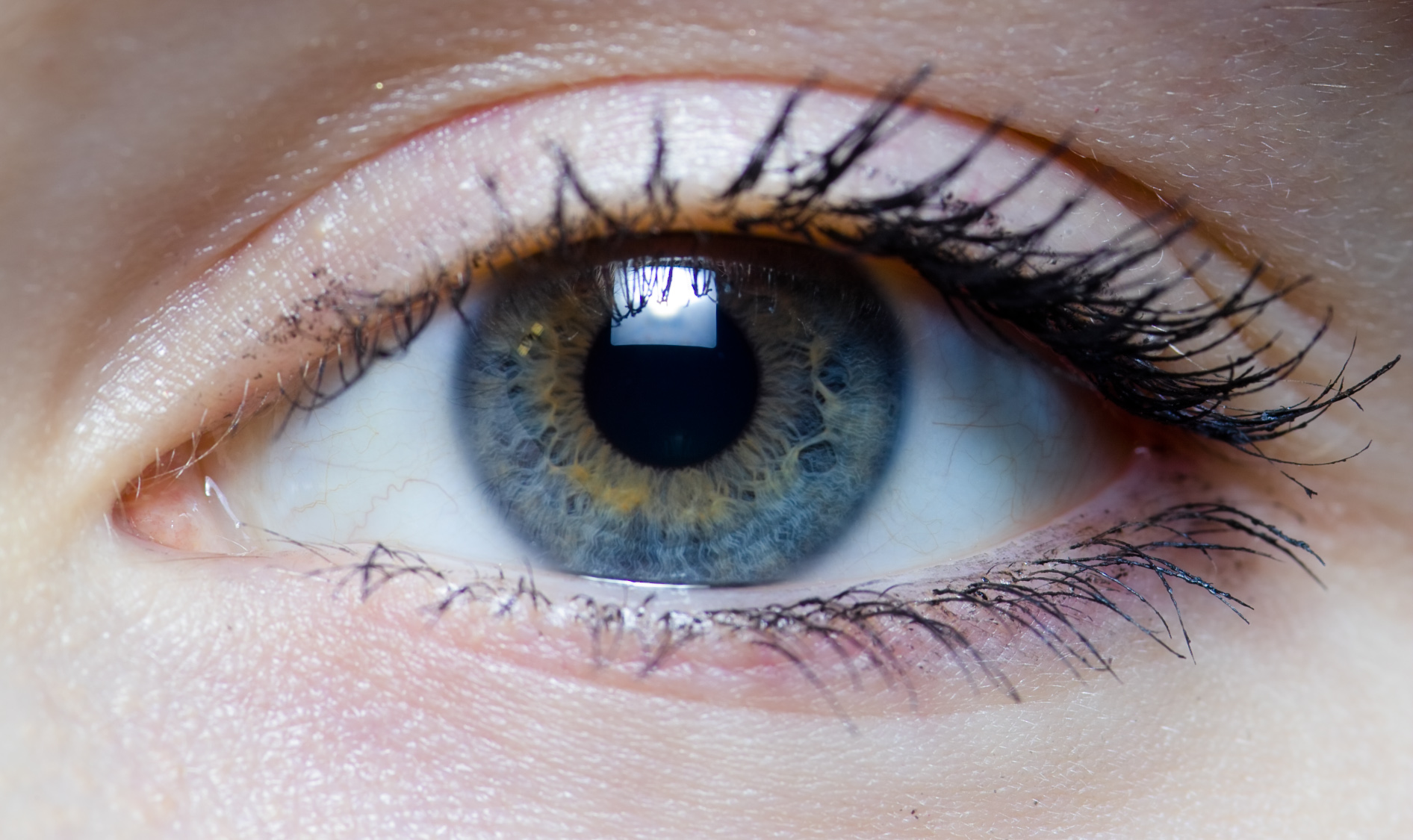
Google and others are developing smart contact lenses meant to be the next wave of wearables.  To broaden and enhance their capabilities, Drew Evans of the  University of South Australia has created  a biocompatible, conducting, nanoscale polymer lens coating.   Potential applications include  visual assistance through electronic displays and noninvasive glucose  measurement through sensors.


Wearable Tech + Digital Health San Francisco – April 5, 2016 @ the Mission Bay Conference Center

NeuroTech San Francisco – April 6, 2016 @ the Mission Bay Conference Center

Wearable Tech + Digital Health NYC – June 7, 2016 @ the New York Academy of Sciences

NeuroTech NYC – June 8, 2016 @ the New York Academy of Sciences
 

Categories
3-D Printing Brain

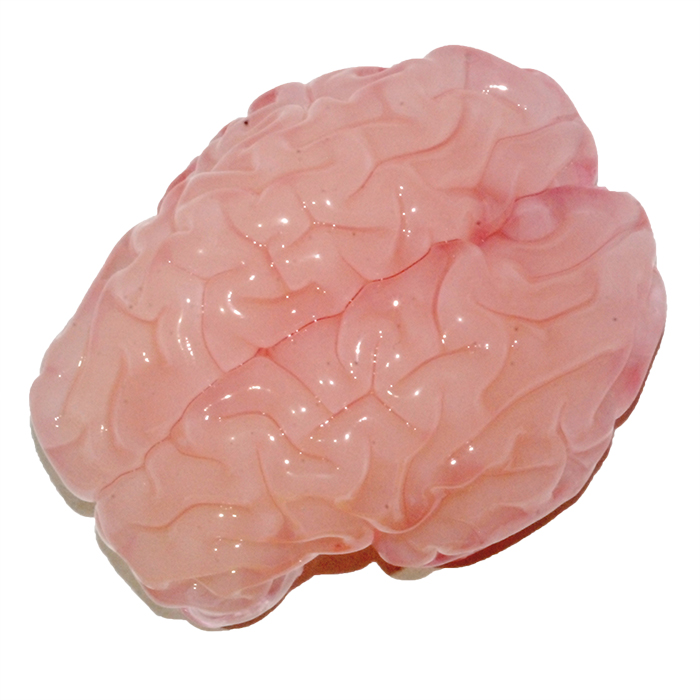
3D printed gel model replicates brain folding mechanism

L. Mahadevan and Harvard colleagues have  used 3D printing to replicate a folding human brain.  The goal is to understand how brain folds are related to disease. While many molecular processes  determine cellular events, the study shows that what ultimately causes the brain to fold is a mechanical instability associated with buckling.
A 3D  gel model of a smooth fetal brain was created based on MRI images. To mimic cortical expansion, the gel brain was immersed in a solvent that is absorbed by the outer layer, causing it to swell relative to the deeper regions. The resulting compression led to the formation of folds similar in size and shape to real brains.
In humans, folding begins in fetal brains at the 20th week of gestation,  and is completed at a year and a half. The number, size, shape and position of neuronal cells during brain growth lead to the expansion of the cortex (gray matter), relative to the underlying white matter. The scientists said that this puts the cortex under compression, leading to a mechanical instability that causes it to crease locally. They believe that if a part of the brain does not grow properly, or if the global geometry is disrupted, the major folds may not be in the right place, which may cause dysfunction.
Click to view Harvard University GIF

Wearable Tech + Digital health San Francisco – April 5, 2016 @ the Mission Bay Conference Center

NeuroTech San Francisco – April 6, 2016 @ the Misson Bay Conference Center

Wearable Tech + Digital Health NYC – June 7, 2016 @ the New York Academy of Sciences

NeuroTech San Francisco – June 8, 2016 @ the New York Academy of Sciences

Categories
Assistive Technologies Robotics

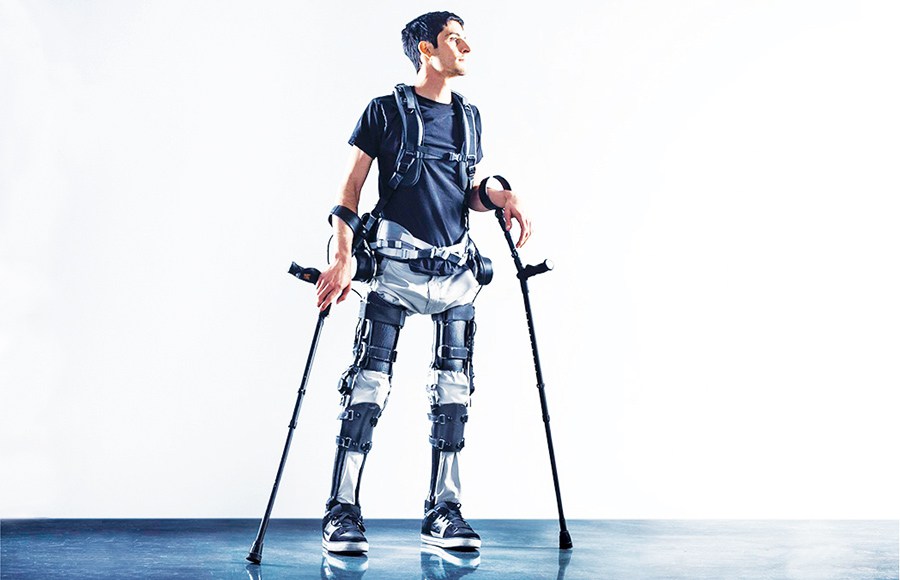
Modular exoskeleton adjusts to user’s height, ability

SuitX is a modular, adjustable exoskeleton that adapts to a user’s height or disability.  For example, it can assist only one leg if the other does not require help.  It was developed by Berkeley professor Homayoon Kazerooni. As with other exoskeletons, it allow users to move their hips and knees with small motors attached to orthotics.   One can walk at up to 1.1 miles per hour by controlling buttons incorporated into crutches.

The suit is 27 pounds and costs $40,000.  A backpack battery provides power for 8 hours.  Walking data can be monitored.

Kazerooni  said that his goal is to build a version for children, as those with neurological disorders can require intensive walking training to remain mobile.   He is currently researching the suit’s benefits for adult stroke patients.


Wearable Tech + Digital Health San Francisco – April 5, 2016 @ the Mission Bay Conference Center

NeuroTech San Francisco – April 6, 2016 @ the Mission Bay Conference Center

Wearable Tech + Digital Health NYC – June 7, 2016 @ the New York Academy of Sciences

NeuroTech NYC – June 8, 2016 @ the New York Academy of Sciences
 

Categories
Apps Brain

Concussion app gauges recovery

As the incidence of and focus on concussion grows, the neurotech community continues to develop diagnostic tools and treatment protocols.

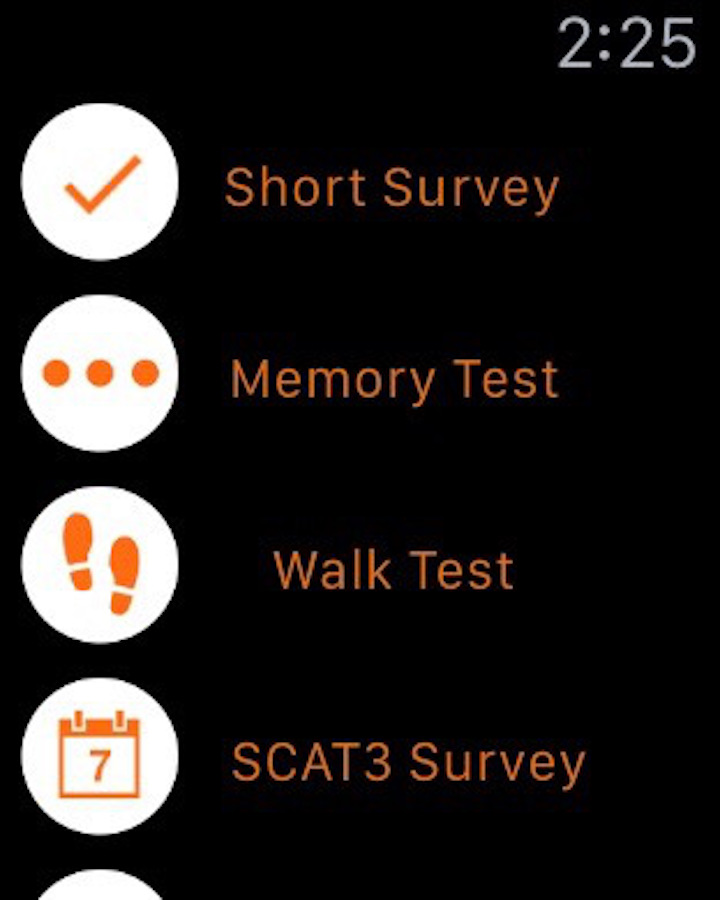
One such tool is the NYU developed Concussion Tracker app,  and corresponding study, designed to track self-reported physical and cognitive function after concussion.  The app does not, however, diagnose concussion.

The goal is to monitor recovery with greater detail and regularity,  to better evaluate treatment and identify persistent issues.   The project is led by NYU’s Laura BalcerDennis Cardone, and Paul Testa.

Testa said  the collected data will be used to  develop a new recovery evaluation app that in the future could shape recovery protocols.


Wearable Tech + Digital Health San Francisco – April 5, 2016 @ the Mission Bay Conference Center

NeuroTech San Francisco – April 6, 2016 @ the Mission Bay Conference Center

Wearable Tech + Digital Health NYC – June 7, 2016 @ the New York Academy of Sciences

NeuroTech NYC – June 8, 2016 @ the New York Academy of Sciences
 

Categories
Cancer

Handheld microscope identifies cancer cells during surgery

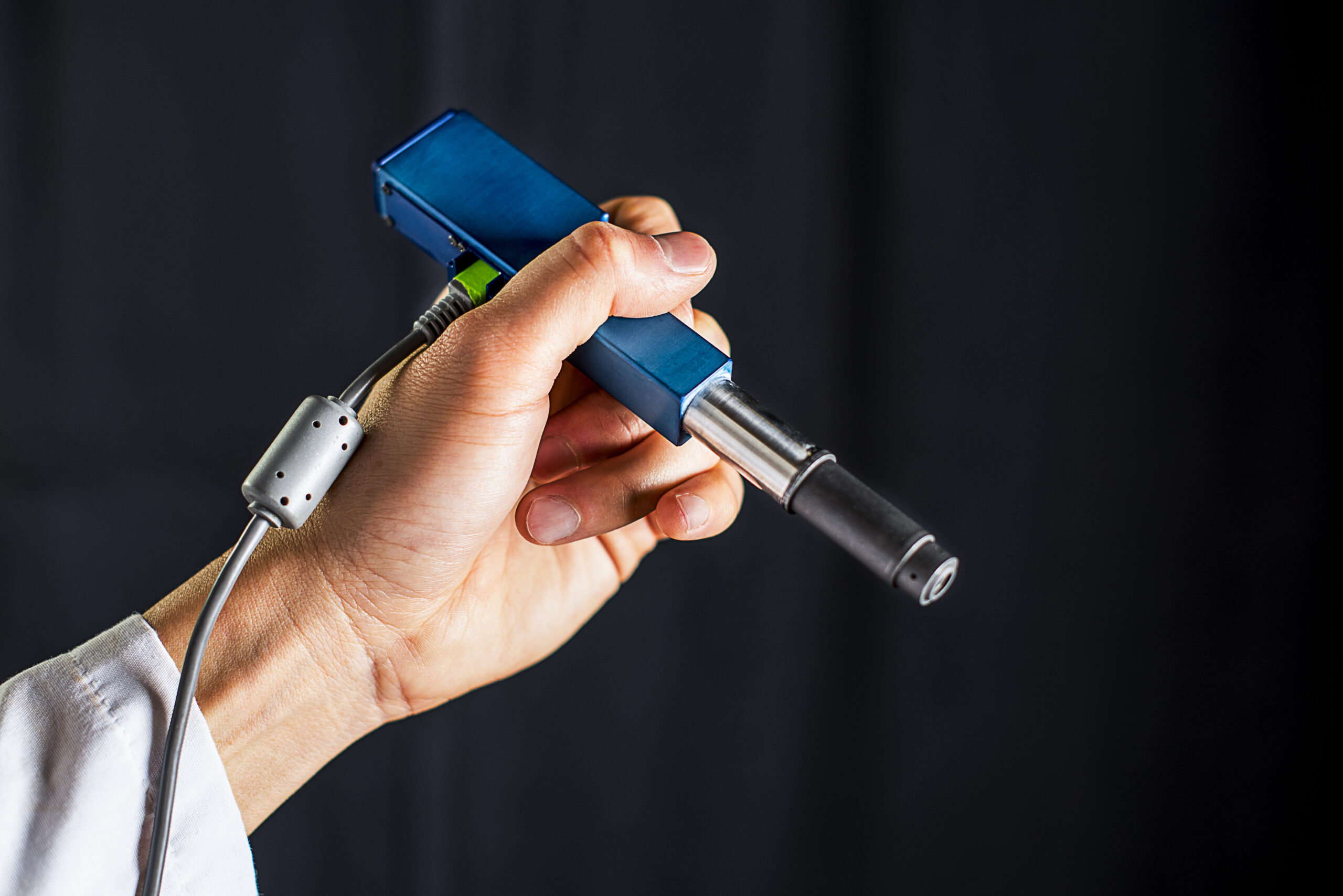
University of Washington, Memorial Sloan Kettering Cancer Center, Stanford University and Barrow Neurological Institute researchers are developing a handheld, miniature microscope to allow surgeons to “see” at a cellular level in the operating room.  This can enable more precise brain tumor removal, as surgeons try not  to leave cancerous material behind, while protecting healthy brain matter.

According to lead author Jonathan Liu, “Surgeons don’t have a very good way of knowing when they’re done cutting out a tumor. They’re using their sense of sight, their sense of touch, pre-operative images of the brain — and oftentimes it’s pretty subjective. Being able to zoom and see at the cellular level during the surgery would really help them to accurately differentiate between tumor and normal tissues and improve patient outcomes,”


The microscope delivers high-quality images at faster speeds than existing devices. In addition to tumor surgery, researchers will begin testing it as a cancer-screening tool in  dental and dermatological clinics, in an effort to avoid invasive biopsies and waiting time at labs.


Wearable Tech + Digital Health San Francisco – April 5, 2016 @ the Mission Bay Conference Center

NeuroTech San Francisco – April 6, 2016 @ the Mission Bay Conference Center

Wearable Tech + Digital Health NYC – June 7, 2016 @ the New York Academy of Sciences
NeuroTech NYC – June 8, 2016 @ the New York Academy of Sciences