Categories
Brain Cancer Diabetes

Single blood drop to detect dozens of diseases

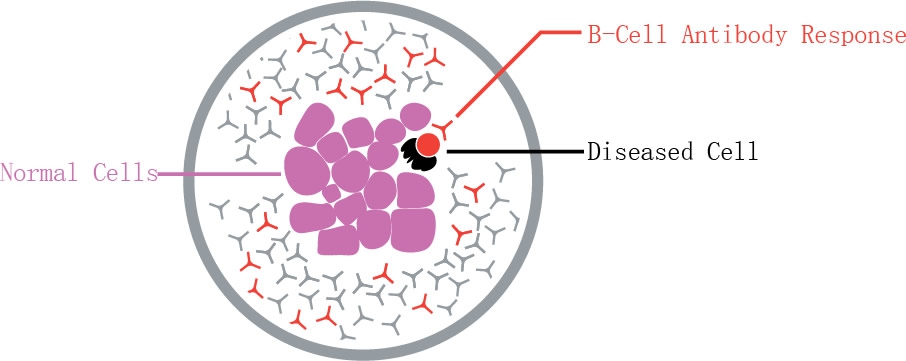
HealthTell is another single blood drop home diagnosis device.  ApplySci described Dr. Eugene Chan‘s Nokia X prize winning similar system  last month.

HealthTell claims to detect disease by monitoring the body’s immune response.  Infection antibodies are detected with a peptide built semiconductor wafer. When a few drops of blood hit the surface, antibodies stick to the peptides in patterns that can show characteristics of specific diseases (after analysis). Human and mice studies have shown that the technology might detect lupus, valley fever, Alzheimer’s disease, brain cancer, pancreatic cancer, and Type 2 diabetes.

Theranos, another promising, single blood drop, self diagnosis system, tests for antigens for certain cancers, hepatitides, cholesterol, and dozens of diseases. It has been embraced by investors, raising $400 million to date.  Little has been published about the Theranos system in scientific journals, while HealthTell has published 20 peer reviewed articles.

Categories
Arthritis

Implant stimulates vagus nerve, relieves arthritis pain

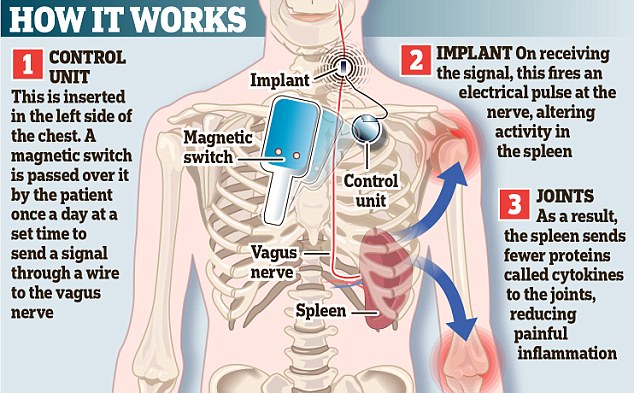
Academic Medical Center scientists have implanted tiny pacemaker-like devices in the necks of 20 patients with severe rheumatoid arthritis,  reducing joint pain with out drugs.  The trial was led by Professor Paul-Peter Tak.

The implant stimulates the vagus nerve, which connects the brain to major organs, and is responsible for automatic body functions. Spleen activity was reduced after impulses were fired for three minutes a day.  In less than a week, participant’s spleens produced fewer chemicals and other immune cells that cause abnormal joint inflammation in rheumatoid arthritis.

GlaxoSmithKline, a partner in the study, hopes that the same technique could, in the future, reverse other chronic conditions, including asthma, obesity and diabetes.

Categories
Apps fitness Wearables

Gamified fitness with Atari classics

Atari is entering the digital health space, using classic games like Pong, Breakout & Centipede to incentivize users to participate in fitness challenges.  The gamified app is called Atari Fit and includes circuit workouts and running programs. Users exercise individually or with friends while earning points to unlock Atari games.  The app includes ranked leaderboards where skills are compared and shared socially.  Walgreens‘ digital health platform  will provide rewards for participating in challenges that log steps taken.

Atari Fit will be compatible with  popular wearables including Fitbit and RunKeeper.  It will also aggregate data from other platforms to allow users to comprehensively track activity.

Categories
Apps Monitoring Sensors

Hormone sensor + cloud platform for women

Open Source Health, a cloud based women’s healthcare platform, has unveiled a device for  self-measuring hormones using a drop of blood from one’s finger.  Each single use  bio-sensor chip performs up to 5 tests at home.  Estrogens, progestogens and androgens can be measured. Future plans include the ability to measure thyroid hormones (TSH, T3 and T4)  and nutrition and vitamin levels.

The device uses hyper-spectral sensing technology and advanced protein synthesis.  A single drop of blood in the sensor sends real time results to a smartphone, which are then uploaded to a cloud-based platform for analysis.


Categories
Apps Brain Sensors Wearables

Light tracking wearable to prevent seasonal depression

As the shortest day of the year approaches, we all risk the impact of a lack of sun on our personal wellness.

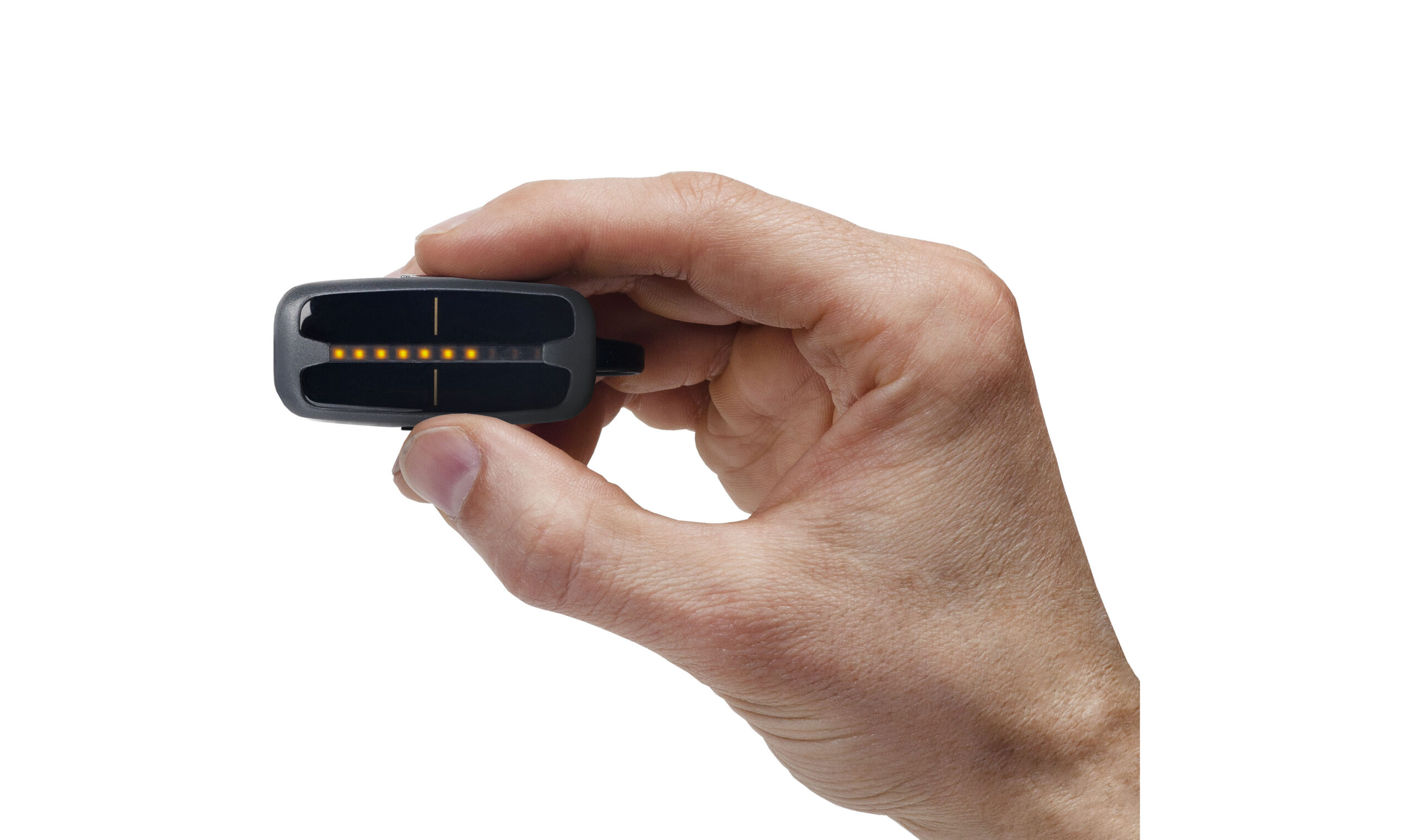
Bright light exposure has myriad mental health benefits, including improved mood, and enhanced digestion, energy and sleep.   Studies show that light therapy is as effective as antidepressant medication, with additional benefits and no side effects.  SunSprite is a wearable that empowers users to prevent seasonal depression (and other light-associated problems) by quantifying their own exposure to daily bright light.  Light affects hormone levels, key to many aspects of health, which ApplySci believes will be one of the key measurables in the next generation of wearables.

Bright light is absorbed through the eyes, travels through receptor cells on the retina, and then onto the brain, which controls hormonal cycles.  It is not absorbed through the skin, as is commonly thought.  SunSprite is solar powered and has dual sensors that measure visible and UV light.  It contains 10 LED lights, each representing 10% of a person’s daily goal.  A button is pushed to view progress and sync with a mobile phone via Bluetooth.  Users receive instant sun exposure feedback via the device’s display, and deeper analysis from the mobile app.  Personalized coaching is offered,  goals are set, and trends are tracked.

The company  is run by Ed Likovich and a team of Harvard scientists.  The device is compatible with iPhone, will soon be compatible with Android, and can also provide light feedback with out the mobile app.

Categories
Machine Learning mHealth

Portable, lens free, on chip microscope for 3-D imaging

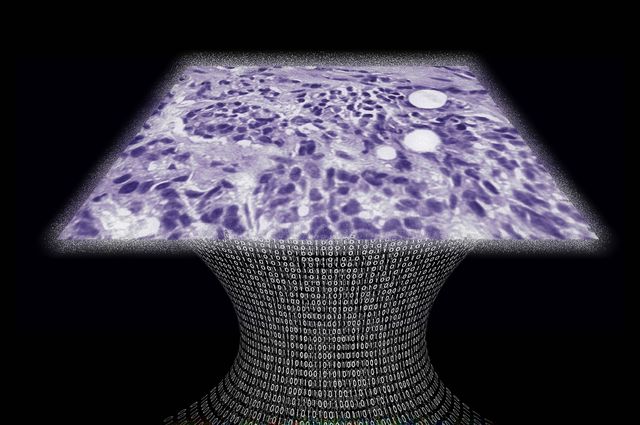
UCLA professor Aydogan Ozcan has developed a lens-free microscope for high throughput 3-D tissue imaging to detect cancer or other cell level abnormalities.

Laser or light-emitting-diodes  illuminate a tissue or blood sample on a slide inserted into the device. A sensor array on a microchip  captures and records the pattern of shadows created by the sample. The patterns are processed as a series of holograms, forming 3-D images of the specimen. An algorithm color codes the reconstructed images.  Contrasts in the samples more apparent than they would be in the holograms, detecting abnormalities.

This could lead to cheaper and more portable technology for examining tissue, blood and other biomedical specimens. It will benefit patients in remote areas and in cases where large numbers of samples need to be examined quickly.

Categories
BCI Brain Prosthetics Robotics

BCI enabled 10-D prosthetic arm control

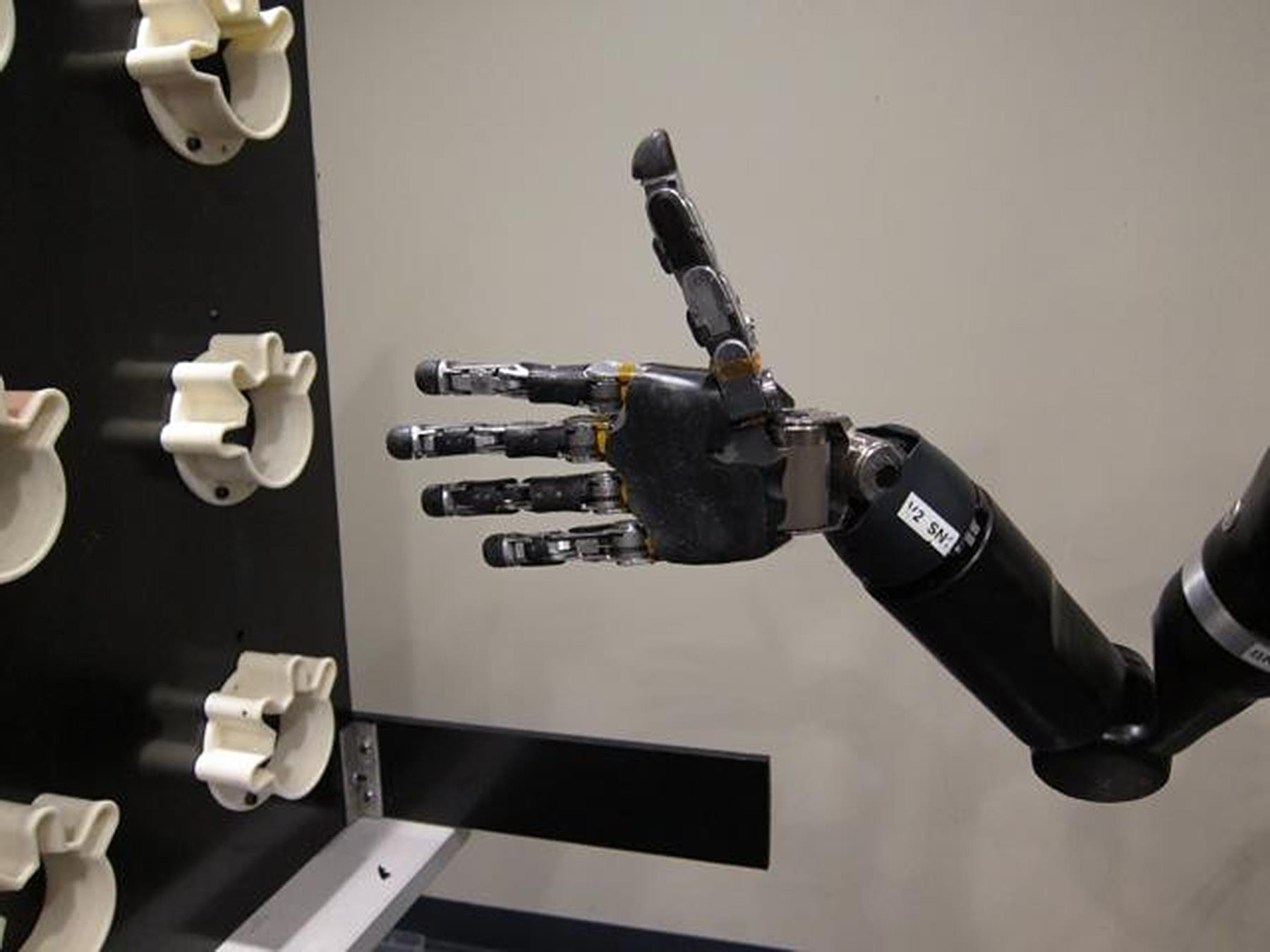
Jennifer Collinger and University of Pittsburgh colleagues have enabled a prosthetic arm wearer to reach, grasp, and place a variety of objects with 10-D control for the first time.

The trial participant had electrode grids with 96 contact points surgically implanted in her brain in 2012.  This allowed 3-D control of her arm. Each electrode point picked up signals from an individual neuron, which were relayed to a computer to identify the firing patterns associated with observed or imagined movements, such as raising or lowering the arm, or turning the wrist. This was used to direct the movements of a prosthetic arm developed by Johns Hopkins Applied Physics Laboratory.  Three months later, she also could flex the wrist back and forth, move it from side to side and rotate it clockwise and counter-clockwise, as well as grip objects, adding up to 7-D control.

The new study, published yesterday, allowed the participant 10-D control — the ability to move the robot hand into different positions while also controlling the arm and wrist.

To bring the total of arm and hand movements to 10, the pincer grip was replaced by four hand shapes: finger abduction, in which the fingers are spread out; scoop, in which the last fingers curl in; thumb opposition, in which the thumb moves outward from the palm; and a pinch of the thumb, index and middle fingers. As before, the participant watched animations and imagined the movements while the team recorded her brain signals. They used this to read her thoughts so that she could move the hand into various positions.

Categories
Brain

Optic technology to diagnose, monitor brain damage

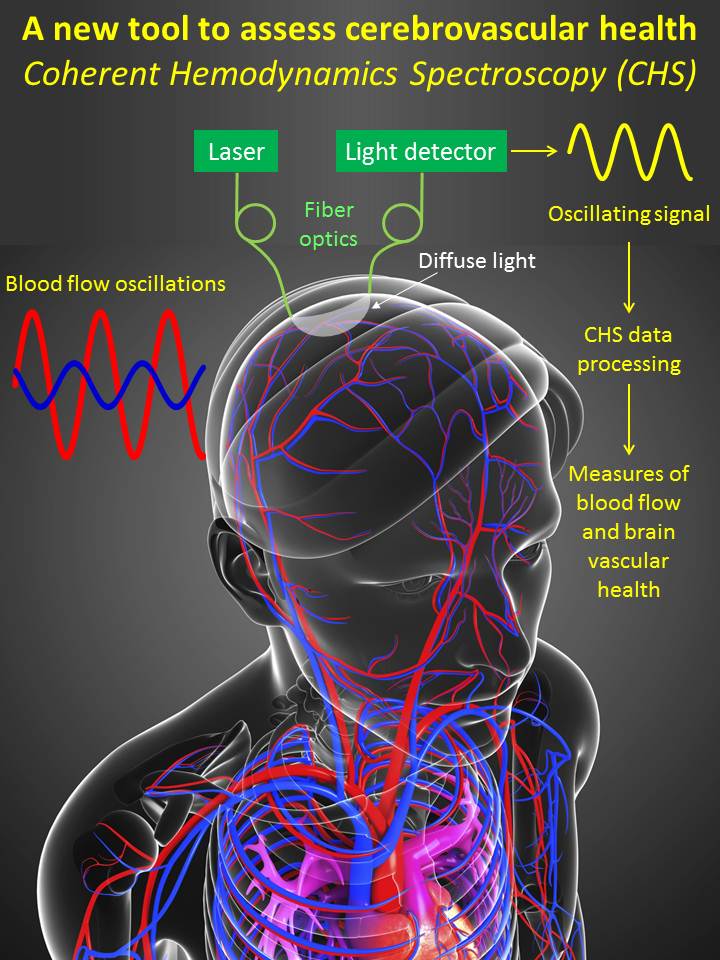
Coherent hemodynamics spectroscopy (CHS), developed by Tufts professor Sergio Fantini, measures blood flow, blood volume, and oxygen consumption in the brain. The goal is to pinpoint and monitor, real time and non invasively, brain damage from stroke, traumatic injury, or vascular dementia. It can also be used to study how blood flow is regulated in the healthy brain.

CHS uses noninvasive laser diodes that emit near infrared light, delivered to the scalp by fiber optics. Light waves are absorbed by blood vessels in the brain. Remaining light is reflected back to sensors, resulting in optical signals that oscillate with time as a result of the heartbeat, respiration, or other sources of blood pressure variation.  Algorithms analyze the light signals, enabling the model to evaluate blood flow and the way the brain regulates it.


Categories
Cancer

Non-invasive, magnetic, deep tissue drug delivery

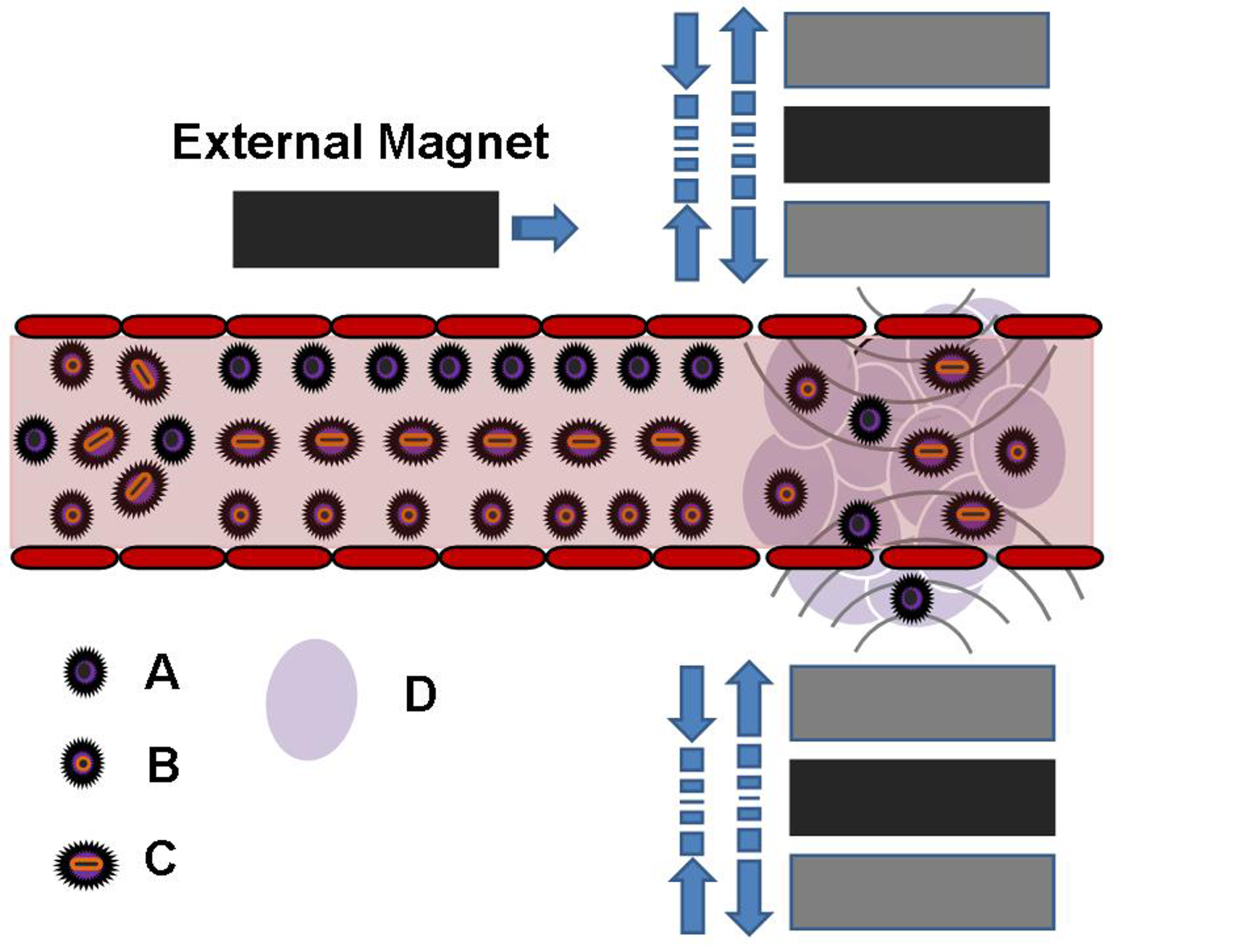
Current magnetic drug delivery therapies allow particles to be attracted to a magnet, but not concentrated toward points away from the magnet face.  Clinical trials have concentrated on treatment to targets at or just below the skin surface.

University of Maryland‘s  Aleksandar Nacev and  Benjamin Shapiro, with Weinberg Medical Physics, have developed a non-invasive dynamic inversion technique to direct therapies and diagnostics to deep targets in the body.

Instead of surgery or chemotherapy, magnetic particles as drug carriers could allow clinicians to focus therapy on precise disease locations.

According to to WMP’s Irving Weinberg:  “The Holy Grail of magnetic drug targeting is the dream of using magnets outside the body to minimally-invasively direct drug therapy to anywhere inside the body, for example, to inoperable deep tumors or to sections of the brain that have been damaged by trauma, vascular or degenerative diseases.  We have shown that fast pulsing of external electromagnetic fields may be able to achieve this goal.”


Categories
Monitoring Sensors Sleep

Less obtrusive sleep monitoring

Stevens Institute of Technology and Florida State University researchers have developed a sleep monitoring system using earbuds with an in-line microphone plugged into an iPhone. The microphone monitored study participants’ breathing to within half a breath per minute of what could be recorded with a chest-worn respiration monitor and collar clipped microphone.  The novelty of the system is the ability to place the earphones on a table next to the bed, making the process much less obtrusive. Ambient noise was filtered out, allowing  focus on breathing, snoring and coughing.

Lead researcher Yingying Chen believes that the system will help diagnose health problems, such as sleep apnea.  This is typically studied at hospitals, where sensors are attached to a patient’s body and sleep is monitored. Chen believes that it is difficult for doctors to capture irregular patterns in a hospital setting.

The team plans to release a related smartphone app next year.

Categories
fitness Sensors Wearables

Flexible, wearable, disposable pulse oximeter

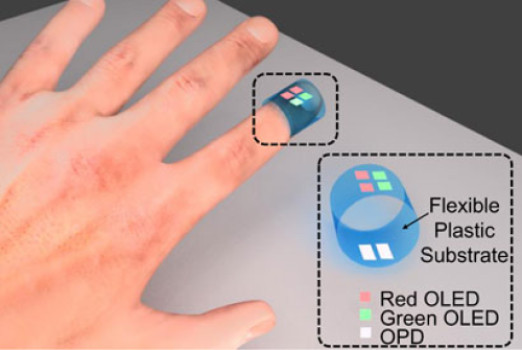
Conventional pulse oximeters use LEDs to send red and infrared light through one’s fingertip or earlobe. Bright, oxygen-rich blood absorbs more infrared light, and darker, oxygen-poor blood absorbs more red light. The ratio of the two wavelengths, determined by sensors, reveals how much oxygen is in the blood.

Berkeley professor Ana Clauda Arias has built pulse oximeter functions into flexible carbon-based materials, instead of rigid chips fabricated with silicon. She used red and green light, which yield comparable differences to red and infrared when distinguishing high and low levels of oxygen in the blood.  Arias compares the “organic electronics” to band-aids,  as they are disposable, cheap and flexible. Her study was published in Nature Communications this week.

The organic LEDs were printed on flexible plastic,with a spin coating that uses centrifugal force to deposit a solution with the material in a thin, uniform film. An organic photodiode converted the light received through the tissue into a current, enabling it to be configured into flexible forms.

Minimal, flexible pulse oximetry can be incorporated into the next generation of fitness wearables, enhancing performance metrics.

Categories
Heart

Body’s cold sensor could treat hypothermia, heart failure

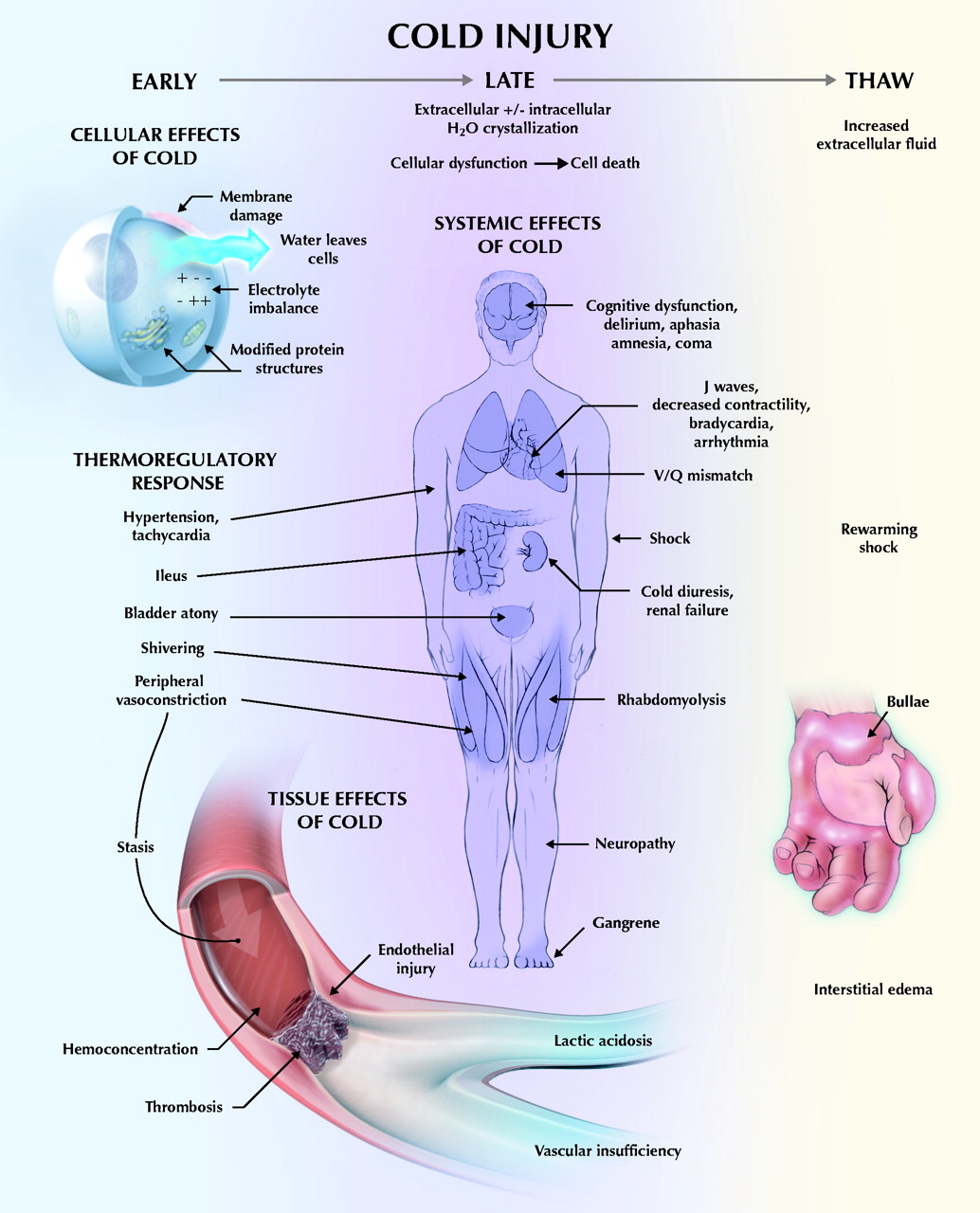
A cold “sensor” that  triggers the skin’s vascular response could treat frostbite, hypothermia, and vascular diseases, according to a study published by King’s College London.

The research focuses on the role TRPA1 plays in the narrowing and widening of blood vessels to retain body heat.  It could enable treatments that  limit the effects of exposure to cold, and the body cooling process associated with hypothermia.

Currently linked to pain sensitivity and used in the development of painkillers, this is the first time the TRPA1 gene has been associated with the response of blood vessels in the skin to cold.

According to Peter Weissberg at the British Heart Foundation: “This study helps us to understand how and why our blood vessels contract and expand, and could help scientists develop treatments for many conditions where blood vessel or ‘vascular’ health is important, from Raynaud’s to heart failure. Any research that helps to explain the complicated processes that control the circulatory system may have wide reaching implications in the future, as vascular health is involved in so many different diseases.”