
Categories
Apps Data Sleep Wearables

Sleep app uses wearable sensors, cloud analytics

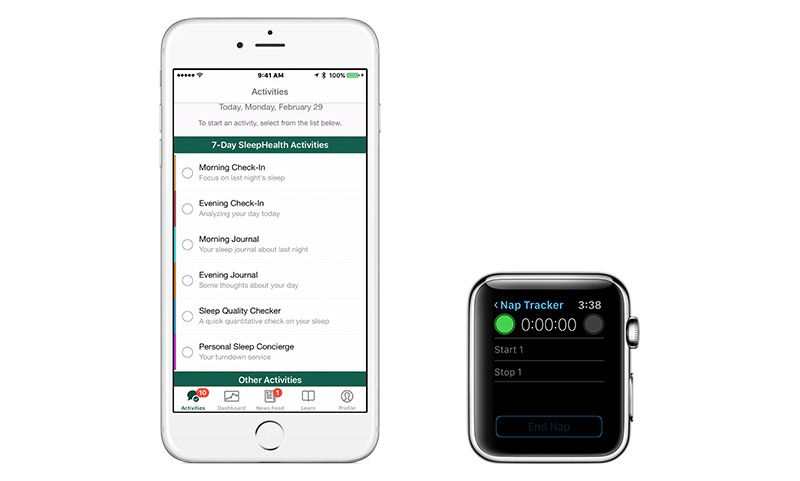
The American Sleep Apnea Association,  Apple and IBM have begun a study about the impact of sleep quality on daily activity level, alertness, productivity,  health and medical conditions. iPhone and Apple Watch sensors and the ResearchKit framework collect data from healthy and unhealthy sleepers, which is sent to the Watson Health Cloud.

The SleepHealth app uses the watch’s  heart rate monitor to detect sleep, and gathers movement data with its accelerometer and gyroscope. The app includes a  “personal sleep concierge” and nap tracker, meant to help users develop better sleeping habits.

Data is stored and analyzed on the Watson Health Cloud, allowing researchers to see common patterns .  The long term goal is to develop  effective interventions.


Wearable Tech + Digital Health San Francisco – April 5, 2016 @ the Mission Bay Conference Center

NeuroTech San Francisco – April 6, 2016 @ the Mission Bay Conference Center

Wearable Tech + Digital Health NYC – June 7, 2016 @ the New York Academy of Sciences

NeuroTech NYC – June 8,2016 @ the New York Academy of Sciences
 

Categories
Eyes Sensors Wearables

Self-adjusting lenses adapt to user needs

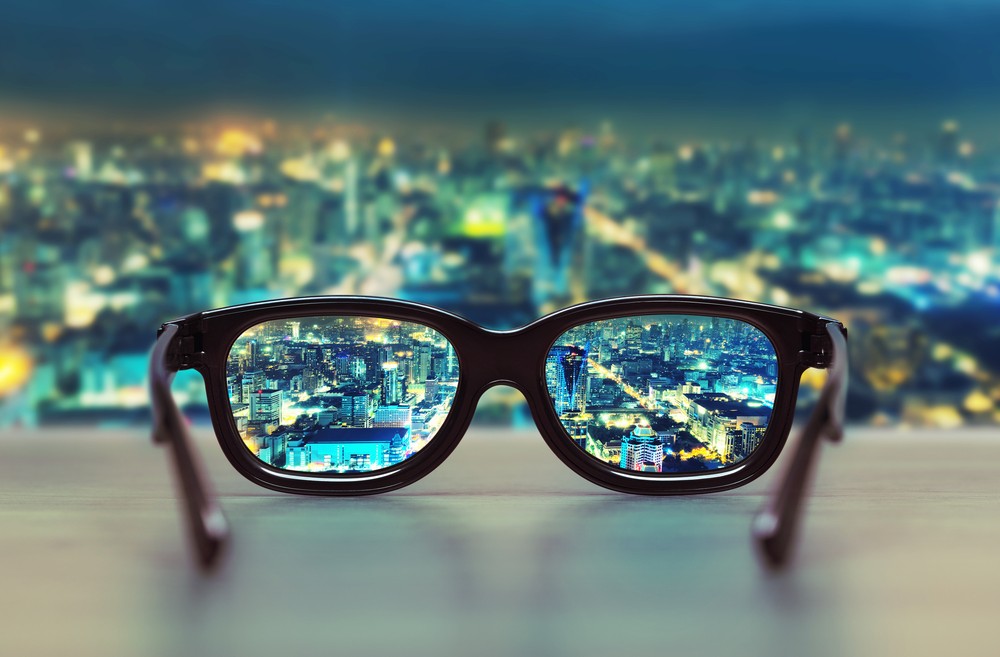
DeepOptics is developing is vision-enhancing wearable lenses, with sensors that gauge viewing distance, and precisely adjust the lenses to bring an object into focus.

Electronic volts are sent into three layered liquid crystal lenses, changing the refractive index to provide the specific optical compensation needed to correct vision in every situation.

The company also believes that its technology can offer VR/AR devices the ability to deliver better experiences.

Click to view the DeepOptics video:


Wearable Tech + Digital Health San Francisco – April 5, 2016 @ the Mission Bay Conference Center

NeuroTech San Francisco – April 6, 2016 @ the Mission Bay Conference Center

Wearable Tech + Digital Health NYC – June 7, 2016 @ the New York Academy of Sciences
NeuroTech NYC – June 8, 2016 @ the New York Academy of Sciences
 

Categories
AI Apps Monitoring

DeepMind Health identifies complication risks

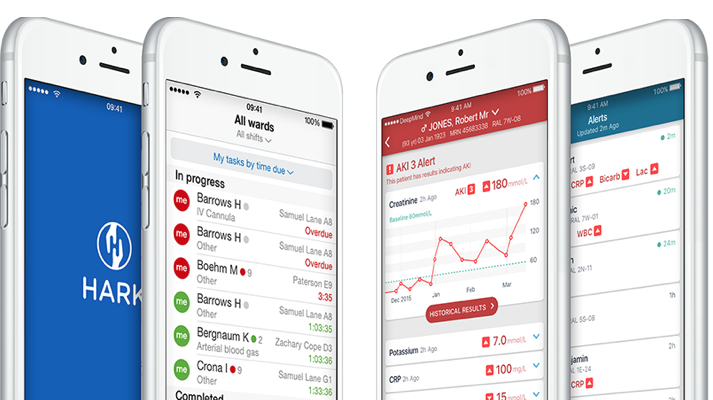
Google has announced DeepMind Health, which creates non-AI based apps to identify patientscomplication risk.  It is expected for AI to be integrated in the future. Acute kidney injury is the group’s initial focus, being tested by the UK National Health Service and the Royal Free Hospital London.

The initial app, Streams, quickly alerts hospital staff of critical patient information.  One of Streams’ designers, Chris Laing, said that  “using Streams meant I was able to review blood tests for patients at risk of AKI within seconds of them becoming available. I intervened earlier and was able to improve the care of over half the patients Streams identified in our pilot studies.”

The company plans to integrate patient treatment prioritization features based on the Hark clinical management system.


Wearable Tech + Digital Health San Francisco – April 5, 2016 @ the Mission Bay Conference Center

NeuroTech San Francisco – April 6, 2016 @ the Mission Bay Conference Center

Wearable Tech + Digital Health NYC – June 7, 2016 @ the New York Academy of Sciences

NeuroTech NYC – June 8, 2016 @ the New York Academy of Sciences
 

Categories
Respiratory

Stethoscope software analyzes lung sounds

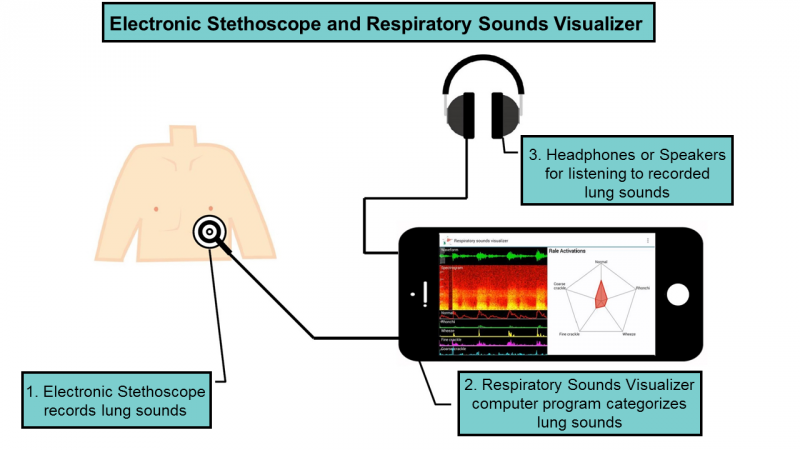
Hiroshima University and Fukushima Medical University researchers have created software and an electronic stethoscope to classify lung sounds into five common diagnostic categories.

Currently, doctors listening to heart and lung sounds on a stethoscope need to overcome background noise and recognize multiple irregularities. The system will be able to “hear” what a doctor might miss, and automatically identify multiple lung problems.

Recorded lung sounds of 878 patients were classified by respiratory physicians. The diagnoses were turned into templates, to create a mathematical formula that evaluates the length, frequency, and intensity of lung sounds. Software analyzed sound patterns during patient exams enable respiratory diagnoses.


Wearable Tech + Digital Health San Francisco – April 5, 2016 @ the Mission Bay Conference Center

NeuroTech San Francisco – April 6, 2016 @ the Mission Bay Conference Center

Wearable Tech + Digital Health NYC – June 7, 2016 @ the New York Academy of Sciences
NeuroTech NYC – June 8, 2016 @ the New York Academy of Sciences
 

Categories
AI Cancer Machine Learning

Machine learning analysis of doctor notes predicts cancer progression

Gunnar Rätsch and Memorial Sloan Kettering colleagues are using AI to find similarities between cancer cases.  Ratsch’s algorithm has analyzed 100 million sentences taken from clinical notes of about 200,000 cancer patients to predict disease progression.

In a recent study, machine learning was used to classify  patient symptoms, medical histories and doctors’ observations into 10,000 clusters. Each cluster represented a common observation in medical records, including recommended treatments and typical symptoms. Connections between clusters were mapped to  show inter-relationships. In another study, algorithms were used to  find hidden associations between written notes and patients’ gene and blood sequencing.


Wearable Tech + Digital Health San Francisco – April 5, 2016 @ the Mission Bay Conference Center

NeuroTech San Francisco – April 6, 2016 @ the Mission Bay Conference Center

Wearable Tech + Digital Health NYC – June 7, 2016 @ the New York Academy of Sciences
NeuroTech NYC – June 8, 2016 @ the New York Academy of Sciences


Categories
BCI Brain Prosthetics

Mind controlled prosthetic fingers

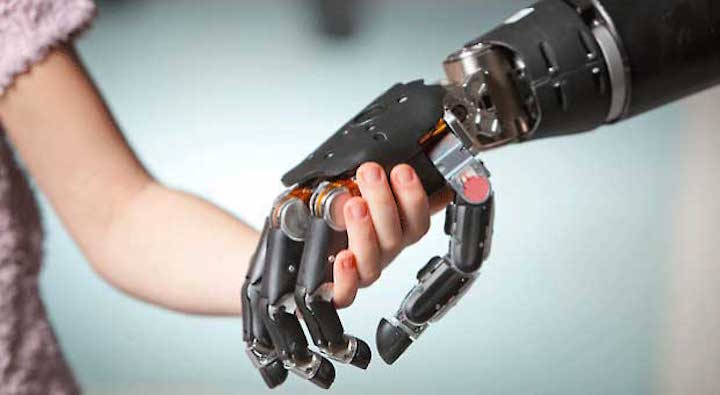
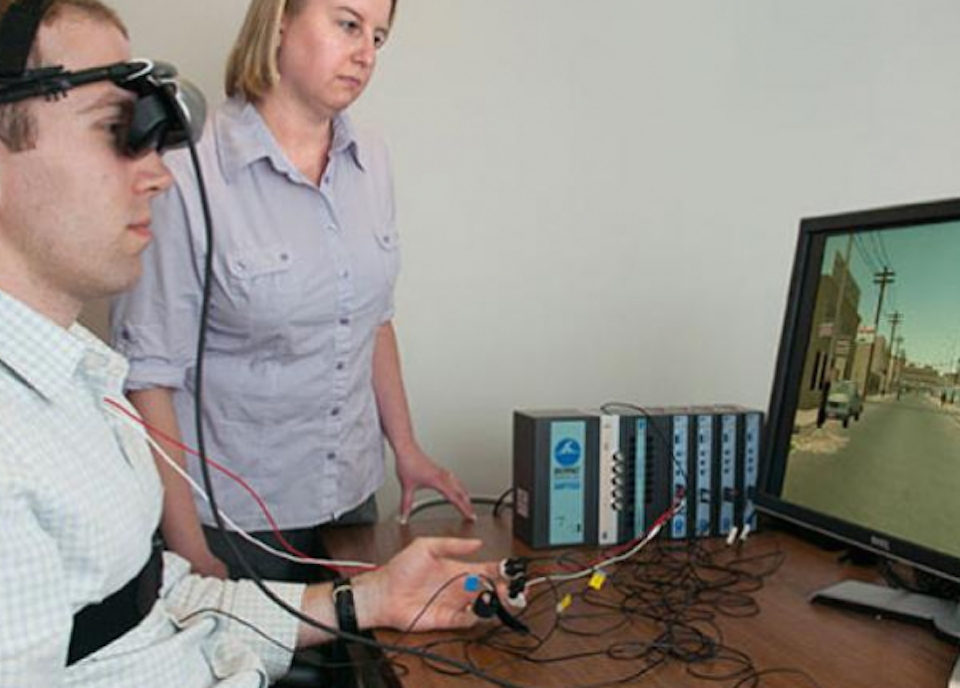
Johns Hopkins researchers have developed a proof-of-concept for a prosthetic arm with fingers that, for the first time, can be controlled with a wearer’s thoughts.

The technology was tested on an epileptic patient who was not missing any limbs.  The researchers used brain mapping technology to bypass control of his arms and hands.  (The patient was already scheduled for a brain mapping procedure.) Brain electrical activity was measured for each finger.

This was an invasive procedure, which required implanting an array of 128 electrode sensors, on sheet of film, in the part of the brain that  controls hand and arm movement. Each sensor measured a circle of brain tissue 1 millimeter in diameter.

After compiling the motor and sensory data, the arm was programmed to allow the patient to move individual fingers based on which part of his brain was active.

The team said said that the prosthetic was initially 76 percent accurate, and when they combined the signals for the ring and pinkie fingers, accuracy increased to 88 percent.

Click to view Johns Hopkins video.


Wearable Tech + Digital Health San Francisco – April 5, 2016 @ the Mission Bay Conference Center

NeuroTech San Francisco – April 6, 2016 @ the Mission Bay Conference Center

Wearable Tech + Digital Health NYC – June 7, 2016 @ the New York Academy of Sciences

NeuroTech NYC – June 8, 2016 @ the New York Academy of Sciences
 

Categories
Brain Eyes

First human optogenetics vision trial

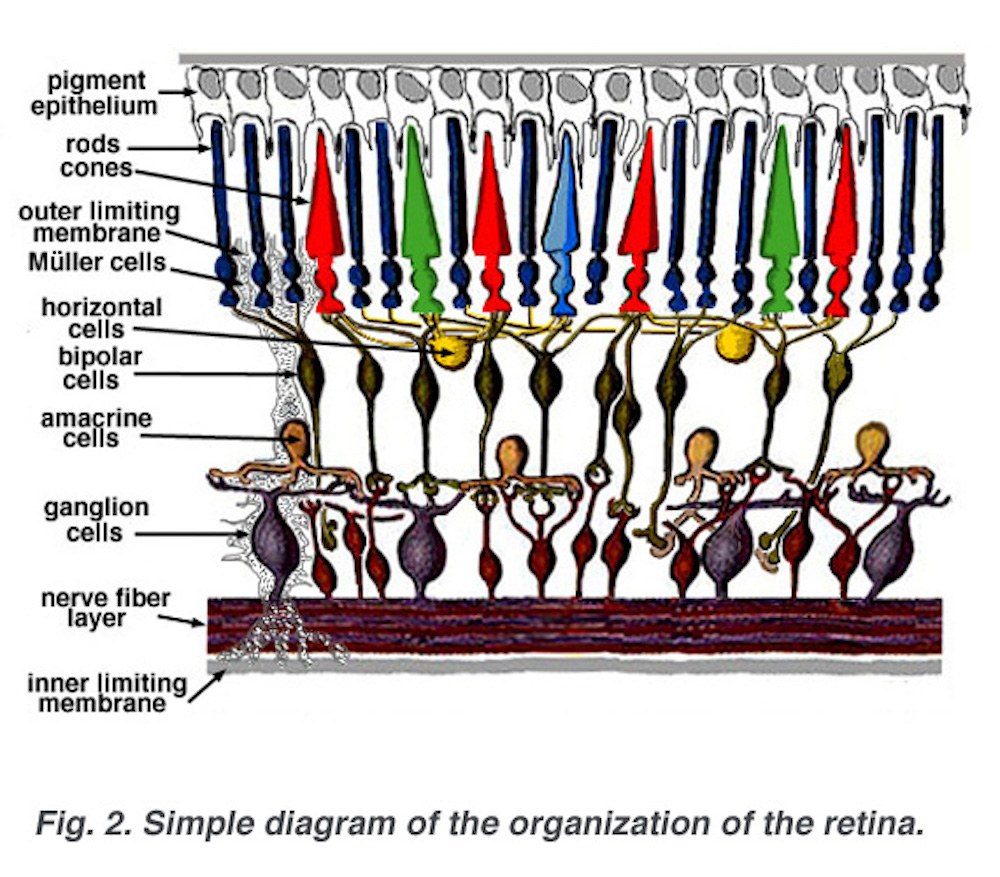
Retina Foundation of the Southwest scientists, in a study sponsored by Retrosense Therapeutics, will for the first time use optogenetics — a combination of gene therapy and light to  control nerve cells – in an attempt to restore human sight.  Previously, optogenetic therapies were only tested on mice and monkeys.

Viruses with DNA from light-sensitive algae will be injected into the eye’s ganglion cells, which transmit signals from the retina to the brain, in an attempt to make them directly responsive to light.  15 legally blind patients will participate in the study, which was first reported by the MIT Technology Review.


Wearable Tech + Digital Health San Francisco – April 5, 2016 @ the Mission Bay Conference Center

NeuroTech San Francisco – April 6, 2016 @ the Mission Bay Conference Center

Wearable Tech + Digital Health NYC – June 7, 2016 @ the New York Academy of Sciences

NeuroTech NYC – June 8, 2016 @ the New York Academy of Sciences

Categories
fitness Monitoring Sensors Wearables

Ultra slim sensors for next generation wearables

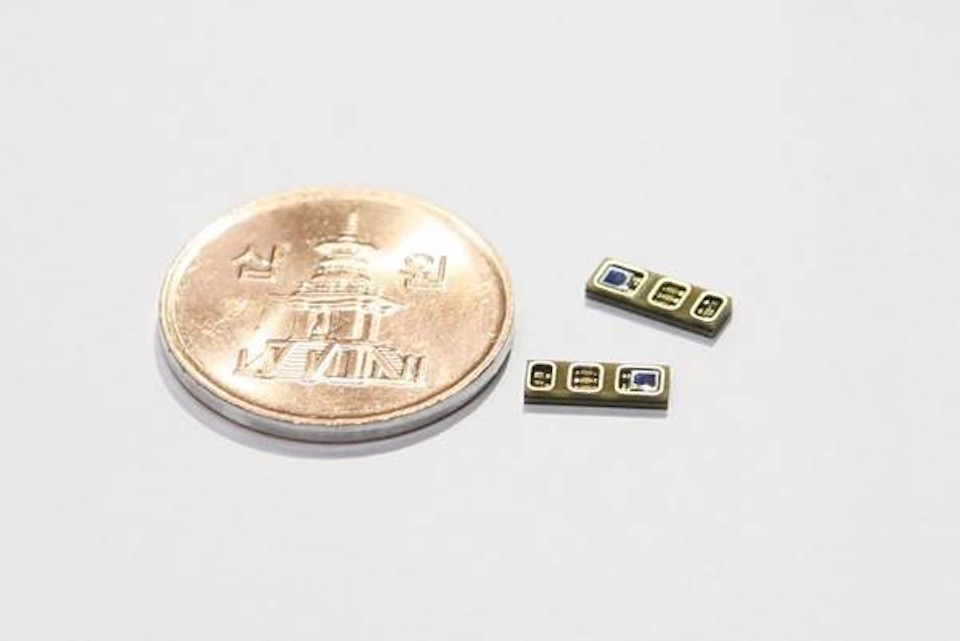
LG Innotek has developed an ultra-thin optical bio sensor module for monitoring heart rate, blood oxygen, and stress.

High-end smartphones typically include these  modules, which complement fitness wearables and apps.

LG claims that the new module is more accurate and uses less energy than current sensors. Because of its size,  is can be used in very small devices with out compromising accuracy.


Wearable Tech + Digital Health San Francisco – April 5, 2016

NeuroTech San Francisco – April 6, 2016

Wearable Tech + Digital Health NYC – June 7, 2016

NeuroTech NYC – June 8, 2016

.

Categories
Cancer Sensors

Sensor + algorithm detect prostate cancer in urine

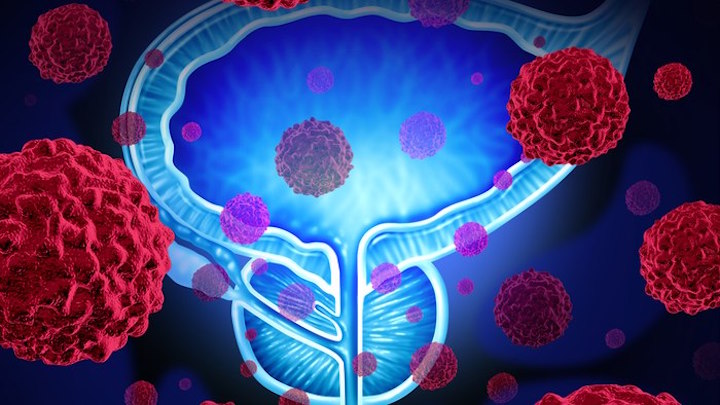
Chris Probert and University of Liverpool and UWE Bristol colleagues are creating a test that uses gas chromatography to “smell” prostrate cancer in urine.  If proven accurate, the test might be able to be used instead of current invasive diagnostic procedures, at an earlier stage.

155 men were tested. 58 were diagnosed with prostate cancer, 24 with bladder cancer and 73 with hematuria or poor stream without cancer.  The sensor successfully identified patterns of volatile compounds that allow classification of urine in patients with urological cancers.

Urine samples are inserted into the  “Odoreader” and measured using algorithms.  A 30 meter column enables the urine compounds to travel through it at different rate. The algorithm detects cancer by reading the patterns.


Wearable Tech + Digital Health San Francisco – April 5, 2016 @ the Mission Bay Conference Center

NeuroTech San Francisco – April 6, 2016 @ the Mission Bay Conference Center

Wearable Tech + Digital Health NYC -June 7, 2016 @ the New York Academy of Sciences

NeuroTech NYC – June 8, 2016 @ the New York Academy of Sciences


Categories
Brain Virtual Reality Wearables

VR + sensors improve accuracy, speed of PTSD diagnosis

PTSD is often misdiagnosed. Symptoms can be confused with those of depression.  Many clinicians lack the expertise needed to distinguish the condition, and therefore might not provide appropriate treatment.

To address this widespread dilemma, Draper has developed a diagnostic system that combines virtual reality data with psychophysiological sensors. The sensors monitor heart rate, sweat, and pupil diameter, while subjects experience different types of audio and visual stimuli.

Stimuli customized to a patient’s personal traumatic experience can generate robust psychophysiological responses. However,  the time needed to tailor stimuli  is often not available in a point-of-care setting.  Draper’s solution uses generalized stimuli that results in quicker, more accurate assessments.

Additional research will address larger samples over a wide geographic area, as well as patients suffering from multiple mental health issue and  chronic diseases.

According to Dr. Philip Parks, who oversees Draper’s neurotechnology portfolio: “Once diagnosed with a particular disorder, such as depression, most mental health patients get relatively the same treatment even though their symptoms and response to treatment choices may be quite different. We hope that one day these technologies will help clinicians ensure that patients get the best possible medication and other treatments at the right time.”

Dr. Parks will be a featured speaker at NeuroTech NYC on June 8th at the New York Academy of Sciences.


Wearable Tech + Digital Health San Francisco – April 5, 2016 @ the Mission Bay Conference Center

NeuroTech San Francisco – April 6 @ the Mission Bay Conference Center

Wearable Tech + Digital Health NYC – June 7, 2016 @ the New York Academy of Sciences

NeuroTech NYC – June 8, 2016 @ the New York Academy of Sciences

Categories
BCI Brain

Brain state learning system adapts to user focus

BACh (Brain Automated Chorales) estimates brain workload using fNIRS to measure oxygen in the prefrontal cortex to help beginners learn to play Bach chorales.  The system offers new lessons when the brain isn’t overloaded with information.

Tufts Beste Yuksel and Robert Jacob, who developed the technology, believe that it can help with any type of learning, and specify math, engineering, programming, language and reading as examples.

In a recent study, 16 inexperienced piano players attempted to learn two chorales, one with the system’s assistance, and one with out. BACh first gave the musicians only the soprano line. When their cognitive load fell below a certain threshold, it added the bass part, then later the alto and tenor parts.  After 15 minutes, the pianists played more accurately and faster with BACh than without. Beginners saw more progress than intermediate level players.

The fNIRS machine is large, and Yuksel and Jacob are now working on a mobile system, which could incorporate emotion monitoring and feedback.


Wearable Tech + Digital Health San Francisco – April 5, 2016 @ the Mission Bay Conference Center

NeuroTech San Francisco – April 6, 2016 @ the Mission Bay Conference Center

Wearable Tech + Digital Health NYC – June 7, 2016 @ the New York Academy of Sciences

NeuroTech NYC – June 8, 2016 @ the New York Academy of Sciences


Categories
Seniors Wearables

Pressure change sensor detects more fall types in seniors

SINTEF‘s Anders Liverud and Tellu AS colleagues have developed a fall detector able to detect more types of incidents, including “sinking falls” often missed by current sensors.

These slow motion falls are difficult to monitor as they occur slowly, and the g-forces are not significant.  Examples include when a senior slides down a wall, or off the side of a bed.

The new system compares pressure changes between a sensor attached to a user’s upper body and others installed around the house. When the pressure in the sensor attached to the body rises, the system shows that the user is falling, irrespective of how rapidly or slowly it happens.  Altitude changes of as little as one centimeter are registered.

The technology has previously been used to measure changes in aircraft altitude, but never before as a fall detector.


Wearable Tech + Digital Health San Francisco – April 5, 2016 @ the Mission Bay Conference Center

NeuroTech San Francisco – April 6, 2016 @ the Mission Bay Conference Center

Wearable Tech + Digital Health NYC – June 7, 2016 @ the New York Academy of Sciences

NeuroTech NYC – Jun 8, 2016 @ the New York Academy of Sciences