Categories
Brain Eyes

Wireless brain chip restores vision, bypasses eye

Monash University’s Bionic Eye will be trialed in humans next year. The study is being led by Professor Jeffrey V. Rosenfeld.

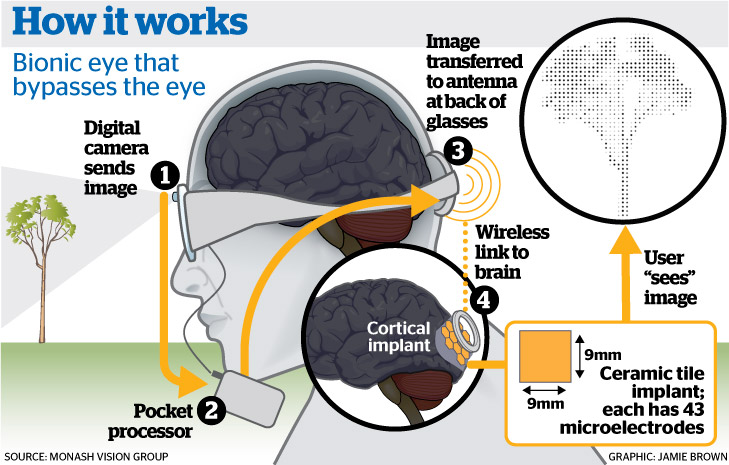
Patients who have lost their sight will have tiny “ceramic tiles” implanted into their brain’s visual cortex. The device bypasses the normal visual pathway, unlike the other bionic eyes in development, which rely on an implant in the retina.

A glasses mounted digital camera  captures images before transferring them to a small vision processing device. Once processed, the image is transferred to an antenna attached to the back of a glasses frame. It is then wirelessly transmitted to the brain, where it is received by the small ceramic tiles implanted during surgery. The tiny tiles, each containing 43 microelectrodes​, measure 9mm by 9mm.

WEARABLE TECH + DIGITAL HEALTH NYC 2015 – JUNE 30 @ NEW YORK ACADEMY OF SCIENCES.  EARLY REGISTRATION RATE ENDS FRIDAY, 5/15.
Categories
Diabetes

Heat sensitive sock detects diabetic circulation issues

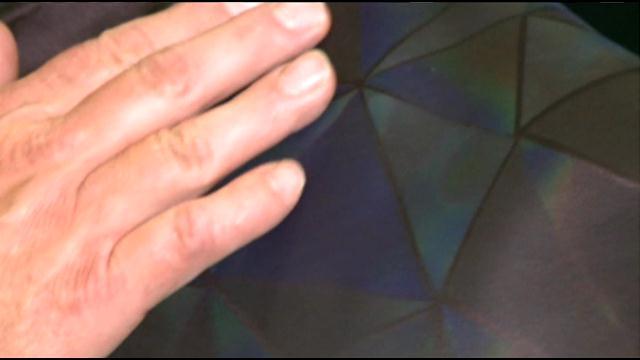
Kent State University researchers have developed a fabric that can be turned into a sensor sock for diabetics.

The liquid crystal in the  prototype sock changes color depending on body temperature.  Inflammation, swelling and infection cause an increase in temperature, and poor circulation causes a decrease in temperature.  This is a simple way to detect changes early and avoid significant diabetic complications.

Patients put the socks on in the morning. If they notice a color change, they are prompted to call their doctor.  The most common change would be to blue or green, indicating heat.

WEARABLE TECH + DIGITAL HEALTH NYC 2015 – JUNE 30 @ NEW YORK ACADEMY OF SCIENCES.  REGISTER HERE.

Categories
Seniors Sensors

Sensor technology helps seniors age in place

Evermind, Lively (see ApplySci April, 2013 and November, 2014), and BeClose are sensor systems allowing remote  caregiver monitoring — part of a growing genre of technologies helping seniors age in place.

Evermind detects when appliances are switched on and off, and sends messages to caregivers through the day.  It also sends alerts when changes in activity could be cause for concern. BeClose and Lively’s motion sensors also monitor daily activity, and can send alerts about falls, missed medication, and other custom parameters.  Lively can be integrated with an emergency response system.

As the population ages, and society recognizes the need for a dignified existence for the elderly, these technologies will continue to proliferate.

WEARABLE TECH + DIGITAL HEALTH NYC 2015 – JUNE 30 @ NEW YORK ACADEMY OF SCIENCES.  REGISTER HERE.

Categories
Brain Virtual Reality

Virtual Reality in neurosurgery planning

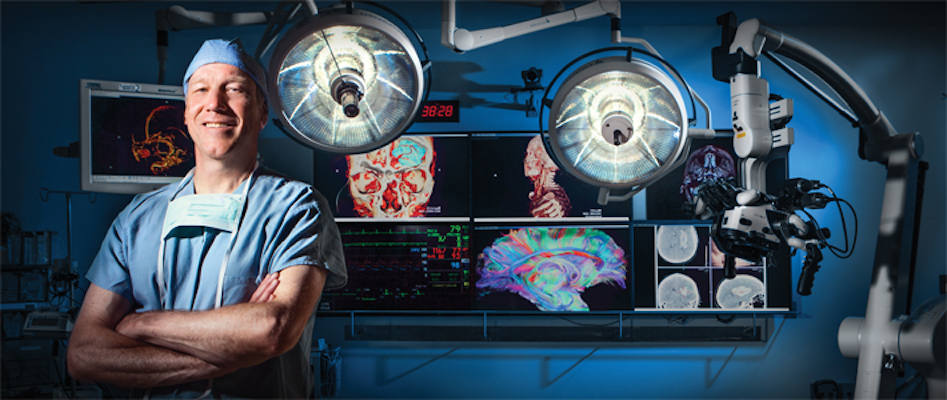
UCLA Neurosurgery, led by Neil Martin,  is using VR in surgery planning, integrating the Oculus Rift with Surgical Theater’s 3D “SNAP” surgery navigation device.  (See ApplySci’s April, 2014 description of Surgical Theater’s technology.) The hope is to be able improve precision and outcomes, and decrease surgical time.

The VR scene is based on patient CT and MRI scans, allowing the surgeon to enter the virtual brain, examine the tumor or aneurysm, and plan surgical strategy and operative steps.  By preparing with this visual representation of the brain, surgeons might be better able to protect and preserve areas that control motor and language function during procedures.

WEARABLE TECH + DIGITAL HEALTH NYC 2015 – JUNE 30 @ NEW YORK ACADEMY OF SCIENCES.  REGISTER HERE.

Categories
Conference MRI

Ultra-low-field, portable MRI

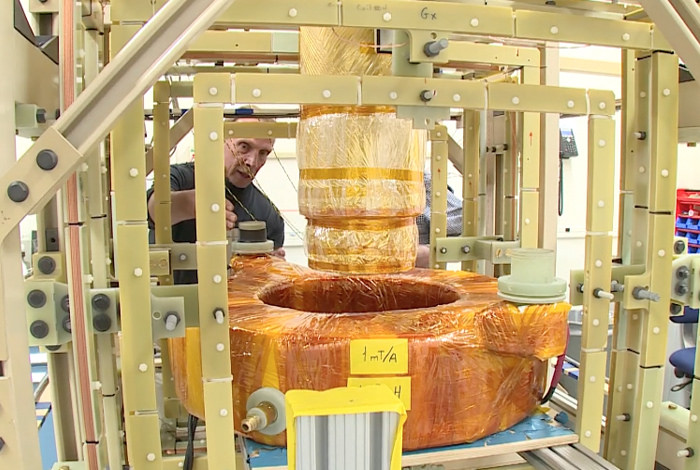
Los Alamos National Laboratory‘s Michelle Espy is developing an ultra-low-field, lightweight MRI system for use on the battlefield and in poor countries.  The device will be simple to transport, set up, and use in non-traditional settings.

Conventional MRI machines use large magnetic fields that align protons in water molecules. Magnetic resonance signals are detected and turned into images. Highly detailed images are created, but the process is complicated and expensive. Espy uses Superconducting Quantum Interference Devices (SQUID) to create quality images with ultra-low-magnetic fields.

The  first generation (battlefield) “b”MRI was built in a large metal housing to shield it from interference.  The team is now surrounding the system with lightweight wire coils in the open environment to compensate the Earth’s magnetic field.  A field compensation system will soon eradicate invading magnetic field signals.

WEARABLE TECH + DIGITAL HEALTH NYC 2015 – JUNE 30 @ NEW YORK ACADEMY OF SCIENCES. REGISTER HERE.

Categories
3-D Printing Respiratory

3D printed airway splints restore breathing

At the University of Michigan, three children under 2 with tracheobronchomalacia had 3D printed devices implanted to open their airways and restore their breathing.

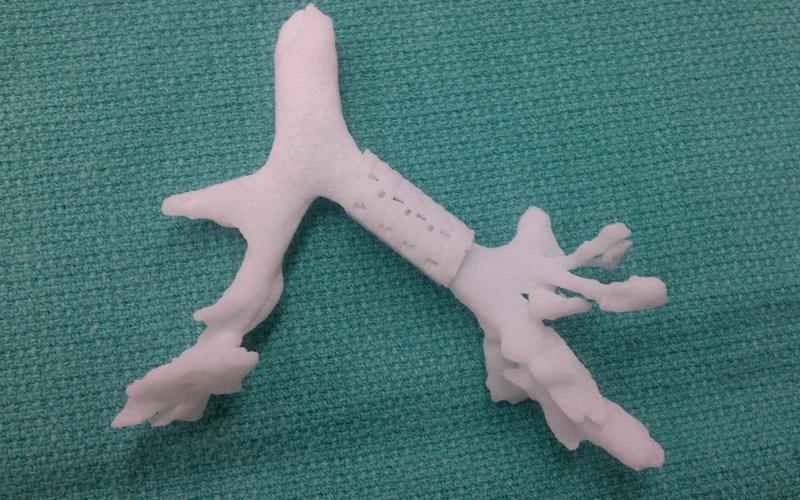
Professors Glenn Green and Scott Hollister were able to create and implant customized tracheal splints for each patient. The device was created directly from CT scans of their tracheas, integrating an image-based computer model with laser-based 3D printing to produce the splint.

The splint was sewn around the patient’s airways to expand the trachea and bronchus and give it a skeleton to aid proper growth. It is designed to be reabsorbed by the body over time. The growth of the airways were followed with CT and MRI scans, and it was shown to allow airway growth for all three patients.

The findings suggest that early treatment of tracheobronchomalacia may prevent complications of conventional treatment such as a tracheostomy, prolonged hospitalization, mechanical ventilation, cardiac and respiratory arrest, food malabsorption and discomfort. None of the devices implanted in this study have caused complications.

The bioresorable splints enabled the patients to come off of ventilators and ended their need for paralytics, narcotics and sedation.  Researchers noted improvements in multiple organ systems.  The patients were also relieved of immunodeficiency-causing proteins that prevented them from absorbing food so that they no longer needed intravenous therapy.

WEARABLE TECH + DIGITAL HEALTH NYC 2015 – JUNE 30 @ NEW YORK ACADEMY OF SCIENCES.  REGISTER HERE.

Categories
AI Robotics Sensors

Robot sensor reads facial expressions to determine emotions

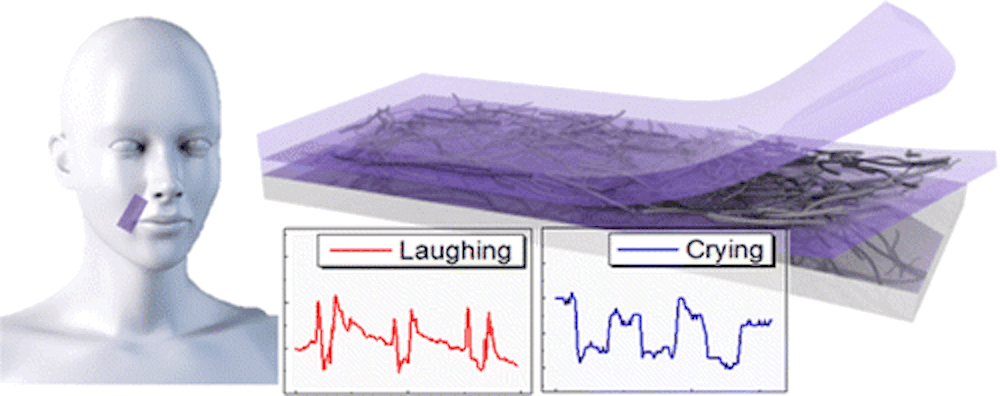
Sungkyunkwan University‘s Nae-Eung Lee has created a stretchable, transparent sensor that helps robots read facial expressions.  It senses smiling, frowning, brow-furrowing and eye-rolling.  The robot then detects movements, including slight changes in gaze, to determine whether people are laughing or crying, and where they are looking.

The ultra-sensitive, wearable sensor layers a carbon nanotube film on two types of electrically-conductive elastomers.

Lee believes that in addition to robotics, the sensors could be used to monitor heartbeats, breathing, or dysphagia. 

WEARABLE TECH + DIGITAL HEALTH NYC 2015 – JUNE 30 @ NEW YORK ACADEMY OF SCIENCES.  REGISTER HERE.

Categories
Infectious Disease mHealth Sensors

Cheap, flexible biosensor detects HIV, E-coli, Staph aureas

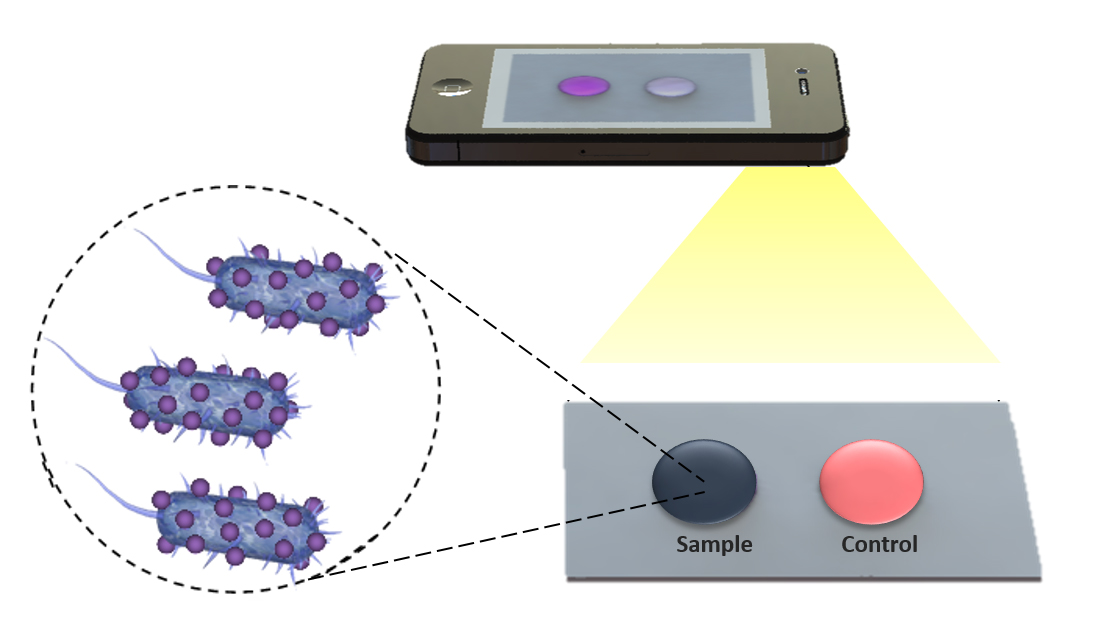
Florida Atlantic, Stanford, and Harvard  researchers have developed a thin, lightweight, flexible “paper microchip” biosensing platform to detect and determine treatment for HIV, E-coli, Staphylococcus aureas and other bacteria. They have also created an app that could remotely detect bacteria and disease in the blood using mobile phone images.

Current paper and flexible material-based platforms cost more and take longer.  The researchers claim that the new platforms are uniquely able to isolate and detect multiple biotargets selectively, sensitively, and repeatedly from diverse biological mediums using antibodies.

WEARABLE TECH + DIGITAL HEALTH NYC 2015 – JUNE 30 @ NEW YORK ACADEMY OF SCIENCES.  REGISTER HERE.

Categories
Respiratory Seniors Sleep

Built-in, contactless sensors monitor breathing

Novelda’s building-integrated “XeThru” sensor modules detect human presence and monitor respiration.  Breath rate and depth are measured and tracked in real-time.   The use of radio waves, rather than infrared, ultrasound or light, allows the modules to ‘see through’ a variety of objects, including  building materials and blankets.

The sensors are intended for hidden, tamper proof, smart home automation.  They are tools for allowing seniors to age in place, as breathing abnormalities are observed with out a manual alarm trigger.  Sleep abnormalities can also be detected. The system can, of course, also be used for security,  and to control climate and lighting.

WEARABLE TECH + DIGITAL HEALTH NYC 2015 – JUNE 30 @ NEW YORK ACADEMY OF SCIENCES.  REGISTER HERE.

Categories
Apps Heart mHealth Monitoring

Airplane seat sensors monitor physical, emotional states

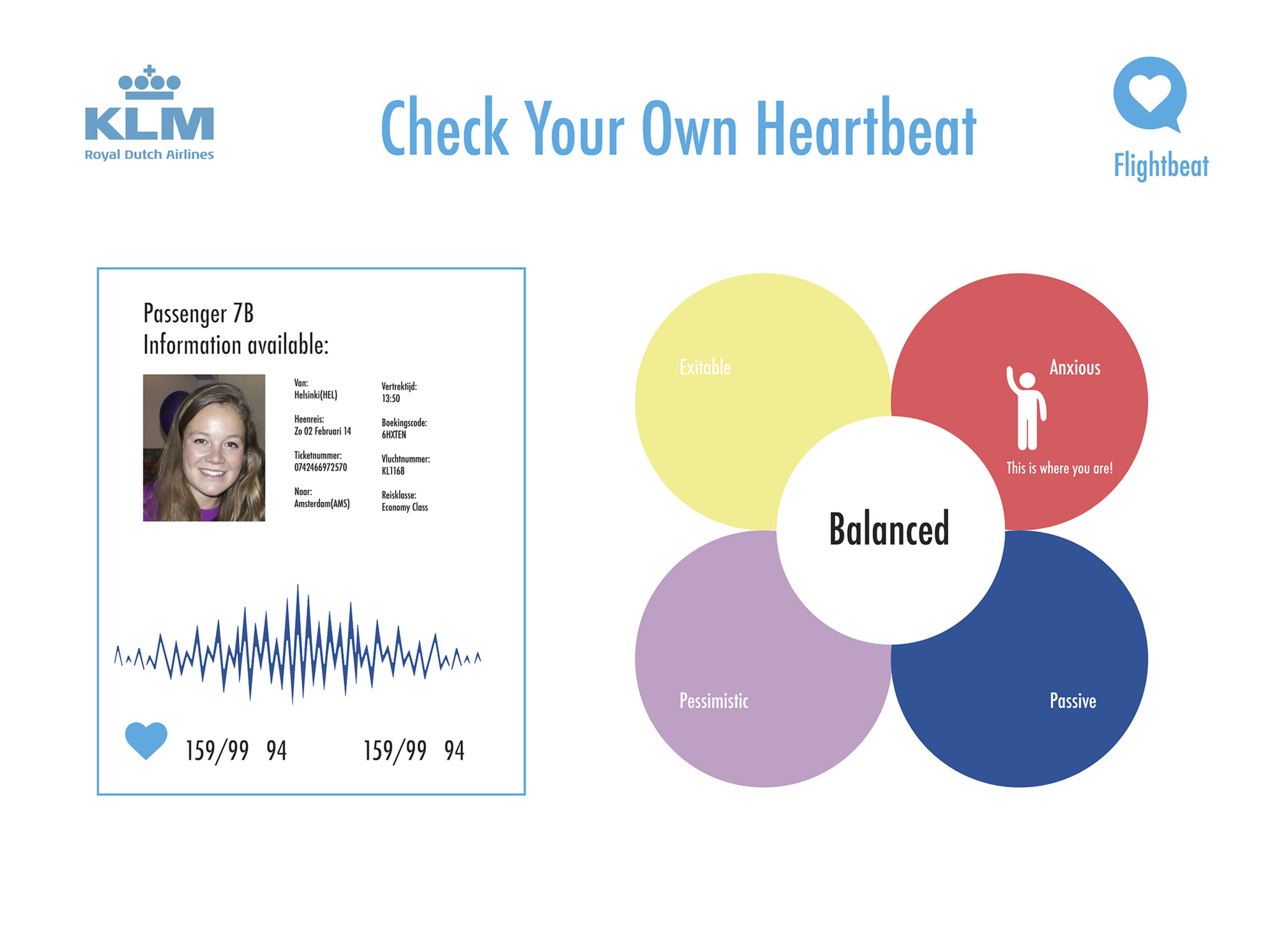
FlightBeat, designed by TU Delft students, uses  airplane seat integrated heart rate sensors to monitor the physical and emotional state of passengers.

Data is transmitted wirelessly to the crew, and presented on a color-coded seat map showing which passengers need attention.  Health information can also be sent to physicians or family members on the ground.

The goal is to optimize in-flight service, but the technology could save the lives of those unable to communicate, or one day detect heightened emotions of potential terrorists.

WEARABLE TECH + DIGITAL HEALTH NYC 2015 – JUNE 30 @ NEW YORK ACADEMY OF OF SCIENCES.  REGISTER HERE.  

Categories
Cancer Personalized Medicine

Implant tests cancer drugs to optimize treatment

MIT’s Oliver JonasRobert Langer, and colleagues have developed an implantable device that allows doctors to test cancer drugs in patients before prescribing chemotherapy.

The tiny device can carry small doses of 30 drugs. After implanting it in a tumor and allowing the drugs to diffuse into the tissue, researchers can measure how effectively each destroys a patient’s cancer cells.  The guesswork involved in choosing treatments can be minimized.

Most cancer drugs work by damaging DNA or interfering with cell function. Scientists have developed more targeted drugs, designed to kill tumor cells that carry a specific genetic mutation. However, it is usually difficult to predict whether a particular drug will be effective in an individual patient.

Doctors sometimes extract tumor cells, grow them in a lab, and treat them with different drugs to determine which are most effective.  This process removes the cells from their natural environment, which can play an important role in a tumor’s response to drug treatment.

According to Jonas, the implant  “essentially puts the lab into the patient.  It’s safe, and sensitivity testing can be done in the native microenvironment.”

WEARABLE TECH + DIGITAL HEALTH NYC 2015 – JUNE 30 @ NEW YORK ACADEMY OF SCIENCES.  REGISTER HERE.

Categories
BCI Brain EEG

Discreet EEG sticker monitors brain activity

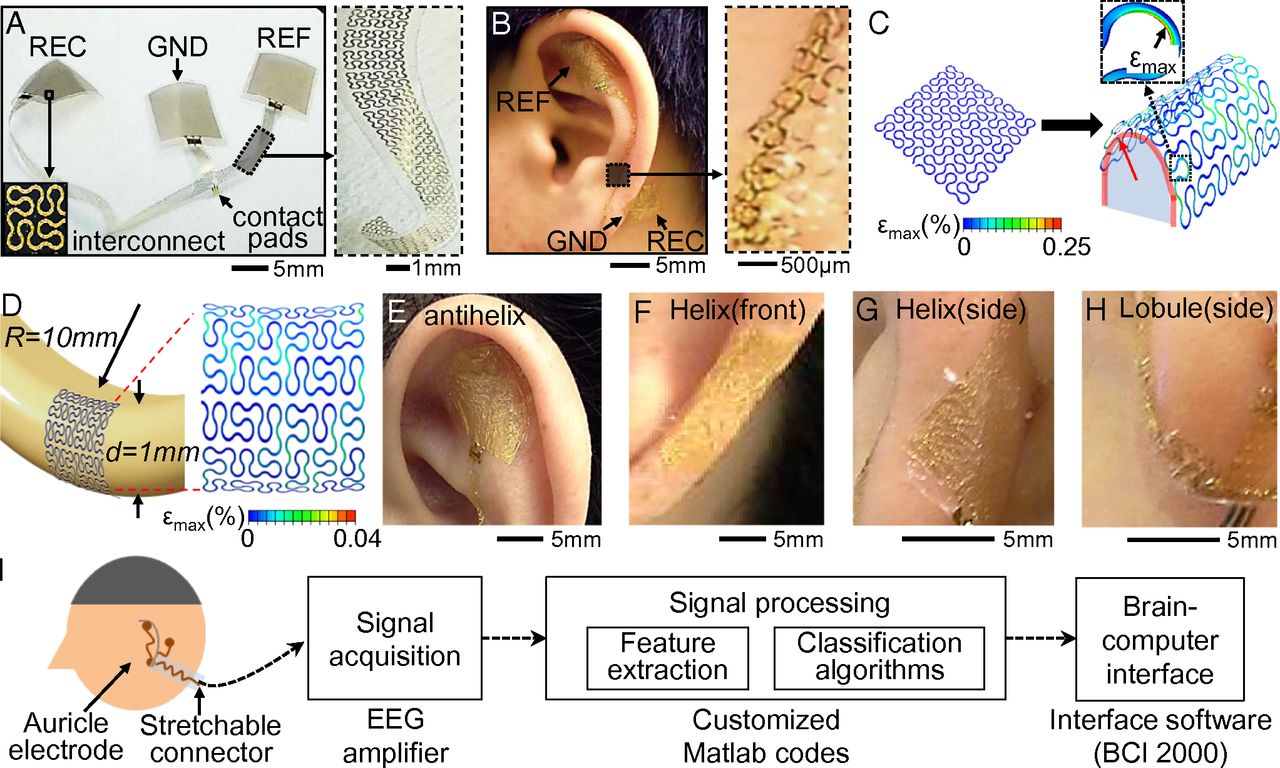
University of Illinois professor John Rogers has made another breakthrough in flexible medical electronics. His team has created an EEG system that sticks to the skin behind one’s ear to monitor brain activity. The miniature, lightweight, gold electrode device sticks to the skin without adhesive, and can be worn continuously for 2 weeks.

While not yet precise or fast enough to replace traditional EEG, study participants were able to spell the word “computer” on a screen using their brain’s electrical activity.

Rogers is now concentrating on refining the device for medical applications, and making it wireless.  In a related Neuron paper, he describes advances in soft electronic interface technologies for neuroscience research.

Wearable Tech + Digital Health NYC 2015 – June 30 @ the New York Academy of Sciences, features Professor Rogers’ MC10 colleague, Roozbeh Ghaffari, as a keynote speaker.

EARLY REGISTRATION RATE ENDS TODAY, 4/24