Categories
BCI Brain EEG

Mobile brain health management

After scanning the brains of ALS, epilepsy, minimally conscious, schizophrenia, memory impaired, and healthy patients, to monitor brain health and treatment effectiveness, Brown and Tel Aviv University professor Nathan Intrator has commercialized his algorithms and launched Neurosteer.

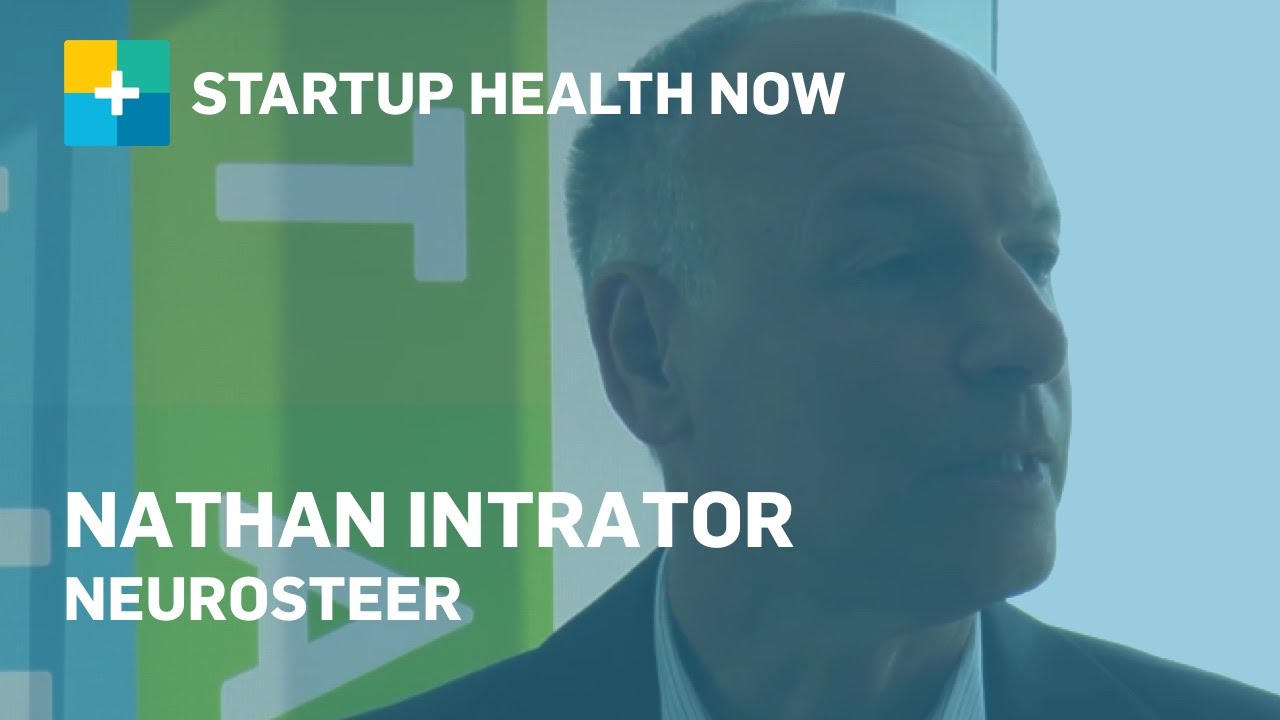
At ApplySci’s recent NeuroTech NYC conference, Professor Intrator discussed dramatic advances in BCI, monitoring, and neurofeedback, in his keynote, and in a panel with DARPA’s Biological Technologies Office Director Justin Sanchez.  He also described Neurosteer’s progress — and the rapidly developing world of technology for cognitive and emotional wellness — in an interview with StartUp Health’s Unity Stoakes.  Click to view the June, 2016 StartUp Health NOW interview, or Steve Krein and Intrator’s June, 2015 interview here.


ApplySci’s 6th   Wearable Tech + Digital Health + NeuroTech Silicon Valley  –  February 7-8 2017 @ Stanford   |   Featuring:   Vinod Khosla – Tom Insel – Zhenan Bao – Phillip Alvelda – Nathan Intrator – John Rogers – Mary Lou Jepsen – Vivek Wadhwa – Miguel Nicolelis – Roozbeh Ghaffari – Unity Stoakes – Mounir Zok
Categories
Brain

Wireless signals detect emotions

Mingmin Zhao and MIT colleagues have developed a device that detects emotions remotely, emitting wireless signals to measure heartbeat and breathing.

EQ-Radio detects whether a person is excited, happy, angry or sad without wearable sensors or using face recognition technology.

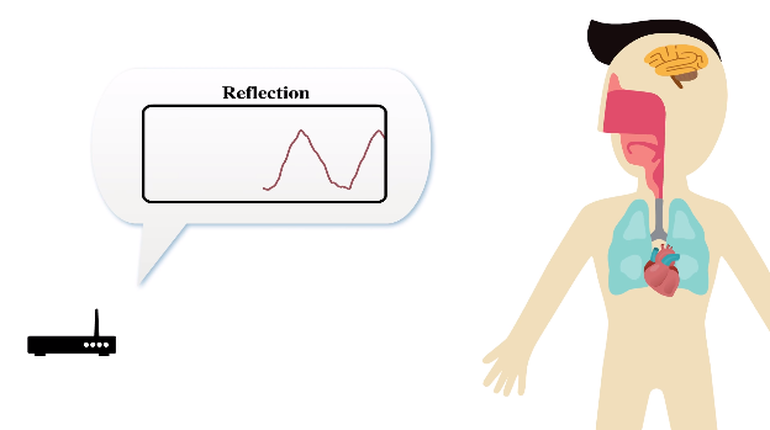
Radio signals are reflected off a person’s body, and back to the device. Algorithms detect individual heartbeats from  radio echoes with an accuracy comparable to wearable ECG monitors.

This could be a breakthrough in the detection and monitoring of mental health issues, eliminating the need for uncomfortable chest bands and other gear.

30 subjects tested the EQ Radio while listening to music, looking at photos, or watching videos that triggered emotions.  They sat one meter away from the device.  The system collected 130,000 heartbeats, and examined differences in length that indicated happiness, sadness, excitement, anger, and neutrality.  It accurately determined state of mind  72.3 percent of the time.

Click to view an MIT video describing EQ-Radio


ApplySci’s 6th   Wearable Tech + Digital Health + NeuroTech Silicon Valley  –  February 7-8 2017 @ Stanford   |   Featuring:   Vinod Khosla – Tom Insel – Zhenan Bao – Phillip Alvelda – Nathan Intrator – John Rogers – Mary Lou Jepsen – Vivek Wadhwa – Miguel Nicolelis – Roozbeh Ghaffari – Unity Stoakes – Mounir Zok
 

Categories
Data Wearables

Continuously generated “small data” analysis to improve health

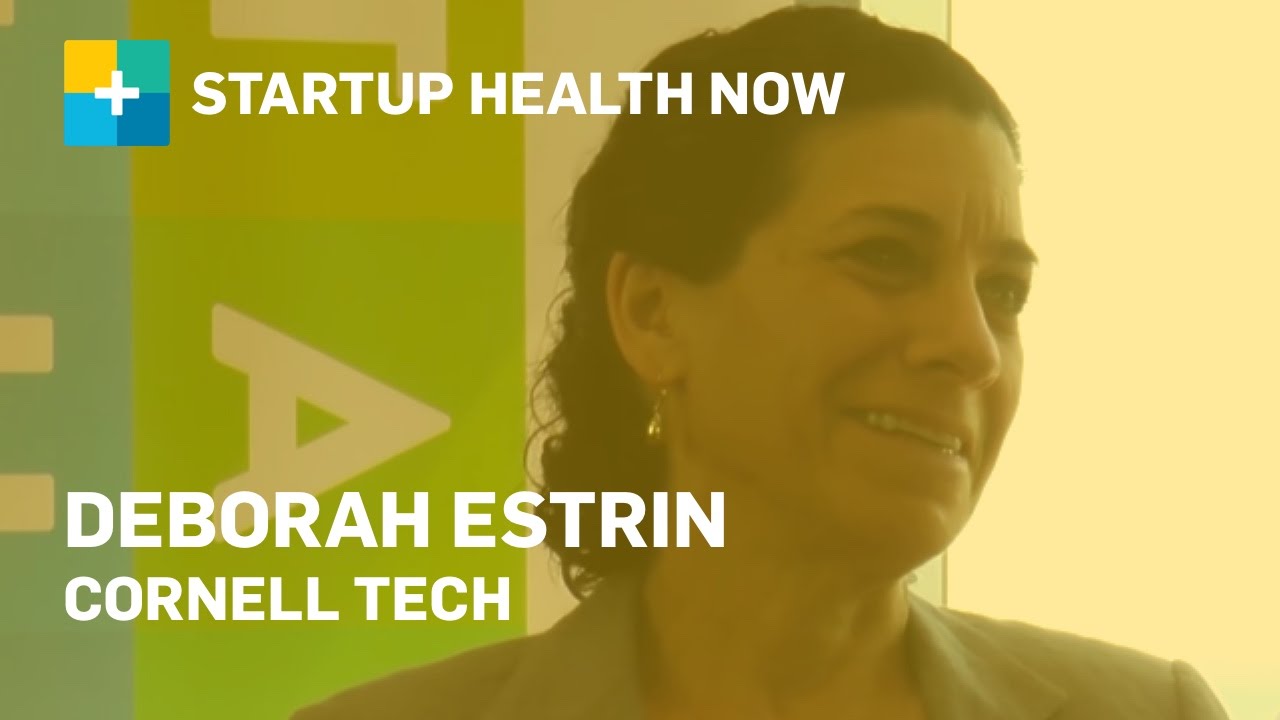
The discussion of “big data” analysis in healthcare continues, unabated.  At ApplySci’s recent Wearable Tech + Digital Health + NeuroTech NYC conference, Cornell professor Deborah Estrin, who is also a founder of Open mHealth, described how “small data” — our digital patterns and interactions — can help physicians by creating a more meaningful representation of our personal health.

Click to view Professor Estrin’s interview with StartUp Health’s Unity Stoakes, filmed at the conference.


ApplySci’s 6th   Wearable Tech + Digital Health + NeuroTech Silicon Valley  –  February 7-8 2017 @ Stanford   |   Featuring:   Vinod Khosla – Tom Insel – Zhenan Bao – Phillip Alvelda – Nathan Intrator – John Rogers – Mary Lou Jepsen – Vivek Wadhwa – Miguel Nicolelis – Roozbeh Ghaffari – Unity Stoakes – Mounir Zok
Categories
Brain Data Machine Learning Sensors Wearables

Wearable + cloud analysis track Huntington’s disease progression

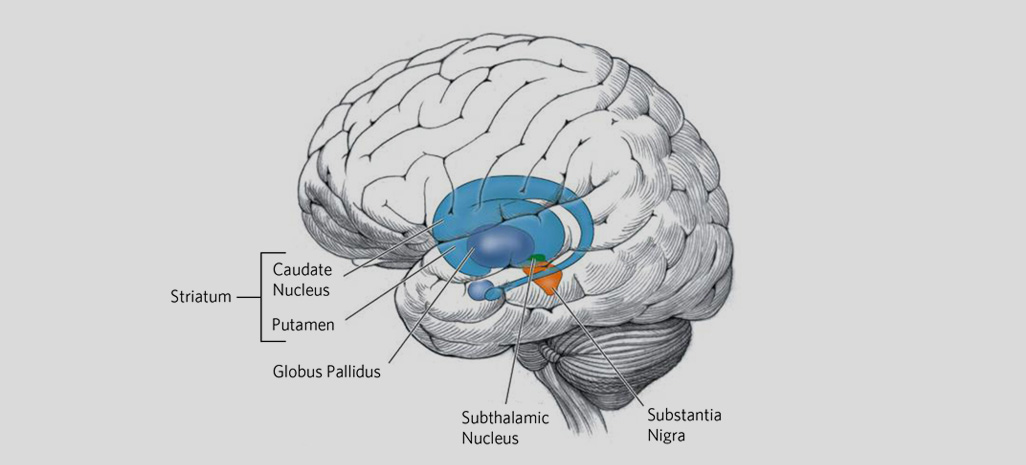
In the latest pharma/tech partnership, Teva and Intel are developing a wearable platform to track the progression of Huntington’s disease.  There is no cure for the disease, which causes a breakdown of nerve cells in the brain, resulting in a  decline in motor control, cognition and mental stability.

The technology can be used to assess the effectiveness of drugs that treat symptoms, and in developing new drugs.  (Teva will use it in a  mid-stage study.)

Wearable sensors (in this case a watch, but the concept could progress to patches)  continuously measure patient functioning.  Data is wirelessly transmitted to the cloud, and algorithms score motor symptom severity.

In recent months, ApplySci has described similar pharma/device/big data/machine learning alliances, including:

  •  Sanofi and Verily’s Onduo platiform to treat diabetes
  • GlaxoSmithKline and Verily targeting electrical signals in the body
  • A Verily and Novartis smart contact lense glucose monitor
  • A Biogen /Alphabet MS study

ApplySci looks forward to the use of brain-monitoring wearables to enable users to see and address neurodegenerative changes before symptoms appear.


ApplySci’s 6th   Wearable Tech + Digital Health + NeuroTech Silicon Valley  –  February 7-8 2017 @ Stanford   |   Featuring:   Vinod Khosla – Tom Insel – Zhenan Bao – Phillip Alvelda – Nathan Intrator – John Rogers – Mary Lou Jepsen – Vivek Wadhwa – Miguel Nicolelis – Roozbeh Ghaffari – Unity Stoakes – Mounir Zok
Categories
Data Diabetes Pharmaceuticals Wearables

Sanofi/Verily joint venture to fight diabetes

Big pharma + big tech/data partnerships continue to proliferate.

Onduo is a Sanofi/Verily joint venture that will use each company’s expertise to help manage diabetes  — Sanofi’s drugs  plus Verily’s software, data analysis, and devices. CEO Josh Riff and has not announced a project pipeline, as they are taking “a thoughtful approach to finding lasting solutions.”

Sutter Health and Allegheny Health Network will  be the first systems to test Onduo solutions.


ApplySci’s 6th   Wearable Tech + Digital Health + NeuroTech Silicon Valley  –  February 7-8 2017 @ Stanford   |   Featuring:   Vinod Khosla – Tom Insel – Zhenan Bao – Phillip Alvelda – Nathan Intrator – John Rogers – Mary Lou Jepsen – Vivek Wadhwa – Miguel Nicolelis – Roozbeh Ghaffari – Unity Stoakes

Categories
Parkinson's Virtual Reality

VR for early neurodegenerative disease detection, personalized rehabilitation

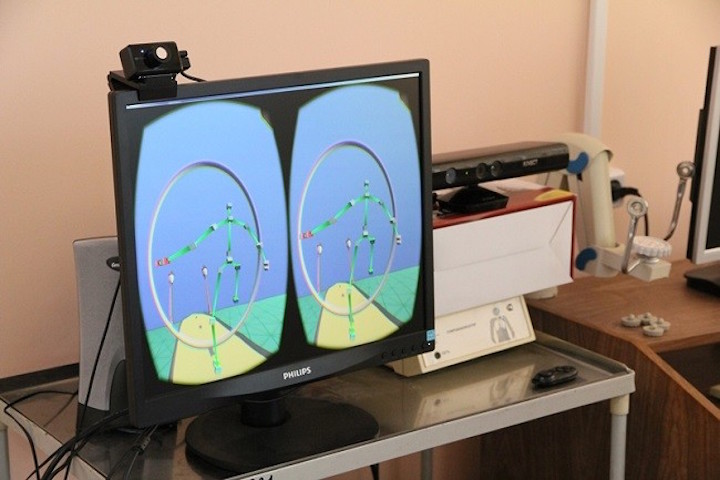
Tomsk Polytechnic and Siberian State University scientists David Khachaturyan  and  Ivan Tolmachov have developed a VR based neurodegenerative disorder diagnosis system.  The goal is the early detection and tretment of diseases, including MS and Parkinson’s.  The next step is the use of VR systems, like Glass and Kinect, for personalized rehabilitation.

50 subjects, both healthy and already diagnosed, used VR headsets,  a non-contact sensor controller and a mobile platform during a variety of activities.  Changes in posture and balance were detected, and compared to a human  skeleton model of 20 points on the body.  Deviations from the model indicated disease.  Differences in reactions of those with difference diseases was also noted —  Parkinson’s patients experienced hand tremors, and others experienced compromised coordination.

A clinical trial  will be completed in 2017.


ApplySci’s 6th   Wearable Tech + Digital Health + NeuroTech Silicon Valley  –  February 7-8 2017 @ Stanford   |   Featuring:   Vinod Khosla – Tom Insel – Zhenan Bao – Phillip Alvelda – Nathan Intrator – John Rogers – Mary Lou Jepsen – Vivek Wadhwa – Miguel Nicolelis – Roozbeh Ghaffari – Unity Stoakes

Categories
Pharmaceuticals

Takeda’s digital transformation

Pharmaceutical giant Takeda is amid a digital transformation — with a patient-centric approach to drug development, wearable device adoption, and sophisticated data analysis.  Leading this effort is Bruno  Villetelle, Takeda’s Chief Digital Officer.  Bruno was a keynote speaker at ApplySci’s recent Wearable Tech + Digital Health + NeuroTech San Francisco conference, where he discussed digital pharma companions, drawing insights from other industries, creating a culture of innovation, and partnering with entrepreneurs to develop cutting edge technology — culminating in the concept of the patient driving his/her own healthcare  — a message that was echoed throughout the event.

Click to view Bruno Villetelle, and colleague Nicole Mowad-Nassar, interviewed by StartUp Health’s Unity Stoakes at the conference.


ApplySci’s 6th   Wearable Tech + Digital Health + NeuroTech Silicon Valley  –  February 7-8 2017 @ Stanford   |   Featuring:   Vinod Khosla – Tom Insel – Zhenan Bao – Phillip Alvelda – Nathan Intrator – John Rogers – Mary Lou Jepsen – Vivek Wadhwa – Miguel NicolelisRoozbeh GhaffariUnity Stoakes


Categories
Apps

Phone sensors detect anemia, irregular breathing, jaundice

University of Washington’s Shwetak Patel and his UbiComp Lab colleagues develop non-invasive, smartphone based tests, meant to bring diagnostics to the masses.

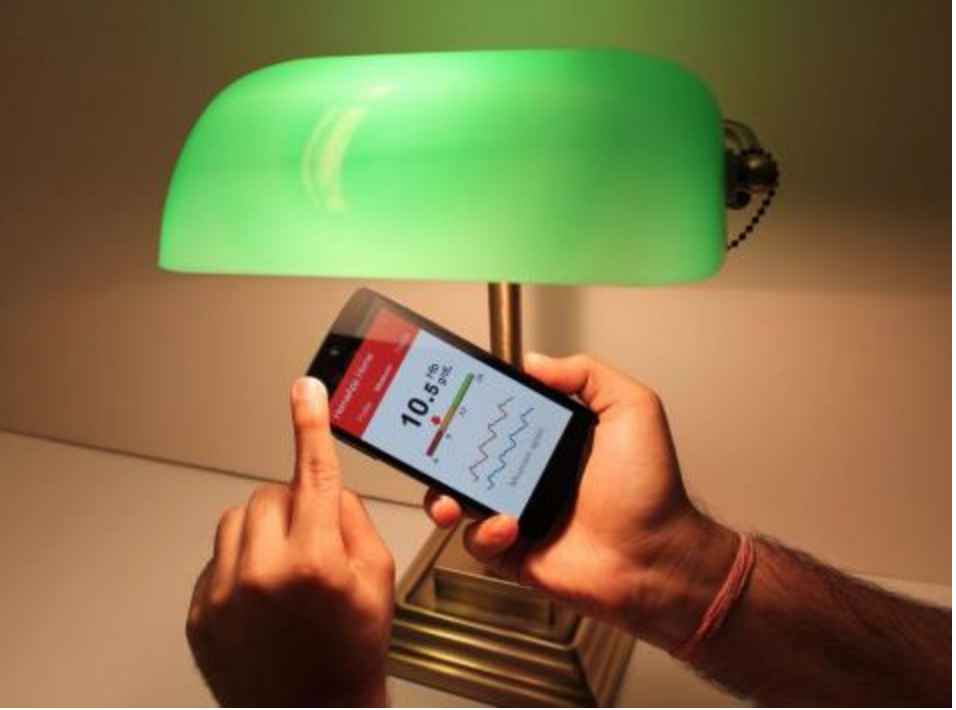
HemaApp,  a smartphone/light  source detection  method for anemia, could be especially  useful in  areas  lacking  access to care.   Anemia is extremely common in poor  countries.

In a recent study, a phone camera was  used measure hemoglobin by capturing light passing through one’s finger. Video was  recorded as light from the flash, plus additional LED lights and an incandescent bulb shined through a fingertip. Changes in color indicated a red  blood cell deficiency.

31 patients were tested, using  this method, at Seattle Children’s Hospital.  The system worked as well  as  a commercial LED anemia  test, but not as well as a standard blood test.

Patel is also  investigating  the use of smartphones to make healthcare  more  accessible in other  ways,  including an app that uses a  microphone to track breathing while sleeping, and a camera  that uses color coded references to detect jaundice in  babies.


ApplySci’s 6th   Wearable Tech + Digital Health + NeuroTech Silicon Valley  –  February 7-8 2017 @ Stanford   |   Featuring:   Vinod Khosla – Tom Insel – Zhenan Bao – Phillip Alvelda – Nathan Intrator – John Rogers – Mary Lou Jepsen – Vivek Wadhwa – Miguel Nicolelis

Categories
Apps Data fitness Wearables

“Data, not drugs” for elite sport performance

With equal parts modesty, enthusiasm, and wearable tech expertise, Olympic cyclist Sky Christopherson came to ApplySci’s recent Wearable Tech + Digital Health + NeuroTech NYC conference to “thank this community for helping the US Olympic team before the last Olympics with a lot of the same technology to help athletes prepare, using data and not drugs.”

Sky launched OAthlete at the 2012 London Olympics, to develop technology that will allow elite athletes — and the rest of us — to “fine tune” training to “understand how each athlete is responding as a unique individual.”

His mission is to put forth the use of data — not drugs — to enhance performance — healthfully, and sustainably.  Click to view his interview with StartUp Health’s Unity Stoakes at the conference.


ApplySci’s 6th Wearable Tech + Digital Health + NeuroTech Silicon Valley – February 7-8 2017 @ Stanford  | Featuring:   Vinod Khosla – Tom Insel – Zhenan Bao – Phillip Alvelda – Nathan Intrator – John Rogers – Mary Lou Jepsen – Vivek Wadhwa – Miguel Nicolelis 

Categories
AI

AI speech, text, image, identity analysis for healthcare, self-driving cars

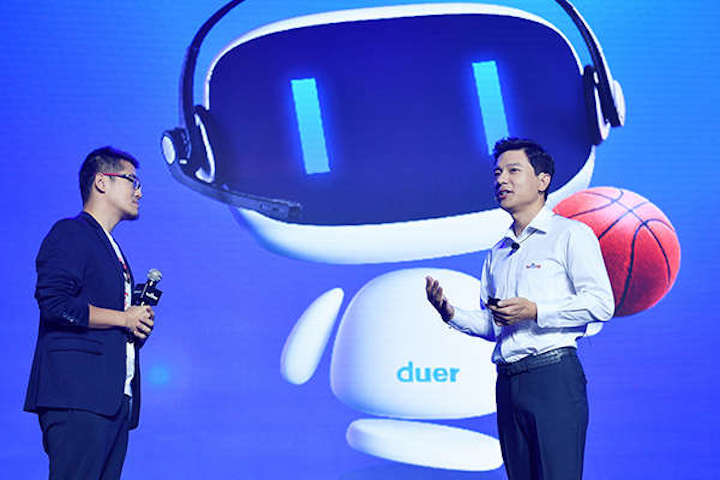
The Baidu and Nvidia developed Baidu Brain is a robot that simulates the human brain using advanced algorithms, computing power, and data analysis. It can be used for voice recognition and synthesis, image recognition, natural language processing, and user profiling. Potential healthcare uses include disease recognition, treatment tracking, and rehabilitation progress.


Wearable Tech + Digital Health + NeuroTech Silicon Valley – February 7-8 @ Stanford University – Featuring:   Vinod Khosla – Tom Insel – Zhenan Bao – Phillip Alvelda – Nathan Intrator – John Rogers – Mary Lou Jepsen – Vivek Wadhwa – Miguel Nicolelis


Categories
Brain Seniors

Antibody dramatically reduces amyloid plaques in Alzheimer’s patient study

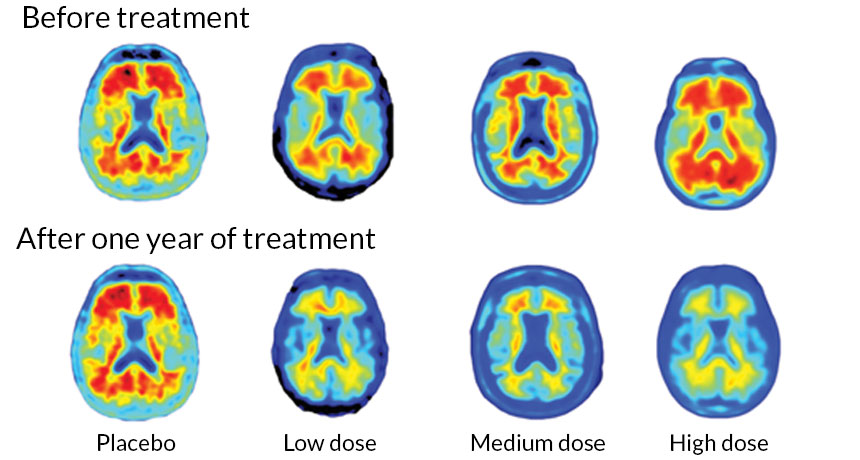
A potential game-changer in the fight against Alzheimer’s Disease has been successfully trialled. Biogen developed aducanumab was found to almost completely clear the visible signs of Alzheimer’s disease from the brain.

165 patient brains were scanned as they were given the drug. After a year, almost all of the amyloid plaques appeared to have disappeared from those given the highest doses.

The findings suggest the plaques at least partly cause the disease, and are not a byproduct.  This has long been debated.

The drug is not with out risk, however.  It caused brain swelling in some patients, who then ledt the trial.


Wearable Tech + Digital Health + NeuroTech Silicon Valley – February 7-8 @ Stanford University – Featuring:   Vinod Khosla – Tom Insel – Zhenan Bao – Phillip Alvelda – Nathan Intrator – John Rogers – Mary Lou Jepsen – Vivek Wadhwa – Miguel Nicolelis

Categories
Seniors Sensors Wearables

Gait sensors predict falls, allowing preventive intervention

University of Missouri’s Marjorie Skubic has used sensors to measure gait speed and stride length, to predict falls.  The goals is to use wearables and smart home technology to preserve independence and allow seniors to age in place.

Data was collected at an independent-living style retirement residence. Images and nurse alert emails were generated when irregular motion was detected. The researchers determined that a gait speed decline of 5 centimeters per second was associated with an 86.3 percent probability of falling within three weeks.  A shortened stride length was associated with a 50.6 percent probability of falling within three weeks.


Wearable Tech + Digital Health + NeuroTech Silicon Valley – February 7-8 @ Stanford University – Featuring:   Vinod Khosla – Tom Insel – Zhenan Bao – Phillip Alvelda – Nathan Intrator – John Rogers – Mary Lou Jepsen – Vivek Wadhwa – Miguel Nicolelis