
Categories
Diabetes Eyes Sensors

Fully transparent, glucose monitoring contact lens

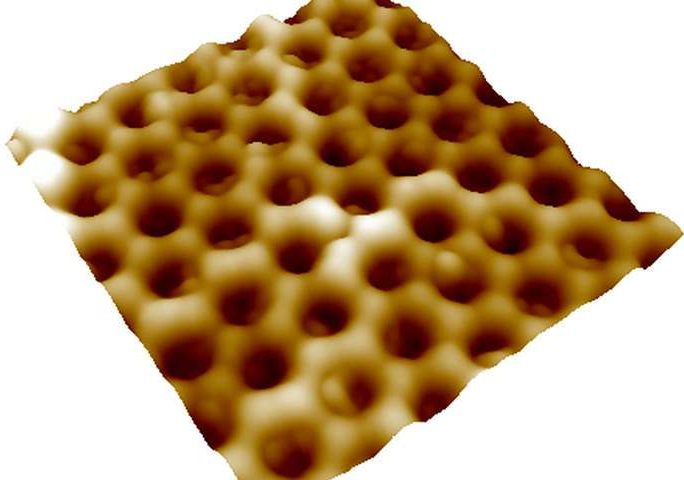
Oregon State’s Greg Herman has developed a transparent sensor to monitor glucose (via tears) in a contact lens.  The device could also be used to control insulin infusions, by transmitting real-time data to a pump.

Similar technology has been developed by Google, although their lens is not (currently) fully transparent, and Noviosense, which requires a user to insert a device in the lower lid.

Herman believes that the lens sensor could also be used to monitor stress hormones, uric acid, and  ocular pressure in glaucoma.


ApplySci’s 6th   Wearable Tech + Digital Health + NeuroTech Silicon Valley  –  February 7-8 2017 @ Stanford   |   Featuring:   Vinod Khosla – Tom Insel – Zhenan Bao – Phillip Alvelda – Nathan Intrator – John Rogers – Mary Lou Jepsen – Vivek Wadhwa – Miguel Nicolelis – Roozbeh Ghaffari –Tarun Wadhwa – Eythor Bender – Unity Stoakes – Mounir Zok – Krishna Shenoy – Karl Deisseroth
Categories
Diabetes Sensors Wearables

Non-invasive tear sensor continuously monitors glucose

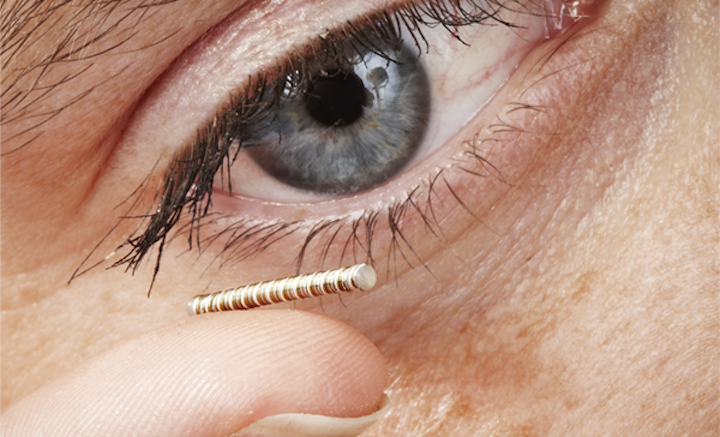
Noviosense is a flexible sensor glucose monitor, worn in a lower eyelid. The wireless, battery-free wearable tracks glucose levels in tears, and continuously sends measurements to one’s phone.

One of three electrodes is coated with an immobilized enzyme, which converts glucose into gluconic acid, leaving the co-enzyme FAD reduced to FADH. An  oxygen molecule oxidizes the co-factor and produces a short lived molecule of hydrogen peroxide, that is converted on the electrode surface to water. This results in an electric current, measured using the other two electrodes. The electrical signal is then converted into a radio frequency signal, transmitted via antenna.

It is possible to connect the sensor to an insulin pump, creating a closed loop system.


ApplySci’s 6th   Wearable Tech + Digital Health + NeuroTech Silicon Valley  –  February 7-8 2017 @ Stanford   |   Featuring:   Vinod Khosla – Tom Insel – Zhenan Bao – Phillip Alvelda – Nathan Intrator – John Rogers – Mary Lou Jepsen – Vivek Wadhwa – Miguel Nicolelis – Roozbeh Ghaffari –Tarun Wadhwa – Eythor Bender – Unity Stoakes – Mounir Zok – Krishna Shenoy – Karl Deisseroth
REGISTRATION FEE INCREASES ON NOVEMBER 1, 2016

Categories
Brain Eyes Virtual Reality

Eye tracking + VR to improve brain injury diagnosis, track recovery

Eye tracking technology, combined with VR, is proliferating, with myriad medical, gaming, and education applications.

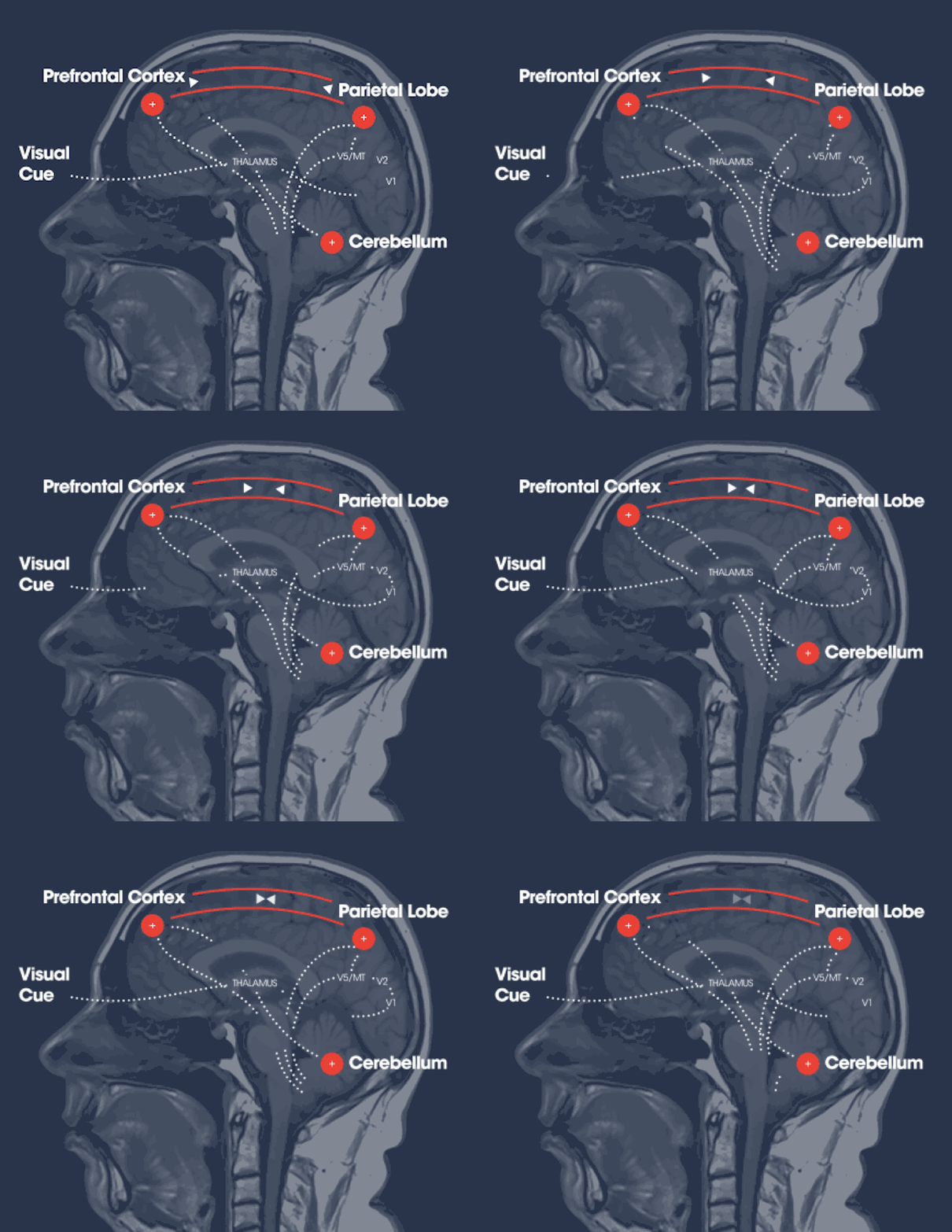
SyncThink uses eye tracking, built into an Oculus Rift,  to detect if a person has the ability to keep

the eyes synced with moving objects, to determine brain injury and track recovery.

The company has been granted 10 patents, for  eye-tracking hardware, and analytical techniques for stimulating, measuring, and training brain attention networks. It has been used to detect concussions on the field and evaluate soldier readiness and brain impairment after injury. The company describes additional applications including characterizing and monitoring fatigue, performance, and developmental or neurodegenerative conditions.

Eyefluence, which was today acquired by Google, creates head-mounted display AR, VR, and mixed reality interfaces. According to the company,  its AR application allows critical care professionals to access patient data with their eyes while their hands treat the injured.  VR integrations humanize experiences, reduce nausea, optimize image resolution, and increase speed.

ApplySci believes that the next step in AR/VR enhancement is integrating mobile EEG into headsets, combining eye tracking, GSR, and  brainwave data into various applications.


ApplySci’s 6th   Wearable Tech + Digital Health + NeuroTech Silicon Valley  –  February 7-8 2017 @ Stanford   |   Featuring:   Vinod Khosla – Tom Insel – Zhenan Bao – Phillip Alvelda – Nathan Intrator – John Rogers – Mary Lou Jepsen – Vivek Wadhwa – Miguel Nicolelis – Roozbeh Ghaffari –Tarun Wadhwa – Eythor Bender – Unity Stoakes – Mounir Zok – Krishna Shenoy – Karl Deisseroth
Categories
Brain

Optogenetics + CLARITY to understand, treat mental illness, addiction

Allen Institute President Christof Koch  “likens (Professor Karl) Deisseroth to Galileo, whose early improvements of the telescope afforded a huge advance in our understanding of the cosmos.” (New Yorker profile, 2015)

Professor Deissoroth will discuss his pioneering methods of understanding and treating the brain at ApplySci’s Digital Health + NeuroTech Silicon Valley conference, on February 7-8, 2017.

Deisseroth created optogenetics — in which neurons in the brain are genetically engineered to express a light-sensitive protein that can change their electric properties. Light can then be used to switch neurons on or off, allowing the mapping of neuronal networks that regulate behaviour and that are often disrupted in mental illness.

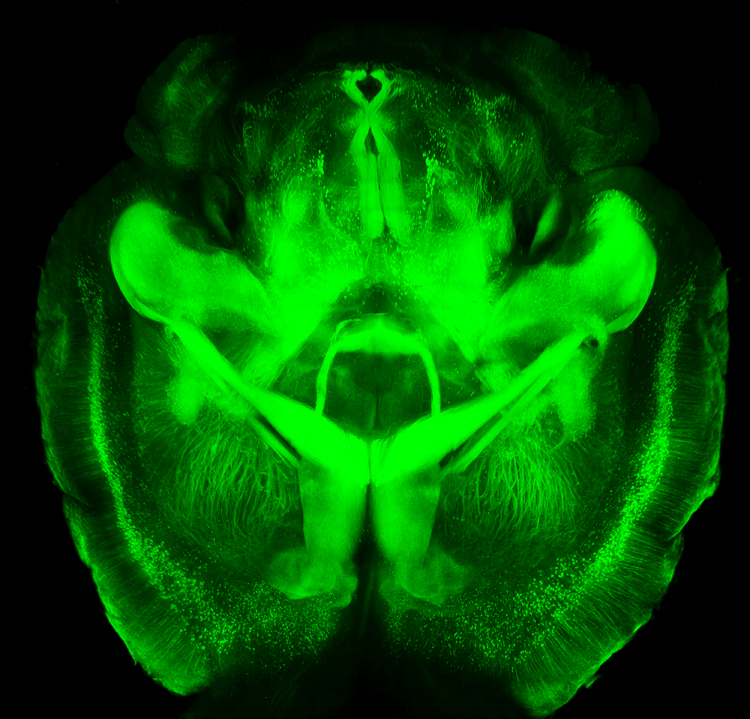
He also developed CLARITY (Clear Lipid-exchanged Anatomically Rigid Imaging/Immunostaining-compatible Tissue hYdrogel), a technique  that makes tissues transparent but leaves cells and their connections intact. This allows an unprecedented view into complex brain circuits, and could be used for a new type of depression treatment, or  to understand electrical pathways in the heart or learn why damaged fibers in the spinal cord cause pain.

Deisseroth recently combined CLARITY with optogenetics, demonstrating how certain neurons in the prefrontal cortex are built to respond to reward or aversion,  which could lead to more effective treatments for mental illness and addiction.


ApplySci’s 6th   Wearable Tech + Digital Health + NeuroTech Silicon Valley  –  February 7-8 2017 @ Stanford   |   Featuring:   Vinod Khosla – Tom Insel – Zhenan Bao – Phillip Alvelda – Nathan Intrator – John Rogers – Mary Lou Jepsen – Vivek Wadhwa – Miguel Nicolelis – Roozbeh Ghaffari –Tarun Wadhwa – Eythor Bender – Unity Stoakes – Mounir Zok – Krishna Shenoy – Karl Deisseroth
Categories
Apps Brain

Mental illness symptoms self reported, empowering patients and alerting caregivers

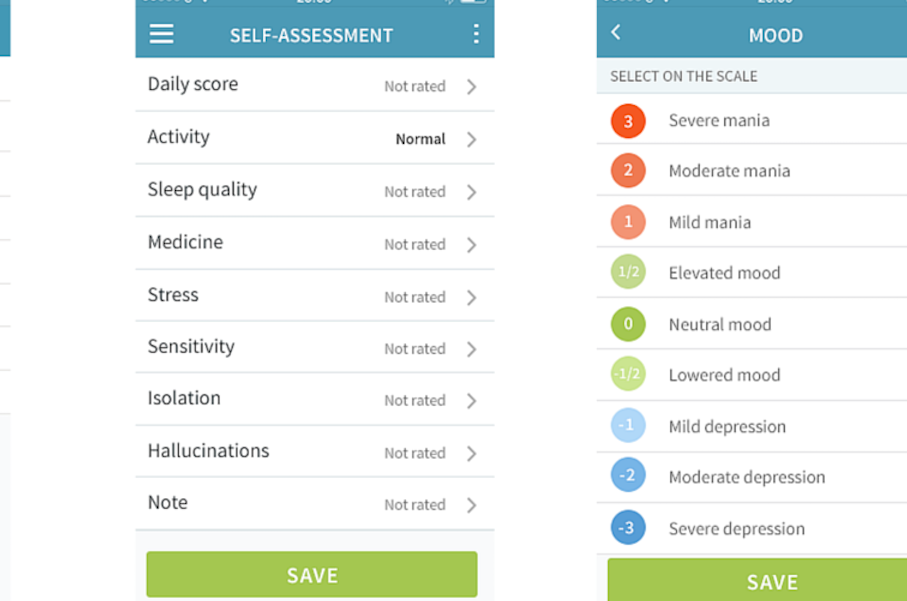
Monsenso is an app created to help those who suffer from mental illness gauge their own symptoms.   ApplySci applauds this and other attempts to empower the patient (as long as privacy is protected), which in itself could produce positive outcomes.  Data is continuously sent to clinicians, and emergency interventions are facilitated.

Monsenso users complete daily self-assessments on their phones, describing medication taken, stress, and sleep quality.  Physical activity, social interaction and mobility data is also phone-gathered.

The app identifies triggers and early warning signs, and notifies a doctor and/or emergency contact.  Instant messages requesting emergency consultations can be sent to users — which could speed appointments, and also let patients know that they are not alone.

The use of apps in mental health is growing rapidly, and is studied by Harvard’s John Torous, who frequently writes about research, ethical, and patient perspectives of digital psychiatry.


ApplySci’s 6th   Wearable Tech + Digital Health + NeuroTech Silicon Valley  –  February 7-8 2017 @ Stanford   |   Featuring:   Vinod Khosla – Tom Insel – Zhenan Bao – Phillip Alvelda – Nathan Intrator – John Rogers – Mary Lou Jepsen – Vivek Wadhwa – Miguel Nicolelis – Roozbeh Ghaffari –Tarun Wadhwa – Eythor Bender – Unity Stoakes – Mounir Zok – Krishna Shenoy – Karl Deisseroth
Categories
3-D Printing

3D printed renal architecture

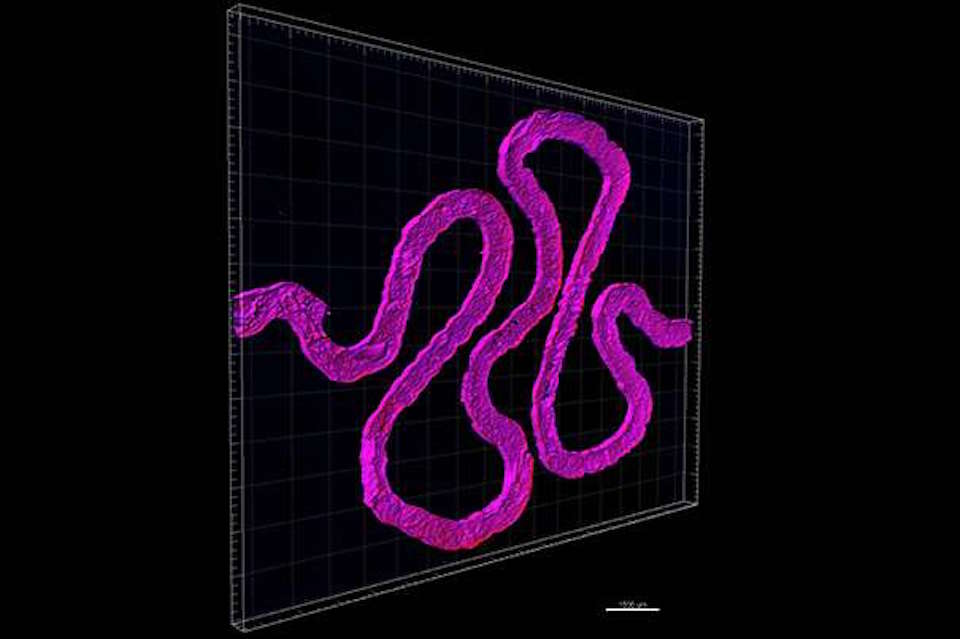
Harvard’s Jennifer Lewis and Roche’s  Annie Moisan have used 3D printing to fabricate a small but critical subunit of a kidney.  The renal architecture contains living epithelial cells.

Earlier bioprinting approaches were adapted to form thick tissues.  A 3D-printed silicone gasket was used to cast an engineered extracellular matrix as a base layer. “Fugitive ink” was printed in a shape similar to that of renal proximal tubules, and encapsulated with another layer of extracellular matrix.

The in vitro model functions like living kidney tissue, representing a significant advance from traditional 2D cell culture.  The result could be an implant or assistive device, and/or more effective clinical trials.

Click to view Wyss Institute video.


ApplySci’s 6th   Wearable Tech + Digital Health + NeuroTech Silicon Valley  –  February 7-8 2017 @ Stanford   |   Featuring:   Vinod Khosla – Tom Insel – Zhenan Bao – Phillip Alvelda – Nathan Intrator – John Rogers – Mary Lou Jepsen – Vivek Wadhwa – Miguel Nicolelis – Roozbeh Ghaffari –Tarun Wadhwa – Eythor Bender – Unity Stoakes – Mounir Zok – Krishna Shenoy – Karl Deisseroth
Categories
BCI

BCI for astronaut equipment control, ground communication

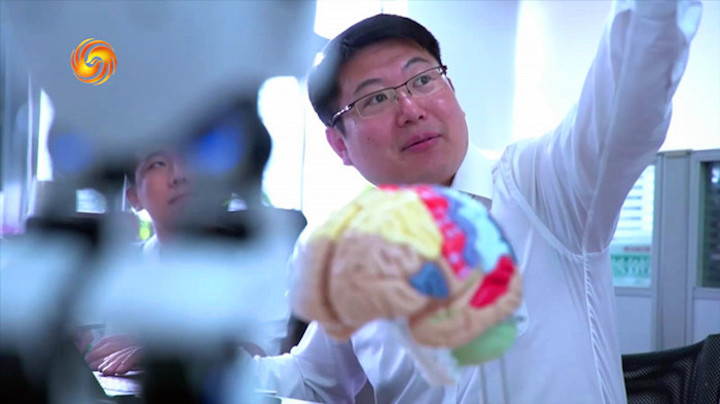
The China Astronaut Research and Training Center and Tianjin University are developing a BCI system to allow astronauts to control spacecraft equipment with their thoughts. Brain impulses will be translated into words, to operate instruments and  communicate with ground control.

The system will be tested by astronauts in space, and information is currently displayed at the International Simulation Expo in Beijing.


ApplySci’s 6th   Wearable Tech + Digital Health + NeuroTech Silicon Valley  –  February 7-8 2017 @ Stanford   |   Featuring:   Vinod Khosla – Tom Insel – Zhenan Bao – Phillip Alvelda – Nathan Intrator – John Rogers – Mary Lou Jepsen – Vivek Wadhwa – Miguel Nicolelis – Roozbeh Ghaffari –Tarun Wadhwa – Eythor Bender – Unity Stoakes – Mounir Zok – Krishna Shenoy – Karl Deisseroth
Categories
Assistive Technologies BCI

“Cybathlon” features robotic exoskeleton, BCI competitions

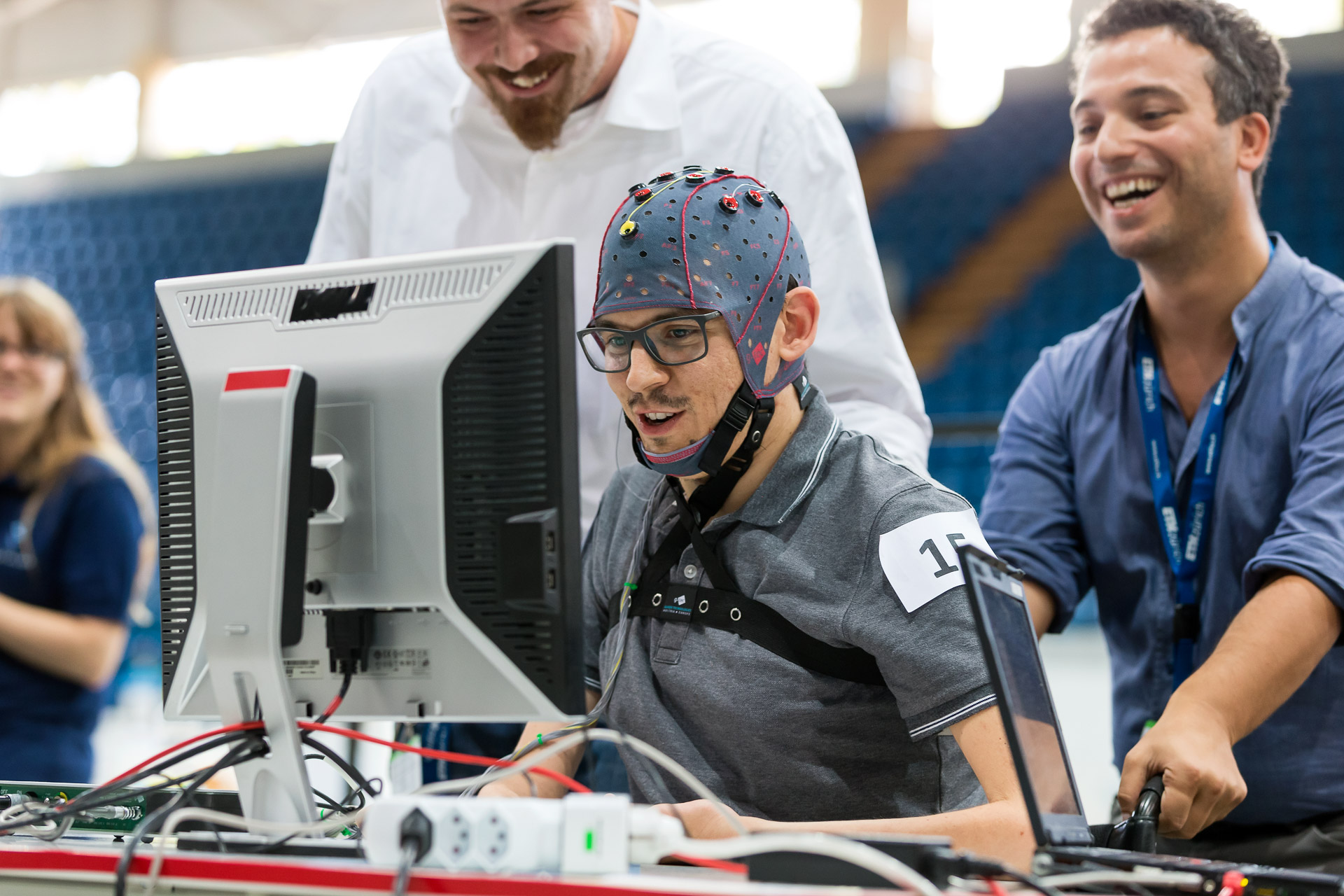
ETH professor Robert Riener‘s first Cybathlon will feature competitions using robotic prostheses and brain computer interfaces.  Disabled participants will compete in brain controlled races and exoskeleton controlled tasks.  Many  will include common obstacles, like doors, ramps, and stairs, as the goal is to develop technology to increase independence and make the activities of daily living less difficult.

Click to view the Cybathlon trailer


ApplySci’s 6th   Wearable Tech + Digital Health + NeuroTech Silicon Valley  –  February 7-8 2017 @ Stanford   |   Featuring:   Vinod Khosla – Tom Insel – Zhenan Bao – Phillip Alvelda – Nathan Intrator – John Rogers – Mary Lou Jepsen – Vivek Wadhwa – Miguel Nicolelis – Roozbeh Ghaffari –Tarun Wadhwa – Eythor Bender – Unity Stoakes – Mounir Zok – Krishna Shenoy – Karl Deisseroth
 

Categories
Brain

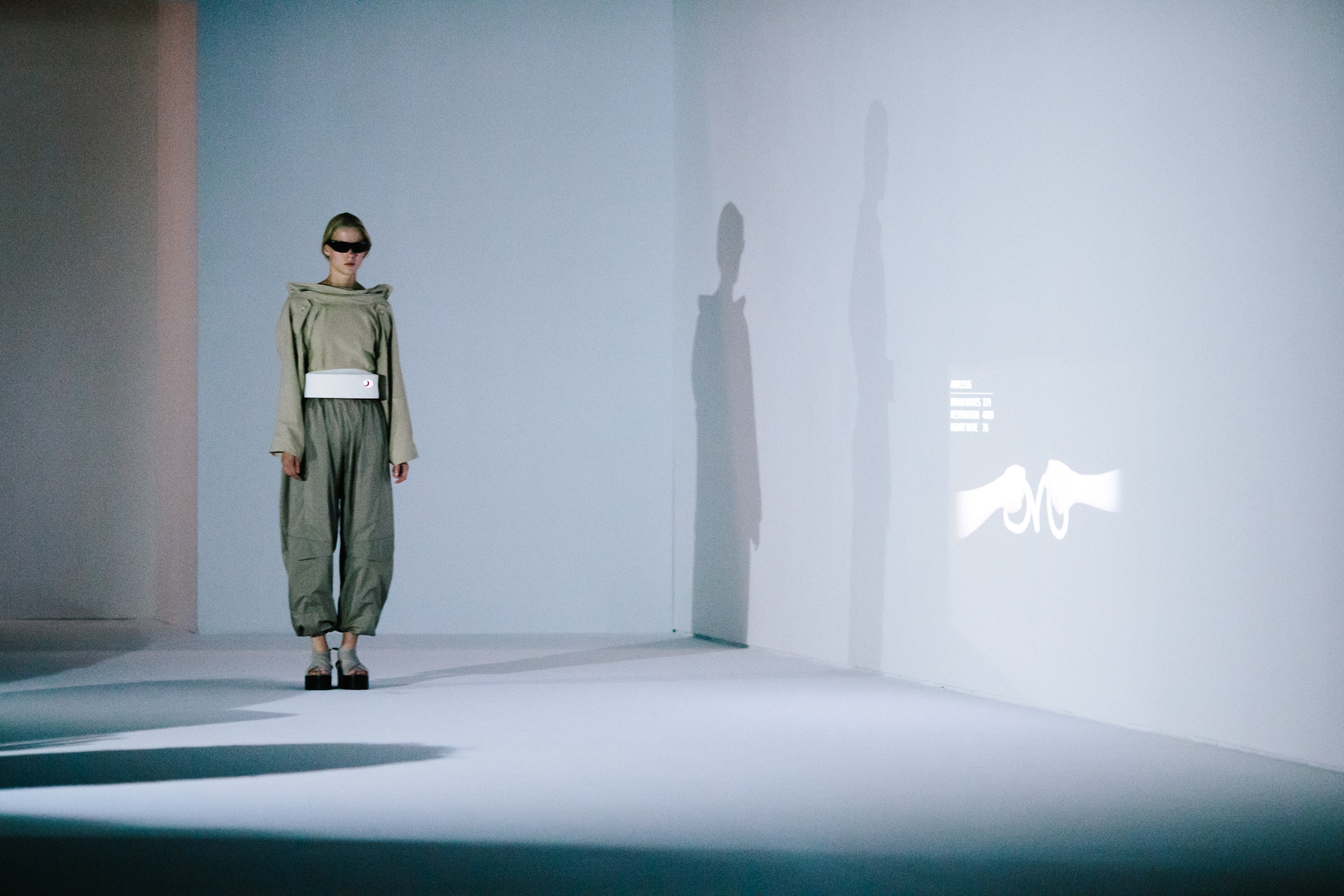
Paris Fashion Week: Smart glasses detect runway model stress

Intel has partnered with designer Hussein Chalayan to create smart glasses and belts to detect the stress level of models in his Paris runway show.

The glasses have EEG electrodes near both temples, to collect brain waves.  The nose bridge includes an optical sensor, to measure heart rate variability, and a microphone, to measure breathing. Data is processed using a Curie module,  and sent, via Bluetooth, to a 3D printed belt worn by the models. Belt integrated Curie modules receive the data, and an Intel Compute Stick processes the defined stress metric. A waist projector sent the images to a wall, indicating real-time stress levels, while the models walked.

The company has not released details of its EEG sensors and signal processing techniques, which influence the accuracy of the wearable technology.

ApplySci’s 6th   Wearable Tech + Digital Health + NeuroTech Silicon Valley  –  February 7-8 2017 @ Stanford   |   Featuring:   Vinod Khosla – Tom Insel – Zhenan Bao – Phillip Alvelda – Nathan Intrator – John Rogers – Mary Lou Jepsen – Vivek Wadhwa – Miguel Nicolelis – Roozbeh Ghaffari –Tarun Wadhwa – Eythor Bender – Unity Stoakes – Mounir Zok – Krishna Shenoy – Karl Deisseroth

Categories
Heart Wearables

Verily developing low-power health wearable

While visiting Verily last week, an MIT Technology Review journalist saw and described the company’s wearable vital tracker, called the “Cardiac and Activity Monitor” by  CTO Brian Otis.  Its novelty is a low-power e-paper display, which will address the universal problem of battery life.  Only with guaranteed continuous measurement can meaningful data be gathered and health analyzed.

The watch is reported to track pulse, heart rythm, skin temperature, light exposure, and noise levels — and perhaps cuffless blood pressure monitoring will be added to the mix.

The device is meant for use in medical research, with the goal of predicting disease.  According to scientific adviser (and former Mass General Physician-in-Chief) Dennis Ausiello: “The watch is one of several hardware activities that have a common goal, which is how to better manage the human condition and interrogate the human organism at scale across health and illness.”


ApplySci’s 6th   Wearable Tech + Digital Health + NeuroTech Silicon Valley  –  February 7-8 2017 @ Stanford   |   Featuring:   Vinod Khosla – Tom Insel – Zhenan Bao – Phillip Alvelda – Nathan Intrator – John Rogers – Mary Lou Jepsen – Vivek Wadhwa – Miguel Nicolelis – Roozbeh Ghaffari –Tarun Wadhwa – Eythor Bender – Unity Stoakes – Mounir Zok – Krishna Shenoy – Karl Deisseroth
Categories
BCI

Monkeys type Shakespeare with thoughts; human trials underway

Stanford professor Krishna Shenoy has developed technology that reads brain signals in monkeys, from implanted electrodes,  to control a cursor moving over a keyboard.   A clinical trial will begin soon, with the goal of creating brain computer interfaces to help paralyzed people communicate.  This could overcome the limitations of eye-controlled keyboards, which do not work when one loses control of the muscles around his or her eyes.

Two monkeys were taught to point to patterns of on-screen yellow and green dots, which spelled letters. Electrodes were then implanted in their brains. They were shown flashing dot letter patterns that spelled Hamlet and New York Times texts. The arrays measured  brain activity when a monkey thought of the where to point its arm, which it had learned to point to the next letter to spell.

The monkeys were able to, with their thoughts, type the texts at a speed of 12 words per minute.

Click to view Stanford University video.


Professor Shenoy will discuss this experiment, and current human trials, at ApplySci’s upcoming Wearable Tech + Digital Health + NeuroTech Silicon Valley conference, on February 7-8 at Stanford University.


Categories
BCI Robotics Stroke

Robotic hand exoskeleton for stroke patients

ETH professor Roger Gassert has developed a robotic exoskeleton that allows stroke patients  to perform daily activities by supporting motor and somatosensory functions.

His vision is that “instead of performing exercises in an abstract situation at the clinic, patients will be able to integrate them into their daily life at home, supported by a robot.” He observes that existing exoskeletons are heavy, rendering patients unable to lift their hands. They also have difficulty feeling objects and exerting the right amount of force. To address this, the palm of the hand is left free in the new device.

Gassert’s Kyushu University colleague Jumpei Arata developed a mechanism for the finger featuring three overlapping leaf springs. A motor moves the middle spring, which transmits the force to the different segments of the finger through the other two springs. The fingers thus automatically adapt to the shape of the object the patient wants to grasp.

To reduce the weight of the exoskeleton, motors are placed on the patient’s back and  force is transmitted using a bicycle brake cable. ApplySci hopes that the size and weight of the motor can be reduced, allowing it to be integrated into the exoskeleton in its next phase.

Gassert wants to make the exoskeleton thought controlled, and is using MRI and EEG to detect, in the brain,  a patient’s intention to move his or her hand, and communicating this to the device.


ApplySci’s 6th   Wearable Tech + Digital Health + NeuroTech Silicon Valley  –  February 7-8 2017 @ Stanford   |   Featuring:   Vinod Khosla – Tom Insel – Zhenan Bao – Phillip Alvelda – Nathan Intrator – John Rogers – Mary Lou Jepsen – Vivek Wadhwa – Miguel Nicolelis – Roozbeh Ghaffari – Unity Stoakes – Mounir Zok – Krishna Shenoy