
Categories
Assistive Technologies Eyes

Drone guides visually impaired runners

University of Nevada‘s Eelke Folmer has built a  drone system that guides visually impaired runners around a track, allowing them to run without a sighted guide. A downward-facing camera follows the lines on the track. A second camera focuses on a marker on the runner’s shirt.  The quadcopter flies at eye level, 10 feet ahead of a runner, and guides with sound.  The drone adjusts its speed to accommodate the runner’s pace.

Professor Folmer’s lab is developing multiple projects aimed at improving the lives of those with limited sight.

WEARABLE TECH + DIGITAL HEALTH SAN FRANCISCO – APRIL 5, 2016 @ THE MISSION BAY CONFERENCE CENTER

NEUROTECH SAN FRANCISCO – APRIL 6, 2016 @ THE MISSION BY CONFERENCE CENTER
Categories
3-D Printing Heart

Toward a 3D printed heart

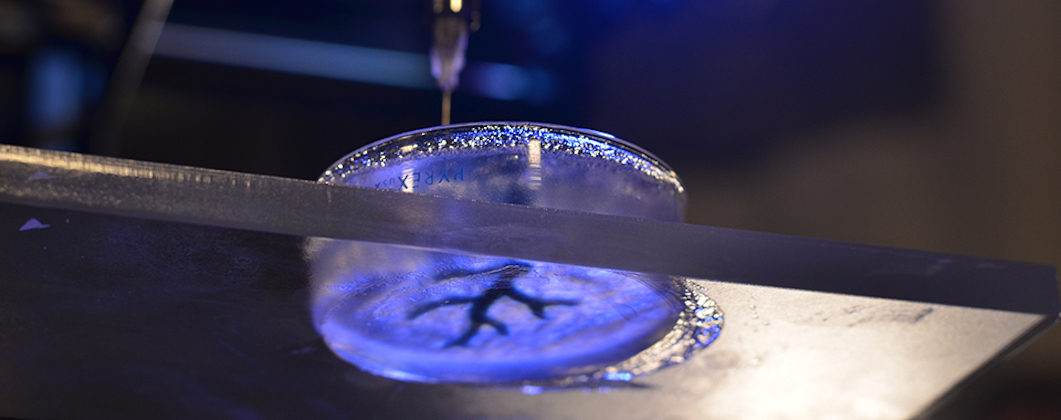
Carnegie Mellon‘s Adam Feinberg is developing 3D printing techniques that could in the future be used to repair the heart.  This work is aimed at alternative solutions for the 4,000 Americans currently waiting to receive a heart transplant.

Feinberg described his progress:  “We’ve been able to take MRI images of coronary arteries and 3-D images of embryonic hearts and 3-D bioprint them with unprecedented resolution and quality out of very soft materials like collagens, alginates and fibrins.”

The next step is to incorporate real heart cells into these 3-D printed tissue structures, providing a scaffold to help form contractile muscle.

Click to view Carnegie Mellon video.

WEARABLE TECH + DIGITAL HEALTH SAN FRANCISCO – APRIL 5, 2016 @ THE MISSION BAY CONFERENCE CENTER

NEUROTECH SAN FRANCISCO – APRIL 6, 2016 @ THE MISSION BAY CONFERENCE CENTER

Categories
Computer Vision Orthopedics Seniors Sensors

Smart walker monitors gait, assesses falling probability

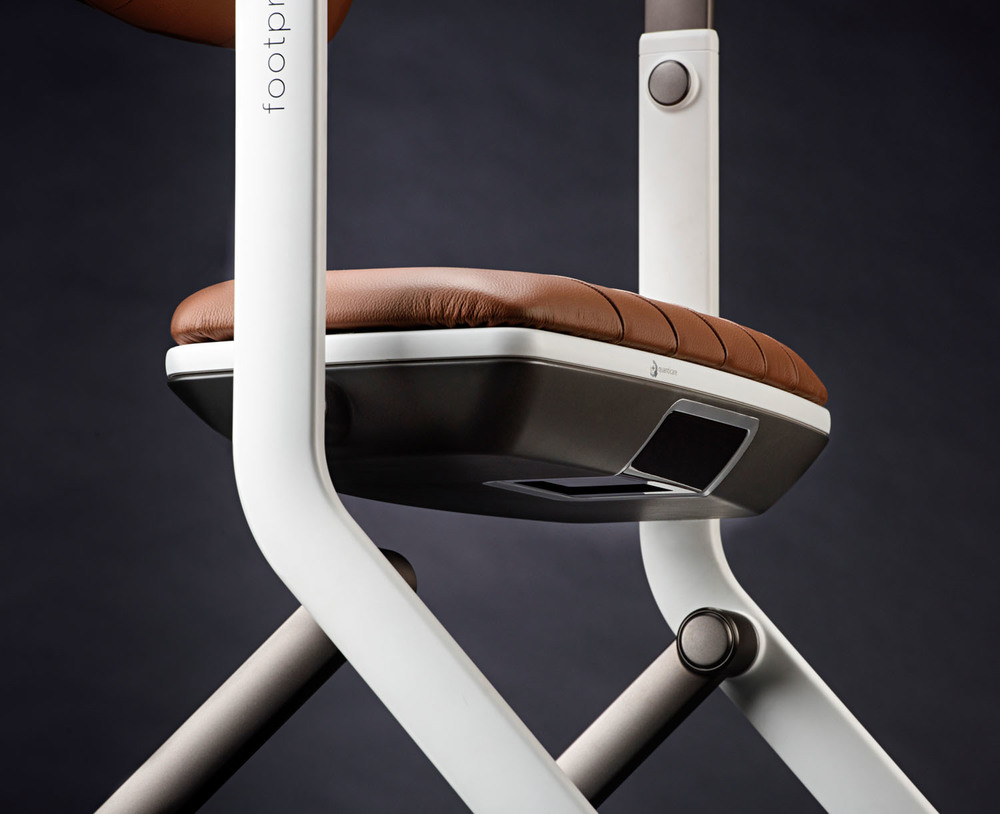
Footprints by Quanticare is a walker that  continuously collects passive and contextual gait data, with the goal of predicting and preventing senior falls.  Its computer vision algorithm captures spatio-temporal gait metrics of the user and sends the data to a health care provider.

The company claims that  the walker could measure an osteoarthritic limp to improve PT protocols, and that it can gauge  MS progression by measuring the difference between  steps.

WEARABLE TECH + DIGITAL HEALTH SAN FRANCISCO – APRIL 5, 2016 @ THE MISSION BAY CONFERENCE CENTER

NEUROTECH SAN FRANCISCO – APRIL 6, 2016 @ THE MISSION BAY CONFERENCE CENTER

*PREFERRED REGISTRATION RATE ENDS TODAY – 10/23/15

Categories
Brain

Military shockwave sensor used for sports concussion detection

Early detection of concussion can enable more rapid treatment and better outcomes.

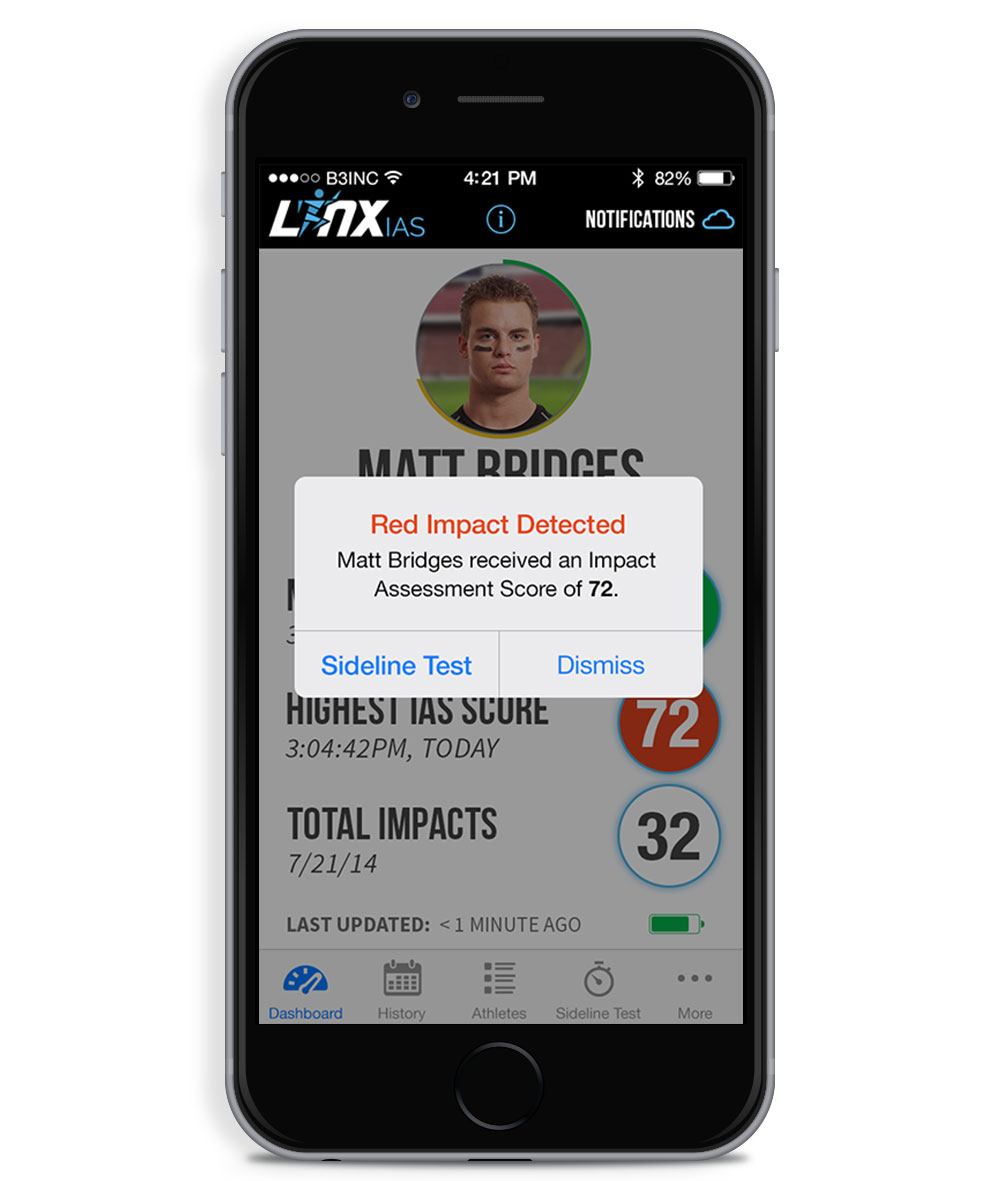
The Linx IAS  sensor detects head impact severity during sports training.  It was built upon military technology that measures the  impact of  explosion shockwaves on the brain.

The sensor is part of fabric headband.  Concussive forces are transmitted to an app that rates each blow from 1-99.  Each rating has an associated traffic light color code.  Green signals a low level “sub-concussive” blow, while red identifies a severe hit.

WEARABLE TECH + DIGITAL HEALTH SAN FRANCISCO – APRIL 5, 2016 @ THE MISSION BAY CONFERENCE CENTER

NEUROTECH SAN FRANCISCO – APRIL 6, 2016 @ THE MISSION BAY CONFERENCE CENTER

Categories
Heart

Optogenetics used to regulate heartbeat

Oxford’s Gil Bub and and Stony Brooks’ Emilia Entcheva have used optogenetics, a method used to control neurons, to regulate heartbeat.

Arrhythmia patients currently use pacemakers or drugs to control heart rhythm.   These approaches can stop or start waves, but cannot provide fine control over wave speed and direction.

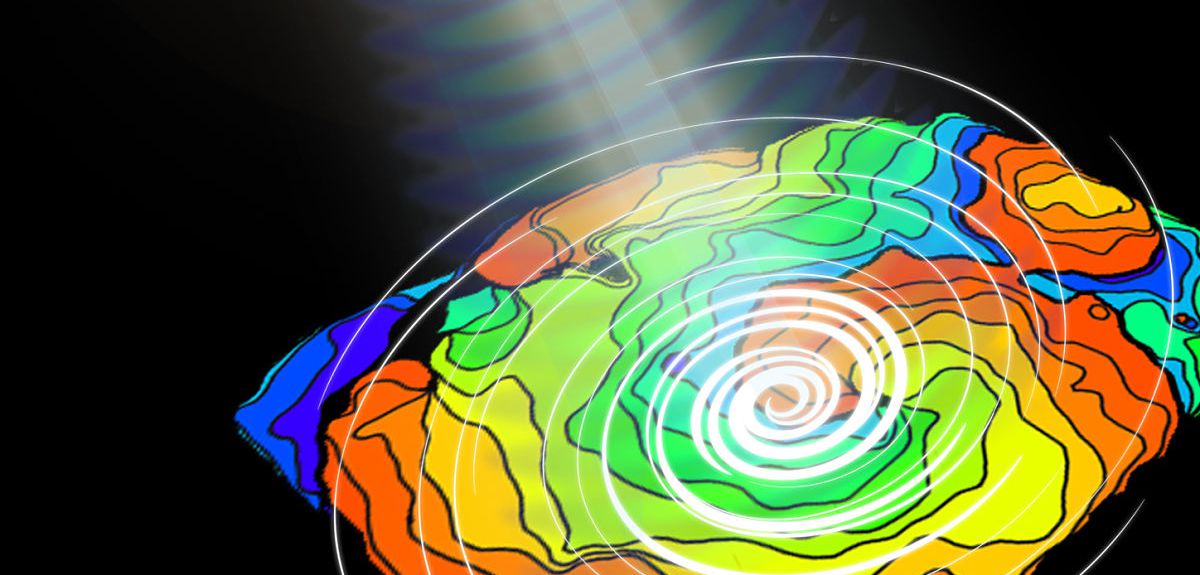
In the Bub and Entcheva study, a protein called channelrhodopsin was delivered to heart cells via gene therapy.  This made them light-responsive. Using a computer-powered light projector, the researchers controlled  the speed and direction of the cardiac waves, and the orientation of spirals, in real time.  This has never before been shown in a living system.

Click to view University of Oxford video.

WEARABLE TECH + DIGITAL HEALTH SAN FRANCISCO – APRIL 5, 2016 @ THE MISSION BAY CONFERENCE CENTER

NEUROTECH SAN FRANCISCO – APRIL 6, 2016 @ THE MISSION BAY CONFERENCE CENTER

Categories
Autism Brain Wearables

Glass app helps autistic kids understand expressions, emotions

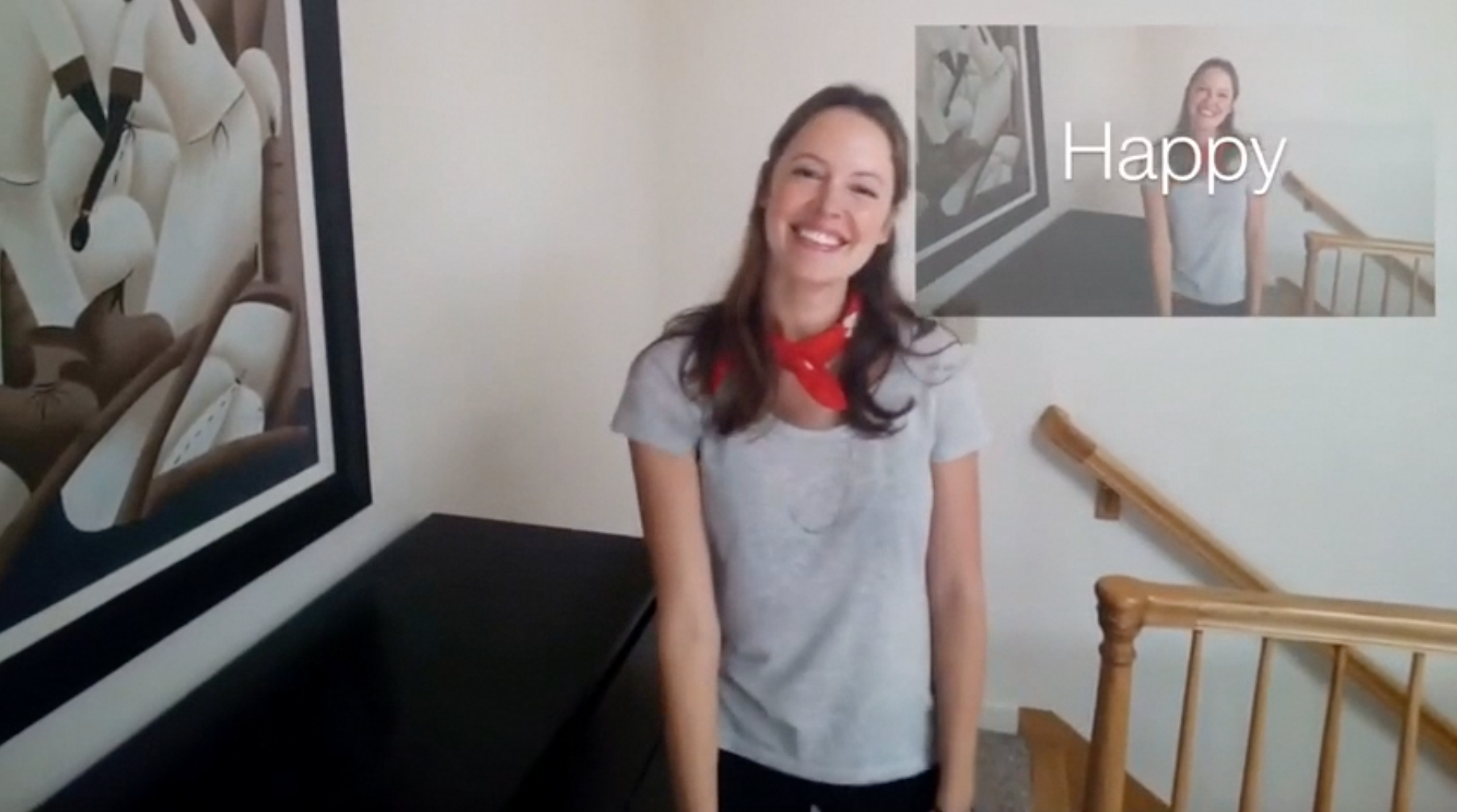
Dennis Wall, Catalin Voss, and  Nick Haber of Stanford’s Wall Lab are developing Google Glass software to help autistic children recognize and understand facial expressions and emotions.

Head motion tracking sensors, a microphone, and an eye tracking infrared camera analyze a wearer’s behavior during social interactions. Real time social cues are provided, and responses, including eye contact details, which can be analyzed in behavioral therapy, are recorded. The goal is to incorporate behavioral therapy into natural settings.

Last year ApplySci described a related technology,  Brain Power‘s Glass app, where expressions are interpreted and social engagement with parents is monitored, using games and exercises.

The Autism Glass Project has been tested on 40 children, and a clinical trial of 100 participants is now beginning.

WEARABLE TECH + DIGITAL HEALTH SAN FRANCISCO – APRIL 5, 2016 @ THE MISSION BAY CONFERENCE CENTER

NEUROTECH SAN FRANCISCO – APRIL 6, 2016 @ THE MISSION BAY CONFERENCE CENTER

Categories
Brain Parkinson's

Study: Cancer drug improves Parkinson’s cognitive, motor functions

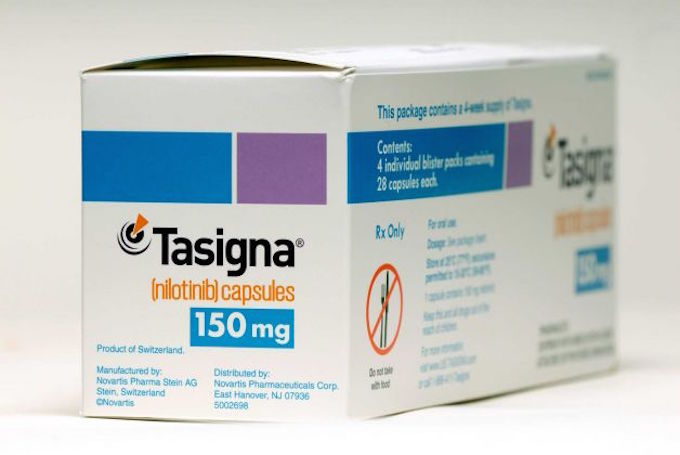
A small, early stage trial (with no control group) at Georgetown has  found that a small dose of the leukemia drug nilotinib (brand name “Tasigna” by Novartis) produced “meaningful clinical improvements” in 10 out of 11 patients.

The potential impact is significant, and the researchers believe that expanded studies will validate the  promising results. During the trial, participant dopamine levels increased so much that they were advised to reduce or stop taking other drugs.

The investigators reported that one participant, who was confined to a wheelchair,  was able to walk again, and three participants who could not speak were able to hold conversations.

The study marks the first time a therapy appears to reverse the “cognitive and motor decline in patients with these neuro-degenerative disorders,” according to Professor Fernando Pagan, who led the study with Charbel Moussa.

There has been some success with stimulation treatments for Parkison’s symptoms, and advances in early diagnosis and monitoring, but there is no known cure for this debilitating disease.  (See ApplySci Parkinson’s coverage, 2013-2015.)

Click to view Georgetown University Medical Center video.

WEARBLE TECH + DIGITAL HEALTH SAN FRANCISCO – APRIL 5, 2016 @ THE MISSION BAY CONFERENCE CENTER

NEUROTECH SAN FRANCISCO – APRIL 6, 2016 @ THE MISSION BAY CONFERENCE CENTER

Categories
Brain Prosthetics Sensors

Sensors allow more natural sense of touch in prosthetics

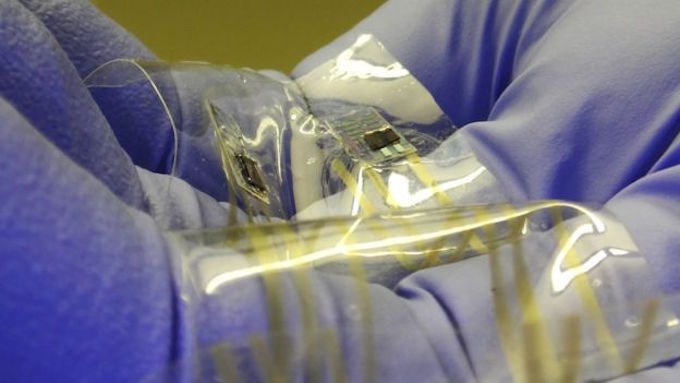
Stanford’s Zhenan Bao is developing technology that could restore a more natural sense of touch in prosthetics.  Her flexible, thin plastic sensors send signals to the brain that more closely resemble nerve messages of human skin touch sensors.

The disruptive technology has not yet been tested on humans, and researchers still need to find a safe way to pass electrical signals from prostheses to the brain for long periods.

Many teams are working toward this (see ApplySci coverage from 2013-2015).   Previous tactile sensors have however been analogue devices, where more pressure produces a stronger electrical signal, rather than a more frequent stream of pulses. The electrical signals must then be sent to another processing chip that converts the strength of the signals to a digital stream of pulses that is only then sent on to peripheral nerves or brain tissue.  Bao’s sensors send digital signals directly.

Click to view Stanford University video.

WEARABLE TECH + DIGITAL HEALTH SAN FRANCISCO – APRIL 5, 2016 @ THE MISSION BAY CONFERENCE CENTER

NEUROTECH SAN FRANCISCO – APRIL 6, 2016 @ THE MISSION BAY CONFERENCE CENTER

Categories
Epilepsy Wearables

App detects seizure onset with heart rate, accelerometer data

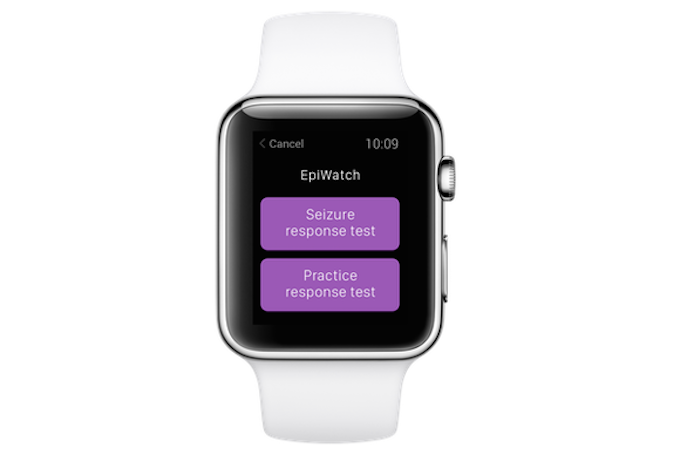
Johns Hopkins professor Gregory Krauss has used ResearchKit to develop an app to detect the onset and duration of epileptic seizures with an Apple Watch.  Wearers must touch the watch to capture accelerometer and heart rate sensor data, and notify a caregiver.  The EpiWatch app logs seizures and responses, and tracks medication adherence and side effects.

The EpiWatch is similar in function to Embrace by Empatica, developed by MIT professor Rosalind Picard.  Embrace uses skin conductance, accelerator, and gyrometer  data to detect seizures.  (See ApplySci, November 28, 2014.)

ApplySci applauds these advances, which by recording patterns and notifying loved ones,  have the potential to improve the lives of epilepsy sufferers.  There is little evidence that cardiac activity alone can be used to predict seizures (see Amir Geva‘s paper in IEEE Transactions on Biomedical Engineering).  The next step is to develop the ability to predict seizures in advance, which will require brain activity interpretation.

WEARABLE TECH + DIGITAL HEALTH SAN FRANCISCO – APRIL 5, 2016 @ MISSION BAY CONFERENCE CENTER

NEUROTECH SAN FRANCISCO – APRIL 6, 2016 @ MISSION BAY CONFERENCE CENTER

Categories
fitness Smart Fabric

Sensor shorts provide real time runner feedback

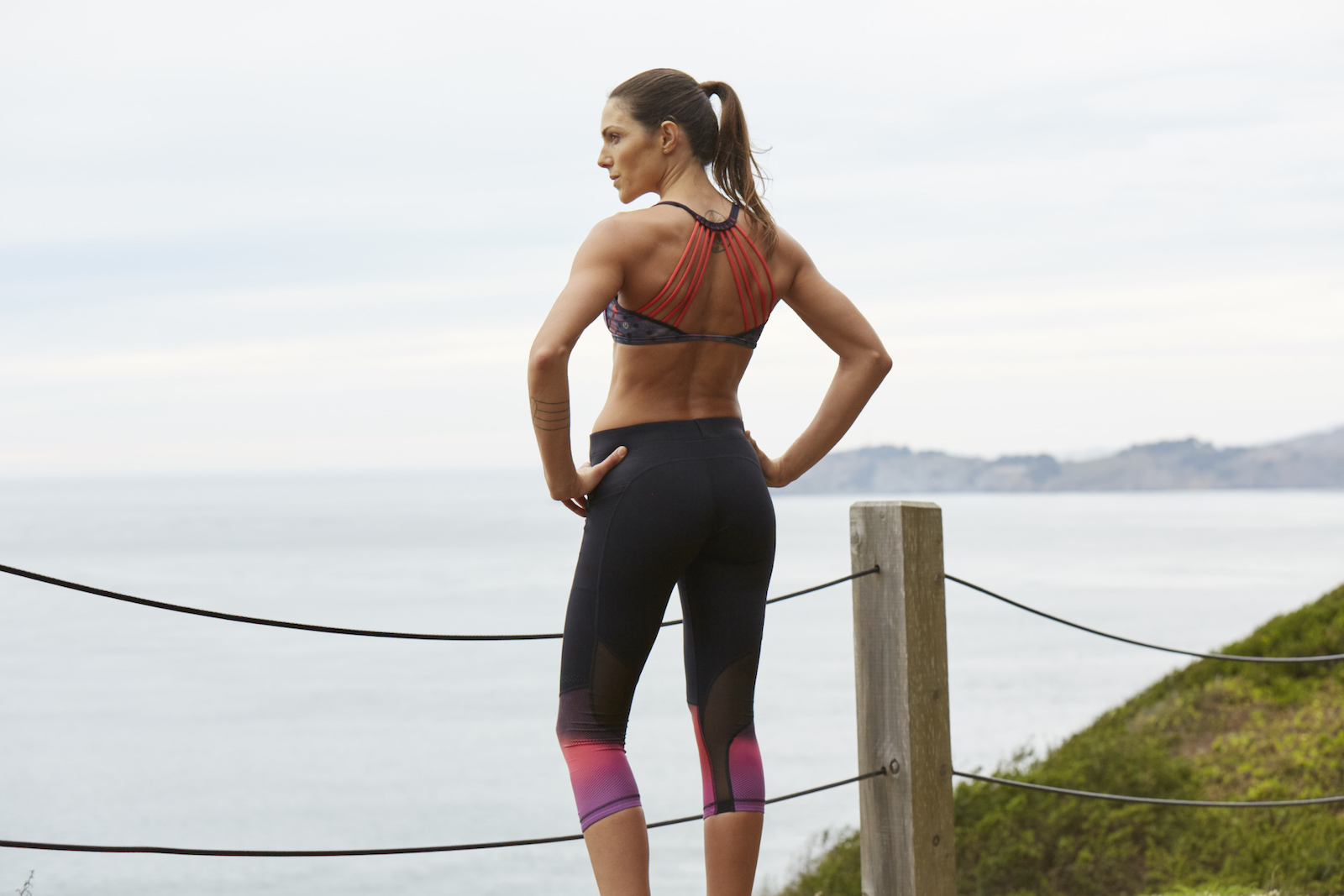
ApplySci has described several examples of smart shirts and smart fabrics in recent months.  Now, Lumo his integrated sensors into shorts to monitor  cadence, stride length, pace, distance and pelvic rotation in runners.  Placed inside the waistband, the sensors sync with smartphones to provide real time feedback, and the app sends data and coaching content post-run.

WEARABLE TECH + DIGITAL HEALTH SAN FRANCISCO – APRIL 5, 2016 @ MISSION BAY CONFERENCE CENTER

NEUROTECH SAN FRANCISCO – APRIL 6, 2016 @ MISSION BAY CONFERENCE CENTER

Categories
Brain

Bipolar mood detection via smartphone

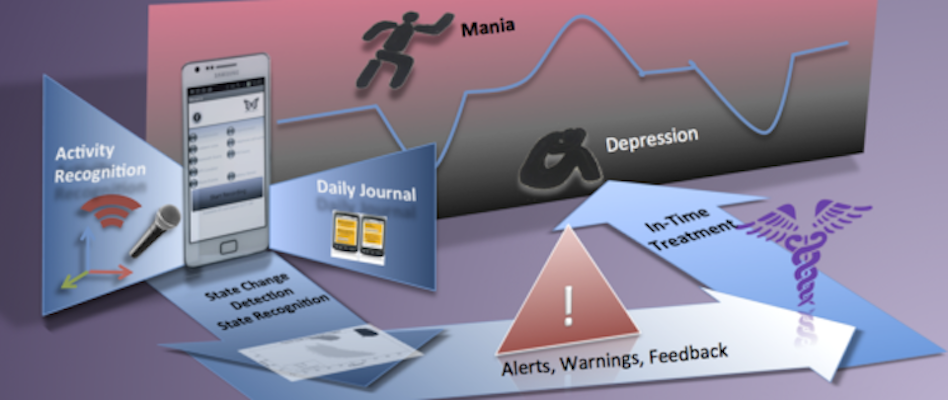
In July, ApplySci described a Northwestern developed phone app that monitors behavior patterns to detect depression.  Now, Venet Osmani at CREATE-NET has announced a similar phone based concept with a focus on bipolar disorder.   A small study has shown that mood changes can be accurately spotted as they occur,  facilitating earlier treatment and better outcomes.

The manic phase of the disease is often characterized by hyperactivity, which can be measured by an accelerometer, GPS device, speech analysis (for rapid speech) and phone records (for frequent conversations).

Patients in the depressive stage usually demonstrate distinctly different behaviors.

Smartphone activity of 12 bipolar patients was monitored over 12 weeks.  They visited the clinic every three weeks, when a conventional mental state evaluation occurred.

The study found that activity and location data gave a good indication of mood, and accurately predicted mood change 94 percent of the time. When combined with call and speech analysis, accuracy climbed to 97 per cent.  According to Osmani, “amost all changes were detected with almost no false alarms.”

WEARABLE TECH + DIGITAL HEALTH SAN FRANCISCO – APRIL 5, 2016 @ THE MISSION BAY CONFERENCE CENTER

NEUROTECH SAN FRANCISCO – APRIL 6, 2016 @ THE MISSION BAY CONFERENCE CENTER

Categories
Babies

Smart bottle monitors infant swallowing

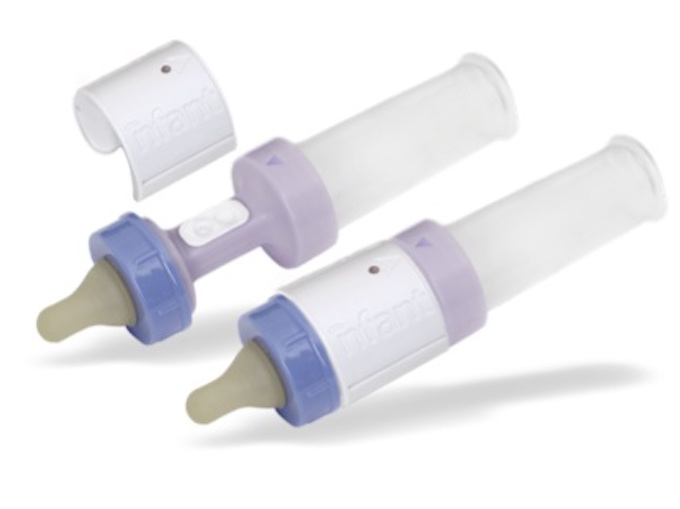
A smart baby bottle by nfant uses sensors to measure a baby’s tongue strength while feeding.  Data is sent to a caregiver’s phone and stored in the cloud.  Tongue movements determine whether a baby in the NICU has the strength to switch from tube to bottle or breastfeeding.

ApplySci sees the  opportunity for the next generation of smart bottles to incorporate multiple infant-health parameters, such as those derived from saliva.

WEARABLE TECH + DIGITAL HEALTH SAN FRANCISCO – APRIL 5, 2016 @ MISSION BAY CONFERENCE CENTER

NEUROTECH SAN FRANCISCO – APRIL 6, 2016 @ MISSION BAY CONFERENCE CENTER