Categories
Brain

MRI shows structural neural substrate of happiness

Kyoto University’s Wataru Sato has used MRI to understand where happiness happens in the brain. However, the neural mechanism behind how happiness emerges remains unclear.

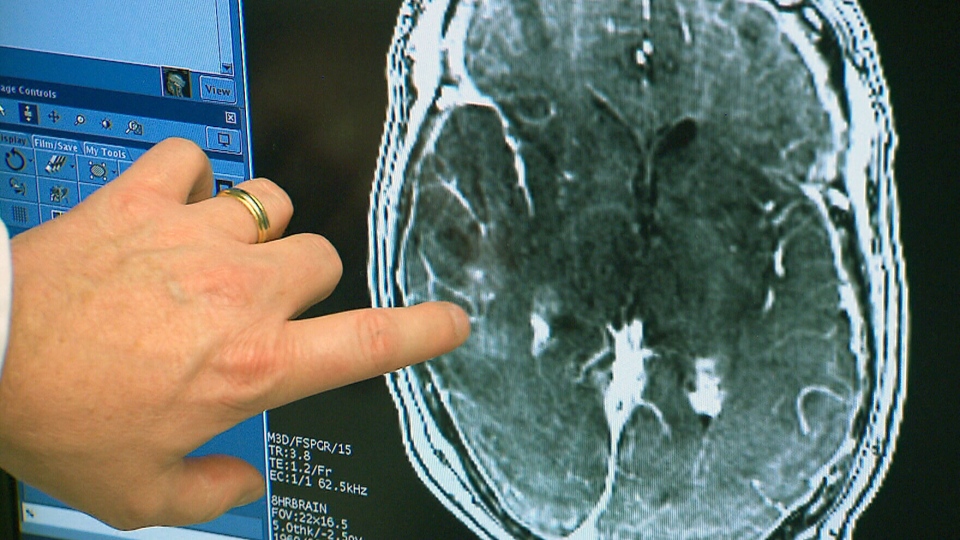
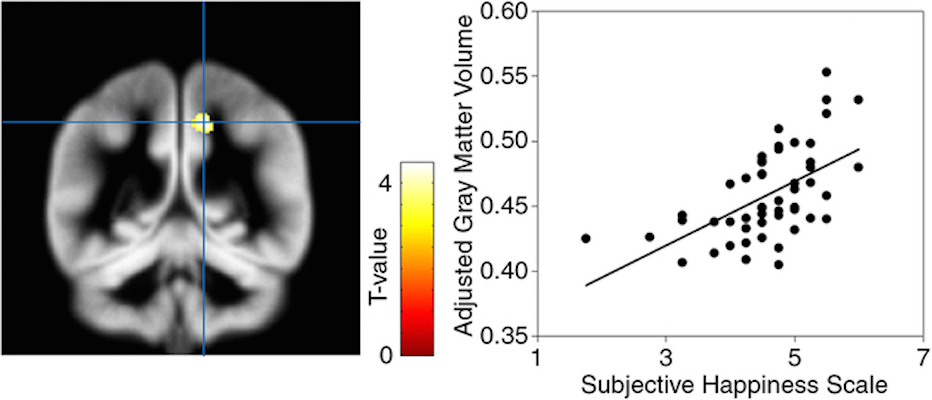
Sato’s recent paper shows that the  precuneus, which also becomes active when experiencing consciousness, mediates subjective happiness by integrating its emotional and cognitive components.

Participants had MRI brain scans and completed a survey that asked how happy they are generally, how intensely they feel emotions, and how satisfied they are with their lives.  Those who scored higher on the happiness surveys had more grey matter mass in the precuneus.

WEARABLE TECH + DIGITAL HEALTH SAN FRANCISCO – APRIL 5, 2016 @ THE MISSION BAY CONFERENCE CENTER

NEUROTECH SAN FRANCISCO – APRIL 6, 2016 @ THE MISSION BAY CONFERENCE CENTER
Categories
Heart Wearables

Wearable VR system guides coronary artery surgery

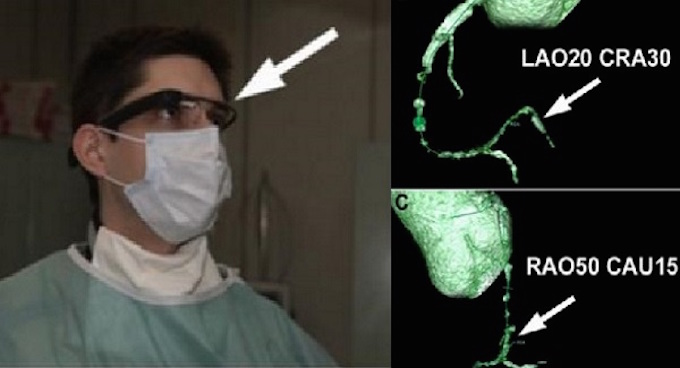
Maksymilian Opolski of the Cardinal Wyszynski Institute of Cardiology used a VR system combining a custom app and Google Glass to clear a blocked coronary artery. The patient had chronic total occlusion, which  is difficult to clear with catheter-based percutaneous coronary intervention.   Surgeons often cannot visualize the blockage with CTA imaging.

The system provided 3D reconstructions of the artery during the procedure, allowing surgeons to verify the direction of the guide wire, to clear the blockage and implant two drug-releasing stents.

The head-mounted display enabled image capture and video.  The hands-free voice recognition system allowed for zoom and changes of images.

According to Opolski, “this case demonstrates the novel application of wearable devices for display of CTA data sets in the catheterization laboratory that can be used for better planning and guidance of interventional procedures, and provides proof of concept that wearable devices can improve operator comfort and procedure efficiency in interventional cardiology.”

WEARABLE TECH + DIGITAL HEALTH SAN FRANCISCO – APRIL 5, 2016 @ THE MISSION BAY CONFERENCE CENTER

NEUROTECH SAN FRANCISCO – APRIL 6, 2016 @ THE MISSION BAY CONFERENCE CENTER
Categories
Apps Autism Brain Children

App identifies early signs of autism

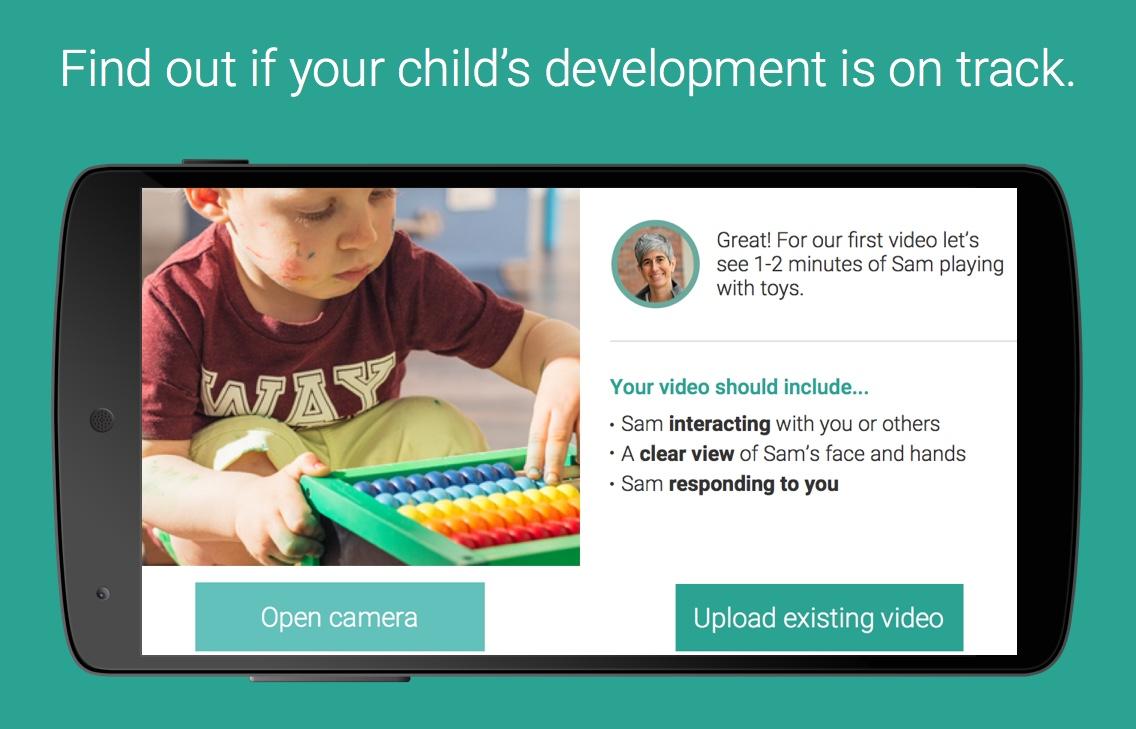
Cognoa is an app  that asks parents to answer 15 questions about behavior to indicate whether their child is at risk of autism.  It is based on data from 10,000 children and validation studies led by Stanford professor Dennis Wall.

The system focuses on specific behaviors from  standard diagnostic instruments that have the highest value for detecting developmental delay and autism. The predictive algorithm relies on the behavioral reports from parents and a video evaluation of the child.

It is meant to be used by non-clinicians to earlier identify issues that require treatment by a physician.

Professor Wall will be a featured speaker at ApplySci’s NEUROTECH SAN FRANCISCO conference  on April 6th, which immediately follows WEARABLE TECH + DIGITAL HEALH SAN FRANCISCO on Aprl 5th.

Categories
Heart Respiratory Sensors

Ingestible sensor continuously monitors heart, breathing rates

MIT researchers are developing ingestible sensors that measure heart  and breathing rates from within the gastrointestinal tract using sound waves.

This type of sensor could make it easier to assess trauma patients, monitor soldiers in battle, perform long-term evaluation of patients with chronic illnesses, or improve training for professional and amateur athletes, the researchers say.

The team, led by Giovanni Traverso and Gregory Ciccarelli, created signal processing systems that distinguish the sounds produced by the heart and lungs from each other, as well as from background noise produced by the digestive tract and other parts of the body.

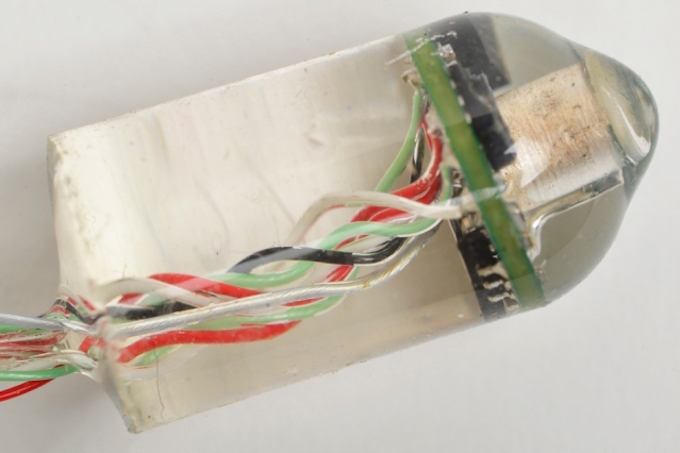
The sensor consists of a microphone in a silicone capsule, plus electronics that process the sound, and wirelessly send radio signals to an external receiver within 3 meters.

In a related development, Jawbone’s CEO recently described swallowable sensors in development. (See ApplySci, October 10, 2015.)

Click to view MIT video.

WEARABLE TECH + DIGITAL HEALTH SAN FRANCISCO – APRIL 5, 2016 @ THE MISSION BAY CONFERENCE CENTER

NEUROTECH SAN FRANCISCO – APRIL 6 @ THE MISSION BAY CONFERENCE CENTER

Categories
Prosthetics Sensors

Self-healing sensor improves “electronic skin”

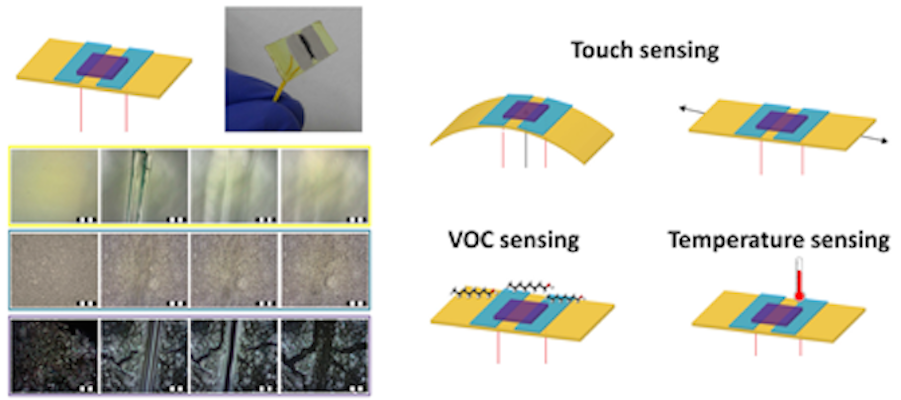
Hossam Haick and Technion colleagues are developing materials to be integrated into flexible electronics that mimic the healing properties of human skin.  The goal is to quickly repair incidental scratches or damaging cuts that might compromise device functionality. The synthetic polymer can “heal” electronic skin in one day, which can improve the materials used to achieve  a sense of touch in prosthetics.

The new sensor is comprised of a self-healing substrate, high conductivity electrodes, and molecularly modified gold nanoparticles.  The researchers noted that “the healing efficiency of this chemiresistor is so high that the sensor survived several cuttings at random positions.”

WEARABLE TECH + DIGITAL HEALTH SAN FRANCISCO – APRIL 5, 2016 @ THE MISSION BAY CONFERENCE CENTER

NEUROTECH SAN FRANCISCO – APRIL 6, 2016 @ THE MISSION BAY CONFERENCE CENTER
Categories
Brain

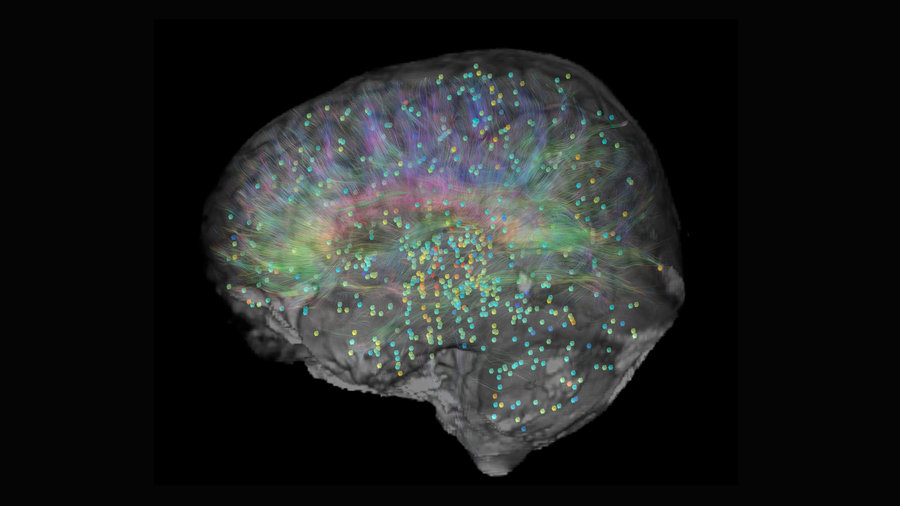
32 gene expression patterns identified in human brains

An Allen Institute study describes a surprisingly small set of patterns that characterize how brains express or use genes.  This finding appears to be common to all of us.

Genes were ranked by consistency of expression (or usage) patterns across each brain studied. The relationship of these genes to one another, and to brain function and disease, were analyzed. Across all (approximately) 20,000  genes, most  usage throughout different brain regions was characterized by just 32 expression patterns.

The genes most consistent across the 6 brains in the study included those associated with autism and Alzheimer’s Disease.  This understanding will hopefully lead to better detection and treatment of brain diseases.

NEUROTECH SAN FRANCISCO – APRIL 6, 2016 @ THE MISSION BAY CONFERENCE CENTER

Categories
Seniors Wearables

Gait monitoring wearable to prevent senior falls

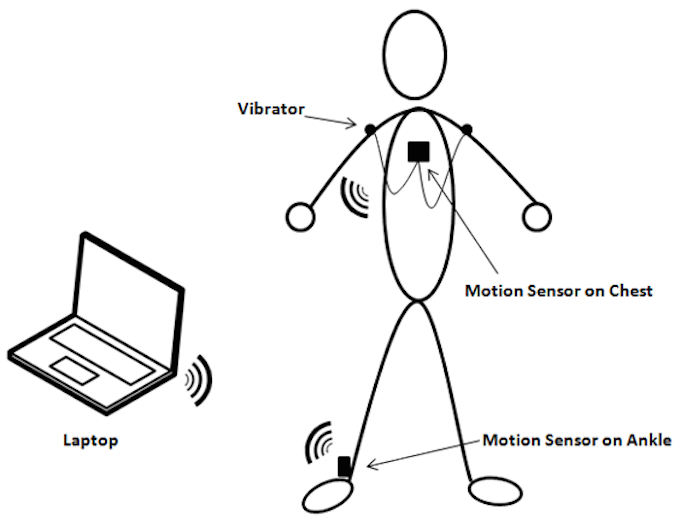
Roozbeh Jafari and Texas A&M colleagues are developing a gait monitoring wearable to  prevent senior falls.  The system will analyze multiple sway and gait parameters while one walks or stands on one leg.   Users will receive auditory and vibration feedback to reduce an unsafe sway and prevent falls. The wearable will be worn on the ankle and chest, and can be used for home monitoring or clinical training/risk assessment.

WEARABLE TECH + DIGITAL HEALTH SAN FRANCISCO – APRL 5, 2016 @ THE NEW YORK ACADEMY OF SCIENCES

NEUROTECH SAN FRANCISCO – APRIL 6, 2016 @ THE NEW YORK ACADEMY OF SCIENCES

Categories
Eyes Wearables

LCD glasses treat amblyopia, correct vision

Amblyz are programmable LCD glasses that can treat amblyopia (colloquially known as “lazy eye”).

Instead of patching, the lens over the affected eye would go dark for a few seconds out of every 30 during the prescribed patching period.  As children with amblyopia often have astigmatism or nearsightedness, the glasses simultaneously corrects vision (when not occluding it).

Researchers compared  Amblyz with traditional patching on 33 children, ages 3-8. For 3 months, one group wore the patch for 2 hours per day, while the other wore Amblyz for 4 hours per day. Both groups showed similar improvement, and were able to see an average of two more lines on a reading chart.

WEARABLE TECH + DIGITAL HEALTH SAN FRANCISCO – APRIL 5, 2016 @ THE MISSION BAY CONFERENCE CENTER

NEUROTECH SAN FRANCISCO – APRIL 6, 2016 @ THE MISSION BAY CONFERENCE CENTER
Categories
Heart Monitoring Respiratory

Phone tracks health with out wearable sensors

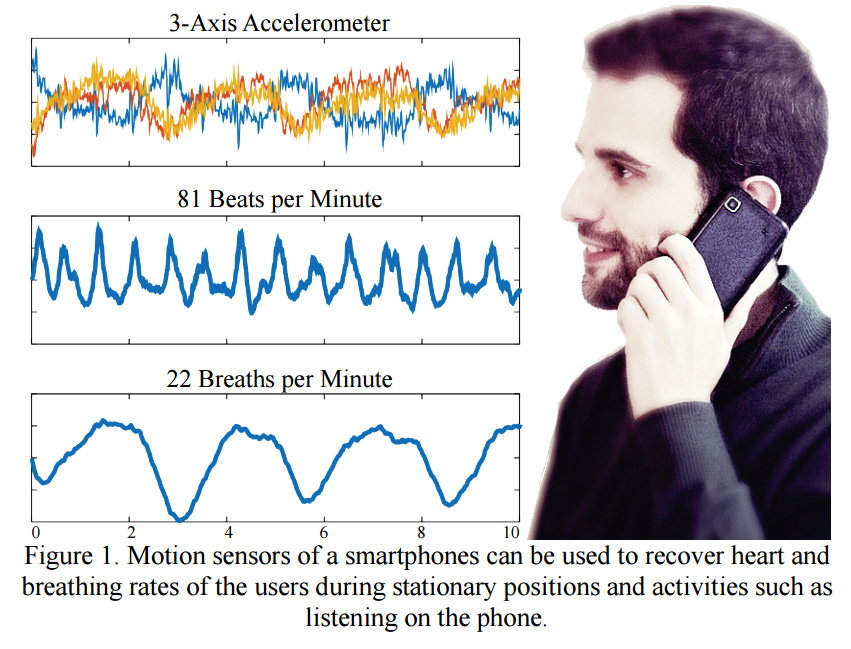
Javier Hernandez Rivera of Rosalind Picard‘s Affective Computing Group at MIT is developing a health monitoring phone that does not require a wearable.  BioPhone derives biological signals from a phone’s accelerometer, which the team says captures small body movements that result from one’s heart beating and chest rising and falling.

Hernandez said that BioPhone is meant to gather data during still moments, simplifying the capture of small vibrations without having to account for many body movements.   He believes that this can detect stress, which could trigger the phone to provide breathing exercises, or notify a loved one to call.

12 subjects sat, stood, and lied down, before and after pedaling a bike, with a smartphone in their pocket.  To compare results,  they wore sensors to capture heart and breathing rates. Heart rates reported by smartphone data alone were off by 1 beat per minute, and breathing rates were off by 1/4 of a breath per minute.

MIT Technology Review reported that the findings were questioned by a U of Alabama mobile health expert, who believes  that results will be affected by signal noise from inadvertent motions.

WEARABLE TECH + DIGITAL HEALTH SAN FRANCISCO – APRIL 5, 2016 @ THE MISSION BAY CONFERENCE CENTER

NEUROTECH SAN FRANCISCO – APRIL 6, 2016 @ THE MISSION BAY CONFERENCE CENTER
Categories
Sleep Wearables

Ring monitors vitals 24/7, makes sleep improving suggestions

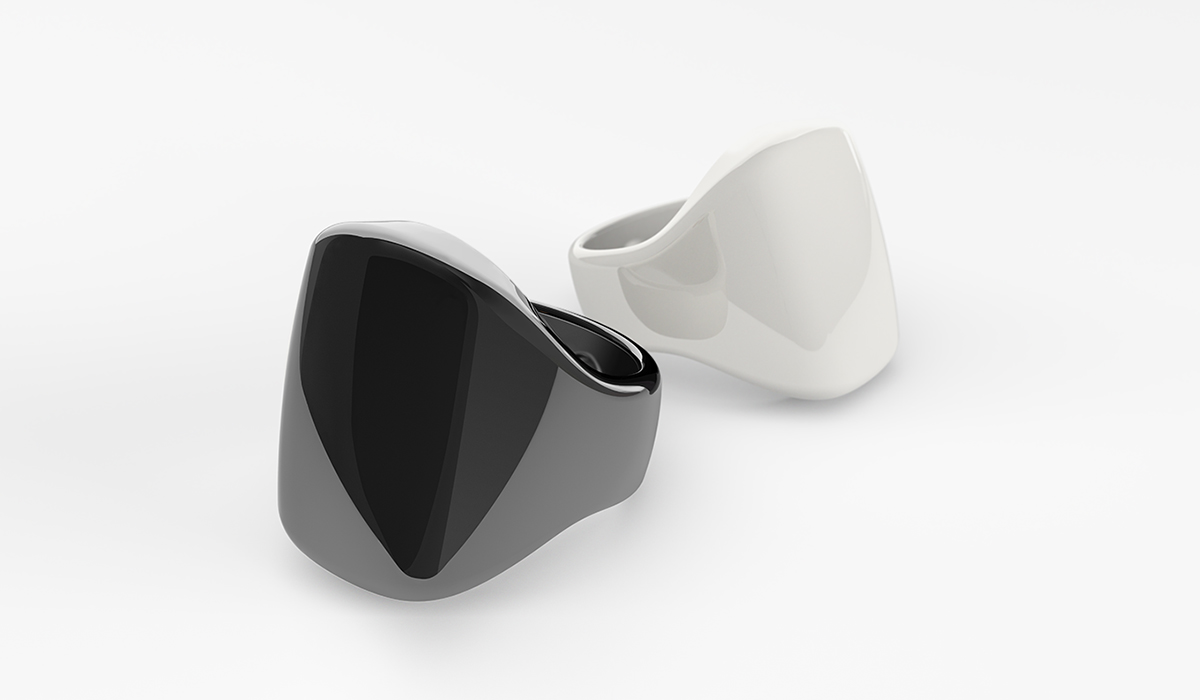
Oura ring is a crowdfunded wearable that monitors heart rate, respiration, temperature, and movement, including time spent sitting.   The ceramic ring uses Bluetooth to share data with the accompanying app, which makes activity suggestions to improve sleep.  It also provides a “readiness score,” which the company claims alerts a user of his/her peak physical and mental performance times. Oura’s battery lasts for three days, and is charged in its ring box.

WEARABLE TECH + DIGITAL HEALTH SAN FRANCISCO – APRIL 5, 2016 @ THE MISSION BAY CONFERENCE CENTER

NEUROTECH SAN FRANCISCO – APRIL 6, 2016 @ THE MISSION BAY CONFERENCE CENTER
Categories
Conference Wearables

Smart airline uniforms improve passenger safety

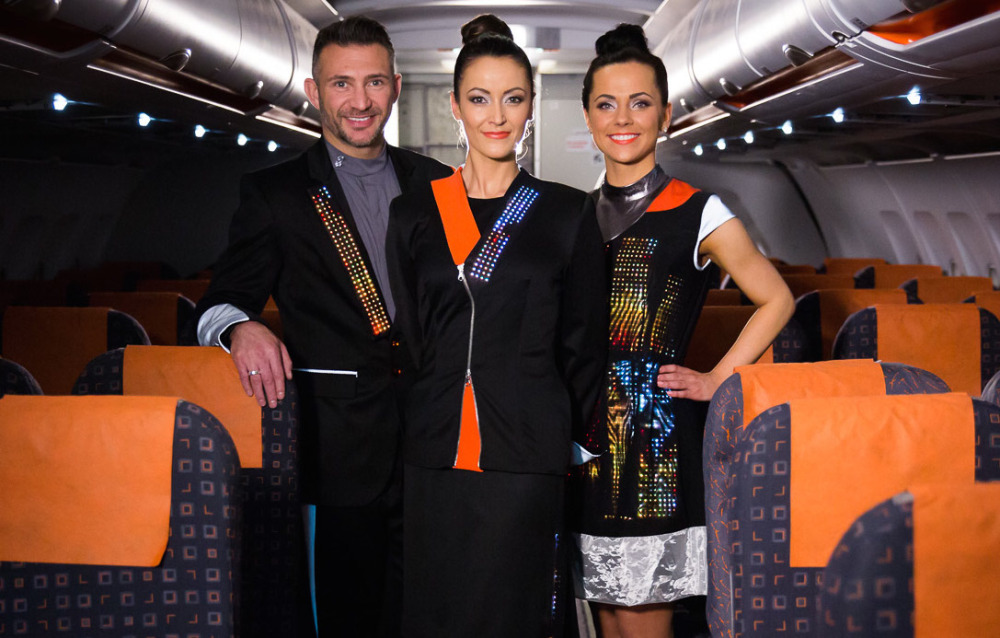
easyJet has partnered with CuteCircuit to create sensor embedded crew uniforms to improve passenger safety.

Cabin crew uniforms have shoulder LEDs and illuminated hems to provide lighting. Lapel LEDs display fight numbers, and microphones  in the fabric enable immediate communication.

Engineers’ uniforms have LEDs in  jacket hoods to illuminate work areas, and built in cameras to share photos for assistance.  Integrated air quality sensors and barometers notify workers of environmental issues, and create a city-by-city air quality map for passengers.

WEARABLE TECH + DIGITAL HEALTH SAN FRANCISCO – APRIL 5, 2016 @ THE MISSION BAY CONFERENCE CENTER

NEUROTECH SAN FRANCISCO – APRIL 6, 2016 @ THE MISSION BAY CONFERENCE CENTER

Categories
Brain Cancer Ultrasound

Ultrasound penetrates blood-brain barrier to treat brain tumor

Todd Mainprize at Sunnybrook Hospital has, for the first time,  delivered chemotherapy directly to a brain tumor, by breaking through the blood-brain barrier using tightly focused ultrasound.

The patient’s bloodstream was  infused with a chemotherapy drug, as well as microscopic bubbles, which are smaller than red blood cells and can pass freely through blood. MRI-guided, low intensity sound waves targeted blood vessels in the blood-brain barrier, near the tumor site. The ultrasound waves vibrated the microbubbles,  loosening the tight cell junctions of the blood-brain barrier. The loosened junctions allowed the chemotherapy drug to flow past the barrier and deposit within the targeted tumor site.

This breakthrough could also lead to new treatments for brain diseases such as Parkinson’s and Alzheimer’s.

Click to view Sunnybrook Hospital video.

NEUROTECH SAN FRANCISCO – APRIIL 6, 2016 @ THE MISSION BAY CONFERENCE CENTER