Categories
Brain

Small study shows Alzheimer’s drug significantly slows cognitive decline

A small study of an experimental Alzheimer’s  drug from Biogen Idec significantly slowed cognitive decline and reduced what is believed to be brain destroying plaque in early and mid stage patients.

The drug, Aducanumab, or BIIB037, was tested on 166 people, divided into five groups  Each of four groups received a different dose.  The fifth  received a placebo.  The Biogen treatment led to reductions in brain amyloid, according to interim data presented at a conference in Nice last week. The plaque reduction was more pronounced over time, and as the dose of the drug increased.

According to Biogen’s Chief Medical Officer, Alfred Sandrock:  “It marks the first time an experimental drug demonstrated a statistically significant reduction in amyloid plaque as well as a slowing of clinical impairment in patients with mild disease.  It’s a bigger treatment effect than we had hoped for.”

While promising, the drug has only been tested on 166 people and requires much larger and longer trials.  The personal, family, and societal devastation of Alzheimer’s disease is enormous,  and the promise of effective drugs and research has disappointed many.  ApplySci hopes that this study truly indicates a breakthrough.

Biogen will  soon begin enrolling patients in a large Phase III trial, the results of which could be used to seek approval of its drug.

Wearable Tech + Digital Health NYC 2015 – June 30 @ New York Academy of Sciences.  Early registration rate available until March 27th.

Categories
Computer Vision Monitoring Sensors

Sensor probe to prevent hospital pressure ulcers

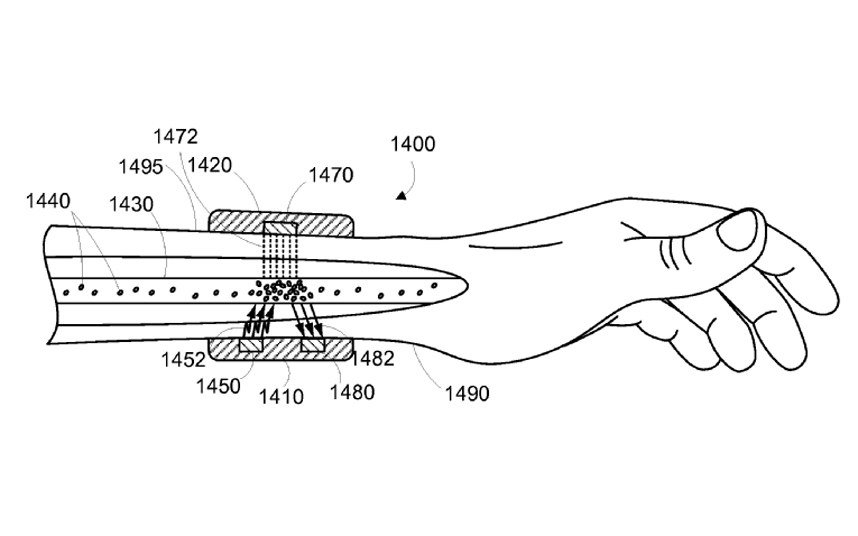
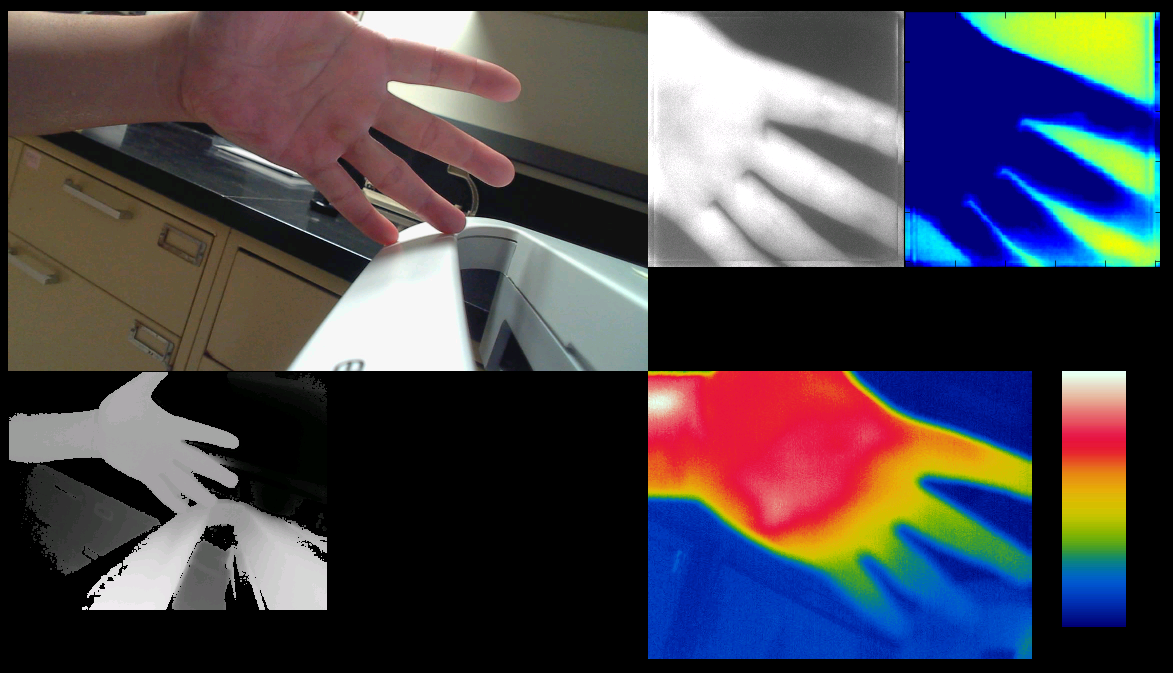
GE and the US Dept of Veterans Affairs have developed a multi sensor probe to detect the earliest signs of pressure ulcer formation.

The device combines computer vision with motion detection, thermal profiling, image classification, 3-D object reconstruction and vapor detection to identify patients at risk and improve treatment.

Hospitals generally advise caregivers to turn patients every two to four hours to prevent ulcers.   Last year ApplySci described Leaf, a sensor that automates and prioritizes turning schedules for large groups of patients.  Traditionally, when ulcers appear, healing is monitored manually by measuring and recording the dimensions of visible lesions.  The VA believes that  by combining physical inspection with  real-time monitoring, ulcers may be prevented from forming or advancing.

Wearable Tech + Digital Health NYC 2015 – June 30 @ New York Academy of Sciences.  Early registration rate available until March 27th.

Categories
Autism Robotics

Robot helps build social skills in autistic kids

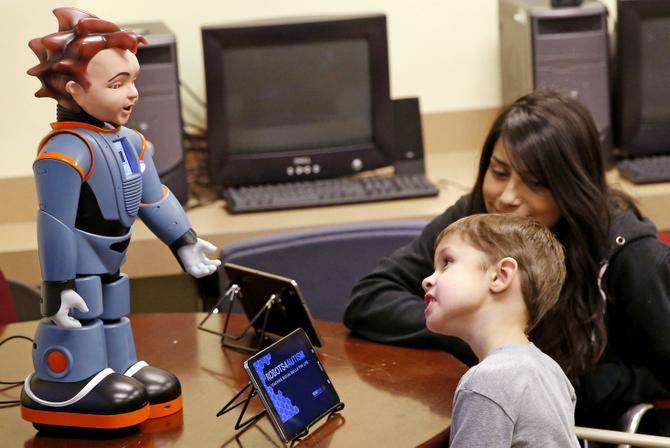
Milo by RoboKind is a humanoid robot designed to engage and build social skills in children with autism.  It is used with  the company’s Robots4Autism curriculum which includes conversation, social situation, and emotional understanding modules.

Milo is 2 feet tall, with a childlike voice and facial features.  Its arms move and facial expression change. Sensors gauge eye contact, which is often a problem for children with autism, and cameras and microphones record interactions.

Embedded software includes the Robots4Autism curriculum and components for reporting  interaction and progress. Children and therapists use tablets to interact with Milo.

Wearable Tech + Digital Health NYC 2015 – June 30 @ New York Academy of Sciences.  Early registration rate available until March 27th.

Categories
Disease mHealth Sensors Wearables

Suit, patch allow doctors to safely treat Ebola patients

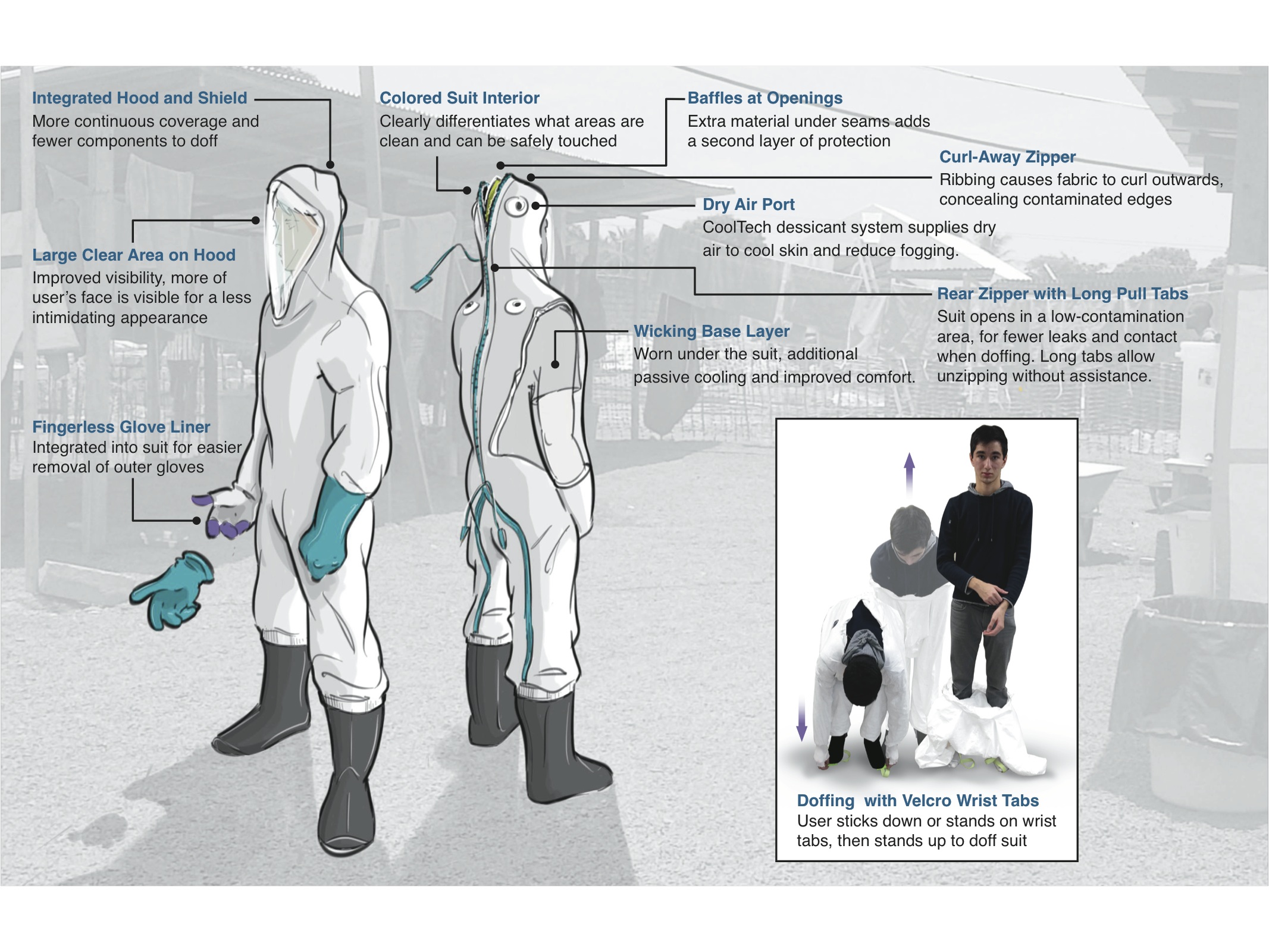
At SXSW this week, USAID unveiled a biomedical suit and a wearable sensor patch to protect doctors while treating Ebola patients.

The John’s Hopkins developed suit takes two minutes to put on.  It has anti-fogging capabilities and will contain a cooling system, allowing doctors to wear it for longer periods.  Past protective suits took 30 minutes to put on, were hot and uncomfortable, and could only be worn for 45 minutes.

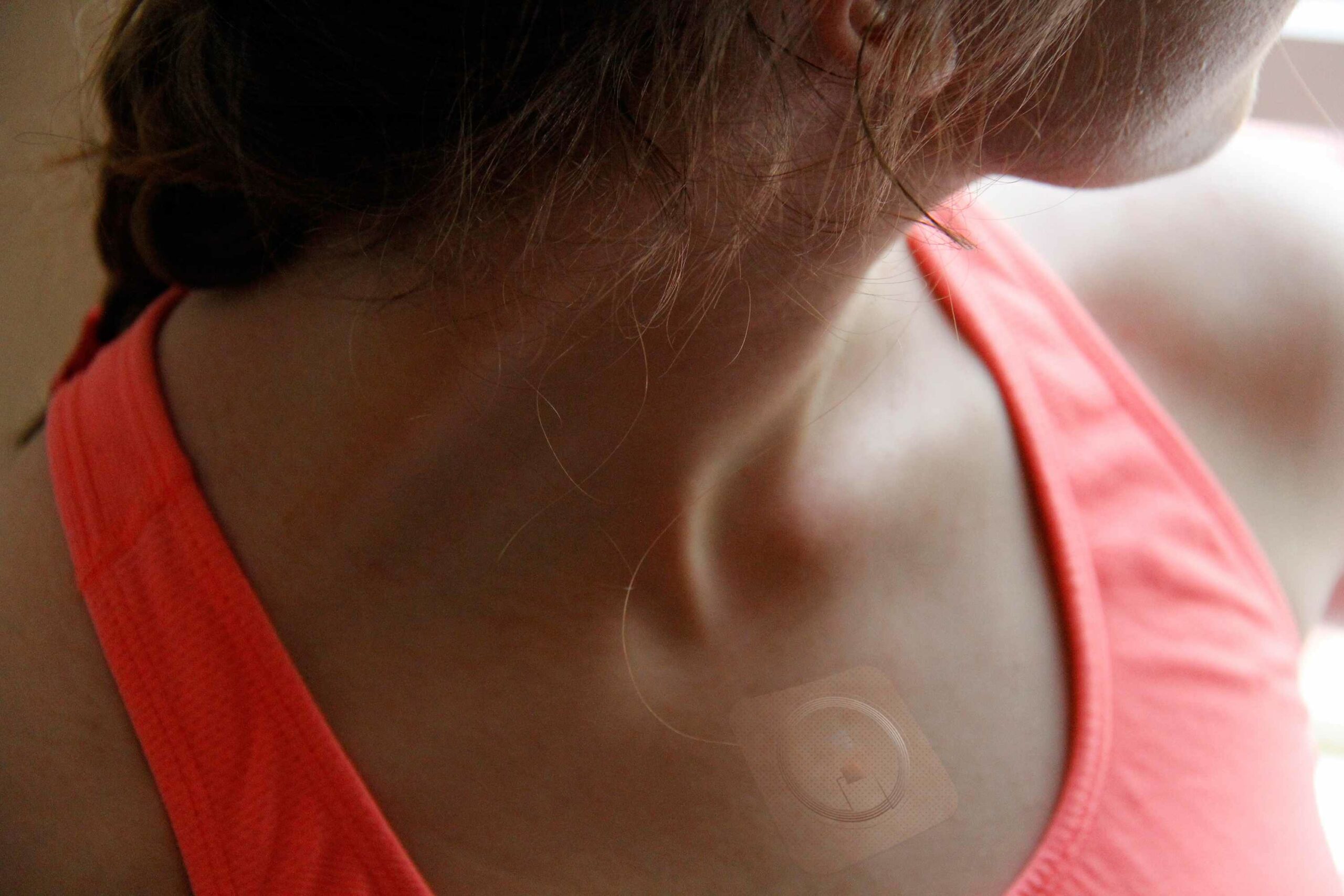
The MultiSense Memory patch described at the conference will enable doctors to remotely monitor patients.  It is flexible , has multiple sensors, and attaches to a patient’s sternum with adhesive.  The device takes baseline heart rate, temp and oxygen saturation readings, and measures all changes.  The prototype uses a USB cable to transmit data, but the patch will use Bluetooth.   It will cost $100 and will have 7 to 10 days of battery life. The average Ebola case runs its course in five days.

Results of USAID’s Grand Challenge to Fight Ebola also include:

  • Aquarius GEP LLC and Innovative BioDefense
    Antiseptic that, when applied to skin, provides up to six hours of pathogen protection and serves as an anti-microbial barrier to viral transmission for health care workers
  • SPR Advanced Technologies, Inc.
    Long-lasting, spray-on barrier that kills and repels microbes with electro-static fields to prevent surface contamination and allow for more breathable PPE materials

Wearable Tech + Digital Healthy NYC 2015 – June 30 @ New York Academy of Sciences.  Early registration rate available until March 27.

Categories
Diabetes Sensors Wearables

Biosensor patch to manage obesity, diabetes

Mayo Clinic and Gentag have announced the joint development of wireless, disposable patch sensors to monitor and manage obesity and diabetes.  The wearables will communicate with smartphones via a closed-loop diabetes management system.   Other indicators monitored by Gentag patches include heart rate, temperature, hydration, sweat, blood sugar, lactic acid, electrolytes and other biomarkers.  It is unclear how many of these will be included in the Mayo/Gentag patch.  Gentag currently monitors glucose with patches that work with tiny, battery-free sensors implanted under the skin.

Wearable Tech + Digital Health NYC 2015 – June 30 @ New York Academy of Sciences.  Early registration rate available until March 27th.

Categories
Brain Ears Seniors

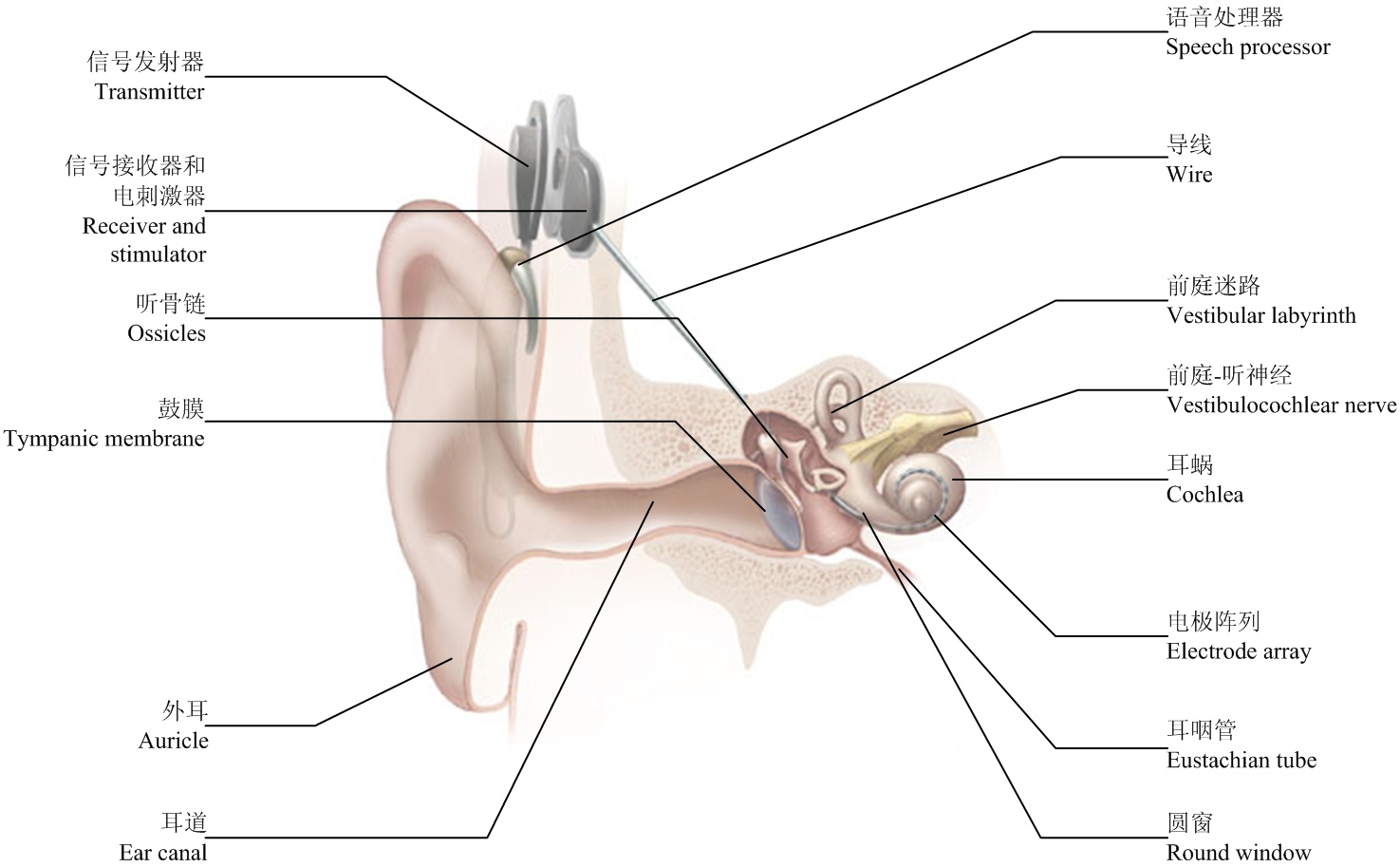
Cochlear implant could improve senior cognition, mood

Pitie-Salpetriere Hospital researchers examined 94 cochlear implant patients 3 times — before they received the device, 6 months after implantation, and 1 year after implantation.

A year after the implant, (65 – 85 year old) subjects heard words more clearly, and most had improved cognition and fewer depression symptoms.  Dr. Isabelle Mosnier and colleagues detailed the study in a recent JAMA paper.

Mayo Clinic‘s Colin Driscoll said that it is known that hearing aids improve the  mood of seniors who need them, implying that the cochlear implant itself may not be the cause.

Wearable Tech + Digital Health NYC 2015 – June 30 @ New York Academy of Sciences.  Early registration rate until March 27.

Categories
Assistive Technologies Brain

Eye controlled communication device for locked-in patients

A communication device for locked-in patients was unveiled at the BrainTech Israel conference today.

Shay Rishoni is the CEO of Prize4Life, the Israel based ALS research group.  He has suffered from ALS for 5 years, and is now unable to communicate.

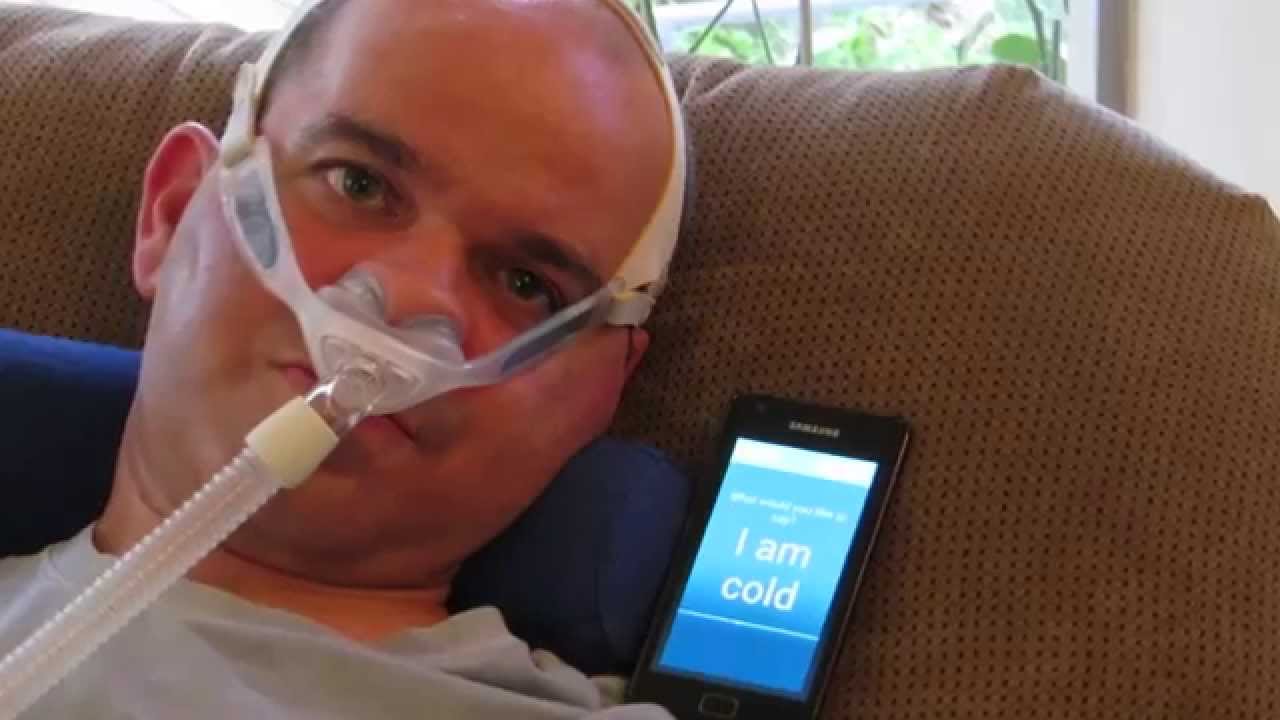
Today, on the conference stage, Shay used Hello World‘s EyeControl,  a blink driven, inexpensive, automatically calibrated,  mobile communication tool.

An infrared camera connects to glasses that identify blinks and pupil movement.  The camera communicates with a small Odroid-like computer. Eye movement is translated into commands that output sound to earphones and a speaker, and transmit it to a smartphone via bluetooth.  An app enables the patient to communicate. An algorithm automatically calibrates the device so that the patient will not require assistance.

EyeControl can provide an alert to call for assistance; choose from predefined sentences; or compose sentences using alphabet boards.

Wearable Tech + Digital Health NYC 2015 – June 30 @ New York Academy of Sciences.  Early registration rate until March 27.

Categories
Seniors Sensors Wearables

Home + wearable sensors detect motor function issues

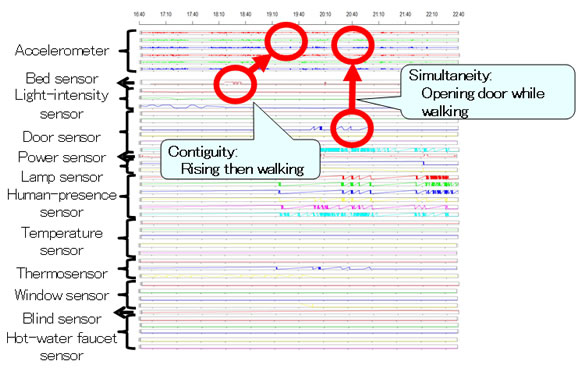
Fujitsu Laboratories,  CASALA, and Insight@UCD  have developed technology that detects abnormal motor function early using wearable and home embedded sensors.

110 ambient sensors were installed in a home which, combined with wearable sensors,  collected extensive daily routine data.   Researchers discovered abnormalities that often go unnoticed by doctors by extracting “opened door” or “walked” events that match an individual’s way of walking from sensing data.  They then observed whether the events happened simultaneously or sequentially, identifying behavior changes that might indicate a decline in health.

The sensor system can be used support seniors aging in place.  Fujitsu plans to test the technology outside of smart houses in an effort to develop medical applications.

Wearable Tech + Digital Health NYC 2015 – June 30 @ New York Academy of Sciences.  Early registration rate available until March 27.

Categories
Asthma Cancer Data Diabetes Heart Parkinson's

ResearchKit can simplify, improve diagnostics

As a company devoted to improving the human condition through health innovation, ApplySci was delighted to hear yesterday’s ResearchKit announcement.  The framework allows people to easily join health studies, and simplifies the process by bringing research to one’s phone.

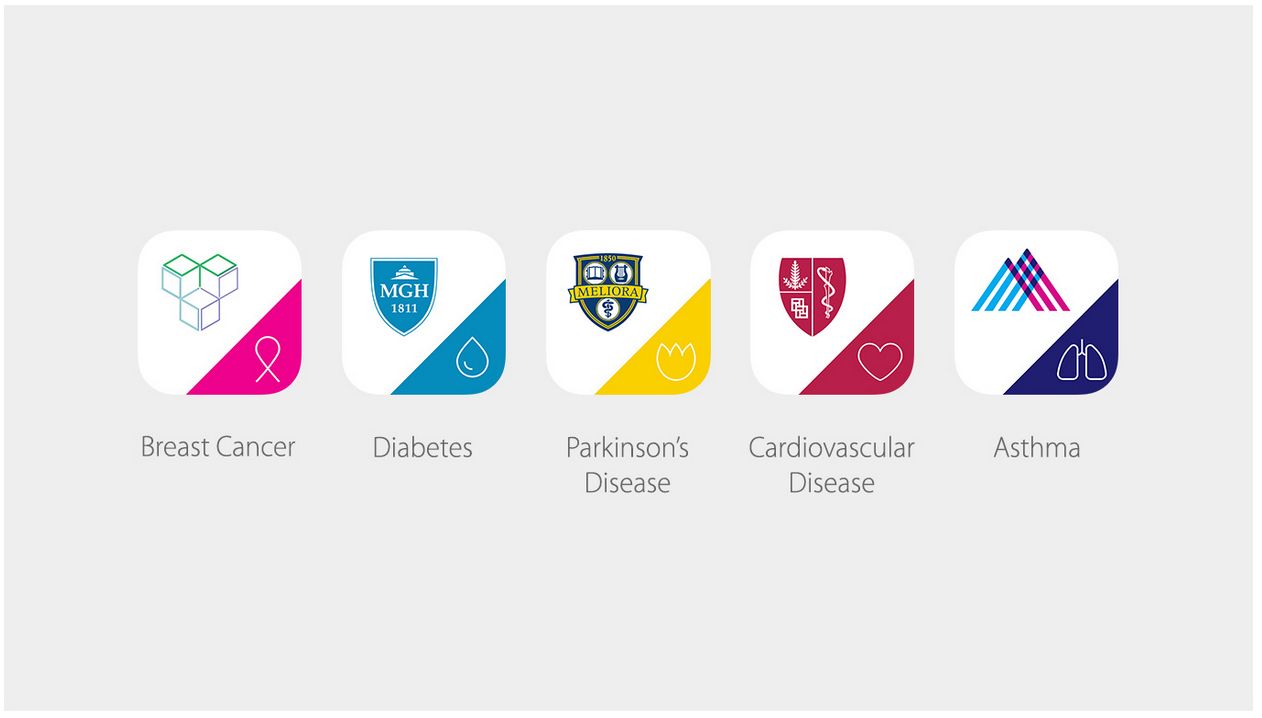
ResearchKit’s first tests detect Parkinson’s disease, diabetes, cardiovascular disease, asthma, and breast cancer.  Apple worked with 12 institutions to create the app, including some which will participate in ApplySci’s Wearable Tech + Digital Health NYC 2015 conference.

Apple’s (admirable) goal is to more easily recruit research subjects, and improve accuracy by increasing sample size and diversity.  Data is captured and recorded using iPhone sensors.  Examples include:

  • An iPhone’s microphone can detect tiny voice  fluctuations that may indicate Parkinson’s disease.
  • An iPhone’s screen can detect tapping inconsistencies associated with disease.
  • An iPhone accelerometer can compare one’s gait and balance against a healthy person’s speed and posture.

Users control their own data, and decide if, how, and when to share it.   Apple will not have access to it.  The company hopes that external developers will soon dramatically increase the number of tests available.

Wearable Tech + Digital Health NYC 2015 – June 30 @ New York Academy of Sciences .  Early registration rate available until March 27th.

Categories
Wearables

Smart necklace tracks food intake

UCLA’s Majid Sarrafzadeh, Haik Kalantarian and Nabil Alshurafa are developing WearSens, a piezoelectric sensor necklace that tracks vibrations near one’s neck to determine food intake.  The wearable works with apps, such as MyFitnessPal, to monitor food eaten (as well as drinking and smoking), including calories, and make wellness recommendations.  Its creators compare it to a wearable food diary that ensures compliance, but it could also be used as a senior nutrition reminder, or to help understand food driven blood sugar fluctuations.

Wearable Tech + Digital Health NYC 2015 – June 30 @ New York Academy of Sciences

Categories
Cancer

Nanoparticle device disrupts cancer genes

MIT researchers have developed a gold nanoparticle device embedded in a hydrogel that can be injected or implanted at a tumor site to disrupt cancer genes.

The nanodevice blocks the gene that confers drug resistance, then launches a new chemotherapy attack against the vulnerable tumor.

Nuria Oliva, Natalie Artzi, and Joao Conde tested the device in mice implanted with a  triple negative breast tumor.  It blocked the gene for multidrug resistant protein 1 and then delivered the chemotherapy drug 5-fluorouracil.  The tumors shrunk by 90 percent in two weeks.

Wearable Tech + Digital Health NYC 2015 – June 30 @ New York Academy of Sciences

Categories
Brain Eyes

Video game trains brain to combat amblyopia

Game developer Ubisoft, with Amblyotech and McGill University,  has released “Dig Rush,” a video game used to treat amblyopia.

Amblyopia is caused when the eyes and the brain aren’t working together, because one eye is stronger or the eyes are misaligned. Patching, the traditional treatment for amblyopia, attempts to force the weaker eye to work harder by covering the stronger eye.  This often fails because social stigmas and long treatment times lead to poor compliance and a high relapse rate.

The glasses and content of Dig Rush use both eyes binocularly to train the brain, to improve visual acuity, instead of training only the weak eye.

After 11 clinical trials of 200 adults and children, recommended treatment is one daily hour of game play for 4-6 weeks.

Wearable Tech + Digital Health NYC 2015 – June 30 @ New York Academy of Sciences