Categories
Sensors

Patch simultaneously monitors blood pressure, biochemical levels

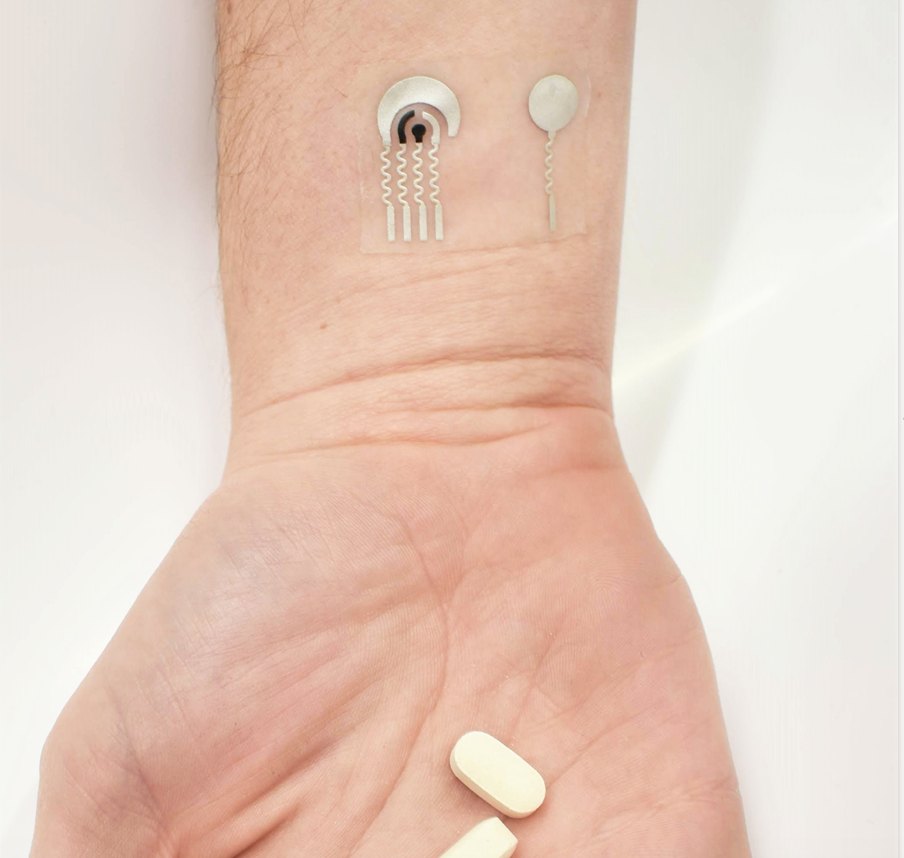
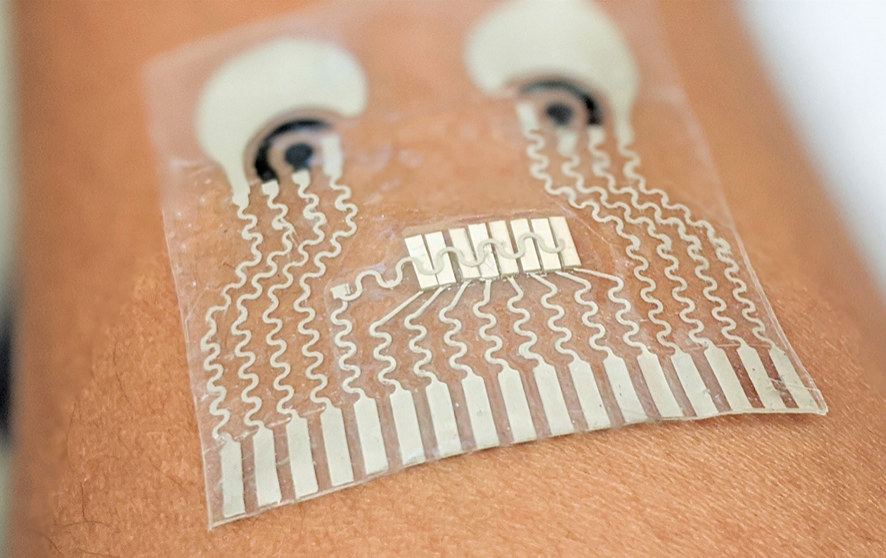
UCSD’s Joe Wang continues to define the future of vital sign monitoring with a combination of advanced chemistry and unobtrusive wearables. Together with Professor Sheng Xu, he has developed a skin patch that continuously tracks blood pressure and heart rate while measuring glucose levels, lactate, and alcohol or caffeine. It is the first wearable device that monitors cardiovascular signals and multiple biochemical levels simultaneously.

Remote monitoring is obviously increasingly important in the age of COVID. A device that can show the earliest signs of distress, including the onset of sepsis, in those at risk of becoming seriously ill during the pandemic, is significant.

The patch could also be used in hospital ICUs for patients of all ages.

According to Wang, “the novelty here is that we take completely different sensors and merge them together on a single small platform as small as a stamp. We can collect so much information with this one wearable and do so in a non-invasive way, without causing discomfort or interruptions to daily activity.”

Professo Xu described the new patch, saying “Each sensor provides a separate picture of a physical or chemical change. Integrating them all in one wearable patch allows us to stitch those different pictures together to get a more comprehensive overview of what’s going on in our bodies.”.

The patch is capable of measuring three parameters at once, one from each sensor: blood pressure, glucose, and either lactate, alcohol or caffeine. The blood pressure sensor sits near the center of the patch. It consists of a set of small ultrasound transducers that are welded to the patch by a conductive ink. A voltage applied to the transducers causes them to send ultrasound waves into the body. When the ultrasound waves bounce off an artery, the sensor detects the echoes and translates the signals into a blood pressure reading.

The chemical sensors are two electrodes that are screen printed on the patch from conductive ink. The electrode that senses lactate, caffeine and alcohol is printed on the right side of the patch; it works by releasing a drug called pilocarpine into the skin to induce sweat and detecting the chemical substances in the sweat. The other electrode, which senses glucose, is printed on the left side; it works by passing a mild electrical current through the skin to release interstitial fluid and measuring the glucose in that fluid. The researchers were interested in measuring these particular biomarkers because they impact blood pressure.

In tests, subjects wore the patch on the neck while performing various combinations of the following tasks: exercising on a stationary bicycle; eating a high-sugar meal; drinking an alcoholic beverage; and drinking a caffeinated beverage. Measurements from the patch closely matched those collected by commercial monitoring devices such as a blood pressure cuff, blood lactate meter, glucometer and breathalyzer. Measurements of the wearers’ caffeine levels were verified with measurements of sweat samples in the lab spiked with caffeine.

One of the biggest challenges in making the patch was eliminating interference between the sensors’ signals. To do this, the researchers had to figure out the optimal spacing between the blood pressure sensor and the chemical sensors. They found that one centimeter of spacing did the trick while keeping the device as small as possible.

The researchers also had to figure out how to physically shield the chemical sensors from the blood pressure sensor. The latter normally comes equipped with a liquid ultrasound gel in order to produce clear readings. But the chemical sensors are also equipped with their own hydrogels, and the problem is that if any liquid gel from the blood pressure sensor flows out and makes contact with the other gels, it will cause interference between the sensors. So instead, the researchers used a solid ultrasound gel, which they found works as well as the liquid version but without the leakage.

Click to view UCSD video
Categories
Sensors

“Ambient intelligence” monitoring to prevent medical errors, send alerts

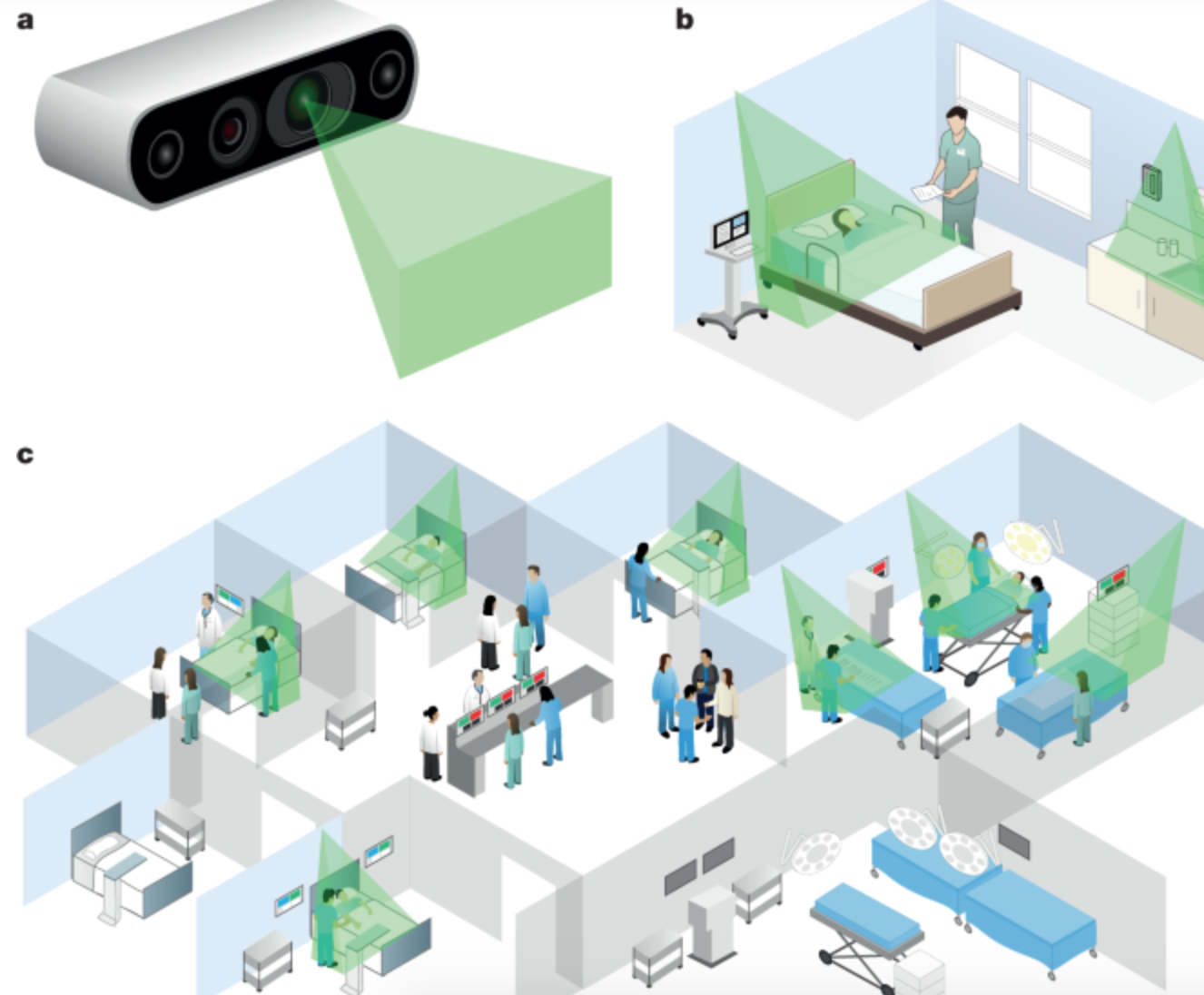
Stanford’s Fei Fei Li, Arnold Milstein and albert Haque have developed AI and sensor based “ambient intelligence” protocols to prevent medical errors and improve outcomes.

Applications include alerting clinicians and visitors when they fail to sanitize their hands before entering a hospital room; monitoring the elderly for behavioral clues of impending health crises; prompting caregivers, remotely clinicians and patients to make life-saving interventions.

Milstein believes that “we are in a foot race with the complexity of bedside care.” He noted that clinicians in a hospital’s neonatal intensive care unit took 600 bedside actions, per patient, per day and hat ambient intelligence is necessary as “perfect execution of this volume of complex actions is well beyond what is reasonable to expect of even the most conscientious clinical teams.”

The alert systems are being tested to see if they can reduce the number of ICU patients who get nosocomial infections.

In one experiment, a tablet near the door shows a solid green screen that transitions to red when a hygiene failure occurs.

A thermal sensor above an ICU bed would enable the detection of twitching or writhing beneath the sheets, and alert clinical team members.

Constant monitoring by ambient intelligence systems at home could detect clues of serious illness or potential accidents, and alert caregivers to make timely interventions, such as when frail seniors start moving more slowly or stop eating regularly.

Categories
Covid-19 Sensors

Electrostatic and electrochemical sensors rapidly detect airborne viruses

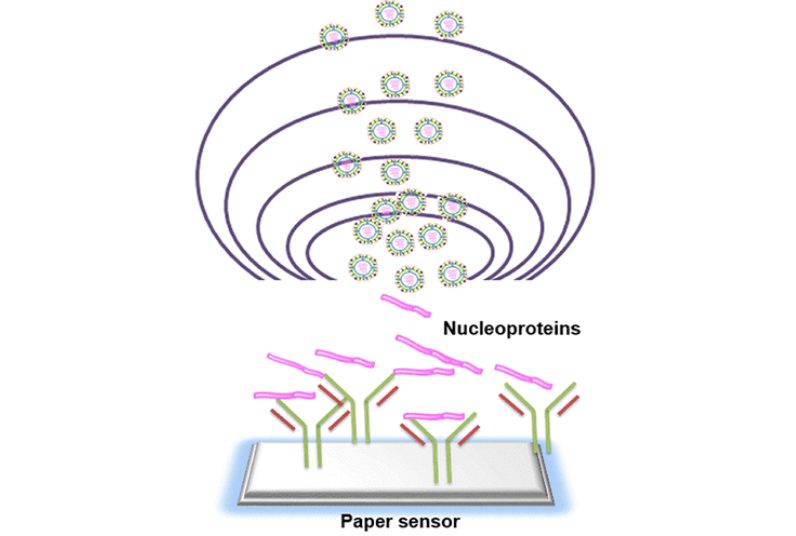
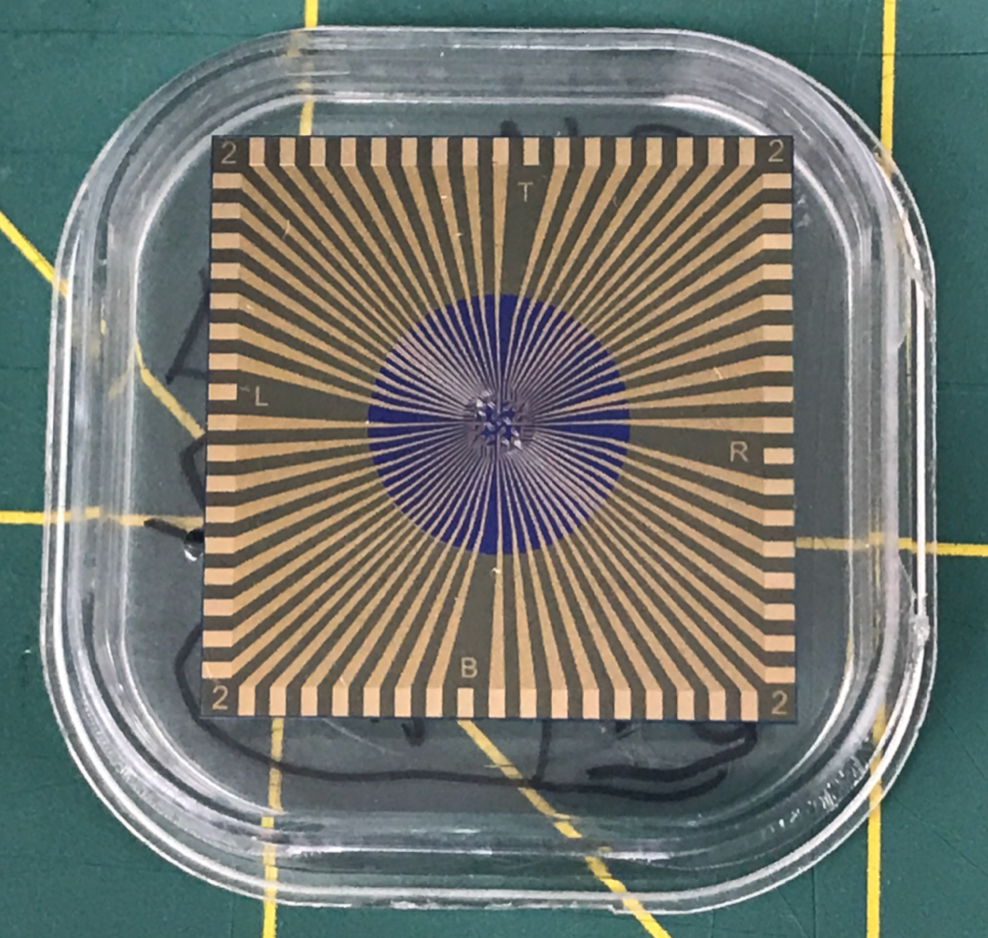
Jang Jae-sung and Ulsan colleagues have developed a method to quickly and accurately detect airborne viruses, to inform public health and quarantine efforts.

Electrostatic force captures and condenses viruses in the air, and a paper electrochemical sensor checks samples for antigens and virus antibodies. Liquid particles as small as 1 micrometer have been successfully collected.

Current methods of airborne sample collection typically use vacuums that can damage the samples, and cannot collect very small particles.

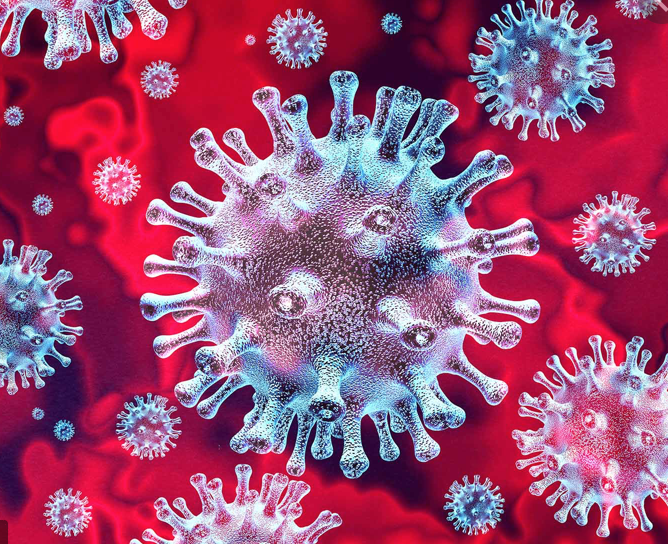
A recent study showed that tests on the type-A H1N1 flu virus showed good results. Jang believes that since the coronavirus is similar in structure and size, the technology should be applicable to COVID-19, which he is researching.

Categories
BCI Brain Sensors

Polymer improves medical implants, could enable brain-computer interface

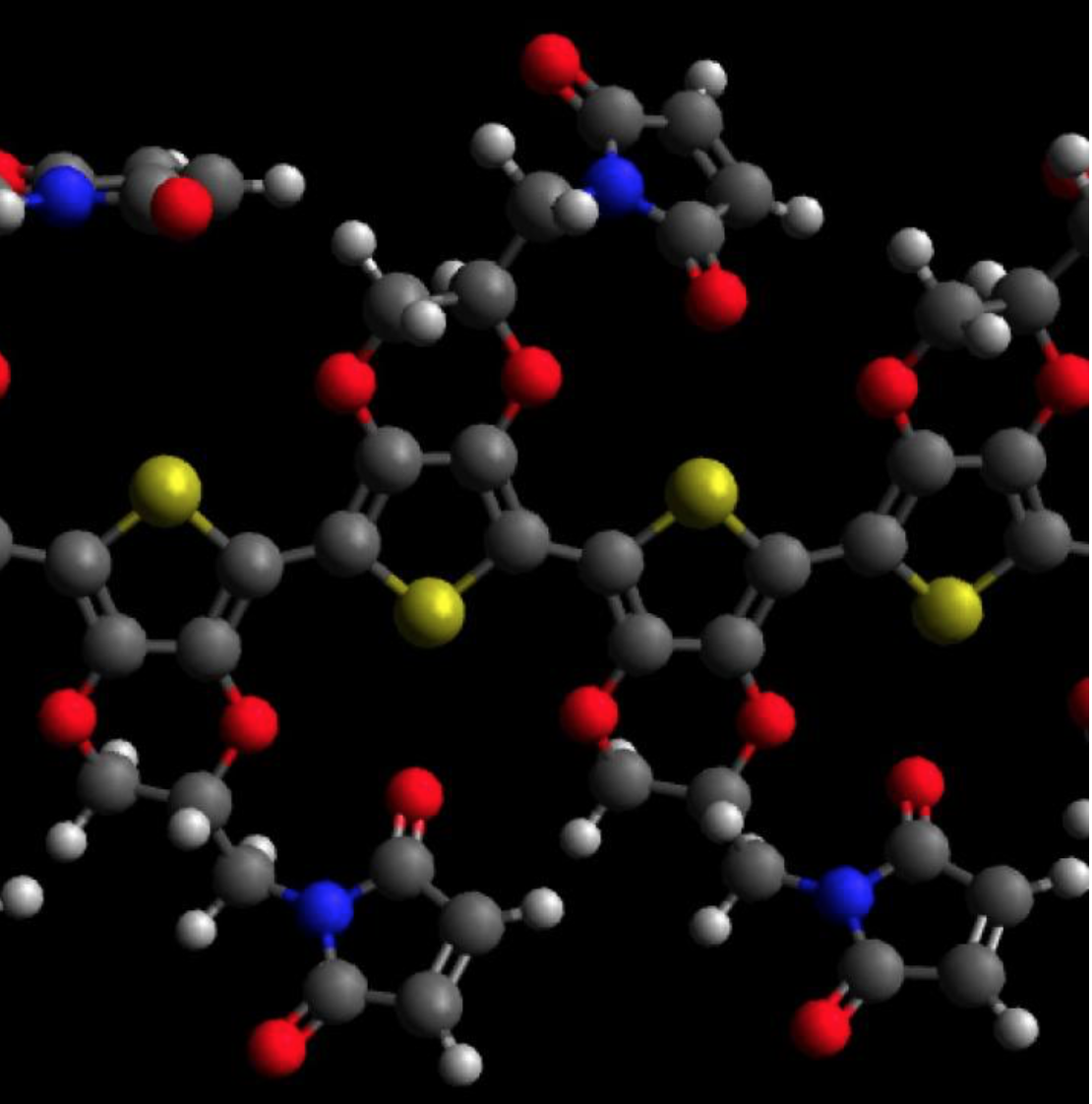
David Martin and University of Delaware colleagues have developed a bio-synthetic coating for electronic components that could avoid the scarring (and signal disruption) caused by traditional microelectric materials. The PEDOT polymer improved the performance of medical implants by reducing their opposition to an electric current.

Pedot film was used with an antibody to stimulate blood vessel growth after injury, and could be used to detect early stages of tumor growth. The polymers could also help sense or treat brain or nervous system disorders, while versions could theoretically attach peptides, antibodies and DNA.

The team believes that materials, when inserted, could connect brains to a computer.

Categories
Covid-19 Sensors Wearables

Presymptomatic COVID detection with wearables

Stanford’s Michael Snyder and colleagues have used smartwatch data to detect early, presymptomatic COVID-19 in 31 individuals out of a cohort of 5,000.

They demonstrated that COVID-19 infections are associated with alterations in heart rate, steps and sleep in 80% of cases. Physiological alterations were detected prior to, or at, symptom onset in 85% of the positive cases, in some cases nine or more days before symptoms.

A method to detect onset of COVID-19 infection in real-time was developed, which detected 67% of infection cases at or before symptom onset.

The study intends to provide a roadmap to a rapid and universal diagnostic method for the large-scale detection of respiratory viral infections in advance of symptoms.

—————————————————————————-

Click to view Professor Snyder’s talk at the 2019 ApplySci conference at Stanford.

Categories
Brain Sensors

Sensor platform detects dopamine in sweat; could be used for future treatment

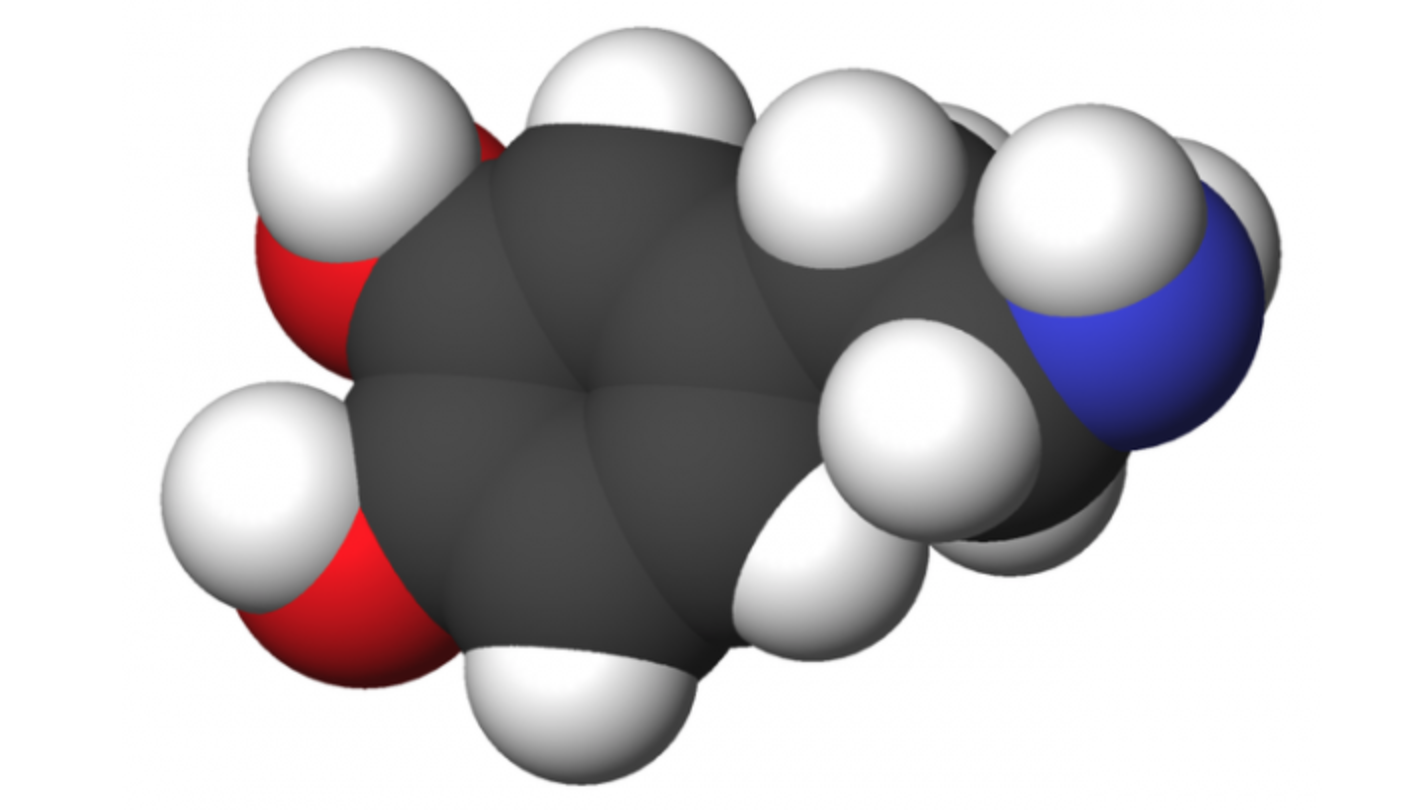
Penn State’s Aida Ebrahimi and Maurico Terrones, RPI’s Humberto Terrones, and colleagues, have developed a highly sensitive, non-invasive wearable Dopamine sensor platform. The goal is the use of the technology to develop wearable sensors able to track and eventually treat conditions caused by too much (ie schizophrenia) or too little (ie Parkinson’s, depression) dopamine.

The low cost, flexible detector was achieved by doping a Molybdenum disulfide with Manganes, embedded in two-dimensional transition metal dichalcogenide.

Current dopamine monitoring methods are invasive and require specialized lab equipment. The researchers described the new method as “very simple and scalable.”

Categories
Covid-19 Sensors

First nutrition monitoring wearable tracks vitamin C; could be useful in COVID treatment

UCSD’s Joe Wang has again disrupted chemical sensing, by creating a wearable vitamin C sensor, which is a departure from now common vital sign and activity sensing wearables. This is the first time a wearable has been used to track nutritional intake, a key component of general health and disease prevention.

Vitamin C cannot be synthesized by the human body and must be obtained through food or supplements. It supports immune health, collagen production, wound healing and may be useful in treating cancer, heart disease, and COVID-19. High doses have been linked to reduced mortality in COVID patients with Sepsis and/or ARDS in studies.

The adhesive patch, applied to skin, stimulates sweating, and quickly detects vitamin c levels using flexible electrodes containing the enzyme ascorbate oxidase. When vitamin C is present, the enzyme converts it to dehydroascrobic acid. The resulting consumption of oxygen generates a current that is measured by the device. 

Click to view Prof Wang’s (brilliant) talk at the recent ApplySci conference at Harvard Medical School.

Categories
Covid-19 Sensors

Single sensor could simultaneously detect, differentiate between flu, coronavirus

University of Texas professor Deji Akinwande is developing a graphene sensor that can tell the difference between flu and coronavirus, and test for both simultaneously. The goal is to save time, medical resources, and cost, and speed appropriate treatment, as a second COVID wave could correspond with the next flu season.

The sensor is the size of a micro USB drive and is infused with antibodies of both COVID-19 and influenza. One part of the device is sensitive only to the flu, while another part will react only to the coronavirus.

The researchers will use inactive samples of COVID-19 and influenza for initial testing, and will measure how he sensor connects with the coronavirus’s spike proteins, which help it enter human cells by binding with them.

The work builds on the team‘s previous iron deficiency detecting graphene sensor work. “It became clear that just by changing the antibody, we could pivot the platform to focus on the coronavirus,” Akinwande said.

Categories
3-D Printing Covid-19 Sensors

Sensors 3D printed directly on lungs, heart could be used with surgical robots to diagnose, monitor disease

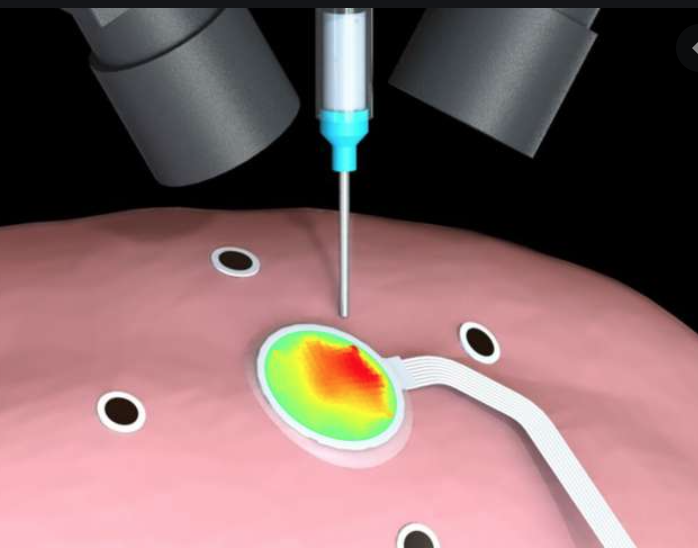
Michael McAlpine and University of Minnesota colleagues used 3D printing and motion capture technology to print electronic sensors directly on organs that are expanding and contracting, such as the heart and lungs. This could be used to diagnose and monitor the lungs of patients with COVID-19.

This builds on the team’s technique which enabled the printing of electronics directly on the skin of a hand that moved left to right or rotated.

They used a balloon-like surface and a specialized 3D printer, with motion capture tracking markers to help the 3D printer adapt its printing path to the expansion and contraction movements on the surface. An animal lung in the lab was artificially inflated and a soft hydrogel-based sensor was printed directly on the surface.

According to McAlpine, “the broader idea behind this research, is that this is a big step forward to the goal of combining 3D printing technology with surgical robots. In the future, 3D printing will not be just about printing but instead be part of a larger autonomous robotic system. This could be important for diseases like COVID-19 where health care providers are at risk when treating patients.”

Categories
Covid-19 Sensors

Organic electronic patch + algorithm continuously monitor multiple COVID symptoms

Northwestern and University of Illinois researchers have partnered to combine a COVID symptom-detecting wearable with a method to organize and analyze the massive data sets required to accurately show disease progression. The technology will be used in hospitals and nursing homes, to monitor both patients and healthcare workers, to identify contagion early in an effort to reduce the risk of spread.

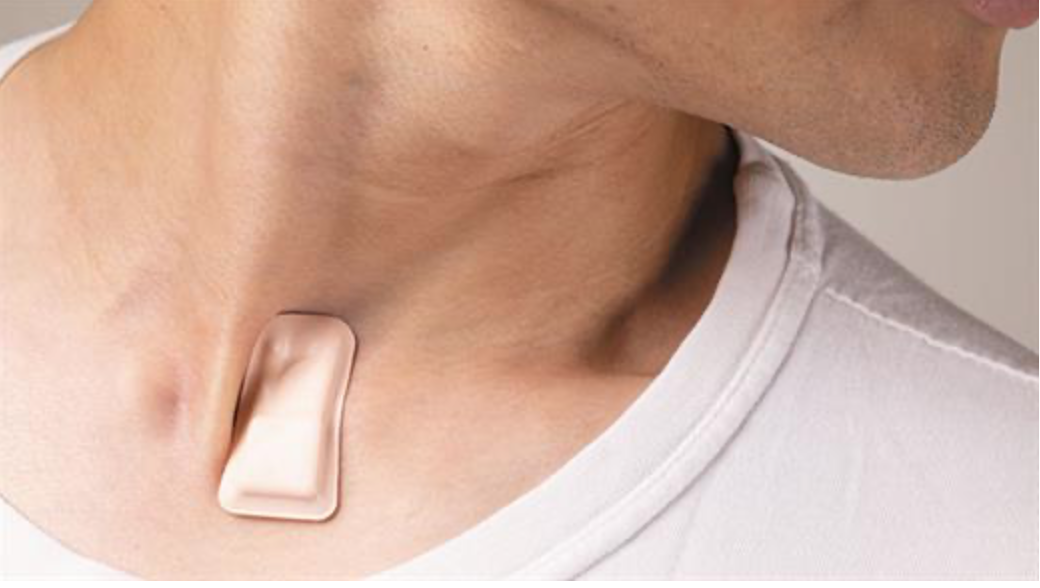
Building on his stroke-monitoring wearable, John Rogers at Northwestern uses a patch that sits at the base of the throat and continuously monitors cough, heart and respiratory sounds. The University of Illionois algorithm, developed by Naresh Shanbhag, will allow these parameters to be tracked quantitatively.

The goal is to extract detailed, and sometimes subtle, parameters from the raw data, which provide insights into disease progression. This includes analyzing cough intensity, whether it is wet or dry, and whether a patient swallows afterward,

In addition to hospital patients, the team was able to monitor a nurse before, during, and after she had contracted the virus. The data collected, in combination with the nurse’s detailed notes throughout her illness, allowed the team to pick up heart rate spikes and changes in coughing activity that would have gone undetected in standard non-ICU hospital care.

Data is transmitted from the patch to a phone or a tablet, and then to the cloud, where it is processed. The group is attempting to move the processing directly to the patch and device to save energy consumption, and improve security and privacy.

According to Shanbhag: “We will acquire data for both ill and healthy patients, and learn the characteristics of the data by developing COVID-19 specific, low-complexity machine learning algorithms. We’ll then use the learned models for predicting whether a patient is ill or not and how the disease will progress over time for new patients or individuals.”

Categories
Sensors

AirPod light sensors for health monitoring

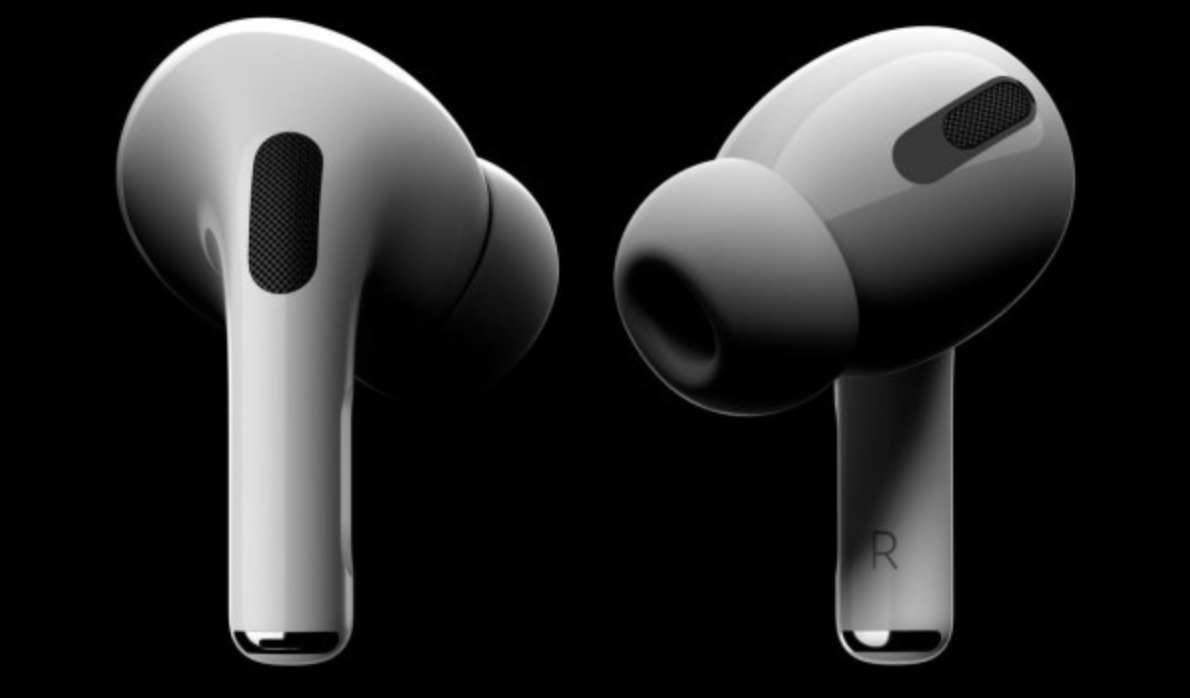
A source has told DigiTimes that Apple supplier ASE Technology will manufacture ambient light sensors for AirPods. This could be used to monitor step count, head movement, and heart rate. It could also track blood oxygen levels — a key metric in detecting COVID-19.

The shift from consumer-grade to less-obtrusive medical-grade health monitoring at scale is the obvious way forward.

Categories
3-D Printing Featured Sensors

3D-printed, remote-controlled lab on chip for quicker, more accurate monitoring

Imperial College’s Martyn  Boutelle has developed a 3D printed, remote-controlled Lab on a Chip for real-time monitoring with improved personal care.

Previous ‘Lab on a Chip’ devices have required large external support systems. Sensor deterioration over time inhibited their clinical effectiveness.

The device can monitor chemical fluctuations, giving quicker and more accurate results, and potentially gather data that was previously not possible.

Boutelle said that the “research has shown that these sensors are capable of successfully monitoring patients who are in incredibly unstable conditions and provide their healthcare team with reliable information as soon as they need it, as well as a means of alerting them when critical clinical changes occur.”

The brain requires a continuous supply of glucose to function, but too much of it can be detrimental. Declining pyruvate levels could indicate a lack of oxygen  to the brain.  Providing earlier access to this data can save lives, and has not been possible before.


Join ApplySci at the 13th Wearable Tech + Digital Health + Neurotech Silicon Valley conference on February 11-12, 2020 at Quadrus Sand Hill Road.  Speakers include:  Zhenan Bao, Stanford – Vinod Khosla, Khosla Ventures – Mark Chevillet, Facebook – Shahin Farshchi, Lux Capital – Carla Pugh, Stanford – Nathan Intrator, Tel Aviv University | Neurosteer – Wei Gao, Caltech – Sergiu Pasca, Stanford – Walter Greenleaf, Stanford – Sheng Xu, UC San Diego – Dror Ben-Zeev, University of Washington – Mikael Eliasson, Roche  – Unity Stoakes, StartUp Health