Categories
Brain Gaming

3D games boost memory test performance

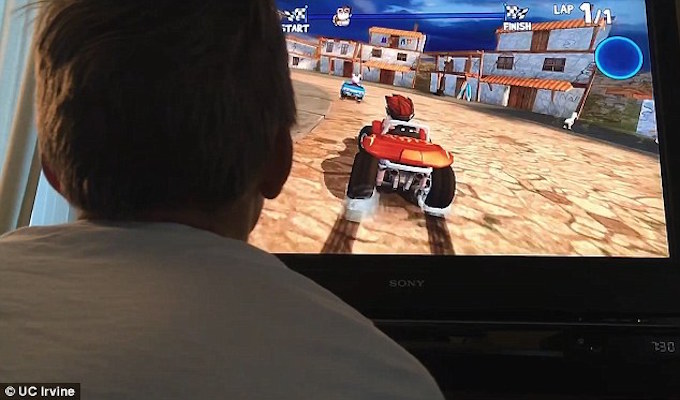
study by UC Irvine professor Craig Stark has shown that playing 3D video games can boost performance on memory tests by up to 12 percent. (This is the typical percentage of lost memory function from ages 45 – 75.)

69 non-gamer college students were split into 3  groups. For two weeks, 2 groups played either a 2D game (Angry Birds), or a 3D game (Super Mario 3D World) for 30 minutes per day. The baseline group did not play games. Cognitive and memory tests were performed  before and after the  period. The control group and 2D gamers performed the same, but the scores of 3D gamers improved by 12 percent.

The researchers believe that 3D, detail rich games stimulate the hippocampus, which controls spatial memory.

Click to view the UC Irvine video.


Wearable Tech + Digital Health San Francisco – April 5, 2016 @ the Mission Bay Conference Center

NeuroTech San Francisco – April 6, 2016 @ the Misson Bay Conference Center

Wearable Tech + Digital Health NYC – June 7, 2016 @ the New York Academy of Sciences

NeuroTech NYC – June 8, 2016 @ the New York Academy of Sciences
 

Categories
BCI Brain

EEG device enables thought controlled car

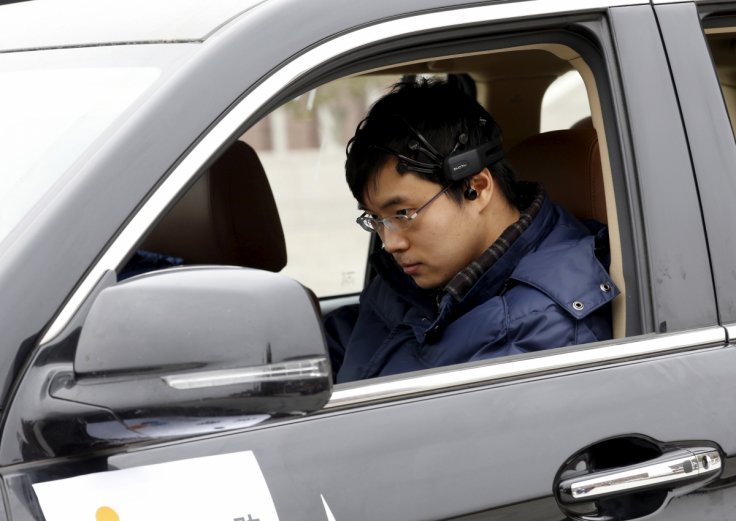
Duan Feng of Nankai University, in collaboration with Great Wall Motor, has developed a car that can be controlled with the brain.  A 16 sensor EEG device allows a driver to move the car forward and backward, stop, and lock and unlock the vehicle. At this point, fully operating the car with thoughts is not possible.

According to researcher Zhang Zhao, the goal is to create a way for the disabled to drive, and aid healthy people with a more “intellectualized driving mode.”

Click to view Reuters video.


Wearable Tech + Digital Health San Francisco – April 5, 2016 @ the Mission Bay Conference Center

NeuroTech San Francisco – April 6, 2016 @ the Mission Bay Conference Center

Wearable Tech + Digital Health NYC – June 7, 2016 @ the New York Academy of Sciences

NeuroTech NYC – June 8, 2016 @ the New York Academy of Sciences


Categories
Babies Brain

Toward embryo brain activity tracking

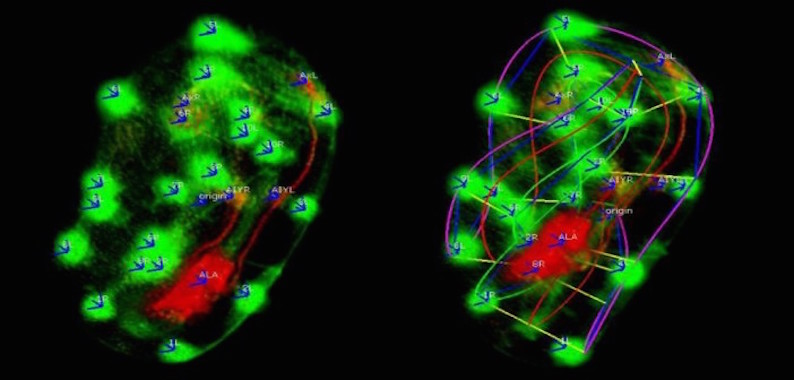
Hari Shroff and NBIB colleagues have developed open-source 3D software that might lead to the ability to track a human embryo’s brain activity and development.

To date, the technology has only been tested on worms and will be part of a 4D neurodevelopmental “worm atlas” that attempts to catalogue the formation of a worm’s nervous system.

Shroff believes that  it will enable the understanding of fundamental mechanisms by which human  nervous systems assemble. He expects that the concepts, such combining neuronal data from multiple embryos, can be applied to additional model organisms.


Wearable Tech + Digital Health San Francisco – April 5, 2016 @ the Mission Bay Conference Center

NeuroTech San Francisco – April 6, 2016 @ the Mission Bay Conference Center

Wearable Tech + Digital Health NYC – June 7, 2016 @ the New York Academy of Sciences

NeuroTech NYC – June 8, 2016 @ the New York Academy of Sciences
 

Categories
Brain Gaming

VR game to combat anxiety

Games designed to improve attention and memory are growing rapidly.   Now the neurogaming movement is tackling panic and stress.

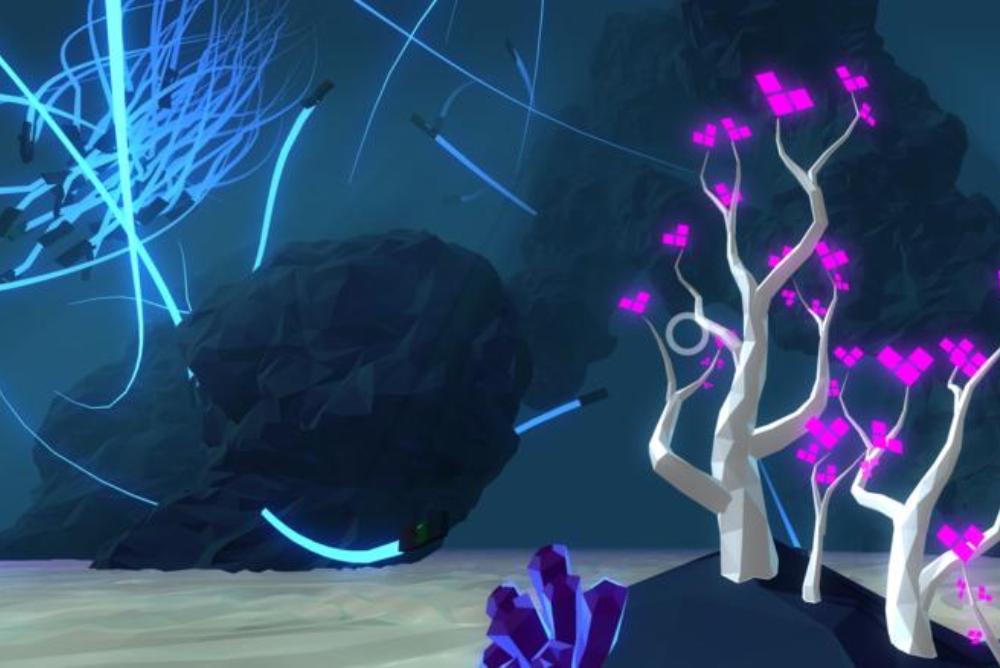
Deep is an Oculus VR based game by Owen Harris that is meant to relieve symptoms of anxiety.

The headset, headphones, and  a belt that matches a player’s breathing  with on-screen movements, are used to encourage breathing patterns that relax the body and mind.

The creator tells users to “allow the game to sweep you into its relaxing embrace as it teaches you yogic breathing techniques that can relieve stress, anxiety and mild depression.”


WEARABLE TECH + DIGITAL HEALTH SAN FRANCISCO – APRIL 5, 2016 @ THE MISSION BAY CONFERENCE CENTER

NEUROTECH SAN FRANCISCO – APRIL 6, 2016 @ THE MISSION BAY CONFERENCE CENTER

WEARABLE TECH + DIGITAL HEALTH NYC – JUNE 7, 2016 @ THE NEW YORK ACADEMY OF SCIENCES

NEUROTECH NYC – JUNE 8, 2016 @ THE NEW  YORK ACADEMY OF SCIENCES


Categories
3-D Printing Brain

3D printed model for brain aneurysm surgery planning

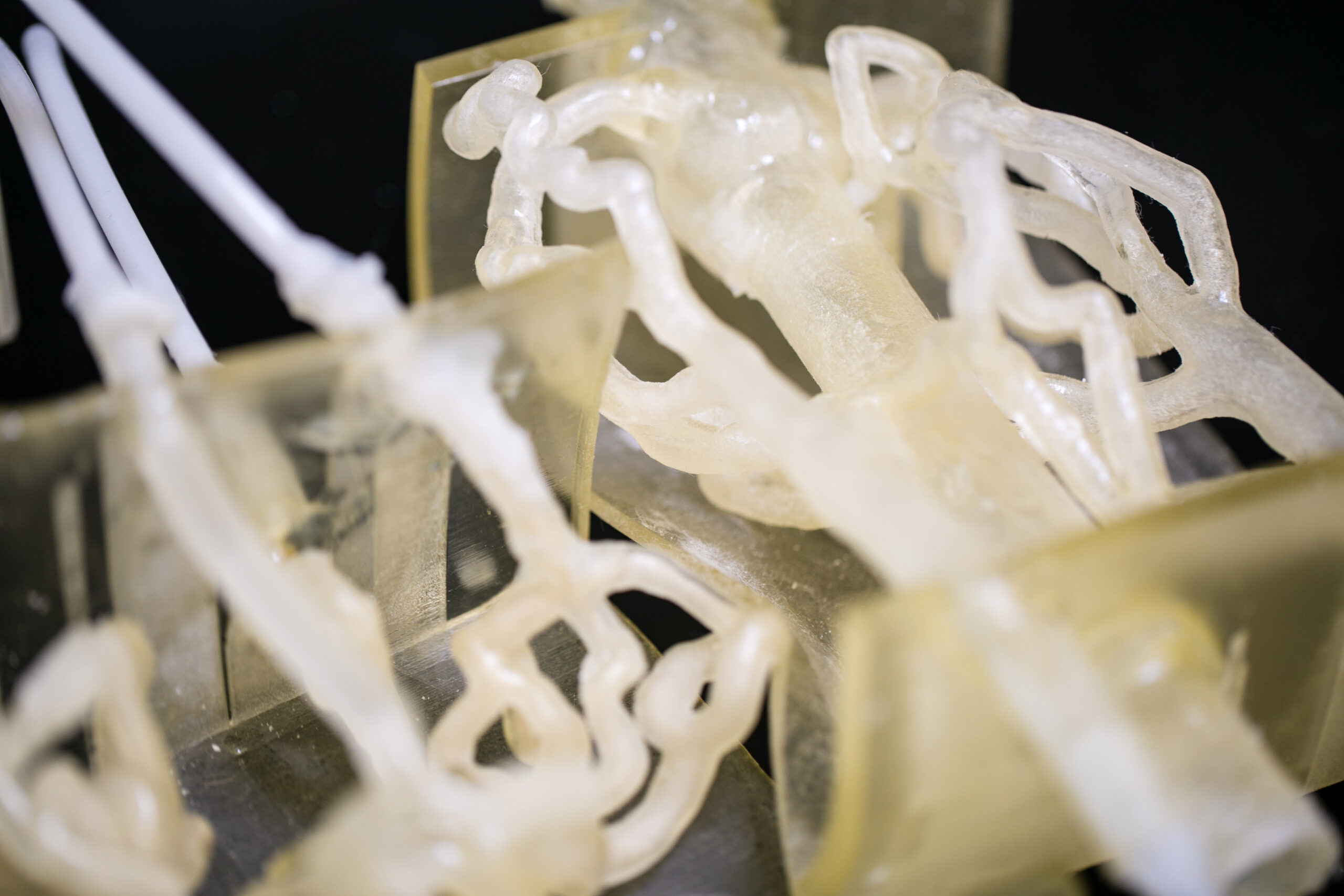
Stratasys and the Jacobs Institute have used 3D printing for brain surgery planning in an effort to reduce risk. Anatomical models of a patient’s entire brain vessel anatomy were 3D printed before she underwent an aneurysm procedure.

The replica, built of a polymer that mimics human tissue, allowing the surgeons to plan their approach and practice the operation, was based on CT scans.

In this case. the accurate model enabled surgeons to fine-tune the procedure.  “While we were doing that mock procedure, we realized that we had to change some of the tools we wanted to use, given her anatomy,” said  Adnan Siddiqui, Jacobs’ Chief Medical Officer.

WEARABLE TECH + DIGITAL HEALTH SAN FRANCISCO – APRIL 5, 2016 @ THE MISSION BAY CONFERENCE CENTER

NEUROTECH SAN FRANCISCO – APRIL 6, 2016 @ THE MISSION BAY CONFERENCE CENTER

Categories
Brain Gaming Seniors

Interactive senior health and brain training app

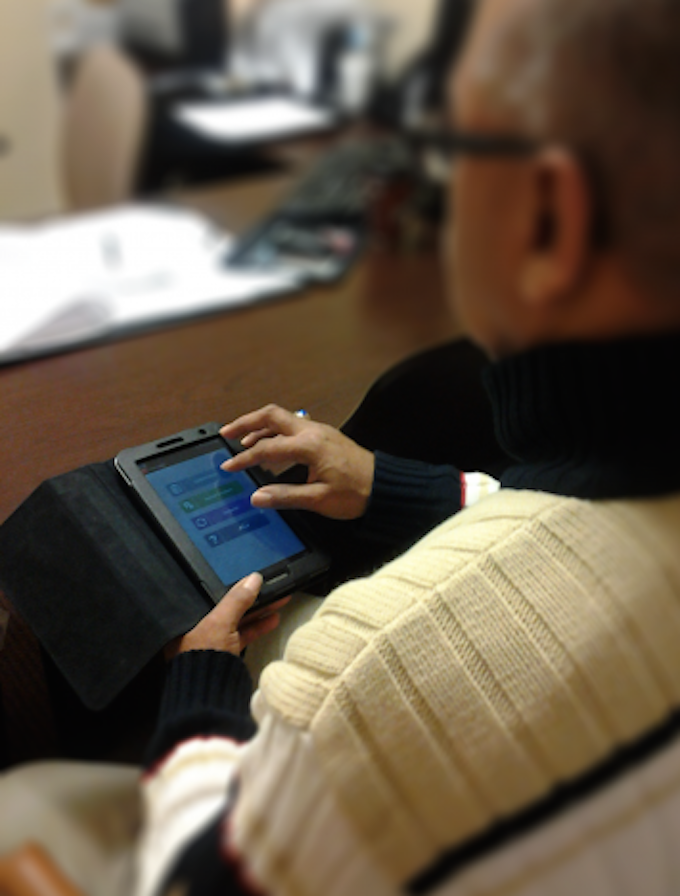
Notre Dame’s Nitesh Chawla has created eSeniorCare, a personalized, social app to help seniors age in place.

Several existing apps  track data.  eSeniorCare is meant to engage and stimulate seniors, and be interactive.  Users can connect with carers by sending questions and concerns through text or voice recordings.

Health goals are tracked and sent to supporters who can provide guidance and motivation.  Video, audio and text medication reminders can be sent.  Stimulating brain games, designed to enhance cognition and prevent degeneration, can be played.

The goal is senior independence, combined with a support system with enough data to proactively reach out when needed.

WEARABLE TECH + DIGITAL HEALTH SAN FRANCISCO – APRIL 5, 2016 @ THE MISSION BAY CONFERENCE CENER

NEUROTECH SAN FRANCISCO – APRIL 6, 2016 @ THE MISSION BAY CONFERENCE CENTER

Categories
Brain

MRI shows structural neural substrate of happiness

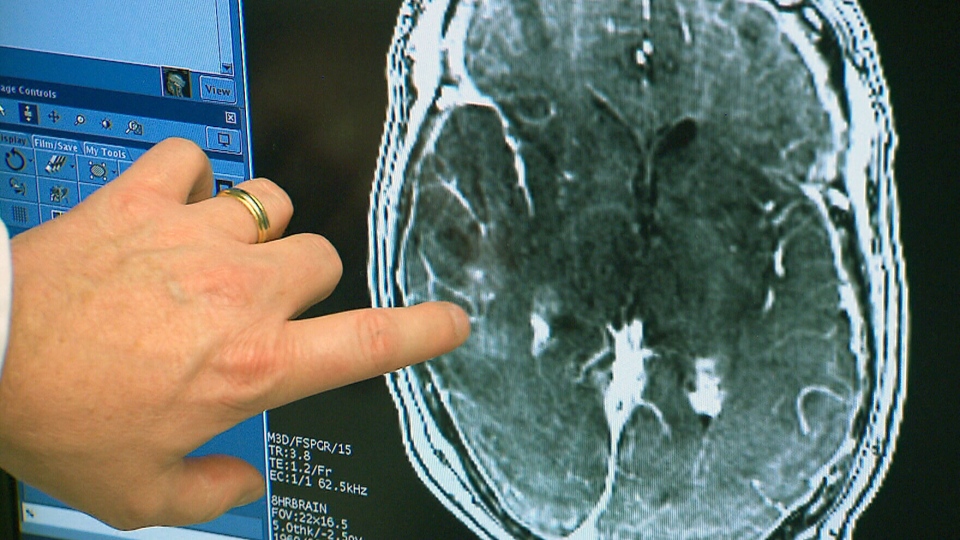
Kyoto University’s Wataru Sato has used MRI to understand where happiness happens in the brain. However, the neural mechanism behind how happiness emerges remains unclear.

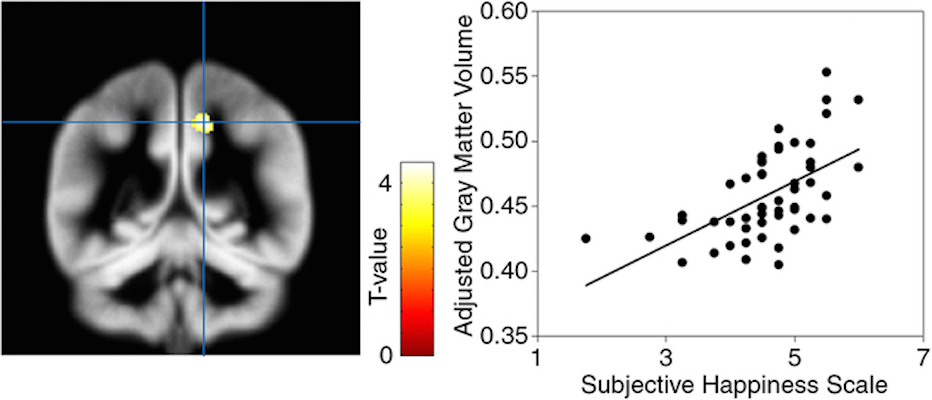
Sato’s recent paper shows that the  precuneus, which also becomes active when experiencing consciousness, mediates subjective happiness by integrating its emotional and cognitive components.

Participants had MRI brain scans and completed a survey that asked how happy they are generally, how intensely they feel emotions, and how satisfied they are with their lives.  Those who scored higher on the happiness surveys had more grey matter mass in the precuneus.

WEARABLE TECH + DIGITAL HEALTH SAN FRANCISCO – APRIL 5, 2016 @ THE MISSION BAY CONFERENCE CENTER

NEUROTECH SAN FRANCISCO – APRIL 6, 2016 @ THE MISSION BAY CONFERENCE CENTER

Categories
Apps Autism Brain Children

App identifies early signs of autism

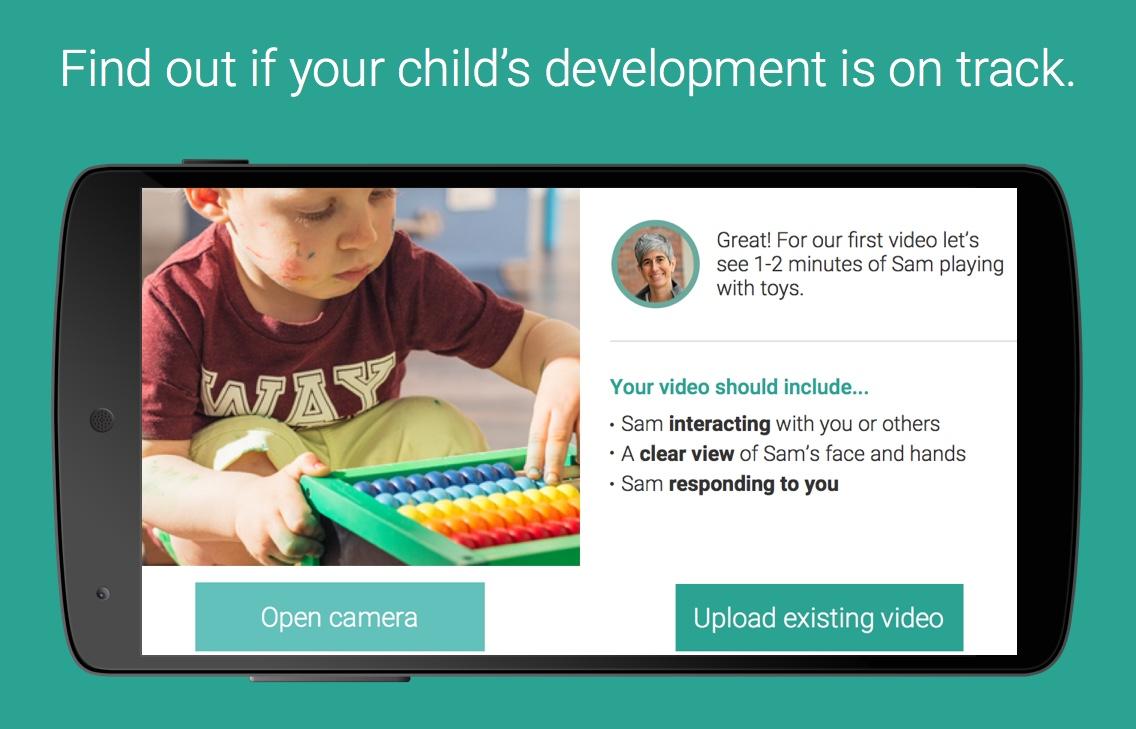
Cognoa is an app  that asks parents to answer 15 questions about behavior to indicate whether their child is at risk of autism.  It is based on data from 10,000 children and validation studies led by Stanford professor Dennis Wall.

The system focuses on specific behaviors from  standard diagnostic instruments that have the highest value for detecting developmental delay and autism. The predictive algorithm relies on the behavioral reports from parents and a video evaluation of the child.

It is meant to be used by non-clinicians to earlier identify issues that require treatment by a physician.

Professor Wall will be a featured speaker at ApplySci’s NEUROTECH SAN FRANCISCO conference  on April 6th, which immediately follows WEARABLE TECH + DIGITAL HEALH SAN FRANCISCO on Aprl 5th.

Categories
Brain

32 gene expression patterns identified in human brains

An Allen Institute study describes a surprisingly small set of patterns that characterize how brains express or use genes.  This finding appears to be common to all of us.

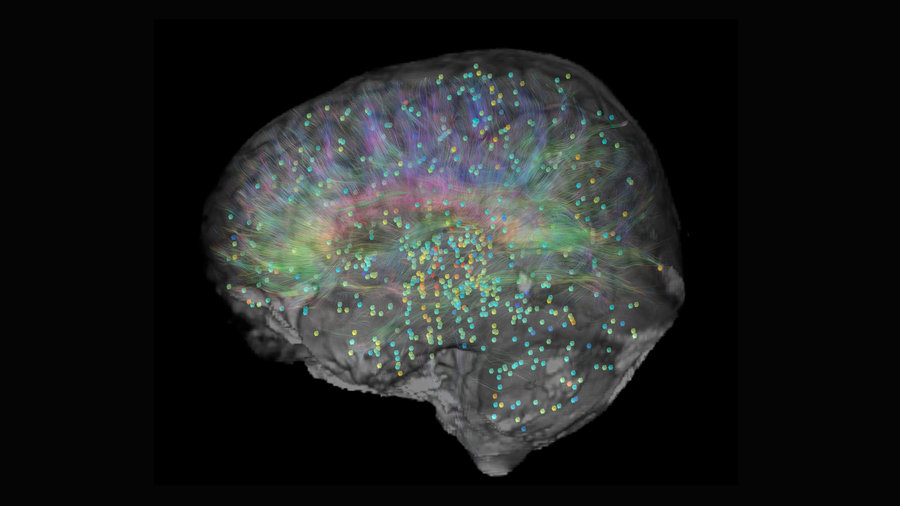
Genes were ranked by consistency of expression (or usage) patterns across each brain studied. The relationship of these genes to one another, and to brain function and disease, were analyzed. Across all (approximately) 20,000  genes, most  usage throughout different brain regions was characterized by just 32 expression patterns.

The genes most consistent across the 6 brains in the study included those associated with autism and Alzheimer’s Disease.  This understanding will hopefully lead to better detection and treatment of brain diseases.

NEUROTECH SAN FRANCISCO – APRIL 6, 2016 @ THE MISSION BAY CONFERENCE CENTER

Categories
Brain Cancer Ultrasound

Ultrasound penetrates blood-brain barrier to treat brain tumor

Todd Mainprize at Sunnybrook Hospital has, for the first time,  delivered chemotherapy directly to a brain tumor, by breaking through the blood-brain barrier using tightly focused ultrasound.

The patient’s bloodstream was  infused with a chemotherapy drug, as well as microscopic bubbles, which are smaller than red blood cells and can pass freely through blood. MRI-guided, low intensity sound waves targeted blood vessels in the blood-brain barrier, near the tumor site. The ultrasound waves vibrated the microbubbles,  loosening the tight cell junctions of the blood-brain barrier. The loosened junctions allowed the chemotherapy drug to flow past the barrier and deposit within the targeted tumor site.

This breakthrough could also lead to new treatments for brain diseases such as Parkinson’s and Alzheimer’s.

Click to view Sunnybrook Hospital video.

NEUROTECH SAN FRANCISCO – APRIIL 6, 2016 @ THE MISSION BAY CONFERENCE CENTER

Categories
Brain Parkinson's Wounds

Wearable + exercise app to improve Parkinson’s symptoms

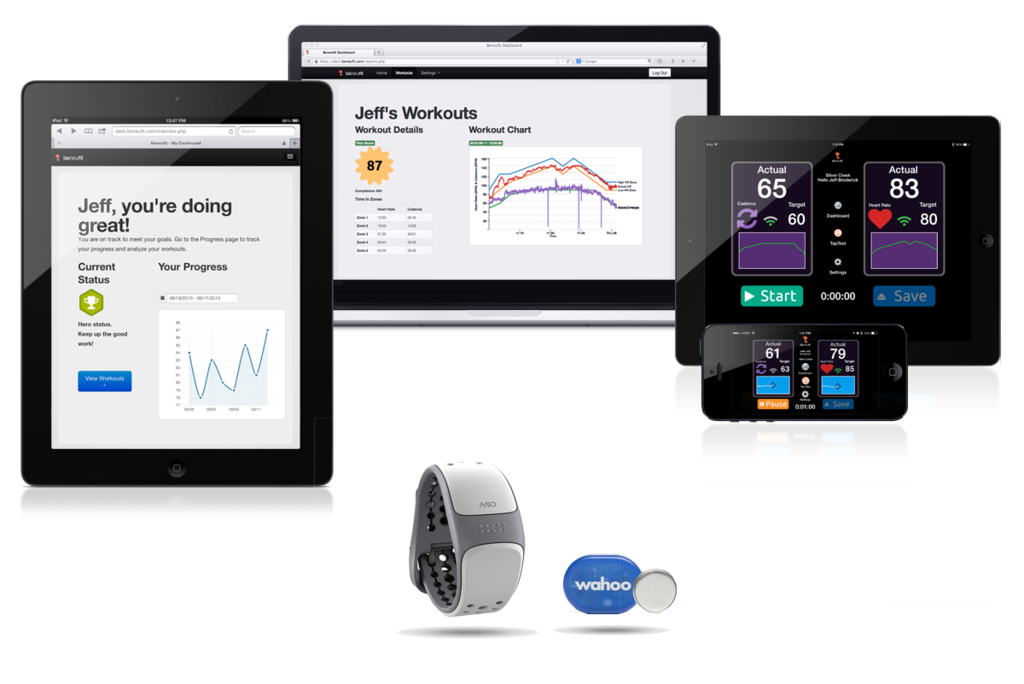
MIO and Beneufit have partnered to develop wearables to target the symptoms of Parkinson’s disease.

The pdFIT exercise app was developed to improve manual dexterity and fitness levels in Parkinson’s patients.  The wearable continuously monitors progress via sensors on the wrist.

The company claims that its Optimal Heart Rate  technology cancels noise caused by movement, due to an added accelerometer.  This improves the accuracy of the heart rate monitoring algorithm.

WEARABLE TECH + DIGITAL HEALTH SAN FRANCISCO – APRIL 5, 2016 @ THE MISSION BAY CONFERENCE CENTER

NEUROTECH SAN FRANCISCO – APRIL 6, 2016 @ THE MISSION BAY CONFERENCE CENTER


Categories
BCI Brain

Faster, noninvasive BCI speller system

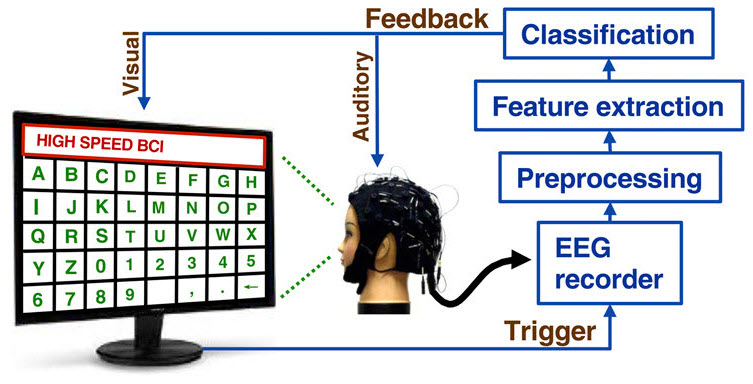
Tsinghua University researchers have developed  a noninvasive brain-computer interface with the fastest information transfer rate to date.   The system is based on  steady-state visual evoked potentials, where a speller system detects a user’s gaze direction to a target a character.

Frequency and phase of stimulation signals were precisely encoded in single-trial SSVEPs. A user-specific decoding algorithm adjusted to individual differences in visual latency. Interference from noisy EEG signals was addressed with a visual latency estimation approach.

In online spelling performance among subjects, the mean spelling rate was 50 to 60 characters per minute, with an information transfer rate of 4.5 to 5.5 bits per second.  This is much faster than existing noninvasive BCI spelling systems.

NEUROTECH SAN FRANCISCO – APRL 6, 2016 @ THE MISSION BAY CONFERENCE CENTER