Categories
Brain DBS Parkinson's

Directional DBS system targets GPi to relieve Parkinson’s symptoms

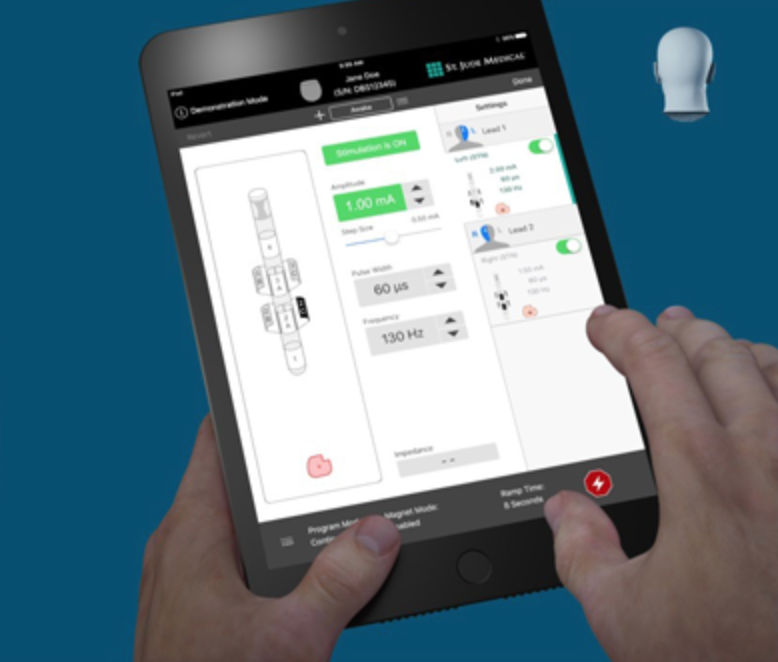
Abbott received FDA approval for an expanded indication for its Deep Brain Stimulation system, to include targeting of internal globus pallidus. The GPi plays an integral role in motor function. When targeted with DBS, Parkonson’s symptoms not adequately controlled by medication can improve.

The directed stimulation system is now approved for all major targets used to treat movement disorders, using an iOS software platform and Bluetooth.

The company’s PROGRESS study is the largest DBS study for directional lead use in Parkinson’s disease.

Abbott’s Erika Ross will discuss advanced neurmodulation technologies at ApplySci’s Wearable Tech + Digital Health + Neurotech Silicon Valley conference on February 11-12, 2020

Categories
Brain

Injected nanoparticles could reduce TBI swelling

In what he believes might be the first “real and practical treatment for people with significant traumatic brain injury,” Northwestern’s John Kessler was able to significantly reduce brain swelling and damage by injecting nanoparticles into the bloodstream within two hours after the injury. The very promising technology has, so far, only been tested on mice.

After a traumatic brain injury, the body launches an inflammatory reaction that triggers a cascade of immune responses that result in brain swelling. Surgeons can open the skull to relieve the pressure, but the brain still continues to swell.”   

The nanoparticles work as a decoy to distract the immune cells from charging into the brain and causing more damage. The immune modifying nanoparticles do not contain drugs or cargo.

After a traumatic brain injury, monocytes rush to the injury site and attempt to clean up debris from damaged brain cells and secrete inflammatory proteins that stimulate other immune cells. However, this produces swelling and inflammation that damages surrounding healthy brain tissue.

When the scientists inject the nanoparticles into the bloodstream shortly after the injury, these monocytes are tricked into thinking the nanoparticles are invading foreign materials. They engulf the particles and usher them to the spleen for disposal. The distracted monocytes are no longer around to enter the brain and cause problems.  

In the study, mice that received the nanoparticles after a traumatic brain injury had greatly reduced swelling and half the damage to brain tissue compared to those who did not receive the nanoparticles. One of the injury models mimicked a closed head traumatic brain injury common in humans. In that model, the animals’ motor and visual function improved after the nanoparticle injection.

Join ApplySci at the 13th Wearable Tech + Digital Health + Neurotech Silicon Valley conference on February 11-12, 2020 at Quadrus Sand Hill Road.  Speakers include:  Zhenan Bao, Stanford – Vinod Khosla, Khosla Ventures – Mark Chevillet, Facebook – Shahin Farshchi, Lux Capital – Carla Pugh, Stanford – Nathan Intrator, Tel Aviv University | Neurosteer – Wei Gao, Caltech – Sergiu Pasca, Stanford – Walter Greenleaf, Stanford – Sheng Xu, UC San Diego – Dror Ben-Zeev, University of Washington – Mikael Eliasson, Roche  – Unity Stoakes, StartUp Health – Garth Smith, Ontario Brain Institute – Erika Ross, Abbott Neuromodulation

Categories
3-D Printing Respiratory

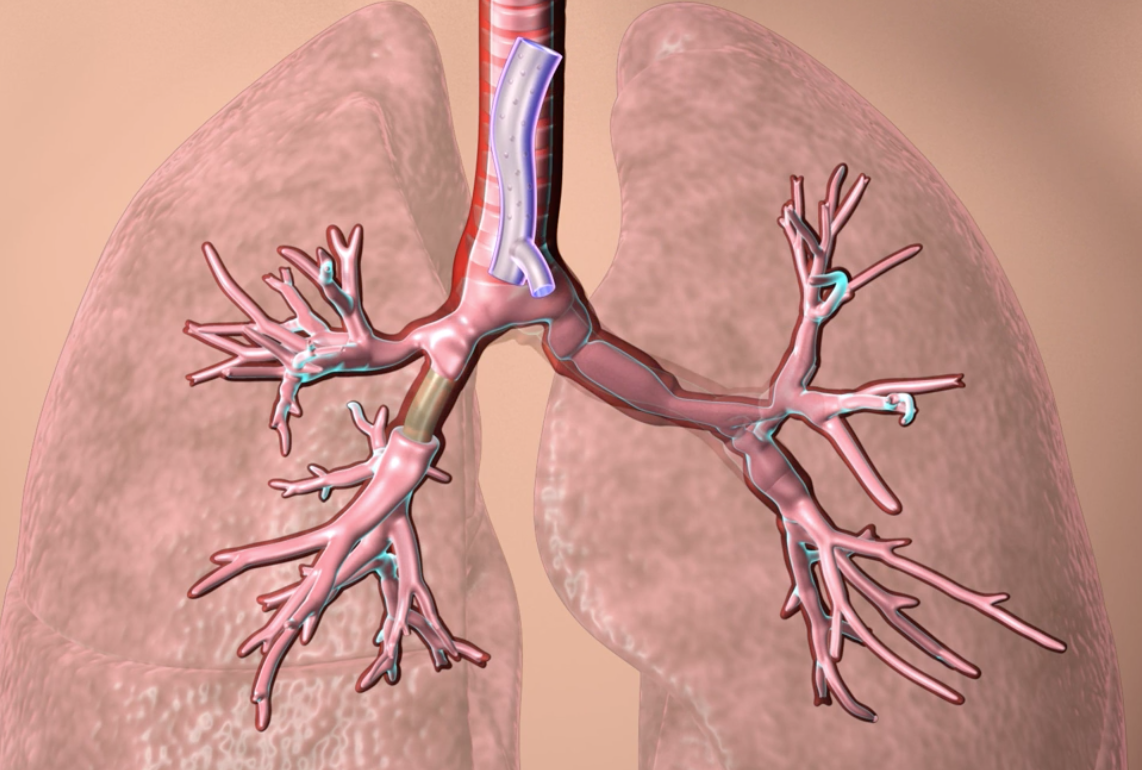
3D printed, custom fitted airway stents

Cleveland Clinic physician Tom Gildea used CT scans and visualization software to develop 3D printed silicone stents used to open the airways of patients with tumors, inflammation, trauma or other masses. The technology has now been approved by the FDA.

Standard airway stents come in a limited number of sizes and shapes and are generally designed for larger airways. As every patient’s anatomy is different, it difficult to get a perfect fit, especially for those with complex conditions. Poorly fitted stents can become distorted, and cause the growth of new tissue, mucus impaction and tissue death.

In studies, the 3D printed stents lasted about a year before needing to be changed, versus 90 days for stock stents. Procedure times were shorter and patient-reported symptoms improved, leading to a reduction in changes and modifications.

It’s estimated that 30,000 airway stents will be implanted in the U.S. in 2020

Join ApplySci at the 13th Wearable Tech + Digital Health + Neurotech Silicon Valley conference on February 11-12, 2020 at Quadrus Sand Hill Road.  Speakers include:  Zhenan Bao, Stanford – Vinod Khosla, Khosla Ventures – Mark Chevillet, Facebook – Shahin Farshchi, Lux Capital – Carla Pugh, Stanford – Nathan Intrator, Tel Aviv University | Neurosteer – Wei Gao, Caltech – Sergiu Pasca, Stanford – Walter Greenleaf, Stanford – Sheng Xu, UC San Diego – Dror Ben-Zeev, University of Washington – Mikael Eliasson, Roche  – Unity Stoakes, StartUp Health – Garth Smith, Ontario Brain Institute – Erika Ross, Abbott Neuromodulation
Categories
Aging Genetics Genomics Longevity

Genetic “Ageotypes” predict health as we age

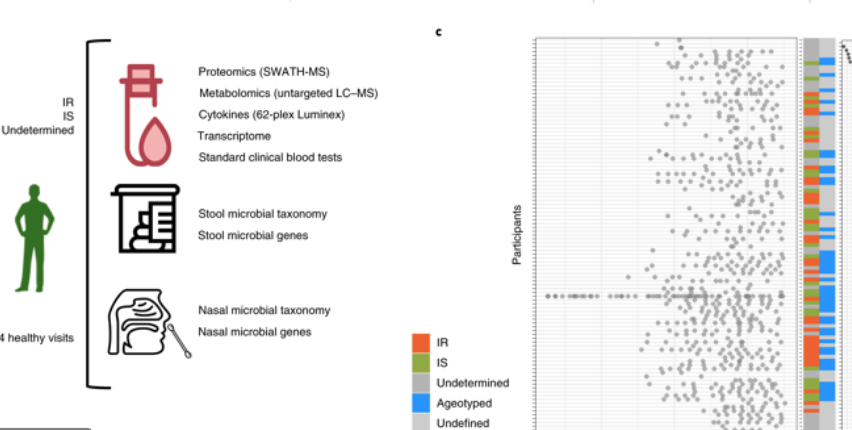
Stanford’s Michael Snyder has categorized how humans age into different classes called “ageotypes”: metabolic, immune, hepatic and nephrotic.

43 healthy men and women between the ages of 34 and 68 were profiled, with extensive measurements of certain microbes and biological molecules, such as proteins, metabolites and lipids, taken at least five times over two years.

Snyder said that the study enabled the researchers to see clear patterns of how individuals experience aging on a molecular level and help them focus on health-risk factors and find the areas in which they’re most likely to encounter problems in the future.

For example, those who are metabolic agers might be at a higher risk for diabetes or show signs of elevated hemoglobin A1c as they grow older. Immune agers might generate higher levels of inflammatory markers or be more prone to immune-related diseases as they age. The ageotypes are not mutually exclusive. They signify the pathways in which increases in aging biomarkers are most pronounced

Differences in aging between healthy and insulin resistant participants were studied for the first time. Snyder discovered 10 molecules that significantly differed between insulin-sensitive and insulin-resistant people as they age. Many of those markers were involved in immune function and inflammation.

In some people, their markers decreased, at least for a short period, when they changed their behavior. The overall rate at which they aged declined, and in some cases aging markers decreased. This occured in molecules including hemoglobin A1c and creatine, a marker for kidney function, among a small subset of participants.

In that subset, Snyder said, there were individuals who made lifestyle changes to slow their aging rate. Among those who exhibited decreased levels of hemoglobin A1c, many had lost weight, and one made dietary changes. Some who saw a decrease in creatine, indicating improved kidney function, were taking statins. In other cases, exactly why rates of aging markers waned was unclear. For some people, there were no obvious behavioral changes, yet the team still saw a decreased rate of aging along their ageotype pathways. There was also a handful of people that maintained a slower-than-average aging rate throughout the entire study.

Prof Snyder was a speaker at the 2019 ApplySci conference at Stanford.


Join ApplySci at the 13th Wearable Tech + Digital Health + Neurotech Silicon Valley conference on February 11-12, 2020 at Quadrus Sand Hill Road.  Speakers include:  Zhenan Bao, Stanford – Vinod Khosla, Khosla Ventures – Mark Chevillet, Facebook – Shahin Farshchi, Lux Capital – Carla Pugh, Stanford – Nathan Intrator, Tel Aviv University | Neurosteer – Wei Gao, Caltech – Sergiu Pasca, Stanford – Walter Greenleaf, Stanford – Sheng Xu, UC San Diego – Dror Ben-Zeev, University of Washington – Mikael Eliasson, Roche  – Unity Stoakes, StartUp Health – Garth Smith, Ontario Brain Institute – Erika Ross, Abbott Neuromodulation
Categories
Featured Genomics Longevity

George Church on reversing aging | ApplySci @ Harvard

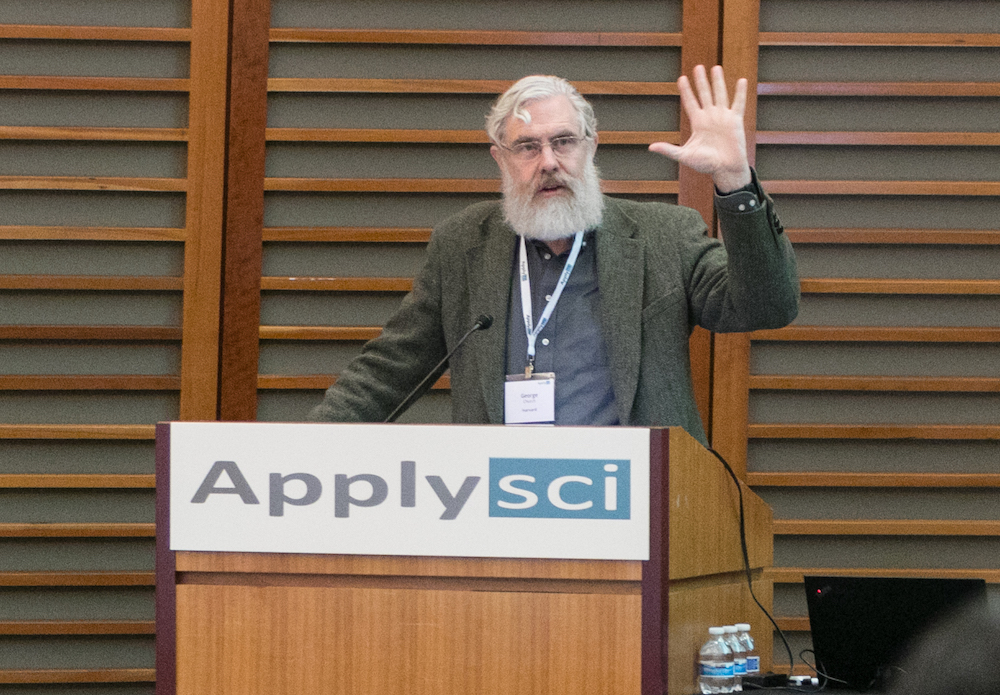
George Church again keynoted the ApplySci Boston conference, this year at Harvard Medical School on November 14, 2019.

Click to view his groundbreaking talk on reversing aging.


Join ApplySci at the 13th Wearable Tech + Digital Health + Neurotech Silicon Valley conference on February 11-12, 2020 at Quadrus Sand Hill Road.  Speakers include:  Zhenan Bao, Stanford – Vinod Khosla, Khosla Ventures – Mark Chevillet, Facebook – Shahin Farshchi, Lux Capital – Carla Pugh, Stanford – Nathan Intrator, Tel Aviv University | Neurosteer – Wei Gao, Caltech – Sergiu Pasca, Stanford – Walter Greenleaf, Stanford – Sheng Xu, UC San Diego – Dror Ben-Zeev, University of Washington – Mikael Eliasson, Roche  – Unity Stoakes, StartUp Health – Garth Smith, Ontario Brain Institute

Categories
Sensors

Joe Wang on next-generation biosensors

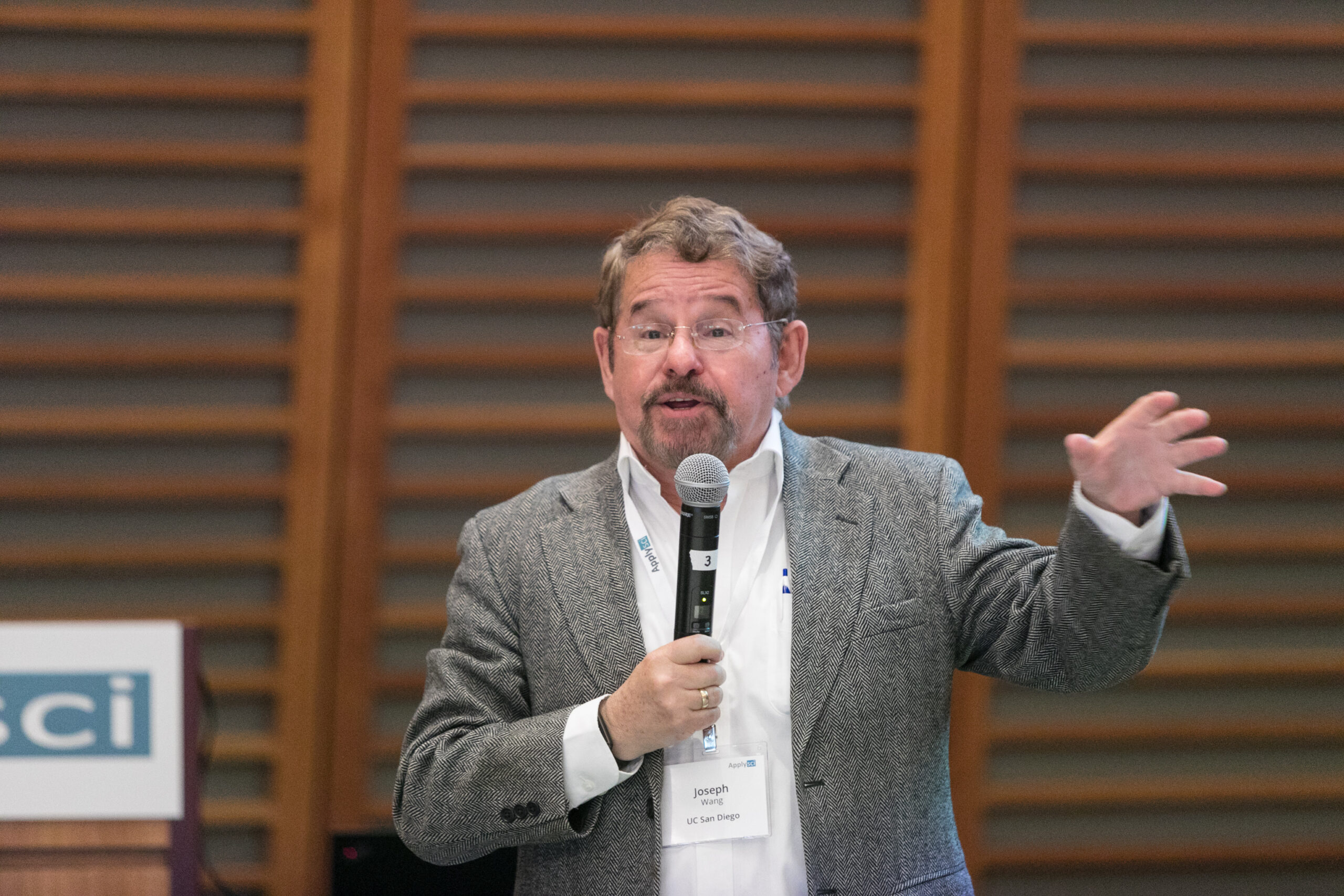
Joseph Wang is the SAIC Endowed Chair professor, Chairman of the NanoEngineering Department and Director of the Center for Wearable Sensors at University of California, San Diego, and Editor-in-chief of the journal Electroanalysis.

A prolific researcher with more than 1,200 papers and 100,000 citations, he recently developed an ultrasound patch to monitor blood pressure; self-propelled and targeted drug delivery; and continuous Levadopa monitoring for Parkinson’s management; amongst other full body, unobtrusive, advanced organic sensors for the next generation of healthcare.

Professor Wang described some of his groundbreaking work at the ApplySci conference at Harvard Medical School on November 14, 2019.

Click to view a video of his talk.


Join ApplySci at the 13th Wearable Tech + Digital Health + Neurotech Silicon Valley conference on February 11-12, 2020 at Quadrus Sand Hill Road.  Speakers include:  Zhenan Bao, Stanford – Vinod Khosla, Khosla Ventures – Mark Chevillet, Facebook – Shahin Farshchi, Lux Capital – Carla Pugh, Stanford – Nathan Intrator, Tel Aviv University | Neurosteer – Wei Gao, Caltech – Sergiu Pasca, Stanford – Walter Greenleaf, Stanford – Sheng Xu, UC San Diego – Dror Ben-Zeev, University of Washington – Mikael Eliasson, Roche  – Unity Stoakes, StartUp Health – Garth Smith and a delegation of startups from the Ontario Brain Institute

Categories
AI Cancer

AI for (much) earlier breast cancer detection – Constance Lehman

Connie Lehman — Professor, Radiology, Harvard Medical School; Chief of Breast Imaging, radiology, Massachusetts General Hospital; Co-director of AVON Breast Center, Radiology, Massachusetts General Hospital; and Director, Breast Imaging Research Center, Radiology, Massachusetts General Hospital spoke at ApplySci’s recent conference at Harvard Medical School.

Click to listen to her talk on using AI to discover breast cancer 5 years earlier than currently possible.


Join ApplySci at the 13th Wearable Tech + Digital Health + Neurotech Silicon Valley conference on February 11-12, 2020 at Quadrus Sand Hill Road.  Speakers include:  Zhenan Bao, Stanford – Vinod Khosla, Khosla Ventures – Mark Chevillet, Facebook – Shahin Farshchi, Lux Capital – Carla Pugh, Stanford – Nathan Intrator, Tel Aviv University | Neurosteer – Wei Gao, Caltech – Sergiu Pasca, Stanford – Walter Greenleaf, Stanford – Sheng Xu, UC San Diego – Dror Ben-Zeev, University of Washington – Mikael Eliasson, Roche  – Unity Stoakes, StartUp Health

Categories
3-D Printing Featured Sensors

3D-printed, remote-controlled lab on chip for quicker, more accurate monitoring

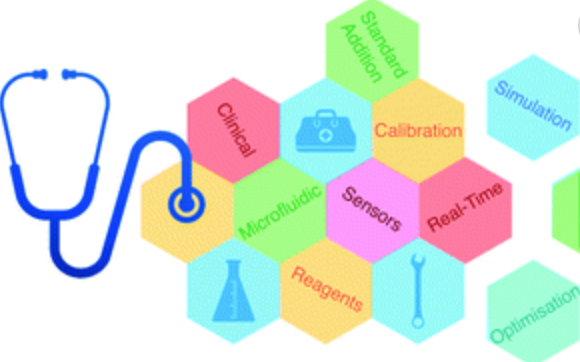
Imperial College’s Martyn  Boutelle has developed a 3D printed, remote-controlled Lab on a Chip for real-time monitoring with improved personal care.

Previous ‘Lab on a Chip’ devices have required large external support systems. Sensor deterioration over time inhibited their clinical effectiveness.

The device can monitor chemical fluctuations, giving quicker and more accurate results, and potentially gather data that was previously not possible.

Boutelle said that the “research has shown that these sensors are capable of successfully monitoring patients who are in incredibly unstable conditions and provide their healthcare team with reliable information as soon as they need it, as well as a means of alerting them when critical clinical changes occur.”

The brain requires a continuous supply of glucose to function, but too much of it can be detrimental. Declining pyruvate levels could indicate a lack of oxygen  to the brain.  Providing earlier access to this data can save lives, and has not been possible before.


Join ApplySci at the 13th Wearable Tech + Digital Health + Neurotech Silicon Valley conference on February 11-12, 2020 at Quadrus Sand Hill Road.  Speakers include:  Zhenan Bao, Stanford – Vinod Khosla, Khosla Ventures – Mark Chevillet, Facebook – Shahin Farshchi, Lux Capital – Carla Pugh, Stanford – Nathan Intrator, Tel Aviv University | Neurosteer – Wei Gao, Caltech – Sergiu Pasca, Stanford – Walter Greenleaf, Stanford – Sheng Xu, UC San Diego – Dror Ben-Zeev, University of Washington – Mikael Eliasson, Roche  – Unity Stoakes, StartUp Health

Categories
Featured Sensors

Stretchable, degradable semiconductors for health monitoring

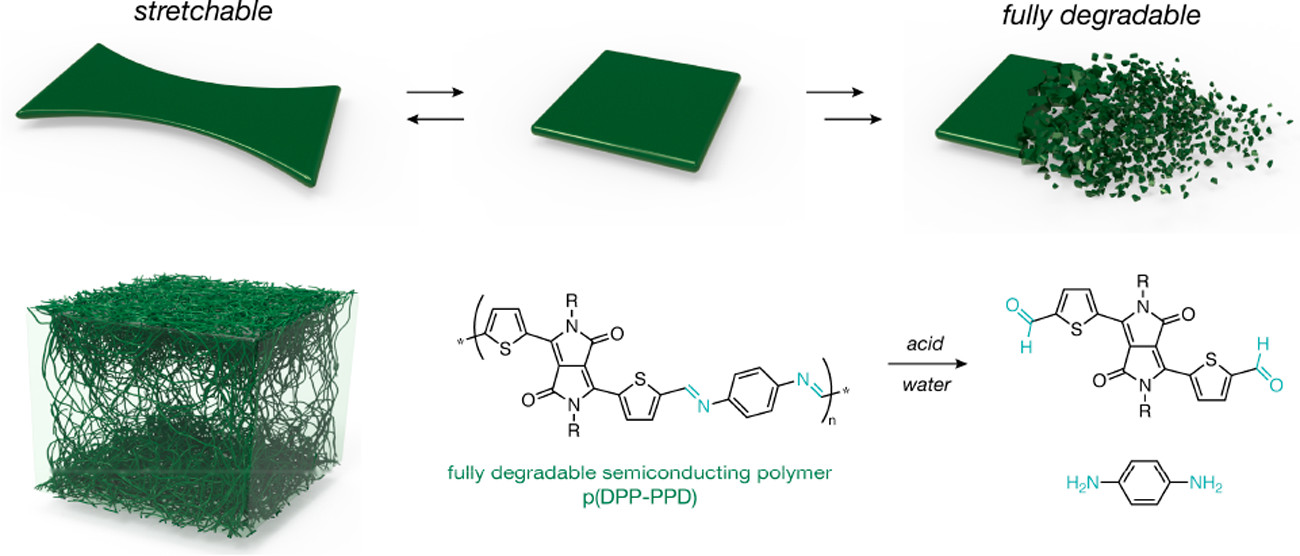
Zhenan Bao has developed stretchable, degradable semiconductors, with the ability to conform to internal organ surfaces, and dissolve and disappear when no longer needed.

This is the first example of a material that simultaneously possesses the three qualities of semiconductivity, intrinsic stretchability and full degradability. Other attempts resulted in semiconductors that either did not break down completely, or had reduced electrical performance when stretched.

Zhenan Bao has solved this problem – by combining a rubbery organic polymer with a semiconducting one.

Her team synthesized and mixed the two degradable polymers, which self-assembled into semiconducting nanofibers embedded in an elastic matrix. Thin films made of these fibers could be stretched to twice their normal length without cracking or compromising electrical performance. When placed in a weak acid, the new material degraded completely within 10 days.   (Bao said that it would take much longer in the human body.) The semiconductor was  non-toxic to human cells growing on the material in a petri dish.


Zhenan Bao will discuss this technology, and more of her latest work, at Wearable Tech + Digital Health + Neurotech Silicon Valley on Feb 11-12
Categories
Sensors Sweat Wearables

Sweat sensor monitors metabolites to detect gout, metabolic and other disorders

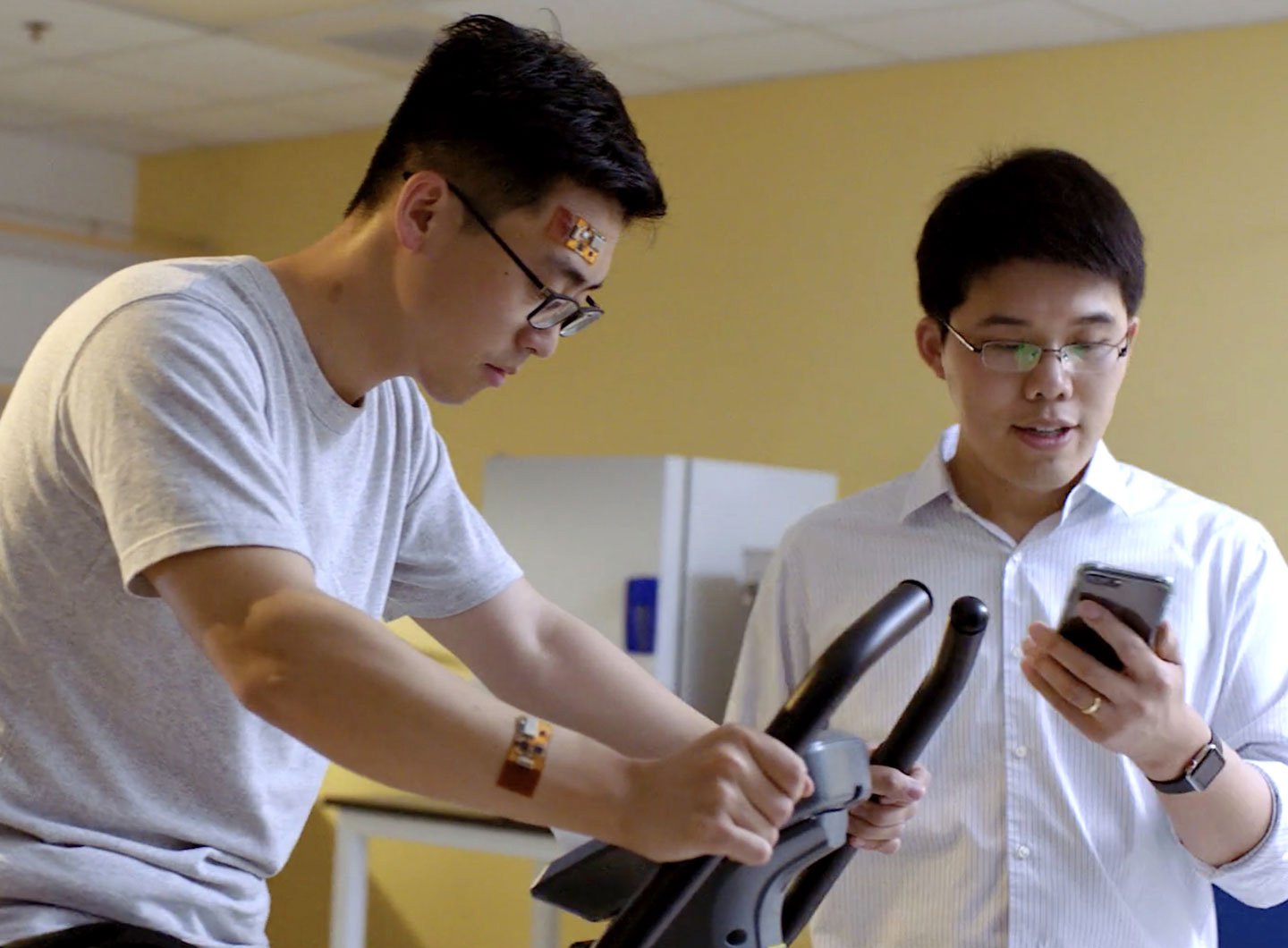
Caltech’s Wei Gao has developed a wearable sensor that monitors metabolites and nutrients in blood by analyzing sweat. Previously developed, less sensitive, sweat sensors mostly target electrolytes, glucose, and lactate.

Gao develops devices based on microfluidics, which minimize the influence of sweat evaporation and skin contamination on sensing accuracy.  Previous microfluidic-based wearable sensors were mostly fabricated with a lithography-evaporation process, requiring  complicated and expensive fabrication processes. Gao uses graphene.

In a study, the sensor was used to measure respiratory rate, heart rate, and levels of uric acid and tyrosine. Tyrosine can indicate metabolic disorders, liver disease, eating disorders, and neuropsychiatric conditions. Elevated Uric acid is associated with gout.

Gao believes that the high sensitivity of the sensors, and  the ease with which they can be manufactured, could enable them to be used at home to monitor gout, diabetes, and cardiovascular diseases.


Professor Gao will be a featured speaker at Wearable Tech + Digital Health + Neurotech Silicon Valley on February 11-12, 2020.

Categories
Sensors Virtual Reality Wearables

Wireless, wearable sticker adds a sense of touch to VR

John Rogers, Yonggang Huang and Northwestern colleagues have developed an “epidermal VR” system that adds a sense of touch to any virtual reality experience.

The device incorporates a distributed array of 32 individually programmable, millimeter-scale actuators, each of which generates a discrete sense of touch at a corresponding location on the skin. Each resonates most strongly at 200 cycles per second, where the skin exhibits maximum sensitivity. The actuators are embedded into a soft silicone polymer that adheres to the skin without tape or straps. The wireless, battery-free, device communicates with a phone or tablet through near-field communication protocols.

When a user touches the screen, that pattern of touch transmits to the patch. When video chatting from different locations, users can feel each other’s touch.

The next generation will be slimmer and lighter, with actuators that can produce heating and stretching sensations.  They will eventually  be thin and flexible enough to be woven into clothes.

Click to view Nature video


Join ApplySci at the 13th Wearable Tech + Digital Health + Neurotech Silicon Valley conference on February 11-12, 2020 at Quadrus Sand Hill Road.  Speakers include:  Zhenan Bao, Stanford – Vinod Khosla, Khosla Ventures – Mark Chevillet, Facebook – Shahin Farshchi, Lux Capital – Carla Pugh, Stanford – Nathan Intrator, Tel Aviv University | Neurosteer – Wei Gao, Caltech – Sergiu Pasca, Stanford – Rudy Tanzi, Harvard – Sheng Xu, UC San Diego – Dror Ben-Zeev, University of Washington – Mikael Eliasson, Roche  – Unity Stoakes, StartUp Health


Categories
Brain Ultrasound

Study: Focused ultrasound reduced essential tremor symptoms for 3 years

In a recent study, Casey Halpern and  colleagues used ultrasound to relieve symptoms of essential tremor, for up to three years. The treatment is used when medication does not work.

76 people with an average age of 71 who had essential tremor for an average of 17 years were studied. 56  received focused ultrasound thalamotomy, and 20 had a sham therapy. After three months, those who received the sham were offered the treatment. 23 people left the study. The researchers believe that those who left did not respond as well as others to the treatment.

Hand tremors, level of disability and quality of life were measured at the start, and after six months, one year, two years and three years. After three years, on average, participants improved in hand tremors by 50 percent, disability by 56 percent, and quality of life by 42 percent.

No new side effects occurred. Existing side effects, which continued during the study, included numbness and tingling, imbalance and unsteadiness.  The researchers claimed that none worsened, and two were resolved, during the treatment.

Current recommended treatment for people with severe essential tremor responding insufficiently to medication is deep brain stimulation. Ultrasound is much less invasive, performed in one session. There is no need for follow-up visits, and there is immediate benefit.  Ultrasound does, however, produce an irreversible brain legion.

Cala Health has also developed a non-invasive therapy for essential tremor, using a neuromodulation wearable on the wrist. The device  stimulates nerves responsible for the tremor, interrupting circuits, to allow for better movement control.


Join ApplySci at the 13th Wearable Tech + Digital Health + Neurotech Silicon Valley conference on February 11-12, 2020 at Quadrus Sand Hill Road.  Speakers include:  Zhenan Bao, Stanford – Vinod Khosla, Khosla Ventures – Mark Chevillet, Facebook – Shahin Farshchi, Lux Capital – Carla Pugh, Stanford – Nathan Intrator, Tel Aviv University | Neurosteer – Wei Gao, Caltech – Sergiu Pasca, Stanford – Rudy Tanzi, Harvard – Sheng Xu, UC San Diego – Dror Ben-Zeev, University of Washington – Mikael Eliasson, Roche